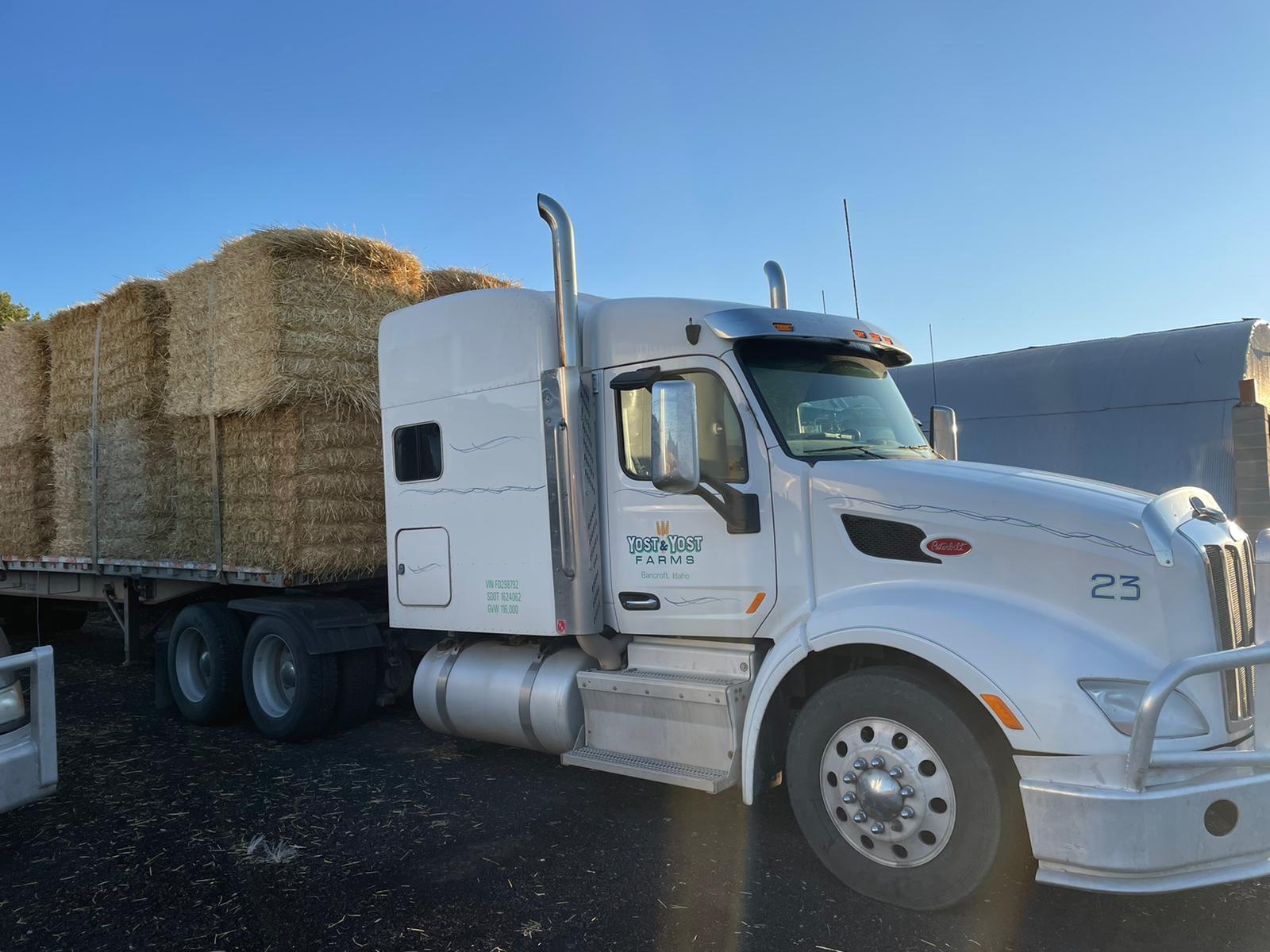
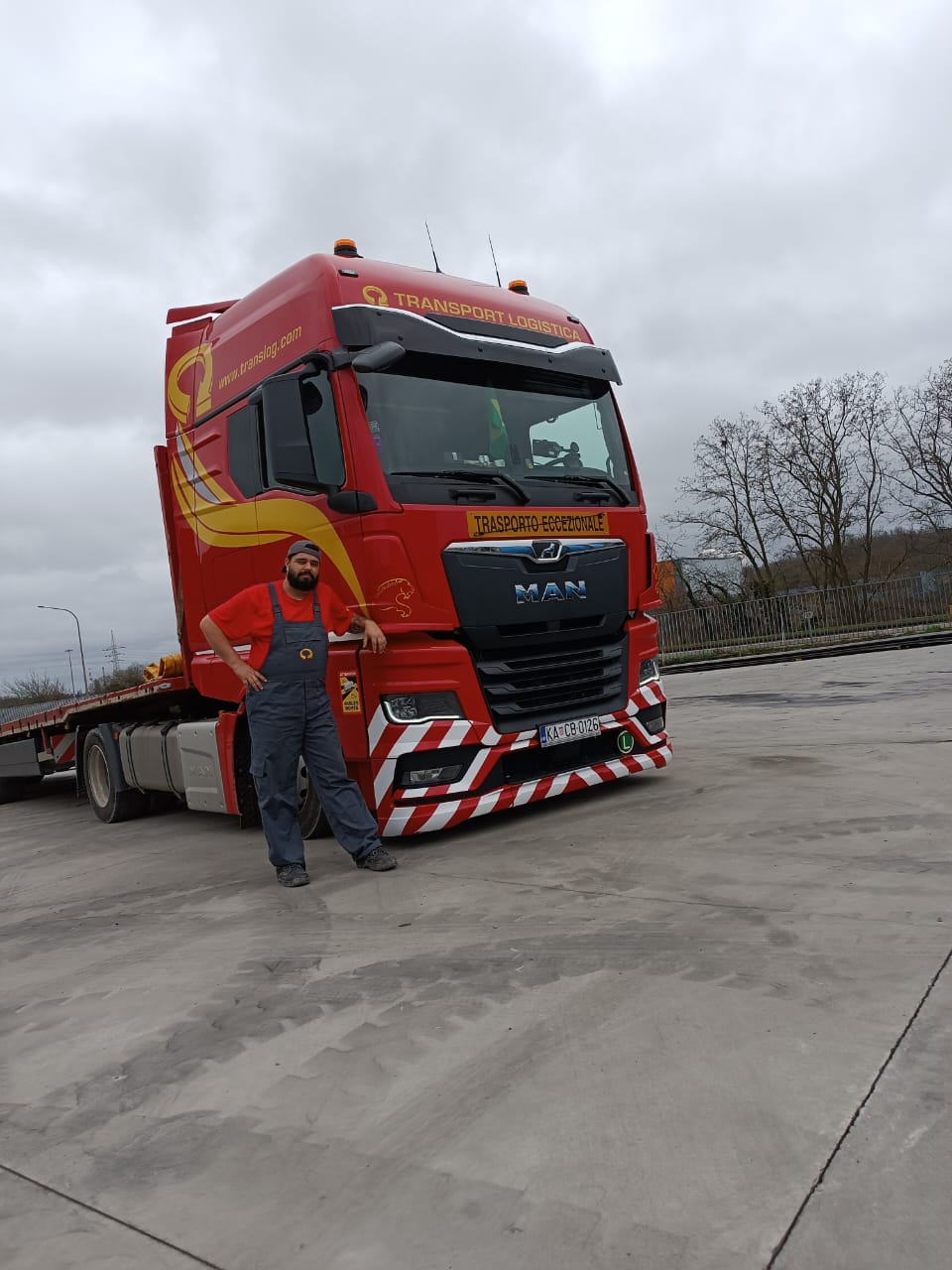
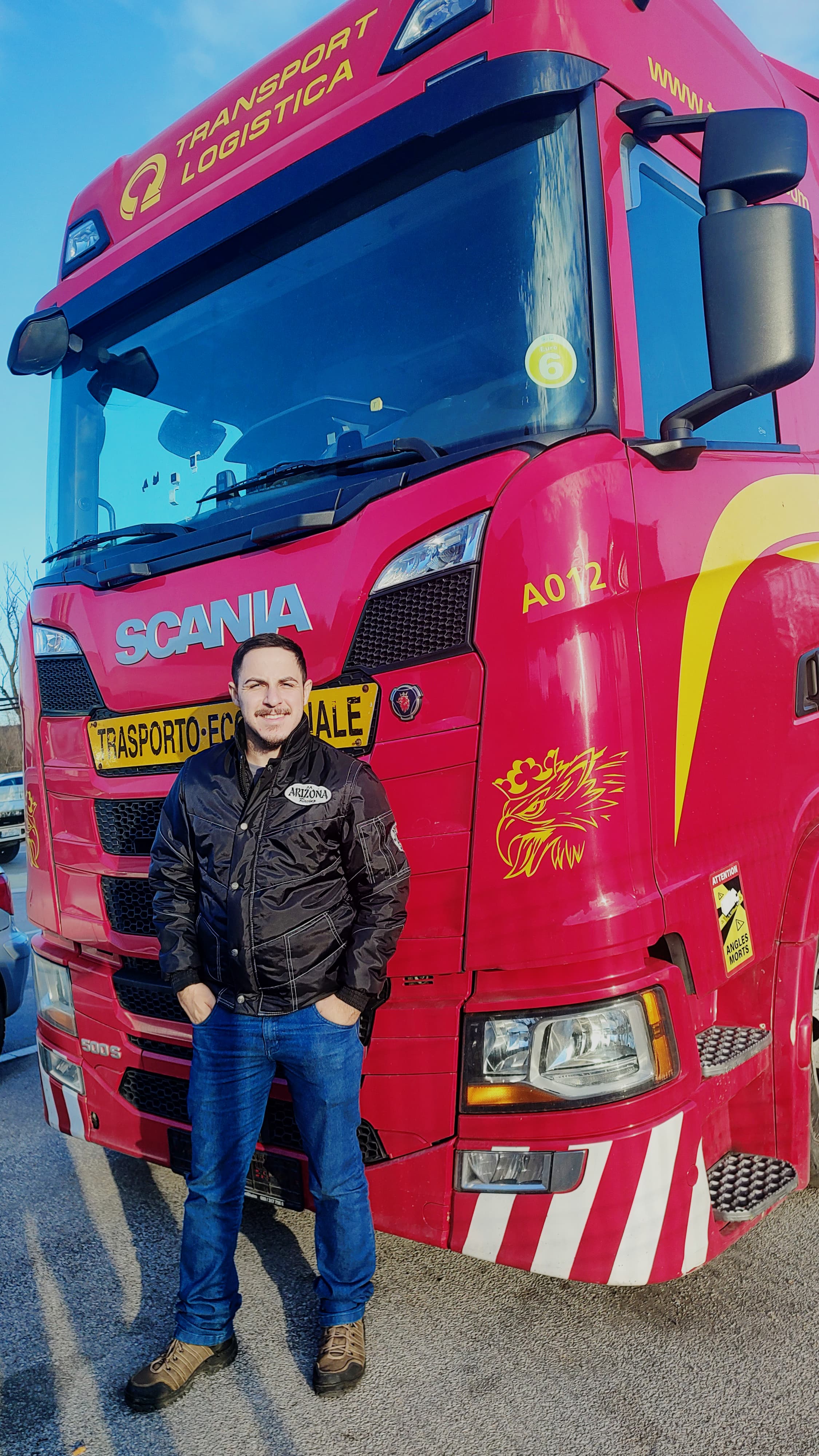
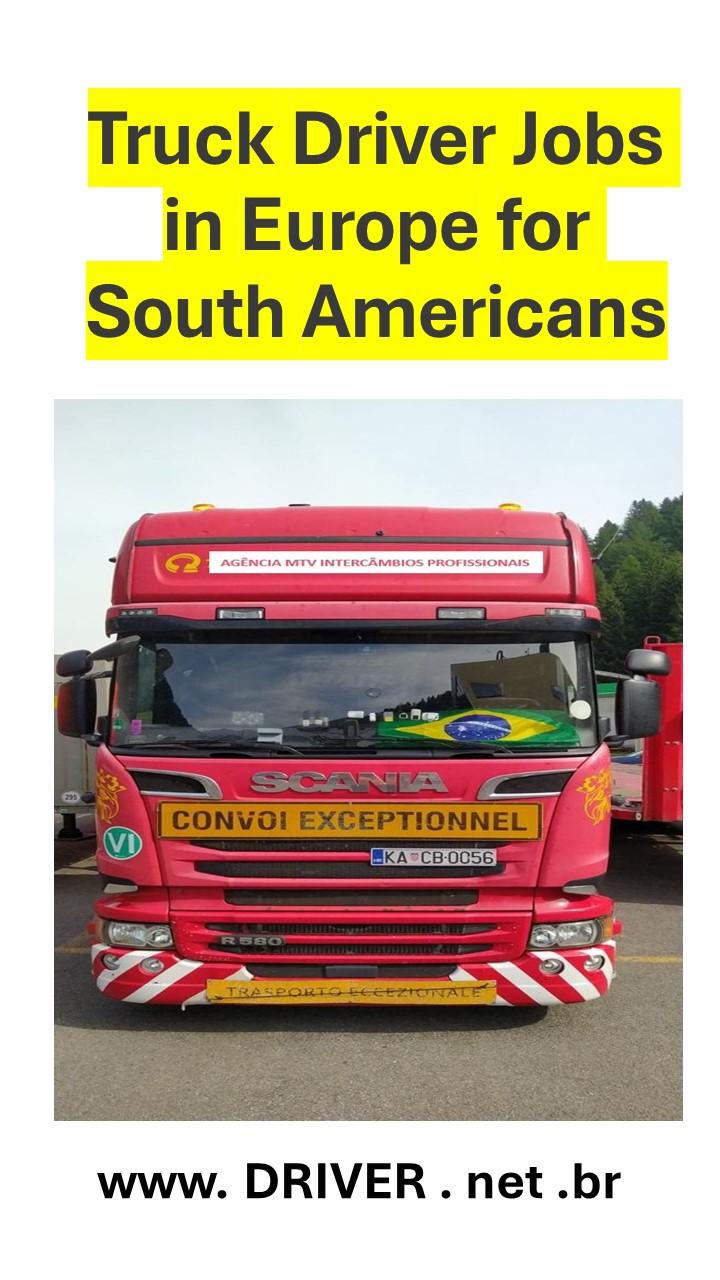
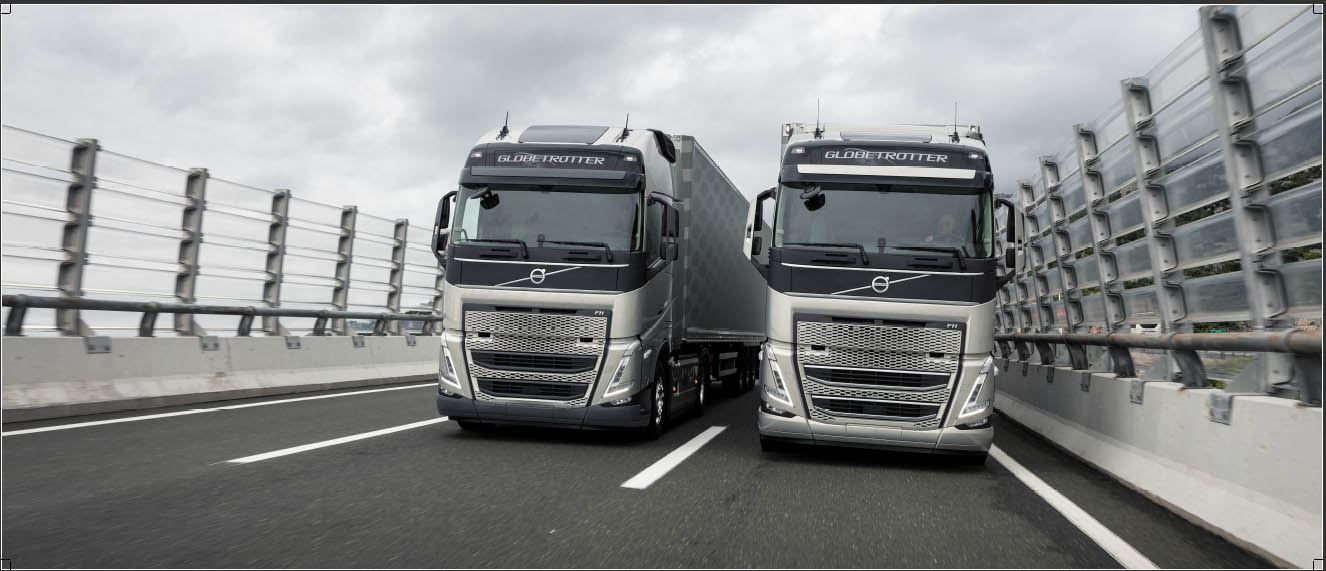
Europe needs 500,000 drivers. South America is the solution

🚛DRIVER AUCTION – Secure Your Next Top Driver and TRANSFORM our Fleet Today.
Place your bid now in our exclusive Driver Auction and connect with highly qualified, ready-to-hire professionals.
If you have the trucks , I have the Drivers!!
How much is a skilled, experienced, and road-ready truck driver worth to your fleet?
Imagine adding a professional driver who:
-
✅ Is fully experienced in international transport
-
✅ Is ready to be hired immediately
-
✅ Does not require a visa to enter and travel across Europe
-
✅ Is prepared to integrate into your operations without delay
-
In today’s competitive transport market, reliable drivers are not easy to find. We bring you pre-selected, committed professionals who are ready to move your business forward.
We are ready to meet your maximum budget.
Make your offer. Secure your driver. Strengthen your fleet.
The road to growth starts with the right driver behind the wheel.
Place your bid here Caterer Brazil - Contact us
Guarantee of Success!
If our applicants don´t pass in your probatory period, we will refund your company with all travel and visa expenses *
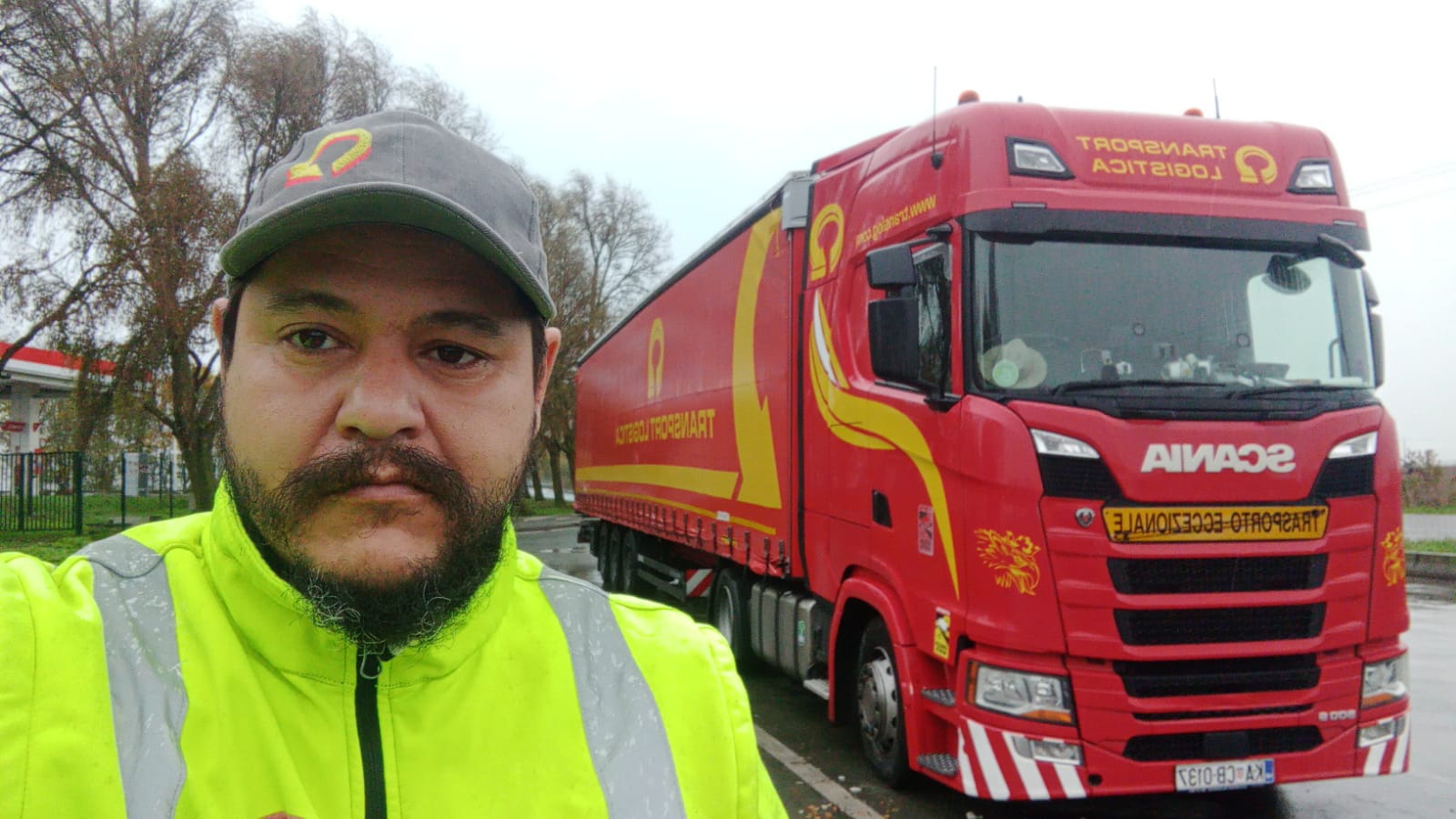
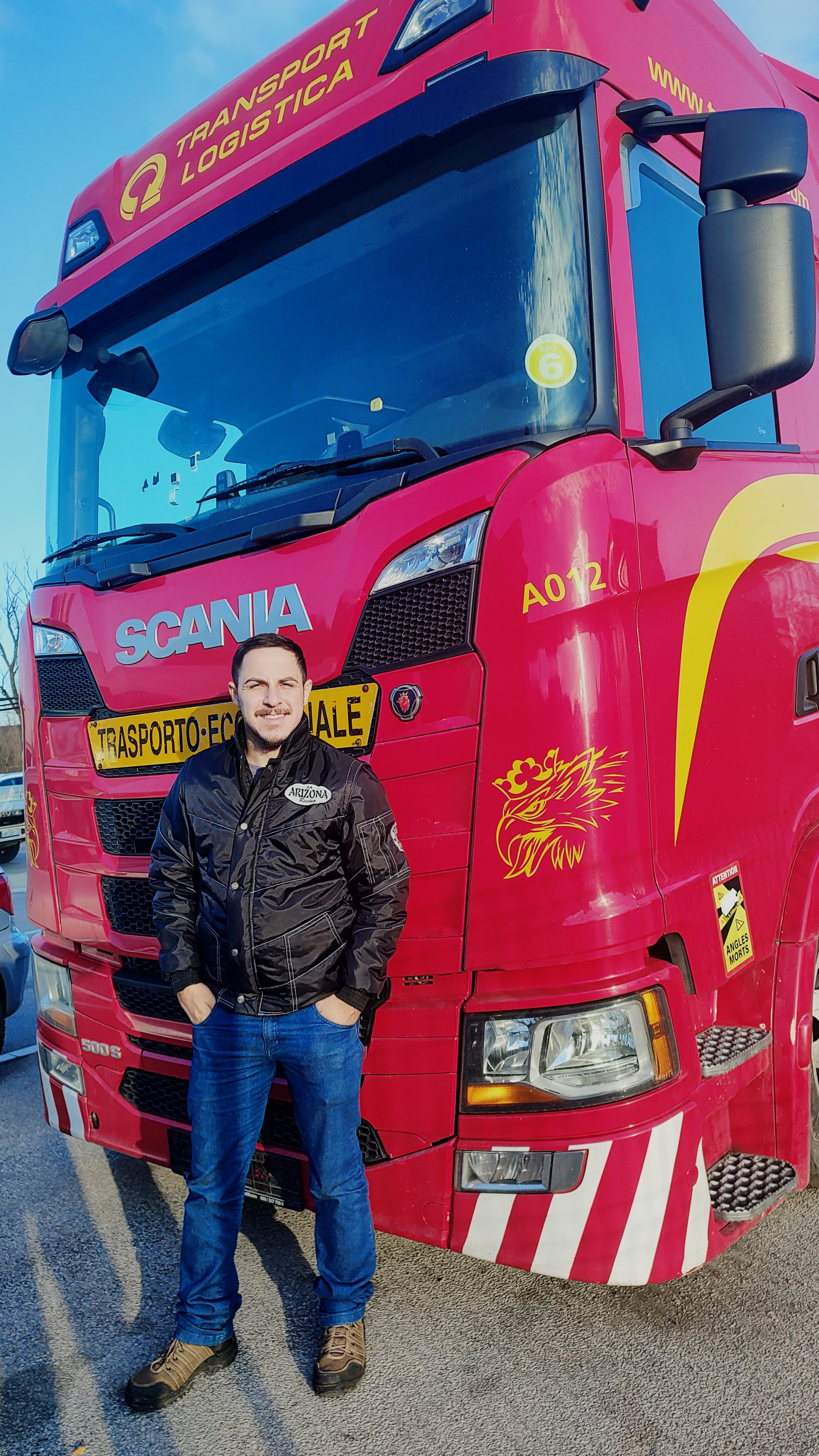
We want to be your Recruiter Partner in South America .
Our WhatsApp for faster communication +55 11 9 8935-8841 - Brazil -
Available 8 days a week, 25 hours a day, to help you , since 1990 .
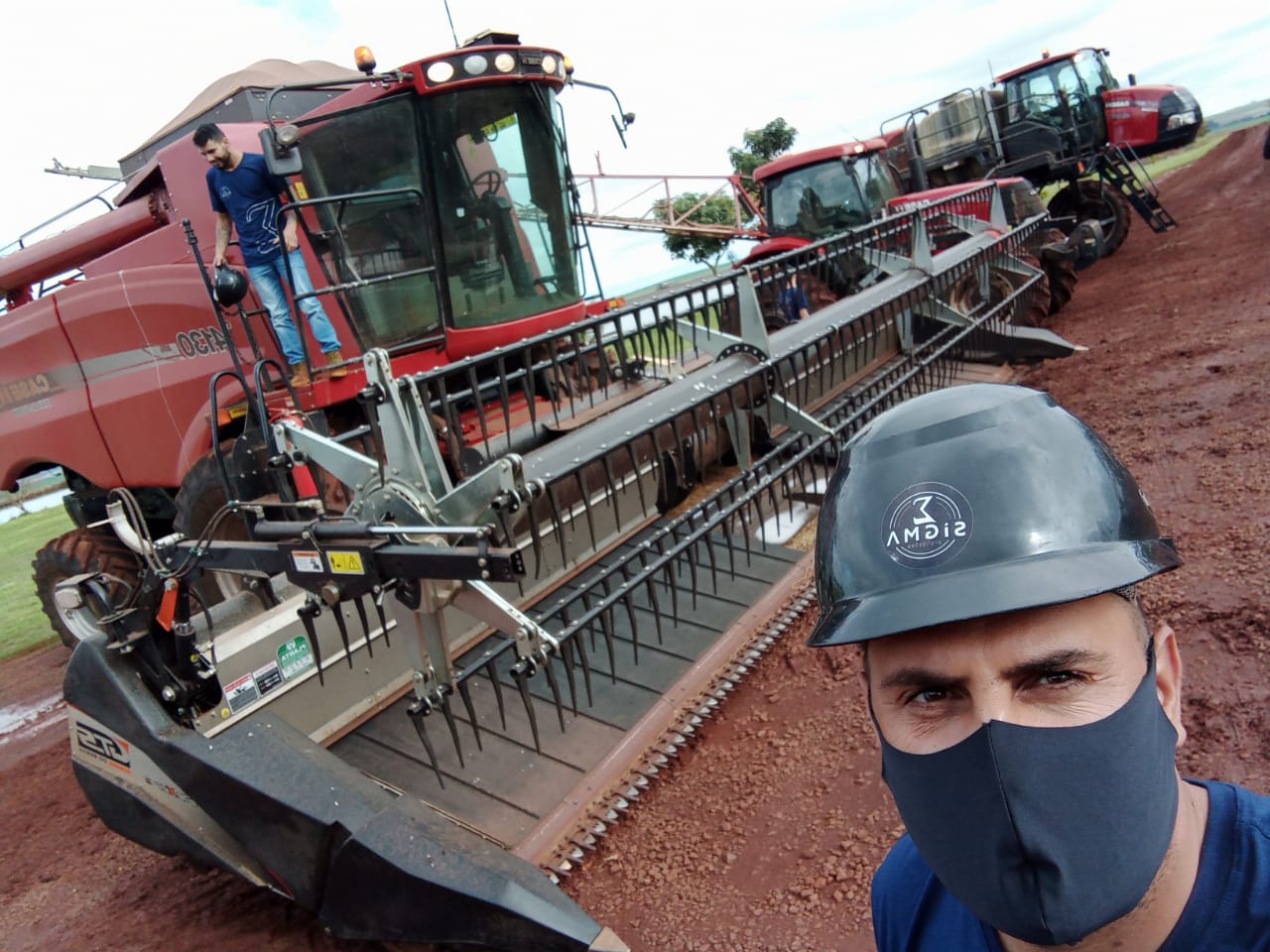
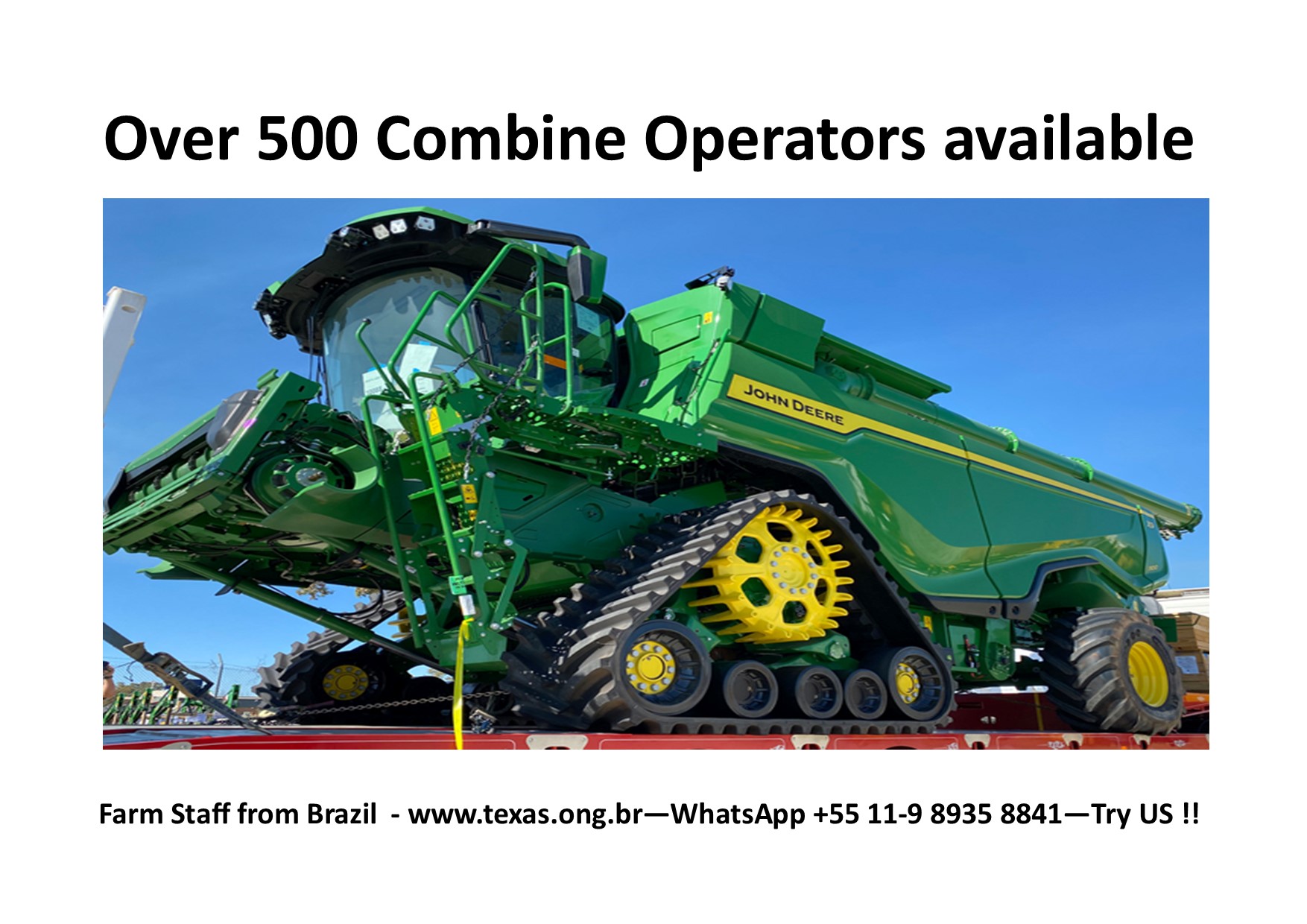
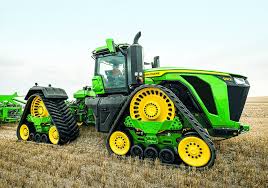
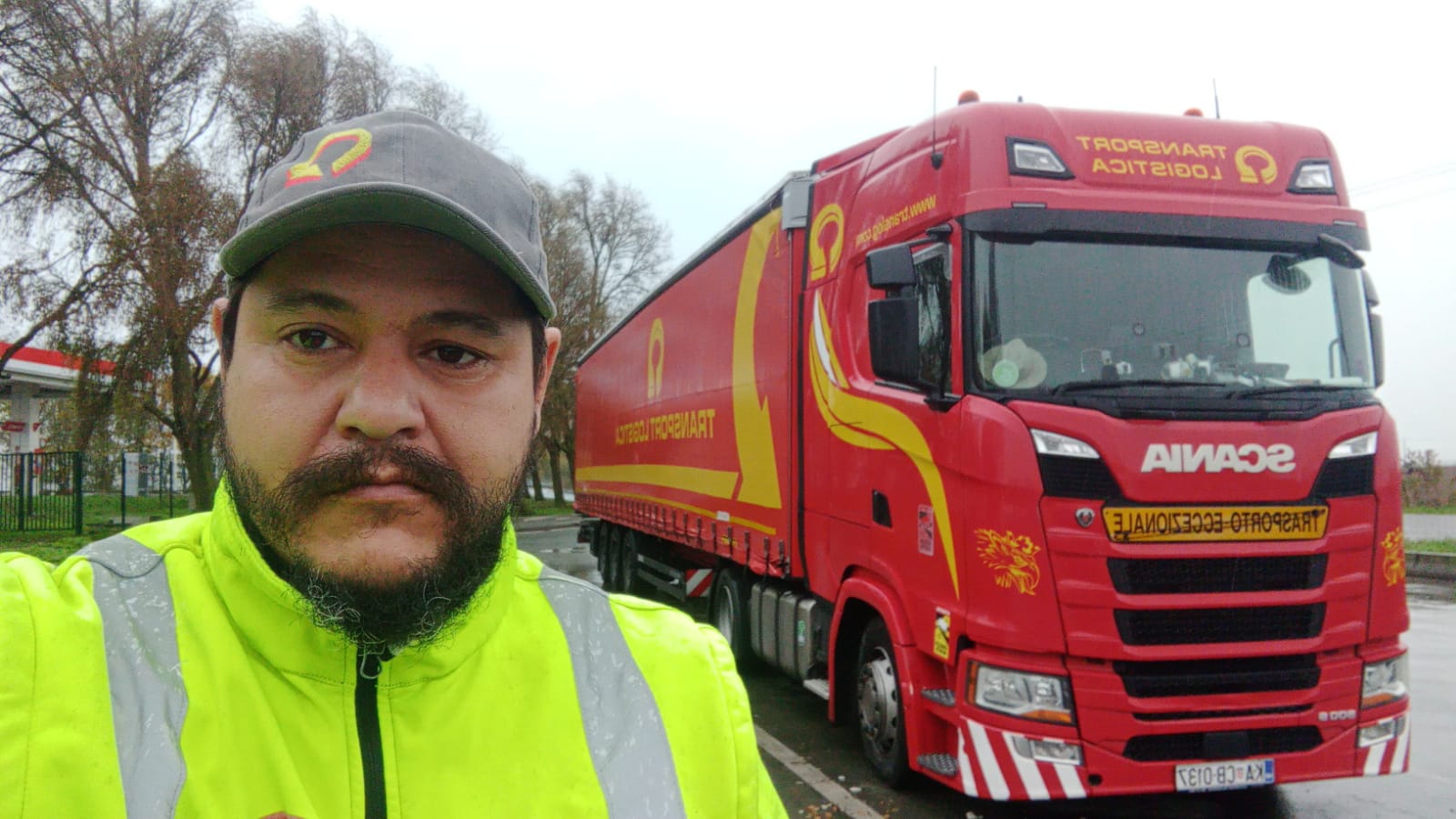
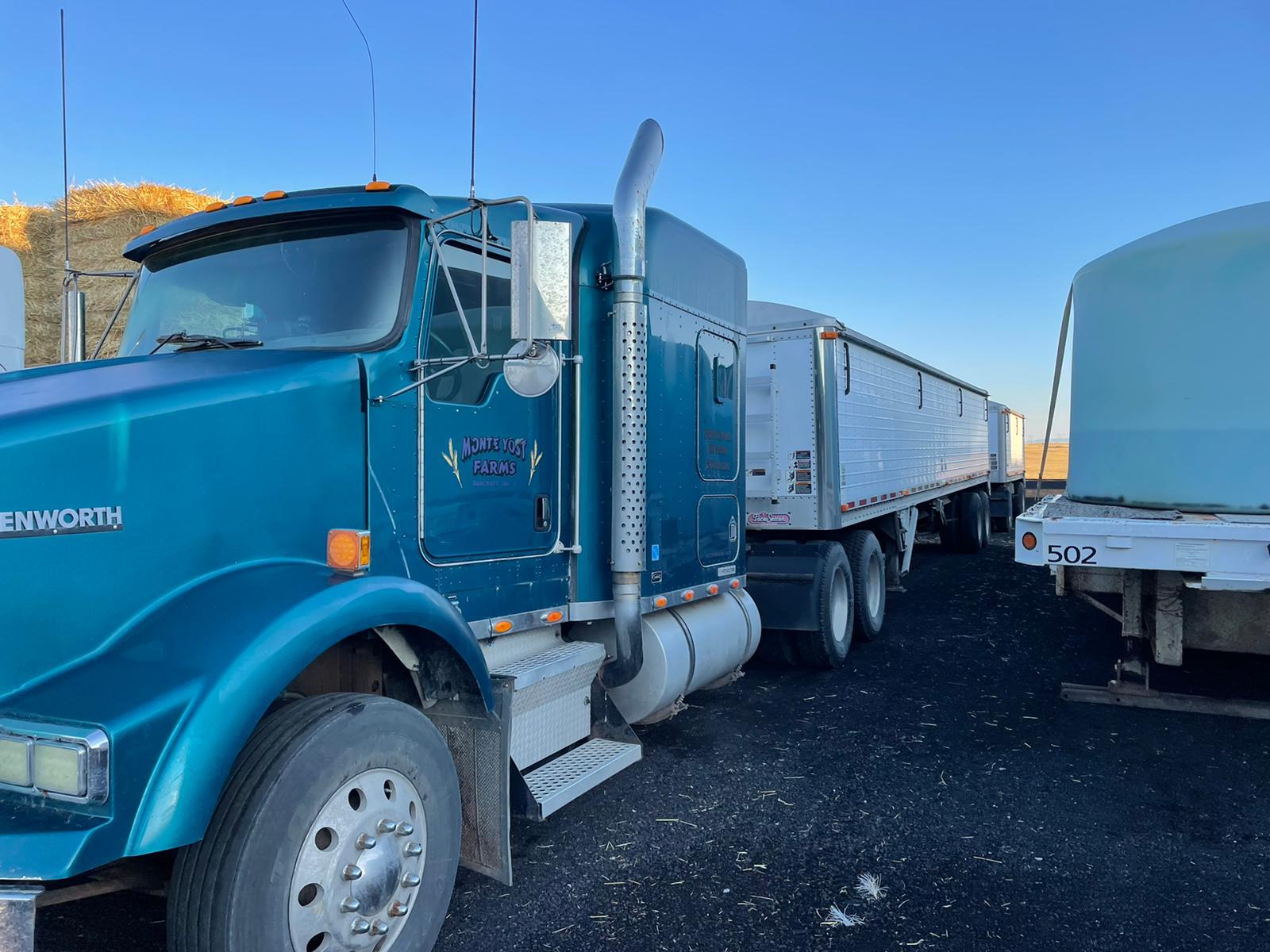
We have over 104.083 Truck Drivers and Farm Tractor and Combine Operators CV´s in our database waiting to receive your job adverts.









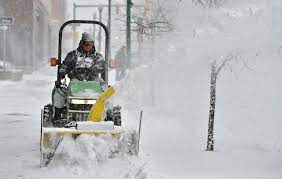
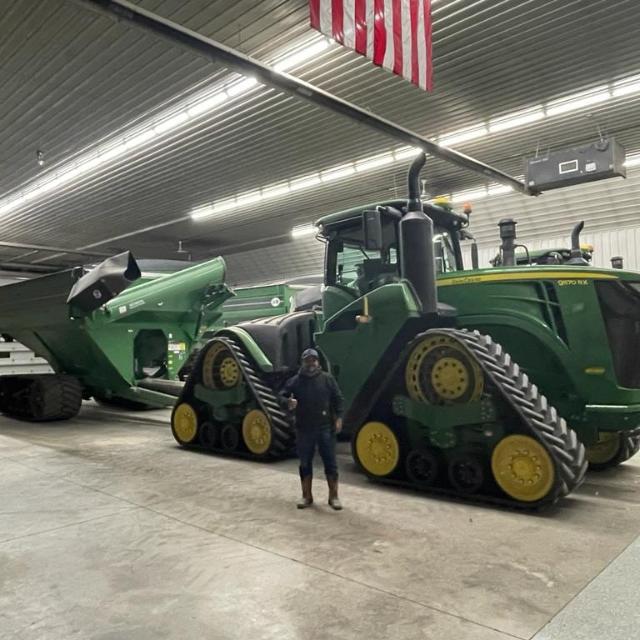

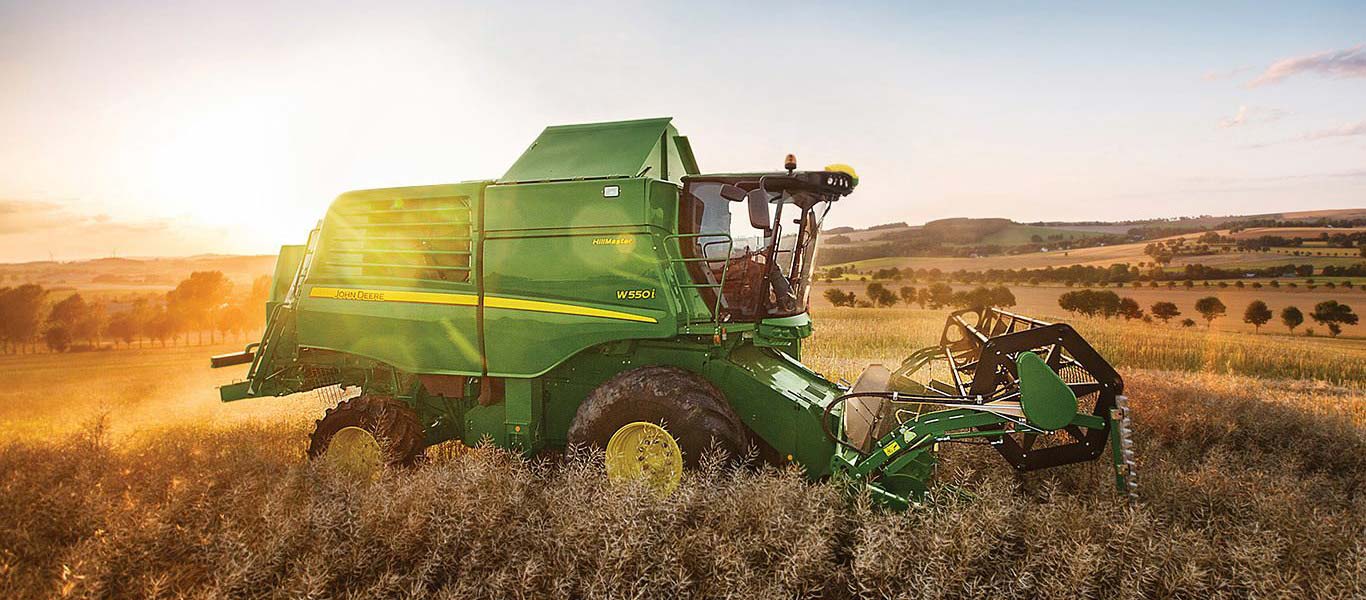



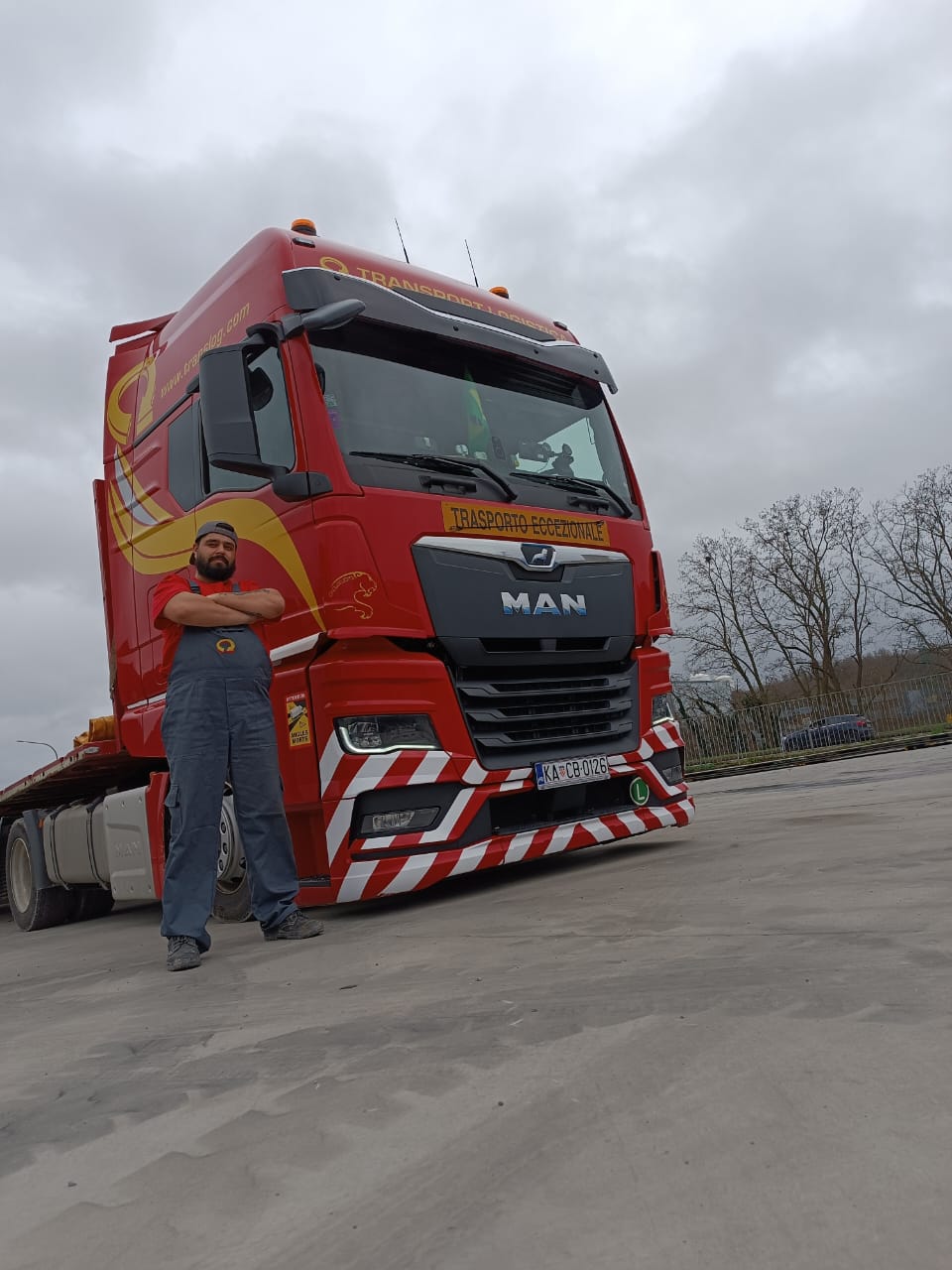










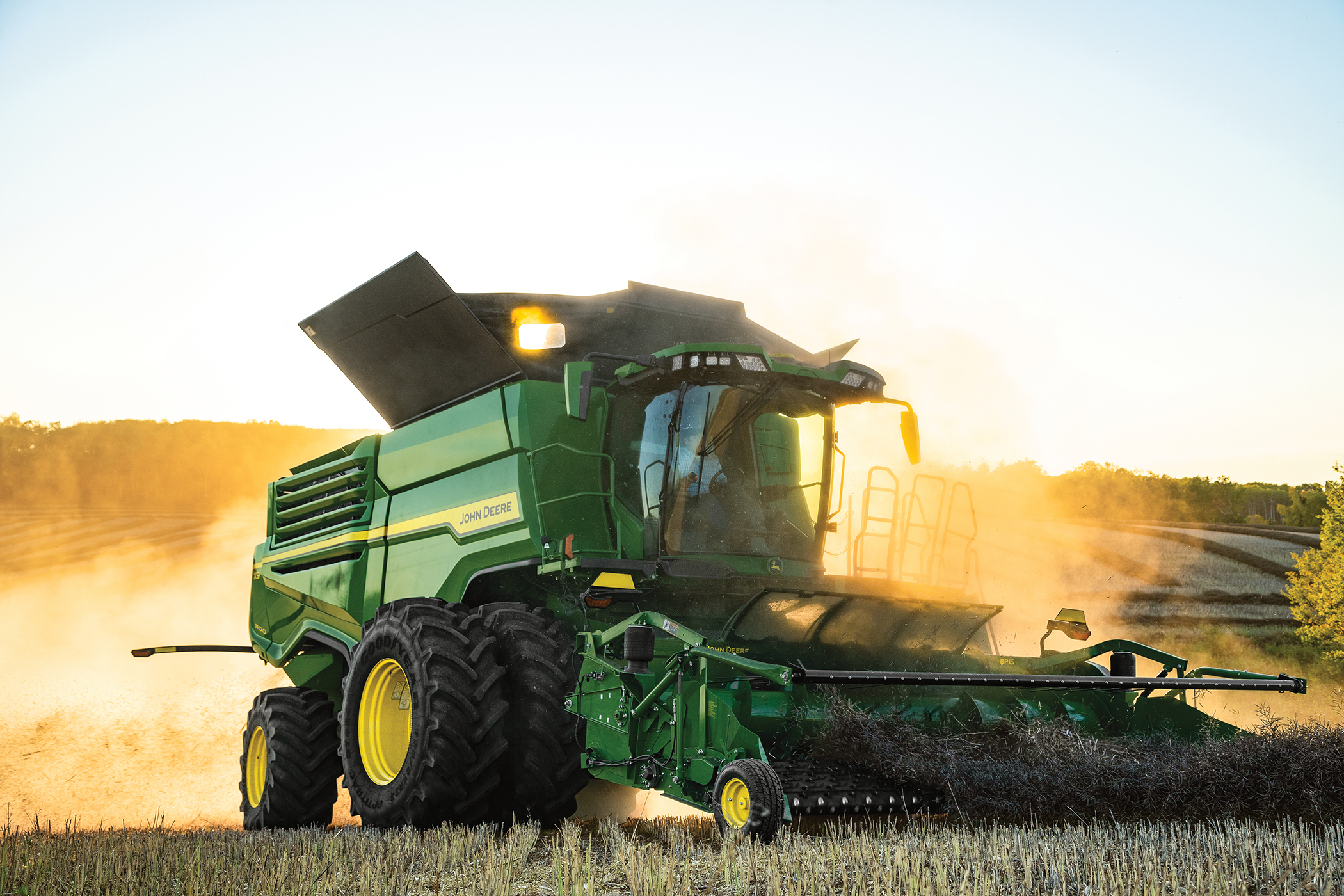
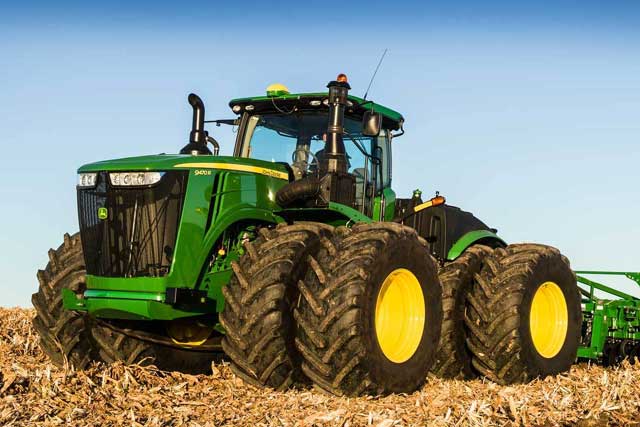











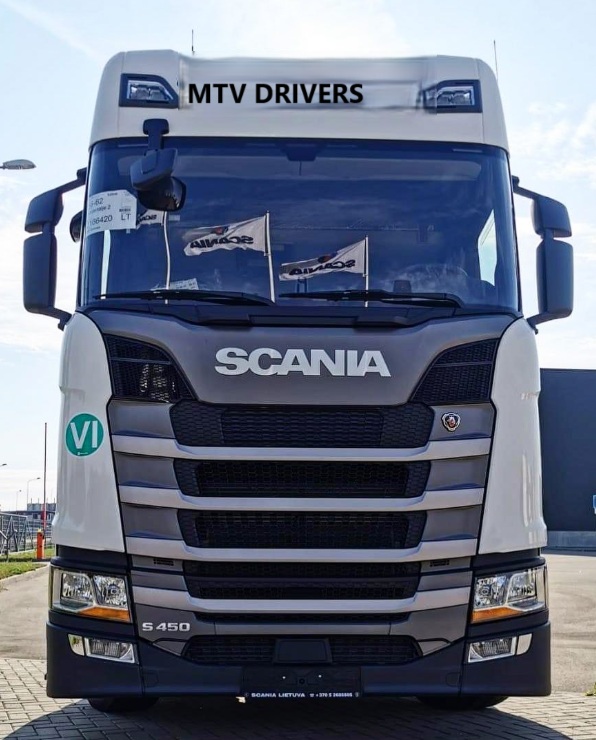




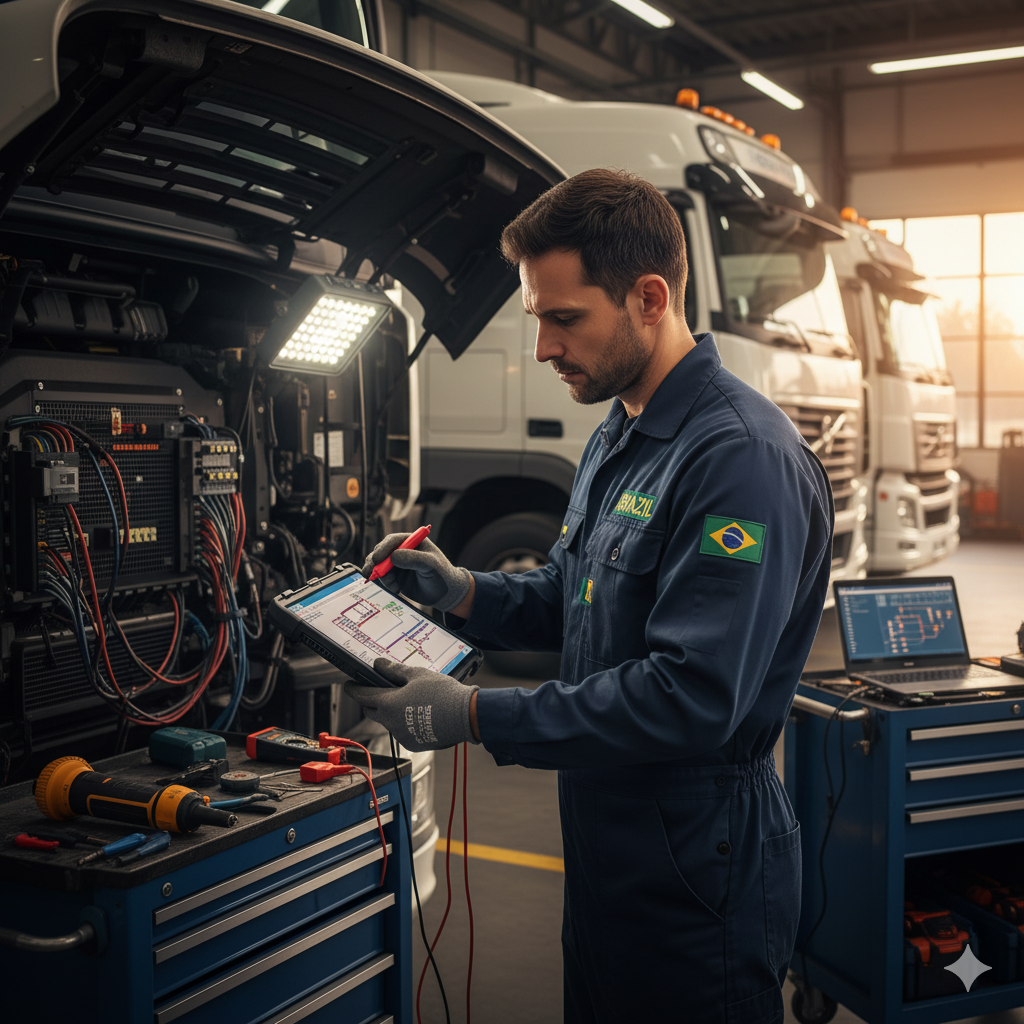


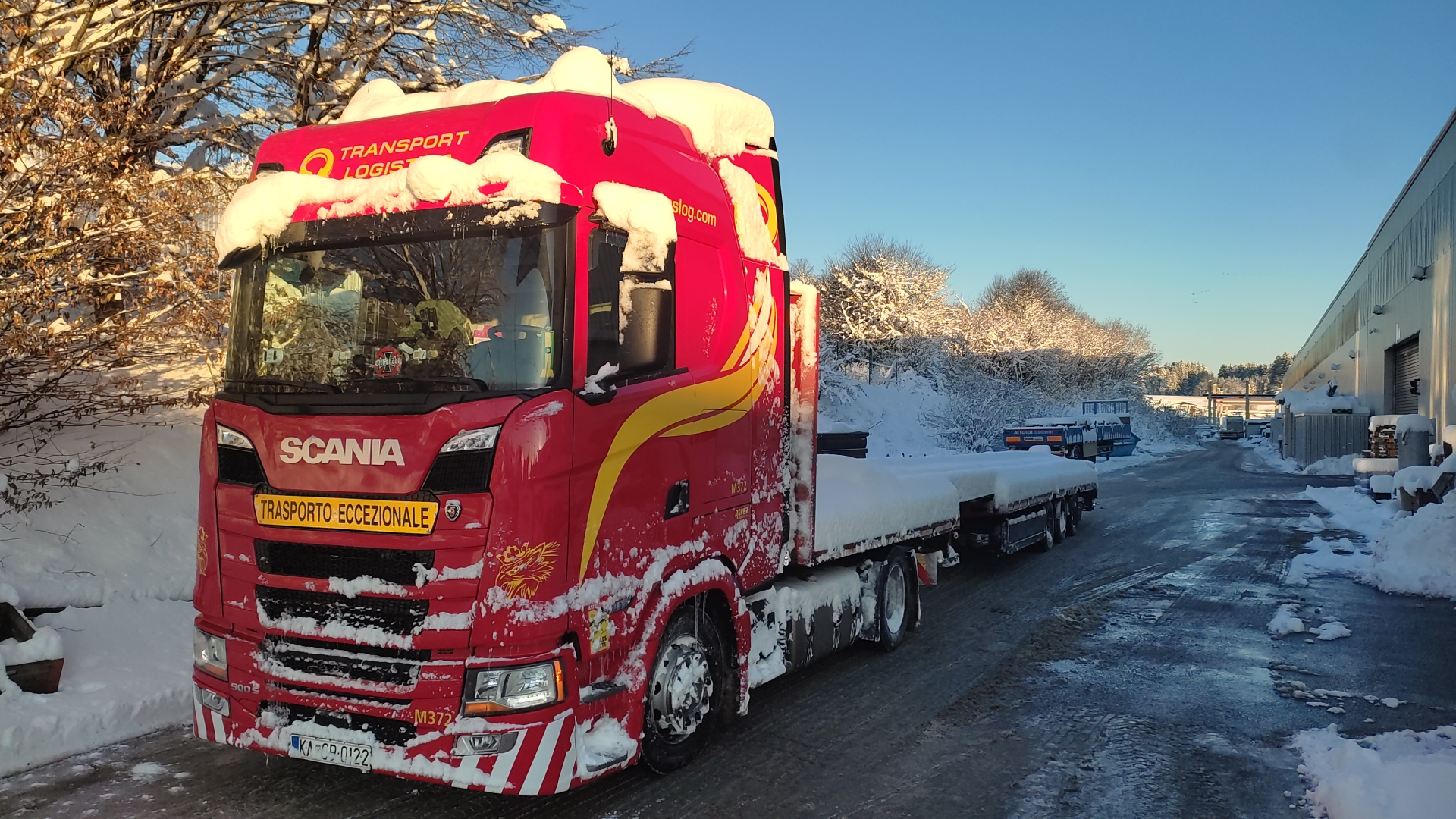

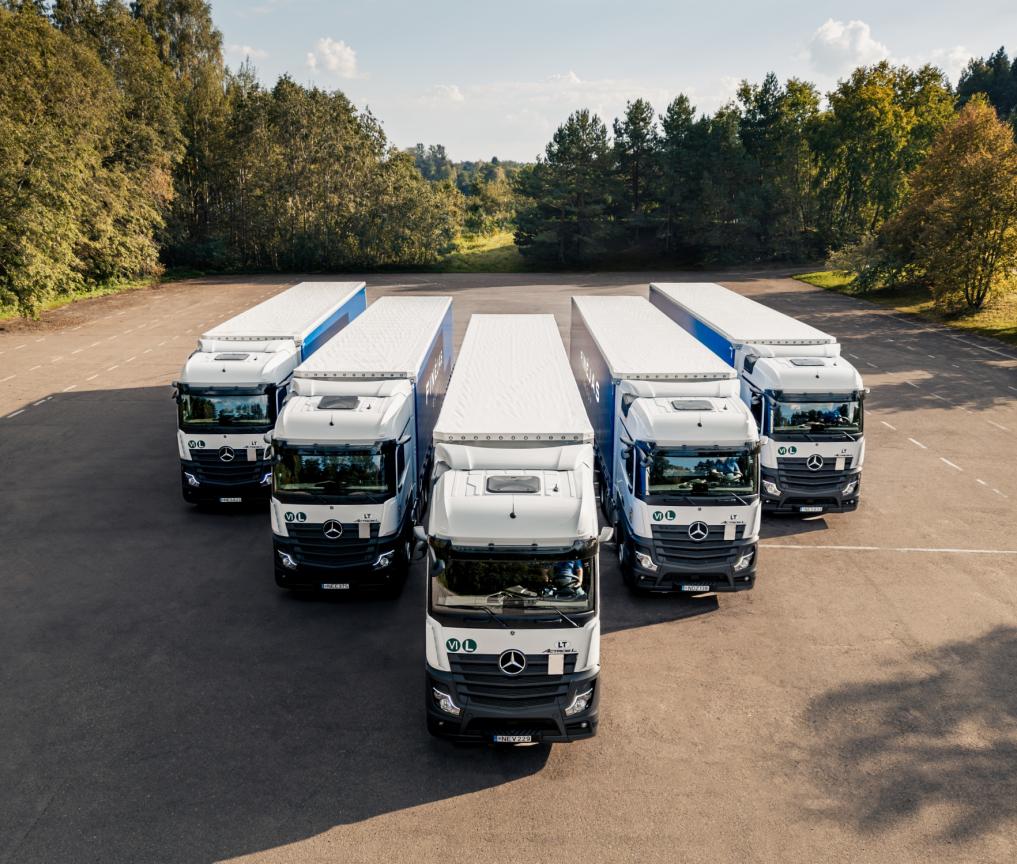







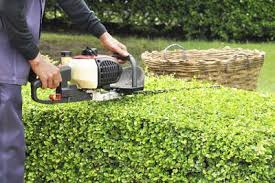
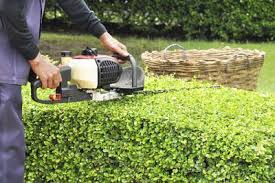
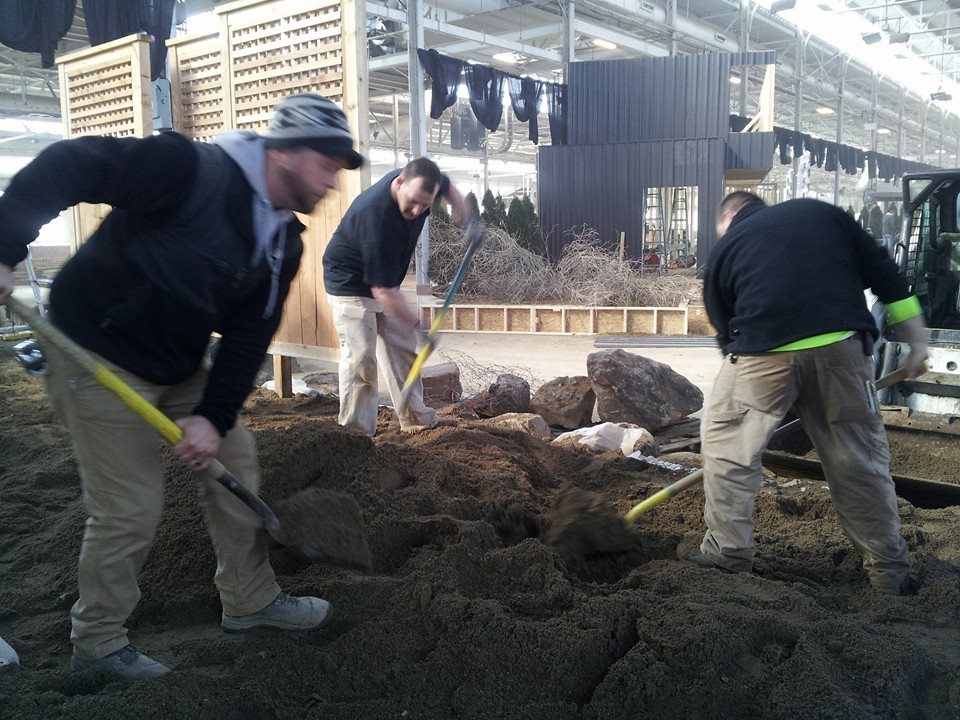
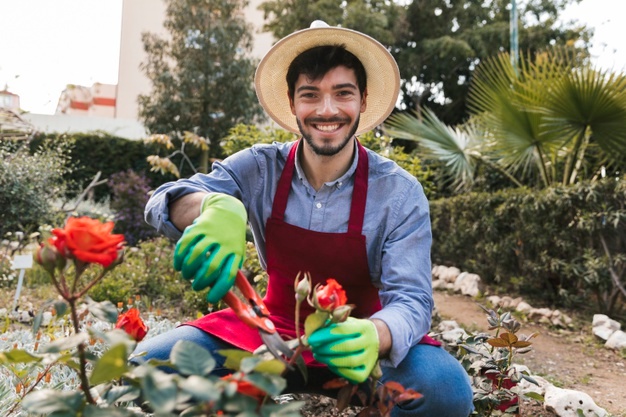




Job Duties
Workers will perform farm maintenance which includes planting, pest control, stake trees, irrigation, tying, weeding and general pistachio husbandry.\n\nAt Brisco Grand, LLC:\n\nWeeding, planting, and general field maintenance of lemons. \n\nBoth Growers:\n\nAt both growers, each worker will be given the opportunity to become a bus driver. All licensing fees will be paid for by the employer. All mandatory education courses (time and expense) will also be paid for by the employer. \n\nBus driver will transport passengers to and from work each day from housing. The bus drivers will return to the worksite each day. May be asked to log times in and out for workers. Arrange to pick up particular customers or groups on a regular schedule. Check the condition of a vehicle's tires, brakes, windshield wipers, lights, oil, fuel, water, and safety equipment to ensure that everything is in working order. Communicate with dispatchers by radio, telephone, or computer to exchange information. Complete accident reports when necessary. Comply with traffic regulations to operate vehicles in a safe and courteous manner. Follow relevant safety regulations and state laws governing vehicle operation and ensure that passengers follow safety regulations. Notify dispatchers or company mechanics of vehicle problems. Perform minor vehicle repairs, such as cleaning spark plugs, or take vehicles to mechanics for servicing. Perform routine vehicle maintenance, such as regulating tire pressure and adding gasoline, oil, and water. Prepare and submit reports that may include the number of passengers or trips, hours worked, mileage, fuel consumption, or fares received. Read maps and follow written and verbal geographic directions. See more occupations related to this task. Record vehicle routes. Regulate heating, lighting, and ventilation systems for passenger comfort. Report any vehicle malfunctions or needed repairs. Report delays, accidents, or other traffic and transportation situations, using telephones or mobile two-way radios. Test vehicle equipment, such as lights, brakes, horns, or windshield wipers, to ensure proper operation.\n
Tomato Packer: In the shed and on the farm:\n\nPack round, vine tomatoes in packing shed. The shed is located at the worksite location- 5780 Mission Avenue, Oceanside, CA 92057. 100% of tomatoes are grown on-site by WCTG. Analyze size, shape, and color for packing purposes to ensure packing meets buyer specifications. Place pack tomatoes in specialized boxes according to specification of buyer. Assure that produce meets buyer specifications for packing purposes. Handle tomatoes in a manner which prevents bruising or blemishes. Ability to perform and meet acceptable productivity standards. Production standard is 59 - 69 boxes per hour. Must be able to stand for long periods of time. Must be able to stoop and bend frequently. Must adhere to all safety procedures and hygiene standards for handling and production of tomatoes. Responsible for keeping work area clean and sanitary. Weekends and holidays may be required.\n\nIf an employee is injured while on the job, the Company will provide a temporary work assignment that will be as closely related to the job duties described herein, while the employee recovers from a work-related illness which meets with physician?s clearance to return to work under specific limitations. The work assignment will not be a permanent position, it will be temporary to accommodate the injured worker under doctor's restrictions and time period that may differ from the heavy field work described within.\n
Duties may include: Dig holes all day to then hand plant tree seedlings w/o J/U root using hand planting tool(s) in various weather/terrain conditions, maintain surrounding vegetation by pruning, thinning, mastication, clearing, pile slash, clear debris, hand release & other related Forestry Worker activities as per SOC/OES 45-4011 (onetonline.org).\n\nPossible weekend/holiday work.\n\nAt Employer’s sole discretion: possible raises and/or bonuses based on individual factors such as work performance or skill (not guaranteed).
Please see Addendum C.
Lemon, Mandarin, Oranges, and Grapefruit harvesters to perform the following duties:\n\nWorkers will harvest citrus (lemons, oranges, mandarin oranges, and grapefruit) by hand and by mechanical aid. Workers will also prune, irrigate, grove maintenance, and perform weed control. \n\nAgricultural equipment operator (forklift) loading and unloading citrus bins from trailer and place bins throughout orchard for harvest. Employee must conduct daily maintenance check prior to operating tractor/machine. Required to have basic knowledge of driving a forklift, must pass forklift safety training and demonstrate ability to operate tractor/machine/forklift in a safe manner.\n\nThe employer will provide training, the forklift driver certification, and all costs will be responsibility of the employer. Training will be provided by the area supervisor who holds a forklift trainer certificate. The supervisor will conduct training at the worksites on the first day of work. Once the training is completed, the employer will issue the certificate to the employees.\n\nWorkers may occasionally and/or sporadically perform duties associated with and directly related to the primary duties. Such work will be temporary and unsubstantial agricultural labor.\n\nBus driver will transport passengers to and from work each day from housing. The bus drivers will return to the worksite each day. May be asked to log times in and out for workers. Arrange to pick up particular customers or groups on a regular schedule. Check the condition of a vehicle's tires, brakes, windshield wipers, lights, oil, fuel, water, and safety equipment to ensure that everything is in working order. Communicate with dispatchers by radio, telephone, or computer to exchange information. Complete accident reports when necessary. Comply with traffic regulations to operate vehicles in a safe and courteous manner. Follow relevant safety regulations and state laws governing vehicle operation and ensure that passengers follow safety regulations. Notify dispatchers or company mechanics of vehicle problems. Perform minor vehicle repairs, such as cleaning spark plugs, or take vehicles to mechanics for servicing. Perform routine vehicle maintenance, such as regulating tire pressure and adding gasoline, oil, and water. Prepare and submit reports that may include the number of passengers or trips, hours worked, mileage, fuel consumption, or fares received. Read maps and follow written and verbal geographic directions. See more occupations related to this task. Record vehicle routes. Regulate heating, lighting, and ventilation systems for passenger comfort. Report any vehicle malfunctions or needed repairs. Report delays, accidents, or other traffic and transportation situations, using telephones or mobile two-way radios. Test vehicle equipment, such as lights, brakes, horns, or windshield wipers, to ensure proper operation.
Mendoza Bros. Harvesting. (also referred to herein as “MBH†“Employer†or “Companyâ€) is headquartered in Santa Maria, CA (2771 Santa Maria Way Suite A, Santa Maria, CA, 93456 Phone: (805) 720-9888. The employer has designated this as the Application site.\nMBH is a registered Farm Labor Contractor.\nCA Tax ID: 041-3923-4\nMBH seeks certification for 20 workers. The total number of workers is 20. These numbers are estimates as total workforce needs are dependent upon weather, crop conditions, and worker availability.\n\nField Worker: Cutter/Packer (Strawberries, Transplant, and Irrigation)\nAll packing duties will be completed in the field and on the farm.\n\nHarvest/Packer to perform the following duties:\nUnder the general supervision of the Harvest Foreperson, the worker effectively cuts or picks product of the correct quality, size and weight for the correct packs. Effectively pack or package by hand a wide variety of produce in the correct packs. Harvest activities include use sharp picking knives, standing and kneeling on ground to pick fruit\n• Continual visual examination of product to determine if product is right for harvesting.\n• Use hands and arms to handle product.\n• Place commodity into appropriate packing box.\n• Place completed packed product onto moving equipment such as conveyors.\n• Mark cartons by using marking tools.\n• Examine and inspect containers, packaging material, and product to ensure that packing specifications are met.\n• Harvest product by hand, and/or using a harvest knife.\n• Continual bending to reach product.\n• Walk throughout shift on uneven ground and in leafy rows with debris.\n• Ensure that all food safety policies are followed.\n• Ensure that all safety procedures are followed to reduce the risk of any type of injury to either the employee or others.\n• Reports all safety problems, incidents, and injuries to Harvest Foreperson immediately.\n• Comply with all Company Policies.\n• Other activities as directed by the employer, from time to time.\n\nTransplanting:\nEffectively aid in the transplanting of fields. Employee will work under the general supervision of the Harvest Foreperson.\n• Continual visual examination of transplants to determine if plants are healthy for transplanting.\n• Use hands and arms to handle transplants and transplant trays.\n• Remove transplants from trays and place into transplanting receptacles.\n• Hand transplant bare root plants by placing plants in pre-punched holes in the ground.\n• Sit and at times stand on transplanting machine or walk throughout shift on uneven ground.\n• Ensure that all food safety policies are followed.\n• Ensure that all safety procedures are followed to reduce the risk of any type of injury to either the employee or others.\n• Reports all safety problems, incidents, and injuries to Harvest Foreperson immediately.\n• Comply with all Company Policies.\n• Other activities as directed by the employer, from time to time.\n\nIrrigation:\nIrrigate crops, using sprinklers, drip tape, main line, row water, and other necessary means. Employee will work under the general supervision of the Ranch Foreperson.\n• Operate drip tape retriever machine, drip injector machine, and lift tape machine.\n• Repair and maintain drip tape and irrigation pipe.\n• Set up pipes and irrigate using row water and main line.\n• Shovel and pack dirt in low spots of embankment or cut trenches in high areas to direct water or drain water.\n• Check area to detect leaks, breaks, weak areas, or obstructions in irrigation system.\n• Clear and maintain irrigation ditches.\n• May help with other ranch projects.\n• Reports all safety problems, incidents, and injuries to Ranch Foreperson immediately.\n\nComply with all Company policies, including observing appropriate lunch and rest periods, and wearing personal protective equipment.
Must have at least 6 months experience as it relates to sheep and cattle. A reference is required. Worker must have knowledge of livestock. Must be able to identify, separate and move into bonding pens sheep and cattle which have given birth from those which are still pregnant. Further duties will include but are not limited to branding, vaccinating, castrating, sorting and loading on trucks for transport to pasture or market.\n\nMust be able to move and install temporary fence as well as repair permanent fence. Must be able to install and move portable processing and loading corrals. Will be required to operate vehicles supplementing feed and water for livestock as needed. Will be required to supply water, repair pipelines and repair water troughs. Must feed guard dogs daily.\nWill be required to move sheep and cattle to different fenced pastures assuring that the nutritional needs of livestock and good husbandry practices of livestock are met, as well as comply with any Federal, State and local mandates as they address food safety, grass mulch levels, endangered species and fire prevention. Worker will be required to attend quarterly safety meetings.\nWorker will be supplied with fixed site housing that not only satisfies DOL requirements but also complies with CA fixed site housing requirements for hourly employees. Worker will be required to maintain housing in a clean and EDD compliant manner. Worker will notify employer of any repair that is needed to the housing.\n\nWorkers will work an eight hour shift as agreed upon by the employer in any 24 hour period.
Must have 3 months experience with a 500 head flock. One reference required. May assist in lambing, docking, and shearing. The following seasonal duties will need to be performed. Herder will need to move pregnant ewes/does to lambing/kidding grounds. Be able to identify signs of ewes/does going into labor and identify potential problems during the labor process. Know how and when to assist during difficult births. Be able to properly constrain ewes/does for difficult births and able to graft orphan lambs/kids to mothers. Ability to identify herd health issues including but not limited to malnutrition of mothers and newborns, prolapse and mastitis. Provide water to animals, including minor maintenance of water troughs and water lines. May need to haul water in truck to supplement animal water needs. May need to provide supplement feed for the ewes/does and lambs/kids if the range has insufficient forage. Disperse livestock on the range to reduce overcrowding and increase the success of mother and lamb/kid bonding. Protect vulnerable livestock (lambs/kids & ewes/does in labor) from predators. Move Ewes/does and lambs/kids and assist in branding, castrating, vaccinating, tagging, and worming. Ability to safely catch lambs/kids with a hook. Move ewes/does and lambs/kids to summer range grounds. Western Range Association and its member ranches facilitate practices of good animal husbandry. Employees that are found abusing, neglecting or abandoning livestock entrusted to their care may be terminated for cause. If the negligent/abusive actions of an employee result in the loss/death of livestock/animals or cause harm to another person, the employee may be held accountable for these actions. The worker will live in the employer provided housing. Said housing will be clean and in good repair at the time it is provided to the employee. The employee is responsible to maintain the housing unit in a reasonable level of cleanliness in order to avoid flies, mice or other vermin. The employee is responsible to alert the employer of damage to the housing unit within a reasonable amount of time. The employee may be held accountable for damage to the housing unit that is the result of a dishonest or willful act or by the gross negligence on the part of the employee (normal wear and tear excepted).
Must have at least 6 months experience as it relates to sheep and cattle. A reference is required. Worker must have knowledge of livestock and be able to assist in the birthing process of cattle and sheep. Must be able to identify, separate and move into bonding pens sheep and cattle which have given birth from those which are still pregnant. Further duties will include but are not limited to branding, vaccinating, castrating, sorting and loading on trucks for transport to pasture or market.\nMust be able to move and install temporary fence as well as repair permanent fence. Must be able to install and move portable processing and loading corrals. Will be required to operate vehicles supplementing feed and water for livestock as needed. Will be required to supply water, repair pipelines and repair water troughs. Must feed guard dogs daily.\nWill be required to move sheep and cattle to different fenced pastures assuring that the nutritional needs of livestock and good husbandry practices of livestock are met, as well as comply with any Federal, State and local mandates as they address food safety, grass mulch levels, endangered species and fire prevention. Worker will be required to attend quarterly safety meetings.\nWorker will be supplied with fixed site housing that not only satisfies DOL requirements but also complies with CA fixed site housing requirements for hourly employees. Worker will be required to maintain housing in a clean and EDD compliant manner. Worker will notify employer of any repair that is needed to the housing.\nWorkers will work an eight hour shift as agreed upon by the employer in any 24 hour period.\n
Workers must have at least 3 months of experience birthing livestock with herds of 200 head or larger on the open range or pasture. One reference required. \nWill assist in lambing, docking, weaning, and shearing. The following seasonal duties will need to be performed. Herder will need to move pregnant ewes to lambing grounds. Be able to identify signs of ewes going into labor and identify potential problems during the labor process. Know how and when to assist during difficult births. Be able to properly constrain ewes for difficult births and able to graft orphan lambs to mothers. Ability to identify herd health issues including but not limited to malnutrition of ewes and lambs, prolapse and mastitis. Provide water to animals, including minor maintenance of water troughs and water lines. Will need to haul water in truck to supplement animal water needs. Will need to provide feed for pregnant ewes and pairs. Move ewes and lambs and assist in branding, castrating, vaccinating, tagging, and worming. Ability to safely catch lambs with a hook. \n Western Range Association and its member ranches facilitate practices of good animal husbandry. Employees that are found abusing, neglecting or abandoning livestock entrusted to their care may be terminated for cause. If the negligent/abusive actions of an employee result in the loss/death of livestock/animals or cause harm to another person, the employee may be held accountable for these actions. The worker will live in the employer provided housing. Said housing will be clean and in good repair at the time it is provided to the employee. The employee is responsible to maintain the housing unit in a reasonable level of cleanliness in order to avoid flies, mice or other vermin. The employee is responsible to alert the employer of damage to the housing unit within a reasonable amount of time. The employee may be held accountable for damage to the housing unit that is the result of a dishonest or willful act or by the gross negligence on the part of the employee (normal wear and tear excepted).
Workers must have at least 3 months of experience birthing livestock with herds of 200 head or larger on pasture. One reference required. The following seasonal duties will need to be performed. Herder will need to move pregnant cows from winter grazing grounds to calving grounds. Be able to identify signs of cows going into labor and identify potential problems during the labor process. Know how and when to assist during difficult births. Be able to properly constrain cows for difficult births and able to graft orphan calves to mothers. Ability to identify herd health issues including but not limited to malnutrition of cows and calves, prolapse and mastitis. Provide water to animals, including minor maintenance of water troughs and water lines. May need to haul water in truck to supplement animal water needs. May need to provide supplement feed for the cows and calves. Disperse livestock to reduce overcrowding and increase the success of mother and calf bonding. Protect vulnerable livestock (calves & cows in labor) from predators. Move cows and calves to branding grounds and assist in Branding, Castrating, Vaccinating, tagging, and worming. Ability to safely rope and or catch calves with a hook. Move cows and calves to summer grounds. May assist on an incidental basis in the production of sheep and/or goats. This may include but not limit to docking, shearing, herding, trailing, vaccinating, sorting and loading onto trucks for transporting or transport to market. The worker must be able to saddle and ride a horse or mule in a safe and effective manner such as to avoid injury to self, coworkers, bystanders, or the animal itself. The worker may be required to shoe horses for his use. The worker must also be able to use a 4-wheeler in a safe and effective manner. Western Range Association and its member ranches facilitate practices of good animal husbandry. Employees that are found abusing, neglecting or abandoning livestock entrusted to their care may be terminated for cause. If the negligent/abusive actions of an employee result in the loss/death of livestock/animals or cause harm to another person, the employee may be held accountable for these actions. The worker will live in the employer provided housing. Said housing will be clean and in good repair at the time it is provided to the employee. The employee is responsible to maintain the housing unit in a reasonable level of cleanliness in order to avoid flies, mice or other vermin. The employee is responsible to alert the employer of damage to the housing unit within a reasonable amount of time. The employee may be held accountable for damage to the housing unit that is the result of a dishonest or willful act or by the gross negligence on the part of the employee (normal wear and tear excepted). \n
Field Workers: Strawberry Harvest, Crew Lead, Machine Set-up, General Labor, Agricultural Equipment Operator, Sanitation Worker, CalVan Driver to perform the following duties:\n\nAll work is performed in the field on the farm:\n\nJob Description:\n\nStrawberry Harvest-\nField Workers will perform duties associated with and directly related to strawberry harvest, machine and ground. Workers will pick and pack strawberries in the field for fresh harvest, freezing, and juice. Distinguishing quality and ripeness is required during picking and placing in trays/packing containers in field on the farm. Workers will perform planting, replanting, flower pinching, runner cutting, weeding with long- handled hoes, stripping, row boss, puncher/quality control, loader/stacker, hoop plastic installation and tear down, general labor, general maintenance labor, and farm machine operator (colbies).\n\nCrew Lead- Team Leaders will additionally be responsible for checking quality, filling out paperwork, and receiving order for production. May clock in other workers.\n\nGeneral Labor- Weeding using long-handled hoes, transplanting (machine/hand), runner cutting, plant thinning, and ranch maintenance, moving sprinkler pipe, assisting with irrigation, pulling plastic, applying & pulling of drip tape, cleaning of old and new vegetative growth on plant bed. Plant bed will be classified as Medium or High according to the amount of runners and new/old vegetative growth present during performing work task.\n\nAgricultural Equipment Operator- Tractor drivers will drive and control tractors in fields.\n\nMachine set up- On the farm, workers will check the machine for water and diesel; Put sticker on bags; Supply cartons for the day and put on the machine; Open or close machine; Put machine where crew will start; move\ntrailer, drive tractor and caterpillar. Sanitation worker- Cleans, pressure washes, and moves restrooms on farms/fields. \n\nSanitation worker- Cleans, pressure washes, and moves restrooms on farms/fields. \n\nWorkers may be asked to prepare and distribute communal meals for other H-2A workers. Workers will be paid for all such compensable time.\n\nCalVan Driver-\n1. Driver may drive over the road in passenger vans.\n2. Driver will drive designated vans to transport harvest crew workers to and from housing and worksite locations. Driving job duty is not a different job and the drivers perform harvesting job duties when not driving.\n3. Driver will be responsible for filling van with fuel and keeping vehicle clean.\n4. Driver will be required to complete and process periodic driving reports as required by state laws.\n5. Driver will be required to follow all traffic laws and if applicable, vanpool rules.\n6. In order to drive, drivers must possess a valid authorized driver's license and must be able to pass DOT (Department of Transportation) recognized medical exam and fulfill all other DOT requirements.\n7. CalVans performs the medical exam at no cost to the employee or employer. The employer will be responsible for the cost of the registration as an FLCE driver (if any).
Bee hive worker, will suit up in protective gear which is provided to the employee. Employee will work with in the hives of bees, extraction and processing honey. Need to be able to lift 40 pounds. must be able to bend, stoop and stand for long hours under extreme weather conditions.
Crops/Commodities: \ngrapefruit, grapes, lemons, oranges, minneolas. \nPlant, cultivate, and hand harvest citrus crops. Walk rows/aisles in grove, carry ladder to/from field truck, and position ladder against tree within reach of fruit. Climb up and down ladder with picking sack to harvest. Remove fruit from tree and place into picking sack. Must take care to avoid breaking limbs, knocking off fruit, damaging tree, or slipping/falling from ladder. Move full picking sacks to box/tub located in grove. Fully-loaded picking sack may weigh up to 100 pounds depending on size, condition and variety of fruit. Bruised or damaged fruit will be noted by supervisors during quality control checks. Supervisors may issue written disciplinary notice to workers with a significant number of culls, bruised or damaged fruit. Repeated failure to follow quality control instructions may result in disciplinary action up to and including termination. May perform miscellaneous grove clean-up duties when harvest work not available (or when workers placed on light duty after injury). Clean-up activities include sprouting, pruning, debris removal, weeding or vine removal, irrigation maintenance or repair, or other related tasks. Worker should be aware of and avoid thorns.\n\nPlant, cultivate, and/or harvest grapes. Manage vineyard canopy to permit light and air circulation. Thin fruit and remove shoots, leaves and vines. Performs vineyard maintenance activities including but not limited to weed control and trellis installation and repair. Install and maintain bird netting. Assist/move harvested fruit from field to processing area. May perform general indoor tasks or post-harvest activities when outdoor vineyard work is not available (all such activities will be performed incident to or in conjunction with vineyard operation). Must possess the requisite skills and knowledge of what, when, where and how much to prune on a grape vine. Identify and remove the proper canes and vines while retaining the fruiting wood and renewal spurs. Must demonstrate and consistently utilize pruning practices that assure vine balance and preserve vine health.\n\nWorkers must be able to perform the job and its requirements as defined in this clearance order after a reasonable period of on the job training. We consider 7 to 10 days from the worker's initial date of employment as a reasonable period of on the job training. The production standard includes keeping up with the pace of the harvest crew in performing the required job duties and at the time the work is performed. The average picking rate of a worker may vary throughout the season based on weather, fruit/ vegetable quantity, size and variety and other factors. The employer has determined to the best of its ability the following minimum production standard: 1.5 bins per day at the start of the season, increasing to 2-3 bins per day after two weeks. Bin measurement is 48†x 48†x 24â€. \n\nWorkers may operate farm machinery, equipment and vehicles. Workers will be instructed in the safety and operation of the equipment before driving the equipment. Workers will be expected to be able to operate equipment, with or without direction, in a manner that protects the operator, visitors, other employees, crops, facilities and equipment. Employee may drive Cal Van over the road. Employee may pick up workers from different housing sites/pick up points and take them to an assigned work site and at the end of the day take them back to the housing site/pick up point. In order to drive a Cal Van, employees must possess valid driver's license (state issued) and must be able to pass Class B Physical exam and register as an FLCE driver. The employer will be responsible for the cost of the CA Driver's License, Class B Physical Exam, and registration as an FLCE driver (if any).
Heavy labor of harvesting citrus, peaches and dates as per color and size requirements. Climbing regular and 3-point ladder as needed to pick fruit by ring size or strip pick, the removal of all fruit. Employee will be using proper shears for picking citrus. Cutting, not pulling, the fruit with hand shear; Putting fruit into bag sack which is carried on the front of the body, with straps around the shoulder and back for support. Sack full of fruit can weigh up to 50 lbs. Sack is then emptied into bin in a manner instructed by supervisor. This is repeated until bin is full. Employee will need to walk around the tree, under the tree, and inside the tree and from a ladder to pick the appropriate fruit. Employees will be wearing safety protection, hard hats, gloves, protective sleeves, knee pads, and eye protection. Employees will be doing irrigation, pruning, shoveling and weeding citrus, date and peach trees, using both hands pruning shears, pruning loppers and long handled hoes. Employees will be expected to follow the direction and techniques specific to various trees from the supervisor. Employees will be planting citrus. Start times vary depending on the weather (fog or heavy dew). Fruit cannot be picked until it is dry on the outside of the fruit. Employees will be removing weeds around various trees using a long-handled hoe.\n\nCitrus Forklift Driver -Under the direction of the foreman/supervisor the Agricultural Equipment Operator is responsible for moving platforms/reach and harvest trailers to facilitate either tree work, harvest, or moving of equipment for daily operations. Drivers are to assist in preparing the equipment for immediate field operations, or movement to a new location. Directing forklift through the field, pulling trailers or attachments before, during or after all palm tree operations. Employee must conduct daily maintenance check prior to operating forklift. Required to have basic knowledge of driving a citrus forklift, must pass forklift training and demonstrate ability to operate citrus forklift in a safe manner. All jobs are done under the direction of the foreman and supervisor to ensure quality of the work. Training will be provided by certified safety team representative.\n\nWorkers may occasionally and/or sporadically perform duties associated with and directly related to the primary duties such as cleaning and general maintenance of the commodities specified during and after picking up trash, discarding material and assisting as safety monitor when equipment is moving within the ranch locations. \n\nAll of the above work requires an able bodied person to lift up to 50 lbs., odd shapes, pull, push, climb, walk on uneven ground all day, be physically flexible to work in/on basket/platform in a tree, dexterity to use knives and scissor like pruners all day, tie different kinds of strings/ ropes with different knots, good eyesight for plant identification and ability to see what to harvest and where to make cuts, good personal hygiene, clothes and shoes appropriate for working in heat/ cold/ outdoors, ability to take instructions and follow them, use safety equipment correctly. If machine operator, driver must safely and carefully operate equipment that they are authorized/trained on in a safe manner.\n\nIn the event that an employee is injured while on the job, the Company will provide a temporary work assignment that will be as closely related to the job duties described herein while the employee recovers from a work-related illness pursuant to a physician’s orders. The work assignment will not be a permanent position, it will be temporary a temporary accommodation until the injured worker is able to return to regular work pursuant a physician’s clearance. Work during this temporary accommodation for an injured worker may differ from the heavy field work described within. \n
Parturition takes place on the range. Starting on or around October 1, the worker will begin preparing for the season. The worker will be responsible for rotating ewes to sheltered areas on the range and to monitor animals. This season is a critical phase in the production cycle of livestock.\n Feeding and management are essential to the success of the season. It is during these last weeks of pregnancy that there is a need for increased feed, primarily to a more nutrient rich diet. Extra nutrition is needed to support fetal growth. Worker will be responsible for helping move ewes to staging areas, and monitoring animals closely during the last weeks of pregnancy to be sure they are in good health before Parturition.\n Parturition begins in October and lasts for approximately 6 months. During that time the worker will assist with the birthing of approximately 3500 animals. The worker must be able to demonstrate knowledge of sheep, and experience with animal nutrition and parturition along with the ability to monitor to determine readiness to give birth.\n Assisting ewes with delivery, maintaining a clean environment. Ewes will need to be checked regularly during the 24-hour day, as animals can give birth around the clock. Knowledge of and ability to determine normal and abnormal parturition situations. Monitor closely to help prevent problems. Ability to determine when assistance is required. Monitor health/growth and nutrition of newborn. Monitor to ensure that newborn is nursing, taking in colostrum and milk. If newborns are not nursing as needed, supplement and assist as needed to ensure growth. Bottle feeding as necessary. \nOnce the ewes have given birth, it is important that the livestock pairs do not break the bond. At this point livestock pairs are separated from pregnant ewes, we give extra attention to moving the pairs back to the flock. Care must be given to their health and welfare including doctoring and ill animals and maintain vigilance over their prescience when night penning. Predation must be monitored and mitigated with human presence night penning and guardian dogs. During this time frame the worker will assist with the following: Animal vaccinations, castration and de-worm animals. Set up holding pens and panels for those sheep that need assistance. Have lambing supplies prepared and ready for use. The season ends once all livestock pairs are moved back to the herd.\nWorker will be required to work and live on the range more than 50% of the time.
Required to be available 24 hours per day, 7 days a week and spend the majority of workdays on the range. All job duties are closely and directly related to\nthe production of sheep. Perform any combination of the following tasks to attend sheep on the range: administer emergency minor medical care to sick/injured pregnant ewes using\nroping methods to gently immobilize animal without causing undue stress; apply herbicides to noxious, invasive and poisonous plant species on grazing areas; assist in the shearing of sheep by herding sheep into corrals and through the shearing plant; assist with docking; assist with gathering and sorting lambs for shipping; assist with irrigating forage; assist with loading trucks with lambs and/or ewes for transportation; assist with sorting and cutting of culls;\nassist with tagging sheep when the shearing crew needs it; assist with weed control on grazing areas (including noxious, invasive and poisonous plant species); attend to lambing ewes (including night checks); bed down flock at appropriate night site; brand, tag, clip or otherwise mark young animals for identification purposes; build and/or maintain fence and facilities to ensure the safety and health of animals and forage; care for newly born offspring; clean feeding equipment and the lambing shed; ensure newly born lambs stand and nurse ; feed and water and ensure adequate provision of both; feed supplemental rations; feed, water and tend to the dogs (both guard and working dogs) and horses; guard against predatory animals and from eating poisonous and/or noxious plants; herd mature ewes and young offspring between grazing areas in a manner to assure body condition is maintained in mature ewes and growth of offspring; identify and administer appropriate medication for various health issues such as internal parasites, respiratory issues, injuries, etc.; identify ewes that are preparing to give birth; intensely monitor and treat both mother and young vulnerable to the colder temperatures and sickness;\nkeep accurate record of new lambs born; load bales of hay and/or sacks of grain onto truck or trailer used for feeding; make certain animals have access to fresh water; mix and feed supplemental milk to bum lambs; monitor animals for weight gain, thrift and health problems; monitor for birthing problems and take correct actions when problems are identified; monitor forage on grazing areas to identify dangerous plants and assess available feed; report to rancher on\nwater/forage/weather conditions; round up strays using dogs and/or fence; spray livestock with insecticide. Perform any combination of the following tasks to attend sheep on the ranch: administer emergency minor medical care to sick/injured pregnant ewes using\nroping methods to gently immobilize animal without causing undue stress; apply herbicides to noxious, invasive and poisonous plant species on grazing areas; assist in the maintenance of tools, equipment and handling facilities necessary to production; assist in the shearing of sheep by herding sheep into corrals and through the shearing plant; assist with castration of livestock; assist with docking; assist with irrigating forage; assist with loading trucks with lambs\nand/or ewes for transportation; assist with sorting and cutting of culls; assist with tagging sheep when the shearing crew needs it; assist with the vaccination of livestock by herding into corrals and/or stalls or manually restraining animals ; attend sheep and lambs in barns during lambing season(including night checks); attend to lambing ewes (including night checks); bed down flock at appropriate night site; brand, tag, clip or otherwise mark young animals for identification purposes; build and/or maintain fence and facilities to ensure the safety and health of animals and forage; care for newly born offspring; clean feeding equipment and the lambing shed; ensure newly born lambs stand and nurse ; feed and water and ensure adequate provision of both; feed,
*See Addendum C
H-2A and corresponding domestic workers must be available to perform each of the following job activities in connection with the harvesting and farming operations:\n\nField Workers: Bell Pepper Harvesters, General Labor, Forklift Drivers, Tractor Drivers, CalVan Drivers, General Farm Labor / General Ranch Maintenance, Row Boss, Field Safety/Food Safety activities, Housing Monitor, Sanitization activities, and Health/Wellness Monitor to perform the following duties:\n\nField workers will harvest bell peppers, pick, sort and pack peppers, weeding, putting on and removing row covers, removing stakes and string.\n\nForklift Driver:\nSits down on the forklift and performs the following: \n1. Moves knobs in the machine to move loads (bins or pallets) from one trailer to another in fields.\n2. Loads and unloads from trailer, empty containers and containers full of product in fields.\n\nTractor Driver Specifications: The tractor driver is responsible for inspecting the tractor. Duties include getting in and out of the fields. The tractor driver takes empty bins, goes into the lot and sets them throughout the lot for workers to fill with product. The tractor driver gets in and out of the field as bins are set. Once workers fill up the bin, the tractor driver gets into the lot to take out the bins full of product. The tractor driver takes them out of the field and once out the field, a forklift transfers the product into the trailer. Cycle is repeated.\n\nRow Boss: Assist crew foreman with pre-harvest process and audits. Checks product quality. Serves as quality control person. Helps coordinate daily production.\n\nGeneral Ranch Maintenance / General Farm Labor includes, but is not limited to, on the farm road maintenance and dust control to farm roadways by means of farm equipment.\n\nHousing monitor: Workers will perform work on the farm at the growing and housing locations – lives in company-provided housing; assists with maintenance and upkeep/repairs of worker housing facilities, including housing cleaning detail to provide a high standard for safe and secure living conditions and food service; help set up housing prior to occupancy and move furniture (mainly bunk beds and mattresses) from the housing sites to storage containers after the end of the period of need; monitors food is served accordingly to all workers; reports incidents or complaints; monitor and prepare reports on attendance; must be able to drive and will occasionally drive to other housing sites / fields to check on employees.\n\nField Safety / Food Safety activities: Worker works closely with Row Boss and fills out documentation for Field Safety / Food Safety compliance, including but not limited to, crew training attendance, crew safety tailgates, internal crew audits, updates training packages, maintains roster of crew certifications, weekly review of field safety / food safety compliance.\n\nSanitization Activities: workers will preform sanitization activities at housing facilities to ensure workers’ wellness and safety.\n\nCALVAN DRIVER SPECIFICATIONS:\n\n1. Employee may drive Cal Van over the road.\n2. Employee picks up workers from different housing sites/pick up points and takes them to an assigned work site and at the end of the day takes them back to the housing site/pick up point.\n3. In order to drive a Cal Van, Employees must possess valid driver’s license (state issued) and must be able to pass Class B Physical exam and register as an FLCE driver. The employer will be responsible for the cost of the CA Driver’s License, Class B Physical Exam, and registration as an FLCE driver (if any).
Field Workers: Strawberry to perform the following duties: \n\n Workers will perform various manual tasks to plant, cultivate, harvest and field pack strawberries. Workers will bend at the waist and walk in narrow field rows harvesting strawberries. Workers will plant the strawberry plants in the prepared rows. Workers must also de-blossom the plant and cut runners. Once the strawberries have been picked, they are packed into cartons and loaded onto trucks for their respective deliveries. Remove plastic, drip tape, and lay down pipes. Weed, irrigate, fertilize and spray fields. Workers will weed less than 20% of the time). Operate, repair and maintain agricultural equipment on the farm. Clean, sanitize, and maintain work areas. Perform farm sanitation duties including picking up trash, cleaning bathrooms and sweeping floors. Workers who have a valid driver's license and doctor's certificate may drive vehicles to transport workers and may be offered additional hours.
Field Workers: Strawberry to perform the following duties: \n\n Workers will perform various manual tasks to plant, cultivate, harvest and field pack strawberries. Workers will bend at the waist and walk in narrow field rows harvesting strawberries. Workers will plant the strawberry plants in the prepared rows. Workers must also de-blossom the plant and cut runners. Once the strawberries have been picked, they are packed into cartons and loaded onto trucks for their respective deliveries. Remove plastic, drip tape, and lay down pipes. Weed, irrigate, fertilize and spray fields. Workers will weed less than 20% of the time). Operate, repair and maintain agricultural equipment on the farm. Clean, sanitize, and maintain work areas. Perform farm sanitation duties including picking up trash, cleaning bathrooms and sweeping floors. Workers who have a valid driver's license and doctor's certificate may drive vehicles to transport workers and may be offered additional hours.
Perform any combination of the following tasks to attend to livestock on the range: administer emergency minor medical care to \nsick/injured pregnant ewes and nannies using roping methods to gently immobilize animal without causing undue stress; assist with hauling water when winter and drought conditions eliminate natural sources of water for sheep and goats; assist with supplemental feeding (when weather or quality of forage precludes use of range forage); attend to pregnant goats and ewes in cold winter temperatures; break ice over frozen water sources; build and/or maintain fence and facilities to ensure the safety and health of animals and forage; detect direction from which the wind or prevailing storms are coming to keep livestock gathered and safe; detect through winter tracking methods where other rancher(s)' livestock has been to avoid overgrazing of forage; feed and water and ensure adequate provision of both; feed, water and tend to the dogs (both guard and working dogs) and horses; guard against predators prevalent during the winter months using appropriate tracking, trapping, and hunting methods ; herd livestock to appropriate grazing areas using winter trailing methods to avoid undue stress; intensely monitor and treat both mother and young vulnerable to the colder temperatures and sickness; maintain and set up supply wagon in appropriate direction to provide wind break/shelter/protection for horses & dogs; make sufficient water from snow for horses/dogs at camp; move pregnant livestock at a pace sufficient to ensure they receive ample water/forage during daylight hours before bedding down at night; operate camp stove appropriately to provide/conserve heat in extreme cold/high winds; properly hobble camp horses; properly use/store food supplies for herder/horses/dogs; report to rancher on water/forage/weather conditions; use proper animal husbandry skills to prevent heat stress/hypothermia/abortion/death Perform any combination of the following tasks to attend to livestock at the ranch: administer emergency minor medical care to \nsick/injured pregnant ewes and nannies using roping methods to gently immobilize animal without causing undue stress; assist in the maintenance of tools, equipment and handling facilities necessary to production; attend to pregnant goats and ewes in cold winter temperatures; break ice over frozen water sources; build and/or maintain fence and facilities to ensure the safety and health of animals and forage; feed and water and ensure adequate provision of both; feed, water and tend to the dogs (both guard and working dogs) and horses; intensely monitor and treat both mother and young vulnerable to the colder temperatures and sickness; use proper animal husbandry skills to prevent heat stress/hypothermia/abortion/death
Strawberry Plant and Raspberry Plant Trimmer: Trim Shed: Worker will sort, trim and bundle strawberry plants in trimming shed or container plant nursery to prepare plants for packing and shipment and will be paid on a piecework basis. Worker also may be assigned to fill a support role for trim operations during harvest. In a support role, workers will perform duties associated with and directly related to trimming, including but not limited to packing plants, closing/stacking boxes in and around the trim shed, distributing plants, and clean-up functions in and around the trim shed and will be paid on an hourly basis. (See Wage section of this job order). \n\n \n\nWorkers may trim a small amount of raspberry rootstock which consists of separating, sorting and cutting roots and canes and will be paid on a team piecework basis. Work production and quality will be monitored and reviewed for accuracy by the Supervisor. \n\n \n\nThis position requires a good understanding of the strawberry trimming occupation. Must have 3 months of general strawberry crop production work experience within the previous 2 years. \n\n \n\nStrawberry regular trim: Worker stands at assigned station at trim table; takes harvested strawberry plants from pile on table; inspects and discards plants that do not meet specifications of trim shed supervisor, taking care not to discard marketable plants; creates “hand†of marketable plants, arranged so that all crowns are together, and all roots are aligned in the same direction; grasps root ends with other hand and passes roots over sickle blade on table to trim roots to uniform length; grasps stem end and passes stem end over sickle blade to trim stem end to uniform length; places “hand†of plants on table; repeats process to create a bundle of exactly 100 marketable plants, uniformly trimmed, bundled with crowns together, and roots aligned in same direction. Lays completed bundle on table to be removed by packer. \n\n \n\nGreen trim: Same as regular trim, except only root ends are trimmed, and not leafy ends. \n\n \n\n \n\nQuality Control for Trimmers \n\n \n\nA quality control inspection of each worker’s daily production for regular strawberry and green trim only will be performed by a quality control worker and the worker will receive a quality control score for the purpose of controlling quality and calculating the worker’s bonus for each day’s work. The worker’s quality control score will be determined by randomly selecting and examining one or more bundles from the worker’s production during the work day. The quality control worker will examine the selected bundle(s) and assign a score based on the number of plants in the bundle (perfect score = 100), the number of bad plants in the bundle (perfect score = 0), and the appearance of the bundle based on uniformity of trim of roots and stems, alignment of roots and stems, and all crowns together (perfect score = 100). In the event that each worker’s work cannot be sampled during a work day because of a short day or for any other reason, the worker will be assigned the quality score earned the preceding day for that day’s work. \n\n \n\nMinimum daily productivity standard for regular and green plant trim: 950 plants trimmed and bundled per hour. May be subject to change based on industry standard. \n\nMinimum quality standard: 70% \n\n \n*This Quality Control does not apply to field work. \n\n
Strawberry plant trimmers and Trim Shed Workers will perform the following duties: \n\n \n\n“All packing is performed in the field and shed which are on the farm for all job duties specified herein†\n\n \n\nWorkers will sort, trim, and bundle strawberry plants in trimming shed located on the farm to prepare plants for packing and shipment. Worker may also be assigned to fill a support role for trim operations during harvest in the shed on the farm. This role would be directly related to trimming including packing plants, close/stack boxes, clean-up functions, etc., in the shed on the farm. Worker stands at assigned station at trim table; takes harvested strawberry plants from pile on table; inspects and discards plants that do not meet specifications of trim shed supervisor, taking care not to discard marketable plants; creates “hand†of marketable plants, arranged so that all crowns are together, and all roots are aligned in the same direction; grasps root ends with other hand and passes roots over sickle blade on table to trim roots to uniform length; grasps stem end and passes stem end over sickle blade to trim stem end to uniform length; places “hand†of plants on table; repeats process to create a bundle of exactly 100 marketable plants, uniformly trimmed, bundled with crowns together, and roots aligned in same direction in the shed on the farm. Lays completed bundle on table to be removed by packer in the shed on the farm. Workers will use a trim knife that is attached to the trim table for cutting in the shed on the farm. \n\n \n\n \n\nWorkers may also drive tractors and forklifts. \n\n \n\nWorkers may occasionally and/or sporadically perform duties associated with and directly related to the primary duties. Such work will be temporary and unsubstantial agricultural labor. \n\n
General Labor – Weeding using long-handled hoes, transplanting by hand, runner cutting with small hand knife, plant thinning, ranch maintenance, pulling plastic and drip tape, cleaning of old and new foliage growth on plant beds. Plant beds will be categorized at “medium,†or “high,†according to the volume of runners and foliage on plant bed. Land prep will also be needed, installation of pipes using their hands to unload off trailer and connecting them on the ground as needed. Drip tape will be installed using a tractor and an implement, where they will follow behind the tractor walking with a shovel and mount piles of soil to detain tape from flying off the beds.\n\nBok Choy – Field workers will be harvesting fresh bok choy. Bok choy is handpicked using hand knives, and the use of a harvest machine. While bending at the waist, knife is used to cut product from plant/root and trims any outer trimmings to prepare for packing in cartons or totes. The process is repeated, and the worker is responsible for the cleaning of any harvest tools and equipment.\n\nBrussels Sprouts – Field workers will be harvesting fresh brussels sprouts. They will handpick brussels sprouts and use buckets while bent at the waist. Once full, they will walk bucket and dump into hopper of the sorting machine to pick out any trash/unwanted leaves or foliage. Sorting machine consists of preparing and sorting product before it hits the packing conveyor to complete assembly into carton or totes. The process is repeated. Workers are responsible for cleaning of equipment. Field workers will also harvest Brussels sprouts using a harvest machine. This machine will also require the sorting machine used in handpicked practices. The harvest machines require the worker to use a machete to cut entire stalk of plant and toss onto conveyor of machine. Workers on top of machine will insert stalks into chamber where the vegetable is detached from stalk and goes through a conveyor belt onto the sorting machine to prepare for final packing into carton or totes or bulk bins. The process is repeated. Workers are responsible for cleaning of equipment. \n\nBroccoli – Field worker will harvest fresh broccoli. Cut and pack fresh broccoli from field. Cutting is done by using hands and a hand knife, and the use of a harvest machine. While bending at the waist, knife is used to cut product from plant/root and trims any outer trimmings to prepare for packing in cartons or totes. The process is repeated, and the worker is responsible for the cleaning of any harvest tools and equipment. \n\nCauliflower – Field worker will harvest cauliflower. Cut, bag, and pack fresh cauliflower in the field. Cutting is done by using hands and a hand knife, and the use of a harvest machine. While bending at the waist, knife is used to cut product from plant/root and trims any outer trimmings to prepare for packing in cartons or totes. The process is repeated, worker is responsible for the cleaning of any harvest tools and equipment. \n\nCelery – Field worker will harvest fresh celery. Cut, bag, and pack fresh celery from field. Cutting is done by using hands and a hand knife, and the use of a harvest machine. While bending at the waist, knife is used to cut product from plant/root and trims any outer trimmings to prepare for packing in cartons or totes. The process is repeated, worker is responsible for the cleaning of any harvest tools and equipment. \n\nSee Addendum C.\n
Strawberry Plant and Raspberry Plant Trimmer: Trim Shed \n\n \n\nWorker will sort, trim and bundle strawberry plants in trimming shed to prepare plants for packing and shipment and will be paid on a piecework basis. Worker may be assigned to fill support role for trim operations during harvest. Workers will perform duties associated with and directly related to trimming, including but not limited to packing plants, closing/stacking boxes in and around the trim shed, distributing plants, and clean-up functions in and around the trim shed and will be paid on an hourly basis. (See Wage Section of this Clearance Order). \n\n \n\nWorkers may trim a small amount of raspberry rootstock which consists of separating, sorting and cutting roots and canes and will be paid on a team piecework basis. Work production and quality will be monitored and reviewed for accuracy by the Supervisor. \n\n \n\nThis position requires a good understanding of the strawberry trimming occupation. Must have 3 months of general strawberry crop production work experience within the previous 2 years. \n\n \n\nStrawberry regular trim: Stands at assigned station at trim table; takes harvested strawberry plants from pile on table; inspects and discards plants that do not meet specifications of trim shed supervisor, taking care not to discard marketable plants; creates “hand†of marketable plants, arranged so that all crowns are together, and all roots are aligned in the same direction; grasps root ends with other hand and passes roots over sickle blade on table to trim roots to uniform length; grasps stem end and passes stem end over sickle blade to trim stem end to uniform length; places “hand†of plants on table; repeats process to create a bundle of exactly 100 marketable plants, uniformly trimmed, bundled with crowns together, and roots aligned in same direction. Lays completed bundle on table to be removed by packer. \n\n \n\nGreen trim: Same as regular trim, except only root ends are trimmed, and not leafy ends. \n\n \n\nQuality Control for Trimmers \n\n \n\nA quality control inspection of each worker’s daily production for regular strawberry and green trim only will be performed by a quality control worker and the worker will receive a quality control score for the purpose of controlling quality and calculating the worker’s bonus for each day’s work. The worker’s quality control score will be determined by randomly selecting and examining one or more bundles from the worker’s production during the work day. The quality control worker will examine the selected bundle(s) and assign a score based on the number of plants in the bundle (perfect score = 100), the number of bad plants in the bundle (perfect score = 0), and the appearance of the bundle based on uniformity of trim of roots and stems, alignment of roots and stems, and all crowns together (perfect score = 100). In the event that each worker’s work cannot be sampled during a work day because of a short day or for any other reason, the worker will be assigned the quality score earned the preceding day for that day’s work. \n\n \n\nMinimum daily productivity standard for regular and green plant trim: 950 plants trimmed and bundled per hour. May be subject to change based on industry standard. \n\nMinimum quality standard: 70% \n\n \n\n*This Quality Control does not apply to field work. \n\n
\n\nStrawberry Plant and Raspberry Plant Trimmer: Trim Shed \n\n \n\nWorker will sort, trim and bundle strawberry plants in trimming shed to prepare plants for packing and shipment and will be paid on a piecework basis. Worker may be assigned to fill support role for trim operations during harvest. Workers will perform duties associated with and directly related to trimming, including but not limited to packing plants, closing/stacking boxes in and around the trim shed, distributing plants, and clean-up functions in and around the trim shed and will be paid on an hourly basis. (See Item 17). \n\n \n\nWorkers may trim a small amount of raspberry rootstock which consists of separating, sorting and cutting roots and canes and will be paid on a team piecework basis. Work production and quality will be monitored and reviewed for accuracy by the Supervisor. \n\n \n\nThis position requires a good understanding of the strawberry trimming occupation. Must have 3 months of general strawberry crop production work experience within the previous 2 years. \n\n \n\nStrawberry regular trim: Stands at assigned station at trim table; takes harvested strawberry plants from pile on table; inspects and discards plants that do not meet specifications of trim shed supervisor, taking care not to discard marketable plants; creates “hand†of marketable plants, arranged so that all crowns are together, and all roots are aligned in the same direction; grasps root ends with other hand and passes roots over sickle blade on table to trim roots to uniform length; grasps stem end and passes stem end over sickle blade to trim stem end to uniform length; places “hand†of plants on table; repeats process to create a bundle of exactly 100 marketable plants, uniformly trimmed, bundled with crowns together, and roots aligned in same direction. Lays completed bundle on table to be removed by packer. \n\n \n\nGreen trim: Same as regular trim, except only root ends are trimmed, and not leafy ends. \n\n \n\n \n\n \n\nQuality Control for Trimmers \n\n \n\nA quality control inspection of each worker’s daily production for regular strawberry and green trim only will be performed by a quality control worker and the worker will receive a quality control score for the purpose of controlling quality and calculating the worker’s bonus for each day’s work. The worker’s quality control score will be determined by randomly selecting and examining one or more bundles from the worker’s production during the work day. The quality control worker will examine the selected bundle(s) and assign a score based on the number of plants in the bundle (perfect score = 100), the number of bad plants in the bundle (perfect score = 0), and the appearance of the bundle based on uniformity of trim of roots and stems, alignment of roots and stems, and all crowns together (perfect score = 100). In the event that each worker’s work cannot be sampled during a work day because of a short day or for any other reason, the worker will be assigned the quality score earned the preceding day for that day’s work. \n\n \n\nMinimum daily productivity standard for regular and green plant trim: 950 plants trimmed and bundled per hour. May be subject to change based on industry standard. \n\nMinimum quality standard: 70% \n\n \n\n*This Quality Control does not apply to field work. \n\n
Crops/Commodities: \ngrapefruit, lemons, oranges, minneolas, tangerines, tangelos, mandarins, sweet limes. \nPlant, cultivate, and hand harvest citrus crops. Walk rows/aisles in grove, carry ladder to/from field truck, and position ladder against tree within reach of fruit. Climb up and down ladder with picking sack to harvest. Remove fruit from tree and place into picking sack. Must take care to avoid breaking limbs, knocking off fruit, damaging tree, or slipping/falling from ladder. Move full picking sacks to box/tub located in grove. Fully-loaded picking sack may weigh up to 100 pounds depending on size, condition and variety of fruit. Bruised or damaged fruit will be noted by supervisors during quality control checks. Supervisors may issue written disciplinary notice to workers with a significant number of culls, bruised or damaged fruit. Repeated failure to follow quality control instructions may result in disciplinary action up to and including termination. May perform miscellaneous grove clean-up duties when harvest work not available (or when workers placed on light duty after injury). Clean-up activities include sprouting, pruning, debris removal, weeding or vine removal, irrigation maintenance or repair, or other related tasks. Worker should be aware of and avoid thorns. \n\nWorkers must be able to perform the job and its requirements as defined in this clearance order after a reasonable period of on the job training. We consider 7 to 10 days from the worker's initial date of employment as a reasonable period of on the job training. The production standard includes keeping up with the pace of the harvest crew in performing the required job duties and at the time the work is performed. The average picking rate of a worker may vary throughout the season based on weather, fruit/ vegetable quantity, size and variety and other factors. The employer has determined to the best of its ability the following minimum production standard: 1.5 bins per day at the start of the season, increasing to 2-3 bins per day after two weeks. Bin measurement is 48†x 48†x 24â€. \n\nWorkers may operate farm machinery, equipment and vehicles. Workers will be instructed in the safety and operation of the equipment before driving the equipment. Workers will be expected to be able to operate equipment, with or without direction, in a manner that protects the operator, visitors, other employees, crops, facilities and equipment. Employee may drive Cal Van over the road. Employee may pick up workers from different housing sites/pick up points and take them to an assigned work site and at the end of the day take them back to the housing site/pick up point. In order to drive a Cal Van, employees must possess valid driver's license (state issued) and must be able to pass Class B Physical exam and register as an FLCE driver. The employer will be responsible for the cost of the CA Driver's License, Class B Physical Exam, and registration as an FLCE driver (if any). All employees in this position (H-2A as well as corresponding domestic workers), will be given the opportunity to obtain a driver's license (DL) and register as an FLCE driver on a voluntary basis. The DL and FLCE Certificate are not a pre-hire job requirement. No job applicant will be denied an employment opportunity due to a lack of a DL or FLCE Certificate at the time of application and/or hiring. Further, no worker (H-2A or corresponding domestic worker) will be terminated for failure to obtain a DL or FLCE Certificate.\n\nInstall/maintain irrigation systems and water lines. Move and install irrigation pipes and equipment. Dig and maintain ditches. Install and remove levee gates. \n\nWorkers must operate all equipment properly and in a manner that protects operator, others, the employer's products and property. Failure to comply with safety requirements and operating instructions may result in disciplinary action up to and including immediate termination.
CA EDD # - 121-7720-0\n\nParturition takes place on the range. Starting on or around October 16, parturition/lambing season begins. This season is a critical phase in the PRODUCTION cycle of livestock.\n\nFeeding and management are essential to the success of the season. It is during these last weeks of pregnancy that there is a need for increased feed, primarily to a more nutrient rich diet. Extra nutrition is needed to support fetal growth. Worker will be responsible for helping move sheep to staging areas, and monitoring animals closely during the last weeks of pregnancy to be sure they are in good health before Parturition.\n \nParturition Begins in October and lasts for approximately 5 months. During that time the worker will assist with the birthing of 1250 - 1500 animals. The worker must be able to demonstrate knowledge of sheep, and experience with animal nutrition and parturition along with the ability to monitor livestock to determine readiness to give birth.\n\nAssisting with delivery, maintaining a clean environment. Sheep will need to be checked regularly during the 24-hour day, as animals can give birth around the clock. Knowledge of and ability to determine normal and abnormal parturition situations. Monitor sheep closely to help prevent problems. Ability to determine when assistance is required. Monitor health/growth and nutrition of newborn livestock. Monitor to ensure that newborn is nursing, taking in colostrum and milk. If newborns are not nursing as needed, supplement and assist as needed to ensure growth. Bottle feeding as necessary. \n\nOnce the ewes have given birth, it is important that the pairs do not break the bond. At this point pairs are separated from pregnant ewes, we give extra attention to moving the pairs back to the flock. Care must be given to their health and welfare including doctoring and ill animals and maintain vigilance over their prescience when night penning. Predation must be monitored and mitigated with human presence night penning and guardian dogs. During this time frame the worker will assist with the following: Animal vaccinations, castration and de-worm animals. Set up holding pens and panels for those sheep that need assistance. Have lambing supplies prepared and ready for use. Worker will utilize guard dogs to protect and guard the sheep Worker will be required to be On-Call 24/7 and liveand work on the range more than 50% of the time.
All the tasks in this job description constitute one (1) job; the employer may assign workers to different tasks on any day or to multiple tasks during the same day at the sole judgment of the employer. Workers will be required to prepare fields for irrigation by sprinkler or drip delivery system and perform scheduled irrigation of the fields. Workers may also operate a tractor, as is the norm in growing diversified commodities, and assist in and preparation and planting/cultivation activities. Workers may be required to perform work, on the farm, that is incidental to farming the crops listed in the application, such as performing hand cultivation and harvest tasks, weeding or hoeing crops, cleaning and repairing farm buildings, seed beds, bins, grounds, set up and move irrigation pipes and equipment, etc. The weeding will be done by hoe, not hand, and with a long-handled hoe. Workers may transport crops and farm equipment between growing sites and to storage. All other duties assigned under this order will be those duties of Farmworker, Diversified Crops, under the Bureau of Labor Statistics Occupational Classification Code 45-2092.00.\nWorker will report to work at the designated time and place as directed by the Grower each day. Workers may be required to work overtime and on holidays when weather conditions, growing conditions, crop conditions, or other factors require overtime and/or holiday work. Workers may be offered work on their Sabbath but will not be required to do so. Worker may be required to work at any time day or night as weather conditions and crop production require.\nFull Growing Season Commitment: The job offered requires that the worker be available for work 6 hours Monday through Friday and 5 hours on Saturday every day that work is available for the full period of employment shown in Item A.3 through A.4, even though work may be slack for brief periods, from time to time throughout the employment period in the production of these crops. The worker agrees to be available for work and perform the assigned work for the assigned employer whenever work is available through the full period of employment shown in Item A.3 through A.4, with the exception of the workers Sabbath. Work available is defined as, no work required by the worker on the scheduled day off of Sunday night each week, but work is required 6 hours Monday through Friday and 5 hours on Saturday. The worker understands that if he abandons his employment or is terminated for cause prior to the end of the period of employment shown in Item A.3 through A.4 he will forfeit the 3/4 guarantee and reimbursement of certain transportation costs described elsewhere in this job order and will not be eligible for rehire. Excessive absences and/or tardiness, as defined in the Work Rules attached hereto, cannot be tolerated and may result in termination. Daily individual work assignments, crew assignments, and location of work, will be made by and at the sole discretion of the farm manger and/or farm supervisor as the needs of the farming operation dictate. Workers may be assigned a variety of duties in any given day and/or different tasks on different days. Workers will be expected to perform any of the listed duties as assigned by the worker's supervisor.
All the tasks in this job description constitute one (1) job; the employer may assign workers to different tasks on any day or to multiple tasks during the same day at the sole judgment of the employer. Workers will be required to prepare fields for irrigation by sprinkler or drip delivery system and perform scheduled irrigation of the fields. Workers may also operate a tractor, as is the norm in growing diversified commodities, and assist in and preparation and planting/cultivation activities. Workers may be required to perform work, on the farm, that is incidental to farming the crops listed in the application, such as performing hand cultivation and harvest tasks, weeding or hoeing crops, cleaning and repairing farm buildings, seed beds, bins, grounds, set up and move irrigation pipes and equipment, etc. The weeding will be done by hoe, not hand, and with a long-handled hoe. Workers may transport crops and farm equipment between growing sites and to storage. All other duties assigned under this order will be those duties of Farmworker, Diversified Crops, under the Bureau of Labor Statistics Occupational Classification Code 45-2092.00.\nWorker will report to work at the designated time and place as directed by the Grower each day. Workers may be required to work overtime and on holidays when weather conditions, growing conditions, crop conditions, or other factors require overtime and/or holiday work. Workers may be offered work on their Sabbath but will not be required to do so. Worker may be required to work at any time day or night as weather conditions and crop production require.\nFull Growing Season Commitment: The job offered requires that the worker be available for work 6 hours Monday through Friday and 5 hours on Saturday every day that work is available for the full period of employment shown in Item A.3 through A.4, even though work may be slack for brief periods, from time to time throughout the employment period in the production of these crops. The worker agrees to be available for work and perform the assigned work for the assigned employer whenever work is available through the full period of employment shown in Item A.3 through A.4, with the exception of the workers Sabbath. Work available is defined as, no work required by the worker on the scheduled day off of Sunday night each week, but work is required 6 hours Monday through Friday and 5 hours on Saturday. The worker understands that if he abandons his employment or is terminated for cause prior to the end of the period of employment shown in Item A.3 through A.4 he will forfeit the 3/4 guarantee and reimbursement of certain transportation costs described elsewhere in this job order and will not be eligible for rehire. Excessive absences and/or tardiness, as defined in the Work Rules attached hereto, cannot be tolerated and may result in termination. Daily individual work assignments, crew assignments, and location of work, will be made by and at the sole discretion of the farm manger and/or farm supervisor as the needs of the farming operation dictate. Workers may be assigned a variety of duties in any given day and/or different tasks on different days. Workers will be expected to perform any of the listed duties as assigned by the worker's supervisor.
Off shore fishermen needed aboard fishing vessel. Requires knowledge of crab catch and rope\nsplicing technique, continuous lift of 90 lbs. fish nets. Work is performed at sea, aboard ship.\nFisherman will deploy, retrieve, launch and clean fish nets. Other duties are\nroutine fishing equipment maintenance, including wire repair of holes in traps, ensuring properly functioning\nhardware, inspection of ropes, as well as perform rope splicing and knot tying technique. The Fisherman\nwill use seamanship and marine safety procedures. Work is performed at sea aboard a fishing vessel.\nActual daily employment start and end times may vary, depending on weather conditions that affect\ncrew safety.
Receive beehives shipped in from out of state. Feed & medicate bees utilizing simple application processes. Extract and package honey. Build and repair bee boxes and other beekeeping equipment utilizing simple hand tools such as hammers, glue and nails. Load and unload trucks with bee boxes. Assist in isolating and raising queen bees. General facility maintenance and sanitation utilizing basic commercial cleaning equipment and supplies such as mops, rags and sanitizer.
All job duties are closely and directly related to tending pregnant sheep and their young offspring.\nPerform any combination of the following tasks to attend pregnant sheep and their young during the \nfall/winter birthing season: assist in the maintenance of tools, equipment and handling facilities necessary to production; assist in the shearing of sheep by herding sheep into corrals and through the shearing plant; assist with docking; attend sheep and lambs in barns during lambing season(including night checks); brand, tag, clip or otherwise mark young animals for identification purposes; build and/or maintain fence and facilities to ensure the safety and health of animals and forage; care for young offspring by drying them off, mixing and feeding supplemental milk, treating umbilical cords, vaccinating, splinting, and cleaning feeding equipment and the lamb barn; clean sheep facilities, pens and barns; ensure newly born lambs stand and nurse ; feed and water and ensure adequate provision of both; identify and sort twin lambs and their mother; identify ewes that are preparing to give birth; identify sheep that need it and trim feet ; inspect and clean sheep waterers; inspect hay feed bunks and fork hay daily, and empty and clean bunks as necessary; keep accurate record of new lambs born; lift and stack bales of hay and sacks of grain and mineral onto a feed truck or wagon; make certain animals have access to fresh water; mix and feed supplemental milk to bum lambs; monitor for birthing problems and take correct actions when problems are identified; monitor pregnant ewes for abortion/malnutrition/pregnancy toxemia and other pregnancy related conditions; move sheep to appropriate pens; set up and take down temporary lambing pens.
Citrus: Heavy labor picking citrus as per color and size requirements. Climbing 16 foot ladder as needed to pick fruit. Worker will be using proper shears for picking lemons and mandarins. Workers will be cutting, not pulling the citrus with hand shear. Putting fruit into sack which is carried on the front of the body, with straps around the shoulder and back for support. Sack full of fruit can weigh up to 80 lbs. Sack is emptied into bin in a manner as instructed by the supervisor. This is repeated until bin is full. Worker will need to walk around the tree, under the tree, within tree branches, and from a ladder to pick the designated fruit. Workers will wear safety protection, including hard hats, gloves, sleeves, knee pads, and protection, all of which will be provided at no charge to the worker. Workers will prune citrus trees using both hands, pruning shears, and loppers. Workers will be expected to follow the directions and techniques specific to citrus trees mandated by the supervisor. \nStrawberry: Heavy labor planting bare root plants into the center of strawberry beds. Worker will throw out small plants and plants with no roots.
Please see addendum C
Workers must have at least 3 months of experience birthing livestock with herds of 200 head or larger on the open range or pasture. One reference required. \nMay assist in lambing, docking, and shearing. The following seasonal duties will need to be performed. Herder will need to move pregnant ewes to lambing grounds. Be able to identify signs of ewes going into labor and identify potential problems during the labor process. Know how and when to assist during difficult births. Be able to properly constrain ewes for difficult births and able to graft orphan lambs to mothers. Ability to identify herd health issues including but not limited to malnutrition of ewes and lambs, prolapse and mastitis. Provide water to animals, including minor maintenance of water troughs and water lines. May need to haul water in truck to supplement animal water needs. May need to provide supplement feed for the ewes and lambs if the range has insufficient forage. Disperse livestock on the range to reduce overcrowding and increase the success of mother and lamb bonding. Protect vulnerable livestock (lambs & ewes in labor) from predators. Move Ewes and lambs and assist in branding, castrating, vaccinating, tagging, and worming. Ability to safely catch lambs with a hook. Move ewe and lambs to summer range grounds.\n\nSome work/tasks may occur off the range, but more than 50% of work will be performed on the range. Western Range Association and its member ranches facilitate practices of good animal husbandry. Employees that are found abusing, neglecting or abandoning livestock entrusted to their care may be terminated for cause. If the negligent/abusive actions of an employee result in the loss/death of livestock/animals or cause harm to another person, the employee may be held accountable for these actions.\nThe worker will live in the employer provided range housing. Said housing will be clean and in good repair at the time it is provided to the employee. The employee is responsible to maintain the housing unit in a reasonable level of cleanliness in order to avoid flies, mice or other vermin. The employee is responsible to alert the employer of damage to the housing unit within a reasonable amount of time. The employee may be held accountable for damage to the housing unit that is the result of a dishonest or willful act or by the gross negligence on the part of the employee (normal wear and tear excepted).\n***Hours worked footnote: On call for up to 24 hours 7 days a week***\n
Please see addendum C
Please see addendum C
This job description is for heavy labor harvesters working in celery. \n\nA member of a heavy labor harvest crew working in celery must be able to perform all the responsibilities and general job specifications outlined below: \n\nThe employee must work as a member of a celery heavy labor harvest crew performing the following tasks in the harvesting of celery under the direction of a foreperson or supervisor. Employees shall work under close supervision of a crew leader and receive specific instructions on required tasks and results expected. Employees perform routine tasks that require a limited exercise of judgment to eventually build harvesting skills and efficiencies. Specifically, an employee: \n\nHarvests produce by walking in assigned furrows, on top of growing beds behind or in front of a harvesting machine platform or harvesting cart, selecting size and quality of the produce to be harvested as specified by the supervisor; Bends and grasps selected produce and cuts it from its roots and or stalks using a harvesting knife; Trims the product according to specifications of supervisor; Discards produce that does not meet specified quality standards; and inserts trimmed produce meeting quality specifications into specified packaging or containers and/or places the freshly harvested produce on the table for taping/clipping by the clipper and packing by packer in the field. \n\nMust not place produce on the table which does not meet the specifications set forth by the supervisor for the crop being harvested, nor leave un-harvested produce which meets such specifications. \n
H-2A and corresponding domestic workers must be available to perform each of the following job activities in connection with the harvesting and farming operations: \n\nField Workers: Citrus (Lemons, Oranges, Minneolas) Pickers, Harvest, Tree Pruning, General Farm Labor / General Ranch Maintenance, General Labor, Tractor Driver, Forklift Driver, Prepare freshly harvested crop for shipment, Row Boss, CalVan Driver, Field Safety/Food Safety activities, Housing Monitor, Sanitization activities, and Health/Wellness Monitor to perform the following duties: \n\nUnder the direction of the field supervisor, the worker picks up a ladder using the arms and leans it against the citrus tree. The worker carries an empty sack around the neck and upper body to place the product he/she is harvesting. The worker also holds a pair of scissors with the hand to harvest the product (there is no manual handling / pulling of the citrus fruit as this will severely damage the crop). Climbing up the ladder, the worker grabs the product, cuts it and places it in the sack. Full sacks weigh between 50 and 80 lbs. Once the sack is full, the workers descend the ladder and walk for approximately 5-30 feet and dumps the sack into a bin. The bins are loaded by the workers. Prepare freshly harvested crop for shipment. The cycle is repeated until the end of the shift. \n\nForklift Driver Specifications: The Forklift driver is responsible for inspecting the forklift. Forklift drivers use knobs and levers to operate the forklift. Duties include the transferring and stacking of bins full of product onto the trailer. The employee works in an area that consists of 300 ft. in radius. Cycle is repeated. \n\nTractor Driver Specifications: The tractor driver is responsible for inspecting the tractor. Duties include getting in and out of the fields. The tractor driver takes empty bins, goes into the lot and sets them throughout the lot for workers to fill with product. The tractor driver gets in and out of the field as bins are set. Once workers fill up the bin, the tractor driver gets into the lot to take out the bins full of product. The tractor driver takes them out of the field and once out the field, a forklift transfers the product into the trailer. Cycle is repeated.\n\nRow Boss: Assist crew foreman with pre-harvest process and audits. Checks product quality. Serves as quality control person. Helps coordinate daily production.\n\nGeneral Ranch Maintenance / General Farm Labor includes, but is not limited to, on the farm road maintenance and dust control to farm roadways by means of farm equipment.\n\nHousing monitor: Workers will perform work on the farm at the growing and housing locations – lives in company-provided housing; assists with maintenance and upkeep/repairs of worker housing facilities, including housing cleaning detail to provide a high standard for safe and secure living conditions and food service; help set up housing prior to occupancy and move furniture (mainly bunk beds and mattresses) from the housing sites to storage containers after the end of the period of need; monitors food is served accordingly to all workers; reports incidents or complaints; monitor and prepare reports on attendance; must be able to drive and will occasionally drive to other housing sites / fields to check on employees.\n\nField Safety / Food Safety activities: Worker works closely with Row Boss and fills out documentation for Field Safety / Food Safety compliance, including but not limited to, crew training attendance, crew safety tailgates, internal crew audits, updates training packages, maintains roster of crew certifications, weekly review of field safety / food safety compliance.\n\nSanitization Activities: workers will perform sanitization activities at housing facilities to ensure workers’ wellness and safety.\n\nBins Piece Rate\n1.00 $55.00\n1.25 $68.75\n1.50 $82.50\n1.75 $96.25\n2.00 $110.00\n2.25 $123.75\n2.50 $137.50\n2.75 $151.25\n3.00 $165.00\n\n
H-2A and corresponding domestic workers must be available to perform each of the following job activities in connection with the harvesting and farming operations: \n\nField Workers to perform the following duties:\n\nBerries machine & ground harvest, transplanting, planting, plant pruning, runner cutting, spacing, trellising, cleaning, general ranch maintenance / general farm labor, shovel work, hoeing (long-handeld hoe), hand weeding, bird net installation, truck loading, box assembly, loading, sucker removal, pot filling, container irrigation, cart/plant loading, plant preparation for shipping, plant loading/unloading, plant transplanting, plant spacing, plant dumping, boxing for shipping, cutting sticking, row boss, bench moving, irrigation assembly & installation, plant harvesting, machine operator, forklift driver, tractor driver, time keeper, puncher/QC, loader, CalVan drivers, prepare freshly harvested crop for shipment, Field Safety/Food Safety activities, Housing Monitor, Sanitization activities, and Health/Wellness Monitor. All activities are conducted in the field.\n\nWorkers will also perform duties associated with and directly related to strawberry, blueberry, blackberry harvest work, including but not limited to picking and berries in the field for fresh market and freezing/juicing; Prepare freshly harvested crop for shipment; Distinguish quality and ripeness; Pick, and place in tray / packing containers in the field. Strawberry, blueberry, blackberry ground/table crews will not use a machine aid. Pickers will work on a strawberry, raspberry picker machine to aid harvest; working in rows, the worker bends over and picks berries with hands; places the berries in a box and stacks the full boxes on the machine floor, the top of the machine carries the empty boxes; the worker, therefore, does not carry the full boxes to the end of the row. Strawberry, raspberry ground/table crews will not use a machine aid; working in rows, the worker bends over and picks berries with hands; places the berries in a box; walks and carries the box with berries to the packing table located at the end of the row in the field. The worker returns to the row to continue ground harvest.
Field Workers, Strawberry Harvest, Crew Leads, General Labor, Agricultural Equipment Operator, Machine Set-up, Sanitation Workers, CalVan Drivers: Strawberry Harvest to perform the following duties: All works is performed in the field and on the farm:\n\nJob Description:\n\nStrawberry Harvest:\nField Workers will perform duties associated with and directly related to strawberry harvest, machine and ground. Workers will pick and pack strawberries in the field for fresh harvest, freezing, and juice. Distinguishing quality and ripeness is required during picking and placing in trays/packing containers in field. Workers will perform planting, replanting, flower pinching, runner cutting, weeding with long- handled hoes, stripping, row boss, puncher/quality control, loader/stacker, hoop plastic installation and tear down, general labor, general maintenance labor, and farm machine operator (colbies).\n\nCrew Lead- Team Leaders will additionally be responsible for checking quality, filling out paperwork, and receiving order for production. May clock in other workers.\n\nGeneral Labor- Weeding using long-handled hoes, transplanting (machine/hand), runner cutting, plant thinning, and ranch maintenance, moving sprinkler pipe, assisting with irrigation, pulling plastic, applying & pulling of drip tape, cleaning of old and new vegetative growth on plant bed. Plant bed will be classified as Medium or High according to the number of runners and new/old vegetative growth present during performing work task.\n\nAgricultural Equipment Operator- Tractor drivers will drive and control tractors in fields.\n\nMachine Set-Up Worker will check the machine for water and diesel; Put sticker on bags; Supply cartons for the day and put on the machine; Open or close machine; Put machine where crew will start; move trailer, drive tractor and caterpillar.\n\nSanitation Worker- Cleans, pressure washes, and moves restrooms on farms/fields.\n\nCalVan Driver-\n1. Driver may drive over the road in passenger vans.\n2. Driver will drive designated vans to transport harvest crew workers to and from housing and worksite locations. Driving job duty is not a different job and the drivers perform harvesting job duties when not driving.\n3. Driver will be responsible for filling van with fuel and keeping vehicle clean.\n4. Driver will be required to complete and process periodic driving reports as required by state laws.\n5. Driver will be required to follow all traffic laws and if applicable, vanpool rules.\n6. In order to drive, drivers must possess a valid authorized driver's license and must be able to pass DOT (Department of Transportation) recognized medical exam and fulfill all other DOT requirements.\n7. CalVans performs the medical exam at no cost to the employee or employer. The employer will be responsible for the cost of the registration as an FLCE driver (if any).
Rancho Nuevo Harvesting, Inc.’s (also referred to herein as “Rancho Nuevo†“Employer†or “Companyâ€) main office is located at 1225 La Brea Ave, Santa Maria, CA 93458, (mailing address: 1225 La Brea Ave, Santa Maria, CA 93454), phone 805-347-1370. The Employer has designated this office as the Application Site. \nRancho Nuevo is a registered Farm Labor Contractor. CA TAX ID: 01848084\nJob title: Celery Field Harvest, Lettuce Harvest and Shed Work – Raw Room.\nWorkers Needed: Total: 161; H-2A: 141\nRancho Nuevo Harvesting seeks certification for 141 H-2A workers and 161 total workers. Of the 161 total workers, 5 will be domestic workers who do not require housing.\n\nJOB DUTIES: \nCelery Harvest:\nField worker to harvest celery, organic and conventional. Cut, bunch, pack, and load fresh celery in the field. Cutting is done on harvesting machine by using hands and cutting knife. Using a harvesting hand knife and bending at the waist, the employee cuts the stalk from the roots and trims the outer stalks from the stalk to prepare it to be packed into a cartons, totes, or bins. The process is repeated. Worker responsible for cleaning of equipment and maintenance of yard.\n\nLettuce Harvest:\nField worker to harvest green leaf, red leaf, butter, iceberg, romaine, romaine hearts. Cut, bag, pack, and load fresh lettuce in the field. Cutting is done on harvesting machine by using hands and cutting knife. Using a harvesting hand knife and bending at the waist, the employee cuts the head from the roots and trims the outer leaves from the head to prepare it to be packed into a carton or tote. The process is repeated. Worker is responsible for cleaning of equipment and maintenance of yard.\n\nField worker to harvest bulk lettuce. Cut and core fresh iceberg lettuce in the field. Cutting and coring is done on a harvesting belt using hands and a cutting/coring knife. Using a coring knife and bending at the waist, the employee cuts the lettuce from the root, trims the outer leaves, cores the center of the lettuce with a knife and places on belt. The process is repeated, workers are responsible for cleaning of equipment.\n\nCrew Lead:\nTeam Leaders will additionally be responsible for checking quality, filling out paperwork, and receiving order for production. May clock in other workers.\n\nMachine set up:\nWorker will check the machine for water and diesel; Put sticker on bags; Supply cartons for the day and put on the machine; Open or close machine; Put machine where crew will start; move trailer, drive tractor and caterpillar.\n\nGeneral Labor:\nWeeding using long-handled hoes, transplanting, runner cutting, plant thinning, and ranch maintenance, pulling plastic, pulling of drip tape, cleaning of old and new vegetative growth on plant bed. Plant bed will be classified as “Medium†or “High†according to the amount of runners and new/old vegetative growth present during performing work task.\n\nTractor Driver:\nTractor drivers will drive and control tractors in fields.\n\nSanitation worker:\nCleans, pressure washes, and moves restrooms on farms/fields.\n\n(Continues on Addendum C)
Farm laborers to perform the following duties;\n\nFresh flower planting, crop tending, picking, spraying and irrigation. \n\nDuties by flower type; \nViburnum\n Picking \n Crop tending\n Spraying\nCotinus\n Picking \n Crop Tending\n Spraying\nIlex \n Planting\n Crop Tending\n Picking\n Spraying\nSnowberries\n Planting\n Crop Tending\n Picking\n Spraying\nRose Hips\n Planting\n Crop Tending\n Picking\n Spraying\nAll Types\n Irrigation\n\nCalVans Driver: It may be possible for workers to become drivers during the contract period. CalVan drivers may be H-2A or corresponding domestic workers. The employer assures that employees who drive the CalVans are compensated for their time driving. CalVan drivers perform MSPA and related paperwork (i.e., logging) as required by law which they are compensated for. The CalVan driving job duty is not a different job and the drivers perform harvesting job duties when not driving. Drivers pick up workers from the housing sites/pick up points and drop them off at the worksite. At the end of the workday, the CalVan driver takes the workers back to the housing sites/pick up points. Drivers are also responsible, during the workday, for filling the vehicle with gasoline and keeping it clean. The employer assures that drivers are paid the AEWR for actual driving time and to the extent applicable, processing CalVans paperwork, trips to the gas station, and cleaning the vehicle. Workers selected to be a driver (if any) must possess the appropriate drivers license, meet all driver requirements, and be approved by CalVans prior to being assigned to this position.\nWorkers may occasionally and/or sporadically perform duties associated with and directly related to the primary duties. Such work will be temporary and unsubstantial agricultural labor. \n\nCA Tax ID#: 00906602
Rancho Nuevo Harvesting, Inc.’s (also referred to herein as “Rancho Nuevo†“Employer†or “Companyâ€) main office is located at 1225 La Brea Ave, Santa Maria, CA 93458, (mailing address: 1225 La Brea Ave, Santa Maria, CA 93454), phone 805-347-1370. The Employer has designated this office as the Application Site. \nRancho Nuevo is a registered Farm Labor Contractor. CA TAX ID: 01848084.\nJob title: Broccoli & Cauliflower Harvest. Workers Needed: Total: 101; H-2A: 96\nRancho Nuevo Harvesting seeks certification for 96 H-2A workers and 101 total workers. Of the 101 total workers, 5 will be domestic workers who do not require housing.\n\nJOB DUTIES:\nBroccoli/Cauliflower Harvest:\nField worker to harvest broccoli and cauliflower. Cut, bunch, pack and load fresh broccoli and cauliflower in the field. Cutting is done on harvesting machine by using hands and cutting knife. Using a harvesting hand knife and bending at the waist, the employee cuts the stalk from the roots to prepare it to be packed into a carton, a tote or a bin. The process is repeated. Worker is responsible for cleaning of equipment and maintenance of field (picking up trash, weeding (using a long-handled hoe), hoeing (using a long handle hoe), moving equipment, moving of irrigation pipes and drip tape. Pre- and Post-Harvest clean up.\n\nCrew Lead:\nTeam Leaders will additionally be responsible for checking quality, filling out paperwork, and receiving order for production. May clock in other workers.\n\nMachine set up:\nWorker will check the machine for water and diesel; Put sticker on bags; Supply cartons for the day and put on the machine; Open or close machine; Put machine where crew will start; move trailer, drive tractor and caterpillar.\n\nGeneral Labor:\nWeeding using long-handled hoes, transplanting, runner cutting, plant thinning, and ranch maintenance, pulling plastic, pulling of drip tape, cleaning of old and new vegetative growth on plant bed. Plant bed will be classified as “Medium†or “High†according to the amount of runners and new/old vegetative growth present during performing work task.\n\nTractor Driver:\nTractor drivers will drive and control tractors in fields.\n\nSanitation worker:\nCleans, pressure washes, and moves restrooms on farms/fields.\n\nMechanics:\nOn the grower’s farm, Mechanics will fix tractors, cat loaders, harvest machines, lunch trailers, painting of the harvest equipment, and will perform other mechanic functions that the harvesting equipment may need. Work takes place on various farms. Mechanics must be able to lift 40 pounds and have at least 3 months of mechanic experience with diesel and gas equipment. This job duty is agriculture under the Fair Labor Standards Act because it is performed directly in conjunction with and incidental to the farming operations.
Please see addendum C
Must have 3 months experience with 800 - 1000 head flocks. One reference required. The herder must be experienced in handling winter conditions on a range to prevent death in sheep, goats, horses, and dogs. Due to animals exerting more energy during the winter months, the herder will need to monitor the nutritional needs of an animal throughout winter. Ensure that animals have access to unfrozen water and to distribute emergency supplemental feed. Herders need to have experience in identifying animals who are not getting enough nutrition, keeping a fresh supply of water in and how to maintain animals in extreme weather conditions . May assist in lambing, docking, and shearing. The following seasonal duties will need to be performed. Herder will need to move pregnant ewes to lambing grounds. Be able to identify signs of ewes going into labor and identify potential problems during the labor process. Know how and when to assist during difficult births. Be able to properly constrain ewes for difficult births and able to graft orphan lambs to mothers. Ability to identify herd health issues including but not limited to malnutrition of ewes and lambs, prolapse and mastitis. Provide water to animals, including minor maintenance of water troughs and water lines. May need to haul water in truck to supplement animal water needs. May need to provide supplement feed for the ewes and lambs if the range has insufficient forage. Disperse livestock on the range to reduce overcrowding and increase the success of mother and lamb bonding. Protect vulnerable livestock (lambs & ewes in labor) from predators. Move Ewes and lambs and assist in branding, castrating, vaccinating, tagging, and worming. Ability to safely catch lambs with a hook. Move ewes and lambs to summer range grounds. \n\nSome work/tasks may occur off the range, but more than 50% of work will be performed on the range. Western Range Association and its member ranches facilitate practices of good animal husbandry. Employees that are found abusing, neglecting or abandoning livestock entrusted to their care may be terminated for cause. If the negligent/abusive actions of an employee result in the loss/death of livestock/animals or cause harm to another person, the employee may be held accountable for these actions.\nThe worker will live in the employer provided range housing. Said housing will be clean and in good repair at the time it is provided to the employee. The employee is responsible to maintain the housing unit in a reasonable level of cleanliness in order to avoid flies, mice or other vermin. The employee is responsible to alert the employer of damage to the housing unit within a reasonable amount of time. The employee may be held accountable for damage to the housing unit that is the result of a dishonest or willful act or by the gross negligence on the part of the employee (normal wear and tear excepted).\n***Hours worked footnote: On call for up to 24 hours 7 days a week***
All Commodities:\n\nIn the field on the farm: Workers may cut, carry, bag, pack, and seal multiple pack styles simultaneously and load fresh product in the field. May operate, wash, maintain and inspect tractors and harvest machines in the field. \n \nWorkers will work receive specific instructions on required tasks and results expected. Work will be closely monitored by Forepersons, Field Supervisors, and/or Customers. Workers are expected and responsible to meet and complete production demands according to the company’s quality, sanitation, and food safety standards.\n\nDaily work and crew assignments are made by and at the discretion of the supervisor(s) based on Company need and/or production demand. Workers may be permanently or temporarily moved or assigned to another crew and/or positions within a crew as needed to complete the production demand, worker relief, assistance, or other justified reason with the guidelines of the program. \n\nWorkers are expected to perform and complete the assigned tasks in a professional and efficient manner while keeping up with the pace of the crew. Workers must be willing, able, qualified and available to complete the assigned job duties, and may be tailored with reasonable modifications if needed. Crew and position changes may not be changed without Foreman/Supervisor consent and/or reasonable cause.\n\nWorkers may occasionally harvest and/or pack product without harvesting machine assistance (on the ground). Such work will be performed during harvesting machine transfer from one end of a field or furrow to another and/or during non-scheduled maintenance on equipment. Workers may be required to lift products up to 60-90 lbs., and also be required to bend, lift, twist, push and pull to complete the task.\n\nARTICHOKE HARVEST OPERATIONS\n\nCutting is done by walking throughout the fields on uneven furrows. The cutter determines the size, length and quality of the product to be harvested according to quality and size specifications as provided by foreman. Then, using a small harvesting knife and reaching over or bending at the waist, the worker cuts at the specified stem length and using a slight backwards tossing motion places the artichoke into the basket carried on the worker’s back. Carries the loaded bag to the end of the row and places it onto the trailer or harvest machine for dumping. If necessary, discards rotting and/or over-ripened artichokes. Artichoke bags can weight up to 90 lbs. and are carried for up to 80% of the time while harvesting. \n\nThe dumper receives baskets full of artichokes from either the trailer or pickers. Loads baskets onto the platform of the harvest machine by safely stacking baskets on top of each other. Dumps baskets of artichokes onto the conveyor belt and returns empty baskets to the machine floor by stacking baskets on top of each other for pickers to grab and continue harvesting. The process is repeated. If needed, helps harvesting until packing begins and will maintain the machine clean and pick-up trash in the surrounding areas. Baskets with product can weigh up to 90 lbs. \n\nThe packer selects artichokes from the conveyor belt, further examining and determining the size and quantity required per pack style specifications to either or combination of; pack into carton boxes or plastic totes, place in plastic bags, place stickers, add rubber band tags or pack according to the pack style specified by the Sales Department. The packer selects a box from the overhead compartment and marks the box with a crayon marker indicating the pack style contained. Places a protective sheet of paper on top, fold box tabs down to close the box, and push the box onto a conveyor that transports the carton to the trailer to be loaded. When needed, the field packer may assist in harvesting operations until enough artichokes have been picked and/or accommodate the harvesting machine with packing materials. \n\nSee Addendum C.\n
All Commodities: \n\nIn the field on the farm: Workers may cut, carry, bag, pack, and seal multiple pack styles simultaneously and load fresh product in the field. May operate, wash, maintain and inspect tractors and harvest machines in the field. \n \nWorkers will work receive specific instructions on required tasks and results expected. Work will be closely monitored by Forepersons, Field Supervisors, and/or Customers. Workers are expected and responsible to meet and complete production demands according to the company’s quality, sanitation, and food safety standards.\n\nDaily work and crew assignments are made by and at the discretion of the supervisor(s) based on Company need and/or production demand. Workers may be permanently or temporarily moved or assigned to another crew and/or positions within a crew as needed to complete the production demand, worker relief, assistance, or other justified reason with the guidelines of the program. \n\nWorkers are expected to perform and complete the assigned tasks in a professional and efficient manner while keeping up with the pace of the crew. Workers must be willing, able, qualified and available to complete the assigned job duties, and may be tailored with reasonable modifications if needed. Crew and position changes may not be changed without Foreman/Supervisor consent and/or reasonable cause.\n\nWorkers may occasionally harvest and/or pack product without harvesting machine assistance (on the ground). Such work will be performed during harvesting machine transfer from one end of a field or furrow to another and/or during non-scheduled maintenance on equipment. Workers may be required to lift products up to 60 - 90lbs., and also be required to bend, lift, twist, push and pull to complete the task.\n\n\nARTICHOKE HARVEST OPERATIONS\n\nCutting is done by walking throughout the fields on uneven furrows. The cutter determines the size, length and quality of the product to be harvested according to quality and size specifications as provided by foreman. Then, using a small harvesting knife and reaching over or bending at the waist, the worker cuts at the specified stem length and using a slight backwards tossing motion places the artichoke into the basket carried on the worker’s back. Carries the loaded bag to the end of the row and places it onto the trailer or harvest machine for dumping. If necessary, discards rotting and/or over-ripened artichokes. Artichoke bags can weight up to 90 lbs. and are carried for up to 80% of the time while harvesting. \n\nThe dumper receives baskets full of artichokes from either the trailer or pickers. Loads baskets onto the platform of the harvest machine by safely stacking baskets on top of each other. Dumps baskets of artichokes onto the conveyor belt and returns empty baskets to the machine floor by stacking baskets on top of each other for pickers to grab and continue harvesting. The process is repeated. If needed, helps harvesting until packing begins and will maintain the machine clean and pick-up trash in the surrounding areas. Baskets with product can weigh up to 90 lbs. \n\nThe packer selects artichokes from the conveyor belt, further examining and determining the size and quantity required per pack style specifications to either or combination of; pack into carton boxes or plastic totes, place in plastic bags, place stickers, add rubber band tags or pack according to the pack style specified by the Sales Department. The packer selects a box from the overhead compartment and marks the box with a crayon marker indicating the pack style contained. Places a protective sheet of paper on top, fold box tabs down to close the box, and push the box onto a conveyor that transports the carton to the trailer to be loaded. When needed, the field packer may assist in harvesting operations until enough artichokes have been picked and/or accommodate the harvesting machine with packing materials. \n\nSee Addendum C.
General Farm Workers to perform the following duties:\n\nCommodities to harvest and pack: Strawberries, and squash (multiple varieties)\n\nStrawberry Harvester (Ground/Harvest Pro Machine): This position works under close supervision of the harvest crew foreperson. This position safely and efficiently harvests strawberry crop either by ground or with the assistance of a Harvest Pro machine. This position may perform other general labor work (see Weeding job description)\n\nEssential Job Duties:\n\n• Harvests fresh, juice and/or freezer depending on grower requests \n• Properly grades and sorts strawberries according to size and quality \n• Packages suitable fruit in required packaging container and box \n• Inspects strawberry fruit for signs of disease and insect manifestation \n• Discards inferior strawberries onto row floor \n• Manually plants, transplants, cultivates, weeds (see weeding job description), and thins crop\n• Reports all safety problems, incidents, and injuries to foreman immediately.\n• Complies with all Company Policies, including observing appropriate lunch and rest periods.\n \nQualifications:\n\n• Overtime Work as needed.\n• Able to keep up at a reasonable pace with the rest of the crew \n• Able to read safety signs\n• Able to perform work up to company standards \n\nPhysical Requirements:\n\n• The employee is constantly required to stand, walk, reach, use hands/fingers to handle or feel, hear and see. \n• The employee is constantly required to push, pull, lift and carry from 1 lb up to 25 lbs., with occasional lifting and carrying up to 50 lbs. \n• Occasional reaching above shoulder with frequent reaching below shoulder level. \n• The employee is in constant bending and twisting of the waist, with frequent squatting. \n\nWorking environment:\n\n• The employee is constantly required to work in outside atmospheric weather conditions, uneven ground, and noise, vibration, around hazards such as moving machine parts, equipment, wet rows, wind and dust. \n• The employee is occasionally required to work under cold temperatures just above freezing and heat. \n\nSeasonal Cutter/Packer: Cut or pick product of the correct quality, size and weight for the correct packs. Pack or package by hand a wide variety of produce in the correct packs. This is a non-managerial position and works under the general supervision of the Harvest Foreperson.\n\nJob Duties\n\n• Continual visual examination of product to determine if product is right for harvesting.\n• Use hands and arms to handle product.\n• Place commodity into appropriate packing box.\n• Place completed packed product onto moving equipment such as conveyors.\n• Mark cartons by using marking tools.\n• Examine and inspect containers, packaging material, and product to ensure that packing specifications are met.\n• Harvest product by hand, and/or using a harvest knife.\n• Continual bending to reach product.\n• Walk throughout shift on uneven ground and in leafy rows with debris.\n• Ensure that all food safety policies are followed.\n• Ensure that all safety procedures are followed to reduce the risk of any type of injury to either the employee or others.\n• Reports all safety problems, incidents, and injuries to Harvest Foreperson immediately.\n• Comply with all Company Policies.\n\nQualifications\n\n• Familiar with appropriate use of harvest knife.\n\nEnvironment\n\nPhysical Environment:\n\nWhile performing the duties of this job, the employee is constantly required to stand, walk, reach, use hands/fingers to handle or feel, hear and see. The employee is frequently required to push, pull, lift and carry up to 35 lbs, and talk. \n\nWorking Environment:\n\nWhile performing the duties of this job, the employee is constantly required to stand on concrete, work on outside weather conditions, uneven ground, and noise, vibration, around hazards such as moving machine parts, moving equipment, wet rows, and dust.\n\n
Workers must have at least 3 months of experience birthing livestock with herds of 200 head or larger on the open range or pasture. One reference required. \nMay assist in lambing, docking, and shearing. The following seasonal duties will need to be performed. Herder will need to move pregnant ewes to lambing grounds. Be able to identify signs of ewes going into labor and identify potential problems during the labor process. Know how and when to assist during difficult births. Be able to properly constrain ewes for difficult births and able to graft orphan lambs to mothers. Ability to identify herd health issues including but not limited to malnutrition of ewes and lambs, prolapse and mastitis. Provide water to animals, including minor maintenance of water troughs and water lines. May need to haul water in truck to supplement animal water needs. May need to provide supplement feed for the ewes and lambs if the range has insufficient forage. Disperse livestock on the range to reduce overcrowding and increase the success of mother and lamb bonding. Protect vulnerable livestock (lambs & ewes in labor) from predators. Move Ewes and lambs and assist in branding, castrating, vaccinating, tagging, and worming. Ability to safely catch lambs with a hook. Move ewes and lambs to summer range grounds. \n\nSome work/tasks may occur off the range, but more than 50% of work will be performed on the range. Western Range Association and its member ranches facilitate practices of good animal husbandry. Employees that are found abusing, neglecting or abandoning livestock entrusted to their care may be terminated for cause. If the negligent/abusive actions of an employee result in the loss/death of livestock/animals or cause harm to another person, the employee may be held accountable for these actions.\nThe worker will live in the employer provided range housing. Said housing will be clean and in good repair at the time it is provided to the employee. The employee is responsible to maintain the housing unit in a reasonable level of cleanliness in order to avoid flies, mice or other vermin. The employee is responsible to alert the employer of damage to the housing unit within a reasonable amount of time. The employee may be held accountable for damage to the housing unit that is the result of a dishonest or willful act or by the gross negligence on the part of the employee (normal wear and tear excepted).\n***Hours worked footnote: On call for up to 24 hours 7 days a week***\n\n\nWorkers may be asked to obtain a valid U.S. drivers license and operate a motor vehicle. He may drive a vehicle to assist in watering livestock or hauling livestock to another location. May assist with the loading and unloading of livestock into or out of trailers. Worker must maintain a good driving record.\n
Workers must have at least 3 months of experience birthing ewes with herds of 200 head or larger on the open range or pasture. One reference required. \nMay assist in lambing, docking, and shearing. The following seasonal duties will need to be performed. Herder will need to move pregnant ewes to lambing grounds. Be able to identify signs of ewes going into labor and identify potential problems during the labor process. Know how and when to assist during difficult births. Be able to properly constrain ewes for difficult births and able to graft orphan lambs to mothers. Ability to identify herd health issues including but not limited to malnutrition of ewes and lambs, prolapse and mastitis. Provide water to animals, including minor maintenance of water troughs and water lines. May need to haul water in truck to supplement animal water needs. May need to provide supplement feed for the ewes and lambs if the range has insufficient forage. Disperse sheep on the range to reduce overcrowding and increase the success of mother and lamb bonding. Protect vulnerable lambs & ewes in labor from predators. Move Ewes and lambs and assist in branding, castrating, vaccinating, tagging, and worming. Ability to safely catch lambs with a hook. Move ewes and lambs to summer range grounds. \n \nSome work/tasks may occur off the range, but more than 50% of work will be performed on the range. Western \nRange Association and its member ranches facilitate practices of good animal husbandry. Employees that are found abusing neglecting or abandoning animals entrusted to their care may be terminated for cause. If the negligent/abusive actions of an employee result in the loss/death of animals or cause harm to another person, the employee may be held accountable for these actions. The worker will live in the employer provided range housing. Said housing will be clean and in good repair at the time it is provided to the employee. The employee is responsible to maintain the housing unit in a reasonable level of cleanliness in order to avoid flies, mice or other vermin. The employee is responsible to alert the employer of damage to the housing unit within a reasonable amount of time. The employee may be held accountable for damage to the housing unit that is the result of a dishonest or willful act or by the gross negligence on the part of the employee (normal wear and tear excepted).\n ***Hours worked footnote: On call for up to 24 hours 7 days a week***
Workers must have at least 3 months of experience birthing livestock with herds of 200 head or larger on the open range or pasture. One reference required. \nMay assist in lambing, docking, and shearing. The following seasonal duties will need to be performed. Herder will need to move pregnant ewes to lambing grounds. Be able to identify signs of ewes going into labor and identify potential problems during the labor process. Know how and when to assist during difficult births. Be able to properly constrain ewes for difficult births and able to graft orphan lambs to mothers. Ability to identify herd health issues including but not limited to malnutrition of ewes and lambs, prolapse and mastitis. Provide water to animals, including minor maintenance of water troughs and water lines. May need to haul water in truck to supplement animal water needs. May need to provide supplement feed for the ewes and lambs if the range has insufficient forage. Disperse livestock on the range to reduce overcrowding and increase the success of mother and lamb bonding. Protect vulnerable livestock (lambs & ewes in labor) from predators. Move Ewes and lambs and assist in branding, castrating, vaccinating, tagging, and worming. Ability to safely catch lambs with a hook. Move ewes and lambs to summer range grounds. \nWorkers may be asked to obtain a valid U.S. drivers license and operate a motor vehicle.\n\nSome work/tasks may occur off the range, but more than 50% of work will be performed on the range. Western Range Association and its member ranches facilitate practices of good animal husbandry. Employees that are found abusing, neglecting or abandoning livestock entrusted to their care may be terminated for cause. If the negligent/abusive actions of an employee result in the loss/death of livestock/animals or cause harm to another person, the employee may be held accountable for these actions.\nThe worker will live in the employer provided range housing. Said housing will be clean and in good repair at the time it is provided to the employee. The employee is responsible to maintain the housing unit in a reasonable level of cleanliness in order to avoid flies, mice or other vermin. The employee is responsible to alert the employer of damage to the housing unit within a reasonable amount of time. The employee may be held accountable for damage to the housing unit that is the result of negligence on the part of the employee (normal wear and tear excepted).\n***Hours worked footnote: On call for up to 24 hours 7 days a week***
Lemon harvesters to perform the following duties:\n\nWorkers will harvest citrus (lemons) by hand and by mechanical aid. Workers will also prune, irrigate, grove maintenance, and perform weed control. Weeding by hand is occasional/intermittent (less than 20% of weekly work time). Employer complies with the CA health and safety rules applicable to hand weeding. \n\nRow Boss: Worker is responsible for citrus row quality and row cleanliness. The Row Boss is the Foreman’s assistant. The Row Boss ensures that the workers are doing their exercises, washing their hands and carrying out their work. The Row Boss assists the Foreman with the scanning of the workers for start and end times and lunch and break time and also scans the individual bins of each worker. The Row Boss fills out documentation for Food Safety, Production and Quality Control. Over the course of the day the Row Boss does quality control reviews and constantly checks that the workers are using the sack and ladder properly. The Row Boss checks the bins with product, so people do not damage the product during the harvesting. In general, the Row Boss assists the Foreman with all of its responsibilities.\n\nAgricultural equipment operator (forklift) loading and unloading citrus bins from trailer and place bins throughout orchard for harvest. Employee must conduct daily maintenance check prior to operating tractor/machine. Required to have basic knowledge of driving a forklift, must pass forklift safety training and demonstrate ability to operate tractor/machine/forklift in a safe manner.\n\nThe employer will provide training, the forklift driver certification, and all costs will be responsibility of the employer. Training will be provided by the area supervisor who holds a forklift trainer certificate. The supervisor will conduct training at the worksites on the first day of work. Once the training is completed, the employer will issue the certificate to the employees.\n\nWorkers may occasionally and/or sporadically perform duties associated with and directly related to the primary duties. Such work will be temporary and unsubstantial agricultural labor.\n\nBus driver will transport passengers to and from work each day from housing. The bus drivers will return to the worksite each day. May be asked to log times in and out for workers. Arrange to pick up particular customers or groups on a regular schedule. Check the condition of a vehicle's tires, brakes, windshield wipers, lights, oil, fuel, water, and safety equipment to ensure that everything is in working order. Communicate with dispatchers by radio, telephone, or computer to exchange information. Complete accident reports when necessary. Comply with traffic regulations to operate vehicles in a safe and courteous manner. Follow relevant safety regulations and state laws governing vehicle operation and ensure that passengers follow safety regulations. Notify dispatchers or company mechanics of vehicle problems. Perform minor vehicle repairs, such as cleaning spark plugs, or take vehicles to mechanics for servicing. Perform routine vehicle maintenance, such as regulating tire pressure and adding gasoline, oil, and water. Prepare and submit reports that may include the number of passengers or trips, hours worked, mileage, fuel consumption, or fares received. Read maps and follow written and verbal geographic directions. See more occupations related to this task. Record vehicle routes. Regulate heating, lighting, and ventilation systems for passenger comfort. Report any vehicle malfunctions or needed repairs. Report delays, accidents, or other traffic and transportation situations, using telephones or mobile two-way radios. Test vehicle equipment, such as lights, brakes, horns, or windshield wipers, to ensure proper operation.\n
Rancho Nuevo Harvesting, Inc.’s (also referred to herein as “Rancho Nuevo†“Employer†or “Companyâ€) main office is located at 1225 La Brea Ave, Santa Maria, CA 93458, (mailing address: 1225 La Brea Ave, Santa Maria, CA 93454), phone 805-347-1370. The Employer has designated this office as the Application Site. \nRancho Nuevo is a fixed site grower for this specific application as it now operates the farm through a recently amended Operating Agreement.\nCA TAX ID: 01848084\nRancho Nuevo Harvesting seeks certification for 25 H-2A workers and 30 total workers. Of the 30 total workers, 5 will be domestic workers who do not require housing.\n\nJob Duties:\n\nLettuce Harvest:\nField worker to harvest green leaf, red leaf, butter, iceberg, romaine, romaine hearts. Cut, bag, pack, and load fresh lettuce in the field. Cutting is done on harvesting machine by using hands and cutting knife. Using a harvesting hand knife and bending at the waist, the employee cuts the head from the roots and trims the outer leaves from the head to prepare it to be packed into a carton or tote. The process is repeated. Worker is responsible for cleaning of equipment and maintenance of yard.\n\nField worker to harvest bulk lettuce. Cut and core fresh iceberg lettuce in the field. Cutting and coring is done on a harvesting belt using hands and a cutting/coring knife. Using a coring knife and bending at the waist, the employee cuts the lettuce from the root, trims the outer leaves, cores the center of the lettuce with a knife and places on belt. The process is repeated, workers are responsible for cleaning of equipment.\n\nCelery Harvest:\nField worker to harvest celery, organic and conventional. Cut, bunch, pack, and load fresh celery in the field. Cutting is done on harvesting machine by using hands and cutting knife. Using a harvesting hand knife and bending at the waist, the employee cuts the stalk from the roots and trims the outer stalks from the stalk to prepare it to be packed into a cartons, totes, or bins. The process is repeated. Worker responsible for cleaning of equipment and maintenance of yard.\n\nCrew Lead:\nTeam Leaders will additionally be responsible for checking quality, filling out paperwork, and receiving order for production. May clock in other workers.\n\nMachine set up:\nWorker will check the machine for water and diesel; Put sticker on bags; Supply cartons for the day and put on the machine; Open or close machine; Put machine where crew will start; move trailer, drive tractor and caterpillar.\n\nGeneral Labor:\nWeeding using long-handled hoes, transplanting, runner cutting, plant thinning, and ranch maintenance, pulling plastic, pulling of drip tape, cleaning of old and new vegetative growth on plant bed. Plant bed will be classified as “Medium†or “High†according to the amount of runners and new/old vegetative growth present during performing work task.\n\nTractor Driver:\nTractor drivers will drive and control tractors in fields.\n\nSanitation worker:\nCleans, pressure washes, and moves restrooms on farms/fields.\n\nMechanics:\nOn agricultural ground, Mechanics will fix tractors, cat loaders, harvest machines, lunch trailers, painting of the harvest equipment, and will perform other mechanic functions that the harvesting equipment may need. Work takes place on various farms. Mechanics must be able to lift 40 pounds and have at least 3 months of mechanic experience with diesel and gas equipment.
Field Workers: to perform the following duties on all row crop vegetables as specified herein. \n\nAll crops: \n\nCrop cleaning/weeding: \n\nWorkers walk on uneven furrows. Under the direction of the field supervisor, field workers look for weeds around crops and in between product seed lines and uses a (long handled hoe) to clean out unwanted product. The worker cleans the lot for any unwanted leaves on the beds and seed lines and takes it out of the field as instructed by field supervisor. \n\n Thinning: \n\nWorkers walk in uneven furrows. Under the direction of the field supervisor, field workers look for the specified gap between seeds, and using a long-handled hoe thins out any excess crop/seeds and/or weed on the seed line and leaves the desired product and gap on the field. The worker cleans the lot for any unwanted weed on the beds and seed lines and takes it out of the field as instructed by field supervisor. \n\n Hand “manual†Cleaning (“pellizcoâ€) \n\nWorkers walk in uneven furrows. Under the direction of the field supervisor, field workers look for weeds around crop and in between product seedlings and have to bend and/or be on their knees to manually clean out unwanted product. The worker manually cleans the lot for any unwanted weed on the beds and seedlings and takes it out of the field as instructed by field supervisor. \n\nWeeding activity will be completed with a long-handled hoe (4 ft. or more in length). The employer will provide gloves, knee pads and training at no cost to the workers in prevention of work-related injuries. Should any additional supplies be required, the employer will supply them as needed. It is not intended that the workers will be weeding for more than 20% of their time. The employer will also provide scheduled breaks and abide by rest period requirements in accordance with 8 Cal. Code Regulations 3456(c)(4). Employer abides by the requirements of 8 Cal. Code Regulations 3456 subsection (d)(1-4). \n \n\nTransplant: \n\nField workers to perform the following duties: Field workers work on the transplanting machine platform and/or walk on uneven furrows behind a transplanting machine. As the machine moves, the workers working on the machine platform manually load trays of product into the transplanting machine to be inserted automatically by the machine into the soil. As the machine moves forward, under the direction of the field supervisor, the workers walking behind the machine on uneven furrows and have to carry trays of product. As field worker walk, they have to look for gaps not filled in by the transplanting machine. If there are gaps or product not transplanted correctly by the machine, the field worker has to manually grab the product from tray, the workers then bend at the waist and inserts (plants it) in the bed (on soil). \n\n
Employee picks strawberries in varying weather conditions, while adhering to quality and production standards determined by Company, using physical body motions, including picking fruit, pushing carts and carrying cardboard crates (organic) weighing up to 10-13 lbs. when full. Crate sizes are as follows: \n• 20 in Long x 16 in Wide x 3.425 in High\n• 20 in Long x 16 in Wide x 2.75 in High\n• 20 in Long x 16 in Wide x 4 in High\n\nEmployees will be required to perform the responsibilities of Strawberry Ground crew. The employee will harvest by walking in the furrow from the middle of the block towards the road where the harvest trailer is located. Once the worker completes the full box of strawberries, he/she will place his/her barcode sticker on the box and will walk to the harvest trailer to place the harvested box on the table for quality inspection and will take an empty box to repeat the process. \n\nWhen working with the ground crew, the employee is required to work as part of a team of harvesters and the employee is expected to maintain a similar pace to the ground crew team members. Employee will be responsible for ensuring the quality of the harvested strawberries meets quality and inspection\nrequirements.\n
All the tasks in this job description constitute one (1) job; the employer may assign workers to different tasks on any day or to multiple tasks during the same day at the sole judgment of the employer. Workers will be required to prepare fields for irrigation by sprinkler or drip delivery system and perform scheduled irrigation of the fields. Workers may also operate a tractor, as is the norm in growing diversified commodities, and assist in and preparation and planting/cultivation activities. Workers may be required to perform work, on the farm, that is incidental to farming the crops listed in the application, such as performing hand cultivation and harvest tasks, weeding or hoeing crops, cleaning and repairing farm buildings, seed beds, bins, grounds, set up and move irrigation pipes and equipment, etc. The weeding will be done by hoe, not hand, and with a long-handled hoe. Workers may transport crops and farm equipment between growing sites and to storage. All other duties assigned under this order will be those duties of Farmworker, Diversified Crops, under the Bureau of Labor Statistics Occupational Classification Code 45-2092.00.\nWorker will report to work at the designated time and place as directed by the Grower each day. Workers may be required to work overtime and on holidays when weather conditions, growing conditions, crop conditions, or other factors require overtime and/or holiday work. Workers may be offered work on their Sabbath but will not be required to do so. Worker may be required to work at any time day or night as weather conditions and crop production require.\nFull Growing Season Commitment: The job offered requires that the worker be available for work 6 hours Monday through Friday and 5 hours on Saturday every day that work is available for the full period of employment shown in Item A.3 through A.4, even though work may be slack for brief periods, from time to time throughout the employment period in the production of these crops. The worker agrees to be available for work and perform the assigned work for the assigned employer whenever work is available through the full period of employment shown in Item A.3 through A.4, with the exception of the workers Sabbath. Work available is defined as, no work required by the worker on the scheduled day off of Sunday night each week, but work is required 6 hours Monday through Friday and 5 hours on Saturday. The worker understands that if he abandons his employment or is terminated for cause prior to the end of the period of employment shown in Item A.3 through A.4 he will forfeit the 3/4 guarantee and reimbursement of certain transportation costs described elsewhere in this job order and will not be eligible for rehire. Excessive absences and/or tardiness, as defined in the Work Rules attached hereto, cannot be tolerated and may result in termination. Daily individual work assignments, crew assignments, and location of work, will be made by and at the sole discretion of the farm manger and/or farm supervisor as the needs of the farming operation dictate. Workers may be assigned a variety of duties in any given day and/or different tasks on different days. Workers will be expected to perform any of the listed duties as assigned by the worker's supervisor.
Workers must have at least 3 months of experience birthing livestock with herds of 200 head or larger on the open range or pasture. One reference required. \nMay assist in lambing, docking, and shearing. The following seasonal duties will need to be performed. Herder will need to move pregnant ewes to lambing grounds. Be able to identify signs of ewes going into labor and identify potential problems during the labor process. Know how and when to assist during difficult births. Be able to properly constrain ewes for difficult births and able to graft orphan lambs to mothers. Ability to identify herd health issues including but not limited to malnutrition of ewes and lambs, prolapse and mastitis. Provide water to animals, including minor maintenance of water troughs and water lines. May need to haul water in truck to supplement animal water needs. May need to provide supplement feed for the ewes and lambs if the range has insufficient forage. Disperse livestock on the range to reduce overcrowding and increase the success of mother and lamb bonding. Protect vulnerable livestock (lambs & ewes in labor) from predators. Move Ewes and lambs and assist in branding, castrating, vaccinating, tagging, and worming. Ability to safely catch lambs with a hook. Move ewes and lambs to summer range grounds. \n\nSome work/tasks may occur off the range, but more than 50% of work will be performed on the range. Western Range Association and its member ranches facilitate practices of good animal husbandry. Employees that are found abusing, neglecting or abandoning animals entrusted to their care may be terminated for cause. If the negligent/abusive actions of an employee result in the loss/death of animals animals or cause harm to another person, the employee may be held accountable for these actions. The employee may be held accountable for damage to the housing unit that is the result of a dishonest or willful act or by the gross negligence on the part of the employee (normal wear and tear excepted).\n***Hours worked footnote: On call for up to 24 hours 7 days a week***\n
Must have 3 months experience with 800 - 1000 head flocks. One reference required. \nThe employee must be able to identify approaching storm periods and make precautions to prevent the herd from drifting against a fence line where they pile up and get drifted over with snow and freeze to death. The herder must be experienced in handling extreme winter conditions on a range to prevent death in sheep, horses, and dogs. Due to animals exerting more energy during the winter months especially in extreme winter weather, the herder will need to monitor the nutritional needs of an animal throughout winter. Ensure that animals have access to unfrozen water and to distribute emergency supplemental feed. Monitor snow levels to prevent sheep from being paralyzed in deep snow or caught up against a fence. Herders need to have experience in identifying animals who are not getting enough nutrition, keeping a fresh supply of water in freezing temperatures, and how to maintain animals in extreme weather conditions. May need to haul water (in truck) to provide (supplement) water needs to animals. May assist in moving portable fence and (or) corrals. May perform general repairs on fences and (or) corrals.\n\nMay assist in lambing, docking, and shearing. The following seasonal duties will need to be performed. Herder will need to move pregnant ewes to lambing grounds. Be able to identify signs of ewes going into labor and identify potential problems during the labor process. Know how and when to assist during difficult births. Be able to properly constrain ewes for difficult births and able to graft orphan lambs to mothers. Ability to identify herd health issues including but not limited to malnutrition of ewes and lambs, prolapse and mastitis. Provide water to animals, including minor maintenance of water troughs and water lines. May need to haul water in truck to supplement animal water needs. May need to provide supplement feed for the ewes and lambs if the range has insufficient forage. Disperse sheep on the range to reduce overcrowding and increase the success of mother and lamb bonding. Protect vulnerable lambs & ewes in labor from predators. Move Ewes and lambs and assist in branding, castrating, vaccinating, tagging, and worming. Ability to safely catch lambs with a hook. Move ewes and lambs to summer range grounds. \n\nSome work/tasks may occur off the range, but more than 50% of work will be performed on the range. Western \nRange Association and its member ranches facilitate practices of good animal husbandry. Employees that are found abusing neglecting or abandoning animals entrusted to their care may be terminated for cause. If the negligent/abusive actions of an employee result in the loss/death of animals or cause harm to another person, the employee may be held accountable for these actions. The worker will live in the employer provided range housing. Said housing will be clean and in good repair at the time it is provided to the employee. The employee is responsible to maintain the housing unit in a reasonable level of cleanliness in order to avoid flies, mice or other vermin. The employee is responsible to alert the employer of damage to the housing unit within a reasonable amount of time. The employee may be held accountable for damage to the housing unit that is the result of a dishonest or willful act or by the gross negligence on the part of the employee (normal wear and tear excepted).\n ***Hours worked footnote: On call for up to 24 hours 7 days a week***\n
Workers must have at least 3 months of experience birthing ewes with herds of 200 head or larger on the open range or pasture. One reference required. \nMay assist in lambing, docking, and shearing. The following seasonal duties will need to be performed. Herder will need to move pregnant ewes to lambing grounds. Be able to identify signs of ewes going into labor and identify potential problems during the labor process. Know how and when to assist during difficult births. Be able to properly constrain ewes for difficult births and able to graft orphan lambs to mothers. Ability to identify herd health issues including but not limited to malnutrition of ewes and lambs, prolapse and mastitis. Provide water to animals, including minor maintenance of water troughs and water lines. May need to haul water in truck to supplement animal water needs. May need to provide supplement feed for the ewes and lambs if the range has insufficient forage. Disperse sheep on the range to reduce overcrowding and increase the success of mother and lamb bonding. Protect vulnerable lambs & ewes in labor from predators. Move Ewes and lambs and assist in branding, castrating, vaccinating, tagging, and worming. Ability to safely catch lambs with a hook. Move ewes and lambs to summer range grounds. May assist in setting and moving portable fence\n\nSome work/tasks may occur off the range, but more than 50% of work will be performed on the range. Western \nRange Association and its member ranches facilitate practices of good animal husbandry. Employees that are found abusing neglecting or abandoning animals entrusted to their care may be terminated for cause. If the negligent/abusive actions of an employee result in the loss/death of animals or cause harm to another person, the employee may be held accountable for these actions. The worker will live in the employer provided range housing. Said housing will be clean and in good repair at the time it is provided to the employee. The employee is responsible to maintain the housing unit in a reasonable level of cleanliness in order to avoid flies, mice or other vermin. The employee is responsible to alert the employer of damage to the housing unit within a reasonable amount of time. The employee may be held accountable for damage to the housing unit that is the result of a dishonest or willful act or by the gross negligence on the part of the employee (normal wear and tear excepted).\n ***Hours worked footnote: On call for up to 24 hours 7 days a week***\n
Workers must have at least 3 months of experience birthing ewes with herds of 200 head or larger on the open range or pasture. One reference required. \nMay assist in lambing, docking, and shearing. The following seasonal duties will need to be performed. Herder will need to move pregnant ewes to lambing grounds. Be able to identify signs of ewes going into labor and identify potential problems during the labor process. Know how and when to assist during difficult births. Be able to properly constrain ewes for difficult births and able to graft orphan lambs to mothers. Ability to identify herd health issues including but not limited to malnutrition of ewes and lambs, prolapse and mastitis. Provide water to animals, including minor maintenance of water troughs and water lines. May need to haul water in truck to supplement animal water needs. May need to provide supplement feed for the ewes and lambs if the range has insufficient forage. Disperse sheep on the range to reduce overcrowding and increase the success of mother and lamb bonding. Protect vulnerable lambs & ewes in labor from predators. Move Ewes and lambs and assist in branding, castrating, vaccinating, tagging, and worming. Ability to safely catch lambs with a hook. Move ewes and lambs to summer range grounds. \n\nSome work/tasks may occur off the range, but more than 50% of work will be performed on the range. Western \nRange Association and its member ranches facilitate practices of good animal husbandry. Employees that are found abusing neglecting or abandoning animals entrusted to their care may be terminated for cause. If the negligent/abusive actions of an employee result in the loss/death of animals or cause harm to another person, the employee may be held accountable for these actions. The worker will live in the employer provided range housing. Said housing will be clean and in good repair at the time it is provided to the employee. The employee is responsible to maintain the housing unit in a reasonable level of cleanliness in order to avoid flies, mice or other vermin. The employee is responsible to alert the employer of damage to the housing unit within a reasonable amount of time. The employee may be held accountable for damage to the housing unit that is the result of a dishonest or willful act or by the gross negligence on the part of the employee (normal wear and tear excepted).\n ***Hours worked footnote: On call for up to 24 hours 7 days a week***\n
Agricultural Field Worker Duties:\n\nBaby leaf ((Spinach, Kales, Wild Arugula, Red Chard, Green Chard, Spring Mix, Red Romaine, Green Romaine, Green Pak Choi, Tat Soi) harvest (hand and machine) \nIrrigation \n• Weeding. Weeding activity will be completed with a long-handled hoe (4 ft. or more in length). The employer will provide gloves, knee pads and training at no cost to the workers in prevention of work-related injuries. Should any additional supplies be required, the employer will supply them as needed. It is not intended that the workers will be weeding for more than 20% of their time. The employer will also provide scheduled breaks and abide by rest period requirements in accordance with 8 Cal. Code Regulations 3456(c)(4). All provisions will be followed unless as stated in 8 Cal. Code Regulations 3456 subsection (d)(1-4).\n• Clean and washes different types of equipment, vehicles and machinery.\n• May be assigned to install and collect mice traps in production fields.\n• Transport equipment to different locations.\n• Conduct company errands as assigned.\n• Clean and clear debris.\n• Safely operate a variety of tools including pressure washers.\n• Maintain a safe working environment and use appropriate personal protective equipment.\n• Comply with company policies, safety regulations and legal guidelines.\n• Performs other tasks as assigned.\nQualifications:\n• Comfortable working with small equipment or ability to learn new skills.\n• Team player and effective collaborator.\n• Ability to perform tasks quickly and accurately.\n• Self-motivated with a strong work ethic.\nSelection Guidelines:\n• Some experience in farming including the operation of tractors and other farm equipment; or any equivalent combination of training and experience.\n \nPhysical Requirements:\n• Communicates orally with management and co-workers by telephone or in person.\n• Required to stand and walk for extended periods of time during work shift.\n• Routinely required to stoop, bend, kneel, lift, and reach, in the performance of job function.\nRequires the essential use of hands, speech, eyesight, and hearing.\n• Spend most of the time outdoors, exposed to potentially difficult environment conditions.\n• Lifting limitations for this position: 30-50 lbs.\n\n
*All packing duties will be performed in the field and on the farm* \n\nPick, sort and package quality strawberries in fields. Workers will walk in dirt rows and bend over picking strawberries behind a picking car that will be provided. Workers will spend approximately 6 hours a day bending over in cold, cool, warm, and hot temperatures. Workers will use hand tools, till soil, transplant, weed using hands (less than 20% of the time), thin, and prune crops. Workers may occasionally and/or sporadically perform duties associated with and directly related to field work, including but not limited to packing strawberries, closing/stacking boxes in and around the field, clean-up functions in and around the field. Such work will be temporary and insubstantial agricultural labor. \n\n
Must have 3 months experience with taking care of newborn lambs. May assist in lambing, docking, and shearing. The following seasonal duties will need to be performed. Herder will need to move pregnant ewes to lambing grounds. Be able to identify signs of ewes going into labor and identify potential problems during the labor process. Know how and when to assist during difficult births. Be able to properly constrain ewes for difficult births and able to graft orphan lambs to mothers. Those lambs that do not successfully graft will need to be tube fed or bottle fed. Ability to identify herd health issues including but not limited to malnutrition of ewes and lambs, prolapse and mastitis. Must give shots and proper care to newborn lambs. Clean lambing pens and keep clean bedding. \n\nWestern Range Association and its member ranches facilitate practices of good animal husbandry. Employees that are found abusing, neglecting or abandoning livestock entrusted to their care may be terminated for cause. If the negligent/abusive actions of an employee result in the loss/death of livestock/animals or cause harm to another person, the employee may be held accountable for these actions. The worker will live in the employer provided range housing. Said housing will be clean and in good repair at the time it is provided to the employee. The employee is responsible to maintain the housing unit in a reasonable level of cleanliness in order to avoid flies, mice or other vermin. The employee is responsible to alert the employer of damage to the housing unit within a reasonable amount of time. The employee may be held accountable for damage to the housing unit that is the result of a dishonest or willful act or by the gross negligence on the part of the employee (normal wear and tear excepted).\n
Crops/Commodities: \nnursery stock, flowers, bedding plants, shrubs. \nPlants, cultivates and maintains in condition for shipping and resale to customers nursery stock. Pots seedlings, prunes, spaces, irrigates and culls plants to ensure availability of marketable products. Packs, labels, pulls and stores plants according to variety. Loads/unloads truck and wagons. Workers will perform work including but not limited to planting, transplanting, watering in nurseries and seasonal holding houses. Count and inventory plants. Propagate plants from cuttings. Fill, lift and carry various size pots with soil and plants weighing as much as 60 pounds. Plants must be handled carefully so that minimal leaves, limbs and roots are broken during transplanting process. Performs any other duties involved in the maintenance of plant materials and nursery stock and maintenance of holding yards and shipping areas.\nOn the dock, workers will sort, clean, re-pot, assemble and label nursery stock in accordance with employer standards. Final product will be placed on trays and loaded on trucks for delivery. \nEssential duties: Maintain a clean, neat, orderly and safe work area. Ability to read numbers and names and differentiate between plants. Clean pots and plants. Repot/assemble plants in containers as directed by supervisor. Pack finished product securely in boxes and place in trays. Load finished trays onto racks. Shrink wrap finished racks and verify correct name and UPC are on labels. \nLoad and unload plants from trucks. Proficient and safe use of hand tools including but not limited to shovels and clippers. Lift, carry, and load/unload products or supplies. \nMust understand nursery quality control standards and have working knowledge of production procedures. Must select plants according to specific standards. Products must be handled carefully to prevent damage\nWork is to be done for long periods of time. Work requires repetitive movements and extensive walking. Workers are expected to perform duties including boxing, weighing and loading of product. Workers will assist in loading trucks with packaged product weighing up to and including 60 pounds and lifting to a height of 5 feet for long periods of time. \nSupervisor(s) will provide instructions and directions to workers. Workers must be able to comprehend and follow instructions and communicate effectively to supervisors. Unusual, complex or non-routine activities will be supervised. Workers expected to perform basic duties in a timely and proficient manner without close supervision. Employer will instruct workers in the safety and operation of equipment before use. Workers must operate equipment in a manner that protects operator, visitors, other workers, products, trees, crops and equipment. Failure to comply with safety requirements and operating instructions may result in termination.\nMust wear assigned personal protective equipment when required. Must report for work daily wearing work clothing and boots or other durable foot wear. Must wear proper protective footwear that is closed-toe in nature with a non-slip sole, such as work boots or trail-type shoes. Shorts, bathing suits or other casual clothing not permitted. Workers wearing clothing inappropriate for work will not be permitted to start work.\nEmployer-paid post-hire drug and alcohol testing is required upon reasonable suspicion of use. Workers may not report for work while under the influence of alcohol or drugs. The possession or use of illegal drugs or alcohol on company premises, including housing, is prohibited and will be cause for termination.\nTobacco use strictly prohibited on company property except for specifically designated areas. No smoking, vaping or tobacco use of any kind permitted in the fields, company vehicles, worker housing, or on company premises. This is necessary to protect against transmission of toxins and contamination from tobacco by-products.
This job description is for heavy labor harvesters working in artisan lettuce, romaine lettuce, mixed lettuce and iceberg lettuce. \n\n \n\nA member of a heavy labor harvest crew working in artisan lettuce, romaine lettuce, mixed lettuce or iceberg lettuce must be able to perform all the responsibilities and general job specifications outlined below: \n\n \n\nThe employee must work as a member of an artisan lettuce, romaine lettuce, mixed lettuce, or iceberg lettuce heavy labor harvest crew performing the following tasks in the harvesting of artisan lettuce, romaine lettuce, mixed lettuce, or iceberg lettuce under the direction of a foreperson or supervisor. Employees shall work under close supervision of a crew leader and receive specific instructions on required tasks and results expected. Employees perform routine tasks that require a limited exercise of judgment to eventually build harvesting skills and efficiencies. Specifically, an employee: \n\n \n\nHarvests produce by walking in assigned furrows, on top of growing beds behind or in front of a harvesting machine platform or harvesting cart, selecting size and quality of the produce to be harvested as specified by the supervisor; Bends and grasps selected produce and cuts it from its roots and or stalks using a harvesting knife; Trims the product according to specifications of supervisor; Discards produce that does not meet specified quality standards; and inserts trimmed produce meeting quality specifications into specified packaging or containers and/or places the freshly harvested produce on the table for taping/clipping by the clipper and packing by packer in the field. \n\n \n\nMust not place produce on the table which does not meet the specifications set forth by the supervisor for the crop being harvested, nor leave un-harvested produce which meets such specifications. \n\n \n\nTapes/Clips/Packs product for artisan lettuce, romaine, mix lettuce, iceberg lettuce, seals or clips the plastic wrap and or handles the raw cut product and places it into a packing container for shipment, in the field. \n\n \n\nPackers will secure empty containers from designated racks, insert whatever lining might be required, proceed to fill the container with product as directed by a supervisor, and place the container on a conveyor belt or on the furrow, as required to be sealed and ready for palletizing, loading, and shipment to the cooler. \n\n \n\nCan work as a Button Operator on any of the harvest machines; Responsible for establishing the speed of the harvest machine at the direction of the Foreperson, lifting or lowering the wings of the harvester, as required, and operating the control panel that allows the Button Operator to perform the above functions and in addition control the carousel speed, water supply and a kill switch to inactivate the harvest machine in an emergency. \n\n \n\nThe Button Operator may also be used as a safety monitor to assist the Machine Operator to ensure safety when the machines are turning in the fields to begin a new pass and may assist the Machine Operator in opening and closing machines. \n\n \n\nMoves cartons weighing from 32-66 pounds, as required. \n\n \n\nCleans-up fields, which may consist of picking up trash, discarding cartons, and any other weed or debris, etc., which will be removed from the field just before, during and after harvest. \n\n \n\nStands on harvest machine platform, closes cartons by taking packed cartons off conveyor belt and seals the finished carton with tape or special locking lids. Moves sealed cartons (approximately 32-66 pounds) to the side for loading on pallets. \n\n
Workers must have at least 3 months of experience birthing livestock with herds of 200 head or larger on the open range or pasture. One reference required. \nMay assist in lambing, docking, and shearing. The following seasonal duties will need to be performed. Herder will need to move pregnant ewes to lambing grounds. Be able to identify signs of ewes going into labor and identify potential problems during the labor process. Know how and when to assist during difficult births. Be able to properly constrain ewes for difficult births and able to graft orphan lambs to mothers. Ability to identify herd health issues including but not limited to malnutrition of ewes and lambs, prolapse and mastitis. Provide water to animals, including minor maintenance of water troughs and water lines. May need to haul water in truck to supplement animal water needs. May need to provide supplement feed for the ewes and lambs if the range has insufficient forage. Disperse livestock on the range to reduce overcrowding and increase the success of mother and lamb bonding. Protect vulnerable livestock (lambs & ewes in labor) from predators. Move Ewes and lambs and assist in branding, castrating, vaccinating, tagging, and worming. Ability to safely catch lambs with a hook. Move ewes and lambs to summer range grounds. \nSome work/tasks may occur off the range, but more than 50% of work will be performed on the range. Western Range Association and its member ranches facilitate practices of good animal husbandry. Employees that are found abusing, neglecting or abandoning livestock entrusted to their care may be terminated for cause. If the negligent/abusive actions of an employee result in the loss/death of livestock/animals or cause harm to another person, the employee may be held accountable for these actions.\nThe worker will live in the employer provided range housing. Said housing will be clean and in good repair at the time it is provided to the employee. The employee is responsible to maintain the housing unit in a reasonable level of cleanliness in order to avoid flies, mice or other vermin. The employee is responsible to alert the employer of damage to the housing unit within a reasonable amount of time. The employee may be held accountable for damage to the housing unit that is the result of a dishonest or willful act or by the gross negligence on the part of the employee (normal wear and tear excepted).\n***Hours worked footnote: On call for up to 24 hours 7 days a week***
Field Workers: Romaine, Romaine Hearts, Mix (Red Leaf, Green Leaf, Butter), Iceberg Lettuce, Celery to perform the following duties:   \nField worker to harvest romaine, iceberg lettuce, & romaine hearts.  Cut, bag, pack, and load fresh lettuce in the field.  Cutting is done on harvesting machine by using hands and cutting knife.  Using a harvesting hand knife and bending at the waist, the employee cuts the head from the roots and trims the outer leaves from the head to prepare it to be packed into a carton, tote or bin.  The process is repeated.  Worker is responsible for cleaning of equipment and maintenance of yard.  \nField worker to harvest mix leaf, green leaf, red leaf & butter.  Cut, bag, pack, and load fresh lettuce in the field.  Cutting is done on harvesting machine by using hands and cutting knife.  Using a harvesting hand knife and bending at the waist, the employee cuts the head from the roots and trims the outer leaves from the head to prepare it to be packed into a carton or tote.  The process is repeated.  Worker will also break sweet baby leaves.  Worker is responsible for cleaning of equipment and maintenance of yard.  \nField worker to harvest celery.  Cut, bunch, pack, and load fresh celery in the field.  Cutting is done on harvesting machine by using hands and cutting knife.  Using a harvesting hand knife and bending at the waist, the employee cuts the stalk from the roots and trims the outer stalks from the stalk to prepare it to be packed into a carton or tote.  The process is repeated.  Worker responsible for cleaning of equipment and maintenance of yard.  Machine set up includes: Check machine for water and diesel; Put sticker on bags and cartons; Supply cartons for the day and put on the machine; Open or close machine; Put machine where crew will start; Move trailer.    Workers may occasionally and/or sporadically perform duties associated with and directly related to the primary duties.  Such work will be temporary and unsubstantial agricultural labor.  \nCal Van Driver Specifications:  \n1. Employee may drive Cal Van over the road.  \n2. Employee picks up workers from different housing sites/pick up points and takes them to an assigned work site and at the end of the day takes them back to the housing site/pick up point.  \n3. In order to drive a Cal Van, Employees must possess valid driver’s license (state issued) and must be able to pass Class B Physical exam and register as an FLCE driver. The employer will be responsible for the cost of the CA Driver’s License, Class B Physical Exam, and registration as an FLCE driver (if any).   \nAll employees in this position (H-2A as well as corresponding domestic workers), will be given the opportunity to obtain a driver’s license (DL) and register as an FLCE driver on a voluntary basis.  The DL and FLCE Certificate are not a pre-hire job requirement.  No job applicant will be denied an employment opportunity due to a lack of a DL or FLCE Certificate at the time of application and/or hiring.   Further, no worker (H-2A or corresponding domestic worker) will be terminated for failure to obtain a DL or FLCE Certificate.  \n
Crops/Commodities: \nflowering and ornamental plants. \nNursery dock workers will sort, clean, re-pot, assemble and label nursery stock in accordance with employer standards. Final product will be placed on trays and loaded on trucks for delivery. \nEssential duties: Maintain a clean, neat, orderly and safe work area. Ability to read numbers and names and differentiate between plants. Clean pots and plants. Repot/assemble plants in containers as directed by supervisor. Pack finished product securely in boxes and place in trays. Load finished trays onto racks. Shrink wrap finished racks and verify correct name and UPC are on labels. Load and unload plants from trucks. \nProficient and safe use of hand tools including but not limited to shovels and clippers. Lift, carry, and load/unload products or supplies. \nMust understand nursery quality control standards and have working knowledge of production procedures. Must select plants according to specific standards. Products must be handled carefully to prevent damage. \nWork is done for long periods of time. Workers will assist in handling product (pulling, pushing or carrying) weighing up to 60 pounds and lifting to a height of 5 feet. Workers must work on their feet in bent positions for long periods of time. Work requires repetitive movements and extensive walking, standing, bending, stooping, kneeling and crouching. Work required when plants are wet with dew and rain, and may be required during light rain, moderate winds, direct sun, high humidity and extreme temperatures. Temperatures during working hours can range from 35 to over 100 degrees F. Workers may be required to work during occasional showers not severe enough to stop operations. Allergies to ragweed, goldenrod, honey bees, insecticides, herbicides, fungicides, or related chemicals may affect a worker's ability to perform the job. \nSupervisor(s) will provide instructions and directions to workers. Workers must be able to comprehend and follow instructions and communicate effectively to supervisors. Unusual, complex or non-routine activities will be supervised. Workers expected to perform basic duties in a timely and proficient manner without close supervision. Employer will instruct workers in the safety and operation of equipment before use. Workers must operate equipment in a manner that protects operator, visitors, other workers, products, trees, crops and equipment. Workers must obey all safety rules and basic instructions. Communicate to supervisor any unsafe equipment or working area. Failure to comply with safety requirements and operating instructions may result in termination.\nMust wear assigned personal protective equipment when required. Must report for work daily wearing work clothing and boots or other durable foot wear. Must wear proper protective footwear that is closed-toe in nature with a non-slip sole, such as work boots or trail-type shoes. Shorts, bathing suits or other casual clothing not permitted. Workers wearing clothing inappropriate for work will not be permitted to start work.\nEmployer-paid post-hire drug and alcohol testing is required upon reasonable suspicion of use. Workers may not report for work while under the influence of alcohol or drugs. The possession or use of illegal drugs or alcohol on company premises, including housing, is prohibited and will be cause for termination.\nTobacco use strictly prohibited on company property except for specifically designated areas. No smoking, vaping or tobacco use of any kind permitted in the fields, company vehicles, worker housing, or on company premises. This is necessary to protect against transmission of toxins and contamination from tobacco by-products. Employer reserves the right to discharge any employee found using any type of tobacco product in unauthorized areas. \nPersons seeking employment in this position must be available for the entire period requested by the employer.
Crops/Commodities: \nCacti, succulents, poinsettias and other household plants. \nPlants, cultivates and maintains in condition for shipping and resale to customers nursery stock. Pots seedlings, prunes, spaces, irrigates and culls plants to ensure availability of marketable products. Packs, labels, pulls and stores plants according to variety. Loads/unloads truck and wagons. Workers will perform work including but not limited to planting, transplanting, watering in nurseries and seasonal holding houses. Count and inventory plants. Propagate plants from cuttings. Fill, lift and carry various size pots with soil and plants weighing as much as 60 pounds. Plants must be handled carefully so that minimal leaves, limbs and roots are broken during transplanting process. Performs any other duties involved in the maintenance of plant materials and nursery stock and maintenance of holding yards and shipping areas.\nOn the dock, workers will sort, clean, re-pot, assemble and label nursery stock in accordance with employer standards. Final product will be placed on trays and loaded on trucks for delivery. \nEssential duties: Maintain a clean, neat, orderly and safe work area. Ability to read numbers and names and differentiate between plants. Clean pots and plants. Repot/assemble plants in containers as directed by supervisor. Pack finished product securely in boxes and place in trays. Load finished trays onto racks. Shrink wrap finished racks and verify correct name and UPC are on labels. \nLoad and unload plants from trucks. Proficient and safe use of hand tools including but not limited to shovels and clippers. Lift, carry, and load/unload products or supplies. \nMust understand nursery quality control standards and have working knowledge of production procedures. Must select plants according to specific standards. Products must be handled carefully to prevent damage.\nWork is to be done for long periods of time. Work requires repetitive movements and extensive walking. Workers are expected to perform duties including boxing, weighing and loading of product. Workers will assist in loading trucks with packaged product weighing up to and including 60 pounds and lifting to a height of 5 feet for long periods of time. \nSupervisor(s) will provide instructions and directions to workers. Workers must be able to comprehend and follow instructions and communicate effectively to supervisors. Unusual, complex or non-routine activities will be supervised. Workers expected to perform basic duties in a timely and proficient manner without close supervision. Employer will instruct workers in the safety and operation of equipment before use. Workers must operate equipment in a manner that protects operator, visitors, other workers, products, trees, crops and equipment. Failure to comply with safety requirements and operating instructions may result in termination.\nMust wear assigned personal protective equipment when required. Must report for work daily wearing work clothing and boots or other durable foot wear. Must wear proper protective footwear that is closed-toe in nature with a non-slip sole, such as work boots or trail-type shoes. Shorts, bathing suits or other casual clothing not permitted. Workers wearing clothing inappropriate for work will not be permitted to start work.\nEmployer-paid post-hire drug and alcohol testing is required upon reasonable suspicion of use. Workers may not report for work while under the influence of alcohol or drugs. The possession or use of illegal drugs or alcohol on company premises, including housing, is prohibited and will be cause for termination.\nTobacco use strictly prohibited on company property except for specifically designated areas. No smoking, vaping or tobacco use of any kind permitted in the fields, company vehicles, worker housing, or on company premises. This is necessary to protect against transmission of toxins and contamination from tobacco by-products.
Workers must have at least 3 months of experience birthing livestock with herds of 200 head or larger on the open range or pasture. One reference required. \nMay assist in lambing, docking, and shearing. The following seasonal duties will need to be performed. Herder will need to move pregnant ewes to lambing grounds. Be able to identify signs of ewes going into labor and identify potential problems during the labor process. Know how and when to assist during difficult births. Be able to properly constrain ewes for difficult births and able to graft orphan lambs to mothers. Ability to identify herd health issues including but not limited to malnutrition of ewes and lambs, prolapse and mastitis. Provide water to animals, including minor maintenance of water troughs and water lines. May need to haul water in truck to supplement animal water needs. May need to provide supplement feed for the ewes and lambs if the range has insufficient forage. Disperse livestock on the range to reduce overcrowding and increase the success of mother and lamb bonding. Protect vulnerable livestock (lambs & ewes in labor) from predators. Move Ewes and lambs and assist in branding, castrating, vaccinating, tagging, and worming. Ability to safely catch lambs with a hook. Move ewes and lambs to summer range grounds. \n\nSome work/tasks may occur off the range, but more than 50% of work will be performed on the range. Western Range Association and its member ranches facilitate practices of good animal husbandry. Employees that are found abusing, neglecting or abandoning livestock entrusted to their care may be terminated for cause. If the negligent/abusive actions of an employee result in the loss/death of livestock/animals or cause harm to another person, the employee may be held accountable for these actions.\nThe worker will live in the employer provided range housing. Said housing will be clean and in good repair at the time it is provided to the employee. The employee is responsible to maintain the housing unit in a reasonable level of cleanliness in order to avoid flies, mice or other vermin. The employee is responsible to alert the employer of damage to the housing unit within a reasonable amount of time. The employee may be held accountable for damage to the housing unit that is the result of a dishonest or willful act or by the gross negligence on the part of the employee (normal wear and tear excepted).\n***Hours worked footnote: On call for up to 24 hours 7 days a week***
Workers must have at least 3 months of experience birthing livestock with herds of 200 head or larger on the open range or pasture. One reference required. \nMay assist in lambing, docking, and shearing. The following seasonal duties will need to be performed. Herder will need to move pregnant ewes to lambing grounds. Be able to identify signs of ewes going into labor and identify potential problems during the labor process. Know how and when to assist during difficult births. Be able to properly constrain ewes for difficult births and able to graft orphan lambs to mothers. Ability to identify herd health issues including but not limited to malnutrition of ewes and lambs, prolapse and mastitis. Provide water to animals, including minor maintenance of water troughs and water lines. May need to haul water in truck to supplement animal water needs. May need to provide supplement feed for the ewes and lambs if the range has insufficient forage. Disperse livestock on the range to reduce overcrowding and increase the success of mother and lamb bonding. Protect vulnerable livestock (lambs & ewes in labor) from predators. Move Ewes and lambs and assist in branding, castrating, vaccinating, tagging, and worming. Ability to safely catch lambs with a hook. Move ewes and lambs to summer range grounds. \n\nSome work/tasks may occur off the range, but more than 50% of work will be performed on the range. Western Range Association and its member ranches facilitate practices of good animal husbandry. Employees that are found abusing, neglecting or abandoning livestock entrusted to their care may be terminated for cause. If the negligent/abusive actions of an employee result in the loss/death of livestock/animals or cause harm to another person, the employee may be held accountable for these actions.\nThe worker will live in the employer provided range housing. Said housing will be clean and in good repair at the time it is provided to the employee. The employee is responsible to maintain the housing unit in a reasonable level of cleanliness in order to avoid flies, mice or other vermin. The employee is responsible to alert the employer of damage to the housing unit within a reasonable amount of time. The employee may be held accountable for damage to the housing unit that is the result of a dishonest or willful act or by the gross negligence on the part of the employee (normal wear and tear excepted).\n***Hours worked footnote: On call for up to 24 hours 7 days a week***
Workers must have at least 3 months of experience birthing livestock with herds of 200 head or larger on the open range or pasture. One reference required. \nMay assist in lambing, docking, and shearing. The following seasonal duties will need to be performed. Herder will need to move pregnant ewes to lambing grounds. Be able to identify signs of ewes going into labor and identify potential problems during the labor process. Know how and when to assist during difficult births. Be able to properly constrain ewes for difficult births and able to graft orphan lambs to mothers. Ability to identify herd health issues including but not limited to malnutrition of ewes and lambs, prolapse and mastitis. Provide water to animals, including minor maintenance of water troughs and water lines. May need to haul water in truck to supplement animal water needs. May need to provide supplement feed for the ewes and lambs if the range has insufficient forage. Disperse livestock on the range to reduce overcrowding and increase the success of mother and lamb bonding. Protect vulnerable livestock (lambs & ewes in labor) from predators. Move Ewes and lambs and assist in branding, castrating, vaccinating, tagging, and worming. Ability to safely catch lambs with a hook. Move ewes and lambs to summer range grounds. \n\nSome work/tasks may occur off the range, but more than 50% of work will be performed on the range. Western Range Association and its member ranches facilitate practices of good animal husbandry. Employees that are found abusing, neglecting or abandoning livestock entrusted to their care may be terminated for cause. If the negligent/abusive actions of an employee result in the loss/death of livestock/animals or cause harm to another person, the employee may be held accountable for these actions.\nThe worker will live in the employer provided range housing. Said housing will be clean and in good repair at the time it is provided to the employee. The employee is responsible to maintain the housing unit in a reasonable level of cleanliness in order to avoid flies, mice or other vermin. The employee is responsible to alert the employer of damage to the housing unit within a reasonable amount of time. The employee may be held accountable for damage to the housing unit that is the result of a dishonest or willful act or by the gross negligence on the part of the employee (normal wear and tear excepted).\n***Hours worked footnote: On call for up to 24 hours 7 days a week***\n\n\nWorkers may be asked to obtain a valid U.S. drivers license and operate a motor vehicle. He may drive a vehicle to assist in watering livestock or hauling livestock to another location. May assist with the loading and unloading of livestock into or out of trailers. Worker must maintain a good driving record.\n
Workers must have at least 3 months of experience birthing livestock with herds of 200 head or larger on the open range or pasture. One reference required. \nMay assist in lambing, docking, and shearing. The following seasonal duties will need to be performed. Herder will need to move pregnant ewes to lambing grounds. Be able to identify signs of ewes going into labor and identify potential problems during the labor process. Know how and when to assist during difficult births. Be able to properly constrain ewes for difficult births and able to graft orphan lambs to mothers. Ability to identify herd health issues including but not limited to malnutrition of ewes and lambs, prolapse and mastitis. Provide water to animals, including minor maintenance of water troughs and water lines. May need to haul water in truck to supplement animal water needs. May need to provide supplement feed for the ewes and lambs if the range has insufficient forage. Disperse livestock on the range to reduce overcrowding and increase the success of mother and lamb bonding. Protect vulnerable livestock (lambs & ewes in labor) from predators. Move Ewes and lambs and assist in branding, castrating, vaccinating, tagging, and worming. Ability to safely catch lambs with a hook. Move ewes and lambs to summer range grounds.\n\nSome work/tasks may occur off the range, but more than 50% of work will be performed on the range. Western Range Association and its member ranches facilitate practices of good animal husbandry. Employees that are found abusing, neglecting or abandoning livestock entrusted to their care may be terminated for cause. If the negligent/abusive actions of an employee result in the loss/death of livestock/animals or cause harm to another person, the employee may be held accountable for these actions.\nThe worker will live in the employer provided range housing. Said housing will be clean and in good repair at the time it is provided to the employee. The employee is responsible to maintain the housing unit in a reasonable level of cleanliness in order to avoid flies, mice or other vermin. The employee is responsible to alert the employer of damage to the housing unit within a reasonable amount of time. The employee may be held accountable for damage to the housing unit that is the result of a dishonest or willful act or by the gross negligence on the part of the employee (normal wear and tear excepted).\n***Hours worked footnote: On call for up to 24 hours 7 days a week***
Workers must have at least 3 months of experience birthing livestock with herds of 200 head or larger on the open range or pasture. One reference required. \nMay assist in lambing, docking, and shearing. The following seasonal duties will need to be performed. Herder will need to move pregnant ewes to lambing grounds. Be able to identify signs of ewes going into labor and identify potential problems during the labor process. Know how and when to assist during difficult births. Be able to properly constrain ewes for difficult births and able to graft orphan lambs to mothers. Ability to identify herd health issues including but not limited to malnutrition of ewes and lambs, prolapse and mastitis. Provide water to animals, including minor maintenance of water troughs and water lines. May need to haul water in truck to supplement animal water needs. May need to provide supplement feed for the ewes and lambs if the range has insufficient forage. Disperse livestock on the range to reduce overcrowding and increase the success of mother and lamb bonding. Protect vulnerable livestock (lambs & ewes in labor) from predators. Move Ewes and lambs and assist in branding, castrating, vaccinating, tagging, and worming. Ability to safely catch lambs with a hook. Move ewes and lambs to summer range grounds. \nSome work/tasks may occur off the range, but more than 50% of work will be performed on the range. Western Range Association and its member ranches facilitate practices of good animal husbandry. Employees that are found abusing, neglecting or abandoning livestock entrusted to their care may be terminated for cause. If the negligent/abusive actions of an employee result in the loss/death of livestock/animals or cause harm to another person, the employee may be held accountable for these actions.\nThe worker will live in the employer provided range housing. Said housing will be clean and in good repair at the time it is provided to the employee. The employee is responsible to maintain the housing unit in a reasonable level of cleanliness in order to avoid flies, mice or other vermin. The employee is responsible to alert the employer of damage to the housing unit within a reasonable amount of time. The employee may be held accountable for damage to the housing unit that is the result of a dishonest or willful act or by the gross negligence on the part of the employee (normal wear and tear excepted).\n***Hours worked footnote: On call for up to 24 hours 7 days a week***
Workers must have at least 3 months of experience birthing livestock with heads of 800 – 1000 or larger on the open range or pasture. One reference required.\nThe following seasonal duties will need to be performed. Be able to identify signs of labor and potential problems during the labor process. Know how and when to assist during difficult births. Herder will need to sort off and mark mothers with the appropriate babies and hold in a separate pen until they can be picked up and returned to headquarters. If helping at headquarters (rotation basis), need to help with unloading of mothers and babies and being sure babies are with correct mother and nursing. May have to assist newborns with suckling mom or grafting onto a new mom. Need to maintain clean pens, feed and water livestock during the mother up period. May assist in tagging, vaccinating, worming and castration of livestock. Ability to move family groups into field and watch for signs of lambs/kids not finding their mothers and assist with their location. Able to identify head health issues including but not limited to malnutrition of ewes/does, prolapse and mastitis. Ability to safely catch lambs with a hook.\n\nDrivers license is preferred. Driver will pick up mothers and babies from the range and deliver to headquarters for mothering up period. May need to haul and disburse water and/or supplemental feed with truck and trailer. Will include minor maintenance of water troughs and water lines. Ability to move and repair portable fencing to maintain feed for livestock and keep animals away from restricted areas. Assist with loading and unloading of livestock in trailers. May assist in moving livestock from one location to another with truck and trailer or moving herder trailer to new location.\n\nSome work/tasks may occur off the range, but more than 50% of work will be performed on the range. Western Range Association and its member ranches facilitate practices of good animal husbandry. Employees that are found abusing, neglecting or abandoning livestock entrusted to their care may be terminated for cause. If the negligent/abusive actions of an employee result in the loss/death of livestock/animals or cause harm to another person, the employee may be held accountable for these actions.\nThe worker will live in the employer provided range housing. Said housing will be clean and in good repair at the time it is provided to the employee. The employee is responsible to maintain the housing unit in a reasonable level of cleanliness in order to avoid flies, mice or other vermin. The employee is responsible to alert the employer of damage to the housing unit within a reasonable amount of time. The employee may be held accountable for damage to the housing unit that is the result of a dishonest or willful act or by the gross negligence on the part of the employee (normal wear and tear excepted).\n\n***Hours worked footnote: On call for up to 24 hours 7 days a week***
Required to be available 24 hours per day, 7 days a week and spend the majority of workdays on the range. All \njob duties are closely and directly related to the production of sheep through the lambing season. \nPerform any combination of the following tasks to attend to sheep on the range: administer medication as needed; assist in the shearing of sheep by herding sheep into corrals and through the shearing plant; assist with docking; assist with gathering and sorting lambs for shipping; assist with loading trucks with lambs and/or ewes for transportation; assist with supplemental feeding (when weather or quality of forage precludes use of range forage); assist with tagging sheep when the shearing crew needs it; attend to lambing ewes (including night checks); attend to pregnant ewes in cold winter temperatures; brand, tag, clip or otherwise mark young animals for identification purposes; build and/or maintain fence and facilities to ensure the safety and health of animals and forage; care for newly born offspring; ensure newly born lambs stand and nurse ; feed and water and ensure adequate provision of both; feed, water and tend to the dogs (both guard and working dogs) and horses; guard against predatory animals and from eating poisonous and/or noxious plants; identify ewes that are preparing to give birth; intensely monitor and treat both mother and young vulnerable to the colder temperatures and sickness; load bales of hay and/or sacks of grain onto truck or trailer used for feeding; make certain animals have access to fresh water; monitor for birthing problems and take correct actions when problems are identified; monitor pregnant ewes for abortion/malnutrition/pregnancy toxemia and other pregnancy related conditions; report conditions of grazing areas to employer; report to employer dehydration & other indicators of deterioration in animal body condition/behavioral changes indicating malnutrition or disease; set up and take down temporary lambing pens; use proper animal husbandry skill to prevent hypothermia/abortion/death \nPerform any combination of the following tasks to attend to sheep at the ranch: administer medication as needed; assist in the maintenance of tools, equipment and handling facilities necessary to production; assist in the shearing of sheep by herding sheep into corrals and through the shearing plant; assist with castration of livestock; assist with docking; assist with loading trucks with lambs and/or ewes for transportation; assist with tagging sheep when the shearing crew needs it; attend to lambing ewes (including night checks); attend to pregnant ewes in cold winter temperatures; brand, tag, clip or otherwise mark young animals for identification purposes; build and/or maintain fence and facilities to ensure the safety and health of animals and forage; care for newly born offspring; ensure newly born lambs stand and nurse ; feed and water and ensure adequate provision of both; feed, water and tend to the dogs (both guard and working dogs) and horses; guard against predatory animals and from eating poisonous and/or noxious plants; identify ewes that are preparing to give birth; intensely monitor and treat both mother and young vulnerable to the colder temperatures and sickness; load bales of hay and/or sacks of grain onto truck or trailer used for feeding; make certain animals have access to fresh water; monitor for birthing problems and take correct actions when problems are identified; monitor pregnant ewes for abortion/malnutrition/pregnancy toxemia and other pregnancy related conditions; report to employer dehydration & other indicators of deterioration in animal body condition/behavioral changes indicating malnutrition or disease; set up and take down temporary lambing pens; use proper animal husbandry skill to prevent hypothermia/abortion/death
Required to be available 24 hours per day, 7 days a week and spend the majority of workdays on the range. All \njob duties are closely and directly related to the production of sheep through the lambing season. \nPerform any combination of the following tasks to attend to sheep on the range: administer medication as needed; assist in the shearing of sheep by herding sheep into corrals and through the shearing plant; assist with docking; assist with gathering and sorting lambs for shipping; assist with loading trucks with lambs and/or ewes for transportation; assist with supplemental feeding (when weather or quality of forage precludes use of range forage); assist with tagging sheep when the shearing crew needs it; attend to lambing ewes (including night checks); attend to pregnant ewes in cold winter temperatures; brand, tag, clip or otherwise mark young animals for identification purposes; build and/or maintain fence and facilities to ensure the safety and health of animals and forage; care for newly born offspring; ensure newly born lambs stand and nurse ; feed and water and ensure adequate provision of both; feed, water and tend to the dogs (both guard and working dogs) and horses; guard against predatory animals and from eating poisonous and/or noxious plants; identify ewes that are preparing to give birth; intensely monitor and treat both mother and young vulnerable to the colder temperatures and sickness; load bales of hay and/or sacks of grain onto truck or trailer used for feeding; make certain animals have access to fresh water; monitor for birthing problems and take correct actions when problems are identified; monitor pregnant ewes for abortion/malnutrition/pregnancy toxemia and other pregnancy related conditions; report conditions of grazing areas to employer; report to employer dehydration & other indicators of deterioration in animal body condition/behavioral changes indicating malnutrition or disease; set up and take down temporary lambing pens; use proper animal husbandry skill to prevent hypothermia/abortion/death \nPerform any combination of the following tasks to attend to sheep at the ranch: administer medication as needed; assist in the maintenance of tools, equipment and handling facilities necessary to production; assist in the shearing of sheep by herding sheep into corrals and through the shearing plant; assist with castration of livestock; assist with docking; assist with loading trucks with lambs and/or ewes for transportation; assist with tagging sheep when the shearing crew needs it; attend to lambing ewes (including night checks); attend to pregnant ewes in cold winter temperatures; brand, tag, clip or otherwise mark young animals for identification purposes; build and/or maintain fence and facilities to ensure the safety and health of animals and forage; care for newly born offspring; ensure newly born lambs stand and nurse ; feed and water and ensure adequate provision of both; feed, water and tend to the dogs (both guard and working dogs) and horses; guard against predatory animals and from eating poisonous and/or noxious plants; identify ewes that are preparing to give birth; intensely monitor and treat both mother and young vulnerable to the colder temperatures and sickness; load bales of hay and/or sacks of grain onto truck or trailer used for feeding; make certain animals have access to fresh water; monitor for birthing problems and take correct actions when problems are identified; monitor pregnant ewes for abortion/malnutrition/pregnancy toxemia and other pregnancy related conditions; report to employer dehydration & other indicators of deterioration in animal body condition/behavioral changes indicating malnutrition or disease; set up and take down temporary lambing pens; use proper animal husbandry skill to prevent hypothermia/abortion/death
Must have 3 months experience birthing livestock with flocks of 200 head or larger. One reference required. Must be able to perform the following seasonal duties at the direction of the employer: Moves pregnant ewes/does to birthing grounds. Identifies animals signs/symptoms of labor and potential complications associated with the pregnancy and delivery process. Assists appropriately with difficult births to include, constraining animals as necessary for delivery and grafting orphans or multiples to ensure optimal nutrition and survival rates. Examines and identifies animals for signs of illness particularly related to gestation/delivery and administer vaccines, medications, nutritive supplements according to instructions. Provides water to animals, including mild maintenance of water systems. Assists with branding, castrating, docking, shearing/tagging. Manages livestock on the range to reduce overcrowding and to increase maternal/offspring bonding. Protects vulnerable livestock from predators and from eating noxious vegetation.\n\nSome work/tasks may occur off the range, but more than 50% of work will be performed on the range. Western Range Association and its member ranches facilitate practices of good animal husbandry. Employees that are found abusing, neglecting or abandoning livestock entrusted to their care may be terminated for cause. If the negligent/abusive actions of an employee result in the loss/death of livestock/animals or cause harm to another person, the employee may be held accountable for these actions.\nThe worker will live in the employer provided range housing. Said housing will be clean and in good repair at the time it is provided to the employee. The employee is responsible to maintain the housing unit in a reasonable level of cleanliness in order to avoid flies, mice or other vermin. The employee is responsible to alert the employer of damage to the housing unit within a reasonable amount of time. The employee may be held accountable for damage to the housing unit that is the result of a dishonest or willful act or by the gross negligence on the part of the employee (normal wear and tear excepted).\n ***Hours worked footnote: On call for up to 24 hours 7 days a week***\n\n
Workers must have at least 3 months of experience birthing livestock with herds of 200 head or larger on the open range or pasture. One reference required. \nMay assist in lambing, docking, and shearing. The following seasonal duties will need to be performed. Herder will need to move pregnant ewes to lambing grounds. Be able to identify signs of ewes going into labor and identify potential problems during the labor process. Know how and when to assist during difficult births. Be able to properly constrain ewes for difficult births and able to graft orphan lambs to mothers. Ability to identify herd health issues including but not limited to malnutrition of ewes and lambs, prolapse and mastitis. Provide water to animals, including minor maintenance of water troughs and water lines. May need to haul water in truck to supplement animal water needs. May need to provide supplement feed for the ewes and lambs if the range has insufficient forage. Disperse livestock on the range to reduce overcrowding and increase the success of mother and lamb bonding. Protect vulnerable livestock (lambs & ewes in labor) from predators. Move Ewes and lambs and assist in branding, castrating, vaccinating, tagging, and worming. Ability to safely catch lambs with a hook. Move ewes and lambs to summer range grounds. \n\nSome work/tasks may occur off the range, but more than 50% of work will be performed on the range. Western Range Association and its member ranches facilitate practices of good animal husbandry. Employees that are found abusing, neglecting or abandoning livestock entrusted to their care may be terminated for cause. If the negligent/abusive actions of an employee result in the loss/death of livestock/animals or cause harm to another person, the employee may be held accountable for these actions.\nThe worker will live in the employer provided range housing. Said housing will be clean and in good repair at the time it is provided to the employee. The employee is responsible to maintain the housing unit in a reasonable level of cleanliness in order to avoid flies, mice or other vermin. The employee is responsible to alert the employer of damage to the housing unit within a reasonable amount of time. The employee may be held accountable for damage to the housing unit that is the result of a dishonest or willful act or by the gross negligence on the part of the employee (normal wear and tear excepted).\n***Hours worked footnote: On call for up to 24 hours 7 days a week***
May assist in lambing, docking, and shearing. The following seasonal duties will need to be performed. Herder will need to move pregnant ewes to lambing grounds. Be able to identify signs of ewes going into labor and identify potential problems during the labor process. Know how and when to assist during difficult births. Be able to properly constrain ewes for difficult births and able to graft orphan lambs to mothers. Ability to identify herd health issues including but not limited to malnutrition of ewes and lambs, prolapse and mastitis. Provide water to animals, including minor maintenance of water troughs and water lines. May need to haul water in truck to supplement animal water needs. May need to provide supplement feed for the ewes and lambs if the range has insufficient forage. Disperse livestock on the range to reduce overcrowding and increase the success of mother and lamb bonding. Protect vulnerable livestock (lambs & ewes in labor) from predators. Move Ewes and lambs and assist in branding, castrating, vaccinating, tagging, and worming. Ability to safely catch lambs with a hook. Move ewes and lambs to summer range grounds. \n\nSome work/tasks may occur off the range, but more than 50% of work will be performed on the range. Western Range Association and its member ranches facilitate practices of good animal husbandry. Employees that are found abusing, neglecting or abandoning livestock entrusted to their care may be terminated for cause. If the negligent/abusive actions of an employee result in the loss/death of livestock/animals or cause harm to another person, the employee may be held accountable for these actions.\nThe worker will live in the employer provided range housing. Said housing will be clean and in good repair at the time it is provided to the employee. The employee is responsible to maintain the housing unit in a reasonable level of cleanliness in order to avoid flies, mice or other vermin. The employee is responsible to alert the employer of damage to the housing unit within a reasonable amount of time. The employee may be held accountable for damage to the housing unit that is the result of a dishonest or willful act or by the gross negligence on the part of the employee (normal wear and tear excepted).\n***Hours worked footnote: On call for up to 24 hours 7 days a week***\n
Must have 3 months experience with 800 - 1000 head flocks. One reference required. \nThe employee must be able to identify approaching storm periods and make precautions to prevent the herd from drifting against a fence line where they pile up and get drifted over with snow and freeze to death. The herder must be experienced in handling extreme winter conditions on a range to prevent death in sheep, horses, and dogs. Due to animals exerting more energy during the winter months especially in extreme winter weather, the herder will need to monitor the nutritional needs of an animal throughout winter. Ensure that animals have access to unfrozen water and to distribute emergency supplemental feed. Monitor snow levels to prevent sheep from being paralyzed in deep snow or caught up against a fence. Herders need to have experience in identifying animals who are not getting enough nutrition, keeping a fresh supply of water in freezing temperatures, and how to maintain animals in extreme weather conditions.\nMay assist in lambing, docking, and shearing. The following seasonal duties will need to be performed. Herder will need to move pregnant ewes to lambing grounds. Be able to identify signs of ewes going into labor and identify potential problems during the labor process. Know how and when to assist during difficult births. Be able to properly constrain ewes for difficult births and able to graft orphan lambs to mothers. Ability to identify herd health issues including but not limited to malnutrition of ewes and lambs, prolapse and mastitis. Provide water to animals, including minor maintenance of water troughs and water lines. May need to haul water in truck to supplement animal water needs. May need to provide supplement feed for the ewes and lambs if the range has insufficient forage. Disperse livestock on the range to reduce overcrowding and increase the success of mother and lamb bonding. Protect vulnerable livestock (lambs & ewes in labor) from predators. Move Ewes and lambs and assist in branding, castrating, vaccinating, tagging, and worming. Ability to safely catch lambs with a hook. Move ewes and lambs to summer range grounds. \n\nSome work/tasks may occur off the range, but more than 50% of work will be performed on the range. Western Range Association and its member ranches facilitate practices of good animal husbandry. Employees that are found abusing, neglecting or abandoning livestock entrusted to their care may be terminated for cause. If the negligent/abusive actions of an employee result in the loss/death of livestock/animals or cause harm to another person, the employee may be held accountable for these actions.\nThe worker will live in the employer provided range housing. Said housing will be clean and in good repair at the time it is provided to the employee. The employee is responsible to maintain the housing unit in a reasonable level of cleanliness in order to avoid flies, mice or other vermin. The employee is responsible to alert the employer of damage to the housing unit within a reasonable amount of time. The employee may be held accountable for damage to the housing unit that is the result of a dishonest or willful act or by the gross negligence on the part of the employee (normal wear and tear excepted).\n***Hours worked footnote: On call for up to 24 hours 7 days a week***
Workers must have at least 3 months of experience birthing livestock with herds of 200 head or larger on the open range or pasture. One reference required. \nMay assist in lambing, docking, and shearing. The following seasonal duties will need to be performed. Herder will need to move pregnant ewes to lambing grounds. Be able to identify signs of ewes going into labor and identify potential problems during the labor process. Know how and when to assist during difficult births. Be able to properly constrain ewes for difficult births and able to graft orphan lambs to mothers. Ability to identify herd health issues including but not limited to malnutrition of ewes and lambs, prolapse and mastitis. Provide water to animals, including minor maintenance of water troughs and water lines. May need to haul water in truck to supplement animal water needs. May need to provide supplement feed for the ewes and lambs if the range has insufficient forage. Disperse livestock on the range to reduce overcrowding and increase the success of mother and lamb bonding. Protect vulnerable livestock (lambs & ewes in labor) from predators. Move Ewes and lambs and assist in branding, castrating, vaccinating, tagging, and worming. Ability to safely catch lambs with a hook. Move ewes and lambs to summer range grounds. \n\nSome work/tasks may occur off the range, but more than 50% of work will be performed on the range. Western Range Association and its member ranches facilitate practices of good animal husbandry. Employees that are found abusing, neglecting or abandoning livestock entrusted to their care may be terminated for cause. If the negligent/abusive actions of an employee result in the loss/death of livestock/animals or cause harm to another person, the employee may be held accountable for these actions.\nThe worker will live in the employer provided range housing. Said housing will be clean and in good repair at the time it is provided to the employee. The employee is responsible to maintain the housing unit in a reasonable level of cleanliness in order to avoid flies, mice or other vermin. The employee is responsible to alert the employer of damage to the housing unit within a reasonable amount of time. The employee may be held accountable for damage to the housing unit that is the result of a dishonest or willful act or by the gross negligence on the part of the employee (normal wear and tear excepted).\n***Hours worked footnote: On call for up to 24 hours 7 days a week***
Workers must have at least 3 months of experience birthing livestock with herds of 200 head or larger on the open range or pasture. One reference required. \nMay assist in lambing, docking, and shearing. The following seasonal duties will need to be performed. Herder will need to move pregnant ewes to lambing grounds. Be able to identify signs of ewes going into labor and identify potential problems during the labor process. Know how and when to assist during difficult births. Be able to properly constrain ewes for difficult births and able to graft orphan lambs to mothers. Ability to identify herd health issues including but not limited to malnutrition of ewes and lambs, prolapse and mastitis. Provide water to animals, including minor maintenance of water troughs and water lines. May need to haul water in truck to supplement animal water needs. May need to provide supplement feed for the ewes and lambs if the range has insufficient forage. Disperse livestock on the range to reduce overcrowding and increase the success of mother and lamb bonding. Protect vulnerable livestock (lambs & ewes in labor) from predators. Move Ewes and lambs and assist in branding, castrating, vaccinating, tagging, and worming. Ability to safely catch lambs with a hook. Move ewes and lambs to summer range grounds. \n\nProvide water to animals, including minor maintenance of water troughs and water lines.\nMay need to haul water in truck to supplement animal water needs.\n\nSome work/tasks may occur off the range, but more than 50% of work will be performed on the range. Western Range Association and its member ranches facilitate practices of good animal husbandry. Employees that are found abusing, neglecting or abandoning livestock entrusted to their care may be terminated for cause. If the negligent/abusive actions of an employee result in the loss/death of livestock/animals or cause harm to another person, the employee may be held accountable for these actions.\nThe worker will live in the employer provided range housing. Said housing will be clean and in good repair at the time it is provided to the employee. The employee is responsible to maintain the housing unit in a reasonable level of cleanliness in order to avoid flies, mice or other vermin. The employee is responsible to alert the employer of damage to the housing unit within a reasonable amount of time. The employee may be held accountable for damage to the housing unit that is the result of a dishonest or willful act or by the gross negligence on the part of the employee (normal wear and tear excepted).\n***Hours worked footnote: On call for up to 24 hours 7 days a week***
Workers must have at least 3 months of experience birthing livestock with herds of 200 head or larger on the open range or pasture. One reference required. \nMay assist in lambing, docking, and shearing. The following seasonal duties will need to be performed. Herder will need to move pregnant ewes to lambing grounds. Be able to identify signs of ewes going into labor and identify potential problems during the labor process. Know how and when to assist during difficult births. Be able to properly constrain ewes for difficult births and able to graft orphan lambs to mothers. Ability to identify herd health issues including but not limited to malnutrition of ewes and lambs, prolapse and mastitis. Provide water to animals, including minor maintenance of water troughs and water lines. May need to haul water in truck to supplement animal water needs. May need to provide supplement feed for the ewes and lambs if the range has insufficient forage. Disperse livestock on the range to reduce overcrowding and increase the success of mother and lamb bonding. Protect vulnerable livestock (lambs & ewes in labor) from predators. Move Ewes and lambs and assist in branding, castrating, vaccinating, tagging, and worming. Ability to safely catch lambs with a hook. Move ewes and lambs to summer range grounds. \n\nSome work/tasks may occur off the range, but more than 50% of work will be performed on the range. Western Range Association and its member ranches facilitate practices of good animal husbandry. Employees that are found abusing, neglecting or abandoning livestock entrusted to their care may be terminated for cause. If the negligent/abusive actions of an employee result in the loss/death of livestock/animals or cause harm to another person, the employee may be held accountable for these actions.\nThe worker will live in the employer provided range housing. Said housing will be clean and in good repair at the time it is provided to the employee. The employee is responsible to maintain the housing unit in a reasonable level of cleanliness in order to avoid flies, mice or other vermin. The employee is responsible to alert the employer of damage to the housing unit within a reasonable amount of time. The employee may be held accountable for damage to the housing unit that is the result of a dishonest or willful act or by the gross negligence on the part of the employee (normal wear and tear excepted).\n***Hours worked footnote: On call for up to 24 hours 7 days a week***\n
Workers must have at least 3 months of experience birthing livestock with herds of 200 head or larger on the open range or pasture. One reference required. \nMay assist in lambing, docking, and shearing. The following seasonal duties will need to be performed. Herder will need to move pregnant ewes to lambing grounds. Be able to identify signs of ewes going into labor and identify potential problems during the labor process. Know how and when to assist during difficult births. Be able to properly constrain ewes for difficult births and able to graft orphan lambs to mothers. Ability to identify herd health issues including but not limited to malnutrition of ewes and lambs, prolapse and mastitis. Provide water to animals, including minor maintenance of water troughs and water lines. May need to haul water in truck to supplement animal water needs. May need to provide supplement feed for the ewes and lambs if the range has insufficient forage. Disperse livestock on the range to reduce overcrowding and increase the success of mother and lamb bonding. Protect vulnerable livestock (lambs & ewes in labor) from predators. Move Ewes and lambs and assist in branding, castrating, vaccinating, tagging, and worming. Ability to safely catch lambs with a hook. Move ewes and lambs to summer range grounds. \n\nSome work/tasks may occur off the range, but more than 50% of work will be performed on the range. Western Range Association and its member ranches facilitate practices of good animal husbandry. Employees that are found abusing, neglecting or abandoning livestock entrusted to their care may be terminated for cause. If the negligent/abusive actions of an employee result in the loss/death of livestock/animals or cause harm to another person, the employee may be held accountable for these actions.\nThe worker will live in the employer provided range housing. Said housing will be clean and in good repair at the time it is provided to the employee. The employee is responsible to maintain the housing unit in a reasonable level of cleanliness in order to avoid flies, mice or other vermin. The employee is responsible to alert the employer of damage to the housing unit within a reasonable amount of time. The employee may be held accountable for damage to the housing unit that is the result of a dishonest or willful act or by the gross negligence on the part of the employee (normal wear and tear excepted).\n***Hours worked footnote: On call for up to 24 hours 7 days a week***
Workers must have at least 3 months of experience birthing livestock with herds of 200 head or larger on the open range or pasture. One reference required. \nMay assist in lambing, docking, and shearing. The following seasonal duties will need to be performed. Herder will need to move pregnant ewes to lambing grounds. Be able to identify signs of ewes going into labor and identify potential problems during the labor process. Know how and when to assist during difficult births. Be able to properly constrain ewes for difficult births and able to graft orphan lambs to mothers. Ability to identify herd health issues including but not limited to malnutrition of ewes and lambs, prolapse and mastitis. Provide water to animals, including minor maintenance of water troughs and water lines. May need to haul water in truck to supplement animal water needs. May need to provide supplement feed for the ewes and lambs if the range has insufficient forage. Disperse livestock on the range to reduce overcrowding and increase the success of mother and lamb bonding. Protect vulnerable livestock (lambs & ewes in labor) from predators. Move Ewes and lambs and assist in branding, castrating, vaccinating, tagging, and worming. Ability to safely catch lambs with a hook. Move ewes and lambs to summer range grounds. \n\nSome work/tasks may occur off the range, but more than 50% of work will be performed on the range. Western Range Association and its member ranches facilitate practices of good animal husbandry. Employees that are found abusing, neglecting or abandoning livestock entrusted to their care may be terminated for cause. If the negligent/abusive actions of an employee result in the loss/death of livestock/animals or cause harm to another person, the employee may be held accountable for these actions.\nThe worker will live in the employer provided range housing. Said housing will be clean and in good repair at the time it is provided to the employee. The employee is responsible to maintain the housing unit in a reasonable level of cleanliness in order to avoid flies, mice or other vermin. The employee is responsible to alert the employer of damage to the housing unit within a reasonable amount of time. The employee may be held accountable for damage to the housing unit that is the result of a dishonest or willful act or by the gross negligence on the part of the employee (normal wear and tear excepted).\n***Hours worked footnote: On call for up to 24 hours 7 days a week***\n
Must have 3 months experience with 800 - 1000 head flocks. One reference required. \nMay assist in lambing, docking, and shearing. The following seasonal duties will need to be performed. Herder will need to move pregnant ewes to lambing grounds. Be able to identify signs of ewes going into labor and identify potential problems during the labor process. Know how and when to assist during difficult births. Be able to properly constrain ewes for difficult births and able to graft orphan lambs to mothers. Ability to identify herd health issues including but not limited to malnutrition of ewes and lambs, prolapse and mastitis. Provide water to animals, including minor maintenance of water troughs and water lines. May need to haul water in truck to supplement animal water needs. May need to provide supplement feed for the ewes and lambs if the range has insufficient forage. Disperse livestock on the range to reduce overcrowding and increase the success of mother and lamb bonding. Protect vulnerable livestock (lambs & ewes in labor) from predators. Move Ewes and lambs and assist in branding, castrating, vaccinating, tagging, and worming. Ability to safely catch lambs with a hook. Move ewes and lambs to summer range grounds. \n\nSome work/tasks may occur off the range, but more than 50% of work will be performed on the range. Western Range Association and its member ranches facilitate practices of good animal husbandry. Employees that are found abusing, neglecting or abandoning livestock entrusted to their care may be terminated for cause. If the negligent/abusive actions of an employee result in the loss/death of livestock/animals or cause harm to another person, the employee may be held accountable for these actions.\nThe worker will live in the employer provided range housing. Said housing will be clean and in good repair at the time it is provided to the employee. The employee is responsible to maintain the housing unit in a reasonable level of cleanliness in order to avoid flies, mice or other vermin. The employee is responsible to alert the employer of damage to the housing unit within a reasonable amount of time. The employee may be held accountable for damage to the housing unit that is the result of a dishonest or willful act or by the gross negligence on the part of the employee (normal wear and tear excepted).\n***Hours worked footnote: On call for up to 24 hours 7 days a week***
Workers must have at least 3 months of experience birthing livestock with herds of 200 head or larger on the open range or pasture. One reference required. \nMay assist in lambing, docking, and shearing. The following seasonal duties will need to be performed. Herder will need to move pregnant ewes to lambing grounds. Be able to identify signs of ewes going into labor and identify potential problems during the labor process. Know how and when to assist during difficult births. Be able to properly constrain ewes for difficult births and able to graft orphan lambs to mothers. Ability to identify herd health issues including but not limited to malnutrition of ewes and lambs, prolapse and mastitis. Provide water to animals, including minor maintenance of water troughs and water lines. May need to haul water in truck to supplement animal water needs. May need to provide supplement feed for the ewes and lambs if the range has insufficient forage. Disperse livestock on the range to reduce overcrowding and increase the success of mother and lamb bonding. Protect vulnerable livestock (lambs & ewes in labor) from predators. Move Ewes and lambs and assist in branding, castrating, vaccinating, tagging, and worming. Ability to safely catch lambs with a hook. Move ewes and lambs to summer range grounds. \n\nSome work/tasks may occur off the range, but more than 50% of work will be performed on the range. Western Range Association and its member ranches facilitate practices of good animal husbandry. Employees that are found abusing, neglecting or abandoning livestock entrusted to their care may be terminated for cause. If the negligent/abusive actions of an employee result in the loss/death of livestock/animals or cause harm to another person, the employee may be held accountable for these actions.\nThe worker will live in the employer provided range housing. Said housing will be clean and in good repair at the time it is provided to the employee. The employee is responsible to maintain the housing unit in a reasonable level of cleanliness in order to avoid flies, mice or other vermin. The employee is responsible to alert the employer of damage to the housing unit within a reasonable amount of time. The employee may be held accountable for damage to the housing unit that is the result of a dishonest or willful act or by the gross negligence on the part of the employee (normal wear and tear excepted).\n***Hours worked footnote: On call for up to 24 hours 7 days a week***
Workers must have at least 3 months of experience birthing livestock with herds of 200 head or larger on the open range or pasture. One reference required. \nMay assist in lambing, docking, and shearing. The following seasonal duties will need to be performed. Herder will need to move pregnant ewes to lambing grounds. Be able to identify signs of ewes going into labor and identify potential problems during the labor process. Know how and when to assist during difficult births. Be able to properly constrain ewes for difficult births and able to graft orphan lambs to mothers. Ability to identify herd health issues including but not limited to malnutrition of ewes and lambs, prolapse and mastitis. Provide water to animals, including minor maintenance of water troughs and water lines. May need to haul water in truck to supplement animal water needs. May need to provide supplement feed for the ewes and lambs if the range has insufficient forage. Disperse livestock on the range to reduce overcrowding and increase the success of mother and lamb bonding. Protect vulnerable livestock (lambs & ewes in labor) from predators. Move Ewes and lambs and assist in branding, castrating, vaccinating, tagging, and worming. Ability to safely catch lambs with a hook. Move ewes and lambs to summer range grounds. \n\nSome work/tasks may occur off the range, but more than 50% of work will be performed on the range. Western Range Association and its member ranches facilitate practices of good animal husbandry. Employees that are found abusing, neglecting or abandoning livestock entrusted to their care may be terminated for cause. If the negligent/abusive actions of an employee result in the loss/death of livestock/animals or cause harm to another person, the employee may be held accountable for these actions.\nThe worker will live in the employer provided range housing. Said housing will be clean and in good repair at the time it is provided to the employee. The employee is responsible to maintain the housing unit in a reasonable level of cleanliness in order to avoid flies, mice or other vermin. The employee is responsible to alert the employer of damage to the housing unit within a reasonable amount of time. The employee may be held accountable for damage to the housing unit that is the result of a dishonest or willful act or by the gross negligence on the part of the employee (normal wear and tear excepted).\n***Hours worked footnote: On call for up to 24 hours 7 days a week***
Required to be available up to 24 hours per day, 7 days a week and spend the majority of workdays on the range. All \njob duties are closely and directly related to the production of sheep through the lambing season. \nPerform any combination of the following tasks to attend to sheep on the range: administer medication as needed; assist in the shearing of sheep by herding sheep into corrals and through the shearing plant; assist with docking; assist with gathering and sorting lambs for shipping; assist with loading trucks with lambs and/or ewes for transportation; assist with supplemental feeding (when weather or quality of forage precludes use of range forage); assist with tagging sheep when the shearing crew needs it; attend to lambing ewes (including night checks); attend to pregnant ewes in cold winter temperatures; brand, tag, clip or otherwise mark young animals for identification purposes; build and/or maintain fence and facilities to ensure the safety and health of animals and forage; care for newly born offspring; ensure newly born lambs stand and nurse ; feed and water and ensure adequate provision of both; feed, water and tend to the dogs (both guard and working dogs) and horses; guard against predatory animals and from eating poisonous and/or noxious plants; identify ewes that are preparing to give birth; intensely monitor and treat both mother and young vulnerable to the colder temperatures and sickness; load bales of hay and/or sacks of grain onto truck or trailer used for feeding; make certain animals have access to fresh water; monitor for birthing problems and take correct actions when problems are identified; monitor pregnant ewes for abortion/malnutrition/pregnancy toxemia and other pregnancy related conditions; report conditions of grazing areas to employer; report to employer dehydration & other indicators of deterioration in animal body condition/behavioral changes indicating malnutrition or disease; set up and take down temporary lambing pens; use proper animal husbandry skill to prevent hypothermia/abortion/death \nPerform any combination of the following tasks to attend to sheep at the ranch: administer medication as needed; assist in the maintenance of tools, equipment and handling facilities necessary to production; assist in the shearing of sheep by herding sheep into corrals and through the shearing plant; assist with castration of livestock; assist with docking; assist with loading trucks with lambs and/or ewes for transportation; assist with tagging sheep when the shearing crew needs it; attend to lambing ewes (including night checks); attend to pregnant ewes in cold winter temperatures; brand, tag, clip or otherwise mark young animals for identification purposes; build and/or maintain fence and facilities to ensure the safety and health of animals and forage; care for newly born offspring; ensure newly born lambs stand and nurse ; feed and water and ensure adequate provision of both; feed, water and tend to the dogs (both guard and working dogs) and horses; guard against predatory animals and from eating poisonous and/or noxious plants; identify ewes that are preparing to give birth; intensely monitor and treat both mother and young vulnerable to the colder temperatures and sickness; load bales of hay and/or sacks of grain onto truck or trailer used for feeding; make certain animals have access to fresh water; monitor for birthing problems and take correct actions when problems are identified; monitor pregnant ewes for abortion/malnutrition/pregnancy toxemia and other pregnancy related conditions; report to employer dehydration & other indicators of deterioration in animal body condition/behavioral changes indicating malnutrition or disease; set up and take down temporary lambing pens; use proper animal husbandry skill to prevent hypothermia/abortion/death
Workers must have at least 3 months of experience birthing livestock with herds of 200 head or larger on the open range or pasture. One reference required. \nMay assist in lambing, docking, and shearing. The following seasonal duties will need to be performed. Herder will need to move pregnant ewes to lambing grounds. Be able to identify signs of ewes going into labor and identify potential problems during the labor process. Know how and when to assist during difficult births. Be able to properly constrain ewes for difficult births and able to graft orphan lambs to mothers. Ability to identify herd health issues including but not limited to malnutrition of ewes and lambs, prolapse and mastitis. Provide water to animals, including minor maintenance of water troughs and water lines. May need to haul water in truck to supplement animal water needs. May need to provide supplement feed for the ewes and lambs if the range has insufficient forage. Disperse livestock on the range to reduce overcrowding and increase the success of mother and lamb bonding. Protect vulnerable livestock (lambs & ewes in labor) from predators. Move Ewes and lambs and assist in branding, castrating, vaccinating, tagging, and worming. Ability to safely catch lambs with a hook. Move ewes and lambs to summer range grounds. \nWorkers may be asked to obtain a valid U.S. driver license and operate a motor vehicle on an incidental basis. He may drive a vehicle to assist in watering livestock or hauling livestock to another location. May assist with the loading and unloading of livestock into or out of trailers.\nSome work/tasks may occur off the range, but more than 50% of work will be performed on the range. Western Range Association and its member ranches facilitate practices of good animal husbandry. Employees that are found abusing, neglecting or abandoning livestock entrusted to their care may be terminated for cause. If the negligent/abusive actions of an employee result in the loss/death of livestock/animals or cause harm to another person, the employee may be held accountable for these actions.\nThe worker will live in the employer provided range housing. Said housing will be clean and in good repair at the time it is provided to the employee. The employee is responsible to maintain the housing unit in a reasonable level of cleanliness in order to avoid flies, mice or other vermin. The employee is responsible to alert the employer of damage to the housing unit within a reasonable amount of time. The employee may be held accountable for damage to the housing unit that is the result of negligence on the part of the employee (normal wear and tear excepted).\n***Hours worked footnote: On call for up to 24 hours 7 days a week***
Workers must have at least 3 months of experience birthing livestock with herds of 200 head or larger on the open range or pasture. One reference required. \nMay assist in lambing, docking, and shearing. The following seasonal duties will need to be performed. Herder will need to move pregnant ewes to lambing grounds. Be able to identify signs of ewes going into labor and identify potential problems during the labor process. Know how and when to assist during difficult births. Be able to properly constrain ewes for difficult births and able to graft orphan lambs to mothers. Ability to identify herd health issues including but not limited to malnutrition of ewes and lambs, prolapse and mastitis. Provide water to animals, including minor maintenance of water troughs and water lines. May need to haul water in truck to supplement animal water needs. May need to provide supplement feed for the ewes and lambs if the range has insufficient forage. Disperse livestock on the range to reduce overcrowding and increase the success of mother and lamb bonding. Protect vulnerable livestock (lambs & ewes in labor) from predators. Move Ewes and lambs and assist in branding, castrating, vaccinating, tagging, and worming. Ability to safely catch lambs with a hook. Move ewes and lambs to summer range grounds. \n\nWorkers may be asked to obtain a valid U.S. drivers license and operate a motor vehicle. Worker may drive a vehicle to assist in watering livestock or hauling livestock to another location. May assist with the loading and unloading of livestock into or out of trailers. Worker must maintain a good driving record.\n\nSome work/tasks may occur off the range, but more than 50% of work will be performed on the range. Western Range Association and its member ranches facilitate practices of good animal husbandry. Employees that are found abusing, neglecting or abandoning livestock entrusted to their care may be terminated for cause. If the negligent/abusive actions of an employee result in the loss/death of livestock/animals or cause harm to another person, the employee may be held accountable for these actions.\nThe worker will live in the employer provided range housing. Said housing will be clean and in good repair at the time it is provided to the employee. The employee is responsible to maintain the housing unit in a reasonable level of cleanliness in order to avoid flies, mice or other vermin. The employee is responsible to alert the employer of damage to the housing unit within a reasonable amount of time. The employee may be held accountable for damage to the housing unit that is the result of a dishonest or willful act or by the gross negligence on the part of the employee (normal wear and tear excepted).\n***Hours worked footnote: On call for up to 24 hours 7 days a week***
Workers must have at least 3 months of experience birthing livestock with herds of 200 head or larger on the open range or pasture. One reference required. \nMay assist in lambing, docking, and shearing. The following seasonal duties will need to be performed. Herder will need to move pregnant ewes to lambing grounds. Be able to identify signs of ewes going into labor and identify potential problems during the labor process. Know how and when to assist during difficult births. Be able to properly constrain ewes for difficult births and able to graft orphan lambs to mothers. Ability to identify herd health issues including but not limited to malnutrition of ewes and lambs, prolapse and mastitis. Provide water to animals, including minor maintenance of water troughs and water lines. May need to haul water in truck to supplement animal water needs. May need to provide supplement feed for the ewes and lambs if the range has insufficient forage. Disperse livestock on the range to reduce overcrowding and increase the success of mother and lamb bonding. Protect vulnerable livestock (lambs & ewes in labor) from predators. Move Ewes and lambs and assist in branding, castrating, vaccinating, tagging, and worming. Ability to safely catch lambs with a hook. Move ewes and lambs to summer range grounds. \n\nSome work/tasks may occur off the range, but more than 50% of work will be performed on the range. Western Range Association and its member ranches facilitate practices of good animal husbandry. Employees that are found abusing, neglecting or abandoning livestock entrusted to their care may be terminated for cause. If the negligent/abusive actions of an employee result in the loss/death of livestock/animals or cause harm to another person, the employee may be held accountable for these actions.\nThe worker will live in the employer provided range housing. Said housing will be clean and in good repair at the time it is provided to the employee. The employee is responsible to maintain the housing unit in a reasonable level of cleanliness in order to avoid flies, mice or other vermin. The employee is responsible to alert the employer of damage to the housing unit within a reasonable amount of time. The employee may be held accountable for damage to the housing unit that is the result of a dishonest or willful act or by the gross negligence on the part of the employee (normal wear and tear excepted).\n***Hours worked footnote: On call for up to 24 hours 7 days a week***\n
Workers must have at least 3 months of experience birthing livestock with herds of 200 head or larger on the open range or pasture. One reference required. \nMay assist in lambing, docking, and shearing. The following seasonal duties will need to be performed. Herder will need to move pregnant ewes to lambing grounds. Be able to identify signs of ewes going into labor and identify potential problems during the labor process. Know how and when to assist during difficult births. Be able to properly constrain ewes for difficult births and able to graft orphan lambs to mothers. Ability to identify herd health issues including but not limited to malnutrition of ewes and lambs, prolapse and mastitis. Provide water to animals, including minor maintenance of water troughs and water lines. May need to haul water in truck to supplement animal water needs. May need to provide supplement feed for the ewes and lambs if the range has insufficient forage. Disperse livestock on the range to reduce overcrowding and increase the success of mother and lamb bonding. Protect vulnerable livestock (lambs & ewes in labor) from predators. Move Ewes and lambs and assist in branding, castrating, vaccinating, tagging, and worming. Ability to safely catch lambs with a hook. Move ewes and lambs to summer range grounds. \n\nSome work/tasks may occur off the range, but more than 50% of work will be performed on the range. Western Range Association and its member ranches facilitate practices of good animal husbandry. Employees that are found abusing, neglecting or abandoning livestock entrusted to their care may be terminated for cause. If the negligent/abusive actions of an employee result in the loss/death of livestock/animals or cause harm to another person, the employee may be held accountable for these actions.\nThe worker will live in the employer provided range housing. Said housing will be clean and in good repair at the time it is provided to the employee. The employee is responsible to maintain the housing unit in a reasonable level of cleanliness in order to avoid flies, mice or other vermin. The employee is responsible to alert the employer of damage to the housing unit within a reasonable amount of time. The employee may be held accountable for damage to the housing unit that is the result of a dishonest or willful act or by the gross negligence on the part of the employee (normal wear and tear excepted).\n***Hours worked footnote: On call for up to 24 hours 7 days a week***
Must have 3 months experience birthing livestock with flocks of 600 head or larger. Workers may be asked but not required to obtain a valid U.S. driver’s license and operate a motor vehicle. One reference required. Must be able to preform the following seasonal duties at direction of the employer. Identify and sort heavy pregnant ewes from late pregnant ewes and separate groups accordingly, with help of the supervisor. Move pregnant ewes to birthing fields and pastures. Be able to identify animals for signs/symptoms of potential labor complications associated with the pregnancy and delivery process. Assist appropriately with difficult births to include, but not limited to; constraining animals as necessary and assisting in lamb delivery, grafting orphans or multiples to ensure optimal nutrition and survival rates. Examine and identify animals for sign of illness particularly related to gestation/ delivery and administer vaccines, medications, nutritive supplements according to instructions. Help with unloading of mothers and babies and ensure lambs are with correct ewe and nursing effectively. Assist newborns with suckling the mother ewe or grafting onto a new ewe. Feed and water livestock during lambing period. May assist in tagging, vaccinating, worming and castration and docking of livestock. Ability to move family groups into field and watch for signs of lambs loosing their mothers and assist with their relocation to reunite with the mother ewe. Able to identify health issues including but not limited to malnutrition of ewes, fever pneumonia, foot rot, prolapse and mastitis. Ability to safely and humanely catch ewes and lambs with a hook. Ability to Incidentally construct, deconstruct and maintain temporary and mobile fencing systems to allow for the efficient and effective grazing of lambing ewes during the lambing season, to ensure ample, sufficient and proper pasture nutrition for the sheep is always provided, thereby constantly achieving the highest animal welfare standard possible. Animal welfare is our highest priority and main objective. Provides water to animals, including mild maintenance of water systems. Assists with branding, castrating, docking, shearing/tagging. Manages livestock on the range to reduce overcrowding and to increase maternal/ offspring bonding. Protects vulnerable livestock from predators by managing and feeding LGD ( Livestock Guardian Dogs). Protects sheep from eating noxious vegetation. Occasionally, driver/header will pick up mothers and babies from one lambing location and safely deliver another for mothering up period. May need to haul and disburse water and/or supplemental feed with truck and trailer. Will include minor maintenance of water troughs and water lines. Assist with loading and unloading of livestock in trailers, constructing and deconstructing portable corrals. Will assist in moving livestock from one location to another with truck and trailer or moving herder trailer to new location. Some work/tasks may occur off the range, but more than 50% of work will be performed on the range. Western Range Association and its member ranches facilitate practices of good animal husbandry. Employees that are found abusing, neglecting or abandoning livestock entrusted to their care may be terminated for cause. If the negligent/abusive actions of an employee result in the loss/death of livestock/animals or cause harm to another person, the employee may be held accountable for these actions. The worker will live in the employer provided range housing. Said housing will be clean and in good repair at the time it is provided to the employee. The employee is responsible to maintain the housing unit in a reasonable level of cleanliness in order to avoid flies, mice or other vermin. The employee is responsible to alert the employer of damage to the housing unit within a reasonable amount of time.
Required to be available 24 hours per day, 7 days a week and spend the majority of workdays on the range. All job duties are closely and directly related to the production of goats and/or sheep. \nPerform any combination of the following tasks to attend to livestock on the range: administer medication as needed; assist with hauling water when winter and drought conditions eliminate natural sources of water for sheep; assist with supplemental feeding (when weather or quality of forage precludes use of range forage); assist with weed control on grazing areas (including noxious, invasive and poisonous plant species); attend to kidding goats (including night checks); attend to lambing ewes (including night checks); attend to pregnant livestock and newborn offspring in hot fall months and cold winter months; bed down animals at appropriate night site; brand, tag, clip or otherwise mark young animals for identification purposes; break ice over frozen water sources; build and/or maintain fence and facilities to ensure the safety and health of animals and forage; care for newly born offspring; ensure newly born offspring stand and nurse; examine animals to detect diseases and injuries; feed and water and ensure adequate provision of both; feed supplemental rations; feed, water and tend to the dogs (both guard and working dogs) and horses; guard against predatory animals and from eating poisonous and/or noxious plants; identify and locate the more nutrient dense cool season grasses within grazing areas; identify livestock that are preparing to give birth; intensely monitor and treat both mother and young offspring vulnerable to hot or cold temperatures and sickness; keep accurate record of new offspring born; load bales of hay and/or sacks of grain onto truck or trailer used for feeding; monitor animals for weight gain, thrift and health problems; monitor for birthing problems and take correct actions when problems are identified; monitor pregnant ewes for \nabortion/malnutrition/pregnancy toxemia and other pregnancy related conditions. \nPerform any combination of the following tasks to attend to livestock at the ranch: administer medication as needed; assist with the vaccination of livestock by herding into corrals and/or stalls or manually restraining animals ; attend to kidding goats (including night checks); attend to lambing ewes \n(including night checks); attend to pregnant livestock and newborn offspring in hot fall months and cold winter months; brand, tag, clip or otherwise mark young animals for identification purposes; break ice over frozen water sources; build and/or maintain fence and facilities to ensure the safety and health of animals and forage; care for newly born offspring; ensure newly born offspring stand and nurse; examine animals to detect diseases and injuries; feed and water and ensure adequate provision of both; feed, water and tend to the dogs (both guard and working dogs) and horses; guard against predatory animals and from eating poisonous and/or noxious plants; identify livestock that are preparing to give birth; intensely monitor and treat both mother and young offspring vulnerable to hot or cold temperatures and sickness; keep accurate record of new offspring born; load bales of hay and/or sacks of grain onto truck or trailer used for feeding; monitor animals for weight gain, thrift and health problems; monitor for birthing problems and take correct actions when problems are identified; monitor pregnant ewes for abortion/malnutrition/pregnancy toxemia and other pregnancy related conditions.
Must have 3 months experience birthing livestock with flocks of 600 head or larger. Working experience with 800-1000 head is preferred. Drivers license is preferred. One reference required.\nMust be able to perform the following seasonal duties at the direction of the employer: \nMove pregnant ewes to birthing fields and pastures. Identify and sort heavy pregnant ewes from late pregnant ewes and separate groups accordingly, with the help of the supervisor. Be able to Identify animals for signs/symptoms of potential labor complications associated with the pregnancy and delivery process. Assist appropriately with difficult births to include, but not limited to, constraining animals as necessary and assisting in lamb delivery, grafting orphans or multiples to ensure optimal nutrition and survival rates. Examine and identify animals for signs of illness particularly related to gestation/delivery and administer vaccines, medications, nutritive supplements according to instructions. Help with unloading of mothers and babies and ensure lambs are with correct ewe and nursing effectively. Assist newborns with suckling the mother ewe or grafting onto a new ewe. Maintain clean lambing pens, feed and water livestock during the lambing period. May assist in tagging, vaccinating, worming and castration and docking of livestock. Ability to move family groups into field and watch for signs of lambs losing their mothers and assist with their relocation to reunite with the mother ewe. Able to identify health issues including but not limited to malnutrition of ewes, fever, pneumonia, foot rot, prolapse and mastitis. Ability to safely and humanely catch ewes and lambs with a hook.\nAbility to Incidentally construct, deconstruct and maintain temporary and mobile fencing systems to allow for the efficient and effective grazing of lambing ewes during the lambing season, to ensure ample, sufficient and proper pasture nutrition for the sheep is always provided, thereby constantly achieving the highest animal welfare standard possible. Animal welfare is our highest priority and main objective - constructing, deconstructing and maintaining fencing systems for the sheep is paramount to achieving that objective. Provides water to animals, including mild maintenance of water systems. Assists with branding, castrating, docking, shearing/tagging. Manages livestock on the range to reduce overcrowding and to increase maternal/offspring bonding. Protects vulnerable livestock from predators by managing and feeding LGD (Livestock Guardian Dogs). Protects sheep from eating noxious vegetation. \nOccasionally, driver will pick up mothers and babies from one lambing location and safely deliver another for mothering up period. May need to haul and disburse water and/or supplemental feed with truck and trailer. Will include minor maintenance of water troughs and water lines. Assist with loading and unloading of livestock in trailers. May assist in moving livestock from one location to another with truck and trailer or moving herder trailer to new location.\n
Workers must have at least 3 months of experience birthing livestock with herds of 200 head or larger on the open range or pasture. One reference required. \nMay assist in lambing, docking, and shearing. The following seasonal duties will need to be performed. Herder will need to move pregnant ewes to lambing grounds. Be able to identify signs of ewes going into labor and identify potential problems during the labor process. Know how and when to assist during difficult births. Be able to properly constrain ewes for difficult births and able to graft orphan lambs to mothers. Ability to identify herd health issues including but not limited to malnutrition of ewes and lambs, prolapse and mastitis. Provide water to animals, including minor maintenance of water troughs and water lines. May need to haul water in truck to supplement animal water needs. May need to provide supplement feed for the ewes and lambs if the range has insufficient forage. Disperse livestock on the range to reduce overcrowding and increase the success of mother and lamb bonding. Protect vulnerable livestock (lambs & ewes in labor) from predators. Move Ewes and lambs and assist in branding, castrating, vaccinating, tagging, and worming. Ability to safely catch lambs with a hook. Move ewes and lambs to summer range grounds. \n\nSome work/tasks may occur off the range, but more than 50% of work will be performed on the range. Western Range Association and its member ranches facilitate practices of good animal husbandry. Employees that are found abusing, neglecting or abandoning livestock entrusted to their care may be terminated for cause. If the negligent/abusive actions of an employee result in the loss/death of livestock/animals or cause harm to another person, the employee may be held accountable for these actions.\nThe worker will live in the employer provided range housing. Said housing will be clean and in good repair at the time it is provided to the employee. The employee is responsible to maintain the housing unit in a reasonable level of cleanliness in order to avoid flies, mice or other vermin. The employee is responsible to alert the employer of damage to the housing unit within a reasonable amount of time. The employee may be held accountable for damage to the housing unit that is the result of a dishonest or willful act or by the gross negligence on the part of the employee (normal wear and tear excepted).\n***Hours worked footnote: On call for up to 24 hours 7 days a week***\n\n
Workers must have at least 3 months of experience birthing livestock with herds of 200 head or larger on the open range or pasture. One reference required. \nMay assist in lambing, docking, and shearing. The following seasonal duties will need to be performed. Herder will need to move pregnant ewes to lambing grounds. Be able to identify signs of ewes going into labor and identify potential problems during the labor process. Know how and when to assist during difficult births. Be able to properly constrain ewes for difficult births and able to graft orphan lambs to mothers. Ability to identify herd health issues including but not limited to malnutrition of ewes and lambs, prolapse and mastitis. Provide water to animals, including minor maintenance of water troughs and water lines. May need to haul water in truck to supplement animal water needs. May need to provide supplement feed for the ewes and lambs if the range has insufficient forage. Disperse livestock on the range to reduce overcrowding and increase the success of mother and lamb bonding. Protect vulnerable livestock (lambs & ewes in labor) from predators. Move Ewes and lambs and assist in branding, castrating, vaccinating, tagging, and worming. Ability to safely catch lambs with a hook. Move ewes and lambs to summer range grounds. \n\nSome work/tasks may occur off the range, but more than 50% of work will be performed on the range. Western Range Association and its member ranches facilitate practices of good animal husbandry. Employees that are found abusing, neglecting or abandoning livestock entrusted to their care may be terminated for cause. If the negligent/abusive actions of an employee result in the loss/death of livestock/animals or cause harm to another person, the employee may be held accountable for these actions.\nThe worker will live in the employer provided range housing. Said housing will be clean and in good repair at the time it is provided to the employee. The employee is responsible to maintain the housing unit in a reasonable level of cleanliness in order to avoid flies, mice or other vermin. The employee is responsible to alert the employer of damage to the housing unit within a reasonable amount of time. The employee may be held accountable for damage to the housing unit that is the result of a dishonest or willful act or by the gross negligence on the part of the employee (normal wear and tear excepted).\n***Hours worked footnote: On call for up to 24 hours 7 days a week***
Required to be available 24 hours per day, 7 days a week and spend the majority of workdays on the range. All job duties are closely and directly related to the production of goats and/or sheep. \nPerform any combination of the following tasks to attend to livestock on the range: administer medication as needed; assist with hauling water when winter and drought conditions eliminate natural sources of water for sheep; assist with supplemental feeding (when weather or quality of forage precludes use of range forage); assist with weed control on grazing areas (including noxious, invasive and poisonous plant species); attend to kidding goats (including night checks); attend to lambing ewes (including night checks); attend to pregnant livestock and newborn offspring in hot fall months and cold winter months; bed down animals at appropriate night site; brand, tag, clip or otherwise mark young animals for identification purposes; break ice over frozen water sources; build and/or maintain fence and facilities to ensure the safety and health of animals and forage; care for newly born offspring; ensure newly born offspring stand and nurse; examine animals to detect diseases and injuries; feed and water and ensure adequate provision of both; feed supplemental rations; feed, water and tend to the dogs (both guard and working dogs) and horses; guard against predatory animals and from eating poisonous and/or noxious plants; identify and locate the more nutrient dense cool season grasses within grazing areas; identify livestock that are preparing to give birth; intensely monitor and treat both mother and young offspring vulnerable to hot or cold temperatures and sickness; keep accurate record of new offspring born; load bales of hay and/or sacks of grain onto truck or trailer used for feeding; monitor animals for weight gain, thrift and health problems; monitor for birthing problems and take correct actions when problems are identified; monitor pregnant ewes for \nabortion/malnutrition/pregnancy toxemia and other pregnancy related conditions. \nPerform any combination of the following tasks to attend to livestock at the ranch: administer medication as needed; assist with the vaccination of livestock by herding into corrals and/or stalls or manually restraining animals ; attend to kidding goats (including night checks); attend to lambing ewes \n(including night checks); attend to pregnant livestock and newborn offspring in hot fall months and cold winter months; brand, tag, clip or otherwise mark young animals for identification purposes; break ice over frozen water sources; build and/or maintain fence and facilities to ensure the safety and health of animals and forage; care for newly born offspring; ensure newly born offspring stand and nurse; examine animals to detect diseases and injuries; feed and water and ensure adequate provision of both; feed, water and tend to the dogs (both guard and working dogs) and horses; guard against predatory animals and from eating poisonous and/or noxious plants; identify livestock that are preparing to give birth; intensely monitor and treat both mother and young offspring vulnerable to hot or cold temperatures and sickness; keep accurate record of new offspring born; load bales of hay and/or sacks of grain onto truck or trailer used for feeding; monitor animals for weight gain, thrift and health problems; monitor for birthing problems and take correct actions when problems are identified; monitor pregnant ewes for abortion/malnutrition/pregnancy toxemia and other pregnancy related conditions.
Parturition takes place on the range. Starting on or around September 15, workers will begin preparing for the season. The worker will be responsible for rotating sheep onto fresh feed, watering as needed, administer supplemental feed and minerals, doctor any sick animals, bed down flocks, set up and take down portable electric fencing as necessary throughout the range location, protect animals from poisonous plants as well as from predators and monitor flock needs. This season is a critical phase in the production cycle of sheep. Feeding and management are essential to the success of the season. It is during these last weeks of pregnancy that there is a need for increased feed, primarily to a more nutrient rich diet. Extra nutrition is needed to support fetal growth. Worker will be responsible for helping move animals to staging areas, and monitoring animals closely during the last weeks of pregnancy to be sure they are in good health before Parturition. Worker will ensure adequate feed supply, prepare necessary equipment, repair as necessary Parturition begins October 1. We have fall and spring lambing . The worker must be able to demonstrate knowledge of sheep and experience with animal nutrition and parturition along with the ability to monitor to determine readiness to give birth. Assisting with delivery, maintaining a clean environment. Sheep will need to be checked regularly during the 24-hour day, as animals can give birth around the clock. Knowledge of and ability to determine normal and abnormal parturition situations. Monitor closely to help prevent problems. Ability to determine when assistance is required. Monitor health/growth and nutrition of newborn. Once the sheep have given birth, it is important that the pairs do not break the bond. The new pairs are quickly moved into isolated feed paddocks in close proximity to the main flock in order to provide for a slower pace where bonding and mothering can occur without distraction. Extra care must be given to their health and welfare including doctoring any ill animals and maintaining vigilance when night penning. Predation must be monitored and mitigated with human presence, night penning and guardian dogs. During this time frame the worker will assist with the following: Vaccinations, worming, castrating and docking tails. Pair each baby with their mother, mark and separate them into the nursery pens, away from the main flcok for bonding, feeding and attention. These are kept in separate, portable pens which are constructed and deconstructed In order to provide quality feed as they are moved around the field at a slower pace. Supplements may also be given in some instances. Regular checks are also done on the babies and mothers to be sure of adequate milk supply & nurturing. These are repeated throughout the day and meanwhile the main herd continues to lamb more and more intensely and the nursery pens continue to multiply. These are then moved from one feeding area to another at a much slower pace. Over time these are slowly combined with other nursery pens until eventually herds of 300-400 pairs are created. It is necessary to leave these in smaller size herds that are a manageable size for herding or should relocation become necessary. Worker may perform other farm or ranch chores related to the production and husbandry of livestock on an incidental basis. Must care for and control guardian dogs as well as herding dogs. Employee must be willing to perform tasks capably and efficiently without close supervision, and live and work singly or in small groups of workers in isolated areas for extended periods of time. The job may entail operating a 4-wheeler and use herding dogs for movement of sheep. Worker must be able to lift and carry items weighing up to 50 pounds. Most duties are performed out-of-doors and entail exposure to extreme heat and cold; dust, rain, snow, wind; and herding hazards; poisonous snakes and predators common in range lands.
Parturition takes place on the range. Beginning on or around September 15, worker will begin preparing for lambing season. Worker will: Prepare sheds for lambs and sick animals. Build pens for different lamb/sick groups. Set up watering system, hay system, supplements, and milking station. Sort animals into Lambing groups. Administer pre-lambing vaccinations. Worker will demonstrate an understanding of sheep nutritional needs in their different stages of gestation and lactation with foresight to compensate for that with where they graze, supplements, and/or hay. Knowledge of how to graze alfalfa to mitigate bloat risk and how to handle bloat if it does occur. How to assist sheep in need when lambing. For example, pulling stuck animals and resetting prolapse animals. Knowledge of appropriate medicines to give for each situation. Knowledge of how to get moms to take their babies and making sure moms take both twins.\nMust demonstrate knowledge in the following areas:\nKnowing when there is not enough milk and supplementing babies when this occurs.\nBottle feeding in the case of death, multiple offspring, or low milk supply. Understanding of how to tube a lamb that cannot suck. Knowledge of newborn lambs and the importance of their nutritional needs and how to get them those needs when the mother is in a stupor. Understanding the difference in milk and colostrum and when each is needed in a newborn lamb. Understanding how to and how not to warm a lamb when it is cold after birth. Ability to take a temperature on sheep and their offspring and knowing what temperature is acceptable in order to prevent sickness in the animals. Ability to spot and administer medicine for pneumonia. Ability to spot and administer medicine for worms (deworming). Tagging and recording lambs/. Docking tails on ewe lambs. Castrating and or banding male lambs. Watering livestock, moving fence, knowledge of electrical fence.\nWorker must be able to lift and carry items weighing up to 50 pounds. Most duties are performed out-of-doors and entail exposure to extreme temperatures; dust, rain, snow, wind; and herding hazards; poisonous snakes and predators common in range lands. General supervision will be provided by the ranch owner. Workers will live in mobile camps during the entire production period. The open range livestock worker will be required to be On-Call 24/7 and live and work on the range more than 50% of the time.
Parturition takes place on the range. Starting on or around September 15 , workers will begin preparing for the season. The worker will be responsible for rotating sheep onto fresh feed, watering livestock as needed, administer supplemental feed and minerals, doctor any sick animals, bed down herds, set up and take down portable electric fencing as necessary throughout the range location, protect sheep from poisonous plants as well as from predators and monitor herd needs. This season is a critical phase in the production cycle of sheep. Feeding and management are essential to the success of the season. It is during these last weeks of pregnancy that there is a need for increased feed, primarily to a more nutrient rich diet. Extra nutrition is needed to support fetal growth. Worker will be responsible for helping move animals to staging areas, and monitoring animals closely during the last weeks of pregnancy to be sure they are in good health before Parturition. Worker will ensure adequate feed supply, prepare necessary equipment, repair as necessary. The worker must be able to demonstrate knowledge of sheep and experience with animal nutrition and parturition along with the ability to monitor to determine readiness to give birth. Assisting with delivery, maintaining a clean environment. Sheep will need to be checked regularly during the 24-hour day, as animals can give birth around the clock. Knowledge of and ability to determine normal and abnormal parturition situations. Monitor livestock closely to help prevent problems. Ability to determine when assistance is required. Monitor health/growth and nutrition of newborn. Once the sheep have given birth, it is important that the pairs do not break the bond. The new pairs are quickly moved into isolated feed paddocks in close proximity to the main herd in order to provide for a slower pace where bonding and mothering can occur without distraction. Extra care must be given to their health and welfare including doctoring any ill animals and maintaining vigilance when night penning. Predation must be monitored and mitigated with human presence, night penning and guardian dogs.\n\nDuring this time frame the worker will assist with the following: Vaccinations, worming, castrating and docking tails. Pair each baby with their mother, mark and separate them into the nursery pens, away from the main herd for bonding, feeding and attention. These are kept in separate, portable pens which are constructed and deconstructed In order to provide quality feed as they are moved around the field at a slower pace. Supplements may also be given in some instances. Regular checks are also done on the babies and mothers to be sure of adequate milk supply & nurturing. These are repeated throughout the day and meanwhile the main herd continues to lamb more and more intensely and the nursery pens continue to multiply. These are then moved from one feeding area to another at a much slower pace. Over time these are slowly combined with other nursery pens. It is necessary to leave these in smaller size herds that are a manageable size for herding or should relocation become necessary. \n\nWorker may perform other farm or ranch chores related to the production and husbandry of livestock on an incidental basis. Must care for and control livestock guardian dogs as well as herding dogs. Employee must be willing to perform tasks capably and efficiently without close supervision, and live and work singly or in small groups of workers in isolated areas for extended periods of time. The job may entail operating a 4-wheeler and use herding dogs for movement of livestock. Worker must be able to lift and carry items weighing up to 50 pounds.
Open Range Parturition PRODUCTION (lambing) \nParturition takes place on leased farm land (typically alfalfa, grass hay, and fallow farm fields). Worker will live in mobile housing near the sheep during the entire production season.\nStarting on or around September 15, The herder and ranch owners will begin preparing for the season. The herder will be responsible for rotating sheep onto fresh feed using temporary electric fencing, watering sheep (often pumping and hauling water), administer supplemental feed and minerals, observing for and treating any sick animals, feed and care for livestock guardian dogs, use his herding dog to manage movement of herd and monitor herd needs. This season is a critical phase in the production cycle of sheep for production of animals for the next targeted grazing season and ranch income. Feeding and management are essential to the success of the season. In the last month of pregnancy the animals are moved from the low nutrition level rangelands to larger, leased ranches with a mix of rangeland and irrigated feed. The move to larger properties helps insure less stress on the sheep from fewer trailer rides and making sure there is ample feed available. At this time the sheep are still fed the supplemental loose protein as well as alfalfa hay. Extra nutrition is needed to support fetal growth, milk production, and to provide energy for the mothers before parturition. Worker will be responsible for moving sheep with temporary electric fencing and monitoring closely during the last weeks of pregnancy to be sure sheep are in good health before Parturition. Worker will ensure adequate feed supply, prepare necessary equipment, and repair as necessary. Parturition begins October 15. The worker must be able to demonstrate knowledge of sheep and experience with animal nutrition and parturition along with the ability to monitor to determine readiness to give birth. Sheep will need to be checked regularly during the 24-hour day, as animals can give birth around the clock. Knowledge of and ability to determine normal and abnormal parturition situations. Monitor closely to help prevent problems. Ability to determine when assistance is required. Monitor health/growth and nutrition of newborn. Predation must be monitored and mitigated with human presence and guardian dogs. On the day each animal is born the herder will: dock ewe lambs tails, give selenium supplementation injection, place ear tag, and record all of the information about each birth. He will also assess for poor mothering ability and indicate those animals with a mark. Some of these new pairs will need additional help with the bonding processes; temporary steel panel pens are used to contain some pairs and provide them additional\nfeed. For twin pairs, hobbles are placed and then removed after approximately 3 days. For triplets, one is pulled and bottle fed by the herder. When the group of lambs are 8, 12, and 16 weeks old they will be moved into working corrals by the herder with assistance and given 2 vaccinations, selenium injection, , and mothers are de-wormed as needed. On or about April 1st the lambs are weaned so that the mothers have time to dry up their milk and recover body condition before targeted grazing season. Worker may perform other farm or ranch chores related to the production and husbandry of livestock on an incidental basis. Must care for and control livestock guardian dogs as well as herding dogs. Employee must be willing to perform tasks capably and efficiently without close supervision, and live and work singly or in small groups of workers in isolated areas for extended periods of time. The job will entail operating a 4-wheeler and use herding dogs for movement of livestock, as well as for catching animals when there is a problem.
Perform any combination of the following tasks to attend to livestock on the range: administer medication as needed; assist in the shearing of sheep by herding sheep into corrals and through the shearing plant; assist with docking; assist with gathering and sorting lambs for shipping; assist with loading trucks with lambs and/or ewes for transportation; assist with supplemental feeding (when weather or quality of forage precludes use of range forage); assist with tagging sheep when the shearing crew needs it; attend to lambing ewes (including night checks); attend to pregnant ewes in cold winter temperatures; brand, tag, clip or otherwise mark young animals for identification purposes; build and/or maintain fence and facilities to ensure the safety and health of animals and forage; care for newly born offspring; ensure newly born lambs stand and nurse ; feed and water and ensure adequate provision of both; feed, water and tend to the dogs (both guard and working dogs) and horses; guard against predatory animals and from eating poisonous and/or noxious plants; identify ewes that are preparing to give birth; intensely monitor and treat both mother and young vulnerable to the colder temperatures and sickness; load bales of hay and/or sacks of grain onto truck or trailer used for feeding; make certain animals have access to fresh water; monitor for birthing problems and take correct actions when problems are identified; monitor pregnant ewes for abortion/malnutrition/pregnancy toxemia and other pregnancy related conditions; report conditions of grazing areas to employer; set up and take down temporary lambing pens; use proper animal husbandry skill to prevent \nhypothermia/abortion/death \nPerform any combination of the following tasks to attend to livestock at the ranch: administer medication as needed; assist in the maintenance of tools, equipment and handling facilities necessary to production; assist in the shearing of sheep by herding sheep into corrals and through the shearing plant; assist with castration of livestock; assist with docking; assist with loading trucks with lambs and/or ewes for transportation; assist with tagging sheep when the shearing crew needs it; attend to lambing ewes (including night checks); attend to pregnant ewes in cold winter temperatures; brand, tag, clip or otherwise mark young animals for identification purposes; build and/or maintain fence and facilities to ensure the safety and health of animals and forage; care for newly born offspring; ensure newly born lambs stand and nurse ; feed and water and ensure adequate provision of both; feed, water and tend to the dogs (both guard and working dogs) and horses; guard against predatory animals and from eating poisonous and/or noxious plants; identify ewes that are preparing to give birth; intensely monitor and treat both mother and young vulnerable to the colder temperatures and sickness; load bales of hay and/or sacks of grain onto truck or trailer used for feeding; make certain animals have access to fresh water; monitor for birthing problems and take correct actions when problems are identified; monitor pregnant ewes for abortion/malnutrition/pregnancy toxemia and other pregnancy related conditions; set up and take down temporary lambing pens; use proper animal husbandry skill to prevent hypothermia/abortion/death.
Required to be available 24 hours per day, 7 days a week and spend the majority of workdays on the range. All job duties are closely and directly related to the production of goats and/or sheep. \nPerform any combination of the following tasks to attend to livestock on the range: administer medication as needed; assist with hauling water when winter and drought conditions eliminate natural sources of water for sheep; assist with supplemental feeding (when weather or quality of forage precludes use of range forage); assist with weed control on grazing areas (including noxious, invasive and poisonous plant species); attend to kidding goats (including night checks); attend to lambing ewes (including night checks); attend to pregnant livestock and newborn offspring in hot fall months and cold winter months; bed down animals at appropriate night site; brand, tag, clip or otherwise mark young animals for identification purposes; break ice over frozen water sources; build and/or maintain fence and facilities to ensure the safety and health of animals and forage; care for newly born offspring; ensure newly born offspring stand and nurse; examine animals to detect diseases and injuries; feed and water and ensure adequate provision of both; feed supplemental rations; feed, water and tend to the dogs (both guard and working dogs) and horses; guard against predatory animals and from eating poisonous and/or noxious plants; identify and locate the more nutrient dense cool season grasses within grazing areas; identify livestock that are preparing to give birth; intensely monitor and treat both mother and young offspring vulnerable to hot or cold temperatures and sickness; keep accurate record of new offspring born; load bales of hay and/or sacks of grain onto truck or trailer used for feeding; monitor animals for weight gain, thrift and health problems; monitor for birthing problems and take correct actions when problems are identified; monitor pregnant ewes for \nabortion/malnutrition/pregnancy toxemia and other pregnancy related conditions. \nPerform any combination of the following tasks to attend to livestock at the ranch: administer medication as needed; assist with the vaccination of livestock by herding into corrals and/or stalls or manually restraining animals ; attend to kidding goats (including night checks); attend to lambing ewes \n(including night checks); attend to pregnant livestock and newborn offspring in hot fall months and cold winter months; brand, tag, clip or otherwise mark young animals for identification purposes; break ice over frozen water sources; build and/or maintain fence and facilities to ensure the safety and health of animals and forage; care for newly born offspring; ensure newly born offspring stand and nurse; examine animals to detect diseases and injuries; feed and water and ensure adequate provision of both; feed, water and tend to the dogs (both guard and working dogs) and horses; guard against predatory animals and from eating poisonous and/or noxious plants; identify livestock that are preparing to give birth; intensely monitor and treat both mother and young offspring vulnerable to hot or cold temperatures and sickness; keep accurate record of new offspring born; load bales of hay and/or sacks of grain onto truck or trailer used for feeding; monitor animals for weight gain, thrift and health problems; monitor for birthing problems and take correct actions when problems are identified; monitor pregnant ewes for abortion/malnutrition/pregnancy toxemia and other pregnancy related conditions.
JSM Organics, Inc. is a fixed-site grower which owns and/or controls its work sites (listed below) and all agricultural commodities produced at such sites. \nCA Tax ID: 023-1618-0\nJSM Organics, Inc. is not a Farm Labor Contractor.\n\nThe Employer seeks certification for 10 H-2A workers and 48 total workers. Of these 48 total workers, 38 of them are U.S. domestic workers who we anticipate will not require housing.\n\nStrawberry Pickers will perform the following duties:\nStrawberries: Work with strawberries; perform strawberry planting/replanting, stripping, road, flower and runner cutting, vine trellising, hoop plastic installation/tear down, sucker removal, cane removal, and removal of old strawberry vines.\n\nWorkers will also perform duties associated with and directly related to strawberry harvest work, including but not limited to picking and packing strawberries in the field for fresh market, cannery, and freezing/juicing. Other duties include distinguishing the quality and ripeness of strawberries, pick and place berries in tray/ packing containers in the field. Pickers will work on a berry picker machine to perform harvest duties. Working in rows, the worker bends over and picks berries with hands, places the berries in a box and stacks the full boxes of berries on the machine floor; the top of the machine carries the empty boxes; with the aid of the berry picker machine, the worker does not need to carry the full boxes to stack them at the end of the row. \n\nWorkers may occasionally and/or sporadically perform duties associated with and directly related to the primary duties. Such work will be temporary and unsubstantial agricultural labor.
Vineyard Irrigator: Under the supervision of the Supervisor/Foreperson, performs general irrigation work of vineyards via drip/sprinkler irrigation, drip irrigation repair and maintenance, sprinkler repair and maintenance, pump/filter station operation and maintenance, drip irrigation operation reporting and record keeping, sprinkler operation and record keeping, mainline and lateral pipe repair and maintenance, drainage maintenance and repair. Understands and abides by safety procedures and performance standards. \n\nAgricultural Equipment Operators: In the field/vineyard: Under the supervision of the Supervisor/Foreperson, operates agricultural equipment, including general tractor or over the row/challenger tractor work, pulling gondolas, shredding/mowing, leaf pulling, trimming, planting, tractor or over the row/challenger tractor duties as they relate to trellis duties, pepper weed/bermuda grass control and pest control. Reports break downs and understands and abides by our safety procedures and performance standards. Employee must conduct daily maintenance check prior to operating tractor/machinery. Requires basic knowledge of driving a tractor, must pass a tractor safety training and demonstrate ability to operate tractor in a safe manner. \nWill need to operate an ATV or tractor to perform most duties. Can perform general maintenance on the ATV, reports break downs and understands and abides by our safety procedures and performance standards. Fill out maintenance and progression sheets. Required basic knowledge of driving an ATV, must pass an ATV safety training and demonstrate ability to operate ATV in a safe manner.\n\nVineyard Forklift Driver: Under the direction of the supervisor, the driver is responsible for loading, unloading, and moving materials for general vineyard labor. Directing forklift through the field and movement to a new location. Employee must conduct daily maintenance check prior to operating forklift. Required basic knowledge of driving a forklift, must pass a forklift safety training and demonstrate ability to operate forklift in a safe manner. \n\nCal Van Driver Specifications: Responsible for transporting workers from housing sites and pick up points to take to work sites and back, processing paperwork, inspections of vehicle fueling of and cleaning of vehicle. The employer assures that the drivers are paid, at a minimum the AEWR for actual driving time, processing paperwork, cleaning and fueling of vehicle. Cal Van drivers are to preform duties related to general vineyard labor when not driving. Employee may drive /Cal Van on public roads. In order to drive a /Cal Van, Employees must possess valid drivers’ license (state issued) and must be able to pass Class B Physical exam and register as an FLCE driver. The employer will be responsible for the cost of the CA Driver’s License, Class B Physical Exam, and registration as an FLCE driver (if any). All employees in this position (H-2A as well as corresponding domestic workers), will be given the opportunity to obtain a driver’s license (DL) and register as an FLCE driver on a voluntary basis. The Driver’s License and FLCE Certificate are not a pre-hire job requirement. No job applicant will be denied an employment opportunity due to a lack of a Driver’s License or FLCE Certificate at the time of application and/or hiring. Further, no worker (H-2A or corresponding domestic worker) will be terminated for failure to obtain a DL or FLCE Certificate.
Beekeeping: Prepare bees and bee equipment for pollination. Must be familiar with working with bees in all stages, from egg through mature workers, drones and queens. Must work all aspects of commercial beekeeping. Access colony to determine if food or medicine is needed. Feeding and medicate bees for diseases and pests. Maintain hives in healthy state. Raise and replace queens. Make divides. Build, rebuild, paint, and clean boxes for beehives. Add or remove boxes to and from beehives as necessary. Run queen breeding yard and produce queen bees. Manipulate and service hive structures. Haul bees to and from different hive locations. Ensure healthy and productive honeybee colonies. Harmonize bees with their natural cycle. Cap and handle combs. Remove wax from honey. Remove honey from hives. Extract honey. Workers must be familiar with hive tools and smoker. Worker will assist with refining wax and processing honey. Prepare honey by filtration and/or moisture reduction before final packaging. Blend and filter wax before final packaging for sale. General yard work around facilities. Workers with driver license may be asked to drive workers from/to housing, worksite, and grocery store. OFLC Administrator publishes new AEWR rates yearly and we reserve the right to adjust our job order to the new published rate regardless of rate increases or decreases. Raises and bonuses may be offered to any seasonal worker, at the employer’s discretion, based on individual factors including but not limited to, performance, experience, number of hours worked in the season, number of seasons worked with the company, adherence to work rules and ability to follow supervisor’s instructions.
Required to be available 24 hours per day, 7 days a week and spend the majority of workdays on the range. All job duties are closely and directly related to the production of goats and/or sheep. \nPerform any combination of the following tasks to attend to livestock on the range: administer medication as needed; assist with hauling water when winter and drought conditions eliminate natural sources of water for sheep; assist with supplemental feeding (when weather or quality of forage precludes use of range forage); assist with weed control on grazing areas (including noxious, invasive and poisonous plant species); attend to kidding goats (including night checks); attend to lambing ewes (including night checks); attend to pregnant livestock and newborn offspring in hot fall months and cold winter months; bed down animals at appropriate night site; brand, tag, clip or otherwise mark young animals for identification purposes; break ice over frozen water sources; build and/or maintain fence and facilities to ensure the safety and health of animals and forage; care for newly born offspring; ensure newly born offspring stand and nurse; examine animals to detect diseases and injuries; feed and water and ensure adequate provision of both; feed supplemental rations; feed, water and tend to the dogs (both guard and working dogs) and horses; guard against predatory animals and from eating poisonous and/or noxious plants; identify and locate the more nutrient dense cool season grasses within grazing areas; identify livestock that are preparing to give birth; intensely monitor and treat both mother and young offspring vulnerable to hot or cold temperatures and sickness; keep accurate record of new offspring born; load bales of hay and/or sacks of grain onto truck or trailer used for feeding; monitor animals for weight gain, thrift and health problems; monitor for birthing problems and take correct actions when problems are identified; monitor pregnant ewes for \nabortion/malnutrition/pregnancy toxemia and other pregnancy related conditions. \nPerform any combination of the following tasks to attend to livestock at the ranch: administer medication as needed; assist with the vaccination of livestock by herding into corrals and/or stalls or manually restraining animals ; attend to kidding goats (including night checks); attend to lambing ewes \n(including night checks); attend to pregnant livestock and newborn offspring in hot fall months and cold winter months; brand, tag, clip or otherwise mark young animals for identification purposes; break ice over frozen water sources; build and/or maintain fence and facilities to ensure the safety and health of animals and forage; care for newly born offspring; ensure newly born offspring stand and nurse; examine animals to detect diseases and injuries; feed and water and ensure adequate provision of both; feed, water and tend to the dogs (both guard and working dogs) and horses; guard against predatory animals and from eating poisonous and/or noxious plants; identify livestock that are preparing to give birth; intensely monitor and treat both mother and young offspring vulnerable to hot or cold temperatures and sickness; keep accurate record of new offspring born; load bales of hay and/or sacks of grain onto truck or trailer used for feeding; monitor animals for weight gain, thrift and health problems; monitor for birthing problems and take correct actions when problems are identified; monitor pregnant ewes for abortion/malnutrition/pregnancy toxemia and other pregnancy related conditions.
Required to be available 24 hours per day, 7 days a week and spend the majority of workdays on the range. All job duties are closely and directly related to the production of sheep. \nPerform any combination of the following tasks to attend sheep on the range: administer emergency minor medical care to sick/injured pregnant ewes using roping methods to gently immobilize animal without causing undue stress; apply herbicides to noxious, invasive and poisonous plant species on grazing areas; assist in the shearing of sheep by herding sheep into corrals and through the shearing plant; assist with docking; assist with gathering and sorting lambs for shipping; assist with irrigating forage; assist with loading trucks with lambs and/or ewes for transportation; assist with sorting and cutting of culls; assist with tagging sheep when the shearing crew needs it; assist with weed control on grazing areas (including noxious, invasive and poisonous plant species); attend to lambing ewes (including night checks); bed down flock at appropriate night site; brand, tag, clip or otherwise mark young animals for identification purposes; build and/or maintain fence and facilities to ensure the safety and health of animals and forage; care for newly born offspring; clean feeding equipment and the lambing shed; ensure newly born lambs stand and nurse ; feed and water and ensure adequate provision of both; feed supplemental rations; feed, water and tend to the dogs (both guard and working dogs) and horses; guard against predatory animals and from eating poisonous and/or noxious plants; herd mature ewes and young offspring between grazing areas in a manner to assure body condition is maintained in mature ewes and growth of offspring; identify and administer appropriate medication for various health issues such as internal parasites, respiratory issues, injuries, etc.; identify ewes that are preparing to give birth; intensely monitor and treat both mother and young vulnerable to the colder temperatures and sickness; keep accurate record of new lambs born; load bales of hay and/or sacks of grain onto truck or trailer used for feeding; make certain animals have access to fresh water; mix and feed supplemental milk to bum lambs; monitor animals for weight gain, thrift and health problems; monitor for birthing problems and take correct actions when problems are identified; monitor forage on grazing areas to identify dangerous plants and assess available feed; report to rancher on water/forage/weather conditions; round up strays using dogs and/or fence; spray livestock with insecticide. \nPerform any combination of the following tasks to attend sheep on the ranch: administer emergency minor medical care to sick/injured pregnant ewes using roping methods to gently immobilize animal without causing undue stress; apply herbicides to noxious, invasive and poisonous plant species on grazing areas; assist in the maintenance of tools, equipment and handling facilities necessary to production; assist in the shearing of sheep by herding sheep into corrals and through the shearing plant; assist with castration of livestock; assist with docking; assist with irrigating forage; assist with loading trucks with lambs and/or ewes for transportation; assist with sorting and cutting of culls; assist with tagging sheep when the shearing crew needs it; assist with the vaccination of livestock by herding into corrals and/or stalls or manually restraining animals ; attend sheep and lambs in barns during lambing season(including night checks); attend to lambing ewes (including night checks); bed down flock at appropriate night site; brand, tag, clip or otherwise mark young animals for identification purposes; build and/or maintain fence and facilities to ensure the safety and health of animals and forage; care for newly born offspring; clean feeding equipment and the lambing shed; ensure newly born lambs stand and nurse ; feed and water and ensure adequate provision of both; feed,
Perform a variety of duties associated with the harvesting of wine grapes and other related agricultural activities in support of the maintenance of a vineyard and its harvesting operation. All grapes are produced and harvested by the employer on its own vineyard properties. Duties include: irrigating; irrigation repairs; trellis adjustments; trellis repairs; cluster and shoot thinning; leaf removal; assisting with application of fertilizers; harvest or hand pick grapes; place grapes into bins, crates or other similar containers; transport bins or crates to storage; clean, sort and pack grapes. Workers may be asked to operate tractors or other farm machinery during the harvest. Duties require using common agricultural tools. Work is performed in an outdoor, fast paced environment and can involve exposure to sun, wind, mud, dust, low light and other natural elements. Workers must walk in variable soil conditions. Workers should come to work prepared with appropriate clothing and footwear for the work and working conditions described.
Prune, thin, tie, mow, weed vineyard. Harvest grapes.\nPrune and thin\nPrune (growing season): thin branches remove excess branches in the growing season to regulate fruit load. Use pruning shears or hands.\nThin leaves: thin leaves before harvest to promote coloring of fruit and reduce disease by increasing air flow. Pull excess leaves by hand around fruit.\nDormant prune: select next years fruiting branches and remove excess branches.\nTie\nTie canes after pruning by hand with string.\nMow\nMow: Use hand mower and string trimmer to remove weeds around vines.\nWeed\nUse long handled hoes to remove weeds and some habd weeding around base of vines\nHarvest\nCut grapes with shears , place in buckets, and then empty buckets into harvest bins\nIF hand weeding, hand thinning the employer must:\n Provide a written justification for requiring hand weeding, hand thinning : hand weeding at the base of the plant is necessary to prevent damage to plants. Hand thinning is necessary to avoid damage to fruiting wood on plants.\n Indicate the position the workers will be required to perform the task: workers will stand to do shoot and leaf thinning and dormant pruning. They will bend over for hand weeding\n Describe whether this task is occasional, intermittent or if it requires more than 20% of the workers scheduled hours.: These tasks are occasional and will require less than 20% or worker hours.\n The employer must provide a written assurance that it will abide by rest period requirements in accordance with 8 Cal. Code Regulations 3456(c)(4). The employer assures that he will abide by the rest periods described here.\n Provide a written assurance it will provide gloves, knee pads and training in prevention of work-related injuries, at no cost to workers.: The employer assures he will provide gloves, knee pads and training in prevention of work-related injuries, at no cost to workers.\n
Perform any combination of the following tasks attending to livestock: administer medication as needed; apply herbicides to noxious, invasive and poisonous plant species on grazing areas; assist in the maintenance of tools, equipment and handling facilities necessary to production; assist in the shearing of sheep by herding sheep into corrals and through the shearing plant; assist with castration of livestock; assist with docking; assist with hauling water when winter and drought conditions eliminate natural sources of water for livestock; assist with hoof trimming to reduce the occurrence of discomfort and disease; assist with loading trucks with lambs and/or ewes for transportation; assist with sorting and cutting of culls; assist with tagging sheep when the shearing crew needs it; attend sheep and lambs in barns during lambing season(including night checks); attend to pregnant livestock and newborn offspring in hot fall months and cold winter months; brand, tag, clip or otherwise mark young animals for identification purposes; care for newly born offspring; care for young offspring by drying them off, mixing and feeding supplemental milk, treating umbilical cords, vaccinating, splinting, and cleaning feeding equipment and the lamb barn; ensure newly born lambs stand and nurse ; ensure newly born offspring stand and nurse; feed and water and ensure adequate provision of both; feed supplemental rations to sheep when available forage is not sufficient to increase the plane of nutrition; feed, water and tend to the dogs (both guard and working dogs) and horses; identify ewes that are preparing to give birth; lift and stack bales of hay and sacks of grain and mineral onto a feed truck or wagon; set up, tear down and move temporary electric fence used to contain livestock in a specific area; use proper animal husbandry skills to prevent heat stress/hypothermia/abortion/death.
Must have 3 months experience with 800 - 1000 head flocks. One reference required. \nAttends sheep flock grazing on range or pasture: Herds flock and rounds up strays using trained dogs. Attend to sheep grazing on the range to include: Herding sheep on the range or in pastures while riding on horseback, riding ATVs, or walking on foot. Beds down flock near evening campsite. Guards flock from predatory animals and from eating poisonous plants. Drenches sheep. May examine animals for signs of illness and administer vaccines, medications and insecticides according to instructions.\nRange herding is completed when vegetation is not in a dormant state. A range herder requires knowledge and maintenance of rangeland in order to avoid overgrazing of the range land and prevention of animals ingesting noxious weeds. The proper grazing action of these animals helps to reduce wildland fire fuel, increase soil fertility and improve vegetation. Experienced employees hired for this type of position would need to have the knowledge of maintaining a herd on a range so the animals don’t disperse in large open areas, be able to promote proper grazing of rangeland, and predator control on the range.\n\nSome work/tasks may occur off the range, but more than 50% of work will be performed on the range. Western Range Association and its member ranches facilitate practices of good animal husbandry. Employees that are found abusing, neglecting or abandoning livestock entrusted to their care may be terminated for cause. If the negligent/abusive actions of an employee result in the loss/death of livestock/animals or cause harm to another person, the employee may be held accountable for these actions.\nThe worker will live in the employer provided range housing. Said housing will be clean and in good repair at the time it is provided to the employee. The employee is responsible to maintain the housing unit in a reasonable level of cleanliness in order to avoid flies, mice or other vermin. The employee is responsible to alert the employer of damage to the housing unit within a reasonable amount of time. The employee may be held accountable for damage to the housing unit that is the result of a dishonest or willful act or by the gross negligence on the part of the employee (normal wear and tear excepted).\n***Hours worked footnote: On call for up to 24 hours 7 days a week***\n
Must have 3 months experience with 800 - 1000 head flocks. One reference required. \nAttends sheep flock grazing on range or pasture: Herds flock and rounds up strays using trained dogs. Attend to sheep grazing on the range to include: Herding sheep on the range or in pastures while riding on horseback, riding ATVs, or walking on foot. Beds down flock near evening campsite. Guards flock from predatory animals and from eating poisonous plants. Drenches sheep. May examine animals for signs of illness and administer vaccines, medications and insecticides according to instructions.\nRange herding is completed when vegetation is not in a dormant state. A range herder requires knowledge and maintenance of rangeland in order to avoid overgrazing of the range land and prevention of animals ingesting noxious weeds. The proper grazing action of these animals helps to reduce wildland fire fuel, increase soil fertility and improve vegetation. Experienced employees hired for this type of position would need to have the knowledge of maintaining a herd on a range so the animals dont disperse in large open areas, be able to promote proper grazing of rangeland, and predator control on the range.\n\nSome work/tasks may occur off the range, but more than 50% of work will be performed on the range. Western Range Association and its member ranches facilitate practices of good animal husbandry. Employees that are found abusing, neglecting or abandoning livestock entrusted to their care may be terminated for cause. If the negligent/abusive actions of an employee result in the loss/death of livestock/animals or cause harm to another person, the employee may be held accountable for these actions.\nThe worker will live in the employer provided range housing. Said housing will be clean and in good repair at the time it is provided to the employee. The employee is responsible to maintain the housing unit in a reasonable level of cleanliness in order to avoid flies, mice or other vermin. The employee is responsible to alert the employer of damage to the housing unit within a reasonable amount of time. The employee may be held accountable for damage to the housing unit that is the result of negligence on the part of the employee (normal wear and tear excepted).\n***Hours worked footnote: On call for up to 24 hours 7 days a week***
Farmworkers to perform the following duties:\n\n\nPlanting, weeding with a long-handled hoe, cleaning, cutting of runners and blooms, harvesting, irrigation, cultivating, installation of field greenhouse structures (tunnels), and general farm labor of Strawberries. \n
H-2A and corresponding domestic workers must be available to perform each of the following job activities in connection with the harvesting and farming operations:\n\nFlower Harvester, General Farm Labor / General Ranch Maintenance, General Ranch Labor, Prepare freshly harvested crop for shipment, Row Boss, Tractor Driver, CalVan Driver, Field Safety/Food Safety activities, Sanitization activities, and Health/Wellness Monitor to perform the following duties: \n\nUnder the direction of a crew supervisor, worker pulls or uses a sharp knife to cut required amount of crop; worker then shakes bunch vigorously to dislodge dirt and dead leaves. Worker then trims and secures with a rubber or wire band and places harvested bunches in a pile. Worker must correct bunch count for product being harvested. Worker will collect counted bunches, place into basket and load baskets into truck. Worker will harvest in a safe, effective manner obeying all work and safety rules, being observant of moving equipment, slip and trip hazards and other potentially dangerous situations, reporting some to supervisors. Prepare freshly harvested crop for shipment. Worker will report all injuries: use safety procedures while sharpening knives and performing job. May be assigned other jobs by supervisor. \n\nRow Crop Harvester:\n\nUnder the direction of a crew supervisor, pulls or uses sharp knife to cut required amount of crop; shakes bunch vigorously to dislodge dirt and dead leaves; trims and secures with a rubber or wire band; and places bunches in a pile. Makes correct bunch count for product being harvested. Will collect counted bunches, place in baskets and load basket onto truck. Prepare freshly harvested crop for shipment. Will harvest in a safe, effective manner obeying all work and safety rules, being observant of moving equipment, slip and trip hazards, and other potentially dangerous situations, reporting same to supervisor. Will report all injuries; use safety procedures while sharpening knives and performing job. May be assigned other jobs by supervision. \n\nEssential Job Functions: \nTo safely and efficiently harvest row crops. \nTo bunch, band, collect in baskets and stack on truck row crops harvested. \n\nSkills, Knowledge & Abilities: \nKnowledge of and ability to harvest row crops. \nKnowledge of and ability to use and maintain row crop harvesting equipment. \nAbility to harvest row crops while working in a stooped position for extended periods of time, working on rough ground in inclement weather conditions. \nAbility to lift basket weighing up 50 pounds onto truck bed. \nAbility to meet production standards. \nAbility to understand and follow instructions. \n\nJob Hazards: \nMay be exposed to slip and trip hazards, strains, sharp objects, inclement weather, dust and other airborne materials and moving equipment.
Vineyard Workers carry out specific jobs as assigned by Vineyard Manager. Upon direction, performs a variety of manual, repetitive tasks such as pruning, tying, sucker, leaf, thin, harvest. May be assigned other functions as needed. Wine Grape Worker to perform all aspects of wine grape related duties including:\n• Responsible for the completion of specific tasks as assigned\n• Prunes and ties grape vines\n• Trains and removes suckers from vines as needed\n• Trains and removes leaves from vines as needed\n• Harvests crop\n• Determines which grapes are suitable for Harvest\n• Cuts bunch of grapes from vine with knife\n• Moves picking tray between vines until full\n• Dumps full picking tray into gondola\n• Performs essential functions such as pruning according to instructions, cuts away excessive growth using pruning knife and shears\n• Performs other duties as agricultural in nature\nThere will not be any hand weeding. The workers will be hand thinning the grape vines by removing leaves. A hoe cannot be used for this because the leaves are above ground attached to the vine. The workers conduct the removal while both squatting and standing, but not on their knees. Leaf removal via hand thinning is essential for Grape Harvest: as it improves vine air circulation, exposes the fruit to more sunlight, and improves the overall quality of the grapes.\n\nThe employer hereby specifies that the workers will be using a long-handled hoe (longer than 4 feet) for all weeding activities. \n
Job Description and Requirements:\nThis job offer includes the Planting, Harvesting, and Packing, Repacking of Squash, Chili Pepper, Bell Pepper,\nTomatillo/Tomato, Broccoli, Cauliflower, Cilantro, Peas, Grapes, and Fava Beans as well as General Labor which\nmay include Hoeing, Irrigation, Tractor Driving, Forklift Driving, Weeding(Long-handled Hoe), and Plastic Removal,\nPruning, Shoot Thinning, Suckering, Leafing, Hedging, Shoot positioning, Pounding stakes, Wire\nInstallation, Clip installation, Training Vines, Grow tube installation. The employer will abide by\nCA Code Regulations at Title 8, section 3456.\nDescriptions are as follows:\nSquash harvesting (36%) is done by bending over in beds behind a packing trailer. Under the direction of\nthe field supervisor, employee determines the size and quality of the product to be harvested. The\nproduct is then cut off the plant by hand and then a portion of the stem is trimmed with a hand knife for\na fresh, consistent cut. The product is then placed on the packing trailer where it is hand sorted by the\npacker into different sized packs depending on a specific size, count, or weight requirement. Some\nvarieties may require the product to be individually wrapped before placing in box. A stacker then stacks\nand palletizes the finished packed product onto pallets.\nChili Pepper (4%), Bell Pepper (3%), and Tomatillo/Tomato (3%), Peas (2%), Fava Beans (2%) harvesting is done by\nbending over in beds behind a packing trailer. Under the direction of the field supervisor, employee\ndetermines the size and quality of the product to be harvested. The product is then cut off the plant by\nhand (husk removed if applicable) and placed in buckets which are then dumped into bins on the pallet\nor into cartons on the packing trailer. A stacker then stacks and palletizes the cartons onto pallets.\nGrape harvesting (2%) is done by cutting the grapes from the vines with a knife and placing them in\nbuckets that are then dumped into bins that are placed on trailers.\nCilantro harvesting (10%) is done by bending over in beds behind a packing trailer or without a packing\ntrailer. Under the direction of the field supervisor, employee determines the size and quality of the\nproduct to be harvested. Then using a harvesting hand knife, the employee cuts the appropriate amount\nof product from its roots, and cleans by hand the defective leaves and trims the stems. The product is\nthen tied, sleeved or banded. The product is then packed in a box with specific count or weight\nrequirement. A stacker then stacks and palletizes the finished packed product onto pallets.\nBroccoli/Cauliflower harvesting (10%) is done by bending over in beds behind a packing trailer. Under\nthe direction of the field supervisor, employee determines the size and quality of the product to be\nharvested. The product is then cut off the plant using a hand knife for a fresh, clean cut. The product is\nthen placed on the packing trailer where it is hand sorted by the packer into different sized packs\ndepending on a specific size, count, or weight requirement. Some packs may require additional cuts or\ntrimming and banding of bunches before placing in box/bin/crate. A stacker then stacks and palletizes\nthe finished packed product onto pallets. \nSquash (7%), Chili Pepper (2%), Bell Pepper (1%) and Tomatillo/Tomato (1%), Peas (1%), Fava Beans (1%) Grapes\n(1%) Planting is done by walking in the furrow carrying a tray of plants and bending over to plant\nindividual plants in the appropriate spacing determined by the field supervisor. For the grape planting,\nadditional steps are needed. Pounding stakes down the farrow in order to support the vines once they\nbegin to grow. Grow tube installation around the newly planted vines help with protecting the plants in\nthe early stages of growth, along with training of the vines in order to get them to grow straight up from\nthe ground.
Pruning, Shoot thinning, Leaf Pulling, Suckering, Moving wires, hoeing with a long handled hoe, Vine Training, Planting, Removal of vines, removal of stakes, installation of stakes and wires and harvesting of Grapes and citrus. The work is outdoors and continues in all types of weather. Must be bale to lift and carry up to 50 LBS. Must be able to stoop and bend for 8 hours a day.
• Crops Workers will be working with: \no cherimoya and avocado \n• job duties to be performed for each crop: \no Cherimoya:\n Pick ripe Cherimoya \n Prune Cherimoya tree\n Pollinate Cherimoya tree\n Pack Cherimoya \no Avocado: \n Pick ripe Avocado \n Prune Avocado trees \n Water avocado trees\n Pest control of avocado trees \n• Description of work tasks and tools used for the above job duties: \no Cherimoya: \n Picking ripe Cherimoya \n• This is done by hand. All green colored cherimoya is picked from the cherimoya tree. This is done by hand or with small scissors used to cut the green cherimoya from the tree. Once picked they are placed into a bucket which the manager of the farm will then examine to determine which are good for selling and which are not. \n Pollinate Cherimoya Tree\n• Pollination is done in the morning and also is completed by hand (hand pollination). The pollination of the of the flowers on the cherimoya tree is done with a little paint brush and a small container. Use the small paint brush to tap the pollen out of the flower of the cherimoya tree – the pollen, when the flower is tapped, will fall into the container. Once the pollen is collected in the container, place the small paint brush (the tip of the brush) into the pollen on the tip of the brush. Once the pollen is on the tip of the brush, locate a female flower of the cherimoya tree; insert the brush, with the pollen on it, into the female flower. Cut a leaf of the flower to indicate the flower has been pollinated. Continue this process for all cherimoya trees and flowers on said trees. \n Pruning \n• Use small clippers to cut (prone) the foliage (vegetation) of the cherimoya tree. Locate the upright branches, locate the small buds on the upright branches, prune the branch just above the small bud on the upright branches. Prune extensively. This keeps the tree small to allow access to the fruit and allows flowering 3x the norm. All side branches will also will be pruned. \n Packing \n• Place label on each Cherimoya fruit that has been picked. Clean the fruit with a brush and put the fruit inside bubble wrap then place the bubble wrap fruit into a packaging box to be sold. \no Avocado \n Picking \n• Picking is done by hand. The height level avocados are simply picked off the tree. The avocados that are above height level or simply difficult to get to are picked with a picking tool (known as a picker tool) – the tool is a long device (metal rod) with a bag on the end. The device is placed on the avocado that can not be reached, when the device is placed on that avocado it is able to lodge the avocado from the tree and the avocado falls into the bag on the end of the device. \n Pruning \n• Pruning is done by hand. Use small clippers (pruners) to prune (cut) canopy sides of the avocado tree (side branches) of the avocado tree. This will decrease the width of the tree. For height control use a small handsaw to prune (cut) tall branches of the avocado tree growing that are growing vertically. This will keep the avocado tree at human height. \n Pest Control \n• Apply borax for ants around each trunk of the avocado tree. The borax is placed in small cups around the tree. Also place stickers on the trunk of the avocado tree. The stickers trap the ants crawling on the avocado tree. \n Watering\n• Lines of the irrigation system need to be turned on and off. Locate the irrigation system and turn off the pipe when needed and turn on the others when needed. Complete as directed. \n Packing \n• Clean the avocado with water and towel. Place sticker on clean avocado. Place the clean and stickered avocado directly into bag. \n\nCA Tax ID 465-6781-4\n
All the tasks in this job description constitute one (1) job; the employer may assign workers to different tasks on any day or to multiple tasks during the same day at the sole judgment of the employer. Workers will be required to prepare fields for irrigation by sprinkler or drip delivery system and perform scheduled irrigation of the fields. Workers may also operate a tractor, as is the norm in growing diversified commodities, and assist in and preparation and planting/cultivation activities. Workers may be required to perform work, on the farm, that is incidental to farming the crops listed in the application, such as performing hand cultivation and harvest tasks, weeding or hoeing crops, cleaning and repairing farm buildings, seed beds, bins, grounds, set up and move irrigation pipes and equipment, etc. The weeding will be done by hoe, not hand, and with a long-handled hoe. Workers may transport crops and farm equipment between growing sites and to storage. All other duties assigned under this order will be those duties of Farmworker, Diversified Crops, under the Bureau of Labor Statistics Occupational Classification Code 45-2092.00.\nWorker will report to work at the designated time and place as directed by the Grower each day. Workers may be required to work overtime and on holidays when weather conditions, growing conditions, crop conditions, or other factors require overtime and/or holiday work. Workers may be offered work on their Sabbath but will not be required to do so. Worker may be required to work at any time day or night as weather conditions and crop production require.\nFull Growing Season Commitment: The job offered requires that the worker be available for work 7 hours Monday through Friday and 5 hours on Saturday every day that work is available for the full period of employment shown in Item A.3 through A.4, even though work may be slack for brief periods, from time to time throughout the employment period in the production of these crops. The worker agrees to be available for work and perform the assigned work for the assigned employer whenever work is available through the full period of employment shown in Item A.3 through A.4, with the exception of the workers Sabbath. Work available is defined as, no work required by the worker on the scheduled day off of Sunday night each week, but work is required 7 hours Monday through Friday and 5 hours on Saturday. The worker understands that if he abandons his employment or is terminated for cause prior to the end of the period of employment shown in Item A.3 through A.4 he will forfeit the 3/4 guarantee and reimbursement of certain transportation costs described elsewhere in this job order and will not be eligible for rehire. Excessive absences and/or tardiness, as defined in the Work Rules attached hereto, cannot be tolerated and may result in termination. Daily individual work assignments, crew assignments, and location of work, will be made by and at the sole discretion of the farm manger and/or farm supervisor as the needs of the farming operation dictate. Workers may be assigned a variety of duties in any given day and/or different tasks on different days. Workers will be expected to perform any of the listed duties as assigned by the worker's supervisor.
All the tasks in this job description constitute one job; the employer may assign workers to different tasks on any day or to multiple tasks during the same day at the sole judgment of the employer. Workers will be required to operate farm equipment to prepare agricultural ground and seed beds for crop production, and plant, grow, cultivate, fertilize, and harvest onions, spring mix lettuce and spinach. Ground preparation includes ground leveling, disking fields, ripping fields, using land planes, and chisel plowing fields. Bed preparation for crop production includes listing, mulching, and seed bed preparation. Workers will be required to apply fertilizers and chemicals with farm equipment, such as spray rigs, as necessary to grow the crop. Workers may also be required to move, install, or remove irrigation equipment, such as pipe and drip tape, incidental to the preparation of agricultural land and the harvest of the crop, and perform scheduled irrigation, chemical and fertilizer application to the fields. Workers may transport crops and farm equipment between growing sites and to storage. All other duties assigned under this order will be those duties of Agricultural Equipment Operators, under the Bureau of Labor Statistics Occupational Classification Code 45-2091. Specific instructions and close supervision will be provided by the farm owner and/or supervisor designated by the grower. Workers will be expected to perform their duties in a timely and proficient manner and will have close supervision to insure adherence to instructions. Work will be closely monitored and reviewed for quality. Worker may never ride on agricultural equipment not designed for work related riding purposes or any other non passenger intended equipment unless instructed and authorized by the employer or supervisor to do so. All work related injuries must be immediately reported to the crew leader, foreman, or supervisor. If requested, worker must sign a document weekly to confirm whether or not they have been injured and other work related information. Worker may not engage in horseplay or other disruptive or discourteous behavior at work, in housing or while riding on employer provided transportation. Workers must treat fellow employees and their foremen/supervisor with courtesy and follow their directions/instructions. Workers must comply with attached work rules and other lawful job related work requirements as disclosed. The employer will provide without charge to the worker the tools, supplies and equipment necessary to perform the job duties. The employer will charge the worker for reasonable costs related to the workers refusal or negligent failure to return property of the employer or due to such workers willful damage or destruction of such property. Employer shall not make any deduction or require any reimbursement from an employee for any cash shortage, breakage, or loss of equipment, unless it can be shown that the shortage, breakage, or loss is caused by a dishonest or willful act, or by the gross negligence of the employee. Work may be performed during light rain and in windy conditions and in temperatures in excess of 100 degrees F. Workers will be seated while operating equipment for long periods of time. Workers will be required to walk in fields while performing irrigation duties. Workers will supply their own work clothes. This is a very demanding and competitive business in which quality specifications must be rigorously adhered to. Sloppy work cannot and will not be tolerated. Job specifications can change from time to time during the season due to crop or market conditions, even on the same crop.
Specific to Dole, Top & Tail: Heavy field work to harvest romaine lettuce in preparation for value added processing. Manual cutting is done by walking in uneven furrows behind a harvesting conveyor belt. Under the direction of the field Supervisors, the worker then determines the size and quality of the romaine lettuce to be harvested and using a harvesting knife, the employee bends at the waist, grasps produce and cuts the head from its roots. Employee then trims the outer leaves from the head and places head onto table. The process is repeated. The romaine is then topped and cored then carried down the belt where employees inspect quality, core, and remove loose leaves prior to being dropped in a bin where it is sorted to bin capacity. Bins are constructed and sorted directly on the trailer on a pallet. Bins may weigh up to 50 lbs. empty. Pallets may weigh up to 95 lbs. empty. Between two workers the empty pallets are carried, and bins are assembled.\n\nSee Addendum C.
Must have 3 months experience with 800 - 1000 head flocks. One reference required. \nAttends sheep flock grazing on range or pasture: Herds flock and rounds up strays using trained dogs. Attend to sheep grazing on the range to include: Herding sheep on the range or in pastures while riding on horseback, riding ATVs, or walking on foot. Beds down flock near evening campsite. Guards flock from predatory animals and from eating poisonous plants. Drenches sheep. May examine animals for signs of illness and administer vaccines, medications and insecticides according to instructions.\nRange herding is completed when vegetation is not in a dormant state. A range herder requires knowledge and maintenance of rangeland in order to avoid overgrazing of the range land and prevention of animals ingesting noxious weeds. The proper grazing action of these animals helps to reduce wildland fire fuel, increase soil fertility and improve vegetation. Experienced employees hired for this type of position would need to have the knowledge of maintaining a herd on a range so the animals don?t disperse in large open areas, be able to promote proper grazing of rangeland, and predator control on the range.\n\nSome work/tasks may occur off the range, but more than 50% of work will be performed on the range. Western Range Association and its member ranches facilitate practices of good animal husbandry. Employees that are found abusing, neglecting or abandoning livestock entrusted to their care may be terminated for cause. If the negligent/abusive actions of an employee result in the loss/death of livestock/animals or cause harm to another person, the employee may be held accountable for these actions.\nThe worker will live in the employer provided range housing. Said housing will be clean and in good repair at the time it is provided to the employee. The employee is responsible to maintain the housing unit in a reasonable level of cleanliness in order to avoid flies, mice or other vermin. The employee is responsible to alert the employer of damage to the housing unit within a reasonable amount of time. The employee may be held accountable for damage to the housing unit that is the result of negligence on the part of the employee (normal wear and tear excepted).\n***Hours worked footnote: On call for up to 24 hours 7 days a week***
Field Assistant:\nHrs. worked per Day: 5-6 hrs/day\nHrs. worked per Week: 30-36 hours per week\n\nI.S.A. Contracting Services, Inc. is a harvesting company providing labor to growers for the harvesting of green tomatoes. The field assistant must report to the field location to receive the daily work assignment from the field supervisor. The field assistant must be able to read and write to perform all the field inspection logs of the equipment daily, keep written record of all safety related incidents that may occur during the work shift and do a written report, also, register new workers. Must assist the field supervisor with duties such as providing daily cards to the foreman, handing out buckets to the workers, keeping track of the trailer numbers, and write the trailer tags, assist with all H-2A worker responsibilities, ensure and document that all Covid related sanitation requirements are followed by all the workers and in all related equipment. The Field Assistant must have excellent people skills to help the field supervisor coordinate, direct company policies and daily procedures, must understand quality control of the harvest of fresh market tomatoes, (size, color, maturity, shape), must be able to climb up to 8-10 feet high on to the field equipment and/or trailer and sometimes into the trailer, also to a metal dumping stand/platform hooked on to the edge of the gondola about 4 feet off the ground when needed, must be to able to receive by grabbing, lifting, and dumping approximately a 25 pound bucket full of tomatoes and at times carry two buckets of tomatoes between 25-50 pounds throughout the work day when necessary. Must be able to operate/drive field equipment in a proficient manner forward and backwards with a tomato trailer attached. Also, assist prior to the start of\nharvest regular maintenance of all the field equipment used daily during the season, assist in the initial set up, and during the season. \nExcellent communication skills is a must.\n\n\n
Operates self - propelled custom class harvesting machines to harvest a variety of grain and oilseed silage crops such as corn; adjusts speed of cutters, blowers and conveyors and height of cutting head, using hand tools; changes cutting head as appropriate for crops; drives truck to transport crops to storage area; drives trucks to move harvesting machines between worksites; services machinery, and makes in field repairs; driving farm vehicle; minor daily and incidental up keep equipment and worksite.
Crops: grapes and almond trees. These crops listed may or may not be planted and the employer is not limited to\nonly these crops listed\n\nThis application encompasses maintaining and operating farm machinery and equipment. All other duties\nassigned under this order will be those duties Agricultural Equipment Maintenance Assistant Code 45-2091.\n\nGeneral Conditions: This position requires a minimum of (3) months of agricultural equipment maintenance\nassistant experience.\n\nThe anticipated hours listed represent the normal work schedule. Due to the nature of these crops, weather, and\nthe requirement to send crops to customers when needed, it is the prevailing practice to work more or different\nhours than those listed. When the number of hours for a week exceeds the work hours listed, the worker may be\noffered, but not required, to work more hours.\n
WORKERS WILL BE TRANSPLANTING LOWBUSH BLUEBERRIES\nNURSERY:\n-REMOVE PLANT FROM TRAY AND PUT PLANT IN 6" X 10" CONTAINER BY HAND;\n-PLACE CONTAINER IN PALLET. \n\nTRANSPLANTING OF CROP:\n-UNLOADING OF 6" X 10" CONTAINER FROM PALLET; \n-DIG HOLE WITH SHOVEL AND PLACE CONTAINER WITH PLANT INTO HOLE;\n-LIFT IRRIGATION PIPE FROM TRAILER AND PLACE IN FIELD, CONNECT ONE PIPE TO THE OTHER ONE. \n
Farm labor in the table grapes, harvesting and cultivation, Tractor operator, multi task such as pulling leaves (leaves are hand pulled off the vines periodically to allow the grapes room to grow, proper instruction on which leave to pull will be provided) , Pruning (the vineyard gets pruned with hand pruners when needed) , Picking Bunches (grape bunches are hand picked to ensure grapes that are picked are fully ripe, instructions on which bunches to pick will be provided), Weeding (weeding is done with our weed eaters as needed, depending on weeds that have grown this may require a few hours of weeding, with proper breaks given to the employee), Spraying, Dusting, Discing, Mowing, Lily Rototiller ( are done with our tractor, all training that is needed will be provided), Irrigation (the drip lines are visually inspected daily to ensure that there is no damage and they are in working order). Tractor an harvesting work in the almond orchards. Sweeping is done with a floor sweeping tractor, proper training is provided prior), Pick Up Shaking, Trucking within orchard Discing, Mowing, removing brush (all tractor and trucking activities require prior experience or onsite training, with is provided as needed).\n\nCA TAX EDD 11813557
For Vineyard Work:\nThe Orchard/Vineyard Hand to perform the following duties: Cane Cutting, Canopy Management, Erosion Control, Fertilizing, Fruit Thinning, Harvesting and/or Sorting of Wine Grape, Hoeing, Leafing, Perimeter Maintenance, Planting, Pruning, Root Removal, Suckering, Training, Tying Workers are responsible for performing regular routine tasks required to maintain and care for grape vines and orchards and can work in all vineyard and orchard operations throughout the lifecycle of the vine and tree; from pruning to harvest, as well as being able to follow all safety protocols. This work may entail exposure to plant pollens, insects, noxious plants, and to fields and plant materials which have been treated with insect and/or disease control sprays. Workers will mix and weigh fertilizers and pesticides. Workers will apply these chemicals using backpack spray equipment. The employer will comply with all worker protection standards and re-entry restrictions applicable to pesticides and other chemicals used in the fields. Workers are also required to comply with all applicable worker\protection standards and re-entry times. The employer specifies that the workers will be using a long-handled hoe (longer than 4 feet) for all weeding activities. There will not be any hand weeding. The workers will be hand thinning the grape vines by removing leaves. This work consists of removing leaves from individual grape vines. A hoe cannot be used for this because the leaves are above ground attached to the vine. The workers conduct the removal while both squatting and standing, but not on their knees. The workers are provided gloves and training at no cost. The workers are not provided knee pads because the workers will not be kneeling for any of the job duties.\n\nCitrus Harvesting:\nUnder the direction of the crew foreman, heavy labor of citrus picking as per color and size requirements may be required. Employees will be climbing super duty straight ladders ranging from 14 feet to 22 feet ladders depending on tree size. The weight of the ladders range between 25 and 36 pounds depending on height. Employee will be given the necessary clippers and be given the training and necessary items to keep clean and in working order for picking of all citrus. All citrus will be cut with the assigned clippers not pulled and placed into picking bags, which is carried on the front of the body, with straps around the shoulder and back for support. The bag full of fruit can weigh up to 50 lbs. Once full, the sack is emptied into bin, this process is repeated until bin is full. Employee will need to walk around the tree, under the tree, and inside the tree and from a ladder to pick the appropriate fruit. The ladder will also have to be moved around the tree by employee and placed in safe positions to ensure entire tree is picked. Crew foreman will then assign a new tree or line of trees depending on grove and employee will need to be able move ladder to new tree. Employees will be wearing cotton picking as needed, protective sleeves, and eye protection if requested. Employees will also be pruning citrus trees, using both pruning loppers and hand saws. If they complete proper training some might be tasked to use chainsaw for tree removal. Employees will be expected to follow the direction and techniques specific to citrus trees from the crew foreman. Employees will be skirting citrus trees using sheers to trim bottom branches (trimming on branches at the bottom of the tree so as not to touch the ground) and suckering (removing lateral shoots, or suckers), from the trees. Employees will be planting trees and weeding around trees using a long-handled hoe, shovels.
Fresh Foods, Inc. (also referred to herein as “Fresh Foods†“Employer†or “Companyâ€) is a fixed-site grower which owns and controls its work sites and all agricultural commodities produced at such sites.\n\nAlthough Fresh Foods was an active registered Farm Labor Contractor as defined under the Migrant and Seasonal Agricultural Worker Protection Act (MSPA), it is not providing labor to a third party in this application. It`s H-2A and corresponding workers will only provide labor to directly support its own farming operations: fields are owned or operated by Fresh Foods. \n\nCompany address: 700 Airport Drive, King City, CA 93930\nMailing address: P.O. Box 1600, King City, CA 93930\nPhone number: 831-902-6228\nCA Tax ID Number: 515-83011\n\nThe employer seeks certification for 3 H-2A Vegetable Haul Drivers. The total number of workers is 6. Of the total number of workers, it is expected that 3 will be U.S. workers and will not require housing. These numbers are estimates as total workforce needs are dependent upon weather, crop conditions, and worker availability.\n\nVEGETABLE HAULER DRIVER SPECIFICATIONS:\nHaul Drivers will deliver harvested perishable crops packed and loaded in bins and cartons. The hauling activities are performed directly in connection with and as an integral part of the harvest and farming operations. Haul Drivers must be available to perform each of the crop activities described in this job order and will perform various activities throughout the work week.\n\nIn connection with the harvest and farming operations, employee picks up loaded trailers filled with bins in the fields and transports/hauls to the plant’s refrigeration storage site - cooling facility (initial point of distribution).\n\nThe essential work activity involves moving a highly perishable agricultural crop (vegetables) directly from the farmer's fields to the processing plant, the locations of which are all detailed in this job order. The vegetable haulers are required to complete each step of the haul, as part of necessary field-to processing facility activities for the vegetable crop harvest. Vegetable haulers must be physically and mentally healthy. Each worker is expected to operate hauling vehicles efficiently and safely through all types of routes. Workers must be able to operate tractors, trailers, semi-trailers, and have adequate knowledge to make minor adjustments or repairs to these vehicles. Must have a CDL or equivalent license, pass a required driver’s license background check, and mandated drug and alcohol test. Drivers must have and maintain a suitable driving record and be insured by the employer's insurance company.\n1. Employee may drive Class 8 over the road Commercial trucks with a GVW (Gross Vehicle Weight) capacity of 80,000 GVW\n2. In connection with the harvest and farming operations, employee picks up loaded trailers filled with bins in the fields and transports/hauls to the plant’s refrigeration storage site -cooling facility (initial point of distribution).\n3. In order to drive trucks, Employees must possess valid authorized commercial drivers’ license (foreign or state issued) and must be able to pass DOT (Department of Transportation) -recognized medical exam.\n\n(Continues on Addendum C)\n
Workers will perform duties associated with the harvesting of strawberries. Duties include, but are not limited to: distinguish and harvest crops according to size, color, shape, and degree of maturity; ensure that unripe crops are not picked; safely and responsibly use any hand tools provided by the employer; understand and adhere to all food safety practices; remove unwanted substances during harvesting; place crops in designated cartons or crates; pack, close and stack boxes; operate farm machinery as needed; remove damaged and defective crops; and clean ranch worksites. Workers may also engage in other agricultural labor duties that relate\nto the cultivation of strawberries, such as planting, plant cleanup, weeding, thinning, cutting, plastic removal, removing or running of drip tape, cleaning vegetative growth on plant beds, and other similar agricultural duties. Employees will be working outside on ranches in variable weather and soil conditions and must frequently work in dirty, wet, or dusty conditions depending upon the season, weather, and growing conditions. Workers may be exposed to sun, wind, mud, dust, heat, cold, low light, plant pollens, insects, snakes, rodents, noxious plants and/or plant materials that have been treated with insect and/or disease control sprays. The employer will provide all necessary equipment without cost to the worker. Each worker shall be responsible for returning all equipment\nchecked out to the worker. The use of protective clothing and footwear may be required, such as closed-toe shoes, masks, hats, gloves, protective sleeves, and jackets. Usually, long days may be worked when weather or crop conditions are right. Workers must follow all health and safety protocols, which include observing Covid19 preventative measures and social distancing, observing all safety signs, directives and training, and usage of masks.
Agricultural Equipment Operators perform specific jobs assigned by Vineyard Manager. Agricultural Equipment Operators perform a variety of mechanical tasks, including but not limited to discing, mowing, hedging, and operating specialized tractor equipment (leaf puller, duster, sprayer, machine harvester, etc.). Agricultural Equipment Workers will perform all aspects of vineyard-related tractor and equipment activities including:\n- Completion of specific tasks as assigned\n- Assistance with soil preparation\n- Installation and maintenance of trellises/supports\n- Installation and maintenance of irrigation system\n- Harvesting of crops, harvest spotter and machine harvester\n- Performance of other activities agricultural in nature, including a variety of manual, repetitive tasks generally performed by Vineyard Workers, such as watering, weeding, loading/unloading containers and trucks, pruning, tying, training and removing suckers and leaves, thinning, harvesting, trimming, staking and irrigating. Agricultural Equipment Operators may perform other functions as needed, including but not limited to all aspects of vineyard related duties including:\n. Completion of specific tasks as assigned\n. Pruning and tying grape vines\n. Training and removing suckers from vines as needed\n. Training and removing leaves from vines as needed\n. Thinning fruit/ weeds to improve fruit/ crop quality\n. Harvesting crops\n. Determining which grapes are suitable for Harvest\n. Cutting bunches of grapes from vine with knife\n. Moving picking trays between vines until full\n. Dumping full picking trays into gondola\n. Performing essential functions such as pruning according to instructions, cutting away excessive growth using pruning knife and shears\n. Assisting with soil preparation\n. Installing and maintaining trellises/supports\n. Installing and maintaining irrigation system\n. Clearing fields of rocks and other debris\n. Performing other duties agricultural in nature\n. Identifying weed from crops\n\nThe employer hereby specifies that the workers will be using a long-handled hoe (longer than 4 feet) for all weeding activities. There will not be any hand weeding. The workers will be hand thinning the grape vines by removing leaves. A hoe cannot be used for this because the leaves are above ground attached to the vine. The workers conduct the removal while both squatting and standing, but not on their knees. Leaf removal via hand thinning is essential for Grape Harvest: as it improves vine air circulation, exposes the fruit to more sunlight, and improves the overall quality of the grapes.
Job Duties will be to assist in the vineyard and winery operations during the harvest season to handle grapes in their unmanufactured, raw state. Manual labor includes grape intake into the winery, sorting grapes, shoveling grapes from bins and other vessels, moving equipment, operating pumps and equipment as directed. Follow written or verbal work orders regarding grape handling procedures. Following daily sanitation protocols of all equipment and operating areas. Following directions on proper PPE and safety training regarding machinery. Grapes and juice from grapes are not considered wine until the alcohol is declared and reported to the TTB as produced by fermentation. Employees will not be handling manufactured wine products, only grapes in their unmanufactured state.\n\nCA TAX ID 069-4929-1
Raises honey bees to produce honey and maintain colony health through feed/supplements; find and cage queens, install queen cells; assembles bee hives, inserts honeycomb of bees into hives; forces bees from hives; uncaps harvested honeycombs and extracts approx. 50 pounds of honey from honeycombs; must be able to lift 50 pound boxes for honey transport; transporting bee boxes from hives to extracting facility; Raises honey bees to produce honey and maintain colony health through feed/supplements; find and cage queens, install queen cells; assembles bee hives, inserts honeycomb of bees into hives; forces bees from hives; uncaps harvested honeycombs and extracts approx. 50 pounds of honey from honeycombs; must be able to lift 50 pound boxes for honey transport; transporting bee boxes from hives to extracting facility; driving farm vehicle to obtain supplies, honey extracting equipment, and misc. tools used to work with honey bees; minor daily and incidental upkeep to equipment, worksite, and colony boxes.
Harvesting of tree crops; crop/field maintenance; planting; weeding with long stick hoe.\n\nHarvesting and Packing of vegetables by hand placing them into a tub and placing on aconveyer belt or directly into bins, dumping directly onto packing tables, lifting bucket to shoulder height for dumping into semi tubs, sorting and packing by hand on table and placing them into buckets, stacking on pallets, and strapping boxes. \n\nHarvest vegetable crops include but are not limited to: Zucchini, squash, Jalapeno Peppers, Bell Peppers, mini peppers, Habanero Peppers, Cabbage, Lettuce, Leafy Greens, Tomatillos, Garlic and tomatoes\n\nPacking vegetable crops include but are not limited to: Zucchini, squash, Jalapeno Peppers, Bell Peppers, mini peppers, Habanero Peppers, Cabbage, Lettuce, Leafy Greens, Tomatillos, Garlic and tomatoes.\n\nAdditional duties may be offered: tractor driving, forklift driving, UHV driving, Van driving. May be offered driving of Cal-Vans to from worksite and for shuttling to from/town only as authorized by employer. Sorting and packing activities take place on site at the farm/field location.\n\nHOURS VARY: M-F 7:00am - 2:30pm. Daily schedule may vary. Employer will pay overtime to the workerswho work more than 8 hours per day and/or over 40 hours per week. \nAdditional, non-compulsory work may be offered, including on holidays.\n\nWORKERS COMPENSATION\nEmployer guarantees to maintain coverage throughout the entire contract period. Workers must notify immediate foreman and/or supervisor in case of injury within 30 days.\n\nOVERTIME ASSURANCE\nEmployer will pay overtime (AEWR Rate x 1.5 which is currently $17.51/hour x 1.5 = $26.27/hour) to the workers who work more than 8 hours per day and/or over 40 hours per week or for the first 8 hours on the 7th consecutive day. Employer will pay double the pay (AEWR x 2 which is currently $17.51/hour x 2 = $35.02/hour) after the first 8 hours worked on the 7th consecutive day or after 12 hours daily.\n\nPIECE RATES & AVERAGE PRODUCTION / HOUR / PERSON\nJalapeno P105 (sweet) .75 cents per 5 gallon bucket. 24 average at $18/hour\nPasilla .90 cents per 15 gallon bucket. 20 piece average at $18/hour\nHabanero $4.00 per 5 gallon bucket. 5.5 piece average at $19.25/hour\nCaribe $1.25 per 5 gallon bucket. 15 pieces average at $18.75/hour\nTomatillo $2.50 per 5 gallon bucket. 7.5 pieces average at $18.75/hour\nAneheim .85 cents per 15 gallon bucket. 21 pieces average at $17.85/hour\nJalapeno (hot) stem off .80 cents per 5 gallon bucket. 23 pieces average at $18.40/hour\nbanana peppers .75cents per 15 gallon bucket. 24 piece average at $18.00/hour\njalapeno (stem on) .70cents per 5 gallon bucket. 26 piece average at $18.20/hour\nbell peppers .50 per 15 gallon bucket. 45 pieces at $18.00/ hour\n\nPIECE RATES & AVERAGE PRODUCTION / HOUR / FOR CREWS OF 30:\nBell peppers $13.00 per 4’(L)x4’(W)x2.25’(T) Bin. 1.75 pieces per person at average $19.25/hour\nPacking bell peppers harvest/packing $2.00 per 25 lb box and / or 15 lb box\n9 piece average at $18/hour\n\nPAY ASSURANCES: Employer offers the highest of the AEWR, the prevailing hourly wage or piece rate, the agreed-upon collective bargaining wage or the Federal or State minimum wage.\n\nTOOLS: Any required tools, supplies, and equipment will be provided at no charge\n\nEmployer's CA Tax ID is: 094-5113-9
Harvester duties include: operating a mechanical tree shaker's hydraulic cylinder to squeeze a tree trunk, shake it in order to harvest the almonds. Requires extensive sitting for 8 hours a day. Other requirements included but not limited to:\nFollow supervisors instructions always and arrive to work on time.\nThoroughly inspect the machine on all points required by the company and be ready for the harvest crew when they arrive.\nStart-up, operate, and shut-down the machine per company guidelines.\nListen to the machine operation and be aware of audio indications of mechanical problems.\nReport possible mechanical issues to the supervisor immediately.\nReport unsafe or damaged equipment to supervisor immediately.\nAlways be aware of the people working on the machine and on the ground to avoid accidents.\nMove equipment carefully when entering and exiting the field.\nPerform duties in accordance with the companys established safety standards.\nCommunicate with harvest supervisors and co-workers respectfully and professionally.\nParticipate in safety trainings, orientations and all other company meetings as required.\nReport all injuries to supervisor immediately regardless of how slight they might seem.\nAlmond & Walnut picker: While performing the duties of this job, the employee is constantly required to stand, walk, reach, use hands/fingers to handle or feel, hear, and see/observe. The employee is frequently required to push, pull, lift and carry up to 50 lbs., and talk (to communicate with superior and exchange information as needed.)\nTractor driver: operate the tractor to be driven from the harvesting site. Requires extensive sitting for 8 hours a day. Other requirements included but not limited to:\nFollow supervisor instructions always and arrive to work on time.\nPerform pre-operation inspections on tractor and related equipment.\nReport unsafe or damaged equipment to supervisor immediately.\nOperate tractor safely per supervisor training and company policy.\nMove trailers in and out of the field, hook-up, and un-hook trailers from tractor.\nPlace tarp over full trailer load, set correct number of V-boards on full trailer load and correctly tie down the load prior to the arrival of the truck driver.\nDistribute trailer loads correctly to assist truck drivers in complying with state and federal regulations for highway transportation of agricultural products.\nMaintain and care for v-boards, tarps, ropes, pallets, totes, and all other equipment.\nAssist machine operator by carrying water and filling water tanks on machine.\nAssist machine operator and laborers by safely remaining side-by-side with machine.\nWorking Environment for all positions:\nWhile performing the duties of this job, the employee is constantly required to work in outside weather conditions, on uneven ground, and in the presence of noise, vibration, and various farm related hazards such as moving machine pans, moving equipment, wet rows, and dust. Occasional handling of oil and other caustic chemicals while working around machinery,\ndisinfecting tools and equipment, and performing other farm related jobs.\n\nCA Tax ID 015-1581-6
All packing and stacking duties will be performed in the field and on the farm.\nGeneral Farm Workers to perform the following duties:\nCommodities to harvest and pack: Strawberries, bell peppers and mini peppers.\nStrawberry Harvester (Ground/Harvest Pro Machine): This position works under close supervision of the harvest crew foreperson. This position safely and efficiently harvests strawberry crop either by ground or with the assistance of a Harvest Pro machine. This position may perform other general labor work (see Weeding job description)\nEssential Job Duties:\n• Harvests fresh, juice and / or freezer depending on grower requests \n• Properly grades and sorts strawberries according to size and quality \n• Packages suitable fruit in required packaging container and box; \n• Inspects strawberry fruit for signs of disease and insect manifestation \n• Discards inferior strawberries onto row floor \n• Manually plants, transplants, cultivates, weeds (see weeding job description), and thins crop\n• Reports all safety problems, incidents, and injuries to foreman immediately.\n• Complies with all Company Policies, including observing appropriate lunch and rest periods.\n\nQualifications:\n• Overtime Work as needed.\n• Able to keep up at a reasonable pace with the rest of the crew \n• Able to read safety signs\n• Able to perform work up to company standards \n\nPhysical Requirements:\n• The employee is constantly required to stand, walk, reach, use hands/fingers to handle or feel, hear and see. \n• The employee is constantly required to push, pull, lift and carry from 1 lb up to 25 lbs., with occasional lifting and carrying up to 50 lbs. \n• Occasional reaching above shoulder with frequent reaching below shoulder level. \n• The employee is in constant bending and twisting of the waist, with frequent squatting. \nWorking environment:\n• The employee is constantly required to work in outside atmospheric weather conditions, uneven ground, and noise, vibration, around hazards such as moving machine parts, equipment, wet rows, wind and dust. \n• The employee is occasionally required to work under cold temperatures just above freezing and heat. \nSeasonal Cutter/Packer: Cut or pick product of the correct quality, size and weight for the correct packs. Pack or package by hand a wide variety of produce in the correct packs. This is a non-managerial position and works under the general supervision of the Harvest Foreperson.\n\nJob Duties\n\n• Continual visual examination of product to determine if product is right for harvesting.\n• Use hands and arms to handle product.\n• Place commodity into appropriate packing box.\n• Place completed packed product onto moving equipment such as conveyors.\n• Mark cartons by using marking tools.\n• Examine and inspect containers, packaging material, and product to ensure that packing specifications are met.\n• Harvest product by hand, and/or using a harvest knife.\n• Continual bending to reach product.\n• Walk throughout shift on uneven ground and in leafy rows with debris.\n• Ensure that all food safety policies are followed.\n• Ensure that all safety procedures are followed to reduce the risk of any type of injury to either the employee or others.\n• Reports all safety problems, incidents, and injuries to Harvest Foreperson immediately.\n• Comply with all Company Policies.\n\nQualifications\n\n• Familiar with appropriate use of harvest knife.\n\nEnvironment\n\nPhysical Environment:\n\nWhile performing the duties of this job, the employee is constantly required to stand, walk, reach, use hands/fingers to handle or feel, hear and see. The employee is frequently required to push, pull, lift and carry up to 35 lbs, and talk. \n\nSee addendum C.
Perform a variety of agricultural duties associated with the farming and harvesting of wine grapes. Workers will perform duties associated with the harvest of wine grapes, which will include harvesting wine grapes with pruning shears or grape harvest knife. Place grapes into bins, tubs and other similar containers and empty grapes into gondolas that are situated on slow-moving tractors in the vineyards. Workers may perform any other duty necessary during the pre-harvest period to get the grape crop ready for harvest, which may include canopy management, removing leaves from grapevines, and thinning grapes . Break down vineyards to get them ready for the dormant season. Duties require using common agricultural tools, such as shears, loppers, machetes, chain saws, shovels, knives, and weed eaters. Employees will be working outside in variable weather and soil conditions and must frequently work in dirty, wet, or dusty conditions depending upon the season, weather, and growing conditions. Workers may be exposed to sun, wind, mud, dust, heat, cold, low light, plant pollens, insects, snakes, rodents, noxious plants and/or plant materials that have been treated with insect and/or disease control sprays. Workers should come prepared with appropriate clothing and footwear for the work and working conditions described, such as raincoats, leg covers, gloves, safety glasses, rubber shoes, closed-toe shoes, masks, hats, protective sleeves, and jackets. The employer will provide tools and equipment necessary to perform all required tasks at no cost to the worker. Each worker shall be responsible for returning all equipment checked out to the worker. Usually, long days may be worked when weather or crop conditions are right. Workers must follow all health and safety protocols, which include observing Covid19 preventative measures and social distancing, observing all safety signs, directives and training, and usage of masks.
Rancho Nuevo Harvesting, Inc.’s (also referred to herein as “Rancho Nuevo†“Employer†or “Companyâ€) main office is located at 1225 La Brea Ave, Santa Maria, CA 93458, (mailing address: 1225 La Brea Ave, Santa Maria, CA 93454), phone 805-347-1370. The Employer has designated this office as the Application Site. \nRancho Nuevo is a fixed site grower for this specific application as it now operates the farm through a recently amended Operating Agreement.\nCA TAX ID: 01848084\nRancho Nuevo Harvesting seeks certification for 25 H-2A workers and 30 total workers. Of the 30 total workers, 5 will be domestic workers who do not require housing.\nField Workers: Organic Celery and Conventional Celery Harvest; General Labor; Crew Lead; Tractor Driver; Sanitation Worker; Mechanics; Machine Setup; CalVan Driver; Bus Driver, Truck Driver.\nAll work is performed in the field on the farm.\n\nOrganic Celery and Conventional Celery Harvest: \nField worker to harvest celery, organic and conventional. Cut, bunch, pack, and load fresh celery in the field. Cutting is done on harvesting machine by using hands and cutting knife. Using a harvesting hand knife and bending at the waist, the employee cuts the stalk from the roots and trims the outer stalks from the stalk to prepare it to be packed into a carton, a tote or a bin. The process is repeated. Worker responsible for cleaning of equipment and maintenance of yard.\n\nGeneral Labor:\nWeeding using long-handled hoes, transplanting, runner cutting, plant thinning, and ranch maintenance, pulling plastic, pulling of drip tape, cleaning of old and new vegetative growth on plant bed. Plant bed will be classified as “Medium†or “High†according to the amount of runners and new/old vegetative growth present during performing work task.\n\nCrew Lead:\nTeam Leaders will additionally be responsible for checking quality, filling out paperwork, and receiving order for production. May clock in other workers.\n\nTractor Driver:\nTractor drivers will drive and control tractors in fields.\n\nSanitation worker:\nCleans, pressure washes, and moves restrooms on farms/fields.\n\nMechanics:\nMechanics will fix tractors, cat loaders, harvest machines, lunch trailers, painting of the harvest equipment, and will perform other mechanic functions that the harvesting equipment may need. Work takes place on various farms belonging to Boskovich. Mechanics must be able to lift 40 pounds and have at least 3 months of mechanic experience with diesel and gas equipment. This activity is secondary agriculture under the Fair Labor Standards Act because it is incidental and in conjunction with the farmer’s own operations. These activities will take place on the farm.\n\nMachine set up:\nWorker will check the machine for water and diesel; Put sticker on bags; Supply cartons for the day and put on the machine; Open or close machine; Put machine where crew will start; move trailer, drive tractor and caterpillar.\n\n(Continues on Addendum C)
*All packing is done in the field and on the farm*\n\n1. Strawberry Harvester/Picker Job Description \n\nGeneral Purpose:\n\nTo pick and pack fresh strawberry following all food safety guidelines for human consumption.\n\nHarvest Strawberries Main Job Tasks and Responsibilities\n• This job is usually compensated by piece rate basis, but depending on field quality supervisor may choose to compensate hourly basis.\n• Harvest berries in a safe, efficient manner, ensuring productivity and quality goals met or exceeded.\n• Understand and adhere to all food safety practices and Good Agricultural Practices (GAP) in daily work and will satisfy all related training requirements, as required by the field supervisor.\n• Strawberry harvesting is done by manual labor. Fresh berries are packed in 8-1 lb. clam shells that are placed in a carton box.\n• Strawberry ring cutter is used to remove strawberry stem when harvesting cannery berries and destemmed berries are packed in a 20-23 lbs. plastic box/crate.\n• Separate strawberries according to size and uniformity and place in clam shells or crates.\n• Appropriately mark their work or finished product with their worker ID, as directed.\n• Pack and carry finished products to Quality Assurance personnel (checker)\n• Hand to Quality control (checker) for inspection and get time card punch for count.\n• Keep count of boxes harvested, ensuring accuracy of all counts.\n• Safely and responsibly use any hand tools provided by New Century Farms, such as cannery ring cutter, strawberry carts. Return carts at the end of the day.\n\nPhysical Requirements\n• Tolerate extreme temperatures (especially heat) for 6-9 hours per day;\n• Comply with requirements of protective clothing; (dressing in layers to accommodate change in climate)\n• Work in an outdoor environment;\n• Repetitively lift and carry items up to 25 lbs. maximum;\n• Demonstrate good visual acuity, with an ability to identify weeds, pest, and fruit not ready to be harvest.\n• Stand, sit, bend, kneel, stretch and squat for long periods of time;\n• Demonstrate sufficient dexterity of hands, arms and fingers to be able to perform the principal responsibilities of the strawberry job duties, including harvest fruit which is ready to be harvested; to pack strawberries according to size, uniformity and place in containers without damaging the finished product.\n• Remain focused while performing repetitive functions.\n• Maintain enthusiasm, good attitude, honesty and a willingness to treat all co-workers with respect, despite challenging work conditions.\n\nKey Competencies\n• Attention to detail\n• Follow Food Safety guidelines \n• Listening skills\n• Team work, work well with others\n• Able to listen and follow instructions\n• Able to follow and adhere to standard policies and procedures\n\n2. Strawberry Planting Job Description \n\nStrawberry planting Tasks and Responsibilities\n• Safely and responsibly use any hand tools provided by New Century Farms\n• Strawberry planting is a piece rate position, but depending on product quality it can be also be compensated hourly.\n• Employee will pick up and carry a crate of strawberry roots weighing appx. 15 lbs.\n• Employee places and pushes plant root into the hole made by the drilling machine on the strawberry bed.\n\nSee Addendum C.
Bee keeper, prior to checking colonies/hives will prepare supplement food source by mixing in a cement mixer of various food products for bees. Mixture is then placed on extra bee hive/box lids that are then stacked onto pallets for transporting to field locations of colonies of bees (apiary). Once the bee handlers reach this location, they will remove the original lid and replace with lids that were prepared with supplemental feed. Two to three nights later, the night crew will add syrup. This is done by removing the top box, and locating the syrup reservoir. Then syrup is added to the reservoir by hose until the reservoir is full. This process is then repeated until all hives at this location are serviced. Bee handler will then travel to designated sites of other locations where other colonies/hives are located and repeat the process. Bee handler will load, by forklift, or by hand, hives/boxes to locations of customers for the use of pollination of agriculture crops. Queen breeding takes place during this pollination period, by the bee handler dividing hives/boxes and checking brood, honey, and pollen to ensure that divides have adequate amount of each to support the hive/box until the queen emerges. Bee handler will return and remove from these same locations hives/boxes of bees when pollination is complete, and return hives/boxes to their permanent sites (apiary). Bee handler will then return to such sites (apiary) to remove bee frames for honey collection by opening lid, and removing frames to be transported to shop for extraction. During extraction, bee handler will place the frames of honey on an uncapping machine that removes the bees wax. Then place the frames in a tumbler to draw the honey out of the frame. When the honey is removed the bee handler will place it in barrels and prep them for shipping. Pallets or hives/boxes may weigh up to 50 lbs. full. \n\nWorkers may occasionally and/or sporadically perform duties associated with and directly related to the primary duties. Such work will be temporary and insubstantial agricultural labor. \n\nIn the event that an employee is injured while on the job, the Company will provide a temporary work assignment that will be as closely related to the job duties described herein, while the employee recovers from a work-related illness which meets with physicians clearance to return to work under specific limitations. The work assignment will not be a permanent position, it will be temporary to accommodate the injured worker under doctor’s restrictions and time period that may differ from the heavy labor described within. \n\nThe workers will report to 23011 County Rd 103 Woodland, CA 95776 to clock in and out each day. The work sites are in multiple places around Yolo, Solono, Colusa, and Sutter County.\n\nDrivers\n\nDriver may drive over the road to various worksites and the housing complex. Driving job duty is not a different job and the drivers perform harvesting job duties when not driving. This activity is secondary agriculture under the Fair Labor Standards Act as it is in conjunction with and incidental to the company’s agricultural operations. \nDriver will be responsible for filling vehicles with fuel and keeping vehicles clean.\nDriver will be required to complete and process periodic driving reports as required by state laws.\nDriver will be required to follow all traffic laws and if applicable, vanpool rules.\nIn order to drive, drivers must possess a valid authorized driver’s license\nDrivers are compensated for these activities. \nAll employees engaged in driving activities (H-2A as well as corresponding domestic workers), will be given the opportunity to obtain a driver’s license within \nCA ER TAX ID NUMBER:
Field Workers (Roma and Round Tomatoes, Brussels Sprouts) and Shed Support Workers to perform the following duties:\n\nPrepare soil for planting vine tomatoes (Roma and Round tomatoes), and Brussels Sprouts, including use of shovels or long-handled hoes and cutting plastic to prepare ground; stake (staking requires frequently lifting tool that weighs 12-18 pounds to drive stake into the ground), nursery work (sow and care for seedlings plants, cleaning trays, rotating trays, moving material for seedlings), plant, prune (using pruning shears), top and defoliate plants; The workers will complete weeding using a long-handled hoe and hands if close to the tomato plant. The weeding job duties will be completed less than 20 percent of the workers weekly work time. Employer will provide the workers with gloves and knee pads, as necessary, and training required to perform the job in accordance with all guidelines of Section 3203, Injury and Illness Prevention Program., tie tomato vines to stakes using twine, and pick tomatoes (bend or reach to pick tomatoes from vines and place cartons that weigh up to 50 pounds), assist with irrigation, recover field equipment, such as plastic coverings and stakes. In connection with field work, may operate equipment such as tractors to plant, harvest, cultivate and crop protection handlers. Crop protection handlers is defined as those who spray, apply, and mix crop protection materials and require training and a medical exam for use of respirators. Crop protection handlers will receive additional safety training on handling of crop protection materials and will require a medical clearance specific to the use of respirators. Workers will work under close supervision and are given specific task instructions while performing routine field work activities as defined above. Workers will exercise limited discretion and work activities are closely monitored by field supervisors and foreman. Workers may perform other minor work incidental to the primary job duties which will be agricultural in nature and insubstantial compared to the time spent on the primary job duties. \n\nSee Addendum C.
Work under this contract will consist of thinning and hoeing fields and harvesting bell peppers and shallots. \nWork may be done on the ground and/or with the use of a harvesting machine where workers may pack the cartons while walking behind or mounted on the machine. \nSome workers may carry and assemble empty boxes. The worker must be able to lift 50 lbs. Variable weather conditions. \nAll work must be performed in a manner that exhibits Generally Accepted Practices (GAP) and the utmost food safety at all times. \nRequires 1 month of experience in harvesting row crop vegetables to avoid crop damage and personal injury. \nBy hand planting, weeding with long handle hoe, pruning, and harvesting bell peppers and shallots, and irrigating the field. \nIrrigating crops, setting and removing sprinklers, running wheel lines, driving equipment, operating pivots, flood irrigating, moving portable sprinklers, and installing drip tape. \nPacking line workers: sort produces from conveyor belt for proper sorting while in the fields (but not pack in retail boxes). Machine/equipment operator: able to operate machinery including tractors as directed and trained by supervisory personnel.\nForklift operator: single/double, individuals should be able to operate a forklift to load pallets of packed product into refrigerated trucks as directed and trained by supervisory personnel.
Workers must have at least 3 months of experience birthing livestock with herds of 200 head or larger on pasture. One reference required. The following seasonal duties will need to be performed. Herder will need to move pregnant cows from grazing grounds to calving grounds. Be able to identify signs of cows going into labor and identify potential problems during the labor process. Know how and when to assist during difficult births. Be able to properly constrain cows for difficult births and able to graft orphan calves to mothers. Ability to identify herd health issues including but not limited to malnutrition of cows and calves, prolapse and mastitis. Provide water to animals, including minor maintenance of water troughs and water lines. May need to haul water in truck to supplement animal water needs. May need to provide supplement feed for the cows and calves. Disperse livestock to reduce overcrowding and increase the success of mother and calf bonding. Protect vulnerable livestock (calves & cows in labor) from predators. Move cows and calves to branding grounds and assist in Branding, Castrating, Vaccinating, tagging, and worming. Ability to safely rope and or catch calves with a hook. Move cows and calves to summer grounds. May assist on an incidental basis in the production of sheep and/or goats. This may include but not limit to docking, shearing, herding, trailing, vaccinating, sorting and loading onto trucks for transporting, or transport to market. The worker must be able to saddle and ride a horse or mule in a safe and effective manner such as to avoid injury to self, coworkers, bystanders, or the animal itself. The worker may be required to shoe horses for his use. The worker must also be able to use a 4-wheeler in a safe and effective manner. Western Range Association and its member ranches facilitate practices of good animal husbandry. Employees that are found abusing, neglecting or abandoning livestock entrusted to their care may be terminated for cause. If the negligent/abusive actions of an employee result in the loss/death of livestock/animals or cause harm to another person, the employee may be held accountable for these actions. The worker will live in the employer provided housing. Said housing will be clean and in good repair at the time it is provided to the employee. The employee is responsible to maintain the housing unit in a reasonable level of cleanliness in order to avoid flies, mice or other vermin. The employee is responsible to alert the employer of damage to the housing unit within a reasonable amount of time. The employee may be held accountable for damage to the housing unit that can be shown is the result of gross negligence or by a dishonest or willful act on the part of the employee (normal wear and tear excepted).
H-2A and corresponding domestic workers must be available to perform each of the following job activities in connection with the harvesting and farming operations:\n\nField Workers: Table Grape Harvesters, CalVan Drivers, Forklift Drivers, Tractor Drivers, Row Boss, General Ranch Maintenance / General Farm Labor, in field packing preparing freshly harvested crops for shipment in their original, unmanufactured state, Field Safety/Food Safety activities, Housing Monitor, Sanitization activities, and Health/Wellness Monitor to perform the following duties:\n\nWorkers will harvest table grapes by hand. Workers work in groups of three to harvest the grapes – two workers will perform hand harvest and one worker places the table grapes in plastic bags (in the field). Hand-harvesting is performed using knives and/or shears. Workers cut the bunches at the stem. After whole bunches are cut, workers place them in collection/picking baskets/lugs and transfer them to the worker placing the grapes in plastic bags. The picker trims the ripe clusters leaving those that are not ripe behind. Workers push a loaded wheelbarrow across uneven and soft terrain with 125 lbs of weight for approximately 200 yards where the harvested product is handed to the worker placing the harvested grapes in the plastic bags , who works at a portable stand in the avenue between vineyard blocks. The harvested table grapes are placed in plastic bags in the field. Workers must have the ability to visually evaluate and sort fruit based on slight differences in fruit size, fruit uniformity, color, firmness. Workers must have the ability to determine subtle differences in shades of green, yellow, red, purple, and black, in varying light and shade environments. In field packing preparing freshly harvested crops for shipment in their original, unmanufactured state. Workers may also perform general grape labor.\n\nForklift Driver:\nSits down on the forklift and performs the following: \n1. Moves knobs in the machine to move loads (bins or pallets) from one trailer to another in fields.\n2. Loads and unloads from trailer, empty containers and containers full of product in fields.\n\nTractor Driver:\n1. Transferring of water from Reefer to tractor and from tractor to Machine and they mix chlorine with water.\n2. Builds bins on top of a platform, transports trailer from the lot the yard and tarp loads.\n3. Drives tractor as bins are filled up.\n\nRowboss: Assist crew foreman with pre-harvest process and audits. Checks product’s quality. Serves as quality control person. Helps coordinate daily production. Assist with farm building/field maintenance and repairs. Build/repair fences. Clear debris from field and clean/maintain farm buildings, structures, equipment, and work areas. \n\nGeneral Ranch Maintenance / General Farm Labor includes, but is not limited to, on the farm road maintenance and dust control to farm roadways by means of farm equipment.\n\nHousing monitor: Workers will perform work on the farm at the growing and housing locations – lives in company-provided housing; assists with maintenance and upkeep/repairs of worker housing facilities, including housing cleaning detail to provide a high standard for safe and secure living conditions and food service; help set up housing prior to occupancy and move furniture (mainly bunk beds and mattresses) from the housing sites to storage containers after the end of the period of need; monitors food is served accordingly to all workers; reports incidents or complaints; monitor and prepare reports on attendance; must be able to drive and will occasionally drive to other housing sites / fields to check on employees.
H-2A and corresponding domestic workers must be available to perform each of the following job activities in connection with the harvesting and farming operations:\n\nField Workers: Bell Pepper Harvesters, General Labor, Forklift Drivers, Tractor Drivers, CalVan Drivers, General Farm Labor / General Ranch Maintenance, Row Boss, Field Safety/Food Safety activities, Housing Monitor, Sanitization activities, and Health/Wellness Monitor to perform the following duties:\n\nField workers will harvest bell peppers, pick, sort and pack peppers, weeding (Workers will be using a long-handled hoe (4 ft. or more in length) when performing weeding activities), putting on and removing row covers, removing stakes and string.\n\nForklift Driver:\nSits down on the forklift and performs the following: \n1. Moves knobs in the machine to move loads (bins or pallets) from one trailer to another in fields.\n2. Loads and unloads from trailer, empty containers and containers full of product in fields.\n\nTractor Driver Specifications: The tractor driver is responsible for inspecting the tractor. Duties include getting in and out of the fields. The tractor driver takes empty bins, goes into the lot and sets them throughout the lot for workers to fill with product. The tractor driver gets in and out of the field as bins are set. Once workers fill up the bin, the tractor driver gets into the lot to take out the bins full of product. The tractor driver takes them out of the field and once out the field, a forklift transfers the product into the trailer. Cycle is repeated.\n\nRow Boss: Assist crew foreman with pre-harvest process and audits. Checks product quality. Serves as quality control person. Helps coordinate daily production.\n\nGeneral Ranch Maintenance / General Farm Labor includes, but is not limited to, on the farm road maintenance and dust control to farm roadways by means of farm equipment.\n\nHousing monitor: Workers will perform work on the farm at the growing and housing locations – lives in company-provided housing; assists with maintenance and upkeep/repairs of worker housing facilities, including housing cleaning detail to provide a high standard for safe and secure living conditions and food service; help set up housing prior to occupancy and move furniture (mainly bunk beds and mattresses) from the housing sites to storage containers after the end of the period of need; monitors food is served accordingly to all workers; reports incidents or complaints; monitor and prepare reports on attendance; must be able to drive and will occasionally drive to other housing sites / fields to check on employees.\n\nField Safety / Food Safety activities: Worker works closely with Row Boss and fills out documentation for Field Safety / Food Safety compliance, including but not limited to, crew training attendance, crew safety tailgates, internal crew audits, updates training packages, maintains roster of crew certifications, weekly review of field safety / food safety compliance.\n\nSanitization Activities: workers will preform sanitization activities at housing facilities to ensure workers’ wellness and safety.
Must have 3 months experience with 800 - 1000 head flocks. One reference required. \nAttends sheep grazing on range or pasture: Herds flock and rounds up strays using trained dogs. Attend to sheep grazing on the range to include: Herding sheep on the range or in pastures while riding on horseback, riding ATVs, or walking on foot. Beds down flock near evening campsite. Guards flock from predatory animals and from eating poisonous plants. Drenches sheep. May examine animals for signs of illness and administer vaccines, medications and insecticides according to instructions.\nRange herding is completed when vegetation is not in a dormant state. A range herder requires knowledge and maintenance of rangeland in order to avoid overgrazing of the range land and prevention of animals ingesting noxious weeds. The proper grazing action of these animals helps to reduce wildland fire fuel, increase soil fertility and improve vegetation. Experienced employees hired for this type of position would need to have the knowledge of maintaining a herd on a range so the animals don't disperse in large open areas, be able to promote proper grazing of rangeland, and predator control on the range.\n\nSome work/tasks may occur off the range, but more than 50% of work will be performed on the range. Western Range Association and its member ranches facilitate practices of good animal husbandry. Employees that are found abusing, neglecting or abandoning livestock entrusted to their care may be terminated for cause. If the negligent/abusive actions of an employee result in the loss/death of livestock/animals or cause harm to another person, the employee may be held accountable for these actions.\nThe worker will live in the employer provided range housing. Said housing will be clean and in good repair at the time it is provided to the employee. The employee is responsible to maintain the housing unit in a reasonable level of cleanliness in order to avoid flies, mice or other vermin. The employee is responsible to alert the employer of damage to the housing unit within a reasonable amount of time. The employee may be held accountable for damage to the housing unit that is the result of a dishonest or willful act or by the gross negligence on the part of the employee (normal wear and tear excepted).\n***Hours worked footnote: On call for up to 24 hours 7 days a week***\n
Work may be done on the ground and/or with the use of a harvesting machine where workers may pack the cartons while walking behind or mounted on the machine.\nSome workers may carry and assemble empty boxes. The worker must be able to lift 50 lbs. Variable weather conditions.\nAll work must be performed in a manner that exhibits Generally Accepted Practices (GAP) and the utmost food safety at all times. Requires 1 month of experience in harvesting row crop vegetables to avoid crop damage and personal injury.\n\nWork under this contract will consist of thinning and hoeing fields and shallot harvesting.\nEmployees will stand on top of the harvesting machine waiting for the shallots that are being picked up by the machine sorting bad shallots as well as removing any rocks or foreign items going up the harvesting machine. \nTwo employees will walk behind the harvesting machine picking up any shallots left behind by the machine and putting them in a 5-gallon bucket. \nIrrigating crops, setting and removing sprinklers, running wheel lines, driving equipment, operating pivots, flood irrigating, moving portable sprinklers, and installing drip tape.\nPacking line workers: sort produces from conveyor belt for proper sorting while in the fields (but not pack in retail boxes). Machine/equipment operator: able to operate machinery including tractors as directed and trained by supervisory personnel.\nForklift operator: single/double, individuals should be able to operate a forklift to load pallets of packed product into refrigerated trucks as directed and trained by supervisory personnel.
Feed, load, and unload grapes into various wine production machines (wine presses, sorting tables, de-stemmers, hoppers, tanks) with consistent speed and accuracy and clean production area and machinery to meet company standards. Remove processed grapes/waste materials from various wine production machines and tanks. Sort grapes over belt machinery according to grade and composition. Transfer product between storage tanks, barrels and different work areas of wine cellar. Mix fermenting grape material. Clean and sanitize machinery, tanks, floors, gutters. Wash work areas, machines, and equipment. Observe equipment operations so that malfunctions can be detected and notify operators/supervisors of any malfunctions. Maintain equipment and work areas, and assist machine operators.\n\nHarvest Production Workers will not be responsible for the following: Set up, operate, or tend continuous flow or vat-type equipment; filter presses; shaker screens; centrifuges; condenser tubes; precipitating, fermenting, or evaporating tanks; scrubbing towers; or batch stills; These machines extract, sort, or separate liquids, gases, or solids from other materials to recover a refined product; Dump, pour, or load specified amounts of refined or unrefined materials into equipment or containers for further processing or storage; Operate machines to process materials in compliance with applicable safety, energy, or environmental regulations; Monitor material flow or instruments, such as temperature or pressure gauges, indicators, or meters, to ensure optimal processing conditions; Turn valves or move controls to admit, drain, separate, filter, clarify, mix, or transfer materials; Set up or adjust machine controls to regulate conditions such as material flow, temperature, or pressure.\n\nThe employees will work staggering shifts of 9 hours Monday through Friday, and five hours on Saturday. The shift schedules vary in start time and end time. The work schedule for the day shift has a start time of 7:00 a.m. and an end of time 6:00 p.m. The work schedule for the night shift has a start time of 2:00 p.m. and an end time of 1:00 a.m. Sunday work may apply subject to CA wage and hour rules. Sunday schedule has a start time of 8:00 a.m. and end time of 12:00 p.m.
Assist with planting and harvesting of nut crops\nOperate harvesting equipment such as tractors, shakers, sweepers, and elevators to load almonds onto trucks.
Required to be available 24 hours per day, 7 days a week and spend the majority of workdays on the range. All job duties are closely and directly related to the production of sheep. \nPerform any combination of the following tasks to attend sheep on the range: administer emergency minor medical care to sick/injured pregnant ewes using roping methods to gently immobilize animal without causing undue stress; apply herbicides to noxious, invasive and poisonous plant species on grazing areas; assist in the shearing of sheep by herding sheep into corrals and through the shearing plant; assist with docking; assist with gathering and sorting lambs for shipping; assist with irrigating forage; assist with loading trucks with lambs and/or ewes for transportation; assist with sorting and cutting of culls; assist with tagging sheep when the shearing crew needs it; assist with weed control on grazing areas (including noxious, invasive and poisonous plant species); attend to lambing ewes (including night checks); bed down flock at appropriate night site; brand, tag, clip or otherwise mark young animals for identification purposes; build and/or maintain fence and facilities to ensure the safety and health of animals and forage; care for newly born offspring; clean feeding equipment and the lambing shed; ensure newly born lambs stand and nurse ; feed and water and ensure adequate provision of both; feed supplemental rations; feed, water and tend to the dogs (both guard and working dogs) and horses; guard against predatory animals and from eating poisonous and/or noxious plants; herd mature ewes and young offspring between grazing areas in a manner to assure body condition is maintained in mature ewes and growth of offspring; identify and administer appropriate medication for various health issues such as internal parasites, respiratory issues, injuries, etc.; identify ewes that are preparing to give birth; intensely monitor and treat both mother and young vulnerable to the colder temperatures and sickness; keep accurate record of new lambs born; load bales of hay and/or sacks of grain onto truck or trailer used for feeding; make certain animals have access to fresh water; mix and feed supplemental milk to bum lambs; monitor animals for weight gain, thrift and health problems; monitor for birthing problems and take correct actions when problems are identified; monitor forage on grazing areas to identify dangerous plants and assess available feed; report to rancher on water/forage/weather conditions; round up strays using dogs and/or fence; spray livestock with insecticide. \nPerform any combination of the following tasks to attend sheep on the ranch: administer emergency minor medical care to sick/injured pregnant ewes using roping methods to gently immobilize animal without causing undue stress; apply herbicides to noxious, invasive and poisonous plant species on grazing areas; assist in the maintenance of tools, equipment and handling facilities necessary to production; assist in the shearing of sheep by herding sheep into corrals and through the shearing plant; assist with castration of livestock; assist with docking; assist with irrigating forage; assist with loading trucks with lambs and/or ewes for transportation; assist with sorting and cutting of culls; assist with tagging sheep when the shearing crew needs it; assist with the vaccination of livestock by herding into corrals and/or stalls or manually restraining animals ; attend sheep and lambs in barns during lambing season(including night checks); attend to lambing ewes (including night checks); bed down flock at appropriate night site; brand, tag, clip or otherwise mark young animals for identification purposes; build and/or maintain fence and facilities to ensure the safety and health of animals and forage; care for newly born offspring; clean feeding equipment and the lambing shed; ensure newly born lambs stand and nurse ; feed and water and ensure adequate provision of both; feed,
Parturition takes place on the range. Starting on or around August 1, workers will begin preparing for the season. The worker will be responsible for rotating sheep onto fresh feed, watering livestock as needed, administer supplemental feed and minerals, doctor any sick animals, bed down herds, set up and take down portable electric fencing as necessary throughout the range location, protect sheep from poisonous plants as well as from predators and monitor herd needs. This season is a critical phase in the production cycle of sheep. Feeding and management are essential to the success of the season. It is during these last weeks of pregnancy that there is a need for increased feed, primarily to a more nutrient rich diet. Extra nutrition is needed to support fetal growth. Worker will be responsible for helping move animals to staging areas, and monitoring animals closely during the last weeks of pregnancy to be sure they are in good health before Parturition. Worker will ensure adequate feed supply, prepare necessary equipment, repair as necessary. The worker must be able to demonstrate knowledge of sheep and experience with animal nutrition and parturition along with the ability to monitor to determine readiness to give birth. Assisting with delivery, maintaining a clean environment. Sheep will need to be checked regularly during the 24-hour day, as animals can give birth around the clock. Knowledge of and ability to determine normal and abnormal parturition situations. Monitor livestock closely to help prevent problems. Ability to determine when assistance is required. Monitor health/growth and nutrition of newborn. Once the sheep have given birth, it is important that the pairs do not break the bond. The new pairs are quickly moved into isolated feed paddocks in close proximity to the main herd in order to provide for a slower pace where bonding and mothering can occur without distraction. Extra care must be given to their health and welfare including doctoring any ill animals and maintaining vigilance when night penning. Predation must be monitored and mitigated with human presence, night penning and guardian dogs.\nDuring this time frame the worker will assist with the following: Vaccinations, worming, castrating and docking tails. Pair each baby with their mother, mark and separate them into the nursery pens, away from the main herd for bonding, feeding and attention. These are kept in separate, portable pens which are constructed and deconstructed In order to provide quality feed as they are moved around the field at a slower pace. Supplements may also be given in some instances. Regular checks are also done on the babies and mothers to be sure of adequate milk supply & nurturing. These are repeated throughout the day and meanwhile the main herd continues to lamb more and more intensely and the nursery pens continue to multiply. These are then moved from one feeding area to another at a much slower pace. Over time these are slowly combined with other nursery pens. It is necessary to leave these in smaller size herds that are a manageable size for herding or should relocation become necessary. \nWorker may perform other farm or ranch chores related to the production and husbandry of livestock on an incidental basis. Must care for and control livestock guardian dogs as well as herding dogs. Employee must be willing to perform tasks capably and efficiently without close supervision, and live and work singly or in small groups of workers in isolated areas for extended periods of time. The job may entail operating a 4-wheeler and use herding dogs for movement of livestock. Worker must be able to lift and carry items weighing up to 100 pounds. Most duties are performed out-of-doors and entail exposure to extreme heat and cold; dust, rain, snow, wind; and herding hazards; poisonous snakes and predators common in range lands. General supervision will be provided by the ranch owner. The worker is required to be On-Call 24/7
Shoot thinning (removal of unwanted green shoots to properly develop the balance and vigor of the grapevine), pruning grape vines, vine training (securing the tender green growth to trellis wires or stake to help hold the vines growth in a manageable form.) Installing trellis stakes (manually inserting metal or wooden trellising stakes into the ground for assisting in securing grapevines green shoots. Removing weeds and brush under vines using shovels and long handled hoes (longer than 4 feet.) Harvesting grapes (removing the ripe fruit from the vine with a picking knife and placing into a 30 lbs. picking tub, then dumping the tub into a larger micro bin for transport.) Tying (securing the vine to the trellis.) Workers may be asked to operate a tractor, if needed.\n\n\n
Perform any combination of the following tasks to attend to livestock on the range: assist in the shearing of sheep by herding sheep into corrals and through the shearing plant; attend to pregnant livestock and newborn offspring in hot fall months and cold winter months; brand, tag, clip or otherwise mark young animals for identification purposes; build and/or maintain fence and facilities to ensure the safety and health of animals and forage; ensure newly born offspring stand and nurse; guard against predatory animals and from eating poisonous and/or noxious plants; identify and sort twin lambs and their mother; identify livestock that are preparing to give birth; identify sheep that need it and trim feet ; intensely monitor and treat both mother and young offspring vulnerable to hot or cold temperatures and sickness; keep accurate record of new lambs born; lift and stack bales of hay and sacks of grain and mineral onto a feed truck or wagon; move livestock to appropriate grazing areas to avoid undue stress on livestock; set up and take down temporary lambing pens; use proper animal husbandry skills to prevent heat stress/hypothermia/abortion/death \nPerform any combination of the following tasks to attend to livestock at the ranch: assist in the maintenance of tools, equipment and handling facilities necessary to production; assist in the shearing of sheep by herding sheep into corrals and through the shearing plant; attend to pregnant livestock and newborn offspring in hot fall months and cold winter months; brand, tag, clip or otherwise mark young animals for identification purposes; build and/or maintain fence and facilities to ensure the safety and health of animals and forage; conduct post-harvest irrigation of soil, irrigation with flood irrigation; ensure newly born offspring stand and nurse; evaluate the condition of the crop/weather and adjust harvesting and post-harvest activity based on evaluation; guard against predatory animals and from eating poisonous and/or noxious plants; identify and sort twin lambs and their mother; identify livestock that are preparing to give birth; identify sheep that need it and trim feet ; intensely monitor and treat both mother and young offspring vulnerable to hot or cold temperatures and sickness; keep accurate record of new lambs born; lift and stack bales of hay and sacks of grain and mineral onto a feed truck or wagon; maintain/drive/attach and operate farm implements/tractors/equipment to till soil, plant, cultivate, fertilize, apply chemicals and harvest crops; move livestock to appropriate grazing areas to avoid undue stress on livestock; operate and tend equipment such as tractors, backhoes, forklifts, water trucks and digital irrigation equipment; operate and tend equipment used in agricultural harvest and post-harvest activities, such as tractors, combines, shakers, sweepers, water trucks, discing implements, and seed planters; pruning and poling trees; set up and take down temporary lambing pens; use proper animal husbandry skills to prevent heat stress/hypothermia/abortion/death
Farm laborer to work with the harvest crew, lifting Brussels Sprouts stalks onto harvest machines, sorting and culling raw product in field and cutting leaves of from plants prior to harvest.
Workers must have at least 3 months of experience birthing livestock with herds of 200 head or larger on pasture. One reference required. The following seasonal duties will need to be performed. Herder will need to move pregnant cows from winter grazing grounds to calving grounds. Be able to identify signs of cows going into labor and identify potential problems during the labor process. Know how and when to assist during difficult births. Be able to properly constrain cows for difficult births and able to graft orphan calves to mothers. Ability to identify herd health issues including but not limited to malnutrition of cows and calves, prolapse and mastitis. Provide water to animals, including minor maintenance of water troughs and water lines. May need to haul water in truck to supplement animal water needs. May need to provide supplement feed for the cows and calves. Disperse livestock to reduce overcrowding and increase the success of mother and calf bonding. Protect vulnerable livestock (calves & cows in labor) from predators. Move cows and calves to branding grounds and assist in Branding, Castrating, Vaccinating, tagging, and worming. Ability to safely rope and or catch calves with a hook. Move cows and calves to summer grounds. May assist on an incidental basis in the production of sheep and/or goats. This may include but not limit to docking, shearing, herding, trailing, vaccinating, sorting and loading onto trucks for transporting or transport to market. The worker must be able to saddle and ride a horse or mule in a safe and effective manner such as to avoid injury to self, coworkers, bystanders, or the animal itself. The worker may be required to shoe horses for his use. The worker must also be able to use a 4-wheeler in a safe and effective manner. Western Range Association and its member ranches facilitate practices of good animal husbandry. Employees that are found abusing, neglecting or abandoning livestock entrusted to their care may be terminated for cause. If the negligent/abusive actions of an employee result in the loss/death of livestock/animals or cause harm to another person, the employee may be held accountable for these actions. The worker will live in the employer provided housing. Said housing will be clean and in good repair at the time it is provided to the employee. The employee is responsible to maintain the housing unit in a reasonable level of cleanliness in order to avoid flies, mice or other vermin. The employee is responsible to alert the employer of damage to the housing unit within a reasonable amount of time. The employee may be held accountable for damage to the housing unit that is the result of a dishonest or willful act or by the gross negligence on the part of the employee (normal wear and tear excepted). \n
Must have 3 months experience with 800 - 1000 head flocks. One reference required. Attends sheep flock grazing on range or pasture: Herds flock and rounds up strays using trained dogs. Attend to sheep grazing on the range to include: Herding sheep on the range or in pastures while riding on horseback, riding ATVs, or walking on foot. Beds down flock near evening campsite. Guards flock from predatory animals and from eating poisonous plants. Drenches sheep. May examine animals for signs of illness and administer vaccines, medications and insecticides according to instructions. Range herding is completed when vegetation is not in a dormant state. A range herder requires knowledge and maintenance of rangeland in order to avoid overgrazing of the range land and prevention of animals ingesting noxious weeds. The proper grazing action of these animals helps to reduce wildland fire fuel, increase soil fertility and improve vegetation. Experienced employees hired for this type of position would need to have the knowledge of maintaining a herd on a range so the animals don’t disperse in large open areas, be able to promote proper grazing of rangeland, and predator control on the range. Some work/tasks may occur off the range, but more than 50% of work will be performed on the range. Western Range Association and its member ranches facilitate practices of good animal husbandry. Employees that are found abusing, neglecting or abandoning livestock entrusted to their care may be terminated for cause. If the negligent/abusive actions of an employee result in the loss/death of livestock/animals or cause harm to another person, the employee may be held accountable for these actions. The worker will live in the employer provided range housing. Said housing will be clean and in good repair at the time it is provided to the employee. The employee is responsible to maintain the housing unit in a reasonable level of cleanliness in order to avoid flies, mice or other vermin. The employee is responsible to alert the employer of damage to the housing unit within a reasonable amount of time. The employee may be held accountable for damage to the housing unit that is the result of a dishonest or willful act or by the gross negligence on the part of the employee (normal wear and tear excepted). ***Hours worked footnote: On call for up to 24 hours 7 days a week***
CA TAX ID 509 8177 8\nThe applicant may be asked to drive or move implements of husbandry in the field and be responsible for common cultural practices at the field level including the setting and removal of irrigation materials. This job offer includes Harvesting and Packing Bell Peppers, Harvesting and Packing Spinach, Cilantro, Parsley, Napa, Bok Choy, Kale, Beans, Corn, Peas, Cucumbers, Squash, Bush Berries, Broccoli, Celery, Tomatoes , Seed Broccoli and Seed Cauliflower. \n \nBell Peppers: Peppers are snapped off the plant and placed into a basket. Once the basket is full of peppers the basket is carried to the harvest belt and dumped onto the belt. Once dumped on the belt the harvester returns to where they left off and repeats the process. The belt guides the peppers into a bin and then are hauled to the cooler. Each basket weighs between 25 and 30 lbs. Each individual is expected to harvest 30 baskets per hour.\n\nPacking bell peppers will be done in a packing shed. The day will be spent standing either filling boxes with bell peppers and then placing the boxes on a conveyor belt or stacking produce boxes removed from a conveyer belt. The produce boxes average 28 pounds. These two job functions will rotate every hour, so this individual will fill boxes for 1 hour and then stack boxes for 1 hour. Gloves will be needed for these two job functions and will be provided to the employee free of charge. \n\nSpinach: Spinach is cut with a knife at the base of the plant. It is then gathered up and shaken to rid the bunch of yellow leaves and other unwanted leaves. The spinach is then wrapped with a twist tie and placed into the carton. Cartons are then loaded from the ground up onto a trailer and hauled to the cooler. Each carton weighs between 18 and 22 lbs. Each individual is expected to harvest and pack 11 cartons per hour. The crew may be asked to hoe the spinach. All employees are fully trained in the field and with video demonstration for proper hoeing techniques and posture. If asked to hoe the spinach, a standard-length hoe and gloves will be provided to each employee, at no expense to the employee, to hoe between the two lines of the spinach on the bed top. No other equipment is necessary. The employee hoeing stands completely erect while hoeing and on rare occasions bends over and hand pulls a single weed. This hoeing process is conducted in the same manner for spinach, cilantro and parsley. Hoeing these commodities is only done on a need basis and is avoided at all costs. Hoeing provides no economic benefit, so it is only done as a last resort and is done on a very sporadic basis. 2% or less of the worker’s time will be devoted to hoeing.\n\nCilantro: Cilantro is cut with a knife at the base of the plant. It is then gathered up and shaken to rid the bunch of yellow leaves and other unwanted leaves. The cilantro is then wrapped with a twist tie and placed into the carton. Cartons are then loaded from the ground up onto a trailer and hauled to the cooler. Each carton weighs between 18 and 22 lbs. Everyone is expected to average 7.65 cartons (60 count) per hour and 14 cartons (30 count) per hour. The crew may be asked to hoe the cilantro. All employees are fully trained in the field and with video demonstration for proper hoeing techniques and posture. If asked to hoe the cilantro, a standard-length hoe and gloves will be provided to each employee, at no expense to the employee, to hoe between the two lines of the cilantro on the bed top. No other equipment is necessary. The employee hoeing stands completely erect while hoeing and on rare occasions bends over and hand pulls a single weed. This hoeing process is conducted in the same manner for spinach.
Rancho Nuevo Harvesting, Inc.’s (also referred to herein as “Rancho Nuevo†“Employer†or “Companyâ€) main office is located at 1225 La Brea Ave, Santa Maria, CA 93458, (mailing address: 1225 La Brea Ave, Santa Maria, CA 93454), phone 805-347-1370. The Employer has designated this office as the Application Site. \nRancho Nuevo is a fixed site grower for this specific application as it now operates the farm through a recently amended Operating Agreement.\nCA TAX ID: 01848084\n\nField Workers: Melon Harvest, General Labor, Packing Shed, Tractor Driver, Machine Set-up, Sanitation Worker, Sanitation Worker, Mechanics, Crew Lead, Bus and Cal Van Driver and Truck Driver to perform the following duties: \nAll work is performed in the field on the farm.\n\nPosition description summary:\n• Melon Harvest:\nWorkers will harvest cantaloupe and honey dew melons, including packing, stacking, cutting, pitching, and sorting product.\n• General Labor:\nWeeding using long-handled hoes, transplanting, runner cutting, plant thinning, and ranch maintenance, pulling plastic, pulling of drip tape, cleaning of old and new vegetative growth on plant bed. Plant bed will be classified as “Medium†or “High†according to the amount of runners and new/old vegetative growth present during performing work task.\n• Packing Shed:\nWorkers will unload onto the line (pitchers), pack product, apply stickers, stack product, put lids on and strap product, perform traceability and receiving tagging, set up cartons and bins, sanitation. \n• Tractor Driver:\nTractor drivers will drive and control tractors in fields.\n• Machine set up:\nWorker will check the machine for water and diesel; Put sticker on bags; Supply cartons for the day and put on the machine; Open or close machine; Put machine where crew will start; move trailer, drive tractor and caterpillar.\n• Sanitation worker:\nCleans, pressure washes, and moves restrooms on farms/fields.\n• Mechanics:\nOn agricultural ground, Mechanics will fix tractors, cat loaders, harvest machines, lunch trailers, painting of the harvest equipment, and will perform other mechanic functions that the harvesting equipment may need. Work takes place on various farms. Mechanics must be able to lift 40 pounds and have at least 3 months of mechanic experience with diesel and gas equipment.\n• Crew Lead:\nTeam Leaders will additionally be responsible for checking quality, filling out paperwork, and receiving order for production. May clock in other workers.\n\nGeneral Job Specifications:\nBus and Cal Van Driver Specifications:\n1. Driver may drive over the road in passenger vans or buses with a GVW (Gross Vehicle Weight) capacity of more than 26,000 pounds.\n2. Driver will drive designated vans or buses to transport harvest crew workers to and from housing and worksite locations. Driving job duty is not a different job and the drivers perform harvesting job duties when not driving. \n3. Driver will be responsible for filling bus or van with fuel and keeping vehicle clean.\n4. Driver will be required to complete and process periodic driving reports as required by state laws.\n5. Driver will be required to follow all CA traffic laws and if applicable, vanpool rules.\n6. In order to drive, drivers must possess a valid authorized driver’s license and must be able to pass DOT (Department of Transportation) recognized medical exam and fulfill all other DOT requirements.\n7. Cal Vans performs the medical exam at no cost to the employee or employer. The employer will be responsible for the cost of the registration as an FLCE driver (if any).\n\n(Continues on Addendum C)
see addendum C
Please see addendum C.\n
Maintaining irrigation system, weed spraying, mowing, irrigation, harvesting, pruning and various general farm labor duties during harvest. \n\nWalnut, Almond and Pomegranate: each tasks and duties are listed as the following:\n \nWalnut Crop & Almond Crop:\n-removal of dead/sick trees\n-shoveling out trees and extracting dead roots\n-prepping the ground by adding nutrients to the soil by hand\n-Using shovels, workers back fill hole and replant new young trees.\n-Pruning trees is the process of cutting off branches or limbs that are broken or dead, by either hand shears or pole saws, all equipment is provided to workers for use.\n-Workers will by hand stack pruning debris in center of rows for later collection and dispose.\n-Workers will be trained to used Walnut Sweeper Machines to collect left over walnuts on the ground to be ground up or chipped during Winter Sanitation Process, this is to prevent insects incubating during winter and emerging in spring.\n-Workers will be trained to cut grass in and around Orchard rows via tractor and flail mower combination.\n-Workers will be trained for proper equipment usage, pre-trip inspection, and equipment maintenance.\n-Workers will be trained to cut grass in and around Orchard rows via tractor and flail mower combination.\n-Workers will be trained for proper equipment usage, pre-trip inspection, and equipment maintenance.\n-Workers will be trained to cut grass in and around Orchard rows via tractor and flail mower combination.\n-Workers will be trained for proper equipment usage, pre-trip inspection, and equipment maintenance.\n-Workers are provided a UTV and training to transport extra micro sprinklers, extra irrigation repair parts and drive down each row of trees.\n-Repairing (putting replacement parts that break or malfunction , back at our shop, not in field job) and cleaning micro sprinklers (we use compressed air to remove dirt and debris that clogs up micro sprinklers)\n- Workers will be trained to operate specialty spray equipment for herbicides on orchard floor and insecticides on trees. All HAZMAT and PPE training equipment will be provided on site for all workers.\n-Workers will be using Weeding tools to remove patches of grass in between trees.\n-Workers will Hand shake trees using rubber mallets to knock down any fruit from tree.\n-Workers will be trained in using Shaker Equipment on larger trees for the removal of remainder walnuts.\n-Workers will be trained and educated on proper use of Sweeper Machines, to gather any and all fallen walnut/almond for harvest.\n- Workers are to walk all rows with a rake to gather left behind walnuts into the windrow (the pile of walnuts made in the middle rows made by the sweeper machine)\n- Works will be trained to operate a tractor and walnut cart equipment combination. This is to transport walnuts from harvester (picks up walnuts from windrow) to field elevator (loads walnuts to semi-truck trailers to be shipped off to processing plant.\n-Workers will be trained to use a tractor and pull behind disk equipment combination, to drive down every row and disk the center of rows to level the row of debris left behind from harvester.\n-After harvest, workers will be assisting with maintenance of Harvest Equipment Machines, such as; oil changes, tire pressure checks, filter changes, cleaning and washing down equipment and shop area.
Work under this contract will consist of thinning and hoeing fields and harvesting bell peppers.\nWork may be done on the ground and/or with the use of a harvesting machine where workers may pack the cartons while walking behind or mounted on the machine.\nSome workers may carry and assemble empty boxes. The worker must be able to lift 50 lbs. Variable weather conditions.\nAll work must be performed in a manner that exhibits Generally Accepted Practices (GAP) and the utmost food safety at all times. Requires 1 month of experience in harvesting row crop vegetables to avoid crop damage and personal injury.\nBy hand planting, weeding with long handle hoe, pruning, harvesting bell peppers and garlic, and irrigating the field.\nIrrigating crops, setting and removing sprinklers, running wheel lines, driving equipment, operating pivots, flood irrigating, moving portable sprinklers, and installing drip tape.\nPacking line workers: sort produces from conveyor belt for proper sorting while in the fields (but not pack in retail boxes). Machine/equipment operator: able to operate machinery including tractors as directed and trained by supervisory personnel.\nForklift operator: single/double, individuals should be able to operate a forklift to load pallets of packed product into refrigerated trucks as directed and trained by supervisory personnel.
Field Workers: Strawberry Harvest, Crew Lead, Machine Set-up, General Labor, Agricultural Equipment Operator, Sanitation Worker, CalVan Driver to perform the following duties:\n\nAll work is performed in the field on the farm:\n\nJob Description:\n\nStrawberry Harvest-\nField Workers will perform duties associated with and directly related to strawberry harvest, machine and ground. Workers will pick and pack strawberries in the field for fresh harvest, freezing, and juice. Distinguishing quality and ripeness is required during picking and placing in trays/packing containers in field on the farm. Workers will perform planting, replanting, flower pinching, runner cutting, weeding with long- handled hoes, stripping, row boss, puncher/quality control, loader/stacker, hoop plastic installation and tear down, general labor, general maintenance labor, and farm machine operator (colbies).\n\nCrew Lead- Team Leaders will additionally be responsible for checking quality, filling out paperwork, and receiving order for production. May clock in other workers.\n\nGeneral Labor- Weeding using long-handled hoes, transplanting (machine/hand), runner cutting, plant thinning, and ranch maintenance, moving sprinkler pipe, assisting with irrigation, pulling plastic, applying & pulling of drip tape, cleaning of old and new vegetative growth on plant bed. Plant bed will be classified as Medium or High according to the amount of runners and new/old vegetative growth present during performing work task.\n\nAgricultural Equipment Operator- Tractor drivers will drive and control tractors in fields.\n\nMachine set up- On the farm, workers will check the machine for water and\ndiesel; Put sticker on bags; Supply cartons for the day and put on the\nmachine; Open or close machine; Put machine where crew will start; move\ntrailer, drive tractor and caterpillar. Sanitation worker- Cleans, pressure\nwashes, and moves restrooms on farms/fields. \n\nSanitation worker- Cleans, pressure washes, and moves restrooms on\nfarms/fields. \n\nWorkers may be asked to prepare and distribute communal meals for other H-2A workers. Workers will be paid for all such compensable time.\n\nCalVan Driver-\n1. Driver may drive over the road in passenger vans.\n2. Driver will drive designated vans to transport harvest crew workers to and from housing and worksite locations. Driving job duty is not a different job and the drivers perform harvesting job duties when not driving.\n3. Driver will be responsible for filling van with fuel and keeping vehicle clean.\n4. Driver will be required to complete and process periodic driving reports as required by state laws.\n5. Driver will be required to follow all traffic laws and if applicable, vanpool rules.\n6. In order to drive, drivers must possess a valid authorized driver's license and must be able to pass DOT (Department of Transportation) recognized medical exam and fulfill all other DOT requirements.\n7. CalVans performs the medical exam at no cost to the employee or employer. The employer will be responsible for the cost of the registration as an FLCE driver (if any).
H-2A and corresponding domestic workers must be available to perform each of the following job activities in connection with the harvesting and farming operations:\n\nField Workers: Bell Pepper, Tomatoes and Corn Harvesters, QC/Puncher, Forklift Drivers, CalVan Drivers, General Farm Labor / General Ranch Maintenance, Row Boss, Field Safety/Food Safety activities, Housing Monitor, Sanitization activities, and Health/Wellness Monitor to perform the following duties:\n\nWorkers manually harvest crop under the direction of the Foreman and Field Supervisor, with assistance from the Harvest Team Supervisor. Crew members report to the Foreman and Field Supervisor. \n\n PRINCIPAL RESPONSIBILITIES\n•Workers will harvest peppers, tomatoes and corn in a safe, efficient manner, ensuring productivity and quality goals are met or exceeded.\n•Appropriately mark their work or finished product with their worker ID, as directed.\n•Coordinates and collaborates with Forman in the morning to determine Harvesting concerns and crop quality.\n•Using clippers, cuts crop from plant and gently place in 15 gal container.\n• Once container is full, carry crops to collection point and gently empty bucket into assigned bin. \n•Gives punch card to QC for a credit punch\n•Harvest and unload harvested products as directed by field supervisor on bins.\n•Understand and adhere to all food safety practices and Good Agricultural Practices (GAP) in daily work and will satisfy all related training requirements, as required by the Field Supervisor.\n•Care for plants as instructed and assigned by the Field Supervisor. \n•Safely and responsibly use any hand tools provided by Prime Time, such as scissors shears and return them in good condition at the end of each assignment.\n•Assist Field Supervisor and Foreman on all the requirements for quality standards in shape, color and maturity of the crops. \n•Perform other duties as assigned.\n\nPHYSICAL REQUIREMENTS\n•The Harvesting Crew must be able and willing to tolerate extreme temperatures (especially heat) during the workday.\n•Comply with all requirements for protective clothing and safety demands. \n•Work in an outdoor environment, including tolerance for pests and thorns. \n•Repetitively lift and carry items up 25 lbs. \n•Demonstrate good visual acuity, with an ability to identify shape, size, maturity levels and crops ready for harvest.\n•Stand, sit, bend, kneel, stretch and squat for long periods of time. \n•Demonstrate sufficient dexterity of hands, arms and fingers to be able to perform the principal responsibilities of the Harvester job, including to harvest crops; to install, position, and move materials; and to manipulate tools and equipment.\n\nPuncher/Quality control: Quality control person makes sure that product meets standards of quality. They examine and weigh product baskets to be of the weight and quality required. Some quality control inspections are routine and quick, others are more complex and lengthier. Quality control person may be responsible for declaring that a product (basket) is not below the specified quality. Quality control person may also inspect that a picker is not leaving good product in the furrow or are putting incorrect/bad product in baskets. They may make recommendations for improvements.
Tomato Packer: In the shed and on the farm:\n\nPack round, vine tomatoes in packing shed. The shed is located at the worksite location- 5780 Mission Avenue, Oceanside, CA 92057. 100% of tomatoes are grown on-site by WCTG. Analyze size, shape, and color for packing purposes to ensure packing meets buyer specifications. Place pack tomatoes in specialized boxes according to specification of buyer. Assure that produce meets buyer specifications for packing purposes. Handle tomatoes in a manner which prevents bruising or blemishes. Ability to perform and meet acceptable productivity standards. Production standard is 59 - 69 boxes per hour. Must be able to stand for long periods of time. Must be able to stoop and bend frequently. Must adhere to all safety procedures and hygiene standards for handling and production of tomatoes. Responsible for keeping work area clean and sanitary. Weekends and holidays may be required.\n\nIf an employee is injured while on the job, the Company will provide a temporary work assignment that will be as closely related to the job duties described herein, while the employee recovers from a work-related illness which meets with physician’s clearance to return to work under specific limitations. The work assignment will not be a permanent position, it will be temporary to accommodate the injured worker under doctor's restrictions and time period that may differ from the heavy field work described within.\n
Field Workers (Roma and Round Tomatoes, Brussels Sprouts) and Shed Support Workers to perform the following duties:\n\nPrepare soil for planting vine tomatoes (Roma and Round tomatoes), and Brussels Sprouts, including use of shovels or long-handled hoes and cutting plastic to prepare ground; stake (staking requires frequently lifting tool that weighs 12-18 pounds to drive stake into the ground), nursery work (sow and care for seedlings plants, cleaning trays, rotating trays, moving material for seedlings), plant, prune (using pruning shears), top and defoliate plants; The workers will complete weeding using a long-handled hoe and hands if close to the tomato plant. The weeding job duties will be completed less than 20 percent of the workers weekly work time. Employer will provide the workers with gloves and knee pads, as necessary, and training required to perform the job in accordance with all guidelines of Section 3203, Injury and Illness Prevention Program., tie tomato vines to stakes using twine, and pick tomatoes (bend or reach to pick tomatoes from vines and place cartons that weigh up to 50 pounds), assist with irrigation, recover field equipment, such as plastic coverings and stakes. In connection with field work, may operate equipment such as tractors to plant, harvest, cultivate and crop protection handlers. Crop protection handlers is defined as those who spray, apply, and mix crop protection materials and require training and a medical exam for use of respirators. Crop protection handlers will receive additional safety training on handling of crop protection materials and will require a medical clearance specific to the use of respirators. Workers will work under close supervision and are given specific task instructions while performing routine field work activities as defined above. Workers will exercise limited discretion and work activities are closely monitored by field supervisors and foreman. Workers may perform other minor work incidental to the primary job duties which will be agricultural in nature and insubstantial compared to the time spent on the primary job duties. \n\nSee Addendum C.
Must have 3 month experience with 800-1000 head flocks. Workers may be asked but not required to obtain a valid U.S. driver’s license and operate a motor vehicle. One reference required. Must be able to preform the following seasonal duties at the direction of the employer. Attend to sheep flocks grazing on the open range or pasture. Herd flocks and round up strays using trained dogs. Attend to sheep grazing on the range to include herding on the range or in pastures while riding ATV or on foot. Bed down flock in night corral. Protects vulnerable sheep from predators and from eating noxious vegetation. Examine and identify animals for sign of illness and administer vaccines, medication, nutritive supplements according to instructions. Provide water to animals, including mild maintenance of water systems. Range hearding is typically completed in the spring, summer and fall when vegetation is not in a dormant state. A range herder requires knowledge and maintenance of range land in order to avoid overgrazing of the range land and prevention of animals ingesting noxious weeds. The proper grazing actions of these animals helps to reduce wildland fire fuel, increase soil fertility and improve vegetation. Experienced employees hired for this type of position would need to have the knowledge of maintaining a herd on a range so the animals don't disperse in large open areas, be able to promote proper grazing of range land, and predator control on the range. May need to haul water (in truck) to provide sufficient and ample water to sheep in the hot summer. May assist in moving portable fence and (or) corrals. May preform incidental general repairs on fences and (or) corrals as necessary. The worker must be able to use a 4-wheeler in a safe and effective manner. Workers must be able to work alone for extended periods of time and complete tasks as instructed by the employer or their representative in a safe and timely manner without direct supervision. Employees that are found abusing, neglecting or abandoning the sheep entrusted to their care may be terminated for cause. If the negligent/abusive actions of an employee result in the loss/death of the animals or cause harm to another person, the employee may be held accountable for these actions. The worker will live in the employer provided range housing. Said housing will be clean and in good repair at the time it is provided to the employee. The employee is responsible to maintain the housing unit in a reasonable level of cleanliness in order to avoid flies, mice or other vermin. The employee is responsible to alert the employer of damage to the housing unit within a reasonable amount of time. The employee may be held accountable for damage to the housing unit that is the result of a dishonest or willful act or by the gross negligence on the part of the employee (normal wear and tear excepted).\n\n***Hours worked footnote: On call for up to 24 hours 7 days a week***
Valdivia Farms Inc. (also referred to herein as Valdivia Farms “Employer†or “Companyâ€) is a fixed-site grower which owns and controls its work sites and all agricultural commodities produced at such sites. Valdivia is not a Farm Labor Contractor as defined under The Migrant and Seasonal Agricultural Worker Protection Act (MSPA) or the H-2A regulations and is thus not held to the registration requirements or surety bond requirements. \nAddress: 3902 Linmar Ln, Carlsbad, CA 92008 (North San Diego County) Telephone: 760-801-0018\nCA Tax ID: 3383986\nThe Employer seeks certification for 20 workers. The total number of workers is 20. These numbers are estimates as total workforce needs are dependent upon weather, crop conditions, and worker availability.\n\nJOB DUTIES - Field Workers (Tomatoes):\n\nTomato Picker: \nPrepare soil for planting vine tomatoes, including use of shovels or long-handled hoes and cutting plastic to prepare ground; stake (staking requires frequently lifting tool that weighs 12-18 pounds to drive stake into the ground), nursery work (sow and care for seedlings plants, cleaning trays, rotating trays, moving material for seedlings), plant, prune (using pruning shears), top and defoliate plants; weed using a long-handled hoe and hands if close to the plant, tie tomato vines to stakes using twine, and pick tomatoes (bend or reach to pick tomatoes from vines and place cartons that weigh up to 50 pounds), assist with irrigation, recover field equipment, such as plastic coverings and stakes. In connection with field work, may operate equipment such as tractors to plant, harvest, and cultivate. May also perform packing duties in the field and on the farm. Will work under close supervision and are given specific task instructions while performing routine field work activities as defined above. Workers will exercise limited discretion and work activities are closely monitored by field supervisors and foreman. Workers may perform other minor work incidental to the primary job duties which will be agricultural in nature and insubstantial compared to the time spent on the primary job duties.
Employees will be employed for the melon harvest season. Employer will offer the following positions during the melon harvest: Field Harvesters, Packers, Box Makers, Tractor Drivers and Sanitation Workers. Field Harvesters - Harvesters will harvest the various melon varieties, including packing, stacking, cutting, pitching, and sorting product. Packers- Workers will unload onto the line, pack product, apply stickers, stack product, put lids on and strap product, and set up cartons and bins. Box Makers - Workers will work carton containers for melons, including forming, stacking, sorting and tying said containers, Tractor Driver- Tractor drivers will drive and control tractors in fields. Sanitation worker- Workers will clean, pressure wash, and maintain equipment in packing house. ALL WORK ACTIVITIES WILL BE PERFORMED ON A FARM AS DEFINED BY FEDERAL LAW.\n\nCA Tax ID 122-3687-3
*All packing duties will be performed in the field and on the farm\n\nField Worker (Strawberry Harvest-Organic and Conventional) to perform the following duties:\n\nMachine Harvest ONLY: Organic and Conventional Strawberry Production\n\nWorkers will perform duties associated with and directly related to strawberry harvest work with Mercado Aid Machines, including but not limited to picking and packing in the field for fresh market and freezing/juicing; Distinguishing quality and ripeness is required during picking, and placing in tray / packing clamshells ranging from 1 lb (eight 1 lb clamshells per box) to 4 lbs (two 4 lb clamshells per box) in the field. Pickers will work using a berry harvesting machine (Mercado) to aid harvest. The Machine is self-remote driven, composed of 7-9 pickers controlling the speed of the machine with guidance from the Foreman.\n\nWorkers will harvest berries by placing them in different clamshell containers placed in carton boxes as they walk on uneven furrows using a harvesting berry cart where individual material is placed. Pickers will be placing a sticker bar code on each box harvested to identify their individual boxes. Once the worker has a full box, they walk to the machine and place it on top of the platform, then reach above where packaging materials are located for the cycle to repeat. Once the machine reaches the end of the block or road, each picker is responsible to work as a team to palletize all boxes harvested before it gets scanned to the computer system. Pickers will be empowered to regulate their own quality, by not waiting in line to be inspected by the puncher. Machine will be moving at all times at a sufficient speed controlled by both foreman and pickers while pickers perform the above tasks. Strawberry ground crews will not use the Mercado Machine System.\n\nGeneral Requirements: Employee must be able to work in a self-regulated team environment. Worker must perform the assigned work and may not switch work assignments without specific authorization of a company supervisor. Workers must be willing, able, available, and qualified to perform the job duties expected and to perform all jobs in an efficient manner while maintaining the work pace of the machine. Specifically, workers must be able to harvest a minimum 4 boxes/hour.\n\nInstructions and general supervision will be provided by a designated crew leader or company supervisor. However, workers are expected to perform their duties in a timely and proficient manner and to maintain production and quality standards without close direct supervision. This is a very demanding and competitive business in which quality inspections and good agricultural practices must be rigorously adhered to. Sloppy, inconsistent, or improper work will not be tolerated. All work must be evaluated by the supervisor(s) after a specified period of actual harvesting in regard to the ability to maintain sufficient pace, correctly identifying quality, packing strawberries, and similar factors. Workers whose job performance is sloppy, inconsistent, or inefficient will be subject for termination.\n\nPlant Maintenance - Organic and Conventional Strawberry Production (Date Specific 06/05/2022 thru 10/01/2022)\n\nWorkers will perform cutting of runners or lateral roots on plant bed, using prune shears or knife to cut lateral plant shoots, and young tissue. All requirements/quota are subject to change according to weather and plant growth.\n\nWorkers will perform cleaning of old and new vegetative growth on plant bed (de-leafing and deep cleaning). The employee will use their hands to pull vegetative leaves from the plant on top of the bed. All requirements/quota are subject to change according to weather and plant growth.\n\n
Workers will perform duties associated with and related to strawberry harvest work, including, but not limited to picking and packing in the field for fresh market and freezing/juicing and punching task. \n\nEssential Functions:\n• Participate in daily morning exercise routine\n• Workers are required to distinguish quality and ripeness as indicated by their crew leader;\n• Hand pick the product directly from the growing beds onto a harvesting cart;\n• Place and organize product in packing containers ranging from 1 lb (eight 1 lb clamshells per box) to 4 lbs (two 4 lb clamshells per box) in the field.\n• Upon filling a box, worker will place an identifying label on it, pick it up and carry out of the furrow and place it on a quality checking (QC) station;\n• Worker will then pick up an empty box and containers and return to their harvesting cart to restart the process;\n• When required, workers will also harvest product in trays for freezing/juicing. This may be done simultaneously or a combination of picking different fruit sizes for different packing.\n• Pickers will work on strawberry fields only.\n• Attend weekly safety tailgate meetings\n\nPlant Maintenance Essential Functions:\n• Participate in daily morning exercise routines\n• Cutting of runners or lateral roots on plant beds;\n• Cleaning of old and new vegetative growth on plant bed, dropping damaged fruit;\n• Weeding with a long handled hoe;\n• Workers will be using both hands, pruning shears or some other type of tool to perform tasks.\n• Attend weekly safety tailgate meetings \n\nWork Environment/Performance Demands:\nEmployee must be able to work in a self-regulated team environment. Worker must perform the assigned work and may not switch work assignments without specific authorization from the crew leader. Workers must be willing, able, available, and qualified to perform the job duties expected and to perform all jobs in an efficient manner. Specifically, workers must meet the production standards as indicated in the Qualifications section above.\n\nA designated crew leader or company supervisor will provide instructions and general supervision. However, workers are expected to perform their duties in a timely and proficient manner and to maintain production and quality standards without close direct supervision.\nThis is a very demanding and competitive business in which quality inspections and good agricultural practices must be rigorously adhered to. Sloppy, inconsistent, or improper work will not be accepted. All work will be evaluated by the supervisor(s) after a specified period of actual harvesting in regard to the ability to maintain sufficient pace, correctly identifying quality, packing strawberries, and similar factors. Workers whose job performance is below standard will be subject to disciplinary actions up to and including termination of employment.\n
A. Field Crop Worker \n \nWork with strawberries, raspberries, blackberries, endive, carrots, hay, mint, hops, row and field crops, grain and seed products. Perform planting, bloom picking, runner setting, watering, weeding, planting-growing-trimming strawberry runner tips, and pest control. Work in support role for trim operations during harvest. Install and maintain irrigation systems, apply and remove plastic covers to fields, clear fields of debris, and lift up to 50 pounds. Workers may operate buses to transport workers, tractors and equipment to apply fertilizer, chemicals and harvest crops. In compliance with 29 C.F.R. 780.105 (c) worker may perform work in labor camp located on the farm that includes all areas of preparing and serving food, housing cleaning detail to provide a high standard for safe and secure living conditions and food service. Works as a member of a crew, or individually performing moderately complex tasks that require limited judgment. Use standard tools such as rakes, long handled hoes in conventional crops and short handled hoe in organic crops, and shovels. Workers may occasionally and/or sporadically perform duties associated with and directly related to field work including but not limited to packing plants, closing/stacking boxes in and around the field and trim sheds, distributing plants, and clean-up functions in and around the field and trim shed. When working in CA, Employer complies with the CA health and safety rules applicable to short-handled hoes. \n\n \n\nBus Driving – Only drivers who possess the proper and valid driver’s licenses will participate in driving. Drivers will transport the workers to and between the work site locations on work days and return the workers to the housing facilities when the work day is finished. Driving is not a separate job from the field crop worker position and workers engaged in driving activities also work as field crop workers. All employees in this position (H-2A as well as corresponding domestic workers), will be given the opportunity to obtain a driver’s license (DL).  The DL is not a pre-hire job requirement. No job applicant will be denied an employment opportunity due to a lack of a DL at the time of application and/or hiring.  Further, no worker (H-2A or corresponding domestic worker) will be terminated for failure to obtain a DL. The employer will be responsible for the cost of the Driver’s License and related certificates and medical exams. \n\n
Require Field Workers, Orchard Maintenance to maintain orchard and work on the following commodities: avocados, lettuce, tomatoes, onions, table grapes, corn, cucumber, basil, and potatoes. Workers will be required to perform pruning, loading and unloading, digging holes, and farm labor related to the aforementioned commodities. May perform planting. Workers will also be pulling weeds with long handled hoes, in addition to using string trimmers, raking, clearing land, maintaining irrigation pipes, digging ditches, and cleaning fields. \n\nWorkers will perform soil amendments, paint trees to prevent sunburning, perform irrigation maintenance, and prune and tie trees. \n \nHarvester: Responsibilities: Distinguish and harvest all fruits according to size, shape, and color. Use hand tools, ladders, and other equipment and completed assigned tasks efficiently. Snipe stems and separate unwanted substances from fruits. Weigh, place, and arrange fruits into containers, carefully and properly. Pack and load filled fruit-containers onto trucks for transportation. All packing and loading duties will be performed in the field and on the farm. Remove damaged and defective fruits and clean work site, as required.
All work in each of the job descriptions contained below, including packing in the field, is performed in the field and on the farm. No packing is performed in a shed off the farm.\n \nCommodities to Harvest:\nGeneral Farm Workers to perform the following duties:\n\nCommodities to harvest and pack: Strawberries, squash (multiple varieties), and hemp.\n\nStrawberry Harvester (Ground/Harvest Pro Machine): This position works under close supervision of the harvest crew foreperson. This position safely and efficiently harvests strawberry crop either by ground or with the assistance of a Harvest Pro machine. This position may perform other general labor work (see Weeding job description).\n\nEssential Job Duties:\n\n• Harvests fresh, juice and/or freezer depending on grower requests \n• Properly grades and sorts strawberries according to size and quality \n• Packages suitable fruit in required packaging container and box \n• Inspects strawberry fruit for signs of disease and insect manifestation \n• Discards inferior strawberries onto row floor \n• Manually plants, transplants, cultivates, weeds (see weeding job description), and thins crop\n• Reports all safety problems, incidents, and injuries to foreman immediately.\n• Complies with all Company Policies, including observing appropriate lunch and rest periods.\n \nQualifications:\n\n• Overtime Work as needed.\n• Able to keep up at a reasonable pace with the rest of the crew \n• Able to read safety signs\n• Able to perform work up to company standards \n\nPhysical Requirements:\n\n• The employee is constantly required to stand, walk, reach, use hands/fingers to handle or feel, hear and see. \n• The employee is constantly required to push, pull, lift and carry from 1 lb up to 25 lbs., with occasional lifting and carrying up to 50 lbs. \n• Occasional reaching above shoulder with frequent reaching below shoulder level. \n• The employee is in constant bending and twisting of the waist, with frequent squatting. \n\nWorking environment:\n\n• The employee is constantly required to work in outside atmospheric weather conditions, uneven ground, and noise, vibration, around hazards such as moving machine parts, equipment, wet rows, wind and dust. \n• The employee is occasionally required to work under cold temperatures just above freezing and heat. \n\nSeasonal Cutter/Packer: Cut or pick product of the correct quality, size and weight for the correct packs. Pack or package by hand a wide variety of produce in the correct packs. This is a non-managerial position and works under the general supervision of the Harvest Foreperson.\n\nJob Duties\n\n• Continual visual examination of product to determine if product is right for harvesting.\n• Use hands and arms to handle product.\n• Place commodity into appropriate packing box.\n• Place completed packed product onto moving equipment such as conveyors.\n• Mark cartons by using marking tools.\n• Examine and inspect containers, packaging material, and product to ensure that packing specifications are met.\n• Harvest product by hand, and/or using a harvest knife.\n• Continual bending to reach product.\n• Walk throughout shift on uneven ground and in leafy rows with debris.\n• Ensure that all food safety policies are followed.\n• Ensure that all safety procedures are followed to reduce the risk of any type of injury to either the employee or others.\n• Reports all safety problems, incidents, and injuries to Harvest Foreperson immediately.\n• Comply with all Company Policies.\n\nQualifications\n\n• Familiar with appropriate use of harvest knife.\n\nEnvironment\n\nPhysical Environment:\n\nWhile performing the duties of this job, the employee is constantly required to stand, walk, reach, use hands/fingers to handle or feel, hear and see. The employee is frequently required to push, pull, lift and carry up to 35 lbs, and talk. \n\nSee Addendum C.\n\n
Temporary Seasonal Position: Farm Worker | SOC Code: 45-2092\n\nAll applicants must be able, willing, qualified to perform work described & must be available for entire period.\n\nDavis Diversified Farms, LP, Madera, CA, Madera\n\nPossible shift: 7:00AM-4:00PM. 40+ May be possibility of weekend work. Crops: Almonds, Pistachio, Walnuts, Wine Grape. Duties may include: Operating and maintaining farm equipment, maintaining farm land, harvest grapes and nuts. Drive tractor. Use of disk, spray, sulfur equipment. Use shaker, sweeper and pick up machine for harvest. Use gondola driver and forklift for grape harvest. Pruning vines and trees. & other related Farm Worker activities as per SOC/OES 45-2092 (onetonline.org). Must have 3 months Combine, tractor operation & safety exp. Static strength; exert max muscle force to lift, push, pull, unload, carry objects up to 60lbs (possible 2-person); may climb, walk, stand, reach, balance, sit, stoop, bend, squat, wash, clean: equip, grounds, area. Tools supplies and equipment provided at no cost to worker. Employer guarantees 3/4 of contract. Work outdoors, exposed to weather, hot or cold; hours may vary (+/-); possible downtimes and/or extended hours. Dependable: fulfill obligations. Attn. to detail: complete work tasks. Employer provided housing available to those who cannot reasonably return to their residence within the same day. No cell phone use during work hours. \n\nMust be able to obtain a driver's license. Must be 18 due to equipment use. Drug/alcohol/tobacco free work zone. Based on Employer's discretion/cost: Worker may have random drug/alcohol testing during employment: positive test/ refusal to abide = dismissal. Worker has 3 days from date of hire to show legal authorization to work in the United States. Cash advances may apply at employer discretion.
Must have 3 months experience with 800 - 1000 head flocks. One reference required. \nAttends sheep grazing on range or pasture: Herds flock and rounds up strays using trained dogs. Attend to sheep grazing on the range to include: Herding sheep on the range or in pastures while riding on horseback, riding ATVs, or walking on foot. Beds down flock near evening campsite. Guards flock from predatory animals and from eating poisonous plants. Drenches sheep. May examine animals for signs of illness and administer vaccines, medications and insecticides according to instructions.\nRange herding is completed when vegetation is not in a dormant state. A range herder requires knowledge and maintenance of rangeland in order to avoid overgrazing of the range land and prevention of animals ingesting noxious weeds. The proper grazing action of these animals helps to reduce wildland fire fuel, increase soil fertility and improve vegetation. Experienced employees hired for this type of position would need to have the knowledge of maintaining a herd on a range so the animals don't disperse in large open areas, be able to promote proper grazing of rangeland, and predator control on the range.\n\nSome work/tasks may occur off the range, but more than 50% of work will be performed on the range. Western Range Association and its member ranches facilitate practices of good animal husbandry. Employees that are found abusing, neglecting or abandoning livestock entrusted to their care may be terminated for cause. If the negligent/abusive actions of an employee result in the loss/death of livestock/animals or cause harm to another person, the employee may be held accountable for these actions.\nThe worker will live in the employer provided range housing. Said housing will be clean and in good repair at the time it is provided to the employee. The employee is responsible to maintain the housing unit in a reasonable level of cleanliness in order to avoid flies, mice or other vermin. The employee is responsible to alert the employer of damage to the housing unit within a reasonable amount of time. The employee may be held accountable for damage to the housing unit that is the result of a dishonest or willful act or by the gross negligence on the part of the employee (normal wear and tear excepted).\n***Hours worked footnote: On call for up to 24 hours 7 days a week***\n
Field Workers: Celery (Organic and Conventional), Lettuce, Truck Driver, Bus Driver to perform the following duties: \n\nJob Description:\n\nOrganic Celery and Conventional Celery Harvest- \n\nAll work is performed in the field on the farm:\n\nField worker to harvest celery, organic and conventional. Cut, bunch, pack, and load fresh celery in the field. Cutting is done on harvesting machine by using hands and cutting knife. Using a harvesting hand knife and bending at the waist, the employee cuts the stalk from the roots and trims the outer stalks from the stalk to prepare it to be packed into a carton, a tote or a bin. The process is repeated. Worker responsible for cleaning of equipment and maintenance of yard.\n\nLettuce/Cabbage Harvest-\nField worker to harvest green leaf, red leaf, butter, iceberg, romaine, romaine hearts. Cut, bag, pack, and load fresh lettuce in the field. Cutting is done on harvesting machine by using hands and cutting knife. Using a harvesting hand knife and bending at the waist, the employee cuts the head from the roots and trims the outer leaves from the head to prepare it to be packed into a carton or tote. The process is repeated. Worker is responsible for cleaning of equipment and maintenance of yard.\n\nField worker to harvest bulk lettuce. Cut and core fresh iceberg lettuce in the field. Cutting and coring is done on a harvesting belt using hands and a cutting/coring knife. Using a coring knife and bending at the waist, the employee cuts the lettuce from the root, trims the outer leaves, cores the center of the lettuce with a knife and places on belt. The process is repeated, workers are responsible for cleaning of equipment.\n\nGeneral Labor- Weeding using long-handled hoes, transplanting, runner cutting, plant thinning, and ranch maintenance, pulling plastic, pulling of drip tape, cleaning of old and new vegetative growth on plant bed. Plant bed will be classified as “Medium†or “High†according to the amount of runners and new/old vegetative growth present during performing work task.\n\nCrew Lead- Team Leaders will additionally be responsible for checking quality, filling out paperwork, and receiving order for production. May clock in other workers.\nTractor Driver- Tractor drivers will drive and control tractors in fields.\n\nSanitation worker- Cleans, pressure washes, and moves restrooms on farms/fields.\n\nMachine set up- Worker will check the machine for water and diesel; Put sticker on bags; Supply cartons for the day and put on the machine; Open or close machine; Put machine where crew will start; move trailer, drive tractor and caterpillar.\n\nBus and Cal Van Driver Specifications-\n\n1. Driver may drive over the road in passenger vans or buses with a GVW (Gross Vehicle Weight) capacity of more than 26,000 pounds.\n2. Driver will drive designated vans or buses to transport harvest crew workers to and from housing and worksite locations. Driving job duty is not a different job and the drivers perform harvesting job duties when not driving. \n3. Driver will be responsible for filling bus or van with fuel and keeping vehicle clean.\n4. Driver will be required to complete and process periodic driving reports as required by state laws.\n5. Driver will be required to follow all CA traffic laws and if applicable, vanpool rules.\n6. In order to drive, drivers must possess a valid authorized driver’s license and must be able to pass DOT (Department of Transportation) recognized medical exam and fulfill all other DOT requirements.\n7. Cal Vans performs the medical exam at no cost to the employee or employer. The employer will be responsible for the cost of the registration as an FLCE driver (if any).\n\nSee Addendum C.
Must have 3 months experience with 800 - 1000 head flocks. One reference required. \nAttends sheep flock grazing on range or pasture: Herds flock and rounds up strays using trained dogs. Attend to sheep grazing on the range to include: Herding sheep on the range or in pastures while riding on horseback, riding ATVs, or walking on foot. Beds down flock near evening campsite. Guards flock from predatory animals and from eating poisonous plants. Drenches sheep. May examine animals for signs of illness and administer vaccines, medications and insecticides according to instructions.\nRange herding is completed when vegetation is not in a dormant state. A range herder requires knowledge and maintenance of rangeland in order to avoid overgrazing of the range land and prevention of animals ingesting noxious weeds. The proper grazing action of these animals helps to reduce wildland fire fuel, increase soil fertility and improve vegetation. Experienced employees hired for this type of position would need to have the knowledge of maintaining a herd on a range so the animals don?t disperse in large open areas, be able to promote proper grazing of rangeland, and predator control on the range.\n\nSome work/tasks may occur off the range, but more than 50% of work will be performed on the range. Western Range Association and its member ranches facilitate practices of good animal husbandry. Employees that are found abusing, neglecting or abandoning livestock entrusted to their care may be terminated for cause. If the negligent/abusive actions of an employee result in the loss/death of livestock/animals or cause harm to another person, the employee may be held accountable for these actions.\nThe worker will live in the employer provided range housing. Said housing will be clean and in good repair at the time it is provided to the employee. The employee is responsible to maintain the housing unit in a reasonable level of cleanliness in order to avoid flies, mice or other vermin. The employee is responsible to alert the employer of damage to the housing unit within a reasonable amount of time. The employee may be held accountable for damage to the housing unit that is the result of a dishonest or willful act or by the gross negligence on the part of the employee (normal wear and tear excepted).\n***Hours worked footnote: On call for up to 24 hours 7 days a week***
Mechanical Grape Harvester and Over-the-row Sprayer Operators to perform the following duties:\n\nOperators must safely operate New Holland Braud Over-the-row Tractor in wine grape vineyards, typically at night and on terrain with up to a 25% slope. This work includes pre shift maintenance and post shift cleaning and repairs. Sprayer operators will be required to mix and load the sprayer and will be required to safely work around hazardous materials. Training will be provided in the use of Personal Protective Equipment. Operators are required to perform pre-shift inspections and necessary maintenance including greasing components and repairing worn items. Seating is at an elevated position approximately 8 ft above ground. Must be comfortable climbing ladders and working at elevated height for long hours. Once the required number of loads are harvested, operators must wash the machines using a pressurized 1.5" water hose to decontaminate the machine. Mechanical skills are required. Must be comfortable working at night, working in wet environment, and working with heavy equipment. Workers will be responsible for some of the basic repair and maintenance of the Braud machine. Before and after shift duties are compensated.\n\nSpraying operations will run from April until August with Harvest going from August until December 15th.\n
MBH seeks certification for 10 workers. The total number of workers is 10 These numbers are estimates as total workforce needs are dependent upon weather, crop conditions, and worker availability.\n\nField Worker (Wine Grapes):\n\nDuties vary depending on the growing season: \n\nWork in grape vineyards during growing season mid- March 2022 through May 2022 will include hoeing (long handled hoe), pruning, weed removal and vine suckering.\n\nWork in grape vineyards during growing season (approximately June 2022 through July 2022) will include leaf removal.\n\nWork in grape vineyards on non-harvest activities (approximately August 2022 through mid-September 2022) will include: early season crop removal, move wires, picking, root picking, irrigation, field maintenance, canopy management, shoveling, stake removal and replacement. \n\nWork in grape vineyards during harvest season (approximately mid-September 2022 through end of November 2022) will include: picking wine grapes and activities directly related to wine grape picking. \n\nMBH has sole discretion, within the confines of applicable Federal and State laws, to hire Field Workers to perform labor of the above crops in this single site area. This includes hiring the specific number of workers needed to complete the harvest and indirect labor as well as defining the period of need. In this case, we are hiring temporary, seasonal harvest workers for the period starting on July 5, 2022 through November 1, 2022. This is the typical harvest season for the previously listed commodities in this region. \n\nAll field workers assigned by MBH in these locations will work under the direct control of MBH and will work in.\n\n
Field Workers: Watermelon Harvest, Crew Lead, Machine Set-up, General Labor, Agricultural Equipment Operator, Sanitation Worker, CalVan Driver to perform the following duties: \n\nAll work is performed in the field on the farm:\n\nJob Description:\n\nWatermelon Harvest-\nField Harvest workers will harvest watermelons, including cutting, pitching, stacking, and sorting product.\n\nCrew Lead- Team Leaders will additionally be responsible for checking quality, filling out paperwork, and receiving order for production. May clock in other workers.\nMachine set up- Worker will check the machine for water and diesel; Put sticker on bags; Supply cartons for the day and put on the machine; Open or close machine; Put machine where crew will start; move trailer, drive tractor and caterpillar.\n\nGeneral Labor- Weeding using long-handled hoes, transplanting, runner cutting, plant thinning, and ranch maintenance, pulling plastic, pulling of drip tape, cleaning of old and new vegetative growth on plant bed. Plant bed will be classified as “Medium†or “High†according to the amount of runners and new/old vegetative growth present during performing work task.\n\nTractor Driver- Tractor drivers will drive and control tractors in fields.\n\nSanitation worker- Cleans, pressure washes, and moves restrooms on farms/fields.\n\nMechanics- On agricultural ground, Mechanics will fix tractors, cat loaders, harvest machines, lunch trailers, painting of the harvest equipment, and will perform other mechanic functions that the harvesting equipment may need. Work takes place on various farms. Mechanics must be able to lift 40 pounds and have at least 3 months of mechanic experience with diesel and gas equipment.\nCalVan Driver-\n\n1. Driver may drive over the road in passenger vans.\n2. Driver will drive designated vans to transport harvest crew workers to and from housing and worksite locations. Driving job duty is not a different job and the drivers perform harvesting job duties when not driving. \n3. Driver will be responsible for filling van with fuel and keeping vehicle clean.\n4. Driver will be required to complete and process periodic driving reports as required by state laws.\n5. Driver will be required to follow all traffic laws and if applicable, vanpool rules.\n6. In order to drive, drivers must possess a valid authorized driver’s license and must be able to pass DOT (Department of Transportation) recognized medical exam and fulfill all other DOT requirements.\n7. CalVans performs the medical exam at no cost to the employee or employer. The employer will be responsible for the cost of the registration as an FLCE driver (if any).\n\nDrivers are compensated for these activities.\nAll employees engaged in driving activities (H-2A as well as corresponding domestic workers), will be given the opportunity to obtain a driver’s license or commercial driver’s license (DL or CDL) on a voluntary basis. The DL/CDL is not a pre-hire job requirement. No job applicant will be denied an employment opportunity due to a lack of a DL/CDL or FLCE Certificate at the time of application and/or hiring. Further, no worker (H-2A or corresponding domestic worker) will be terminated for failure to obtain a DL/CDL or FLCE certificate. \n\nSee Addendum C.
*See Addendum C \n\n
Required to be available 24 hours per day, 7 days a week and spend the majority of workdays on the range. All job duties are closely and directly related to the production of sheep and goats during the summer months. \nPerform any combination of the following tasks required to attend sheep and goats on the range during the summer \nmonths:administer medication as needed; apply herbicides to noxious, invasive and poisonous plant species on grazing areas; assist with loading and unloading livestock according to shipping schedules; assist with sorting and cutting of culls; assist with weed control on grazing areas (including noxious, invasive and poisonous plant species); bed down animals at appropriate night site; build and/or maintain fence and facilities to ensure the safety and health of animals and forage; examine animals to detect diseases and injuries; feed and water and ensure adequate provision of both; feed supplemental rations to sheep and goats when available forage is not sufficient to increase the plane of nutrition; feed, water and tend to the dogs (both guard and working dogs) and horses; guard against predatory animals and from eating poisonous and/or noxious plants; herd to appropriate grazing area; make certain animals have access to fresh water; monitor animals for weight gain, thrift and health problems; monitor available grasses and adjust herding methods to ensure an increasing plane of nutrition to facilitate estrus cycling in ewes ; observe ram interaction with ewes and report problems to employer; report conditions of grazing areas to employer. \nPerform any combination of the following tasks required to attend sheep and goats on the ranch during the summer months: administer medication as needed; apply herbicides to noxious, invasive and poisonous plant species on grazing areas; assist in the maintenance of tools, equipment and handling facilities necessary to production; assist with sorting and cutting of culls; assist with the vaccination of livestock by herding into corrals and/or stalls or manually restraining animals ; build and/or maintain fence and facilities to ensure the safety and health of animals and forage; examine animals to detect diseases and injuries; feed and water and ensure adequate provision of both; feed supplemental rations to sheep and goats when available forage is not sufficient to increase the plane of nutrition; feed, water and tend to the dogs (both guard and working dogs) and horses; guard against predatory animals and from eating poisonous and/or noxious plants; make certain animals have access to fresh water; monitor animals for weight gain, thrift and health problems.
Agricultural Field Worker Duties:\n\n• Sudan Grass and Alfalfa harvest (hand and machine) \n• Clean and washes different types of equipment, vehicles and machinery.\n• May be assigned to install and collect mice traps in production fields.\n• Transport equipment to different locations.\n• Conduct company errands as assigned.\n• Clean and clear debris.\n• Safely operate a variety of tools including pressure washers.\n• Maintain a safe working environment and use appropriate personal protective equipment.\n• Comply with company policies, safety regulations and legal guidelines.\n• Performs other tasks as assigned.\nQualifications:\n• Comfortable working with small equipment or ability to learn new skills.\n• Team player and effective collaborator.\n• Ability to perform tasks quickly and accurately.\n• Self-motivated with a strong work ethic.\nSelection Guidelines:\n• Some experience in farming including the operation of tractors and other farm equipment; or any equivalent combination of training and experience.\n \nPhysical Requirements:\n• Communicates orally with management and co-workers by telephone or in person.\n• Required to stand and walk for extended periods of time during work shift.\n• Routinely required to stoop, bend, kneel, lift, and reach, in the performance of job function.\n• Requires the essential use of hands, speech, eyesight, and hearing.\n• Spend most of the time outdoors, exposed to potentially difficult environment conditions.\n• Lifting limitations for this position: 30-50 lbs.\n\nTruck Driver Job Duties:\n Comply with state and federal truck driving rules and regulations (logbooks, size, weight, route designations, parking and break periods) as well as with company policies and procedures.\n Maneuver trucks into loading or unloading positions.\n Keep record of pre-trip and post-trip inspections.\n Inspect trucks for mechanical items and safety issues and perform preventative maintenance.\n Fastens chains or binders to secure load on trailer during transit.\n Loads, unloads or assists in loading and unloading truck.\n Follow safety procedures (i.e. wear protective eye wear, safety gloves and yellow vests when needed).\n Pick-up and carry paper records of the goods being transported, in the event of a D.O.T. roadside inspection.\n Timely transportation of product from origin to destination as assigned.\n Ability to operate Thermo King (reefer).\n Ability to move double trailers and truck’s weight.\n Keep all delivery tickets.\n Ability to operate a pallet jack, forklift and tractors.\n Transport harvest machinery.\n Report any breakdowns or any other emergencies which may cause delays on pickup and delivery of cargo.\n Follow all applicable traffic laws.\n Drive safely and at the speed limit.\n Continued training and education.\n Other duties may be assigned by Management.\nMay also perform agricultural field work duties \nTravel is primarily local during the business day, although some out-of-area and overnight travel may be expected.\nQualifications: \n 3 months work experience as a truck driver.\n Class A CDL or commercial driver license ir foreign equivalent\n Extensive knowledge of applicable truck driving rules and regulations.\n Adaptability and foresight to handle unexpected situations (traffic, weather conditions etc.).\n Must pass drug and alcohol test.\n No recent moving or driving violations.\n Valid truck driving license.\n\n
Required to be available 24 hours per day, 7 days a week and spend the majority of workdays on the range. All job duties are closely and directly related to the production of sheep during the summer months. \nPerform any combination of the following tasks required to attend sheep on the range during the summer months:administer medication as needed; apply herbicides to noxious, invasive and poisonous plant species on grazing areas; assist with loading trucks with lambs and/or ewes for transportation; bed down flock at appropriate night site; build and/or maintain fence and facilities to ensure the safety and health of animals and forage; examine animals to detect diseases and injuries; feed and water and ensure adequate provision of both; feed, water and tend to the dogs (both guard and working dogs) and horses; guard against predatory animals and from eating poisonous and/or noxious plants; help with maintenance of meadow lands and repair fences; herd mature ewes and young offspring between grazing areas in a manner to assure body condition is maintained in mature ewes and growth of offspring; identify and administer appropriate medication for various health issues such as internal parasites, respiratory issues, injuries, etc.; make certain animals have access to fresh water; monitor animals for weight gain, thrift and health problems; monitor available grasses and adjust herding methods to ensure an increasing plane of nutrition to facilitate estrus cycling in ewes ; monitor forage on grazing areas to identify dangerous plants and assess available feed; monitor young lambs for diseases, thrift and weight gain. \nPerform any combination of the following tasks required to attend sheep on the ranch during the summer months: administer medication as needed; apply herbicides to noxious, invasive and poisonous plant species on grazing areas; assist in the maintenance of tools, equipment and handling facilities necessary to production; assist with loading trucks with lambs and/or ewes for transportation; bed down flock at appropriate night site; build and/or maintain fence and facilities to ensure the safety and health of animals and forage; examine animals to detect diseases and injuries; feed and water and ensure adequate provision of both; feed, water and tend to the dogs (both guard and working dogs) and horses; guard against predatory animals and from eating poisonous and/or noxious plants; identify and administer appropriate medication for various health issues such as internal parasites, respiratory issues, injuries, etc.; make certain animals have access to fresh water; monitor animals for weight gain, thrift and health problems; monitor forage on grazing areas to identify dangerous plants and assess available feed.
Mini Watermelon and Melon-Field harvest workers must be able to walk in uneven rows, and identifying ripened fruit thru various techniques, such as color, striping, shape as directed by Supervisors. The worker would then use a knife to cut ripe watermelons/melons off the vine. Workers then place the fruit on packing machine while walking on uneven rows thru the fields. Workers on top of the packing machine will then identify size, and pack in a box, tote, or bin. Workers will construct containers, whether boxes, baskets, or bins. Workers will then place fruit in the container, and then label each fruit with a sticker that identifies the commodity. After fruit will is stickered, a divider will be placed inside boxes. Boxes sized will then either be stacked on pallets on a field trailer, or put into a bin, and marked according by size and information pertaining to the crew and location.\nRegular Seedless Watermelon: Field harvest workers must be able to walk in uneven rows, and identify ripe fruit, and use a knife to cut ripe watermelons off the vine. Worker will then move fruit into furrow/row. Worker will perform bulk loading by forming part of an assembly line, in which the first worker bends down picks up the watermelon and it is passed on to consecutive workers by passing, catching, lifting, until it reaches the worker on the trailer. Workers on the trailer then load the fruit into bulk containers, which are transported to a packing site. Workers must have the required physical strength and endurance to repeat the process rapidly and skillfully involved in this type of work. Workers will perform prolonged walking, bending, stooping. reaching, pushing, pulling, lifting, and carrying 0-60 lbs. The worker must be able to work outside for 6-8 hours a day in hot conditions, with temperatures reaching into the 100-degree range. \nCrew Leaders will be responsible for checking quality, filling out paperwork, and assisting in coordination of packing orders. Will assist Foreman on all activities assigned by management ensuring successful operation. Responsible for maintaining a safe work environment, quality of production, and efficient work practices. Employee will be responsible to implement and follow company policy, SOP’s, and practices. Will enforce and follow GAP and Company Food Safety and Worker safety practices. Assist foremen with crew production, help ensure quality and quantify performance targets are met, employee retention, and administrative duties. Capable of following specific instructions to perform defined procedures. Assist in filling out paper such as load tags and delivery sheets. Ability to teach all crew members to understand quality production & daily production requests. Treat all employees with dignity and respect. The Crew Leader will assist Foreman with daily breaks and lunch for all employees. Assist with maintaining break areas and bathrooms clean and stocked. Practices all safety regulations to ensure the safety of the crew members. Help foremen ensure clean and fresh water and shaded rest areas are available at all times. Will attend mandatory meetings and trainings as needed. The Crew Leader is responsible for all crew activities and will assist foremen with leading daily warm-up exercises, informing office personal of new hires and rehires. Along with keeping track of absences and difficulties with work performance. Conduct Safety meetings with all crew members and submit documentation. Uses the company’s time productively to ensure all equipment and materials required are ready prior to crew arrival. Ability to recognize dangerous situations and inform supervisors or management. Due to harvest seasonality factors, crew leader may be rotated into harvest activities.\n\nSee Addendum C.\n
Employee picks strawberries in varying weather conditions, while adhering to quality and production standards determined by Company, using physical body motions, including picking fruit, pushing carts and carrying crates weighing up to 10-13 lbs. when full. Crate sizes are as follows:\n\n• 20 in Long x 16 in Wide x 3.425 in High\n• 20 in Long x 16 in Wide x 2.75 in High\n• 20 in Long x 16 in Wide x 4 in Highâ€\n\nEmployees will be required to harvest strawberries using the the Mercado Harvest Aid. The employee harvests by walking behind the harvest aid as the harvest aid moves across the row from one end to the other. When the employee completes a crate, he/she places the full crate on a platform on the harvest aid and begins anew. \n\nWhen working with the harvest aid, the employee is required to work as part of a team of harvesters and the employee is expected to maintain a similar pace to the harvest aid team members. The aid harvest team is able to control the speed at which the harvest aid moves across the field. Employees will be responsible for ensuring the quality of the harvested berries meets quality and inspection\nrequirements.\n\nEmployees will be required to perform the responsibilities of Strawberry Ground crew. The employee will harvest by walking in the furrow from the middle of the block towards the road where the harvest trailer is located. Once the worker completes the full box of strawberries, he/she will walk to the harvest trailer to place the harvested box on the table for quality inspection and will take an empty box to repeat the process.\n
The Strawberry Crew Leader is responsible for providing leadership and supervision to ground harvest crew and harvest aid crew. Ensures quality and quantity performance targets are met for the strawberry crop. Responsible for crew production, employee and food safety, employee retention, and administrative duties. Establishes and follows a packaging review system that ensures harvested strawberries meet company standards in quality and appearance and assigns identification stickers to each respective harvester and ensures that all crates are accurately tracked.\n\nSupervises a crew of strawberry harvesters to ensure harvesting is being done in a safe, compliant, and efficient manner. \n\nSpecific duties include:\n• Repositions harvest aids at the end of each row; when working with harvest aid.\n• Loads empty crates onto harvest aid as needed.\n• Conducts daily inspection of harvest aids and addresses issues immediately \n• Ensures harvesters are picking quantity and quality strawberries per Driscoll’s standards (appearance and weight).\n• Trains harvesters on proper harvesting and packaging methods.\n• Ensures harvesters are not leaving ripe fruit behind and that over ripe fruit is being removed from the plant.\n\nPromotes a pleasant and healthy work environment by:\n\nDaily communication of work orders, safety reminders and motivational pep talk.\nEnsures employees take their rest and meal breaks per state regulations.\nAddresses employee suggestions and concerns in a timely and fair fashion\nInforms employees of pesticide application and follows proper protocol to avoid having them come in contact with pesticides\nMaintains break areas and bathrooms clean and stocked. Mitigates safety risk by complying with safety policies and addressing safety concerns in a timely manner.\nLeads daily warm-up exercises\nEnsures harvesters do not run in the field\nMaintains work area clean and free of objects that may cause accidents\nHandles work-related injuries per Company policy.\nDelivers monthly safety tailgate meeting.\nInspects equipment such as bathroom trailers, farm vehicles, first aid kits and water containers are in safe and operable conditions.\nEnsures clean and fresh water and shaded rest areas are always available.\nParticipates in safety trainings and obtains required certification.\nEnsures that all employees wear the proper work attire to avoid work-related accident or food safety violations.\nAccounts for all harvesters via daily attendance tracking and monitoring of leaves of absences. \nDistributes employee badges and harvest stickers.\nReviews and handles personal leaves of absence requests and paperwork and monitors return to work dates in timely fashion.\nSubmits sick time requests for processing in timely fashion.\nCompletes and submits termination notices for resignations and job abandonments in a timely fashion.\nEnsures the correct time of the employees and boxes harvested per person, through the management of electronic devices and applications.\nCompletes Meal waivers, 7th workday forms, time-off request forms\nParticipates in the following trainings/meetings:\nSexual Harassment & Discrimination Prevention Training\nLeadership training consisting of professional development and company policies topics.\nSafety\nRetains appropriate number of harvesters to meet production demands. Completes new hire paperwork for crewmembers in a complete and timely fashion.\nMay be involved in recruitment.\nDisciplines directs reports via a formal written progressive disciplinary process. Specific reasons for issuing a disciplinary notice include:\nAttendance policy violations\nPoor work performance\nClean up trash and excess material and prepare the harvest aid for the next day.\nAttend monthly Safety and HR meetings. Comply with all mandatory training as required by State and Federal Labor Laws.\nCode of Conduct violations\nDriving may be performed
Employee picks strawberries in varying weather conditions, while adhering to quality and production standards determined by Company, using physical body motions, including picking fruit, pushing carts and carrying crates weighing up to 10-13 lbs. when full. Crate sizes are as follows:\n\n• 20 in Long x 16 in Wide x 3.425 in High\n• 20 in Long x 16 in Wide x 2.75 in High\n• 20 in Long x 16 in Wide x 4 in Highâ€\n\nEmployees will be required to harvest strawberries using the the Mercado Harvest Aid. The employee harvests by walking behind the harvest aid as the harvest aid moves across the row from one end to the other. When the employee completes a crate, he/she places the full crate on a platform on the harvest aid and begins anew. \n\nWhen working with the harvest aid, the employee is required to work as part of a team of harvesters and the employee is expected to maintain a similar pace to the harvest aid team members. The aid harvest team is able to control the speed at which the harvest aid moves across the field. Employees will be responsible for ensuring the quality of the harvested berries meets quality and inspection\nrequirements.\n
The Strawberry Crew Leader is responsible for providing leadership and supervision to harvest crew with machine aid. Ensures quality and quantity performance targets are met for the assigned commodity. Responsible for crew production, employee and food safety, employee retention, and administrative duties. Establishes and follows a packaging review system that ensures harvested product meet company standards in quality and appearance and assigns identification stickers to each respective harvester and ensures that all crates are accurately tracked.\n\nSupervises a crew of strawberry harvesters to ensure harvesting is being done in a safe, compliant, and efficient manner. \nSpecific duties include:\n\n• Ensures harvesters are picking quantity and quality fruit per Driscoll’s standards (appearance and weight).\n• Trains harvesters on proper harvesting and packaging methods.\n• Ensures harvesters are not leaving ripe fruit behind and that over ripe fruit is being removed from the plant.\n• Repositions harvest aids at the end of each row.\n• Loads empty crates onto harvest aid as needed.\n• Conducts daily inspection of harvest aids and addresses issues immediately\n• \nPromotes a pleasant and healthy work environment by:\n\n• Daily communication of work orders, safety reminders and motivational pep talk.\n• Ensures employees take their rest and meal breaks per state regulations.\n• Addresses employee suggestions and concerns in a timely and fair fashion\n• Informs employees of pesticide application and follows proper protocol to avoid having them come in contact with pesticides\n• Maintains break areas and bathrooms clean and stocked. Mitigates safety risk by complying with safety policies and addressing safety concerns in a timely manner.\n• Leads daily warm-up exercises\n• Ensures harvesters do not run in the field\n• Maintains work area clean and free of objects that may cause accidents\n• Handles work-related injuries per Company policy.\n• Delivers monthly safety tail-gate meeting.\n• Inspects equipment such as bathroom trailers, farm vehicles, first aid kits and water containers are in safe and operable conditions.\n• Ensures clean and fresh water and shaded rest areas are always available.\n• Participates in safety trainings and obtains required certification.\n• Ensures that all employees wear the proper work attire to avoid work-related accident or food safety violations.\n• Accounts for all harvesters via daily attendance tracking and monitoring of leaves of absences. \n• Distributes employee badges and harvest stickers.\n• Reviews and handles personal leaves of absence requests and paperwork and monitors return to work dates in timely fashion.\n• Submits sick time requests for processing in timely fashion.\n• Completes and submits termination notices for resignations and job abandonments in a timely fashion.\n• Ensures the correct time of the employees and boxes harvested per person, through the management of electronic devices and applications.\n• Completes Meal waivers, 7th workday forms, time-off request forms\n• Participates in the following trainings/meetings:\n• Sexual Harassment & Discrimination Prevention Training\n• Leadership training consisting of professional development and company policies topics.\n• Safety\n• Retains appropriate number of harvesters to meet production demands. Completes new hire paperwork for crew members in a complete and timely fashion.\n• May be involved in recruitment.\n• Disciplines directs reports via a formal written progressive disciplinary process. Specific reasons for issuing a disciplinary notice include:\no Attendance policy violations\no Poor work performance\n• Clean up trash and excess material and prepare the trailer for the next day.\n• Attend monthly Safety and HR meetings. Comply with all mandatory training as required by State and Federal Labor Laws.\n• Code of Conduct violations\n• Driving may be performed\n
Field Worker: Strawberry Harvest (Organic and Conventional) to perform the following duties: \n\nStrawberries: Picking strawberries in field for fresh market while and at the same time, collecting unmarketable fruit for juice, picking for freezer, and at the same time collecting unmarketable fruit for juice. \n\n \n\nHarvest: Workers will perform duties associated with and directly related to strawberry harvest work. Including but not limited to picking and packing in the field for fresh market and juice at the same time. Harvest may also require picking fruit directly in Juice trays or Freezer trays as well if deemed necessary. \n\n \n\nHarvesting Fresh: Pickers must be able to distinguish quality and ripeness and place berries in tray/packing containers ranging from eight 1 lb, four 2 lb, two 4 lb to twelve 1-pint basket containers per box in the field. Employees shall harvest for fresh market while at the same time collecting unmarketable berries for the juice market. Juiced berries shall be berries with the green calyx stem still attached to the berry. Box sizes vary due to clam shells and manufactures, currently boxes are 8-9 pounds of fruit. \n\n \n\nHarvesting Freezer: Pickers must be able to distinguish quality, ripeness, and place berries in a tray/packing container directly into plastic freezer tubs in the field. Employees shall harvest for freezer market while at the same time collecting unmarketable berries for the juice market. Freezer berries shall be berries harvested with the green calyx stem hand-removed in the field. Juice berries shall be berries with green calyx stem still attached to the berry. Dimensions for Freezer, 18 inches long x 13 inch wide, 5 inch depth. \n\n \n\nWorkers must perform the assigned work and may not switch work assignments without specific authorization of a company supervisor. Workers must be willing, able, available, and qualified to perform the job duties, expected to perform all jobs in an efficient manner while maintaining the work pace of the crew. Workers are expected to harvest at a pace of at least 80% of the crew average. For example, if the Crew averages 10 trays an hour, we expect the slowest picker to at least harvest 8 trays per hour. \n\n \n\nInstructions and general supervision will be provided by a designated crew leader or company supervisor. However, workers are expected to perform their duties in a timely and proficient manner and to maintain production and quality standards without close direct supervision. This is a very demanding and competitive business in which quality inspections and good agricultural practices must be rigorously adhered to. Sloppy, inconsistent, or improper work will not be tolerated. All work must be evaluated by their supervisor(s) after a specified period of actual harvesting in regards to the ability to maintain sufficient pace, correctly identifying quality, pack \n\nstrawberries, and similar factors. Workers whose job performance is sloppy, inconsistent, inefficient will be subject for termination. \n\n \n\nWorkers may occasionally and/or sporadically perform duties associated with and directly related to the primary duties. Such work will be temporary and unsubstantial agricultural labor.
Work under this contract will consist of thinning and hoeing fields and harvesting bell peppers and garlic. \nWork may be done on the ground and/or with the use of a harvesting machine where workers may pack the cartons while walking behind or mounted on the machine. \nSome workers may carry and assemble empty boxes. The worker must be able to lift 50 lbs. Variable weather conditions. \nAll work must be performed in a manner that exhibits Generally Accepted Practices (GAP) and the utmost food safety at all times. Requires 1 month of experience in harvesting row crop vegetables to avoid crop damage and personal injury. \nBy hand planting, weeding with long handle hoe, pruning, harvesting bell peppers and garlic, and irrigating the field. \nIrrigating crops, setting and removing sprinklers, running wheel lines, driving equipment, operating pivots, flood irrigating, moving portable sprinklers, and installing drip tape. \nPacking line workers: sort produces from conveyor belt for proper sorting while in the fields (but not pack in retail boxes). Machine/equipment operator: able to operate machinery including tractors as directed and trained by supervisory personnel.\nForklift operator: single/double, individuals should be able to operate a forklift to load pallets of packed product into refrigerated trucks as directed and trained by supervisory personnel.
Farmworkers to perform the following duties:\n\nPlanting, weeding with a long-handled hoe, cleaning, harvesting, irrigation, cultivating, installation of field greenhouse structures (tunnels), and general farm labor of Strawberries.
Lemon and Avocado Harvest to perform the following duties:\nHand harvest of avocado and lemon by picking the fruit by hand and placing in a bag that can eventually weigh 80 pounds when full. The employee will then dump the bag of fruit into the bin; the process is then repeated. General orchard maintenance such as fencing repairs, irrigation, etc, may be conducted periodically.\n\nVegetable Transplant Workers to perform the following duties:\nWorkers will load vegetable transplant trays into shipping bins in preparation for transport. They will remove empty trays from shipping bins when returned from field. The workers will spread vegetable transplant trays in growing areas from seeding room. All work will be conducted at/on the farm.\n\nCalVans Driver: It may be possible for workers to become drivers during the contract period. CalVan drivers may be H-2A or corresponding domestic workers. The employer assures that employees who drive the CalVans are compensated for their time driving. CalVan drivers perform MSPA and related paperwork (i.e., logging) as required by law which they are compensated for. The CalVan driving job duty is not a different job and the drivers perform harvesting job duties when not driving. Drivers pick up workers from the housing sites/pick up points and drop them off at the worksite. At the end of the workday, the CalVan driver takes the workers back to the housing sites/pick up points. Drivers are also responsible, during the workday, for filling the vehicle with gasoline and keeping it clean. The employer assures that drivers are paid the AEWR for actual driving time, processing CalVans paperwork, trips to the gas station, and cleaning the vehicle. Workers selected to be a driver (if any) must possess the appropriate drivers license, meet all driver requirements, and be approved by CalVans prior to being assigned to this duty. Employer will cover all costs associated with obtaining the drivers license and FLCE. Driving the CalVan is on a voluntary basis and is not a pre-hire job requirement and will not be terminated for failure to obtain a DL or FLCE certificate.\n\nWorkers may occasionally and/or sporadically perform duties associated with and directly related to the primary duties. Such work will be temporary agricultural labor.\n
\nMust have 3 month experience with 800-1000 head flocks. Workers may be asked but not required to obtain a valid U.S. driver?s license and operate a motor vehicle. One reference required. Must be able to preform the following seasonal duties at the direction of the employer. Attend to sheep flocks grazing on the open range or pasture. Herd flocks and round up strays using trained dogs. Attend to sheep grazing on the range to include herding on the range or in pastures while riding ATV or on foot. Bed down flock in night corral. Protects vulnerable livestock from predators and from eating noxious vegetation. Examine and identify animals for sign of illness and administer vaccines, medication, nutritive supplements according to instructions. Provide water to animals, including mild maintenance of water systems. Range hearding is typically completed in the spring, summer and fall when vegetation is not in a dormant state. A range herder requires knowledge and maintenance of range land in order to avoid overgrazing of the range land and prevention of animals ingesting noxious weeds. The proper grazing actions of these animals helps to reduce wildland fire fuel, increase soil fertility and improve vegetation. Experienced employees hired for this type of position would need to have the knowledge of maintaining a herd on a range so the animals don't disperse in large open areas, be able to promote proper grazing of range land, and predator control on the range. May need to haul water (in truck) to provide sufficient and ample water to sheep in the hot summer. May assist in moving portable fence and (or) corrals. May preform incidental general repairs on fences and (or) corrals as necessary. The worker must be able to use a 4-wheeler in a safe and effective manner. Workers must be able to work alone for extended periods of time and complete tasks as instructed by the employer or their representative in a safe and timely manner without direct supervision. \n\nSome work/tasks may occur off the range, but more than 50% of work will be performed on the range. Western Range Association and its member ranches facilitate practices of good animal husbandry. Employees that are found abusing, neglecting or abandoning livestock entrusted to their care may be terminated for cause. If the negligent/abusive actions of an employee result in the loss/death of livestock/animals or cause harm to another person, the employee may be held accountable for these actions.\nThe worker will live in the employer provided range housing. Said housing will be clean and in good repair at the time it is provided to the employee. The employee is responsible to maintain the housing unit in a reasonable level of cleanliness in order to avoid flies, mice or other vermin. The employee is responsible to alert the employer of damage to the housing unit within a reasonable amount of time. The employee may be held accountable for damage to the housing unit that is the result of negligence on the part of the employee (normal wear and tear excepted).\n***Hours worked footnote: On call for up to 24 hours 7 days a week***\n
Must have 3 months experience with 800 - 1000 head flocks. One reference required. \nAttends sheep flock grazing on range or pasture: Herds flock and rounds up strays using trained dogs. Attend to sheep grazing on the range to include: Herding sheep on the range or in pastures while riding on horseback, riding ATVs, or walking on foot. Beds down flock near evening campsite. Guards flock from predatory animals and from eating poisonous plants. Drenches sheep. May examine animals for signs of illness and administer vaccines, medications and insecticides according to instructions.\nRange herding is completed when vegetation is not in a dormant state. A range herder requires knowledge and maintenance of rangeland in order to avoid overgrazing of the range land and prevention of animals ingesting noxious weeds. The proper grazing action of these animals helps to reduce wildland fire fuel, increase soil fertility and improve vegetation. Experienced employees hired for this type of position would need to have the knowledge of maintaining a herd on a range so the animals don’t disperse in large open areas, be able to promote proper grazing of rangeland, and predator control on the range.\n\nSome work/tasks may occur off the range, but more than 50% of work will be performed on the range. Western Range Association and its member ranches facilitate practices of good animal husbandry. Employees that are found abusing, neglecting or abandoning livestock entrusted to their care may be terminated for cause. If the negligent/abusive actions of an employee result in the loss/death of livestock/animals or cause harm to another person, the employee may be held accountable for these actions.\nThe worker will live in the employer provided range housing. Said housing will be clean and in good repair at the time it is provided to the employee. The employee is responsible to maintain the housing unit in a reasonable level of cleanliness in order to avoid flies, mice or other vermin. The employee is responsible to alert the employer of damage to the housing unit within a reasonable amount of time. The employee may be held accountable for damage to the housing unit that is the result of a dishonest or willful act or by the gross negligence on the part of the employee (normal wear and tear excepted).\n***Hours worked footnote: On call for up to 24 hours 7 days a week***
H-2A and corresponding domestic workers must be available to perform each of the following job activities in connection with the harvesting and farming operations:\n\nStrawberry Ground Harvest (Fresh, Cannery, Juice), General Labor (road cutting, planting, runner cutting, weeding), Indirect Labor, prepare freshly harvested crop for shipment, General Farm Labor / General Ranch Maintenance, Forklift Driver, Tractor Driver, CalVan Drivers, Row Boss, Field Safety/Food Safety activities, Housing Monitor, Sanitization activities, and Health/Wellness Monitor to perform the following duties:\n\nWork with strawberries: Workers will perform duties associated with and directly related to strawberry harvest work, including but not limited to picking and packing strawberries in field for fresh market and freezing/juicing; road cutting, planting, runner cutting, weeding (long-handled hoe); Distinguish quality and ripeness; Pick, and place in tray/packing containers in field. Pickers will work on a strawberry picker machine to aid harvest; working in rows, the worker bends over and picks strawberries with hands; places the strawberries in a box and stacks the full boxes on the machine floor, the top of the machine carries the empty boxes; the worker, therefore, does not carry the full boxes to the end of the row. Strawberry ground/table crews will not use a machine aid; working in rows, the worker bends over and picks strawberries with hands; places the strawberries in a box; walks and carries the box with strawberries to the packing table located at the end of the row in the field. The worker returns to the row to continue ground harvest. Prepare freshly harvested crop for shipment.\n\nTractor Driver:\n1. Transferring of water from Reefer to tractor and from tractor to Machine and they mix chlorine with water.\n2. Builds bins on top of a platform, transports trailer from the lot the yard and tarp loads.\n3. Drives tractor as bins are filled up.\n\nForklift Driver: Under the direction of the supervisor, forklift driver is responsible for moving pallets, boxes, plastic rolls and any other type of material needed for the harvesting of the berries. The Forklift driver also moves the product from the field on to the flatbed truck that then takes the product to the cooler. The worker is also responsible for inspecting the forklift and making sure oil levels are filled.\n\nRow Boss: Assist crew foreman with pre-harvest process and audits. Checks product quality. Serves as quality control person. Helps coordinate daily production.\n\nGeneral Ranch Maintenance / General Farm Labor includes, but is not limited to, on the farm road maintenance and dust control to farm roadways by means of farm equipment.\n\nHousing monitor: Workers will perform work on the farm at the growing and housing locations – lives in company-provided housing; assists with maintenance and upkeep/repairs of worker housing facilities, including housing cleaning detail to provide a high standard for safe and secure living conditions and food service; help set up housing prior to occupancy and move furniture (mainly bunk beds and mattresses) from the housing sites to storage containers after the end of the period of need; monitors food is served accordingly to all workers; reports incidents or complaints; monitor and prepare reports on attendance; must be able to drive and will occasionally drive to other housing sites / fields to check on employees.\n\nField Safety / Food Safety activities: Worker works closely with Row Boss and fills out documentation for Field Safety / Food Safety compliance, including but not limited to, crew training attendance, crew safety tailgates, internal crew audits, updates training packages, maintains roster of crew certifications, weekly review of field safety / food safety compliance.\n\nSanitization Activities: workers will perform sanitization activities at housing facilities to ensure workers’ wellness and safety.
Organic Ground Crew Harvest: Workers will perform duties associated with and directly related to strawberry harvest work, including but not limited to picking and packing in the field for fresh market and freezing/juicing and punching task.  Distinguish quality and ripeness is required during picking; place in tray/packing containers in field ranging from 8/1 lbs., 4x2 lbs. containers in the field. Packing for fresh market and freezing/juicing may be done simultaneously or a combination of picking different fruit sizes for different packing. Pickers will work on Organic Strawberry Field Only.   \n\n \n\nPlant Cleaning in Organic ONLY: Employees will be performing the following tasks: cutting of runners or lateral roots on Organic and conventional plant bed, weeding (long handled hoe), cleaning of old and new vegetative growth on plant bed, dropping damaged fruit.  Workers will be using both hands, pruning shears or some other type of tool to perform task.    \n\n  \n\nEngage in EFI (Equitable Food Initiative) meetings and or any function related to EFI as employees would like to participate. Meetings are held monthly and one representative from each crew voluntarily attends.  \n\n  \n\nWorkers may occasionally and/or sporadically perform duties associated with and directly related to the primary duties.  Such work will be temporary and insubstantial agricultural labor. In the event that an employee is injured while on the job, the Company will provide a temporary work assignment that will be as closely related to the job duties described herein, while the employee recovers from a work-related illness which meets with physician’s clearance to return to work under specific limitations.  The work assignment will not be a permanent position, it will be temporary to accommodate the injured worker under doctor’s restrictions and time period that may differ from the heavy field work described within. 
Must have 3 months experience with 800 - 1000 head flocks. One reference required. \nAttends sheep flock grazing on range or pasture: Herds flock and rounds up strays using trained dogs. Attend to sheep grazing on the range to include: Herding sheep on the range or in pastures while riding on horseback, riding ATVs, or walking on foot. Beds down flock near evening campsite. Guards flock from predatory animals and from eating poisonous plants. May examine animals for signs of illness and administer vaccines, medications and insecticides according to instructions. Provide water to animals, including minor maintenance of water troughs and water lines. May need to haul water in truck to supplement animal water needs. Move ewe lambs to summer range grounds. \nSome work/tasks may occur off the range, but more than 50% of work will be performed on the range. Western Range Association and its member ranches facilitate practices of good animal husbandry. Employees that are found abusing, neglecting or abandoning livestock entrusted to their care may be terminated for cause. If the negligent/abusive actions of an employee result in the loss/death of livestock/animals or cause harm to another person, the employee may be held accountable for these actions. The worker will live in the employer provided range housing. Said housing will be clean and in good repair at the time it is provided to the employee. The employee is responsible to maintain the housing unit in a reasonable level of cleanliness in order to avoid flies, mice or other vermin. The employee is responsible to alert the employer of damage to the housing unit within a reasonable amount of time. The employee may be held accountable for damage to the housing unit that is the result of gross negligence or by a dishonest or willful act on the part of the employee (normal wear and tear excepted). ***Hours worked footnote: On call for up to 24 hours 7 days a week*** \n\n
All work is performed in the field and on the farm.\nGeneral Labor – Weeding using long-handled hoes, transplanting by hand, runner cutting with small hand knife, plant thinning, ranch maintenance, pulling plastic and drip tape, cleaning of old and new foliage growth on plant beds. Plant beds will be categorized at “medium,†or “high,†according to the volume of runners and foliage on plant bed. Land prep will also be needed, installation of pipes using their hands to unload off trailer and connecting them on the ground as needed. Drip tape will be installed using a tractor and an implement, where they will follow behind the tractor walking with a shovel and mount piles of soil to detain tape from flying off the beds. \n\nBok Choy – Field workers will be harvesting fresh bok choy. Bok choy is handpicked using hand knives, and the use of a harvest machine. While bending at the waist, knife is used to cut product from plant/root and trims any outer trimmings to prepare for packing in cartons or totes. The process is repeated, and the worker is responsible for the cleaning of any harvest tools and equipment. \n\nBrussels Sprouts – Field workers will be harvesting fresh brussels sprouts. They will handpick brussels sprouts and use buckets while bent at the waist. Once full, they will walk bucket and dump into hopped of the sorting machine to pick out any trash/unwanted leaves or foliage. Sorting machine consists of preparing and sorting product before it hits the packing conveyor to complete assembly into carton or totes. The process is repeated. Workers are responsible for cleaning of equipment. \n Field workers will also harvest Brussels sprouts using a harvest machine. This machine will also require the sorting machine used in handpicked practices. The harvest machines require the worker to use a machete to cut entire stalk of plant and toss onto conveyor of machine. Workers on top of machine will insert stalks into chamber where the vegetable is detached from stalk and goes through a conveyor belt onto the sorting machine to prepare for final packing into carton or totes or bulk bins. The process is repeated. Workers are responsible for cleaning of equipment. \n\nBroccoli – Field worker will harvest fresh broccoli. Cut and pack fresh broccoli from field. Cutting is done by using hands and a hand knife, and the use of a harvest machine. While bending at the waist, knife is used to cut product from plant/root and trims any outer trimmings to prepare for packing in cartons or totes. The process is repeated, and the worker is responsible for the cleaning of any harvest tools and equipment. \n\nCauliflower – Field worker will harvest fresh cauliflower. Cut, bag, and pack fresh cauliflower from field. Cutting is done by using hands and a hand knife, and the use of a harvest machine. While bending at the waist, knife is used to cut product from plant/root and trims any outer trimmings to prepare for packing in cartons or totes. The process is repeated, worker is responsible for the cleaning of any harvest tools and equipment. \n\nCelery – Field worker will harvest fresh celery. Cut, bag, and pack fresh celery from field. Cutting is done by using hands and a hand knife, and the use of a harvest machine. While bending at the waist, knife is used to cut product from plant/root and trims any outer trimmings to prepare for packing in cartons or totes. The process is repeated, worker is responsible for the cleaning of any harvest tools and equipment. \n
H-2A and corresponding domestic workers must be available to perform each of the following job activities in connection with the harvesting and farming operations:\n\nField Workers: Bell Pepper Machine Harvest, Garlic Machine & Hand Harvesting, Garlic Windrowing, Topping & Harvest, Cherry Harvest, Corn Harvest, Garlic Digger, Digger Rider, Machine Harvesting Garlic & Shallot, Weeding, Pipe Irrigation, removing pipes from field, Drip Irrigation, Tractor Driver, Forklift Driver, Row Boss, Quality Control, General Farm Labor (Cracking Seed, Moving & Setting up Pipes, Removal of Drip Tape, Repairing Equipment) / General Ranch Maintenance, CalVan Driver, Packing shed/facility (on the farm, preparing freshly harvested crops for shipment in their original, unmanufactured state - sorting, palletizing & grading), Field Safety/Food Safety activities, Housing Monitor, Sanitization activities, and Health/Wellness Monitor to perform the following duties: \n\nGarlic topping/ hand harvest: This job requires the employee to top garlic in an open field on hands and knees with company provided shears. Topping garlic is a process by which the garlic bulb roots and stems are cut with shears, placed in a bucket then dumped into a bin for processing. Employee must handle garlic bulbs with caution to avoid damage. Employee will need to insure minimal amount of dirt, roots and trash are not placed in bucket. Employee must be able to handle pulled garlic on hands and knees; separate, pull, grasp, cut, clip, and lift buckets to the bin; safely walk on uneven ground in different parts of the field to perform the work.\n\nGarlic windrowing: This job requires the employee to work in an open field on hands and knees by pulling garlic and placing it on the ground. Windrowing garlic is a process in which the garlic is laid on the windrow covered with garlic stems on top of each other. Employees will need to ensure that pulled garlic is completely separated, shaken to remove dirt, and placed on windrow/ furrow covered with garlic stems to avoid sun damage. Employee must be able to pull up long leaves on hands and knees; separate, lift and grasp; work and reach garlic moving up to 40" bed; safely walk on uneven ground in different part of the fields to perform the work.\n\nHarvesting of bell pepper: This job requires the employee to work in an open field following behind the bell pepper belt and picking matured, ripened bell peppers by placing them in a bucket and dumping the peppers onto the harvesting belt. Harvesting bell peppers is a process in which the bell pepper is picked from the vine, leaving the stem attached. Employee must insure that the picked bell peppers are fully matured and ripened. Employee must be able to pick bell peppers; lift a plastic bucket; separate, lift and grasp; safely walk on uneven ground in different parts of the field to perform the work.
\nGeneral Nursery laborer will be responsible for watering plants, shifting plants, trimming and pruning plants, general nursery cleaning, organizing benches and plants, and loading and unloading plants into nursery vehicles. Workers will need to be able to lift 60lbs and be prepared to work in the full sun.\n\nWorkers may occasionally and/or sporadically perform duties associated with and directly related to the primary duties. Such work will be temporary and unsubstantial agricultural labor.\n
*All job duties will be performed in the field and on a farm*\n\nDriving tractor, harvesting, packing and stacking corn. \n
Work under this contract will consist of thinning and hoeing fields and harvesting various rows of crop vegetables such as onions.\nWork may be done on the ground and/or with the use of a harvesting machine where workers may pack the cartons while walking behind or mounted on the machine. \nSome workers may carry and assemble empty boxes. Workers must be able to lift 50 lbs. Variable weather conditions. All work must be performed in a manner that exhibits Generally Accepted Practices (GAP) and the utmost food safety at all times. \nRequires 1 month of experience in harvesting row crop vegetables to avoid crop damage and personal injury. Irrigating crops, setting and removing sprinklers, running wheel lines, driving equipment, operating pivots, flood irrigating, moving portable sprinklers, and installing drip tape. \n\nPacking line workers: sort produces from conveyor belt for proper sorting while in the fields (but not pack in retail boxes). \nMachine/equipment operator: able to operate machinery including tractors as directed and trained by supervisory personnel. \n\nForklift operator: single/double, individuals should be able to operate a forklift to load pallets of packed product into refrigerated trucks as directed and\ntrained by supervisory personnel.
Work under this contract will consist of thinning and hoeing fields and harvesting brussels sprouts. \nWork may be done on the ground and/or with the use of a harvesting machine where workers may pack the cartons while walking behind or mounted on the machine. Some workers may carry and assemble empty boxes. The worker must be able to lift 50 lbs. Variable weather conditions. All work must be performed in a manner that exhibits Generally Accepted Practices (GAP) and the utmost food safety at all times. Requires 1 month of experience in harvesting row crop vegetables to avoid crop damage and personal injury. Irrigating crops, setting and removing sprinklers, running wheel lines, driving equipment, operating pivots, flood irrigating, moving portable sprinklers, and installing drip tape. \nPacking line workers: sort produces from conveyor belt for proper sorting while in the fields (but not pack in retail boxes). Machine/equipment operator: able to operate machinery including tractors as directed and trained by supervisory personnel. \nForklift operator:single/double, individuals should be able to operate a forklift to load pallets of packed product into refrigerated trucks as directed and trained by supervisory personnel
Job Title: Box Stackers\nNombre Del Trabajo : Apilador de Cajas\nJOB DESCRIPTION SUMMARY I SUMARIZACION DE DESCRlPCION DE EL\nTRABAJO:\nI. To stack 25 lb boxes from the conveyor to the pallets. Also required to lift empty\npallets weighing 45 lbs.\nApilar cajas de 25 lbs. del transportador al ia paleta. Tambien se requiere levantar\npaletas vacias de peso 45 Iibras.\nII. QUALIFICATIONS I CALIFICACIONES\nThe following qualifications are preferred to successfully accomplish this position\nLos siguientes requisitos son preferidos para llevar acabo satisfactoriamente esta\nposicion.\nA. Walking and Standing for up to 8-12 hours a day\nCaminar y estar parado de 8 a 12 horas al dia.\n\nB. Using consistent hand movement\nUsar las manos con un movimiento constante.\n\nC. Reaching and Stretching\nAlcanzar objetos y estirar el cuerpo.\n\nD. Able to do consistent bending and crouching.\nCapaz de inclinarse y Agacharse constantemente.\n\nE. Able to lift 50 lbs.\nCapaz de levantar 50 lbs.\n\nIII. DUTIES AND RESPONSIBILITIES I DEBER Y RESPONSABILIDADES:\nA. You are required to allow yourself enough time so that you will be in your\nposition when the packing line begins. You are responsible to call an hour\nbefore if you will be late; if you do not and you are tardy you will be given a\nverbal warning. 2"d tardy will be a written warning and the 3rd will be a\nwritten warning or grounds for dismissal.\n\nSe requiere que us ted se de el tiempo necesario para estar en su posicion cuando\nIa linea de Ia empacadora empiece. Usted es responsable de !lamar una hora\nantes si piensa que va a llegar tarde, si us ted no llama y us ted !!ega atrasado, se\nle dara una advertencia verbal. El segundo atraso sera una advertencia escrita y\nel tercer atraso sera una advertencia escrita o el motivo para el despido.\nIMPORT ANT: You must strictly obey all operating and safety rules. Please also\nrefer to the IIPP/Heat Stress and all other safety information either given to\nyou or at the bulletin board area.\n\nIMPORT ANTE: Usted debe obedecer estrictamente todas las reglas de operacion y de\nseguridad. Tambien rejiera por favor ala tension de IIPP!Heat yael resto de la\ninformacion de seguridad dadas a usted o en el area del boletin de anuncios.\n\nb. Your job duty is to lift 25 lbs. boxes off a conveyor and place them on a pallet. You will stack eight layers of ten boxes per layer on each pallet. (80\nboxes). The stacks must be straight. The packing foreman will show you the\nposition the boxes must be on the pallet.\n\nSu deber es de levantar cajas de 25 lbs. del transportador y colocarlos en una\npaleta. Usted apilara ocho capas, de diez cajas por capa en cada paleta. (80\ncajas). Los apilos de cajas deben de estar derechos. El capataz de esa area le\nmostrara la posicion en que las cajas deben estar acomodadas en la paleta.\n\nC. You will be working with an average of 10 other stackers. Each hour you\nmust rotate your positions.\nUs ted estara trabajando con un promedio de otros I 0 mas apiladores. Cada hora\nustedes deben de alternar sus posiciones.\n\nD. At times when the line is running slow, you may be asked to clean around\nyour area and pick up tomatoes that have fallen on the floor. These tomatoes\nmust be disposed in the garbage.\nA veces cuando la linea vaya lenta, a usted se le puede pedir limpiar alrededor de\nsu area y recoger tomates que se hayan caido en el piso. Estos tomates se deben\ntirar en Ia basura.\n\nE. You are required to give your co-workers assistance when needed.\nUsted es requerido a dar su ayuda a sus colegas cuando sea necesario.\n\nF. At the end of the shift you must remain in your position until the last box\ntraveling on the conveyor is stacked.\n\nAl final del turno us ted debe quedarse en su posicion hast a que la ultima caja que\nviaje en el transportador se apile.\n\n\nContinued to Addendum C \n
Field Workers (Artichoke and Brussels Sprouts Harvest) to perform the following duties: \n\nAll work is performed in the field and on a farm:\n\nArtichoke Harvester will walk, select artichokes for picking according to size, ripeness, quality standards and discard rotting and over-ripened artichokes, cut artichoke stem with a small knife, place artichoke in a bag that the worker carries on their back, carry the bag to the end of the row to be placed on a trailer or harvest machine. The Artichoke Harvester is responsible for cutting the stem according to company standards; responsible for meeting all quality, sanitation, and Food Safety standards for the company; will perform other duties related to field harvesting as required.\n\nArtichoke Dumper will help harvest artichokes until packing begins in the field on the farm. Once packing begins, the Bag Dumper will take baskets from a trailer or the picker’s back and transfers them to the harvest machine in the field on the farm. The worker will stack the baskets on top of each other until the trailer is empty or all pickers have returned to picking. The worker then begins to dump the full baskets of artichokes onto the conveyor belt of the harvest machine. After basket is empty the worker places basket on machine floor and stacks them so pickers can grab an empty basket. The worker will continue to dump until all baskets are empty. From time to time the worker will also keep machine tidy and pick up trash. \n\nArtichoke Field Packer (field only) will walk, select artichokes for picking according to size and ripeness, and discard rotting and over-ripened artichokes, cut artichoke stem with a small knife, place artichoke in a bag that the worker carries on his back, carry the bag to the end of the row to be placed on a trailer or harvest machine, or, if there are enough pickers, packer will accommodate harvest machine and/or packaging materials in the field on the farm. When enough artichokes have been picked, packers will get on harvest machine, grab a box overhead, and select artichokes from conveyor belt; the specific size of artichoke determines the amount of artichokes to be placed in a box in the field on the farm. The packer will mark his/her number that identifies that he or she packed that box and the size of artichokes that are in the box with a crayon marker in the field on the farm. Packer will pack artichokes in carton boxes, plastic totes, plastic bags, add rubber band tags, place stickers on product, and any other packs that the sales department requires in the field on the farm.\n\nArtichoke Box Maker will accommodate boxing materials from a trailer to box making area of the harvest machine. Boxing materials include various sized carton boxes, plastic totes, plastic bags, rubber bands, stickers, tags, and other materials dictated by sales department. Box maker will take the carton from its flat form and fold it so that artichokes can be packed in the box in the field on the farm. The boxes are then stickered with proper tracing information for food safety protocol. The boxes are then placed onto an overhead track and pushed down the track as worker continues making boxes and placing them on track. Boxes need to be made in a timely fashion so that packers on machine do not run out of boxes in the field on the farm. Box maker may pick up trash created by packing materials on and around the machine in the field on the farm. When time permits the Box maker will also help keep harvest machine clean of debris, bad artichokes, and trash.\n\nSee Addendum C.
Employee picks strawberries in varying weather conditions, while adhering to quality and production standards determined by Company, using physical body motions, including picking fruit, pushing carts and carrying crates weighing up to 10-13 lbs. when full.\n\nEmployees will be required to harvest strawberries using the the Colby Harvest Aid. The employee harvests by walking behind the harvest aid as the harvest aid moves across the row from one end to the other. When the employee completes a crate, he/she places the full crate on a platform on the harvest aid and begins anew. \n\nWhen working with the harvest aid, the employee is required to work as part of a team of harvesters and the employee is expected to maintain a similar pace to the harvest aid team members. The aid harvest team is able to control the speed at which the harvest aid moves across the field. Employees will be responsible for ensuring the quality of the harvested berries meets quality and inspection\nrequirements.\n\nEmployees will be required to perform the responsibilities of Strawberry Ground crew. The employee will harvest by walking in the furrow from the middle of the block towards the road where the harvest trailer is located. Once the worker completes the full box of strawberries, he/she will walk to the harvest trailer to place the harvested box on the table for quality inspection and will take an empty box to repeat the process.\n\nAdditionally, employees will be required to perform planting. This requires that the worker walk along the furrow inserting strawberry plantings into the soil. The worker then covers the planting with soil and moves on to the next space. \n\nAll applicants must verify they possess the required work experience by providing a valid working telephone number and contact name of the former or existing employer so that employment experience may be verified. \n\nAgEmpleo seeks certification for 14 workers. The total number of workers needed is 25. Of the 25 workers we anticipate that 11 will be domestic workers who do not require housing.\n\nPlease see Addendum C. \n
Field Workers: Strawberry to perform the following duties: \n\n \n\nField worker to harvest strawberry. Strawberries: Workers will perform duties associated with and directly related to strawberry harvest work, including but not limited to picking and packing in the field. Pick strawberries growing in the field and place in a picking box. Distinguish quality and ripeness is required during picking and place in tray/packing containers in the field. When the box if filled, carry the box to the end of the row to be picked up and loaded by other workers. Retrieve an empty box and return to the place in the field where picked. Resume picking berries and placing them in the box. Pickers will also be involved in bed set up. Planting and plant clean up. Stacker will stack boxes/crates on pallets, transfer strawberry boxes/craps from HP bank to inspection table, prepare empty harvest boxes for harvester by placing empty baskets, stamp grower seal on all harvested boxes prior to transporting into the cooler and performs all other duties associated to strawberry crew. \n\n \n\nPlant cleaning: weeding using long-handled hoes and by hand, pulling plastic, pulling of drip tape, plant/field maintenance, cleaning of old and new vegetative growth on plant bed. Plant bed will be classified as Medium or High according to the amount of runners and new/old vegetative growth present during performing work task. Weeding by hand is occasional/intermittent (less than 20% of weekly work time). Employer complies with the CA health and safety rules applicable to hand weeding. \n\n \n\nFor worksites, Black Rd and Main Street, A Street North, and 1995 A Street, the employees will conduct all harvest – fresh/freezer, runner cutting, weeding, planting, de-blossom.  \n\nPlanting:  Carry a bag/box with plant to the work area. Place plant in ground in the perforated hole and cover up with dirt using hand. Remove weeds from rows by hand. Remove flower from the flower with scissor. Cutting runner with scissor. Other duties may be assigned.  \n\n \n\n \n\nWorkers may occasionally and/or sporadically perform duties associated with and directly related to the primary duties.  Such work will be temporary and unsubstantial agricultural labor.
Field Workers (Roma and Round Tomatoes, Brussels Sprouts) and Shed Support Workers to perform the following duties:\n\nPrepare soil for planting vine tomatoes (Roma and Round tomatoes), and Brussels Sprouts, including use of shovels or long-handled hoes and cutting plastic to prepare ground; stake (staking requires frequently lifting tool that weighs 12-18 pounds to drive stake into the ground), nursery work (sow and care for seedlings plants, cleaning trays, rotating trays, moving material for seedlings), plant, prune (using pruning shears), top and defoliate plants; The workers will complete weeding using a long-handled hoe and hands if close to the tomato plant. The weeding job duties will be completed less than 20 percent of the workers weekly work time. Employer will provide the workers with gloves and knee pads, as necessary, and training required to perform the job in accordance with all guidelines of Section 3203, Injury and Illness Prevention Program., tie tomato vines to stakes using twine, and pick tomatoes (bend or reach to pick tomatoes from vines and place cartons that weigh up to 50 pounds), assist with irrigation, recover field equipment, such as plastic coverings and stakes. In connection with field work, may operate equipment such as tractors to plant, harvest, cultivate and crop protection handlers. Crop protection handlers is defined as those who spray, apply, and mix crop protection materials and require training and a medical exam for use of respirators. Crop protection handlers will receive additional safety training on handling of crop protection materials and will require a medical clearance specific to the use of respirators. Workers will work under close supervision and are given specific task instructions while performing routine field work activities as defined above. Workers will exercise limited discretion and work activities are closely monitored by field supervisors and foreman. Workers may perform other minor work incidental to the primary job duties which will be agricultural in nature and insubstantial compared to the time spent on the primary job duties. \n\nSee Addendum C.
Crew Leader: Assign field duties, such as ground preparation, cultivation, irrigation, of crops or plants, product grading, or equipment maintenance, harvest, and non-harvest activities, specifically planting, staking, pruning, topping, and defoliating plants. Assign shed duties such as sorting and packing of vine tomatoes (Roma and Round tomatoes), and Brussels sprouts, assign job duties, coordinate start times with shed manager. The crew leader ensures that the workers are doing their exercises, washing their hands, and carrying out their work. Crew leader assists with day-to-day field/shed activities. Fills out documentation for Food Safety, recording time sheets, record keeping and data collection, Production and Quality Control. Over the course of the day does quality control reviews and constantly checks that the workers are using farm equipment safely and properly. Will provide training or guidance to other workers. Will attend trainings that comply with company policies, state, and federal laws. Administer first aid when needed. Spot checks the plants and vine tomatoes (Roma and Round tomatoes), and Brussels sprouts, so workers do not damage the plants or vine tomatoes (Roma and Round tomatoes), and Brussels sprouts during the non-harvest and harvest activities. In general, works under the supervisor but has no personnel authority such as hiring, firing, or personnel review.\n\nSee Addendum C.
H-2A and corresponding domestic workers must be available to perform each of the following job activities in connection with the harvesting and farming operations:\n\nField Workers: Berries Machine & Ground Harvest, General Farm Labor / General Farm Maintenance, Indirect Labor (Loader, QC, Scanner/Puncher, Machine Driver, Tractor Driver, Forklift Driver, Row Boss), prepare freshly harvested crops for shipment in their original, unmanufactured state, CalVan Driver, Field Safety/Food Safety activities, Housing Monitor, Sanitization activities, and Health/Wellness Monitor to perform the following duties:\n\nPlanting/transplanting, plant pruning, spacing, trellising, cleaning, packing, general labor/maintenance, hoeing (long-handled hoe), shovel work, box assembly loading, sucker removal, pot filling, cart/plant loading, plant preparation and packing for shipping, plant loading/unloading, plant transplanting, plant spacing, plant dumping, boxing for shipping, cutting sticking, irrigation assembly and installation, plant harvesting, machine operator, tractor driver, time keeper, puncher/QC, loader, general farm maintenance. All activities are conducted in the field and shed (preparing freshly harvested crops for shipment in their original, unmanufactured state).\n\nWorkers will perform duties associated with and directly related to berry harvest work, including but not limited to picking and packing berries in the field for fresh market and freezing/juicing; Distinguish quality and ripeness; Pick, and place in tray / packing containers in the field. Berry ground/table crews will not use a machine aid. Pickers will work on a berry picker machine to aid harvest; working in rows, the worker bends over and picks berries with hands; places the berries in a box and stacks the full boxes on the machine floor, the top of the machine carries the empty boxes; the worker, therefore, does not carry the full boxes to the end of the row. Berry ground/table crews will not use a machine aid; working in rows, the worker bends over and picks berries with hands; places the berries in a box; walks and carries the box with berries to the packing table located at the end of the row in the field. The worker returns to the row to continue ground harvest.
*See Addendum C
Continual visual examination of produce to determine if the product is right for harvesting. Use hands and arms to handle the product. Place commodity into the appropriate box. Place completed product onto moving equipment such as conveyors. Mark cartons by using marking tools. Examine and inspect containers, material, and products to ensure that specifications are met. Harvest product by hand, and/or using a harvest knife. Continual bending to reach product. Walk throughout shift on uneven ground and in leafy rows with debris. Ensure that all Food Safety policies are followed to reduce the risk of any type of injury to either the employee or others. Reports all safety problems, incidents, and injuries to harvest foreperson immediately. Comply with all Company policies. Stack 25 lb -65lb boxes from the conveyor to the pallets. Lift empty pallets weighing 45 lbs. Stack boxes on each pallet. The stacks must be straight. Foreman will provide training and instruction on how to properly position the boxes onto the pallet. Field worker to harvest celery. Cut, trim, bag, pack, and load fresh celery in the field. Cutting is done on harvesting machine by using hands and cutting knife. Using a harvesting hand knife and bending at the waist, the employee cuts the head from the roots and trims the outer leaves from the head to prepare it to be packed into a carton, tote or bin. The process is repeated. Worker is responsible for cleaning of equipment and maintenance of yard. Worker is also responsible for operating Tractors and machines used to perform this task.\n
Harvest of tree crops and vegetable crops; crop/field maintenance; planting; weeding with long stick hoe. Long hoe Weeding and harvest of Cauliflower, Broccoli , cilantro, char, arugula, peppers (various varieties), tomatoes, almonds, eggplant, garlic and assorted greens\n\nIrrigation - move aluminum pipe, install drip tape, drip tape & aluminum pipe connection, shovel work.\n\nHarvest vegetable crops: Zucchini, squash, Jalapeno Peppers, Bell Peppers, mini peppers, Habanero Peppers, Cabbage, Lettuce, Leafy Greens, Tomatillos, Garlic and tomatoes \n\nPacking vegetable crops: Zucchini, squash, Jalapeno Peppers, Bell Peppers, mini peppers, Habanero Peppers, Cabbage, Lettuce, Leafy Greens, Tomatillos, Garlic and tomatoes\n\nMay be offered to drive tractor and UHV. May be offered to drive van.\n\nDaily schedule may vary. \n\nEmployer will pay overtime to the workers who work more than 8 hours per day and/or over 40 hours per week.\n\nEmployer will pay overtime (AEWR Rate x 1.5 which is currently $17.51/hour x 1.5 = $26.27/hour) to the workers who work more than 8 hours per day and/or over 40 hours per week. Employer will pay double the pay (AEWR x 2 which is currently $17.51/hour x 2 = $35.02/hour) for the first 8 hours on the seventh day of work and after 12 hours of work.\n\nPIECE RATES & AVERAGE PRODUCTION / HOUR / PERSON\nJalapeno P105 (sweet) .75 cents per 5 gallon bucket. 24 average at $18/hour\nPasilla .90 cents per 15 gallon bucket. 20 piece average at $18/hour \nHabanero $4.00 per 5 gallon bucket. 5.5 piece average at $19.25/hour\nCaribe $1.25 per 5 gallon bucket. 15 pieces average at $18.75/hour\nTomatillo $2.50 per 5 gallon bucket. 7.5 pieces average at $18.75/hour \nAneheim .85 cents per 15 gallon bucket. 21 pieces average at $17.85/hour\nJalapeno (hot) stem off .80 cents per 5 gallon bucket. 23 pieces average at $18.40/hour\nbanana peppers .75cents per 15 gallon bucket. 24 piece average at $18.00/hour\njalapeno (stem on) .70cents per 5 gallon bucket. 26 piece average at $18.20/hour\nbell peppers .50 per 15 gallon bucket. 45 pieces at $18.00/ hour\n\nPIECE RATES & AVERAGE PRODUCTION / HOUR / FOR CREWS OF 30:\nBell peppers $13.00 per 4’(L)x4’(W)x2.25’(T) Bin. 1.75 pieces per person at average $19.25/hour\nPacking bell peppers harvest/packing $2.00 per 25 lb box and / or 15 lb box\n9 piece average at $18/hour\n\nPAY ASSURANCES: Employer offer the highest of the AEWR, the prevailing hourly wage or piece rate, the agreed-upon collective bargaining wage or the Federal or State minimum wage.\n\nTOOLS: Any required tools, supplies, and equipment will be provided at no charge\n\nPAY ASSURANCES: Employer offer the highest of the AEWR, the prevailing hourly wage or piece rate, the agreed-upon collective bargaining wage or the Federal or State minimum wage.\n\nADDITIONAL HOURS: Additional, non-compulsory work may be offered, including on holidays.\n\nWORKERS COMPENSATION: Employer guarantees to maintain coverage throughout the entire contract period. Workers must notify immediate foreman and/or supervisor in case of injury within 30 days. Workers Compensation is free of charge to employee.\n\nTRANSPORTATION: Employer will provide transportation to all worksite locations. See attached job order for any/additional worksite location(s). Workers are not required to use employer-provided transportation. Employer is not liable for the welfare of any worker who chooses their own means of transportation.\n\n\n\nState ID: 094-5113-9
Field Worker: Cutter/Packer (Strawberries, Transplant, and Irrigation)\n\nAll packing duties will be completed in the field and on the farm\n\nHarvest/Packer to perform the following duties:\n\nUnder the general supervision of the Harvest Foreperson, the worker effectively cuts or picks product of the correct quality, size and weight for the correct packs. Effectively pack or package by hand a wide variety of produce in the correct packs. Harvest activities include use sharp picking knives, standing and kneeling on ground to pick fruit\n\n\n• Continual visual examination of product to determine if product is right for harvesting.\n• Use hands and arms to handle product.\n• Place commodity into appropriate packing box.\n• Place completed packed product onto moving equipment such as conveyors.\n• Mark cartons by using marking tools.\n• Examine and inspect containers, packaging material, and product to ensure that packing specifications are met.\n• Harvest product by hand, and/or using a harvest knife.\n• Continual bending to reach product.\n• Walk throughout shift on uneven ground and in leafy rows with debris.\n• Ensure that all food safety policies are followed.\n• Ensure that all safety procedures are followed to reduce the risk of any type of injury to either the employee or others.\n• Reports all safety problems, incidents, and injuries to Harvest Foreperson immediately.\n• Comply with all Company Policies.\n• Other activities as directed by the employer, from time to time.\n\n\nTransplanting\n\nEffectively aid in the transplanting of fields. Employee will work under the general supervision of the Harvest Foreperson.\n\n• Continual visual examination of transplants to determine if plants are healthy for transplanting.\n• Use hands and arms to handle transplants and transplant trays.\n• Remove transplants from trays and place into transplanting receptacles.\n• Hand transplant bare root plants by placing plants in pre-punched holes in the ground.\n• Sit and at times stand on transplanting machine or walk throughout shift on uneven ground.\n• Ensure that all food safety policies are followed.\n• Ensure that all safety procedures are followed to reduce the risk of any type of injury to either the employee or others.\n• Reports all safety problems, incidents, and injuries to Harvest Foreperson immediately.\n• Comply with all Company Policies.\n• Other activities as directed by the employer, from time to time.\n\nIrrigation: Irrigate crops, using sprinklers, drip tape, main line, row water, and other necessary means. Employee will work under the general supervision of the Ranch Foreperson.\n\n• Operate drip tape retriever machine, drip injector machine, and lift tape machine.\n• Repair and maintain drip tape and irrigation pipe.\n• Set up pipes and irrigate using row water and main line.\n• Shovel and pack dirt in low spots of embankment or cut trenches in high areas to direct water or drain water.\n• Check area to detect leaks, breaks, weak areas, or obstructions in irrigation system.\n• Clear and maintain irrigation ditches.\n• May help with other ranch projects.\n• Reports all safety problems, incidents, and injuries to Ranch Foreperson immediately.\n\nComply with all Company policies, including observing appropriate lunch and rest periods, and wearing personal protective equipment\n
Workers shall set up, reposition, and remove sprinkler irrigation systems on farms. Workers will set up sprinkler irrigation systems on various farms. Work consists of lifting and carrying sprinkler pipes from a trailer and positioning them on the farm block (specified area), by connecting them to one another in order to provide proper irrigation to crops. Gloves shall be provided. Sprinklers may be removed and placed back onto trailer following seed germination (sprouting). No education, experience, licenses or permits required.\n\nCA Tax ID 515-8523-0
*All job duties will be performed in the field and on the farm\nField Workers: picking, sort and package quality strawberry as per shipping order approximately 5-10 hours a day bending over in cool, warm, and hot temperatures in 13 inch dirt rows with picking cart provided, checking quality, removal and installation of irrigation system, pulling /removing plastic, planting, shoveling, weeding, labor work if /when needed. Food safety functions, closing/stacking/ loading boxes (empty/filled) checking quality, cleanup functions Driving as needed as FLCE’s, driver will be harvesting strawberries when not driving \n\nCompany Vehicle Drivers: \n\n1. Driver may drive over the road in passenger vans.\n2. Driver will drive designated vans to transport harvest crew workers to and from housing and worksite locations. Driving job duty is not a different job and the drivers perform harvesting job duties when not driving. \n3. Driver will be responsible for filling van with fuel and keeping vehicle clean.\n4. Driver will be required to complete and process periodic driving reports as required by state laws.\n5. Driver will be required to follow all traffic laws and if applicable, vanpool rules.\n6. In order to drive, drivers must possess a valid authorized driver’s license and must be able to pass DOT (Department of Transportation) recognized medical exam and fulfill all other DOT requirements.\n7. The employer will be responsible for the cost of the registration as an FLCE driver (if any).\n\nDrivers are compensated for these activities.\nAll employees engaged in driving activities (H-2A as well as corresponding domestic workers), will be given the opportunity to obtain a driver’s license or commercial driver’s license (DL or CDL) on a voluntary basis. The DL/CDL is not a pre-hire job requirement. No job applicant will be denied an employment opportunity due to a lack of a DL/CDL or FLCE Certificate at the time of application and/or hiring. Further, no worker (H-2A or corresponding domestic worker) will be terminated for failure to obtain a DL/CDL or FLCE certificate. \n\n“The employer hereby confirms that the amount of time spent hand weeding is intermittent and is estimated at 20% of the workers' scheduled hours. The workers are provided gloves and training at no cost. Specifically, they are given time each day to warm up, and are given trainings regarding avoiding work-related injuries on a regular basis. The workers are not provided knee pads because the workers will not be kneeling for any of the job duties.â€\n\nThe workers are provided gloves and training at no cost. Specifically, they are given time each day to warm up, and are given trainings regarding avoiding work-related injuries on a regular basis.\n
All packing duties will be performed in the field and on the farm\n\nField Worker (Strawberry Harvest-Organic and Conventional) to perform the following duties:\n\nMachine Harvest ONLY: Organic and Conventional Strawberry Production\n\nWorkers will perform duties associated with and directly related to strawberry harvest work with Mercado Aid Machines, including but not limited to picking and packing in the field for fresh market and freezing/juicing; Distinguishing quality and ripeness is required during picking, and placing in tray / packing clamshells ranging from 1 lb (eight 1 lb clamshells per box) to 4 lbs (two 4 lb clamshells per box) in the field. Pickers will work using a berry harvesting machine (Mercado) to aid harvest. The Machine is self-remote driven, composed of 7-9 pickers controlling the speed of the machine with guidance from the Foreman.\n\nWorkers will harvest berries by placing them in different clamshell containers placed in carton boxes as they walk on uneven furrows using a harvesting berry cart where individual material is placed. Pickers will be placing a sticker bar code on each box harvested to identify their individual boxes. Once the worker has a full box, they walk to the machine and place it on top of the platform, then reach above where packaging materials are located for the cycle to repeat. Once the machine reaches the end of the block or road, each picker is responsible to work as a team to palletize all boxes harvested before it gets scanned to the computer system. Pickers will be empowered to regulate their own quality, by not waiting in line to be inspected by the puncher. Machine will be moving at all times at a sufficient speed controlled by both foreman and pickers while pickers perform the above tasks. Strawberry ground crews will not use the Mercado Machine System.\n\nGeneral Requirements: Employee must be able to work in a self-regulated team environment. Worker must perform the assigned work and may not switch work assignments without specific authorization of a company supervisor. Workers must be willing, able, available, and qualified to perform the job duties expected and to perform all jobs in an efficient manner while maintaining the work pace of the machine. Specifically, workers must be able to harvest a minimum 4 boxes/hour.\n\nInstructions and general supervision will be provided by a designated crew leader or company supervisor. However, workers are expected to perform their duties in a timely and proficient manner and to maintain production and quality standards without close direct supervision. This is a very demanding and competitive business in which quality inspections and good agricultural practices must be rigorously adhered to. Sloppy, inconsistent, or improper work will not be tolerated. All work must be evaluated by the supervisor(s) after a specified period of actual harvesting in regard to the ability to maintain sufficient pace, correctly identifying quality, packing strawberries, and similar factors. Workers whose job performance is sloppy, inconsistent, or inefficient will be subject for termination.\n\nPlant Maintenance - Organic and Conventional Strawberry Production (Date Specific 06/05/2022 thru 10/01/2022)\n\nWorkers will perform cutting of runners or lateral roots on plant bed, using prune shears or knife to cut lateral plant shoots, and young tissue. All requirements/quota are subject to change according to weather and plant growth.\n\nWorkers will perform cleaning of old and new vegetative growth on plant bed (de-leafing and deep cleaning). The employee will use their hands to pull vegetative leaves from the plant on top of the bed. All requirements/quota are subject to change according to weather and plant growth.\n\n\n
Field Workers (Celery & Regular Romaine Harvest) to perform the following duties: \n\nField worker to harvest celery, organic and conventional. Cut, bunch, pack, and load fresh celery in the field. Cutting is done on harvesting machine by using hands and cutting knife. Using a harvesting hand knife and bending at the waist, the employee cuts the stalk from the roots and trims the outer stalks from the stalk to prepare it to be packed into a carton or tote. The process is repeated. Worker responsible for cleaning of equipment and maintenance of yard.\n\nRegular Romaine is harvested in the field. Cut, bag, pack, and load fresh lettuce in the field. Cutting is done by kneeling on beds next to a machine or without a machine. Using a harvesting hand knife and bending at the waist, the employee cuts the head from the roots and trims the outer leaves from the head to prepare it to be packed into a carton or tote. The process is repeated. Worker is responsible for cleaning of equipment and maintenance of yard.\n\nMachine set up includes: Check machine for water and diesel; Put sticker on bags; Supply cartons for the day and put on the machine; Open or close machine; Put machine where crew will start; Move trailer.\n\nCal Van Driver Specifications:\n\n1. Employee may drive Cal Van over the road.\n2. Employee picks up workers from different housing sites/pick up points and takes them to an assigned work site and at the end of the day takes them back to the housing site/pick up point.\n3. In order to drive a Cal Van, Employees must possess valid driver’s license (state issued) and must be able to pass Class B Physical exam and register as an FLCE driver. The employer will be responsible for the cost of the CA Driver’s License, Class B Physical Exam, and registration as an FLCE driver (if any). \n\nAll employees in this position (H-2A as well as corresponding domestic workers), will be given the opportunity to obtain a driver’s license (DL) and register as an FLCE driver on a voluntary basis. The DL and FLCE Certificate are not a pre-hire job requirement. No job applicant will be denied an employment opportunity due to a lack of a DL or FLCE Certificate at the time of application and/or hiring. Further, no worker (H-2A or corresponding domestic worker) will be terminated for failure to obtain a DL or FLCE Certificate.\n\nCalVan drivers may be H-2A or corresponding domestic workers. The employer assures that employees who drive the CalVans are compensated for their time driving. CalVan drivers perform MSPA and related paperwork (i.e., logging) as required by law which they are compensated for. The CalVan driving job duty is not a different job and the drivers perform harvesting job duties when not driving. Drivers pick up workers from the housing sites/pick up points and drop them off at the worksite. At the end of the workday, the CalVan driver takes the workers back to the housing sites/pick up points. Drivers are also responsible, during the workday, for filling the vehicle with gasoline and keeping it clean. The employer assures that drivers are paid the AEWR for actual driving time, processing CalVans paperwork, trips to the gas station, and cleaning the vehicle.\n\nWorkers may occasionally and/or sporadically perform duties associated with and directly related to the primary duties. Such work will be temporary and unsubstantial agricultural labor.\n\n
Field Worker: Transplanting Vegetable Crops to perform the following duties: \n\n \n\nTransplanting: Artichokes, Broccoli, Brussel Sprouts, Cauliflower, Cabbage, Celery, Chile, Peppers, Endive, Fennel, Lettuce (Romaine, Head lettuce, Mixed lettuce), Kale \n\n \n\nFeeding plants into the transplanting machines. Employees will be stationed (sitting) on a transplanting machine which is attached to the back of a tractor; employee must remove plants from a seedling tray and place them in cups which are moving (rotating) in front of their station. Stations are close together and employees sit on a bench together while working in close proximity with one another. Employees must be able to sort plants by size and quality to be sure poor quality plants are not transplanted. \n\n \n\nSeedling trays must be taken out of large transport bins which are on a flatbed trailer. Trays must be transported to the tractor by hand to be placed on racks used to store the trays as the tractor is moving through the field. Employee may be required to climb up and stand on the trailer approximately 28 inches high to unload the trays from the bins. Trays weigh between 8-13 pounds and are 9 inches wide by 26 inches long. Employee must be able to carry one tray in each hand to be placed on the tractor. Alternatively, there may be a line formed between the trailer and the tractor where employees throw the trays from one to another to fill the tractor racks. Employee must be able to throw and catch trays from their adjacent employee. \n\n \n\nAs the plants are used from the trays the empty trays must then be stacked together to be loaded back into the trailer. Empty trays weigh 3-5 pounds and are carried 5-10 at a time. \n\n \n\nWhen not on the machine feeding plants into the cups, employees are required to walk behind the machine to monitor and improve quality. Employee must straighten up and properly set any plant that is not properly planted by the machine. Employee must fill in any plants that are missing in the row. Employee carries extra plants in a basket attached with a belt, he/she uses a small shovel to set new plants in or adjust plants that were planted with the machine. Plants are planted on raised beds which makes the surface uneven, additionally there may be clods or debris in the field making the ground uneven. Bending and stooping while walking is necessary to complete the task. Employees rotate between feeding the cups, walking behind the machine and supplying trays to the feeding stations. Employees climb on and off the machine at the end of each row. \n\n
see addendum C\n
JOB DUTIES\nStrawberry Harvesting - Harvest and field pack strawberries for the fresh fruit and processor markets.\n\nStrawberry Harvesting Support - Monitor quality of harvested fruit, stack boxes of harvested fruit on pallets, and operate harvest assist machines\n\nStrawberry Installation - Install drip irrigation system and plastic mulch in preparation for planting\n\nStrawberry Planting - Plant dormant strawberry plants in prepared beds\n\nStrawberry Seasonal Intense Bed Cleaning - Ensure plant health by removing plant runners, dead plant material, weeds, and other debris from planting beds\n\nPESTICIDE APPLICATIONS: Pesticide applications will be a part of this job. Workers may drive tractors with a spray boom connected to the tractor, mixing the material in a mixing truck. They may work at different times during the week. They may start at 3 am and work until noon. They may start at noon and work until 10 pm. Pesticide schedules depend on the harvesting and the demand.\n\nNote:For weeding activities associated with Seasonal Intense Bed Cleaning or as otherwise required by law, employer will provide workers 5 minutes additional rest time every 4 hours worked, and workers will be provided gloves, knee pads and training in prevention of work-related injuries. \n\nHOURS VARY: 7am until 3:30 pm Monday to Friday, occasionally work 5 hours on Saturday; also possibility of late or early start and end times. Possible overtime. Schedules may vary depending on production. \n\nADDITIONAL HOURS: Additional, non-compulsory work may be offered, including on holidays.\n\nPIECE RATES: Variable piece rate of no less than $1.90/box for machine crew strawberry harvesting; variable piece rate of no less than $2.00/box for ground crew strawberry harvesting. piece rate can increase depending on harvest.\n\nAVERAGE EXPECTED HOURLY RATE for PIECE RATE ACTIVITIES: The Average hourly rate in 2021 was $20.30/hr for all strawberry harvesting. The average rate per box for 2021 was $3.55/box with an average production of 5.71 boxes per hour in 2021 at $20.30/hour. Fresh Market field pack strawberries box: 15.5' x 19.5' x 3.5'. Processor market box: 13.25 x 18 x 4.5\n\nMINIMUM WAGE RATE: Employees that produce under minimum standard production requirement will not qualify for piece rate, and will be paid by the AEWR. If employees production rate is above the AEWR, then they will be paid the higher piece rate amount. \n\nPAY ASSURANCES: Employer offers the highest of the AEWR, the prevailing hourly wage or piece rate, the agreed-upon collective bargaining wage or the Federal or State minimum wage.\n\nOVERTIME: Employer will pay overtime to the workers who work more than 8 hours per day and/or over 40 hours per week, more than 8 hours on any given workday, and double the pay for the first 8 hours on the seventh day of work and after 12 hours of work.\n\nWORKERS COMPENSATION: Employer guarantees to maintain coverage throughout the entire contract period. Workers must notify immediate foreman and/or supervisor in case of injury within 30 days. Workers Compensation is free of charge to employee.\n\nCOVID: Employer will comply with the most restrictive Covid-19 regulations including local, state and federal guidelines. A CDC-approved COVID Vaccine is required for workers staying in employer-provided housing ONLY. Workers staying in close quarters are susceptible to cross-contamination risk.\n\nHOUSING: Provided at no charge to worker.\n\nTRANSPORTATION: Employer will provide transportation to all worksite locations. See attached job order for any/additional worksite location(s). Workers are not required to use employer-provided transportation. Employer is not liable for the welfare of any worker who chooses their own means of transportation. \n\nID: 034-0185-8
Jujube and waxberry farming require the same work tasks and tools as they are similar fruit trees: propagation, fertilization, irrigation, and pruning. The only difference is that jujube trees tend to need more fertilizer than waxberry trees. No experience is needed for this work and any instruction, tools, supplies, and equipment will be provided by the employer at no charge. Employees are paid the same wage for both jujube and waxberry farming as they involve the same work tasks and tools. It is not expected that workers will be weeding, but if the need arises, they will use long-handled hoes, 4 ft. or more in length, from a standing position. Workers will not be hand weeding, hand thinning, or hand hot-capping.\n\nWork Tasks and Tools\n\nA. Propagation.\n\nPropagation is cutting branches from some trees and grafting, or attaching, them to the root of a different tree to make the tree more fruitful and more tolerant to stress. Workers will be provided a grafting knife (a small knife to cut the root), pruning shears (farming scissors to cut branches), a mallet/hammer (to push the branches into the root), and grafting tape (strong tape that keeps the branch and root tightly together) as instructed. \n\nB. Fertilization \n\nFertilization is applying nutrients to the trees soil to make the tree more healthy and grow more fruit. Workers will be provided fertilizer to pour on the soil under the trees at different stages of growth as instructed. No special tools are required. \n\nC. Irrigation\n\nIrrigation refers to monitoring and ensuring that the trees have enough, but not too much, water. Workers will water the trees by turning on and off the irrigation system that is already installed as instructed. No special tools are required. \n\nD. Pruning \n\nPruning refers to cutting the trees branches at certain points as instructed so that the tree bears more fruit. Workers will use pruning shears (farming scissors) to cut small branches that are accessible from ground level.\n
\n\nField Worker (Strawberry Harvest) to perform the following duties: \n\nHarvesting Strawberries behind Harvest Pro Machine: Workers will perform duties associated with and directly related to strawberry harvest work, including but not limited to picking and packing in the field for fresh market and juice/process. Distinguished quality and ripeness is required during picking and placed in tray/packing containers in field. When the strawberry season matures or the quality of fruit needs to be harvested into the freezer/process, it will be a plastic tray of approximately 20lbs.  Employees will also plant strawberries. \n\nWorkers may occasionally and/or sporadically perform duties associated with and directly related to the primary duties. Such work will be temporary and unsubstantial agricultural labor. \n\n \n\nCal Van Driver Specifications: \n\n \n\n1. Employee may drive Cal Van over the road. \n\n2. Employee picks up workers from different housing sites/pick up points and takes them to an assigned work site and at the end of the day takes them back to the housing site/pick up point. \n\n3. In order to drive a Cal Van, Employees must possess valid driver’s license (state issued) and must be able to pass Class B Physical exam and register as an FLCE driver. The employer will be responsible for the cost of the CA Driver’s License, Class B Physical Exam, and registration as an FLCE driver (if any). \n\n \n\nAll employees in this position (H-2A as well as corresponding domestic workers), will be given the opportunity to obtain a driver’s license (DL) and register as an FLCE driver on a voluntary basis. The DL and FLCE Certificate are not a pre-hire job requirement. No job applicant will be denied an employment opportunity due to a lack of a DL or FLCE Certificate at the time of application and/or hiring. Further, no worker (H-2A or corresponding domestic worker) will be terminated for failure to obtain a DL or FLCE Certificate. \n\n \n\nCalVan drivers may be H-2A or corresponding domestic workers. The employer assures that employees who drive the CalVans are compensated for their time driving. CalVan drivers perform MSPA and related paperwork (i.e., logging) as required by law which they are compensated for. The CalVan driving job duty is not a different job and the drivers perform harvesting job duties when not driving. Drivers pick up workers from the housing sites/pick up points and drop them off at the worksite. At the end of the workday, the CalVan driver takes the workers back to the housing sites/pick up points. Drivers are also responsible, during the workday, for filling the vehicle with gasoline and keeping it clean. The employer assures that drivers are paid the AEWR for actual driving time, processing CalVans paperwork, trips to the gas station, and cleaning the vehicle. \n\n \n\nWorkers may occasionally and/or sporadically perform duties associated with and directly related to the primary duties.  Such work will be temporary and unsubstantial agricultural labor. \n\n
Must have 3 months experience with 800 - 1000 head flocks. One reference required. \nAttends sheep grazing on range or pasture: Herds flock and rounds up strays using trained dogs. Attend to sheep grazing on the range to include: Herding sheep on the range or in pastures while riding on horseback, riding ATVs, or walking on foot. Beds down flock near evening campsite. Guards flock from predatory animals and from eating poisonous plants. Drenches sheep. May examine animals for signs of illness and administer vaccines, medications and insecticides according to instructions.\nRange herding is completed when vegetation is not in a dormant state. A range herder requires knowledge and maintenance of rangeland in order to avoid overgrazing of the range land and prevention of animals ingesting noxious weeds. The proper grazing action of these animals helps to reduce wildland fire fuel, increase soil fertility and improve vegetation. Experienced employees hired for this type of position would need to have the knowledge of maintaining a herd on a range so the animals don?t disperse in large open areas, be able to promote proper grazing of rangeland, and predator control on the range.\nSome work/tasks may occur off the range, but more than 50% of work will be performed on the range. Western Range Association and its member ranches facilitate practices of good animal husbandry. Employees that are found abusing, neglecting or abandoning livestock entrusted to their care may be terminated for cause. If the negligent/abusive actions of an employee result in the loss/death of livestock/animals or cause harm to another person, the employee may be held accountable for these actions.\nThe worker will live in the employer provided range housing. Said housing will be clean and in good repair at the time it is provided to the employee. The employee is responsible to maintain the housing unit in a reasonable level of cleanliness in order to avoid flies, mice or other vermin. The employee is responsible to alert the employer of damage to the housing unit within a reasonable amount of time. The employee may be held accountable for damage to the housing unit that can be shown is the result of gross negligence or by a dishonest or willful act on the part of the employee (normal wear and tear excepted)."\n***Hours worked footnote: On call for up to 24 hours 7 days a week***\n
Must have 3 months experience with 800 - 1000 head flocks. One reference required. \nAttends sheep flock grazing on range or pasture: Herds flock and rounds up strays using trained dogs. Attend to sheep grazing on the range to include: Herding sheep on the range or in pastures while riding on horseback, riding ATVs, or walking on foot. Beds down flock near evening campsite. Guards flock from predatory animals and from eating poisonous plants. Drenches sheep. May examine animals for signs of illness and administer vaccines, medications and insecticides according to instructions.\nRange herding is completed when vegetation is not in a dormant state. A range herder requires knowledge and maintenance of rangeland in order to avoid overgrazing of the range land and prevention of animals ingesting noxious weeds. The proper grazing action of these animals helps to reduce wildland fire fuel, increase soil fertility and improve vegetation. Experienced employees hired for this type of position would need to have the knowledge of maintaining a herd on a range so the animals don’t disperse in large open areas, be able to promote proper grazing of rangeland, and predator control on the range. May need to haul water (in truck) to provide (supplement) water needs to animals. May assist in setting and moving portable fence.\n\nSome work/tasks may occur off the range, but more than 50% of work will be performed on the range. Western Range Association and its member ranches facilitate practices of good animal husbandry. Employees that are found abusing, neglecting or abandoning livestock entrusted to their care may be terminated for cause. If the negligent/abusive actions of an employee result in the loss/death of livestock/animals or cause harm to another person, the employee may be held accountable for these actions.\nThe worker will live in the employer provided range housing. Said housing will be clean and in good repair at the time it is provided to the employee. The employee is responsible to maintain the housing unit in a reasonable level of cleanliness in order to avoid flies, mice or other vermin. The employee is responsible to alert the employer of damage to the housing unit within a reasonable amount of time. The employee may be held accountable for damage to the housing unit that is the result of a dishonest or willful act or by the gross negligence on the part of the employee (normal wear and tear excepted).\n***Hours worked footnote: On call for up to 24 hours 7 days a week***\n
H-2A and corresponding domestic workers must be available to perform each of the following job activities in connection with the harvesting and farming operations:\n\nField Workers: Bell Pepper Machine Harvest, Garlic Machine & Hand Harvesting, Garlic Windrowing, Topping & Harvest, Cherry Harvest, Corn Harvest, Garlic Digger, Digger Rider, Machine Harvesting Garlic & Shallot, Weeding, Pipe Irrigation, removing pipes from field, Drip Irrigation, Tractor Driver, Forklift Driver, Row Boss, Quality Control, General Farm Labor (Cracking Seed, Moving & Setting up Pipes, Removal of Drip Tape, Repairing Equipment) / General Ranch Maintenance, CalVan Driver, Packing shed/facility (on the farm, preparing freshly harvested crops for shipment in their original, unmanufactured state - sorting, palletizing & grading), Field Safety/Food Safety activities, Housing Monitor, Sanitization activities, and Health/Wellness Monitor to perform the following duties: \n\nGarlic topping/ hand harvest: This job requires the employee to top garlic in an open field on hands and knees with company provided shears. Topping garlic is a process by which the garlic bulb roots and stems are cut with shears, placed in a bucket then dumped into a bin for processing. Employee must handle garlic bulbs with caution to avoid damage. Employee will need to insure minimal amount of dirt, roots and trash are not placed in bucket. Employee must be able to handle pulled garlic on hands and knees; separate, pull, grasp, cut, clip, and lift buckets to the bin; safely walk on uneven ground in different parts of the field to perform the work.\n\nGarlic windrowing: This job requires the employee to work in an open field on hands and knees by pulling garlic and placing it on the ground. Windrowing garlic is a process in which the garlic is laid on the windrow covered with garlic stems on top of each other. Employees will need to ensure that pulled garlic is completely separated, shaken to remove dirt, and placed on windrow/ furrow covered with garlic stems to avoid sun damage. Employee must be able to pull up long leaves on hands and knees; separate, lift and grasp; work and reach garlic moving up to 40†bed; safely walk on uneven ground in different part of the fields to perform the work.\n\nHarvesting of bell pepper: This job requires the employee to work in an open field following behind the bell pepper belt and picking matured, ripened bell peppers by placing them in a bucket and dumping the peppers onto the harvesting belt. Harvesting bell peppers is a process in which the bell pepper is picked from the vine, leaving the stem attached. Employee must insure that the picked bell peppers are fully matured and ripened. Employee must be able to pick bell peppers; lift a plastic bucket; separate, lift and grasp; safely walk on uneven ground in different parts of the field to perform the work.
All work is performed in the field on the farm:\n\nJob Description:\n\nOrganic Celery and Conventional Celery Harvest- \n\nField worker to harvest celery, organic and conventional. Cut, bunch, pack, and load fresh celery in the field. Cutting is done on harvesting machine by using hands and cutting knife. Using a harvesting hand knife and bending at the waist, the employee cuts the stalk from the roots and trims the outer stalks from the stalk to prepare it to be packed into a carton, a tote or a bin. The process is repeated. Worker responsible for cleaning of equipment and maintenance of yard.\n\nLettuce/Cabbage Harvest-\nField worker to harvest green leaf, red leaf, butter, iceberg, romaine, romaine hearts. Cut, bag, pack, and load fresh lettuce in the field. Cutting is done on harvesting machine by using hands and cutting knife. Using a harvesting hand knife and bending at the waist, the employee cuts the head from the roots and trims the outer leaves from the head to prepare it to be packed into a carton or tote. The process is repeated. Worker is responsible for cleaning of equipment and maintenance of yard.\n\nField worker to harvest bulk lettuce. Cut and core fresh iceberg lettuce in the field. Cutting and coring is done on a harvesting belt using hands and a cutting/coring knife. Using a coring knife and bending at the waist, the employee cuts the lettuce from the root, trims the outer leaves, cores the center of the lettuce with a knife and places on belt. The process is repeated, workers are responsible for cleaning of equipment.\n\nGeneral Labor- Weeding using long-handled hoes, transplanting, runner cutting, plant thinning, and ranch maintenance, pulling plastic, pulling of drip tape, cleaning of old and new vegetative growth on plant bed. Plant bed will be classified as “Medium†or “High†according to the amount of runners and new/old vegetative growth present during performing work task.\n\nCrew Lead- Team Leaders will additionally be responsible for checking quality, filling out paperwork, and receiving order for production. May clock in other workers.\nTractor Driver- Tractor drivers will drive and control tractors in fields.\n\nSanitation worker- Cleans, pressure washes, and moves restrooms on farms/fields.\n\nCalVan Driver-\n\n1. Driver may drive over the road in passenger vans.\n2. Driver will drive designated vans to transport harvest crew workers to and from housing and worksite locations. Driving job duty is not a different job and the drivers perform harvesting job duties when not driving. \n3. Driver will be responsible for filling van with fuel and keeping vehicle clean.\n4. Driver will be required to complete and process periodic driving reports as required by state laws.\n5. Driver will be required to follow all traffic laws and if applicable, vanpool rules.\n6. In order to drive, drivers must possess a valid authorized driver’s license and must be able to pass DOT (Department of Transportation) recognized medical exam and fulfill all other DOT requirements.\n7. CalVans performs the medical exam at no cost to the employee or employer. The employer will be responsible for the cost of the registration as an FLCE driver (if any).\n\nMachine set up- Worker will check the machine for water and diesel; Put sticker on bags; Supply cartons for the day and put on the machine; Open or close machine; Put machine where crew will start; move trailer, drive tractor and caterpillar. \n\nSee Addendum C.
Agricultural Field Worker Duties:\n\n• Sudan Grass and Alfalfa harvest (hand and machine) \n• Clean and washes different types of equipment, vehicles and machinery.\n• May be assigned to install and collect mice traps in production fields.\n• Transport equipment to different locations.\n• Conduct company errands as assigned.\n• Clean and clear debris.\n• Safely operate a variety of tools including pressure washers.\n• Maintain a safe working environment and use appropriate personal protective equipment.\n• Comply with company policies, safety regulations and legal guidelines.\n• Performs other tasks as assigned.\nQualifications:\n• Comfortable working with small equipment or ability to learn new skills.\n• Team player and effective collaborator.\n• Ability to perform tasks quickly and accurately.\n• Self-motivated with a strong work ethic.\nSelection Guidelines:\n• Some experience in farming including the operation of tractors and other farm equipment; or any equivalent combination of training and experience.\n \nPhysical Requirements:\n• Communicates orally with management and co-workers by telephone or in person.\n• Required to stand and walk for extended periods of time during work shift.\n• Routinely required to stoop, bend, kneel, lift, and reach, in the performance of job function.\n• Requires the essential use of hands, speech, eyesight, and hearing.\n• Spend most of the time outdoors, exposed to potentially difficult environment conditions.\n• Lifting limitations for this position: 30-50 lbs.\n\nAgricultural Equipment Mechanic Job Duties:\n\n• Inspect vehicle engine and mechanical/electrical components to diagnose issues accurately.\n• Inspect vehicle computer and electronic systems to repair, maintain and upgrade.\n• Conduct routine maintenance work (replacing fluids, lubricating parts etc.) aiming to vehicle functionality and longevity.\n• Schedule future maintenance sessions and advise motorists on good vehicle use.\n• Repair or replace broken or dysfunctional parts and fix issues (e.g. leaks).\n• Provide accurate estimates (cost, time, effort) for a repair or maintenance job.\n• Keep logs on work and issues.\n• When needed, fabricates special lifting or towing attachments, hydraulic systems, shields, or other devices according to blueprints or schematic drawings.\n• Maintain equipment and tools in good condition. Maintain a safe working environment and use appropriate personal protective equipment.\n• Comply with company policies, safety regulations and legal guidelines.\n• Other duties as assigned.\n\nQualifications:\n• Proven experience as auto mechanic work.\n• Excellent knowledge of mechanical, electrical and electronic components of vehicles.\n• Working knowledge of vehicle diagnostic systems and methods.\n• Ability to handle various tools (e.g. pliers) and heavy equipment (e.g. lift).\n• Willingness to observe all safety precautions for protections against accidents, dangerous fluids, chemicals etc.\n• Familiarity with government regulations, legal issues, safety protocols and procedures.\n• Strong decision-making and problem-solving skills.\n• Excellent communication skills, oral and written.\n• Ability to prioritize, multitask and maintain flexibility in a fast-paced changing environment.\n\n
Vineyard Worker to perform the following duties:\n\nFruit thinning, leafing, suckering, hoeing, leafing pruning, installing wire mesh & trellis, harvesting, tractor driving, clean-up, spraying and other related viticulture operations.\n\nWINE GRAPE HARVEST WORKER: \n\nWine Grape Harvest Workers use a knife to cut grape bunches off of grape vines and into a tub (also called a lug). The tub/lug is then dumped into a bin (also called a gondola). May drive a tractor directly in connection with picking grapes. Tractor driving, weed control and property maintenance, leaf picking, crop thinning, tally sheet recording, and picking with a machine harvester. \n\nGENERAL VINEYARD WORKER (Non-Harvest):\n\nAssisting in the production, planting, and maintenance of vineyards, which involves preparing the soil, erecting trellis and irrigation equipment, pruning and training vines, and controlling pests/diseases with regular spraying.\n
Field Worker (Strawberry Harvest) to perform the following duties: \n\nHarvesting Strawberries: Workers will perform duties associated with and directly related to strawberry harvest work, including but not limited to picking and packing in the field for fresh market and juice/process. Distinguished quality and ripeness is required during picking and placed in tray/packing containers in field. When the strawberry season matures or the quality of fruit needs to be harvested into the freezer/process, it will be a plastic tray of approximately 20lbs.  Employees will also plant strawberries. \n\nWorkers may occasionally and/or sporadically perform duties associated with and directly related to the primary duties. Such work will be temporary and unsubstantial agricultural labor. \n\n \n\nCal Van Driver Specifications: \n\n \n\n1. Employee may drive Cal Van over the road. \n\n2. Employee picks up workers from different housing sites/pick up points and takes them to an assigned work site and at the end of the day takes them back to the housing site/pick up point. \n\n3. In order to drive a Cal Van, Employees must possess valid driver’s license (state issued) and must be able to pass Class B Physical exam and register as an FLCE driver. The employer will be responsible for the cost of the CA Driver’s License, Class B Physical Exam, and registration as an FLCE driver (if any). \n\n \n\nAll employees in this position (H-2A as well as corresponding domestic workers), will be given the opportunity to obtain a driver’s license (DL) and register as an FLCE driver on a voluntary basis. The DL and FLCE Certificate are not a pre-hire job requirement. No job applicant will be denied an employment opportunity due to a lack of a DL or FLCE Certificate at the time of application and/or hiring. Further, no worker (H-2A or corresponding domestic worker) will be terminated for failure to obtain a DL or FLCE Certificate. \n\n \n\nCalVan drivers may be H-2A or corresponding domestic workers. The employer assures that employees who drive the CalVans are compensated for their time driving. CalVan drivers perform MSPA and related paperwork (i.e., logging) as required by law which they are compensated for. The CalVan driving job duty is not a different job and the drivers perform harvesting job duties when not driving. Drivers pick up workers from the housing sites/pick up points and drop them off at the worksite. At the end of the workday, the CalVan driver takes the workers back to the housing sites/pick up points. Drivers are also responsible, during the workday, for filling the vehicle with gasoline and keeping it clean. The employer assures that drivers are paid the AEWR for actual driving time, processing CalVans paperwork, trips to the gas station, and cleaning the vehicle. \n\nWorkers may occasionally and/or sporadically perform duties associated with and directly related to the primary duties.  Such work will be temporary and unsubstantial agricultural labor. \n\n
Watermelon\n\nQuality control of product- oversee the quality of the crop and see if any adjustments need to be made in terms of watering and fertilizing to ensure a harvest of the best crop. This includes taking samples of the crop to see the progress as well as personally walking the fields and visually assessing the crop and identify any problems.\nAssistance in Mechanical Maintenance- assist in repair of machinery used to pack, sort, and harvest watermelons using basic tools such as standard sized wrenches, screwdrivers, and pliers. Repairs are basic in nature and the employee must be able to take direction to assist with repairs. Assisting in cleaning equipment at the end of the day in a way that is up to the standards of the FAA and the company. Employee must be able to operate a power washer and be able to squat to clean the underside of the equipment.\nHarvest Guidance- be able to identify when the crop is ready to be harvested at its optimal timing. Have the knowledge of proper harvesting techniques and the ability to communicate that knowledge to other workers. \nCrop Readiness Assessment-Have the ability to assess crop progress and assist with adjustments to growing plans should the need arise. Be able to communicate with both the crew leader and the ranch manager directions regarding watering and fertilizing. As well as helping coordinate harvesting times. \n\nEmployee must have the ability to operate a standard Class C vehicle in order to travel between the cold storage cooler where the crop is packed to the fields where it is grown.\n\nExperience should be 3 months\nCA Tax ID 026-3172-9
\n\nField Worker: Strawberry Harvest (Organic and Conventional) to perform the following duties: \n\nStrawberries: Picking strawberries in field for fresh market while and at the same time, collecting unmarketable fruit for juice, picking for freezer, and at the same time collecting unmarketable fruit for juice. \n\n \n\nHarvest: Workers will perform duties associated with and directly related to strawberry harvest work. Including but not limited to picking and packing in the field for fresh market and juice at the same time. Harvest may also require picking fruit directly in Juice trays or Freezer trays as well if deemed necessary. \n\n \n\nHarvesting Fresh: Pickers must be able to distinguish quality and ripeness and place berries in tray/packing containers ranging from eight 1 lb, four 2 lb, two 4 lb to twelve 1-pint basket containers per box in the field. Employees shall harvest for fresh market while at the same time collecting unmarketable berries for the juice market. Juiced berries shall be berries with the green calyx stem still attached to the berry. Box sizes vary due to clam shells and manufactures, currently boxes are 8-9 pounds of fruit. \n\n \n\nHarvesting Freezer: Pickers must be able to distinguish quality, ripeness, and place berries in a tray/packing container directly into plastic freezer tubs in the field. Employees shall harvest for freezer market while at the same time collecting unmarketable berries for the juice market. Freezer berries shall be berries harvested with the green calyx stem hand-removed in the field. Juice berries shall be berries with green calyx stem still attached to the berry. Dimensions for Freezer, 18 inches long x 13 inch wide, 5 inch depth. \n\n \n\nWorkers must perform the assigned work and may not switch work assignments without specific authorization of a company supervisor. Workers must be willing, able, available, and qualified to perform the job duties, expected to perform all jobs in an efficient manner while maintaining the work pace of the crew. Workers are expected to harvest at a pace of at least 80% of the crew average. For example, if the Crew averages 10 trays an hour, we expect the slowest picker to at least harvest 8 trays per hour. \n\n \n\nInstructions and general supervision will be provided by a designated crew leader or company supervisor. However, workers are expected to perform their duties in a timely and proficient manner and to maintain production and quality standards without close direct supervision. This is a very demanding and competitive business in which quality inspections and good agricultural practices must be rigorously adhered to. Sloppy, inconsistent, or improper work will not be tolerated. All work must be evaluated by their supervisor(s) after a specified period of actual harvesting in regards to the ability to maintain sufficient pace, correctly identifying quality, pack \n\nstrawberries, and similar factors. Workers whose job performance is sloppy, inconsistent, inefficient will be subject for termination. \n\n \n\nWorkers may occasionally and/or sporadically perform duties associated with and directly related to the primary duties. Such work will be temporary and unsubstantial agricultural labor.
Equipment Operators will be responsible for running various types of haying, forage, harvesting and land development equipment. Workers will operate swathers, balers, rakes, bale wagons, tractors up to 500 hp, tractor implements, harvesters, fertilizer buggies. They will be responsible for general maintenance of the equipment which involves greasing equipment and checking engine fluids daily. Small repairs of equipment may be necessary. Equipment operators are expected to maintain good equipment and maintenance records. They will be asked to work both day and night shifts in 10 to 12 hour shifts depending on the type of equipment they will be running. Good safety skills of operating the equipment are mandatory. Equipment operators may be asked from time to time to work in other areas of the ranch, performing repairs, maintenance and general farm duties. Workers must have 3 months of experience operating 500 hp tractors or greater.
Must have 3 months experience with 800 - 1000 head flocks. One reference required. \nAttends sheep flock grazing on range or pasture: Herds flock and rounds up strays using trained dogs. Attend to sheep grazing on the range to include: Herding sheep on the range or in pastures while riding on horseback, riding ATVs, or walking on foot. Beds down flock near evening campsite. Guards flock from predatory animals and from eating poisonous plants. Drenches sheep. May examine animals for signs of illness and administer vaccines, medications and insecticides according to instructions.\nRange herding is completed when vegetation is not in a dormant state. A range herder requires knowledge and maintenance of rangeland in order to avoid overgrazing of the range land and prevention of animals ingesting noxious weeds. The proper grazing action of these animals helps to reduce wildland fire fuel, increase soil fertility and improve vegetation. Experienced employees hired for this type of position would need to have the knowledge of maintaining a herd on a range so the animals don’t disperse in large open areas, be able to promote proper grazing of rangeland, and predator control on the range. May need to haul water (in truck) to provide (supplement) water needs to animals. May assist in moving portable fence and (or) corrals. May perform general repairs on fences and (or) corrals.\n\nSome work/tasks may occur off the range, but more than 50% of work will be performed on the range. Western Range Association and its member ranches facilitate practices of good animal husbandry. Employees that are found abusing, neglecting or abandoning livestock entrusted to their care may be terminated for cause. If the negligent/abusive actions of an employee result in the loss/death of livestock/animals or cause harm to another person, the employee may be held accountable for these actions.\nThe worker will live in the employer provided range housing. Said housing will be clean and in good repair at the time it is provided to the employee. The employee is responsible to maintain the housing unit in a reasonable level of cleanliness in order to avoid flies, mice or other vermin. The employee is responsible to alert the employer of damage to the housing unit within a reasonable amount of time. The employee may be held accountable for damage to the housing unit that is the result of negligence on the part of the employee (normal wear and tear excepted).\n***Hours worked footnote: On call for up to 24 hours 7 days a week***
Field Worker (Strawberry Harvest) to perform the following duties: \nStrawberries: Workers will perform duties associated with and directly related to strawberry harvest work, including but not limited to picking and packing in the field for fresh market and freezing/juicing. Distinguish quality and ripeness is required during picking and place in tray/packing containers in field ranging from ¼ lbs to six 2 lb containers in the field. Pickers will also be involved in bed set up. Planting and plant clean up. Stacker will stack boxes/crates on pallets, transfer strawberry boxes/craps from HP bank to inspection table, prepare empty harvest boxes for harvester by placing empty baskets, stamp grower seal on all harvested boxes prior to transporting into the cooler and performs all other duties associated to strawberry crew. \nPlant cleaning: weeding using long-handled hoes and by hand, pulling plastic, pulling of drip tape, plant/field maintenance, cleaning of old and new vegetative growth on plant bed. Plant bed will be classified as Medium or High according to the amount of runners and new/old vegetative growth present during performing work task. Weeding by hand is occasional/intermittent (less than 20% of weekly work time). Employer complies with the CA health and safety rules applicable to hand weeding. \n \nCal Van Driver Specifications: \n \n1. Employee may drive Cal Vans which are not buses over the road. \n2. Employee picks up workers from different housing sites/pick up points and takes them to an assigned work site and at the end of the day takes them back to the housing site/pick up point. \n3. In order to drive a Cal Van, Employees must possess valid driver’s license (state issued) and must be able to pass Class B Physical exam and register as an FLCE driver. The employer will be responsible for the cost of the CA Driver’s License, Class B Physical Exam, and registration as an FLCE driver (if any). \n \nAll employees in this position (H-2A as well as corresponding domestic workers), will be given the opportunity to obtain a driver’s license (DL) and register as an FLCE driver on a voluntary basis. The DL and FLCE Certificate are not a pre-hire job requirement. No job applicant will be denied an employment opportunity due to a lack of a DL or FLCE Certificate at the time of application and/or hiring. Further, no worker (H-2A or corresponding domestic worker) will be terminated for failure to obtain a DL or FLCE Certificate. \n \nCalVan drivers may be H-2A or corresponding domestic workers. The employer assures that employees who drive the CalVans are compensated for their time driving. CalVan drivers perform MSPA and related paperwork (i.e., logging) as required by law which they are compensated for. The CalVan driving job duty is not a different job and the drivers perform harvesting job duties when not driving. Drivers pick up workers from the housing sites/pick up points and drop them off at the worksite. At the end of the workday, the CalVan driver takes the workers back to the housing sites/pick up points. Drivers are also responsible, during the workday, for filling the vehicle with gasoline and keeping it clean. The employer assures that drivers are paid the AEWR for actual driving time, processing CalVans paperwork, trips to the gas station, and cleaning the vehicle. \n \n \nWorkers may occasionally and/or sporadically perform duties associated with and directly related to the primary duties.  Such work will be temporary and unsubstantial agricultural labor. \nod if the worker had instead been paid at the appropriate hourly wage rate for each hour worked. \n
Field Workers: Romaine, Romaine Hearts, Mix (Red Leaf, Green Leaf, Butter), Iceberg Lettuce, Celery to perform the following duties: \nField worker to harvest romaine, iceberg lettuce, & romaine hearts. Cut, bag, pack, and load fresh lettuce in the field. Cutting is done on harvesting machine by using hands and cutting knife. Using a harvesting hand knife and bending at the waist, the employee cuts the head from the roots and trims the outer leaves from the head to prepare it to be packed into a carton, tote or bin. The process is repeated. Worker is responsible for cleaning of equipment and maintenance of yard.\n\nField worker to harvest mix leaf, green leaf, red leaf & butter. Cut, bag, pack, and load fresh lettuce in the field. Cutting is done on harvesting machine by using hands and cutting knife. Using a harvesting hand knife and bending at the waist, the employee cuts the head from the roots and trims the outer leaves from the head to prepare it to be packed into a carton or tote. The process is repeated. Worker will also break sweet baby leaves. Worker is responsible for cleaning of equipment and maintenance of yard.\nField worker to harvest celery. Cut, bag, pack, and load fresh celery in the field. Cutting is done on harvesting machine by using hands and cutting knife. Using a harvesting hand knife and bending at the waist, the employee cuts the stalk from the roots and trims the outer stalks from the stalk to prepare it to be packed into a bag, carton, tote or bin. The process is repeated. Worker responsible for cleaning of equipment and maintenance of yard.\n\nField worker to harvest celery. Cut, bag, pack, and load fresh celery in the field. Cutting is done on harvesting machine by using hands and cutting knife. Using a harvesting hand knife and bending at the waist, the employee cuts the stalk from the roots and trims the outer stalks from the stalk to prepare it to be packed into a bag, carton, tote or bin. The process is repeated. Worker responsible for cleaning of equipment and maintenance of yard. \n\nMachine set up includes: Check machine for water and diesel; Put sticker on bags and cartons; Supply cartons for the day and put on the machine; Open or close machine; Put machine where crew will start; Move trailer. \n\nWorkers may occasionally and/or sporadically perform duties associated with and directly related to the primary duties. Such work will be temporary and unsubstantial agricultural labor.\n\nCal Van Driver Specifications:\n\n1. Employee may drive Cal Van over the road.\n2. Employee picks up workers from different housing sites/pick up points and takes them to an assigned work site and at the end of the day takes them back to the housing site/pick up point.\n3. In order to drive a Cal Van, Employees must possess valid driver's license (state issued) and must be able to pass Class B Physical exam and register as an FLCE driver. The employer will be responsible for the cost of the CA Driver's License, Class B Physical Exam, and registration as an FLCE driver (if any). \n\nAll employees in this position (H-2A as well as corresponding domestic workers), will be given the opportunity to obtain a driver's license (DL) and register as an FLCE driver on a voluntary basis. The DL and FLCE Certificate are not a pre-hire job requirement. No job applicant will be denied an employment opportunity due to a lack of a DL or FLCE Certificate at the time of application and/or hiring. Further, no worker (H-2A or corresponding domestic worker) will be terminated for failure to obtain a DL or FLCE Certificate.\n\n
Field Workers to perform the following duties: \n\nField Worker (Organic and Conventional: Anise, Beets, Broccoli, Butter Leaf, Celery, Chard, Cilantro, Collard Greens, Dill, Green Leaf, Kale, Kohlrabi, Leeks, Lettuce, Mustard Greens, Parsley, Red Leaf, Romaine, Romaine Hearts, Spinach, Spring Mix & CalVan Drivers) to perform the following duties: \n\nThe harvest crews will cut, pick, bag, and pack Organic and Conventional: Anise, Beets, Broccoli, Butter Leaf, Celery, Chard, Cilantro, Collard Greens, Dill, Green Leaf, Kale, Kohlrabi, Leeks, Lettuce, Mustard Greens, Parsley, Red Leaf, Romaine, Romaine Hearts, Spinach, Spring Mix & Drive Cal Vans.\n\nField worker to harvest both conventional and organic garden vegetables in the field (Anise, Beets, Chard, Collard Greens, Dill, Kale, Kohlrabi, Leeks, Mustard Greens, Parsley). Cutting is done by hand using a cutting knife. Using a harvesting hand knife and sitting on the ground, the employee cuts the vegetable from the roots and trims damaged/poor quality outer leaves, bunches with a twist tie, and packs 12-24 bunches into a carton or tote. If the vegetables are very muddy, they will rinse the product with water hoses attached on a small harvesting machine. The process is repeated. Worker is responsible for cleaning of equipment and maintenance of yard.\n\nField worker to harvest both conventional and organic iceberg lettuce & mix lettuce (spring mix, green leaf, red leaf, spring mix & butter). Cut, bag, pack, and load fresh lettuce in the field. Cutting is done on harvesting machine by using hands and cutting knife. Using a harvesting hand knife and bending at the waist, the employee cuts the head from the roots and trims the outer leaves from the head to prepare it to be packed into a carton, tote or bin. The process is repeated. Worker is responsible for cleaning of equipment and maintenance of yard.\n\nField worker to harvest organic and conventional romaine and organic and conventional romaine hearts. Cut, bag, pack, and load fresh lettuce in the field. Cutting is done on harvesting machine by using hands and cutting knife. Using a harvesting hand knife and bending at the waist, the employee cuts the head from the roots and trims the outer leaves from the head to prepare it to be packed into a carton, tote or bin. The process is repeated. Worker is responsible for cleaning of equipment and maintenance of yard.\nField worker to harvest organic and conventional celery. Cut, bag, pack, and load fresh celery in the field. Cutting is done on harvesting machine by using hands and cutting knife. Using a harvesting hand knife and bending at the waist, the employee cuts the stalk from the roots and trims the outer stalks from the stalk to prepare it to be packed into a bag, carton, tote or bin. The process is repeated. Worker responsible for cleaning of equipment and maintenance of yard.\nSpinach and Cilantro is harvested in the field. Cutting is done by kneeling on beds next to a machine or without a machine. The employee determines the size and quality of the product to be harvested. Then, using a harvesting hand knife, the employee cuts the appropriate amount of product from its roots, cleans by hand the defective leafs and trims the stems. The product is then either tied, sleeved or banded before being packed or placed into a box/tote or placed on a belt. The cartons or totes have a specific count or weight requirement. \n
Prep bees for almond pollination. Feed and medicate bees. Graft queen cells. Raise queen bees. Split hives. Monitor and maintain bee hives for top honey production. Extract and package honey and other bee byproducts. Basic bee yard maintenance work such as building and repairing bee boxes and general facility upkeep. Winterize beekeeping facilities at the end of the season. \n\nCA Employer ID # 139-3058-1
H-2A and corresponding domestic workers must be available to perform each of the following job activities in connection with the harvesting and farming operations:\n\nField Workers: Bell Pepper Machine Harvest, Garlic Machine & Hand Harvesting, Garlic Windrowing, Topping & Harvest, Cherry Harvest, Corn Harvest, Garlic Digger, Digger Rider, Machine Harvesting Garlic & Shallot, Weeding, Pipe Irrigation, removing pipes from field, Drip Irrigation, Tractor Driver, Forklift Driver, Row Boss, Quality Control, General Farm Labor (Cracking Seed, Moving & Setting up Pipes, Removal of Drip Tape, Repairing Equipment) / General Ranch Maintenance, CalVan Driver, Packing shed/facility (on the farm, preparing freshly harvested crops for shipment in their original, unmanufactured state - sorting, palletizing & grading), Field Safety/Food Safety activities, Housing Monitor, Sanitization activities, and Health/Wellness Monitor to perform the following duties: \n\nGarlic topping/ hand harvest: This job requires the employee to top garlic in an open field on hands and knees with company provided shears. Topping garlic is a process by which the garlic bulb roots and stems are cut with shears, placed in a bucket then dumped into a bin for processing. Employee must handle garlic bulbs with caution to avoid damage. Employee will need to insure minimal amount of dirt, roots and trash are not placed in bucket. Employee must be able to handle pulled garlic on hands and knees; separate, pull, grasp, cut, clip, and lift buckets to the bin; safely walk on uneven ground in different parts of the field to perform the work.\n\nGarlic windrowing: This job requires the employee to work in an open field on hands and knees by pulling garlic and placing it on the ground. Windrowing garlic is a process in which the garlic is laid on the windrow covered with garlic stems on top of each other. Employees will need to ensure that pulled garlic is completely separated, shaken to remove dirt, and placed on windrow/ furrow covered with garlic stems to avoid sun damage. Employee must be able to pull up long leaves on hands and knees; separate, lift and grasp; work and reach garlic moving up to 40†bed; safely walk on uneven ground in different part of the fields to perform the work.\n\nHarvesting of bell pepper: This job requires the employee to work in an open field following behind the bell pepper belt and picking matured, ripened bell peppers by placing them in a bucket and dumping the peppers onto the harvesting belt. Harvesting bell peppers is a process in which the bell pepper is picked from the vine, leaving the stem attached. Employee must insure that the picked bell peppers are fully matured and ripened. Employee must be able to pick bell peppers; lift a plastic bucket; separate, lift and grasp; safely walk on uneven ground in different parts of the field to perform the work.
Field Worker (Wine Grapes):\n\nDuties vary depending on the growing season: \n\nWork in grape vineyards during growing season late- May 2022 will include hoeing (long handled hoe), pruning, weed removal and vine suckering. The workers will be using a long-handled hoe to complete weed removal job duties. The workers will complete weed removal job duties for less than 20% of their weekly work time. Employer will provide workers with gloves and knee pads, as necessary, and training required to perform the weed removal job duties. The employer abides by CA Code Regulations at Title 8, Section 3456.\n\nWork in grape vineyards during growing season (approximately June 2022 through July 2022) will include leaf removal.\n\nWork in grape vineyards on non-harvest activities (approximately August 2022 through mid-September 2022) will include: early season crop removal, move wires, picking, root picking, irrigation, field maintenance, canopy management, shoveling, stake removal and replacement. \n\nWork in grape vineyards during harvest season (approximately mid-September 2022 through end of October 2022) will include: picking wine grapes and activities directly related to wine grape picking.
Must have 3 months experience with 800 - 1000 head flocks. One reference required. \nAttends sheep grazing on range or pasture: Herds flock and rounds up strays using trained dogs. Attend to sheep grazing on the range to include: Herding sheep on the range or in pastures while riding on horseback, riding ATVs, or walking on foot. Beds down flock near evening campsite. Guards flock from predatory animals and from eating poisonous plants. Drenches sheep. May examine animals for signs of illness and administer vaccines, medications and insecticides according to instructions.\nRange herding is completed when vegetation is not in a dormant state. A range herder requires knowledge and maintenance of rangeland in order to avoid overgrazing of the range land and prevention of animals ingesting noxious weeds. The proper grazing action of these animals helps to reduce wildland fire fuel, increase soil fertility and improve vegetation. Experienced employees hired for this type of position would need to have the knowledge of maintaining a herd on a range so the animals don’t disperse in large open areas, be able to promote proper grazing of rangeland, and predator control on the range.\n\nSome work/tasks may occur off the range, but more than 50% of work will be performed on the range. Western Range Association and its member ranches facilitate practices of good animal husbandry. Employees that are found abusing, neglecting or abandoning livestock entrusted to their care may be terminated for cause. If the negligent/abusive actions of an employee result in the loss/death of livestock/animals or cause harm to another person, the employee may be held accountable for these actions.\nThe worker will live in the employer provided range housing. Said housing will be clean and in good repair at the time it is provided to the employee. The employee is responsible to maintain the housing unit in a reasonable level of cleanliness in order to avoid flies, mice or other vermin. The employee is responsible to alert the employer of damage to the housing unit within a reasonable amount of time. The employee may be held accountable for damage to the housing unit that is the result of a dishonest or willful act or by the gross negligence on the part of the employee (normal wear and tear excepted).\n***Hours worked footnote: On call for up to 24 hours 7 days a week***
Field Workers: Celery Harvest, Crew Lead, Machine Set-up, General Labor, Agricultural Equipment Operator, Sanitation Worker, CalVan Driver to perform the following duties: \n\nAll work is performed in the field on the farm:\n\nOrganic Celery and Conventional Celery Harvest-\nField worker to harvest celery, organic and conventional. Cut, bunch, pack, and load fresh celery in the field. Cutting is done on harvesting machine by using hands and cutting knife. Using a harvesting hand knife and bending at the waist, the employee cuts the stalk from the roots and trims the outer stalks from the stalk to prepare it to be packed into a cartons, totes, or bins. The process is repeated. Worker responsible for cleaning of equipment and maintenance of yard. Driving caterpillar & forklift. \nMachine set up- Worker will check the machine for water and diesel; Put sticker on bags; Supply cartons for the day and put on the machine; Open or close machine; Put machine where crew will start; move trailer, drive tractor and caterpillar.\n\nGeneral Labor- Weeding using long-handled hoes, transplanting, runner cutting, plant thinning, and ranch maintenance, pulling plastic, pulling of drip tape, cleaning of old and new vegetative growth on plant bed. Plant bed will be classified as “Medium†or “High†according to the amount of runners and new/old vegetative growth present during performing work task.\n\nCalVan Driver-\n\n1. Driver may drive over the road in passenger vans.\n2. Driver will drive designated vans to transport harvest crew workers to and from housing and worksite locations. Driving job duty is not a different job and the drivers perform harvesting job duties when not driving. \n3. Driver will be responsible for filling van with fuel and keeping vehicle clean.\n4. Driver will be required to complete and process periodic driving reports as required by state laws.\n5. Driver will be required to follow all traffic laws and if applicable, vanpool rules.\n6. In order to drive, drivers must possess a valid authorized driver’s license and must be able to pass DOT (Department of Transportation) recognized medical exam and fulfill all other DOT requirements.\n7. CalVans performs the medical exam at no cost to the employee or employer. The employer will be responsible for the cost of the registration as an FLCE driver (if any).\n\nDrivers are compensated for these activities.\nAll employees engaged in driving activities (H-2A as well as corresponding domestic workers), will be given the opportunity to obtain a driver’s license or commercial driver’s license (DL or CDL) on a voluntary basis. The DL/CDL is not a pre-hire job requirement. No job applicant will be denied an employment opportunity due to a lack of a DL/CDL or FLCE Certificate at the time of application and/or hiring. Further, no worker (H-2A or corresponding domestic worker) will be terminated for failure to obtain a DL/CDL or FLCE certificate. \n\nAgricultural Equipment Operator- Tractor drivers will drive and control tractors in fields.\n\nCrew Lead- Team Leaders will additionally be responsible for checking quality, filling out paperwork, and receiving order for production. May clock in other workers.\nSanitation Worker- Cleans, pressure washes, and moves restrooms on farms/fields.\n\n
Workers will cultivate, weed, harvest and field pack fruit and vegetables. Workers will sort and grade produce, stack crates of produce and load onto trucks. Some workers with a driver’s license may operate vehicles at the farm and residence. Workers who drive may be drug tested, post hire, upon incidence, suspicion, or accident, and at the expense of the employer. Failure or refusal of a drug test is grounds for immediate termination. Workers must be able to lift 50 lbs.\n\nSEIN# 152-3946-0
Pearls Farm Labor, Inc is a vineyard labor contractor that specializes in the growing and harvesting of wine grapes. The Vineyard Field Worker is responsible for performing the regular routine tasks required to maintain and care for the grapevines and will work in all vineyard operations throughout the life cycle of the vineyard from land preparation to the harvest. Employees will perform a variety of duties, which include, but are not limited to: pruning dormant grape vines; training and tying growing vines; lift vines; remove dead, diseased or stunted fruits to make room for new vine growth and shoots; canopy management; leaf removal; trellis installation, maintenance, and repair; seeding; drip system installation and repair; cluster or fruit thinning; removal of all unnecessary shoots that grow on the vines (i.e. suckering); layout rows and move wires in the vineyard; monitor vineyards to ensure they are receiving sufficient water; hands-on involvement in most facets of grounds operation, including planting, digging, hoeing, raking and post pounding; maintenance of fencing surrounding the vineyards; plant and stake new vineyards; monitor pests and disease and assist with application of fertilizers and pesticides. Employees will also harvest or pick grapes toward the end of the season. When the grape bunches have grown and matured enough to be removed from the canes, the cutting of grape bunches begins with a special knife or scissors, and grapes are placed in a tray until it reaches a weight of 30lbs. Once filled with grapes, the tray will have to be deposited in a ½ ton container, which is transported by a tractor-drawn trailer. Break down vineyards to get them ready for the dormant season. Workers may be asked to operate farm machinery. Employer will provide tools, such as pruning shears, and equipment necessary to perform all required tasks at no cost to workers. The position requires good oral communication skills, strong attention to detail, and the ability to interface and maintain effective relationships with all level of employees in a team-oriented environment. Workers will not perform any weeding activities by hand in a stooped, kneeling or squatting position. Work is performed outdoors and can involve exposure to extreme hot and cold temperatures, bright sunlight, cloudy, windy or rainy conditions, mud and dust, low light and other natural elements. The work may entail exposure to plant pollen, insects, snakes, rodents, noxious plants and/or plant materials that have been treated with insect and/or disease control spray. Workers must walk in variable soil conditions and walk on uneven terrain. Workers must use all required personal protective clothing and equipment, which includes goggles, gloves and fluorescent vest, and other similar items. Workers must follow all safety protocols, which includes observing all warning signs, safety bulletins, safety training and posters. Workers must adhere to all health and safety rules, including Covid-19 preventative measures, social distancing, usage of masks and other safety directives required by the employer or state law. \n
Field Worker (Organic and Conventional) Mix Romaine (Romaine, Butter, Red Leaf and Green Leaf) and Romaine Hearts to perform the following duties on the farm: \n\n \n\nHand Laborer \n\nHand Laborer will cut or pack a wide variety of produce in the correct quality, size and weight for the correct packs in the field. \n\nContinual visual examination of product to determine if product is right for harvesting. \n\nUse of hands and arms to handle and cut product with a medium size knife; the product will then be placed on a machine belt. Continual bending to reach product. \n\nThe product can either be placed on a moving loading belt or inside a box in the furrows then it will be picked to process and pack at a designated location. \n\nPacker will pack product in carton boxes, plastic totes, and plastic bags, add rubber band tags, place stickers on product, and/or any other packs that the customer requires. \n\nThe Box Maker will accommodate boxing materials from a trailer to box making area of the harvest. \n\nThe boxes are then placed onto an overhead track and pushed down the track as worker continues making boxes and placing them on track. \n\nMark cartons by using marking tools or stickers. \n\nThe Loader will inspect final packaging before loading boxes onto pallets and will palletize orders as needed before loading onto trailers for transport. \n\nEnsure that all Food Safety policies are followed. \n\nEnsure that all Safety procedures are followed to reduce the risk of any type of injury to either the employee or others. \n\nReports all safety problems, incidents and injuries to harvest foreperson immediately. Comply with all Company policies. \n\nMachine laborer \n\nCut, pack, and trim a wide variety of produce in the correct quality, size and weight for the correct packs in the field. \n\nMay harvest product by hand, and/or using a harvest knife. \n\nContinual visual examination of produce to determine if product is right for harvesting. \n\nUse of hands and arms to handle the product. Continual bending to reach product. \n\nPlace completed packed product onto moving equipment such as conveyors in the field. \n\nPacker will pack product in carton boxes, plastic totes, and plastic bags, add rubber band tags, place stickers on product, and/or any other packs that the customer requires. \n\nThe Box Maker will accommodate boxing materials from a trailer to box making area of the harvest machine. \n\nThe boxes are then placed onto an overhead track and pushed down the track as worker continues making boxes and placing them on track. \n\nMark cartons by using marking tools or stickers. \n\nThe Loader will inspect final packaging before loading boxes onto pallets and will palletize orders as needed before loading onto trailers for transport. \n\nWalking and standing throughout shift on uneven ground and in leafy rows with debris. \n\nEnsure that all Food Safety policies are followed. \n\nEnsure that all Safety procedures are followed to reduce the risk of any type of injury to either the employee or others. \n\nReports all safety problems, incidents and injuries to harvest foreperson immediately. Comply with all Company policies.
Field Worker: Transplanting Vegetable Crops to perform the following duties: \n\n \n\nTransplanting: Artichokes, Broccoli, Brussel Sprouts, Cauliflower, Cabbage, Celery, Chile, Peppers, Endive, Fennel, Lettuce (Romaine, Head lettuce, Mixed lettuce), Kale \n\n \n\nFeeding plants into the transplanting machines. Employees will be stationed (sitting) on a transplanting machine which is attached to the back of a tractor; employee must remove plants from a seedling tray and place them in cups which are moving (rotating) in front of their station. Stations are close together and employees sit on a bench together while working in close proximity with one another. Employees must be able to sort plants by size and quality to be sure poor quality plants are not transplanted. \n\n \n\nSeedling trays must be taken out of large transport bins which are on a flatbed trailer. Trays must be transported to the tractor by hand to be placed on racks used to store the trays as the tractor is moving through the field. Employee may be required to climb up and stand on the trailer approximately 28 inches high to unload the trays from the bins. Trays weigh between 8-13 pounds and are 9 inches wide by 26 inches long. Employee must be able to carry one tray in each hand to be placed on the tractor. Alternatively, there may be a line formed between the trailer and the tractor where employees throw the trays from one to another to fill the tractor racks. Employee must be able to throw and catch trays from their adjacent employee. \n\n \n\nAs the plants are used from the trays the empty trays must then be stacked together to be loaded back into the trailer. Empty trays weigh 3-5 pounds and are carried 5-10 at a time. \n\n \n\nWhen not on the machine feeding plants into the cups, employees are required to walk behind the machine to monitor and improve quality. Employee must straighten up and properly set any plant that is not properly planted by the machine. Employee must fill in any plants that are missing in the row. Employee carries extra plants in a basket attached with a belt, he/she uses a small shovel to set new plants in or adjust plants that were planted with the machine. Plants are planted on raised beds which makes the surface uneven, additionally there may be clods or debris in the field making the ground uneven. Bending and stooping while walking is necessary to complete the task. Employees rotate between feeding the cups, walking behind the machine and supplying trays to the feeding stations. Employees climb on and off the machine at the end of each row. \n\n
Please see addendum C.
Harvester will be required to perform a variety of agricultural duties associated with the harvesting of cherries, sweet corn, cantaloupe, watermelons, tomatoes, almonds, bell peppers, and pumpkins. Seasonal duties frequently require workers to manually cultivate and harvest vegetables and fruits by hand. Place crops into buckets, bins or other similar containers, stack cartons and/or transfer products to grading and conveyor/harvesting belts. Cantaloupe, watermelon and pumpkin harvesting requires gentle pitching, packing, and stacking produce into boxes, taking care to avoid damage or bruising. Workers need to use both hands while unloading, grading, and packing fruit. Sweet corn requires manual harvesting and packing by hand and with a knife. Work will include corning, cutting, packing, and stacking of sweet corn produce. Tomatoes requires workers to hand-harvest tomatoes, place them into buckets and stack trays of tomatoes. Almonds requires workers to knock down almonds from trees. Workers will then rake almonds that fall to ground. Bell peppers will require hand-harvesting into a bucket and empty produce out into a bin. A knife may be required to cut the stems. Cherries require using a ladder to pick cherries by hand. Qualifying workers may operate specialized tractor machinery after undergoing several hours of safety training and passing a hands-on tractor driving exam. Workers may also be assigned additional agricultural duties, such as weed removal by using a long-handled hoe longer than 4ft., pruning, shoveling, ground preparation, and other agricultural duties that are typically performed when working with the specific crops in this H-2A job order. Workers must follow all safety protocols, which includes observing warning signs and safety training and following Covid-19 preventative measures and other safety directives required by the employer or state law. Employer will provide tools and equipment necessary to perform all required tasks at no cost to the worker, which may include standard tools such, shears, knives, ladders, long-handled rakes or hoe, shovels and other similar equipment. Workers will not perform weeding activities by hand in a stooped, kneeling or squatting position. Work is performed outdoors and can involve exposure to extreme temperatures, bright sunlight, cloudy, windy or rainy conditions, mud and dust, low light or darkness and other natural elements. The work may entail exposure to plant pollens, insects, snakes, rodents, noxious plants and/or plant materials that have been treated with insect and/or disease control spray. Workers must walk in variable soil conditions. Workers should come prepared with appropriate clothing and footwear for the working conditions described. \n
All work is performed in the field and on the farm.\nGeneral Labor – Weeding using long-handled hoes, transplanting by hand, runner cutting with small hand knife, plant thinning, ranch maintenance, pulling plastic and drip tape, cleaning of old and new foliage growth on plant beds. Plant beds will be categorized at “medium,†or “high,†according to the volume of runners and foliage on plant bed. Land prep will also be needed, installation of pipes using their hands to unload off trailer and connecting them on the ground as needed. Drip tape will be installed using a tractor and an implement, where they will follow behind the tractor walking with a shovel and mount piles of soil to detain tape from flying off the beds. \n\nBlueberries – Field workers will be harvesting fresh blueberries. Harvest is handpicked off the vines, while standing up-right, or bending at the waist, depending on maturity and height of plant. They will be using small buckets where they will fill up with berries and take outside of furrow once buckets are full to assemble the packing of the fruits into clamshells, then place clamshells into boxes. Boxes are then stacked in the inspection area. Process is repeated and workers are responsible to cleaning harvest tools. \n\nRaspberries– Field workers will be harvesting fresh raspberries. Harvest is handpicked off the vines, while standing up-right, or bending at the waist, depending on maturity and height of plant. They will be using small buckets where they will fill up with berries and take outside of furrow once buckets are full to assemble the packing of the fruits into clamshells, then place clamshells into boxes. Boxes are then stacked in the inspection area. Process is repeated and workers are responsible to cleaning harvest tools. \n\nBok Choy – Field workers will be harvesting fresh bok choy. Bok choy is handpicked using hand knives, and the use of a harvest machine. While bending at the waist, knife is used to cut product from plant/root and trims any outer trimmings to prepare for packing in cartons or totes. The process is repeated, and the worker is responsible for the cleaning of any harvest tools and equipment.\n\nBrussels Sprouts – Field workers will be harvesting fresh brussels sprouts. They will handpick brussels sprouts and use buckets while bent at the waist. Once full, they will walk bucket and dump into hopped of the sorting machine to pick out any trash/unwanted leaves or foliage. Sorting machine consists of preparing and sorting product before it hits the packing conveyor to complete assembly into carton or totes. The process is repeated. Workers are responsible for cleaning of equipment. \n Field workers will also harvest Brussels sprouts using a harvest machine. This machine will also require the sorting machine used in handpicked practices. The harvest machines require the worker to use a machete to cut entire stalk of plant and toss onto conveyor of machine. Workers on top of machine will insert stalks into chamber where the vegetable is detached from stalk and goes through a conveyor belt onto the sorting machine to prepare for final packing into carton or totes or bulk bins. The process is repeated. Workers are responsible for cleaning of equipment. \n\nBroccoli – Field worker will harvest fresh broccoli. Cut and pack fresh broccoli from field. Cutting is done by using hands and a hand knife, and the use of a harvest machine. While bending at the waist, knife is used to cut product from plant/root and trims any outer trimmings to prepare for packing in cartons or totes. The process is repeated, and the worker is responsible for the cleaning of any harvest tools and equipment.\n\nSee Addendum C.\n
All the tasks in this job description constitute one job, however the employer may assign workers to different tasks on any day or to multiple tasks during the same day at the sole judgment of the employer. Crop: Onion. Workers will be required to operate agricultural packing equipment to meet operational requirements of daily production schedules. Workers will guide product on conveyors to regulate flow through machines; load and unload product manually or using conveyors, forklifts, or transfer augers; manipulate controls to set, activate, and adjust machinery; and weigh and track all product and packaging as directed. Workers will need to check all packages for correct dates, codes, weights and cut lines.\nWorkers may be required to add empty bags to bagger machines, remove full bags from machines, manually cinch and tie the bags, lift bag to a conveyor belt (approximately 4 to 18 from ground level). Workers may also be required to work with a box line machine. This will require the worker to place empty boxes on the machine and then fold close and remove the box from the machine. Workers are responsible for operating a powered industrial forklift to handle, load and unload product, materials and deliveries. The worker is also responsible for moving product to and from storage areas, machines, and loading docks into trucks and/or storage facilities as directed. Workers must follow loading instructions precisely for various drop locations. Workers must transport product and or materials to and from designated areas in the facility; locate finished product pallets or crates around the storage facility as directed; load products in the correct storage bays and or locations as directed, to ensure efficient inventory control; ensure that product and/or packaging is not damaged by the forklift; perform daily equipment checks to make sure it remains in good working condition; and notify the appropriate individuals of any discrepancy and or concerns in a timely manner to prevent a disruption of loading.\nWorkers may transport crops and farm equipment between growing sites and to storage.\nAll other duties assigned under this order will be those duties of Agricultural Equipment Operators, under the Bureau of Labor Statistics Occupational Classification Code 45-2091.\n
Field Workers (Strawberry, Raspberry, Blackberry Harvest and Mixed Vegetable (Strawberry, Raspberry, Blackberry Harvest and Mixed Vegetable Harvest-Broccoli, Artichoke, Cauliflower, Carrots, Beets, Leeks, Celery, Onions, Corn, Peppers, Chard, Kale and Radish) to perform the following duties:\n\nStrawberries: Workers will perform duties associated with and directly related to strawberry harvest work, including but not limited to picking and packing for fresh market and freezing/juicing in the field on the farm. Distinguish quality and ripeness is required during picking and place in tray/packing containers ranging from ¼ lbs to 6-2 lbs containers in the field on the farm. The number of lbs. of the containers/trays carried by workers range from 8 lbs to 20 lbs each. Workers may stack up to two trays on top of each other weighing up to 20 lbs. Pickers will work on a strawberry picker machine to aid harvest as well as ground harvest. Strawberry ground/table crews will not use machine aid. \n\nRaspberry and blackberry: Working in rows, the worker bends over and picks berries with hands; places the berries in a box - a full box weighs approximately 3 lbs.; when the box is full the worker walks and carries the box with berries to the packing table located at the end of the row in the field on the farm. The worker returns to the row to continue ground harvest. \n\nMixed Vegetable Harvest (Strawberry, Raspberry, Blackberry Harvest and Mixed Vegetable Harvest-Broccoli, Artichoke, Cauliflower, Carrots, Beets, Leeks, Celery, Onions, Corn, Peppers, Chard, Kale and Radish) Workers will harvest broccoli and cauliflower by cutting the head from the plant, cleaning and packing into a plastic or carton box, Broccoli will be packed in bunches in the field on the farm. Workers will harvest carrots and beets by digging into the ground using a shovel or a tractor depending on the mugginess of the ground, make bunches and wash them to pack into a plastic or carton box, the packed boxes weigh between 5 lbs to 25 lbs and workers will be lifting said boxes in the field on the farm.\n\nPlant Cleaning: Workers will remove unwanted plants, pulling plastic, pulling of drip tape, cleaning of old and new vegetative growth on plant bed. Plant bed will be classified as Medium or High according to the amount of runners and new/old vegetative growth present during performing work task.\n\nWorkers will accompany crops to first point of retail (i.e., farmers market) and load and unload crop commodities. Workers will not drive transport vehicles.\n\nAdditional job duties: Land preparation, planting, and weeding.\n\nThe employer specifies that the workers will be using a long-handled hoe (longer than 4\nfeet) for all weeding activities.\n• The workers will perform hand weeding (organic and non-organic, not exceeding 1.5 inches) and are found around the plant and cannot be remove with a plow or hoe. For organic produce it is essential to perform hand weeding.\n• Title 8, Section 3456 states 'nothing in this subsection shall be construed as prohibiting\noccasional or intermittent hand weeding, hand thinning, or hand hot-capping in a\nstooped, squatting, or kneeling position that is incidental to a non hand-weeding\noperation. For purposes of this subsection, occasional or intermittent means an\nemployee is devoting 20% or less of his or her weekly work time to hand weeding, hand\nthinning, and hot capping'.\nThe employer hereby confirms that the amount of time spent hand weeding is intermittent and significantly less than 20% of the workers' scheduled hours.\n• The workers are provided gloves and training at no cost. Specifically, they are given\ntime each day to warm up, and are given trainings regarding avoiding work-related\ninjuries on a regular basis. The workers are not provided knee pads because the\nworkers will not be kneeling for any of the job duties.
Job Description and Requirements:\nThis job offer includes the Planting, Harvesting, and Packing, Repacking of Squash, Chili Pepper, Bell Pepper,\nTomatillo/Tomato, Broccoli, Cauliflower, Cilantro, Peas, Grapes, and Fava Beans as well as General Labor which\nmay include Hoeing, Irrigation, Tractor Driving, Forklift Driving, Weeding(Long-handled Hoe), and Plastic Removal,\nPruning, Shoot Thinning, Suckering, Leafing, Hedging, Shoot positioning, Pounding stakes, Wire\nInstallation, Clip installation, Training Vines, Grow tube installation. The employer will abide by\nCA Code Regulations at Title 8, section 3456.\nDescriptions are as follows:\nSquash harvesting (36%) is done by bending over in beds behind a packing trailer. Under the direction of\nthe field supervisor, employee determines the size and quality of the product to be harvested. The\nproduct is then cut off the plant by hand and then a portion of the stem is trimmed with a hand knife for\na fresh, consistent cut. The product is then placed on the packing trailer where it is hand sorted by the\npacker into different sized packs depending on a specific size, count, or weight requirement. Some\nvarieties may require the product to be individually wrapped before placing in box. A stacker then stacks\nand palletizes the finished packed product onto pallets.\nChili Pepper (4%), Bell Pepper (3%), and Tomatillo/Tomato (3%), Peas (2%), Fava Beans (2%) harvesting is done by\nbending over in beds behind a packing trailer. Under the direction of the field supervisor, employee\ndetermines the size and quality of the product to be harvested. The product is then cut off the plant by\nhand (husk removed if applicable) and placed in buckets which are then dumped into bins on the pallet\nor into cartons on the packing trailer. A stacker then stacks and palletizes the cartons onto pallets.\nGrape harvesting (2%) is done by cutting the grapes from the vines with a knife and placing them in\nbuckets that are then dumped into bins that are placed on trailers.\nCilantro harvesting (10%) is done by bending over in beds behind a packing trailer or without a packing\ntrailer. Under the direction of the field supervisor, employee determines the size and quality of the\nproduct to be harvested. Then using a harvesting hand knife, the employee cuts the appropriate amount\nof product from its roots, and cleans by hand the defective leaves and trims the stems. The product is\nthen tied, sleeved or banded. The product is then packed in a box with specific count or weight\nrequirement. A stacker then stacks and palletizes the finished packed product onto pallets.\nBroccoli/Cauliflower harvesting (10%) is done by bending over in beds behind a packing trailer. Under\nthe direction of the field supervisor, employee determines the size and quality of the product to be\nharvested. The product is then cut off the plant using a hand knife for a fresh, clean cut. The product is\nthen placed on the packing trailer where it is hand sorted by the packer into different sized packs\ndepending on a specific size, count, or weight requirement. Some packs may require additional cuts or\ntrimming and banding of bunches before placing in box/bin/crate. A stacker then stacks and palletizes\nthe finished packed product onto pallets. \nSquash (7%), Chili Pepper (2%), Bell Pepper (1%) and Tomatillo/Tomato (1%), Peas (1%), Fava Beans (1%) Grapes\n(1%) Planting is done by walking in the furrow carrying a tray of plants and bending over to plant\nindividual plants in the appropriate spacing determined by the field supervisor. For the grape planting,\nadditional steps are needed. Pounding stakes down the farrow in order to support the vines once they\nbegin to grow. Grow tube installation around the newly planted vines help with protecting the plants in\nthe early stages of growth, along with training of the vines in order to get them to grow straight up from\nthe ground.
*All job duties will be performed in the field and on the farm\nField Workers: picking, sort and package quality strawberry as per shipping order approximately 5-10 hours a day bending over in cool, warm, and hot temperatures in 13 inch dirt rows with picking cart provided, checking quality, removal and installation of irrigation system, pulling /removing plastic, planting, shoveling, weeding, labor work if /when needed. Food safety functions, closing/stacking/ loading boxes (empty/filled) checking quality, cleanup functions Driving as needed as FLCE’s, driver will be harvesting strawberries when not driving\n\nCompany Vehicle Drivers: \n\n1. Driver may drive over the road in passenger vans.\n2. Driver will drive designated vans to transport harvest crew workers to and from housing and worksite locations. Driving job duty is not a different job and the drivers perform harvesting job duties when not driving. \n3. Driver will be responsible for filling van with fuel and keeping vehicle clean.\n4. Driver will be required to complete and process periodic driving reports as required by state laws.\n5. Driver will be required to follow all traffic laws and if applicable, vanpool rules.\n6. In order to drive, drivers must possess a valid authorized driver’s license and must be able to pass DOT (Department of Transportation) recognized medical exam and fulfill all other DOT requirements.\n7. The employer will be responsible for the cost of the registration as an FLCE driver (if any).\n\nDrivers are compensated for these activities.\nAll employees engaged in driving activities (H-2A as well as corresponding domestic workers), will be given the opportunity to obtain a driver’s license or commercial driver’s license (DL or CDL) on a voluntary basis. The DL/CDL is not a pre-hire job requirement. No job applicant will be denied an employment opportunity due to a lack of a DL/CDL or FLCE Certificate at the time of application and/or hiring. Further, no worker (H-2A or corresponding domestic worker) will be terminated for failure to obtain a DL/CDL or FLCE certificate. \n\n“The employer hereby confirms that the amount of time spent hand weeding is intermittent and is estimated at 20% of the workers' scheduled hours. The workers are provided gloves and training at no cost. Specifically, they are given time each day to warm up, and are given trainings regarding avoiding work-related injuries on a regular basis. The workers are not provided knee pads because the workers will not be kneeling for any of the job duties.â€\n\nThe workers are provided gloves and training at no cost. Specifically, they are given time each day to warm up, and are given trainings regarding avoiding work-related injuries on a regular basis.\n
*All job duties will be performed in the field and on the farm\n\nField Workers: picking, sort and package quality strawberry as per shipping order approximately 5-10 hours a day bending over in cool, warm, and hot temperatures in 13-inch dirt rows with picking cart provided, checking quality, removal, and installation of irrigation system, pulling /removing plastic, planting, shoveling, weeding, labor work if /when needed. Food safety functions, closing/stacking/ loading boxes (empty/filled) checking quality, cleanup functions Driving as needed as FLCE. Driver will be harvesting strawberries when not driving.\n\n\nCompany Vehicle Drivers: \n\n1. Driver may drive over the road in passenger vans.\n2. Driver will drive designated vans to transport harvest crew workers to and from housing and worksite locations. Driving job duty is not a different job and the drivers perform harvesting job duties when not driving. \n3. Driver will be responsible for filling van with fuel and keeping vehicle clean.\n4. Driver will be required to complete and process periodic driving reports as required by state laws.\n5. Driver will be required to follow all traffic laws and if applicable, vanpool rules.\n6. In order to drive, drivers must possess a valid authorized driver?s license and must be able to pass DOT (Department of Transportation) recognized medical exam and fulfill all other DOT requirements.\n7. The employer will be responsible for the cost of the registration as an FLCE driver (if any).\n\nDrivers are compensated for these activities.\nAll employees engaged in driving activities (H-2A as well as corresponding domestic workers), will be given the opportunity to obtain a driver's license or commercial driver's license (DL or CDL) on a voluntary basis. The DL/CDL is not a pre-hire job requirement. No job applicant will be denied an employment opportunity due to a lack of a DL/CDL or FLCE Certificate at the time of application and/or hiring. Further, no worker (H-2A or corresponding domestic worker) will be terminated for failure to obtain a DL/CDL or FLCE certificate. \n\n\nThe employer hereby confirms that the amount of time spent hand weeding is intermittent and is estimated at 20% of the workers' scheduled hours. The workers are provided gloves and training at no cost. Specifically, they are given time each day to warm up, and are given trainings regarding avoiding work-related injuries on a regular basis. The workers are not provided knee pads because the workers will not be kneeling for any of the job duties.?\n\nThe workers are provided gloves and training at no cost. Specifically, they are given time each day to warm up, and are given trainings regarding avoiding work-related injuries on a regular basis.\n
Field Workers: Strawberry to perform the following duties: \n\nField worker to harvest strawberry. Strawberries: Workers will perform duties associated with and directly related to strawberry harvest work, including but not limited to picking and packing in the field. Pick strawberries growing in the field and place in a picking box. Distinguish quality and ripeness is required during picking and place in tray/packing containers in the field. When the box if filled, carry the box to the end of the row to be picked up and loaded by other workers. Retrieve an empty box and return to the place in the field where picked. Resume picking berries and placing them in the box. Pickers will also be involved in bed set up. Planting and plant clean up. Stacker will stack boxes/crates on pallets, transfer strawberry boxes/craps from HP bank to inspection table, prepare empty harvest boxes for harvester by placing empty baskets, stamp grower seal on all harvested boxes prior to transporting into the cooler and performs all other duties associated to strawberry crew. \n\nPlant cleaning: weeding using long-handled hoes and by hand, pulling plastic, pulling of drip tape, plant/field maintenance, cleaning of old and new vegetative growth on plant bed. Plant bed will be classified as Medium or High according to the amount of runners and new/old vegetative growth present during performing work task. Weeding by hand is occasional/intermittent (less than 20% of weekly work time). Employer complies with the CA health and safety rules applicable to hand weeding.\n\nWorkers may occasionally and/or sporadically perform duties associated with and directly related to the primary duties. Such work will be temporary and unsubstantial agricultural labor.\n\n
H-2A and corresponding domestic workers must be available to perform each of the following job activities in connection with the harvesting and farming operations:\n\nStrawberry Machine & Ground Harvest, General Labor, Weeding & Indirect Labor (Time keeper/QC), Romaine, Broccoli, Cauliflower, Lettuce, Mixed Vegetables, Celery, Leaf Lettuce Harvest, other leafy crops, prepare freshly harvested crop for shipment, General Farm Labor / General Ranch Maintenance, Machine Operator, Forklift Driver, Tractor Driver, CalVan Drivers, Row Boss, Field Safety/Food Safety activities, Housing Monitor, Sanitization activities, and Health/Wellness Monitor to perform the following duties:\n\nWork with strawberries: Workers will perform duties associated with and directly related to strawberry harvest work, including but not limited to picking and packing strawberries in field for fresh market and freezing/juicing; Distinguish quality and ripeness; Pick, and place in tray/packing containers in field. Pickers will work on a strawberry picker machine to aid harvest; working in rows, the worker bends over and picks strawberries with hands; places the strawberries in a box and stacks the full boxes on the machine floor, the top of the machine carries the empty boxes; the worker, therefore, does not carry the full boxes to the end of the row. Strawberry ground/table crews will not use a machine aid; working in rows, the worker bends over and picks strawberries with hands; places the strawberries in a box; walks and carries the box with strawberries to the packing table located at the end of the row in the field. The worker returns to the row to continue ground harvest. Prepares freshly harvested crop for shipment.\n\nTime keeper: Time-keepers are responsible for compiling and tracking employee work time and production history. Information is collected through scanning employee badges and each complete box (flat) stacked in the pallet. Time-keepers assign the scanner (probe) to place and type of product, such as: client, ranches, lot, product picking/ packing (1/4, 1/2, 1, 2 or 4 lb.). Time-keeper also scans each pallet and record complete pallets per day.\n\nQuality control checker: Quality control worker makes sure that product meet standards of quality. Worker examines and weighs product baskets to be on weight and quality required. Some quality control inspections are routine and quick, others are more complex and lengthy. Quality control worker may be responsible for declaring that a product (basket) is not under the specified quality. Quality control worker may also inspect that a picker is not leaving good product in the furrow or that picker is putting incorrect/bad product in baskets. They might do recommendations for improvements.\n\nMachine operator: Responsible for the efficient operation of designated production equipment (Machine). Worker makes sure there are enough empty boxes (flats) on the machine and belt.
General Farm Workers to perform the following duties:\nField Workers: to perform the following duties on all row crop vegetables.\n\nCrop cleaning/weeding: \nWorkers walk on uneven furrows. Under the direction of the field supervisor, field workers look for weeds around crops and in between product seed lines and uses a (long handled hoe) to clean out unwanted product. The worker cleans the lot for any unwanted leaves on the beds and seed lines and takes it out of the field as instructed by field supervisor.\n\nThinning: \nWorkers walk in uneven furrows. Under the direction of the field supervisor, field workers look for the specified gap between seeds, and using a long-handled hoe thins out any excess crop/seeds and/or weed on the seed line and leaves the desired product and gap on the field. The worker cleans the lot for any unwanted weed on the beds and seed lines and takes it out of the field as instructed by field supervisor.\n\nHand “manual†Cleaning (“pellizcoâ€)\nWorkers walk in uneven furrows. Under the direction of the field supervisor, field workers look for weeds around crop and in between product seedlings and have to bend and/or be on their knees to manually clean out unwanted product. The worker manually cleans the lot for any unwanted weed on the beds and seedlings and takes it out of the field as instructed by field supervisor. \n\nTransplant:\nField workers to perform the following duties: Field workers work on the transplanting machine platform and/or walk on uneven furrows behind a transplanting machine. As the machine moves, the workers working on the machine platform manually load trays of product into the transplanting machine to be inserted automatically by the machine into the soil. As the machine moves forward, under the direction of the field supervisor, the workers walking behind the machine on uneven furrows and have to carry trays of product. As field worker walk, they have to look for gaps not filled in by the transplanting machine. If there are gaps or product not transplanted correctly by the machine, the field worker has to manually grab the product from tray, the workers then bend at the waist and inserts (plants it) in the bed (on soil).\n\n
All work is performed at the packing facility located on the farm. The essential tasks of the position include:\n\nThe essential tasks of the Packline Night Sanitation Laborer include dry cleaning, foaming, scrubbing, and rinsing agricultural production/manufacturing equipment in addition to cleaning and sanitizing the surrounding areas. The Packline Night Sanitation Laborer performs sanitation work on fresh fruit packing equipment with company-provided tools, company-provided personal protective gear, cleaning agents, and chemicals. Performing sanitation responsibilities requires standing, stooping, walking, climbing stairways and equipment, lifting, lying on back and stomach for extended periods of time, and handling different materials of various sizes and weights up to 40+lbs. It requires being able to tolerate long work hours at night during summertime prevailing temperatures. This position also requires the ability to maintain awareness of industrial and fruit packaging equipment, including the ability to perceive and respond appropriately to industrial sounds and warnings, such as industrial vehicle traffic, horns, etc. This position requires the safe handling of cleaning agents and chemicals, safely working on packing equipment including walking on wet floor surfaces or working in confined or tight spaces. This activity is secondary agricultural as they are incident to and conjunction with the company’s farming operations.
General Farm Workers to perform the following duties:\n\nCommodities to harvest and pack: Strawberries\nStrawberry Harvester (Ground/Harvest Pro Machine): This position works under close supervision of the harvest crew leader. This position safely and efficiently harvests strawberry crop either by ground or with the assistance of a Harvest Pro machine. This position may perform other general labor work. This is a non-managerial position and works under the close supervision of the crew leader.\nEssential Job Duties:\n• Harvests fresh, juice and / or freezer depending on grower requests.\n• Properly grades and sorts strawberries according to size and quality.\n• Packages suitable fruit in required packaging container and box.\n• Inspects strawberry fruit for signs of disease and insect manifestation.\n• Cleaning of plants by disregarding inferior strawberries onto row floor.\n• Reports all safety problems, incidents, and injuries to foreman immediately.\n• Complies with all Company Policies, including observing appropriate lunch and rest periods.\nQualifications:\n• Must be willing to work overtime as needed\n• Able to keep up at a reasonable pace with the rest of the crew\n• Able to read safety signs\n• Able to perform work up to company standards\nPhysical Requirements:\n• The employee is constantly required to stand, walk, reach, use hands/fingers to handle or feel, hear and see.\n• The employee is constantly required to push, pull, lift and carry from 1 1b up to 25 lbs., with occasional lifting and carrying up to 50 lbs.\n• Occasional reaching above shoulder with frequent reaching below shoulder level.\n• The employee is in constant bending and twisting of the waist, with frequent squatting.\n\n\nWorking environment:\n• The employee is constantly required to work in outside atmospheric weather conditions, uneven ground, and noise, vibration, around hazards such as moving machine parts, equipment, wet rows, wind and dust.\n• The employee is occasionally required to work under cold temperatures just above freezing and heat.\n• The work may entail exposure to plant pollens, insects, snakes, rodents, noxious plants and or plant materials that have been treated with insect and/or disease control sprays. The Company will comply with all worker protection standards and restrictions applicable to pesticides and other chemicals. Workers are also required to comply with all applicable worker protection standards as communicated by forepersons, supervisors, and managers.\n\nCrop Maintenance/Weeder: The Weeder is responsible for manually removing weeds, cultivating, planting, transplanting, deflowering, crop removal, shoveler, bed up labor and all other duties as assigned with all berry crops. This is a non-managerial position and may perform other general labor work, works under the close supervision of the crew leader.\nPlant cleaning: weeding using long-handled hoes and by hand, pulling plastic, pulling of drip tape, plant/field maintenance, cleaning of old and new vegetative on plant bed. Plant bed will be classified as Medium or High according to the number of runners and new/old vegetative growth present during performing work tasks. Employer complies with the CA health and safety rules applicable to hand weeding.\nWorkers may occasionally and/or sporadically perform duties associated with and directly related to the primary duties. \nEssential Job Duties:\n• Weeds and cultivates crop using both hands.\n• Removes dry leaf debris from crop using both hands. \n• Removes by hand the plastic layering from the crop.\n• Performs general ranch/field clean up.\n• Complies with all Company Policies, including observing appropriate lunch and rest periods.\n• Use of hand tools such as blade or knife to cut weeds.\n• Use of hand tools such as blade or knife to cut runners.\nQualifications:\n• Must be willing to work overtime as needed\n• Able to follow verbal direction\n• Able to follow safety and conduct rules
To properly harvest and care for almond trees in harvesting almonds, employee will be responsible for irrigating almond trees, fertilizing almond trees, spraying almond trees for pests, mowing surrounding area, tree removal, and harvesting of almonds. \nirrigation includes but is not limited to: turning pumps on. Thereafter he will go down every single row of trees to check for damage to any pipes or sprinklers themselves as rodents often chew up lines that feed the water. If any damage is present, employee will replace and repair the damaged line and/or sprinkler head. This is every day. \n\nFertilizing includes but is not limited to: operating small tractor which has a fertilizer applicator on the back end, slowly drive tractor up and down every row of almond trees to fertilize. \nspraying almond trees with pest deterrent: - employer will mix chemicals into big fan. Once completed employee will drive tractor with fan behind it down and up every tow of trees. \nmowing surrounding area: employee is to walk up and down every row of trees and remove any over growth in the rows so to allow proper growth of the tree. this is done with rake and shovel. \nharvesting of almonds - employee is to rake the almonds in piles so harvester can pick up almonds on every row on each end. \ntree removal - as employee is watering he is looking for tree removal. if there is a dead tree he removes it with small saw and then shovel. Once removed he is to dig a small hole and plant a new tree for proper growth. \nAncillary duties include corn harvesting from August - September. \nHoe field with Grape Hoe; Aerate soil with Broadfork; Remove Mulch; Irrigate corn similar to duties involved with Almond tree irrigation; Spray corn for pest control with similar device as almond spray. Pick corn for harvesting and place in bucket to be packed and ready to ship.
Cherry Harvest: Workers will hand harvest cherries. The worker will attach a harness, bucket, or bag and pick low-hanging fruit while standing or on a ladder. Workers will pick according to grade, color, and size by grasping stems with their hands and removing them from the tree in a motion so as not to harm adjacent buds on the tree branches. Workers will carry harness, bucket, or bag of up to 20 lbs. and will place fruit into bins that hold approximately 320 pounds of fruit. Workers must possess the ability to pick up, handle a 10 ft. or 12 ft. orchard ladder weighing 40 pounds. Care must be exercised at all times to prevent bruising of fruit or breaking off branches.\nPeaches: Workers will perform various duties all associated with planting, cultivation, pruning, and harvesting peaches. Picking Peaches: The worker will be assigned a row and is responsible for picking all the proper peaches from that row, or half row. Peaches are selected from the tree according to size and/or color standards set by the picking supervisor. In some instances, the peach harvest will be done from a six-foot ladder weighing up to 30 lbs. All workers must be able to lift, carry, and work from the top of the ladder. The entire tree must be checked to ensure the removal of all fruit meeting picking requirements. Peaches are placed gently in the picking container until the container is full. The full picking container weighing up to 50 lbs. is then taken to the peach wagon and gently emptied into a field bin, taking care not to spill or bruise the fruit in the container or in the field bin.\nPruning almond and walnut trees: Workers will Uses, use sheers, and clippers to prune and manage the growth of trees and shrubs. Duties performed in the field will include planting, pruning, cutting, punching. Workers will trims tops and reshape trees to remove low-hanging branches and to create more attractive shapes;. And removes dead, low-hanging, and excess branches from trees.\nPlease see addendum C.
Must have at least 3 months experience in the production of irrigated crops. Will be required to monitor and repair drip irrigation systems in orchards. Must be able to operate tractors while maintaining adequate air pressure in tires and oil/fuel levels in machinery. Will be required to operate tractors and farm machinery as it pertains to the production of almonds and supplemental livestock feed including but not limited to disking, planting, spraying, ground preparation and harvesting. Will be required to operate and maintain a 4-wheeler in a safe and effective manner. Some welding may be required as well as light mechanical duties (oil change, filter change, general lubrication and tire/battery changing).\nThe worker must assist the employer in complying with all OSHA, CAL OSHA, EDD, BLM, EPA and DOL guidelines including but not limited to maintenance of housing, cleanliness, safe operation of equipment, wearing of climate and environmentally sensitive clothing, maintaining heat and food safety protocols. Worker will be required to attend quarterly safety meetings.\nWorker will be supplied with fixed site housing that not only satisfies DOL requirements but also complies with CA fixed site housing requirements for hourly employees. Worker will be required to maintain housing in a clean and EDD compliant manner. Worker will notify employer of any repair that is needed to the housing.\n\nWorker will be paid hourly for a 40-hr. work week based on the state or federal minimum wage (whichever is greater) and will be required to create a schedule that allows him to complete his assigned duties within that time period or less. No predetermined start and stop times will be supplied by the employer.\n\nWorkers will work an eight hour shift as agreed upon by the employer in any 24-hour period.
Must have at least 6 months experience in the production of irrigated crops. Will be required to monitor and repair drip irrigation systems in orchards. Must be able to operate tractors while maintaining adequate air pressure in tires and oil/fuel levels in machinery. Will be required to operate tractors and farm machinery as it pertains to the production of almonds and supplemental livestock feed including but not limited to disking, planting, spraying, ground preparation and harvesting. Will be required to operate and maintain a 4-wheeler in a safe and effective manner. Some welding may be required as well as light mechanical duties (oil change, filter change, general lubrication and tire/battery changing).\nThe worker must assist the employer in complying with all OSHA, CAL OSHA, EDD, BLM, EPA and DOL guidelines including but not limited to maintenance of housing, cleanliness, safe operation of equipment, wearing of climate and environmentally sensitive clothing, maintaining heat and food safety protocols. Worker will be required to attend quarterly safety meetings.\nWorker will be supplied with fixed site housing that not only satisfies DOL requirements but also complies with CA fixed site housing requirements for hourly employees. Worker will be required to maintain housing in a clean and EDD compliant manner. Worker will notify employer of any repair that is needed to the housing.\n\nWorker will be paid hourly for a 40-hr. work week based on the state or federal minimum wage (whichever is greater) and will be required to create a schedule that allows him to complete his assigned duties within that time period or less. No predetermined start and stop times will be supplied by the employer.\n\nWorkers will work an eight hour shift as agreed upon by the employer in any 24 hour period.
POSITION: Checkers\n\nPHASE CODE: 527\n\nREPORTS TO: Department Supervisor \n\nRESPONSIBILITY:Tag all pallets coming off the production line.\nCheck physical inventory against inventory in system.\nHAZARDS\nForklifts: Be cautious of operating forklifts.\nWalking:When walking, make sure not to walk behind or in front\nof operating forklifts.\nTagging: When tagging, make sure not to tag the boxes on top of\nthe rollers. Always be careful.\n\nCode of Safe Practices: The safety code must be observed at all times\n\nA. The crop handled by the checkers and all positions is Fresh Market Tomatoes\nB. Position: Checker: Hourly AEWR Wages of $17.51 will be offered, advertised, and paid to the workers \nResponsibilities: Reports to: Department Supervisor to obtain daily assignments. Tags all pallets coming off the tomato production line, making sure the product is packed properly. Boxes on top of the rollers are not to be tagged. Code of Safe Practices: The safety code must be always observed. \n\nThere is no licensing or testing requirements for this position.\nThe “checker†job opportunity relates to agricultural work in the following manner: Agriculture: Performed by a farmer or on a farm as an incident to or in conjunction with such farming operations, including preparation for market, delivery to storage or to market or to carriers for transportation to market. See sec. 29 U.S.C. 203(f), as amended (sec. 3(f) of the FLSA, as codified).\n\nThe field and packing facility are both owned and utilized 100% by the fixed site grower, who grows, harvests, and prepares for shipping. As such, all positions, including the checkers, are therefore agricultural.
*All packing duties will be performed in the field and on the farm\n\nField Worker (Strawberry Harvest-Organic) to perform the following duties:\n\nPlant Maintenance Date Specific 06/01/2022 thru 10/01/2022: Employees will be performing the following tasks: cutting of runners or lateral roots on Organic and conventional plant bed, cleaning of old and new vegetative growth on plant bed, dropping damaged fruit. Workers will be using both hands, pruning shears or some other type of tool to perform task.\n\nMachine Harvest ONLY: Organic Strawberry Production\n\nWorkers will perform duties associated with and directly related to strawberry harvest work with Mercado Aid Machines, including but not limited to picking and packing in the field for fresh market and freezing/juicing; Distinguishing quality and ripeness is required during picking, and placing in tray / packing clamshells ranging from 1 lb (eight 1 lb clamshells per box) to 4 lbs (two 4 lb clamshells per box) in the field. Pickers will work using a berry harvesting machine (Mercado) to aid harvest. The Machine is self-remote driven, composed of 7-9 pickers controlling the speed of the machine with guidance from the Foreman.\n\nWorkers will harvest berries by placing them in different clamshell containers placed in carton boxes as they walk on uneven furrows using a harvesting berry cart where individual material is placed. Pickers will be placing a sticker bar code on each box harvested to identify their individual boxes. Once the worker has a full box, they walk to the machine and place it on top of the platform, then reach above where packaging materials are located for the cycle to repeat. Once the machine reaches the end of the block or road, each picker is responsible to work as a team to palletize all boxes harvested before it gets scanned to the computer system. Pickers will be empowered to regulate their own quality, by not waiting in line to be inspected by the puncher. Machine will be moving at all times at a sufficient speed controlled by both foreman and pickers while pickers perform the above tasks. Strawberry ground crews will not use the Mercado Machine System.\n\nGeneral Requirements: Employee must be able to work in a self-regulated team environment. Worker must perform the assigned work and may not switch work assignments without specific authorization of a company supervisor. Workers must be willing, able, available, and qualified to perform the job duties expected and to perform all jobs in an efficient manner while maintaining the work pace of the machine. Specifically, workers must be able to harvest a minimum 5 boxes/hour.\n\nInstructions and general supervision will be provided by a designated crew leader or company supervisor. However, workers are expected to perform their duties in a timely and proficient manner and to maintain production and quality standards without close direct supervision. This is a very demanding and competitive business in which quality inspections and good agricultural practices must be rigorously adhered to. Sloppy, inconsistent, or improper work will not be tolerated. All work must be evaluated by the supervisor(s) after a specified period of actual harvesting in regard to the ability to maintain sufficient pace, correctly identifying quality, packing strawberries, and similar factors. Workers whose job performance is sloppy, inconsistent, or inefficient will be subject for termination.\n\nSee Addendum C.
Organic Ground Crew Harvest: Workers will perform duties associated with and directly related to strawberry harvest work, including but not limited to picking and packing in the field for fresh market and freezing/juicing and punching task. Distinguish quality and ripeness is required during picking; place in tray/packing containers in field ranging from 8/1 lbs., 4x2 lbs. containers in the field. Packing for fresh market and freezing/juicing may be done simultaneously or a combination of picking different fruit sizes for different packing. Pickers will work on Organic Strawberry Field Only. \n \nPlant Cleaning in Organic ONLY: Employees will be performing the following tasks: cutting of runners or lateral roots on Organic and conventional plant bed, weeding (long handled hoe), cleaning of old and new vegetative growth on plant bed, dropping damaged fruit. Workers will be using both hands, pruning shears or some other type of tool to perform task. \n \nEngage in EFI (Equitable Food Initiative) meetings and or any function related to EFI as employees would like to participate. Meetings are held monthly and one representative from each crew voluntarily attends. \n \nWorkers may occasionally and/or sporadically perform duties associated with and directly related to the primary duties. Such work will be temporary and insubstantial agricultural labor. In the event that an employee is injured while on the job, the Company will provide a temporary work assignment that will be as closely related to the job duties described herein, while the employee recovers from a work-related illness which meets with physician’s clearance to return to work under specific limitations. The work assignment will not be a permanent position, it will be temporary to accommodate the injured worker under doctor’s restrictions and time period that may differ from the heavy field work described within. \n \nCal Van Driver Specifications: CalVan drivers may be H-2A or corresponding domestic workers. The employer assures that employees who drive the CalVans are compensated for their time driving. CalVan drivers perform MSPA and related paperwork (i.e., logging) as required by law which they are compensated for. The CalVan driving job duty is not a different job and the drivers perform harvesting job duties when not driving. Drivers pick up workers from the housing sites/pick up points and drop them off at the worksite. At the end of the workday, the CalVan driver takes the workers back to the housing sites/pick up points. Drivers are also responsible, during the workday, for filling the vehicle with gasoline and keeping it clean. The employer assures that drivers are paid the AEWR for actual driving time and to the extent applicable, processing CalVans paperwork, trips to the gas station, and cleaning the vehicle. \n \nEmployee may drive Cal Van on public roads. In order to drive a Cal Van, Employees must possess valid drivers’ license (state issued) and must be able to pass Class B Physical exam, and register as an FLCE driver.  The employer will be responsible for the cost of the CA Driver’s License, Class B Physical Exam, and registration as an FLCE driver (if any). All employees in this position (H-2A as well as corresponding domestic workers), will be given the opportunity to obtain a driver’s license (DL) and register as an FLCE driver on a voluntary basis.  The Driver’s License and FLCE Certificate are not a pre-hire job requirement.  No job applicant will be denied an employment opportunity due to a lack of a Driver’s License or FLCE Certificate at the time of application and/or hiring.   Further, no worker (H-2A or corresponding domestic worker) will be terminated for failure to obtain a DL or FLCE Certificate.  \n \n
Required to be available 24 hours per day, 7 days a week and spend the majority of workdays on the range. All job duties are closely and directly related to the production of sheep during the summer months. \nPerform any combination of the following tasks required to attend sheep on the range during the summer months:administer medication as needed; apply herbicides to noxious, invasive and poisonous plant species on grazing areas; assist with loading trucks with lambs and/or ewes for transportation; bed down flock at appropriate night site; build and/or maintain fence and facilities to ensure the safety and health of animals and forage; examine animals to detect diseases and injuries; feed and water and ensure adequate provision of both; feed, water and tend to the dogs (both guard and working dogs) and horses; guard against predatory animals and from eating poisonous and/or noxious plants; help with maintenance of meadow lands and repair fences; herd mature ewes and young offspring between grazing areas in a manner to assure body condition is maintained in mature ewes and growth of offspring; identify and administer appropriate medication for various health issues such as internal parasites, respiratory issues, injuries, etc.; make certain animals have access to fresh water; monitor animals for weight gain, thrift and health problems; monitor available grasses and adjust herding methods to ensure an increasing plane of nutrition to facilitate estrus cycling in ewes ; monitor forage on grazing areas to identify dangerous plants and assess available feed; monitor young lambs for diseases, thrift and weight gain. \nPerform any combination of the following tasks required to attend sheep on the ranch during the summer months: administer medication as needed; apply herbicides to noxious, invasive and poisonous plant species on grazing areas; assist in the maintenance of tools, equipment and handling facilities necessary to production; assist with loading trucks with lambs and/or ewes for transportation; bed down flock at appropriate night site; build and/or maintain fence and facilities to ensure the safety and health of animals and forage; examine animals to detect diseases and injuries; feed and water and ensure adequate provision of both; feed, water and tend to the dogs (both guard and working dogs) and horses; guard against predatory animals and from eating poisonous and/or noxious plants; identify and administer appropriate medication for various health issues such as internal parasites, respiratory issues, injuries, etc.; make certain animals have access to fresh water; monitor animals for weight gain, thrift and health problems; monitor forage on grazing areas to identify dangerous plants and assess available feed.
JOB DESCRIPTION: Strawberry Harvester (Ground/Harvest Pro Machine): This position works under close supervision of the harvest crew leader. This position safely and efficiently harvests strawberry crop either by ground or with the assistance of a Harvest Pro machine. This position may perform other general labor work. This is a non-managerial position and works under the close supervision of the crew leader.\n\nEssential Duties:\nHarvests fresh, juice and/ or freezer depending on grower requests .\nProperly grades and sorts strawberries according to size and quality .\nPackages suitable fruit in required packaging container and box.\nInspects strawberry fruit for signs of disease and insect manifestation .\nCleaning of plants by disregarding inferior strawberries onto row floor.\nReports all safety problems, incidents, and injuries to foreman immediately.\nComplies with all Company Policies, including observing appropriate lunch and restperiods.\n\nQualifications:\nMust be willing to work overtime as needed\nAble to keep up at a reasonable pace with the rest of the crew\nAble to read safety signs\nAble to perform work up to company standards\nPhysical Requirements:\nThe employee is constantly required to stand, walk, reach, use hands/fingers to handle orfeel, hear and see.\nThe employee is constantly required to push, pull, lift and carry from 1 1 b up to 25 lbs.,with occasional lifting and carrying up to 50 lbs.\nOccasional reaching above shoulder with frequent reaching below shoulder level.\nThe employee is in constant bending and twisting of the waist, with frequent squatting\n\nWorking environment:\nThe employee is constantly required to work in outside atmospheric weather conditions,uneven ground, and noise, vibration, around hazards such as moving machine parts,equipment, wet rows, wind and dust.\nThe employee is occasionally required to work under cold temperatures just above freezing and heat.\nThe work may entail exposure to plant pollens, insects, snakes, rodents, noxious plants and\nor plant materials that have been treated with insect and/or disease control sprays. The Company will comply with all worker protection standards and restrictions applicable to pesticides and other chemicals. Workers are also required to comply with all applicable\nworker protection standards as communicated by forepersons, supervisors, and managers.\n\nAdditional positions may be offered, including: Crop Maintenance/Weeder, Checker/Puncher, Harvest Pro Operator, Irrigator, Seasonal Irrigator, Forklift Driver, Haul Truck Driver, Tractor Operator/Applicator, Row Boss, Stacker, Hoop House Worker, Farm Equipment Maintenance, Tractor Driver, Cal-Van Driver\nSee additional Job Details associated with above-listed positions attached. \n\nTOOLS: Any required tools, supplies, and equipment will be provided at no charge\nHOURS VARY: M-F 7:30am - 2pm\nPIECE RATE: Fresh Market hourly base $5.75/hr, piece rate $1.70-$2.00/box, average 9 boxes/hr, average $18.25-$18.51/hr; Juice hourly base $5.75/hr, piece rate $1.70/box, average 9 boxes/hr, average $17.76/hr; Freezer $3.50/box, average 5-5.5 boxes/hour, average $18.62/hour. Rates are minimum and based upon availability of production. \nPAY ASSURANCES: Employer offer the highest of the AEWR, the prevailing hourly wage or piece rate, the agreed-upon collective bargaining wage or the Federal or State minimum wage.\nOVERTIME: Employer will pay overtime to the workers who work more than 8 hours per day and/or over 40 hours per week, more than 8 hours on any given workday, and double the pay for the first 8 hours on the seventh day of work and after 12 hours of work.\nADDITIONAL HOURS: Additional, non-compulsory work may be offered, including on holidays.\n\nDRIVERS: All drivers will be paid at least the higher of the AEWR, state or federal hourly minimum wage during time spent driving for employer. \n\nCA TAX ID: 251-7697-5
Green leafy vegetable & other crop harvesters to perform the following duties:\n\nThis job requires a worker to hand harvest celery, lettuce, broccoli, cauliflower and ornamentals, etc.\n\nThis job requires prolonged stooping, selecting vegetable by size and quality, cutting vegetable with handheld knife at base of vegetable, peeling excess leaves for proper weight, size and presentation, packing into box by specific arrangement pertaining to each box weight or size, loading completed boxes onto truck pallets and tying load. All harvest functions, including boxing and loading on the truck will be conducted in the field, on the farm. \n\nRow boss: Worker is responsible for vegetable row quality and row cleanliness. The row boss ensures that the workers are doing their exercises, washing their hands and carrying out their work. He fills out documentation for Food Safety, Production and Quality Control. Over the course of the day he does quality control reviews and constantly checks that the workers are using the equipment properly. He checks the boxes with product, so people do not damage the product during the harvesting. \n\nCalVans Driver: It may be possible for workers to become drivers during the contract period. CalVan drivers may be H-2A or corresponding domestic workers. The employer assures that employees who drive the CalVans are compensated for their time driving. CalVan drivers perform MSPA and related paperwork (i.e., logging) as required by law which they are compensated for. The CalVan driving job duty is not a different job and the drivers perform harvesting job duties when not driving. Drivers pick up workers from the housing sites/pick up points and drop them off at the worksite. At the end of the workday, the CalVan driver takes the workers back to the housing sites/pick up points. Drivers are also responsible, during the workday, for filling the vehicle with gasoline and keeping it clean. The employer assures that drivers are paid the AEWR for actual driving time, processing CalVans paperwork, trips to the gas station, and cleaning the vehicle. Workers selected to be a driver (if any) must possess the appropriate drivers license, meet all driver requirements, and be approved by CalVans prior to being assigned to this duty. Employer will cover all costs associated with obtaining the drivers license and FLCE. Driving the CalVan is on a voluntary basis and is not a pre-hire job requirement and will not be terminated for failure to obtain a DL or FLCE certificate.\n\nWorkers may occasionally and/or sporadically perform duties associated with and directly related to the primary duties. Such work will be temporary agricultural labor.\n
Workers will perform duties associated with and directly to strawberry harvesting. work will include but not limited to picking and packing strawberries, weeding, thinning strawberry plants, in the field for fresh market & process market. Workers are require to distinguish the quality and ripeness of the strawberry and properly place in tray/packing containers in fields. When containers are packed they will be placed on the side of the row crop, stacked for trucks pick up and delivery. Work requires walking, bending and repetitive wrist movement. Worker must be able to lift 50lbs. The weather is moderate to cold. Workers must have at least 1 month experience. All tools necessary for picking and performing duties will be provided.
Worker will be required to perform a variety of duties related to the production of alfalfa, alfalfa grass, three way and four way hay, orchard grass, and other forage hay crops. The majority of the work activities during the overall contract period, however, will be related to general farm work/irrigation/crop production.\nGeneral Farm Work will include the following responsibilities: maintain, drive, attach, and operate farm implements/tractors/equipment to till soil, plant, cultivate, fertilize, and harvest crops including balers, bale wagons, swathers, fork lifts, backhoes, and road graders; make minor mechanical adjustments and repairs on farm machinery; remove undesirable and excess growth from crops or farm grounds; remove rocks from field; replace/repair fencing; paint/repair/maintain farm structures; perform general cleanup of farm areas; operate vehicle, motor bike, or all-terrain vehicle in the course of performing duties.\nIrrigation duties will include the following:\nWheel lines: start gasoline engines and operate controls to move lines across fields at specified intervals. \nPivots: operate, maintain and repair system.\nOther Irrigation Duties: lubricate, adjust, repair, and replace parts such as sprinkler heads and drive chains using hand tools; observe revolving sprinklers and adjust to ensure proper operation and uniform distribution of water; disassemble, service, and store pipes/mainlines/wheel lines after irrigation season; repair irrigation systems. \n
Worker will be required to perform a variety of duties related to the production of alfalfa, alfalfa grass, three way and four way hay, orchard grass, and other forage hay crops. The majority of the work activities during the overall contract period, however, will be related to general farm work/irrigation/crop production.\nGeneral Farm Work will include the following responsibilities: maintain, drive, attach, and operate farm implements/tractors/equipment to till soil, plant, cultivate, fertilize, and harvest crops including balers, bale wagons, swathers, fork lifts, backhoes, and road graders; make minor mechanical adjustments and repairs on farm machinery; remove undesirable and excess growth from crops or farm grounds; remove rocks from field; replace/repair fencing; paint/repair/maintain farm structures; perform general cleanup of farm areas; operate vehicle, motor bike, or all-terrain vehicle in the course of performing duties.\nIrrigation duties will include the following:\nWheel lines: start gasoline engines and operate controls to move lines across fields at specified intervals. \nPivots: operate, maintain and repair system.\nOther Irrigation Duties: lubricate, adjust, repair, and replace parts such as sprinkler heads and drive chains using hand tools; observe revolving sprinklers and adjust to ensure proper operation and uniform distribution of water; disassemble, service, and store pipes/mainlines/wheel lines after irrigation season; repair irrigation systems. \n
Workers will perform duties associated with and directly to strawberry harvesting. work will include but not limited to picking and packing strawberries, weeding, thinning strawberry plants, in the field for fresh market & process market. Workers are require to distinguish the quality and ripeness of the strawberry and properly place in tray/packing containers in the fields. When containers are packed they will be placed on the side of the row crop, stacked for trucks pick up and delivery work requires walking, bending and repetitive wrist movement. Workers must be able to lift 50Lbs. The weather is moderate to cold. Workers must have 1 month experience. All tools necessary for picking and performing duties will be provided.\n\n-Strawberry picking will be done by hand. Workers will be provided with a box cart that worker will push across the row crop where box (20â€x10â€) will sit on top. Strawberries will be packed in clamshells consisting of 1lb, 2lb or pint baskets depending on shippers orders for the day. Workers will pick ripped, full color strawberries. Workers must be able to identify ripped strawberries. Once box is full workers will take box and stack it on edge of field for pick up. All packaging materials will be on site the morning of picking ready for the workers. All tools needed for picking will be provided by employer. \n\nCA TAX ID 141-0648-8
Field Workers will perform duties associated with and directly related to strawberry harvest. Workers will pick, pack, and weed strawberries in the field on the farm for fresh harvest. When picking, workers will use a cutting knife to harvest product and load product into box. When packing, workers will load product onto box carts, and pull each box cart to the end of the strawberry row to be checked in. Distinguishing quality and ripeness is required during picking and placing in trays/packing containers in field on the farm. Workers must be able to lift, carry, and pull 22lbs. \n\nPersons seeking employment in this position must be available for the entire period requested by the employer. Employer reserves the right to discharge an obviously unqualified worker, malingerer or recalcitrant worker who is physically able but is unwilling to perform the work necessary for the employer to grow a premium quality product, or for any other lawful reason.
Workers will perform duties associated with and directly related to strawberry harvest work, such as harvesting,\nplanting, pruning, irrigating, weeding with a long-handled hoe (4 ft or longer in length), cutting runners, cleaning\nrunners, training plants, operating machinery and other general agriculture activities including but not limited to\npicking and packing strawberries in field. Workers are required to distinguish quality and ripeness, pick, and place\nin tray/packing containers in the field. Once packing containers are full they will be carried to the inspection table,\nthen placed on the truck for stacking. Work requires walking, bending and repetitive hand and wrist movement.\nModerate to cold climate, should be prepared to dress appropriately. Workers must have 1 month experience in\npicking and packing strawberries to minimize injury to workers and product. Once hired, worker may be required to\ntake a random drug test at no cost to worker. Testing positively or failure to comply will result in immediate\ntermination from employment. The results of such drug tests may be used in making lawful and job-related\ndecisions as to workers ability to perform his/her job duties in a safe, coordinated and appropriate manner.\nDetected substance abuse practices in a production environment are recognized as potential hindrances to the\nsafe, timely and appropriate carrying out of such tasks as lifting, carrying, walking on uneven terrain, use of tools,\nchemicals and meeting individual or team production standards. Workers are required to do everything possible to\navoid all loss or harm to selves and crops.
Workers must have a minimum of 1 months skill and experience in Broccoli, Cauliflower, Brussels Sprout, and Kale in order to safely and properly perform the\ntasks described. Workers to haul produce from fields to packing facilities. Must be able to understand work & safety instructions in English or Spanish, the\nlanguages spoken and written in the workplace. Workers will perform harvesting and processing Broccoli, Cauliflower, Brussels Sprout, and Kale. Using a knife,\nworkers cut vegetables away from the root, wrap product with plastic wrap or box the product according to specific boxing instructions. Work requires walking,\nbending and repetitive hand and wrist movement. Moderate to cold climate, should be prepared to dress appropriately. Workers must have a minimum of 1\nmonths skill and experience in Broccoli, Cauliflower, Brussels Sprout, and Kale in order to safely and properly perform the tasks described. Must be able to\nunderstand work & safety instructions in English or Spanish, the languages spoken and written in the workplace. Workers will have a 50 lb. lifting requirement.\nCAL VAN DRIVER SPECIFICATIONS:\n\n1. Employee may drive Cal Van over the road.\n2. Employee will drive designated vehicles to transport harvest crew workers to and from housing and worksite locations.\n3. Employee will be responsible for filling vehicle with gasoline and keeping vehicle clean.\n4. Employee will be required to complete and process periodic driving reports.\n5. Employee will be required to follow all CA traffic laws and vanpool rules.\n6. To drive a Cal Van, Employees must possess a State-issued valid drivers license and be able to pass Class B Physical exam and register as an FLCE driver. The employee will be responsible for the cost of the state issued Drivers License. Cal Vans performs the medical exam at no cost to the employee or employer. The employer will be responsible for the cost of the registration as an FLCE driver (if any).\n\nAll employees in this position (H-2A as well as corresponding domestic workers), will be given the opportunity to obtain a drivers license (DL) and register as an FLCE (Farm Labor Contractor Employee) driver on a voluntary basis. The DL and FLCE Certificate are not a pre- hire job requirement. No job applicant will be denied an employment opportunity due to a lack of a DL or FLCE Certificate at the time of application and/or hiring. Further, no worker (H-2A or corresponding domestic worker) will be terminated for failure to obtain a DL or FLCE Certificate\n
Field Workers (Roma and Round Tomatoes, Brussels Sprouts) and Shed Support Workers to perform the following duties:\n\nPrepare soil for planting vine tomatoes (Roma and Round tomatoes), and Brussels Sprouts, including use of shovels or long-handled hoes and cutting plastic to prepare ground; stake (staking requires frequently lifting tool that weighs 12-18 pounds to drive stake into the ground), nursery work (sow and care for seedlings plants, cleaning trays, rotating trays, moving material for seedlings), plant, prune (using pruning shears), top and defoliate plants; The workers will complete weeding using a long-handled hoe and hands if close to the tomato plant. The weeding job duties will be completed less than 20 percent of the workers weekly work time. Employer will provide the workers with gloves and knee pads, as necessary, and training required to perform the job in accordance with all guidelines of Section 3203, Injury and Illness Prevention Program., tie tomato vines to stakes using twine, and pick tomatoes (bend or reach to pick tomatoes from vines and place cartons that weigh up to 50 pounds), assist with irrigation, recover field equipment, such as plastic coverings and stakes. In connection with field work, may operate equipment such as tractors to plant, harvest, cultivate and crop protection handlers. Crop protection handlers is defined as those who spray, apply, and mix crop protection materials and require training and a medical exam for use of respirators. Crop protection handlers will receive additional safety training on handling of crop protection materials and will require a medical clearance specific to the use of respirators. Workers will work under close supervision and are given specific task instructions while performing routine field work activities as defined above. Workers will exercise limited discretion and work activities are closely monitored by field supervisors and foreman. Workers may perform other minor work incidental to the primary job duties which will be agricultural in nature and insubstantial compared to the time spent on the primary job duties. \n\nSee Addendum C.
Field Workers (Baby Leaf: Organic Spring Mix, Organic Kale, Organic Arugula, Organic Chards, Organic Bok Choi, Organic Spinach, Organic Baby Spinach, Organic Cilantro, Organic Parsley, Organic Celery, Organic Broccoli and Organic Cauliflower) to perform the following duties.\n\nHarvesting Organic spring mix, kale, baby leaf, spinach, arugula, chard, celery, broccoli, cauliflower is cut by harvest machine. Harvest machine up loads product via conveyor belt and with assistance from workers product is loaded and hand compacted into totes. Full totes are off loaded from conveyor belt onto trailer (of the same height) and placed on a pallet to be loaded into reefer trailers for shipment. This process is repeated. Worker is responsible for cleaning of equipment and cleaning work area. \n\nHarvesting Organic Bunch Parsley, Organic Bunch Cilantro, and Organic Bunch Spinach is bunched, cut, twist tied, and packed in the field. Worker is on their knees, collect enough product in hand to make a bunch, using a harvesting hand knife makes a straight cut right at ground level, then applies a twist tie to each bunch. Bunches are picked up and placed in cartons periodically. This process is repeated. Worker is responsible for cleaning of equipment and cleaning work area. \n\nMachine set up includes: Check machine for fluids, inspect machine to make sure it’s clean and in worker order; Put sticker on bags and cartons; Supply cartons for the day and put on the machine; Open or close machine; Put machine where crew will start; Move trailer. Drive tractor. Operate the machine. \n\nCrew Leaders Under the direction of the First-Line Supervisor:\nHarvesting crew leader will arrive to work site with the crew or before crew. Will keep accurate records of employee hours worked, ranch and lot. Receives from supervisor daily harvesting needs. Assign duties such as harvesting of crops, products or equipment maintenance. Report all issues or concerns to the supervisor. Occasionally, will work with crew doing regular harvesting job. Provide the necessary materials to personnel. Conduct Pre-Inspection reports when necessary and when requested. Reports any observed mechanical problems of machine or equipment to supervisor. Prepare necessary amount of materials needed for the day, i.e. cartons/supplies. When working or moving machines always be observant of safety hazards, obstacles and surroundings. \n\nWorkers may occasionally and/or sporadically perform duties associated with and directly related to the primary duties. Such work will be temporary and unsubstantial agricultural labor.\n\n
*All job duties will be performed in the field and on the farm\nField Workers: picking, sort and package quality strawberry as per shipping order approximately 5-10 hours a day bending over in cool, warm, and hot temperatures in 13 inch dirt rows with picking cart provided, checking quality, removal and installation of irrigation system, pulling plastic, planting, shoveling, weeding, labor work if /when needed. Food safety functions, closing/stacking/ loading boxes (empty/filled) checking quality, cleanup functions Driving as needed as FLCE. \n\nCompany Vehicle Drivers: \n\n1. Driver may drive over the road in passenger vans.\n2. Driver will drive designated vans to transport harvest crew workers to and from housing and worksite locations. Driving job duty is not a different job and the drivers perform harvesting job duties when not driving. \n3. Driver will be responsible for filling van with fuel and keeping vehicle clean.\n4. Driver will be required to complete and process periodic driving reports as required by state laws.\n5. Driver will be required to follow all traffic laws and if applicable, vanpool rules.\n6. In order to drive, drivers must possess a valid authorized driver?s license and must be able to pass DOT (Department of Transportation) recognized medical exam and fulfill all other DOT requirements.\n7. The employer will be responsible for the cost of the registration as an FLCE driver (if any).\n\nDrivers are compensated for these activities.\nAll employees engaged in driving activities (H-2A as well as corresponding domestic workers), will be given the opportunity to obtain a driver's license or commercial driver's license (DL or CDL) on a voluntary basis. The DL/CDL is not a pre-hire job requirement. No job applicant will be denied an employment opportunity due to a lack of a DL/CDL or FLCE Certificate at the time of application and/or hiring. Further, no worker (H-2A or corresponding domestic worker) will be terminated for failure to obtain a DL/CDL or FLCE certificate. \n\n\n?The employer hereby confirms that the amount of time spent hand weeding is intermittent and is estimated at 20% of the workers' scheduled hours. The workers are provided gloves and training at no cost. Specifically, they are given time each day to warm up, and are given trainings regarding avoiding work-related injuries on a regular basis. The workers are not provided knee pads because the workers will not be kneeling for any of the job duties.?\n\nThe workers are provided gloves and training at no cost. Specifically, they are given time each day to warm up, and are given trainings regarding avoiding work-related injuries on a regular basis.\n
*All job duties will be performed in the field and on the farm\nField Workers: picking, sort and package quality strawberry/raspberries/blueberries as per shipping order approximately 5-10 hours a day bending over in cool, warm, and hot temperatures in 13- inch dirt rows with picking cart provided, checking quality, removal and installation of irrigation system, pulling plastic, planting, shoveling, weeding, labor work if /when needed. Food safety functions, closing/stacking/ loading boxes (empty/filled) checking quality, cleanup functions. Driving, as needed. \n\nCompany Vehicle Drivers: \n\n1. Driver may drive over the road in passenger vans.\n2. Driver will drive designated vans to transport harvest crew workers to and from housing and worksite locations. Driving job duty is not a different job and the drivers perform harvesting job duties when not driving. \n3. Driver will be responsible for filling van with fuel and keeping vehicle clean.\n4. Driver will be required to complete and process periodic driving reports as required by state laws.\n5. Driver will be required to follow all traffic laws and if applicable, vanpool rules.\n6. In order to drive, drivers must possess a valid authorized driver’s license and must be able to pass DOT (Department of Transportation) recognized medical exam and fulfill all other DOT requirements.\n7. The employer will be responsible for the cost of the registration as an FLCE driver (if any).\n\nDrivers are compensated for these activities.\nAll employees engaged in driving activities (H-2A as well as corresponding domestic workers), will be given the opportunity to obtain a driver’s license or commercial driver’s license (DL or CDL) on a voluntary basis. The DL/CDL is not a pre-hire job requirement. No job applicant will be denied an employment opportunity due to a lack of a DL/CDL or FLCE Certificate at the time of application and/or hiring. Further, no worker (H-2A or corresponding domestic worker) will be terminated for failure to obtain a DL/CDL or FLCE certificate. \n\n“The employer hereby confirms that the amount of time spent hand weeding is intermittent and is estimated at 20% of the workers' scheduled hours. The workers are provided gloves and training at no cost. Specifically, they are given time each day to warm up, and are given trainings regarding avoiding work-related injuries on a regular basis. The workers are not provided knee pads because the workers will not be kneeling for any of the job duties.â€\n\nThe workers are provided gloves and training at no cost. Specifically, they are given time each day to warm up, and are given trainings regarding avoiding work-related injuries on a regular basis.\n
Workers will perform duties associated with and directly related to strawberry harvest work, such as harvesting, planting, pruning, irrigating, weeding with a long-handled hoe (4 ft or longer in length), cutting runners, cleaning runners, training plants, operating machinery and other agriculture activities including but not limited to picking and packing strawberries and blackberries in field for fresh market. Workers are required to distinguish quality and ripeness, pick, and place in tray/packing containers in the field along a machine. Once packing containers are full they will be stacked on the machine for transport. Work requires walking, bending and repetitive hand and wrist movement. Employees will use 4 strawberry harvesting machines, they are operated by a hand remote control. The machines go in front of pickers. the machine does not pick strawberries it only holds empty and full boxes, but it does require one employee to operate it by remote control, stop-start, and turn. The employee also picks but when the machine gets to the end of the row, he hits the stop button so they can unload full boxes and re-load empty boxes. The employee in charge of the hand control carries the control in a holster attached to his belt. \nModerate to cold climate, should be prepared to dress appropriately. Workers must have 1 month experience in picking and packing strawberries to minimize injury to workers and product. Once hired, worker may be required to take a random drug test at no cost to worker. Testing positively or failure to comply will result in immediate termination from employment. The results of such drug tests may be used in making lawful and job-related decisions as to worker's ability to perform his/her job duties in a safe, coordinated and appropriate manner. detected substance abuse practices in a production environment are recognized as potential hindrances to the safe, timely and appropriate carrying out of such tasks as lifting, carrying, walking on uneven terrain, climbing trees, use of tools, chemicals and meeting individual or team production standards. Workers are required to do everything possible to avoid all loss or harm to selves and crops.
Worker must have at least 3 months of experience with herds of 200 head of livestock or larger on the open range or pasture. One reference required.\nAttends cattle herd grazing on range or pasture. Will perform tasks at the direction of the employer. Attend to cattle grazing on the range to include: Herding cattle on the range or in pastures while riding on horseback, riding ATV's or walking on foot. Protect cattle from attack of predatory animals, i.e. coyotes, mountain lions, bears, wolves, etc. Observe and/or examine animals to detect illness or injury; treat ill or injured cattle as directed by employer; Assist with weaning, trailing, sorting and loading cattle onto trucks for transfer to new range or transport to market. Maintain meadows and repair/maintain fences to keep animals in the assigned range/pasture and to protect them from dangers such as roads, noxious weeds and poisonous plants. Must be able to saddle and ride a horse in a safe and effective manner such as to avoid injury to self, coworkers, bystanders, and the horse itself. As needed, worker will be required to shoe horses. Must be able to care for the needs of horses and dogs entrusted to the worker by the employer. May assist in the range production of sheep and/or goats. This may include but not limited to docking, shearing, herding, trailing, vaccinating, sorting and loading onto trucks for transporting to a new range or transport to market. \nProvide water to animals, including minor maintenance of water troughs and water lines.\n\nSome work/tasks may occur off the range, but more than 50% of work will be performed on the range. Western Range Association and its member ranches facilitate practices of good animal husbandry. Employees that are found abusing, neglecting or abandoning livestock entrusted to their care may be terminated for cause. If the negligent/abusive actions of an employee result in the loss/death of livestock/animals or cause harm to another person, the employee may be held accountable for these actions.\nThe worker will live in the employer provided range housing. Said housing will be clean and in good repair at the time it is provided to the employee. The employee is responsible to maintain the housing unit in a reasonable level of cleanliness in order to avoid flies, mice or other vermin. The employee is responsible to alert the employer of damage to the housing unit within a reasonable amount of time. The employee may be held accountable for damage to the housing unit that is the result of a dishonest or willful act or by the gross negligence on the part of the employee (normal wear and tear excepted).
*All job duties will be performed in the field and on the farm\nField Workers: picking, sort and package quality strawberry as per shipping order approximately 5-10 hours a day bending over in cool, warm, and hot temperatures in 13 inch dirt rows with picking cart provided, checking quality, removal and installation of irrigation system, pulling plastic, planting, shoveling, weeding, labor work if /when needed. Food safety functions, closing/stacking/ loading boxes (empty/filled) checking quality, cleanup functions Driving as needed as FLCE. \n\nCompany Vehicle Drivers: \n\n1. Driver may drive over the road in passenger vans.\n2. Driver will drive designated vans to transport harvest crew workers to and from housing and worksite locations. Driving job duty is not a different job and the drivers perform harvesting job duties when not driving. \n3. Driver will be responsible for filling van with fuel and keeping vehicle clean.\n4. Driver will be required to complete and process periodic driving reports as required by state laws.\n5. Driver will be required to follow all traffic laws and if applicable, vanpool rules.\n6. In order to drive, drivers must possess a valid authorized driver’s license and must be able to pass DOT (Department of Transportation) recognized medical exam and fulfill all other DOT requirements.\n7. The employer will be responsible for the cost of the registration as an FLCE driver (if any).\n\nDrivers are compensated for these activities.\nAll employees engaged in driving activities (H-2A as well as corresponding domestic workers), will be given the opportunity to obtain a driver’s license or commercial driver’s license (DL or CDL) on a voluntary basis. The DL/CDL is not a pre-hire job requirement. No job applicant will be denied an employment opportunity due to a lack of a DL/CDL or FLCE Certificate at the time of application and/or hiring. Further, no worker (H-2A or corresponding domestic worker) will be terminated for failure to obtain a DL/CDL or FLCE certificate. \n\n\n“The employer hereby confirms that the amount of time spent hand weeding is intermittent and is estimated at 20% of the workers' scheduled hours. The workers are provided gloves and training at no cost. Specifically, they are given time each day to warm up, and are given trainings regarding avoiding work-related injuries on a regular basis. The workers are not provided knee pads because the workers will not be kneeling for any of the job duties.â€\n\nThe workers are provided gloves and training at no cost. Specifically, they are given time each day to warm up, and are given trainings regarding avoiding work-related injuries on a regular basis.\n
Under the direction of the supervisor, workers may perform any of the following tasks. Use of hand tools such as ladders,\nclippers and picking bag and other mechanical equipment to complete assigned tasks efficiently for the purpose of harvesting\nlemons and avocados. Including for LEMONS: Ladder, Small hand Clippers, Picking bag, Leather gloves, Canvas selves, AVOCADOS: Medium hand clippers, Picking bag, Leather gloves, Ladder,,10†fruit picker with cloth bag at the end. \n\nApplicants must have knowledge and understanding of harvesting techniques for lemons and avocados. \nApplicant must be able to select fruit for proper size, color and maturity during harvest. Applicant must have experience in separating fruit to obtain proper crop loads. \nApplicant must be able to walk, bend, stand and kneel for extended periods as well as be able to lift 75 pounds and carry full picking bags which can be 60-65 pounds for (6) six hours. \nThis is outside work. It will be hot, cold, wet and muddy at times. \nEmployer will furnish without cost all tools and equipment required to perform duties assigned.\nWorkers may not use cell phones for personal calls, emails or texts during work. Phone use is limited to break times. \nEmployer may conduct random drug tests after a worker begins employment at employers expense.\n\n
Off shore fishermen needed aboard fishing vessel. Requires knowledge of crab catch and rope\nsplicing technique, continuous lift of 90 lbs. fish nets. Work is performed at sea, aboard ship.\nFisherman will deploy, retrieve, launch and clean fish nets. Other duties are\nroutine fishing equipment maintenance, including wire repair of holes in traps, ensuring properly functioning\nhardware, inspection of ropes, as well as perform rope splicing and knot tying technique. The Fisherman\nwill use seamanship and marine safety procedures. Work is performed at sea aboard a 58 ft. fishing vessel.\nActual daily employment start and end times may vary, depending on weather conditions that affect\ncrew safety.
\nField workers will be harvesting mixed vegetables (lettuce, tomatoes, broccoli, celery, cabbage and beets) and performing the following duties:\nField workers will be harvesting lettuce, such as romaine, green leaf, and red leaf. They will using a cutting knife to cut the lettuce, put them into a box, and have them ready to be sent to the cooler to get shipped to wholesalers distributors. Lettuce boxes weight between 30 to 50 pounds. \nField workers will be cutting tomatoes with small cutting knives; the employee will place the tomatoes in a 15 lb box which is then take to the cooler by the supervisor. \nWorkers will be harvesting broccoli by cutting the heads from the broccoli plants with a broccoli cutting knife, cleaning them, and packing them into a carton box to have them ready to get shipped up to the cooler. \nWorkers will be harvesting celery with a cutting knife, packaging it in a box that weigh up 50 pounds, putting them in the trailer and have it ready for the driver to take it to the cooler where wholesalers sent trucks to get pick up. \nWorkers will be harvesting beets by digging into the ground using a special tool that looks that a small shovel to pull out the heads, cleaning those once up and putting them in a box/bag to have it ready to get ship to the cooler. Boxes weigh around 10 pounds 25 pounds and totes weigh over 50 pounds. When company brings totes that weigh more than 50 pounds, they will not be lifted by the worker. It will be lifted with a forklift by the company supervisor. \nWorkers will also perform planting, irrigating, fertilizing, and weeding with long-handled hoes.\n Workers will be transplanting plants by putting plants in a transplanting machine; the machine will dig the plant into the ground. \n Irrigation will be done by the workers, they will be collecting and carrying heavy/30 feet long pipes, laying them in the ground, connecting them to each other, and turning on the water from a existing well in the ranch. Workers performing irrigation will have to walk through muddy ground. \nFertilizing the plants will be done is done by using a tractor with a fertilizer implement that will be operated by the supervisor. \nWeeding is controlled by using a tractor with a cultivator implement. However, workers will be using a long-handled hoe to take the weeds down for the weeds are not being taking down after the implement tractor is done. \n
H-2A and corresponding domestic workers must be available to perform each of the following job activities in connection with the harvesting and farming operations:\n\nField Workers: Bell Pepper Machine Harvest, Garlic Machine & Hand Harvesting, Garlic Windrowing, Topping & Harvest, Corn Harvest, Garlic Digger, Digger Rider, Machine Harvesting Garlic & Shallot, Weeding, Pipe Irrigation, removing pipes from field, Drip Irrigation, Tractor Driver, Forklift Driver, Row Boss, Quality Control, General Farm Labor (Cracking Seed, Moving & Setting up Pipes, Removal of Drip Tape, Repairing Equipment) / General Ranch Maintenance, CalVan Driver, Packing shed/facility (on the farm, preparing freshly harvested crops for shipment in their original, unmanufactured state - sorting, palletizing & grading), Field Safety/Food Safety activities, Housing Monitor, Sanitization activities, and Health/Wellness Monitor to perform the following duties: \n\nGarlic topping/ hand harvest: This job requires the employee to top garlic in an open field on hands and knees with company provided shears. Topping garlic is a process by which the garlic bulb roots and stems are cut with shears, placed in a bucket then dumped into a bin for processing. Employee must handle garlic bulbs with caution to avoid damage. Employee will need to insure minimal amount of dirt, roots and trash are not placed in bucket. Employee must be able to handle pulled garlic on hands and knees; separate, pull, grasp, cut, clip, and lift buckets to the bin; safely walk on uneven ground in different parts of the field to perform the work.\n\nGarlic windrowing: This job requires the employee to work in an open field on hands and knees by pulling garlic and placing it on the ground. Windrowing garlic is a process in which the garlic is laid on the windrow covered with garlic stems on top of each other. Employees will need to ensure that pulled garlic is completely separated, shaken to remove dirt, and placed on windrow/ furrow covered with garlic stems to avoid sun damage. Employee must be able to pull up long leaves on hands and knees; separate, lift and grasp; work and reach garlic moving up to 40†bed; safely walk on uneven ground in different part of the fields to perform the work.
JOB DUTIES: Strawberry Planting and harvesting into fresh clam shell, juice or freezer crates, runner cutting, cutting dead fruit stems, cleaning the top of the beds of any dead leafs, old fruit or dead plant material, weeding. Harvest and field pack strawberries for the fresh fruit and processor markets. Plant dormant strawberry plants in prepared beds. Monitor quality of harvested fruit, stack boxes of harvested fruit on pallets, and operate harvest assist machines. Hand weeding. Monitor quality of harvested fruit, stack boxes of harvested fruit on pallets, and operate harvest assist machines. Install drip irrigation system and plastic mulch in preparation for planting. Ensure plant health by removing plant runners, dead plant material, weeds, and other debris from planting beds.\n\nNote:For weeding activities associated with Seasonal Intense Bed Cleaning or as otherwise required by law, employer will provide workers 5 minutes additional rest time every 4 hours worked, and workers will be provided gloves, knee pads and training in prevention of work-related injuries. \n\nHOURS VARY: 7am until 3:30 pm Monday to Friday, occasionally work 5 hours on Saturday; also possibility of late start different start time/ end time. Possible overtime. Schedules may vary depending on production. \n\nADDITIONAL HOURS: Additional, non-compulsory work may be offered, including on holidays.\n\nPIECE RATES: Variable piece rate of no less than $1.90/box for machine crew strawberry harvesting; variable piece rate of no less than $2.00/box for ground crew strawberry harvesting. piece rate can increase depending on harvest.\n\nAVERAGE EXPECTED HOURLY RATE for PIECE RATE ACTIVITIES: The Average hourly rate in 2021 was $20.30/hr for all strawberry harvesting. The average rate per box for 2021 was $3.55/box with an average production of 5.71 boxes per hour in 2021 at $20.30/hour. Fresh Market field pack strawberries box: 15.5' x 19.5' x 3.5'. Processor market box: 13.25 x 18 x 4.5\n\nMINIMUM WAGE RATE: Employees that produce under minimum standard production requirement will not qualify for piece rate, and will be paid by the AEWR. If employees production rate is above the AEWR, then they will be paid the higher piece rate amount. \n\nPAY ASSURANCES: Employer offer the highest of the AEWR, the prevailing hourly wage or piece rate, the agreed-upon collective bargaining wage or the Federal or State minimum wage.\n\nOVERTIME: Employer will pay overtime to the workers who work more than 8 hours per day and/or over 40 hours per week, more than 8 hours on any given workday, and double the pay for the first 8 hours on the seventh day of work and after 12 hours of work.\n\nWORKERS COMPENSATION: Employer guarantees to maintain coverage throughout the entire contract period. Workers must notify immediate foreman and/or supervisor in case of injury within 30 days. Workers Compensation is free of charge to employee.\n\nCOVID: Employer will comply with the most restrictive Covid-19 regulations including local, state and federal guidelines. A CDC-approved COVID Vaccine is required for workers staying in employer-provided housing ONLY. Workers staying in close quarters are susceptible to cross-contamination risk.\n\nHOUSING: Provided at no charge to worker.\n\nTRANSPORTATION: Employer will provide transportation to all worksite locations. See attached job order for any/additional worksite location(s). Workers are not required to use employer-provided transportation. Employer is not liable for the welfare of any worker who chooses their own means of transportation.\n\nEmployer ID: 034-0185-8
The applicant may be asked to drive or move implements of husbandry in the field and be responsible for common cultural practices at the field level including the setting and removal of irrigation materials. This job offer includes Harvesting Bell Peppers, Harvesting and Packing Spinach, Cilantro, Parsley, Napa, Bok Choy, Kale, Beans, Corn, Peas, Cucumbers, Squash, Bush Berries, Broccoli, Celery, Tomatoes , Seed Broccoli and Seed Cauliflower. \n \nBell Peppers: Peppers are snapped off the plant and placed into a basket. Once the basket is full of peppers the basket is carried to the harvest belt and dumped onto the belt. Once dumped on the belt the harvester returns to where they left off and repeats the process. The belt guides the peppers into a bin and then are hauled to the cooler. Each basket weighs between 25 and 30 lbs. Each individual is expected to harvest 30 baskets per hour.\n\nSpinach: Spinach is cut with a knife at the base of the plant. It is then gathered up and shaken to rid the bunch of yellow leaves and other unwanted leaves. The spinach is then wrapped with a twist tie and placed into the carton. Cartons are then loaded from the ground up onto a trailer and hauled to the cooler. Each carton weighs between 18 and 22 lbs. Each individual is expected to harvest and pack 11 cartons per hour. Crew may be asked to hoe spinach. \n\nCilantro: Cilantro is cut with a knife at the base of the plant. It is then gathered up and shaken to rid the bunch of yellow leaves and other unwanted leaves. The cilantro is then wrapped with a twist tie and placed into the carton. Cartons are then loaded from the ground up onto a trailer and hauled to the cooler. Each carton weighs between 18 and 22 lbs. Everyone is expected to average 7.65 cartons (60 count) per hour and 14 cartons (30 count) per hour. Crew may be asked to hoe cilantro.\n\nParsley :Parsley is cut with a knife at the base of the plant. It is then gathered up and shaken to rid the bunch of yellow leaves and other unwanted leaves. The parsley is then wrapped with a twist tie and placed into the carton. Cartons are then loaded from the ground up on to a trailer and hauled to the cooler. Each carton weighs between 18 and 22 lbs. Each individual is expected to harvest and pack 7 cartons per hour. Crew may be asked to hoe parsley.\n\nNapa : Napa is cut with a knife at the base of the plant. The head is then stripped of all unwanted leaves and placed up on the harvest table. From the harvest table, it is placed into the carton. Cartons are then loaded on to a trailer from the table and hauled to the cooler. Cartons can weigh between 33 and 38 lbs., 54 and 60 lbs., and 70 to 80 lbs. The crew is expected to average 12.75 WGAs (A WGA is a large wooden crate that when full weighs between 70 and 80 lbs.) per person per hour. The group is expected to average 18 50 Ib. cartons or 21 30 lb. cartons per person per hour.\n\nBok Choy :Bok Choy is cut with a knife at the base of the plant. The head is then stripped of all unwanted leaves and placed up on the harvest table. From the harvest table, it is placed into the carton. Cartons are then loaded on to a trailer from the table and hauled to the cooler. Cartons can weigh between 33 and 38 lbs., 54 and 60 lbs., and 70 to 80 lbs. The crew is expected to average 12.75 WGAs (A WGA is a large wooden crate that when full weighs between 70 and 80 lbs.) per person per hour. The crew is expected to average 18 50Ib. cartons or 21 30 lb. cartons per person per hour.\n\nKale : Kale leaves are snapped off the plant, gathered into a bunch and tied with a twist tie. 24 bunches are placed into a carton. Cartons are then loaded from the ground up onto a trailer and hauled to the cooler. Cartons weigh between 14 to 15 lbs. An individual is expected to harvest 8 cartons per hour. The crew may be asked to hoe kale.\n\n CA TAX ID Number: 50981778
Must have 3 months experience with 800 - 1000 head flocks. One reference required. \nAttends sheep and/or goat flock grazing on range or pasture: Herds flock and rounds up strays using trained dogs. Attend to sheep grazing on the range to include: Herding sheep on the range or in pastures while riding on horseback, riding ATVs, or walking on foot. Beds down flock near evening campsite. Guards flock from predatory animals and from eating poisonous plants. Drenches sheep and/or goats. May examine animals for signs of illness and administer vaccines, medications and insecticides according to instructions.\nRange herding is completed when vegetation is not in a dormant state. A range herder requires knowledge and maintenance of rangeland in order to avoid overgrazing of the range land and prevention of animals ingesting noxious weeds. The proper grazing action of these animals helps to reduce wildland fire fuel, increase soil fertility and improve vegetation. Experienced employees hired for this type of position would need to have the knowledge of maintaining a herd on a range so the animals don’t disperse in large open areas, be able to promote proper grazing of rangeland, and predator control on the range.\n\nSome work/tasks may occur off the range, but more than 50% of work will be performed on the range. Western Range Association and its member ranches facilitate practices of good animal husbandry. Employees that are found abusing, neglecting or abandoning livestock entrusted to their care may be terminated for cause. If the negligent/abusive actions of an employee result in the loss/death of livestock/animals or cause harm to another person, the employee may be held accountable for these actions.\nThe worker will live in the employer provided range housing. Said housing will be clean and in good repair at the time it is provided to the employee. The employee is responsible to maintain the housing unit in a reasonable level of cleanliness in order to avoid flies, mice or other vermin. The employee is responsible to alert the employer of damage to the housing unit within a reasonable amount of time. The employee may be held accountable for damage to the housing unit that is the result of a dishonest or willful act or by the gross negligence on the part of the employee (normal wear and tear excepted).\n***Hours worked footnote: On call for up to 24 hours 7 days a week***\n
This job requires an employee to handle a variety of manual labor, including but not limited to tasks associated with commodity production and harvest activities. Workers must be able to perform manual activities with accuracy and efficiency. Crops grown on the farm are Strawberries. Worker cannot be color blind due to the need to distinguish colors of crops for proper ripeness and maturity, they must be able to use shears, clippers, and other agricultural tools, no smoking, illegal drugs, alcohol, or weapons of any sort are permitted in the housing or field. \n\nWorkers will assist in loading/unloading crops or materials weighing up to and including 10 lbs. Workers must be able to lift such weights to a height of five (5) feet over their heads during the course of the work day. Workers should be able to work on their feet and or bent over for longer period of time. Allergies to ragweed, goldenrod, insect spray, related chemicals etc. may affect workers' ability to perform the job. Workers are exposed to wet weather early in the morning through the heat of the day, working in fields. Temperatures may range from 10 to 100 F. Workers may be required to work during occasional showers not severe enough to stop field operations. Workers should be physically able to do the work required with or without reasonable accommodations. Saturday work required. In addition, workers may be required to perform variable tasks such as the following: irrigation, ditching, shoveling, hauling, ground preparation, and other tasks related to general farming. Dimensions and Weight of the Containers: Strawberries: Dimension are 20 X 12 X 3. Empty Container weighs about .5 pounds. Filled container weights about 8-10 pounds. \n\nPersons seeking employment must be available for the entire period requested by the employer. Successful applicants will be subject to a trial period of up to five days during which their performance of required tasks will be evaluated. If the performance during the trial period is not acceptable to the employer the worker's employment may be terminated. Training will be provided in the field by foreman during the first week of an employees work. Workers will be provided a 5 day training or break-in period after which they must demonstrate the ability to perform the job duties defined herein. (Workers must reach production standards by the fifth day). \n\nWorkers will be expected to pick a minimum number of cartons per hour which is determined by comparing a workers hourly productivity to other workers assigned to the same commodity, crop variety, field site and location within a field site and at the time that work is performed. Employer will review workers productivity at the end of a given period and not on a daily basis. If workers fail to keep up with the average minimum standard as defined herein, workers may be offered alternate work, if available, or, after notice, workers may be terminated for cause. \n\nEmployer retains the right to discharge an obviously unqualified worker, malingerer or recalcitrant worker who is physically able but does not demonstrate the willfulness to perform the work necessary for the employer to grow a premium quality product. All terms and conditions included in the job order will apply equally to all workers, both U.S. Workers and H-2A workers, employed in the occupation described in this clearance order. \n\nBecause average picking rate of a work varies through the season based on weather, fruit quantity, size, and variety, and other factors there is no constant minimum number of boxes the are required to be picked through the season. (i.e. 5-6 cartons an hour is appropriate in the beginning of a season when the fruit quantity is light, but this amount may change when the quantity of fruit increases at peak harvest. 12-14 cartons are the maximum productions that will be required.)
CA Payroll Tax ID# 103-190-51\nBy May 1st each year, lambs have been weaned, the Ewes combined back into larger herds and Feeder herds from the weaned lambs have now been created for herd management and also to provide for the nutritional needs of the growing offspring. The ewes will be moved throughout the summer with the herder on targeted grazing contracts. These grazing contracts mostly target for ï¬re mitigation. The sheep's main needs during this time are: access to plenty of dry feed, supplemental loose protein, water, and protection from parasites, predators and stress. The herder is responsible for providing for the sheep's needs by setting up electric fencing to accommodate 1-to-3-day graze sections then using temporary steel panels to construct corrals to prepare for trailering animals. When setting up fencing the herder must take into account poisonous plants, ornamental plants, maps of which areas the property owner wants grazed, water location availability, terrain and obstacles for placing fencing. Contract grazing extends from May to August or September when we begin to slow down the animal movement and prepare for parturition (birthing) season. The worker must be able to demonstrate work experience and a knowledge of sheep. The Sheep Herder will be required to be On-Call 24/7 and live with the animals 100% of the time. Drench, trim hooves, assist in shearing of livestock. Will examine livestock for signs of illness and administer vaccines, medications and insecticides according to instruction. May sort and cut culls. Will feed sheep supplementary rations. Must be able to ride and safely operate a 4-wheeler. Must care for and control guardian dogs as well as herding dogs. Employee must be willing to perform tasks capably and efï¬ciently without close supervision, and live and work singly or in small groups of workers in isolated areas for extended periods of time. Most duties are performed out-of-doors and entail exposure to extreme heat and cold; dust, rain, snow, wind; and herding hazards; poisonous snakes and predators common in range lands. General supervision will be provided by the ranch owner. Worker must be able to lift and carry items weighing up to 50 pounds. Most duties are performed out-of-doors and entail exposure to extreme heat and cold; dust, rain, snow, wind; and herding hazards; poisonous snakes and predators common on farm lands. General supervision and supplies will be provided by the ranch owner. The herder will be required to be on-call 24/7. Worker must live and work on the range more than 50% of the time.\nCA Payroll Tax ID# 103-190-51
Job Duties - Description of the specific services or labor to be performed:\n\nAll duties will be performed in the field and on the farm.\n\nGeneral Farm Workers to perform the following duties:\n\nCommodities to harvest and pack: Strawberries, squash (multiple varieties).\n\nStrawberry and Squash (multiple varieties) Harvester (Ground/Harvest Pro Machine): This position works under close supervision of the harvest crew foreperson. This position safely and efficiently harvests strawberry and squash crop either by ground or with the assistance of a Harvest Pro machine. This position may perform other general labor work (see Weeding job description)\n\nEssential Job Duties:\n\n? Harvests fresh, juice and / or freezer depending on grower requests \n? Properly grades and sorts strawberries according to size and quality \n? Packages suitable fruit in required packaging container and box; \n? Inspects strawberry fruit for signs of disease and insect manifestation \n? Discards inferior strawberries and squash onto row floor \n? Manually plants, transplants, cultivates, weeds (see weeding job description), and thins crop\n? Reports all safety problems, incidents, and injuries to foreman immediately.\n? Complies with all Company Policies, including observing appropriate lunch and rest periods.\n\nQualifications:\n\n? Able to keep up at a reasonable pace with the rest of the crew \n? Able to read safety signs\n? Able to perform work up to company standards \n\nPhysical Requirements:\n\n? The employee is constantly required to stand, walk, reach, use hands/fingers to handle or feel, hear and see. \n? The employee is constantly required to push, pull, lift and carry from 1 lb up to 25 lbs., with occasional lifting and carrying up to 70 lbs. \n? Occasional reaching above shoulder with frequent reaching below shoulder level. \n? The employee is in constant bending and twisting of the waist, with frequent squatting. \n\nWorking environment:\n\n? The employee is constantly required to work in outside atmospheric weather conditions, uneven ground, and noise, vibration, around hazards such as moving machine parts, equipment, wet rows, wind and dust. \n? The employee is occasionally required to work under cold temperatures just above freezing and heat. \n\n\nSee Addendum C.
All work in each of the job descriptions contained below, including packing in the field, is performed in the field and on the farm. No packing is performed in a shed off the farm.\n\nCommodities to harvest and pack: Celery Sticks, Celery, \n\nCelery Harvester (Ground/Harvest Pro Machine): This position works under close supervision of the harvest crew foreperson. This position safely and efficiently harvests celery crop either by ground or with the assistance of a Harvest Pro machine. This position may perform other general labor work (see Weeding job description)\n\nEssential Job Duties:\n\n• Harvests fresh, juice and / or freezer depending on grower requests \n• Properly grades and sorts celery according to size and quality \n• Packages suitable fruit in required packaging container and box; \n• Inspects celery fruit for signs of disease and insect manifestation \n• Discards inferior celery onto row floor \n• Manually plants, transplants, cultivates, weeds (see weeding job description), and thins crop\n• Reports all safety problems, incidents, and injuries to foreman immediately.\n• Complies with all Company Policies, including observing appropriate lunch and rest periods.\n\nQualifications:\n\n• Overtime Work as needed.\n• Able to keep up at a reasonable pace with the rest of the crew \n• Able to read safety signs\n• Able to perform work up to company standards \n\nPhysical Requirements:\n\n• The employee is constantly required to stand, walk, reach, use hands/fingers to handle or feel, hear and see. \n• The employee is constantly required to push, pull, lift and carry from 1 lb up to 25 lbs., with occasional lifting and carrying up to 50 lbs. \n• Occasional reaching above shoulder with frequent reaching below shoulder level. \n• The employee is in constant bending and twisting of the waist, with frequent squatting. \n\nWorking environment:\n\n• The employee is constantly required to work in outside atmospheric weather conditions, uneven ground, and noise, vibration, around hazards such as moving machine parts, equipment, wet rows, wind and dust. \n• The employee is occasionally required to work under cold temperatures just above freezing and heat. \n\nSee Addendum C.
Vineyard Worker to perform the following duties:\n\nFruit thinning, leafing, suckering, hoeing, leafing pruning, installing wire mesh & trellis, harvesting, tractor driving, clean-up, spraying and other related viticulture operations include regular vineyard labor before harvest including tractor driving, fruit thinning, suckering, leafing pruning, hoeing, installing wire mesh and trellises, harvesting, clean-up, and spraying.\n\nWINE GRAPE HARVEST WORKER: \n\nWine Grape Harvest Workers use a knife to cut grape bunches off of grape vines and into a tub (also called a lug). The tub/lug is then dumped into a bin (also called a gondola). May drive a tractor directly in connection with picking grapes. Tractor driving, weed control and property maintenance, leaf picking, crop thinning, tally sheet recording, and picking with a machine harvester. \n\nGENERAL VINEYARD WORKER (Non-Harvest):\n\nAssisting in the production, planting, and maintenance of vineyards, which involves preparing the soil, erecting trellis and irrigation equipment, pruning and training vines, and controlling pests/diseases with regular spraying.\nCalVan Driver-\n\n1. Driver may drive over the road in passenger vans.\n2. Driver will drive designated vans to transport harvest crew workers to and from housing and worksite locations. Driving job duty is not a different job and the drivers perform harvesting job duties when not driving. \n3. Driver will be responsible for filling van with fuel and keeping vehicle clean.\n4. Driver will be required to complete and process periodic driving reports as required by state laws.\n5. Driver will be required to follow all traffic laws and if applicable, vanpool rules.\n6. In order to drive, drivers must possess a valid authorized driver’s license and must be able to pass DOT (Department of Transportation) recognized medical exam and fulfill all other DOT requirements.\n7. CalVans performs the medical exam at no cost to the employee or employer. The employer will be responsible for the cost of the registration as an FLCE driver (if any).\n\nDrivers are compensated for these activities.\nAll employees engaged in driving activities (H-2A as well as corresponding domestic workers), will be given the opportunity to obtain a driver’s license or commercial driver’s license (DL or CDL) on a voluntary basis. All costs associated with obtaining a driver's license will be the responsibility of the employer. The DL/CDL is not a pre-hire job requirement. No job applicant will be denied an employment opportunity due to a lack of a DL/CDL or FLCE Certificate at the time of application and/or hiring. Further, no worker (H-2A or corresponding domestic worker) will be terminated for failure to obtain a DL/CDL or FLCE certificate.\n\n\n\n
This job requires an employee to handle a variety of manual labor, including but not limited to tasks associated with commodity production and harvest activities. Workers must be able to perform manual activities with accuracy and efficiency. Crops grown on the farm include Pasilla Chile, Tomatillo, Squash, and Green Beans.\n\nCA Tax ID#: 013-3601-5\n\nEmployer Worker's Compensation Is C127175001.
Job Duties - Description of the specific services or labor to be performed:\n\n*All packing and stacking duties will be performed in the field and on the farm*\n\nStrawberry Harvester (Ground/Harvest Pro Machine): This position works under close supervision of the harvest crew leader. This position safely and efficiently harvests strawberry crop either by ground or with the assistance of a Harvest Pro machine. This position may perform other general labor work. This is a non-managerial position and works under the close supervision of the crew leader.\nEssential Job Duties:\n• Harvests fresh, juice and / or freezer depending on grower requests.\n• Properly grades and sorts strawberries according to size and quality.\n• Packages suitable fruit in required packaging container and box.\n• Inspects strawberry fruit for signs of disease and insect manifestation.\n• Cleaning of plants by disregarding inferior strawberries onto row floor.\n• Reports all safety problems, incidents, and injuries to foreman immediately.\n• Complies with all Company Policies, including observing appropriate lunch and rest periods.\nQualifications:\n• Must be willing to work overtime as needed\n• Able to keep up at a reasonable pace with the rest of the crew\n• Able to read safety signs\n• Able to perform work up to company standards\nPhysical Requirements:\n• The employee is constantly required to stand, walk, reach, use hands/fingers to handle or feel, hear and see.\n• The employee is constantly required to push, pull, lift and carry from 1 1b up to 25 lbs., with occasional lifting and carrying up to 50 lbs.\n• Occasional reaching above shoulder with frequent reaching below shoulder level.\n• The employee is in constant bending and twisting of the waist, with frequent squatting.\nWorking environment:\n• The employee is constantly required to work in outside atmospheric weather conditions, uneven ground, and noise, vibration, around hazards such as moving machine parts, equipment, wet rows, wind and dust.\n• The employee is occasionally required to work under cold temperatures just above freezing and heat.\n• The work may entail exposure to plant pollens, insects, snakes, rodents, noxious plants and or plant materials that have been treated with insect and/or disease control sprays. The Company will comply with all worker protection standards and restrictions applicable to pesticides and other chemicals. Workers are also required to comply with all applicable worker protection standards as communicated by forepersons, supervisors, and managers.\n\n\nSee Addendum C.\n
All work in each of the job descriptions contained below, including packing in the field, is performed in the field and on the farm. No packing is performed in a shed off the farm.\n\nCommodities to harvest and pack: Strawberries \n\nStrawberry Harvester (Ground/Harvest Pro Machine): This position works under close supervision of the harvest crew foreperson. This position safely and efficiently harvests strawberry crop either by ground or with the assistance of a Harvest Pro machine. This position may perform other general labor work (see Weeding job description)\n\nEssential Job Duties:\n\n• Harvests fresh, juice and / or freezer depending on grower requests \n• Properly grades and sorts strawberries according to size and quality \n• Packages suitable fruit in required packaging container and box; \n• Inspects strawberry fruit for signs of disease and insect manifestation \n• Discards inferior strawberries onto row floor \n• Manually plants, transplants, cultivates, weeds (see weeding job description), and thins crop\n• Reports all safety problems, incidents, and injuries to foreman immediately.\n• Complies with all Company Policies, including observing appropriate lunch and rest periods.\n\nQualifications:\n\n• Overtime Work as needed.\n• Able to keep up at a reasonable pace with the rest of the crew \n• Able to read safety signs\n• Able to perform work up to company standards \n\nPhysical Requirements:\n\n• The employee is constantly required to stand, walk, reach, use hands/fingers to handle or feel, hear and see. \n• The employee is constantly required to push, pull, lift and carry from 1 lb up to 25 lbs., with occasional lifting and carrying up to 50 lbs. \n• Occasional reaching above shoulder with frequent reaching below shoulder level. \n• The employee is in constant bending and twisting of the waist, with frequent squatting. \n\nWorking environment:\n\n• The employee is constantly required to work in outside atmospheric weather conditions, uneven ground, and noise, vibration, around hazards such as moving machine parts, equipment, wet rows, wind and dust. \n• The employee is occasionally required to work under cold temperatures just above freezing and heat. \n\nSee Addendum C.
Job Duties - Description of the specific services or labor to be performed:\n\nAll work in each of the job descriptions contained below, including packing in the field, is performed in the field and on the farm. No packing is performed in a shed off the farm\n\nRaspberry Harvester (Ground: Domestic and Export): This position works under close supervision of the harvest crew foreperson. This position safely and efficiently harvests raspberry crop either by ground or with the assistance of a Harvest Pro machine. This position may perform other general labor work (see Weeding job description). All agricultural labor is performed in the field and on the farm.\n\nEssential Job Duties:\n\n• Harvests fresh, juice and / or freezer depending on grower requests \n• Properly grades and sorts raspberries according to size and quality \n• Packages suitable fruit in required packaging container and box\n• Inspects raspberry fruit for signs of disease and insect manifestation \n• Discards inferior raspberries onto row floor \n• Manually plants, transplants, cultivates, weeds (see weeding job description), and thins crop\n• Reports all safety problems, incidents, and injuries to foreman immediately.\n• Complies with all Company Policies, including observing appropriate lunch and rest periods.\n\nQualifications:\n\n• Overtime Work as needed.\n• Able to keep up at a reasonable pace with the rest of the crew \n• Able to read safety signs\n• Able to perform work up to company standards \n\nPhysical Requirements:\n\n• The employee is constantly required to stand, walk, reach, use hands/fingers to handle or feel, hear and see. \n• The employee is constantly required to push, pull, lift and carry from 1 lb up to 25 lbs., with occasional lifting and carrying up to 50 lbs. \n• Occasional reaching above shoulder with frequent reaching below shoulder level. \n• The employee is in constant bending and twisting of the waist, with frequent squatting. \n\nWorking environment:\n\n• The employee is constantly required to work in outside atmospheric weather conditions, uneven ground, and noise, vibration, around hazards such as moving machine parts, equipment, wet rows, wind and dust. \n• The employee is occasionally required to work under cold temperatures just above freezing and heat. \n\n\nSee Addendum C.\n
Job Duties - Description of the specific services or labor to be performed:\n\nAll work in each of the job descriptions contained below, including packing in the field, is performed in the field and on the farm. No packing is performed in a shed off the farm.\n\nCommodities to Harvest: Strawberries, blueberries, blackberries, cucumbers, mini sweet peppers, parsley, squash, zucchini, kale, brussel sprouts, lettuce, cauliflower, celery sticks, celery, spinach, baby bok choy, romaine, flowers, cilantro, carrots, carrot washing.\n\nGeneral Farm Workers to perform the following duties:\n\nStrawberries, blueberries, blackberries, cucumbers, mini sweet peppers, parsley, squash, zucchini, kale, brussel sprouts, lettuce, cauliflower, celery sticks, celery, spinach, baby bok choy, romaine, flowers, cilantro, and carrots Harvester (Ground/Harvest Pro Machine): This position works under close supervision of the harvest crew foreperson. This position safely and efficiently harvests strawberry crop either by ground or with the assistance of a Harvest Pro machine. This position may perform other general labor work (see Weeding job description)\n\nEssential Job Duties:\n\n• Harvests fresh, juice and / or freezer depending on grower requests \n• Properly grades and sorts strawberries according to size and quality \n• Packages suitable fruit in required packaging container and box;\n• Inspects strawberry fruit for signs of disease and insect manifestation \n• Discards inferior strawberries onto row floor \n• Manually plants, transplants, cultivates, weeds (see weeding job description), and thins crop\n• Reports all safety problems, incidents, and injuries to foreman immediately.\n• Complies with all Company Policies, including observing appropriate lunch and rest periods.\n\nQualifications:\n\n• Overtime Work as needed.\n• Able to keep up at a reasonable pace with the rest of the crew \n• Able to read safety signs\n• Able to perform work up to company standards \n\nPhysical Requirements:\n\n• The employee is constantly required to stand, walk, reach, use hands/fingers to handle or feel, hear and see. \n• The employee is constantly required to push, pull, lift and carry from 1 lb up to 25 lbs., with occasional lifting and carrying up to 50 lbs. \n• Occasional reaching above shoulder with frequent reaching below shoulder level. \n• The employee is in constant bending and twisting of the waist, with frequent squatting. \n\nWorking environment:\n\n• The employee is constantly required to work in outside atmospheric weather conditions, uneven ground, and noise, vibration, around hazards such as moving machine parts, equipment, wet rows, wind and dust. \n• The employee is occasionally required to work under cold temperatures just above freezing and heat. \n\nSee Addendum C.\n
Workers will preform duties associated with and directly to strawberry harvesting. Work will include but not limited to picking and packaging strawberries, weeding, thinning strawberry plants, in the field for fresh market & process market. Workers are required to distinguish the quality and ripeness of the strawberry and properly place in tray/packing containers in the fields. Wen containers are packed they will be placed on the side of row crop, stacked for trucks pick up and delivery. work requires walking , bending and repetitive wrist movement. Worker must be able to lift 50lbs. the weather is moderate to cold. Workers must have at least 1 month experience. All tools necessary for picking and preforming duties will be provided.\n\n\nCA TAX ID 515-1182-2
Strawberry Harvest and general ranch maintenance.\n\nThis job requires a worker to hand harvest strawberries.\n\nThis job requires prolonged stooping, selecting fruit by size and quality, cutting at base with proper weight, size and presentation. Pack into box or tray by specific arrangement pertaining to each box weight or size. General ranch maintenance is pulling up plastic from rows at the end of season, etc.\n\nCalVans Driver: It may be possible for workers to become drivers during the contract period. CalVan drivers may be H-2A or corresponding domestic workers. The employer assures that employees who drive the CalVans are compensated for their time driving. CalVan drivers perform MSPA and related paperwork (i.e., logging) as required by law which they are compensated for. The CalVan driving job duty is not a different job and the drivers perform harvesting job duties when not driving. Drivers pick up workers from the housing sites/pick up points and drop them off at the worksite. At the end of the workday, the CalVan driver takes the workers back to the housing sites/pick up points. Drivers are also responsible, during the workday, for filling the vehicle with gasoline and keeping it clean. The employer assures that drivers are paid the AEWR for actual driving time, processing CalVans paperwork, trips to the gas station, and cleaning the vehicle. Workers selected to be a driver (if any) must possess the appropriate drivers license, meet all driver requirements, and be approved by CalVans prior to being assigned to this duty. Employer will cover all costs associated with obtaining the drivers license and FLCE. Driving the CalVan is on a voluntary basis and is not a pre-hire job requirement and will not be terminated for failure to obtain a DL or FLCE certificate.\n\nWorkers may occasionally and/or sporadically perform duties associated with and directly related to the primary duties. Such work will be temporary agricultural labor.\n
Green leafy vegetable & other crop harvesters to perform the following duties:\n\nThis job requires a worker to hand harvest nappa cabbage, bok choy, red/green cabbage, green leaf lettuce, romaine, shanghai, cilantro, spinach, kale, parsley, and broccoli, etc.\n\nThis job requires prolonged stooping, selecting vegetable by size and quality, cutting vegetable with handheld knife at base of vegetable, peeling excess leaves for proper weight, size and presentation, packing into box by pack, loading completed boxes onto truck pallets and tying load. All harvest functions, including boxing and loading on the truck will be conducted in the field, on the farm. \n\nRow boss: Worker is responsible for vegetable row quality and row cleanliness. The row boss ensures that the workers are doing their exercises, washing their hands and carrying out their work. They fill out documentation for Food Safety, Production and Quality Control. Over the course of the day they do quality control reviews and constantly checks that the workers are using the equipment properly. They check the boxes with product, to ensure workers do not damage the product during harvesting. \n\nCalVans Driver: It may be possible for workers to become drivers during the contract period. CalVan drivers may be H-2A or corresponding domestic workers. The employer assures that employees who drive the CalVans are compensated for their time driving. CalVan drivers perform MSPA and related paperwork (i.e., logging) as required by law which they are compensated for. The CalVan driving job duty is not a different job and the drivers perform harvesting job duties when not driving. Drivers pick up workers from the housing sites/pick up points and drop them off at the worksite. At the end of the workday, the CalVan driver takes the workers back to the housing sites/pick up points. Drivers are also responsible, during the workday, for filling the vehicle with gasoline and keeping it clean. The employer assures that drivers are paid the AEWR for actual driving time and to the extent applicable, processing CalVans paperwork, trips to the gas station, and cleaning the vehicle. Workers selected to be a driver (if any) must possess the appropriate drivers license, meet all driver requirements, and be approved by CalVans prior to being assigned to this position. Employer will cover all costs associated with obtaining the drivers license and FLCE. Driving the CalVan is on a voluntary basis and is not a pre-hire job requirement and will not be terminated for failure to obtain a DL or FLCE certificate.\n\nWorkers may occasionally and/or sporadically perform duties associated with and directly related to the primary duties. Such work will be temporary and unsubstantial agricultural labor.\n
Hay production, fencer, general overhead. Will assist in all aspects of hay production, including but not limited to irrigation (wheel lines, hand lines, irrigation guns, and flood) and baling. Tractor driving, raking, and swathing may also be part of duties. Fencing duties may include repairing or putting up new field fence, gates, or electric fence. General overhead may include digging or spraying weeds, repairing water, and supplemental feeding or handling of sheep. Western Range Association and its member ranches facilitate practices of good animal husbandry. Employees that are found abusing, neglecting or abandoning livestock entrusted to their care may be terminated for cause. If the negligent/abusive actions of an employee result in the loss/death of livestock/animals or cause harm to another person, the employee may be held accountable for these actions. The worker will live in the employer provided housing. Said housing will be clean and in good repair at the time it is provided to the employee. The employee is responsible to maintain the housing unit in a reasonable level of cleanliness in order to avoid flies, mice or other vermin. The employee is responsible to alert the employer of damage to the housing unit within a reasonable amount of time. The employee may be held accountable for damage to the housing unit that is the result of a dishonest or willful act or by the gross negligence on the part of the employee (normal wear and tear excepted). Hours per week up to 40, six days per week. Potential working hours are between Monday and Sunday 8:00 am and 8:00 pm. Day off may be on a rotating schedule. McCormack Sheep and Grain will be creating a schedule for this worker with a max of 55 hours a week depending on the work that needs to be done. The potential days on the schedule may be within any day of the week, however the schedule for the worker will not consist of the worker working 7 days in a row and at the most will provide 55 hours per week. The ¾ guarantee will be calculated on 55 hours per week. In Agriculture, sometimes hours needed to work is unpredictable.
Open Range Livestock Herder\nBy May 1st each year, Fall lambs/kids have been weaned, the Ewes & Does combined back into larger herds and Feeder herds from the weaned lambs and kids have now been created for herd management and also to provide for the nutritional needs of the growing offspring. Ewe & Goat pairs have been combined into larger herds and moved onto Spring and Summer range. This time of year is a crucial feeding & herd management time and is key to the success of our breeding program. The livestocks main needs are: good nutritional feed, water, and protection from parasites, predators and stress. During these warmer months, stewarding a balance between the health of our herds and the health of our land require us to give diligent attention to our Herding/Grazing practices. We have various range sites, including public and private properties and leases. Proper Herding and Grazing of these locations not only allows us to grow our offspring and maintain the health of our herds, but also helps us to manage our feed source and ensure that these range locations will be available to us in the future. Animals are moved frequently to different areas on the range. Range feeding extends from May to September. The worker must be able to demonstrate work experience and a knowledge of sheep and goats. The Open Range Livestock Herder will be required to be On-Call 24/7 and live and work on the range more than 50% of the time. Range Duties include: Attends livestock that is grazing on range or pasture. Herds livestock and rounds up strays. Takes down and set up of portable electric fencing and also working corrals. Beds down livestock near evening campsite and within night pen. Guards Livestock from poisonous plants as well as from predatory animals with the help of livestock guardian dogs. Drench, trim hooves, assist in shearing of livestock. May examine livestock for signs of illness and administer vaccines, medications and insecticides according to instruction. May perform other farm or ranch chores related to the production and husbandry of livestock on an incidental basis. May sort and cut culls. May feed livestock supplementary rations. Must be able to ride and handle horses in a manner to assure the safety of the worker, co-workers and livestock. Must care for and control livestock guardian dogs as well as herding dogs. Employee must be willing to perform tasks capably and efficiently without close supervision, and live and work singly or in small groups of workers in isolated areas for extended periods of time. The job may entail operating a 4-wheeler and use herding dogs for movement of livestock. Worker must be able to lift and carry items weighing up to 100 pounds. Most duties are performed out-of-doors and entail exposure to extreme heat and cold; dust, rain, snow, wind; and herding hazards; poisonous snakes and predators common in range lands. General supervision will be provided by the ranch owner. CA EDD 518-0062-1
CA EDD 117-0634-8\nBy May 1st each year, Fall lambs/kids have been weaned, the Ewes & Does combined back into larger herds and Feeder herds from the weaned lambs and kids have now been created for herd management and also to provide for the nutritional needs of the growing offspring. Ewe & Goat pairs have been combined into larger herds and moved onto Spring and Summer range. This time of year is a crucial feeding & herd management time and is key to the success of our breeding program. The livestocks main needs are: good nutritional feed, water, and protection from parasites, predators and stress. During these warmer months, stewarding a balance between the health of our herds and the health of our land require us to give diligent attention to our Herding/Grazing practices. We have various range sites, including public and private properties and leases. Proper Herding and Grazing of these locations not only allows us to grow our offspring and maintain the health of our herds, but also helps us to manage our feed source and ensure that these range locations will be available to us in the future. Animals are moved frequently to different areas on the range. Range feeding extends from May to September when we begin to slow down the animal movement and prepare for parturition (birthing) season. The worker must be able to demonstrate work experience and a knowledge of sheep and goats. The Open Range Livestock Herder will be required to be On-Call 24/7 and live and work on the range more than 50% of the time. Range Duties include: Attends livestock that is grazing on range or pasture. Herds livestock and rounds up strays. Takes down and set up of portable electric fencing and also working corrals. Beds down livestock near evening campsite and within night pen. Guards Livestock from poisonous plants as well as from predatory animals with the help of livestock guardian dogs. Drench, trim hooves, assist in shearing of livestock. May examine livestock for signs of illness and administer vaccines, medications and insecticides according to instruction. May perform other farm or ranch chores related to the production and husbandry of livestock on an incidental basis. May sort and cut culls. May feed livestock supplementary rations. Must be able to ride and handle horses in a manner to assure the safety of the worker, co-workers and livestock. Must care for and control livestock guardian dogs as well as herding dogs. Employee must be willing to perform tasks capably and efficiently without close supervision, and live and work singly or in small groups of workers in isolated areas for extended periods of time. The job may entail operating a 4-wheeler and use herding dogs for movement of livestock. Worker must be able to lift and carry items weighing up to 100 pounds. Most duties are performed out-of-doors and entail exposure to extreme heat and cold; dust, rain, snow, wind; and herding hazards; poisonous snakes and predators common in range lands. General supervision will be provided by the ranch owner.
Must have 3 months experience with 800 - 1000 head flocks. One reference required. \nAttends sheep flock grazing on range or pasture: Herds flock and rounds up strays using trained dogs. Attend to sheep grazing on the range to include: Herding sheep on the range or in pastures while riding on horseback, riding ATVs, or walking on foot. Beds down flock near evening campsite. Guards flock from predatory animals and from eating poisonous plants. Drenches sheep. May examine animals for signs of illness and administer vaccines, medications and insecticides according to instructions.\nRange herding is completed when vegetation is not in a dormant state. A range herder requires knowledge and maintenance of rangeland in order to avoid overgrazing of the range land and prevention of animals ingesting noxious weeds. The proper grazing action of these animals helps to reduce wildland fire fuel, increase soil fertility and improve vegetation. Experienced employees hired for this type of position would need to have the knowledge of maintaining a herd on a range so the animals don?t disperse in large open areas, be able to promote proper grazing of rangeland, and predator control on the range.\n\nSome work/tasks may occur off the range, but more than 50% of work will be performed on the range. Western Range Association and its member ranches facilitate practices of good animal husbandry. Employees that are found abusing, neglecting or abandoning livestock entrusted to their care may be terminated for cause. If the negligent/abusive actions of an employee result in the loss/death of livestock/animals or cause harm to another person, the employee may be held accountable for these actions.\nThe worker will live in the employer provided range housing. Said housing will be clean and in good repair at the time it is provided to the employee. The employee is responsible to maintain the housing unit in a reasonable level of cleanliness in order to avoid flies, mice or other vermin. The employee is responsible to alert the employer of damage to the housing unit within a reasonable amount of time. The employee may be held accountable for damage to the housing unit that can be shown is the result of gross negligence or by a dishonest or willful act on the part of the employee (normal wear and tear excepted).\n***Hours worked footnote: On call for up to 24 hours 7 days a week***
Worker will be required to perform a variety of duties related to the production of pasture feed for livestock. Most of the work activities during the overall contract period, however, will be related to general farm work/irrigation/crop production.\nGeneral Farm Work will include the following responsibilities: maintain, drive, attach and operate farm implements/tractors/equipment for compost application, fertilize and harvest crops; remove undesirable and excess growth of weeds from crops or farm grounds; remove rocks from field; replace/repair fencing; perform general cleanup of farm areas; drive, load/unload trucks; operate motor bike or all-terrain vehicle while performing duties.\nIrrigation duties will include the following:\nHand lines: connect pipes; check alignment of pipe and adjust for proper water distribution; attach lines to water supply; turn on pump; turn valves to start flow of water; disassemble lines and carry pipes across fields at specified intervals; move pipes through freshly irrigated crops and/or plowed fields where mud may be deep at times; lift and carry pipe sections weighing approximately 40 pounds on a sustained basis.\nWheel lines: start gasoline engines and operate controls to move lines across fields at specified intervals.\nOther Irrigation Duties: remove pipes/wheel lines from storage and lay out/place in predetermined patterns in fields; lubricate, adjust, repair and replace parts such as sprinkler heads and drive chains using hand tools; observe revolving sprinklers and adjust to ensure proper operation and uniform distribution of water; disassemble, service and store pipes/mainlines/wheel lines after irrigation season.\nTo meet minimum acceptable performance standards when irrigating, the worker must, after a 10-day conditioning period, move an average of at least 48 40-foot sections of 3-inch pipe or 44 40-foot sections of 4-inch pipe per hour under normal working conditions \n
Must have 3 months experience with 800 - 1000 head flocks. One reference required. \nAttends sheep flock grazing on range or pasture: Herds flock and rounds up strays using trained dogs. Attend to sheep grazing on the range to include: Herding sheep on the range or in pastures while riding on horseback, riding ATVs, or walking on foot. Beds down flock near evening campsite. Guards flock from predatory animals and from eating poisonous plants. Drenches sheep. May examine animals for signs of illness and administer vaccines, medications and insecticides according to instructions.\nRange herding is completed when vegetation is not in a dormant state. A range herder requires knowledge and maintenance of rangeland in order to avoid overgrazing of the range land and prevention of animals ingesting noxious weeds. The proper grazing action of these animals helps to reduce wildland fire fuel, increase soil fertility and improve vegetation. Experienced employees hired for this type of position would need to have the knowledge of maintaining a herd on a range so the animals don’t disperse in large open areas, be able to promote proper grazing of rangeland, and predator control on the range.\n\nSome work/tasks may occur off the range, but more than 50% of work will be performed on the range. Western Range Association and its member ranches facilitate practices of good animal husbandry. Employees that are found abusing, neglecting or abandoning livestock entrusted to their care may be terminated for cause. If the negligent/abusive actions of an employee result in the loss/death of livestock/animals or cause harm to another person, the employee may be held accountable for these actions.\nThe worker will live in the employer provided range housing. Said housing will be clean and in good repair at the time it is provided to the employee. The employee is responsible to maintain the housing unit in a reasonable level of cleanliness in order to avoid flies, mice or other vermin. The employee is responsible to alert the employer of damage to the housing unit within a reasonable amount of time. The employee may be held accountable for damage to the housing unit that is the result of a dishonest or willful act or by the gross negligence on the part of the employee (normal wear and tear excepted).\n***Hours worked footnote: On call for up to 24 hours 7 days a week***
Required to be available 24 hours per day, 7 days a week and spend the majority of workdays on the range. All job duties are closely and directly related to the production of sheep and goats during the summer months. \nPerform any combination of the following tasks required to attend sheep and goats on the range during the summer \nmonths:administer medication as needed; apply herbicides to noxious, invasive and poisonous plant species on grazing areas; assist with loading and unloading livestock according to shipping schedules; assist with sorting and cutting of culls; assist with weed control on grazing areas (including noxious, invasive and poisonous plant species); bed down animals at appropriate night site; build and/or maintain fence and facilities to ensure the safety and health of animals and forage; examine animals to detect diseases and injuries; feed and water and ensure adequate provision of both; feed supplemental rations to sheep and goats when available forage is not sufficient to increase the plane of nutrition; feed, water and tend to the dogs (both guard and working dogs) and horses; guard against predatory animals and from eating poisonous and/or noxious plants; herd to appropriate grazing area; make certain animals have access to fresh water; monitor animals for weight gain, thrift and health problems; monitor available grasses and adjust herding methods to ensure an increasing plane of nutrition to facilitate estrus cycling in ewes ; observe ram interaction with ewes and report problems to employer; report conditions of grazing areas to employer. \nPerform any combination of the following tasks required to attend sheep and goats on the ranch during the summer months: administer medication as needed; apply herbicides to noxious, invasive and poisonous plant species on grazing areas; assist in the maintenance of tools, equipment and handling facilities necessary to production; assist with sorting and cutting of culls; assist with the vaccination of livestock by herding into corrals and/or stalls or manually restraining animals ; build and/or maintain fence and facilities to ensure the safety and health of animals and forage; examine animals to detect diseases and injuries; feed and water and ensure adequate provision of both; feed supplemental rations to sheep and goats when available forage is not sufficient to increase the plane of nutrition; feed, water and tend to the dogs (both guard and working dogs) and horses; guard against predatory animals and from eating poisonous and/or noxious plants; make certain animals have access to fresh water; monitor animals for weight gain, thrift and health problems.
Required to be available 24 hours per day, 7 days a week and spend the majority of workdays on the range. All job duties are closely and directly related to the production of sheep during the summer months. \nPerform any combination of the following tasks required to attend sheep on the range during the summer months:administer medication as needed; apply herbicides to noxious, invasive and poisonous plant species on grazing areas; assist with loading trucks with lambs and/or ewes for transportation; bed down flock at appropriate night site; build and/or maintain fence and facilities to ensure the safety and health of animals and forage; examine animals to detect diseases and injuries; feed and water and ensure adequate provision of both; feed, water and tend to the dogs (both guard and working dogs) and horses; guard against predatory animals and from eating poisonous and/or noxious plants; help with maintenance of meadow lands and repair fences; herd mature ewes and young offspring between grazing areas in a manner to assure body condition is maintained in mature ewes and growth of offspring; identify and administer appropriate medication for various health issues such as internal parasites, respiratory issues, injuries, etc.; make certain animals have access to fresh water; monitor animals for weight gain, thrift and health problems; monitor available grasses and adjust herding methods to ensure an increasing plane of nutrition to facilitate estrus cycling in ewes ; monitor forage on grazing areas to identify dangerous plants and assess available feed; monitor young lambs for diseases, thrift and weight gain. \nPerform any combination of the following tasks required to attend sheep on the ranch during the summer months: administer medication as needed; apply herbicides to noxious, invasive and poisonous plant species on grazing areas; assist in the maintenance of tools, equipment and handling facilities necessary to production; assist with loading trucks with lambs and/or ewes for transportation; bed down flock at appropriate night site; build and/or maintain fence and facilities to ensure the safety and health of animals and forage; examine animals to detect diseases and injuries; feed and water and ensure adequate provision of both; feed, water and tend to the dogs (both guard and working dogs) and horses; guard against predatory animals and from eating poisonous and/or noxious plants; identify and administer appropriate medication for various health issues such as internal parasites, respiratory issues, injuries, etc.; make certain animals have access to fresh water; monitor animals for weight gain, thrift and health problems; monitor forage on grazing areas to identify dangerous plants and assess available feed.
\nMust have 3 month experience with 800-1000 head flocks. Workers may be asked but not required to obtain a valid U.S. driver?s license and operate a motor vehicle. One reference required. Must be able to preform the following seasonal duties at the direction of the employer. Attend to sheep flocks grazing on the open range or pasture. Herd flocks and round up strays using trained dogs. Attend to sheep grazing on the range to include herding on the range or in pastures while riding ATV or on foot. Bed down flock in night corral. Protects vulnerable livestock from predators and from eating noxious vegetation. Examine and identify animals for sign of illness and administer vaccines, medication, nutritive supplements according to instructions. Provide water to animals, including mild maintenance of water systems. Range hearding is typically completed in the spring, summer and fall when vegetation is not in a dormant state. A range herder requires knowledge and maintenance of range land in order to avoid overgrazing of the range land and prevention of animals ingesting noxious weeds. The proper grazing actions of these animals helps to reduce wildland fire fuel, increase soil fertility and improve vegetation. Experienced employees hired for this type of position would need to have the knowledge of maintaining a herd on a range so the animals don't disperse in large open areas, be able to promote proper grazing of range land, and predator control on the range. May need to haul water (in truck) to provide sufficient and ample water to sheep in the hot summer. May assist in moving portable fence and (or) corrals. May preform incidental general repairs on fences and (or) corrals as necessary. The worker must be able to use a 4-wheeler in a safe and effective manner. Workers must be able to work alone for extended periods of time and complete tasks as instructed by the employer or their representative in a safe and timely manner without direct supervision. \n\nSome work/tasks may occur off the range, but more than 50% of work will be performed on the range. Western Range Association and its member ranches facilitate practices of good animal husbandry. Employees that are found abusing, neglecting or abandoning livestock entrusted to their care may be terminated for cause. If the negligent/abusive actions of an employee result in the loss/death of livestock/animals or cause harm to another person, the employee may be held accountable for these actions.\nThe worker will live in the employer provided range housing. Said housing will be clean and in good repair at the time it is provided to the employee. The employee is responsible to maintain the housing unit in a reasonable level of cleanliness in order to avoid flies, mice or other vermin. The employee is responsible to alert the employer of damage to the housing unit within a reasonable amount of time. The employee may be held accountable for damage to the housing unit that is the result of negligence on the part of the employee (normal wear and tear excepted).\n***Hours worked footnote: On call for up to 24 hours 7 days a week***\n
Cut or pack lettuce, broccoli, celery, cabbage, romaine, romaine hearts, cauliflower, green leaf, red leaf, iceberg, frisee and other similar crop varieties. Pack or package by hand a wide variety of produce in the correct packs in the field. Continual visual examination of produce to determine if the product is right for harvesting. Use hands and arms to handle the product. Place commodity into the appropriate packing box. Place completed packed product onto moving equipment such as conveyors. Mark cartons by using marking tools. Examine and inspect containers, packaging material, and products to ensure that packing specifications are met. Harvest product by hand, and/or using a harvest knife. Continual bending to reach product. Walk throughout shift on uneven ground and in leafy rows with debris. Ensure that all Food Safety policies are followed to reduce the risk of any type of injury to either the employee or others. Reports all safety problems, incidents, and injuries to harvest foreperson immediately. Comply with all Company policies. Stack 25 lb -65lb boxes from the conveyor to the pallets. Lift empty pallets weighing 45 lbs. Stack boxes on each pallet. The stacks must be straight. Foreman will provide training and instruction on how to properly position the boxes onto the pallet.
*All job duties will be performed in the field and on a farm*\n\nOperates and controls various types and sizes of tractors to:\n• maintain fields by dicing and mowing\n• apply chemicals to vines\n\nHarvest duties include: \n• move harvested grapes from the gondolas to the truck that transport them in the field\n• harvest grapes\n• drive tractors with light towers\n\nThe harvest season typically occurs between August and October but may vary based on weather and crop conditions. \nHarvest grapes process: Workers will use a knife to cut grape bunches off grape vines and into a tub (also called a lug). The tub/lug is then dumped into a bin (also called a gondola). Workers will be driving the tractors with gondolas or tractors with lights while the crew harvests the grapes\n\n*If tractor driving work isn’t available, driver may perform available field work at his/her regular rate of pay.\n\nEssential Job Responsibilities\n• Know the purpose of each equipment implement and its appropriate application\n• Attach, adjust and detach implements as needed\n• Perform daily safety check of tractor and implement\n• Operate appropriate tractor with implements \n• Avoid hitting obstacles, stakes, vines, wires, irrigation lines, etc.\n• Report any such damage to supervisor\n• Spray fertilizer or pesticide solutions, wearing the appropriate respirator and personal protective equipment if required \n• Observe and listen to machinery operation to detect equipment malfunction.\n• Report any equipment malfunction to supervisor\n• Remove any obstruction to avoid damage to product or machinery\n• Observe and report any incomplete or incorrect field work or conditions\n\nPhysical Environment\n• Work outdoors in extremes of heat/humidity/cold and other weather conditions\n• Sit for extended periods of time with the ability to withstand vibration and frequent turning of the head\n• Exposed to dust, noise, agricultural chemicals, gasoline, diesel fuel and solvents\n• Must be able to lift up to 50 pounds\n\nJob Requirements\n\nPhysical\n• Good vision\n• Good hearing\n• Reasonable noise tolerance\n• Reasonable dust tolerance\n• Ability to work nights\n• Ability to work different shifts\n• Ability to work swiftly\n• Must be able to use Personal Protective Equipment (PPE), including Respirator\n• Ability to lift and carry 50 lbs.\n• Ability to stand and walk throughout work shift on uneven ground\n• Ability to sit for long periods of time\n• Ability to shift gears, depress pedals; turn knobs and levers; read gauges\n• Ability to work in all types of weather conditions, i.e. frost, fog, wind, heat, etc.\n• Repetitive stooping and bending\n• Good finger dexterity\n• Firm hand grip\n• Repetitive arm and shoulder movement, above and below head level\n• Repetitive use of wrist and hands\n• Repetitive pulling, pushing and reaching\nIntellectual\n• Ability to follow directions\n• Ability to read, write and perform basic math calculations \n• Ability to follow all Company safety rules and policies\n• Ability to work cooperatively in a group or team setting\n
Field Workers: Lettuce/Celery (Organic and Conventional)/Cilantro Harvest, Crew Lead, \nMachine Set-up, General Labor, Agricultural Equipment Operator, Sanitation Worker, CalVan Driver, Machine set up and Mechanics to perform the following duties: \n\nAll work is performed in the field on the farm:\n\nJob Description:\n\n\nLettuce/Cabbage Harvest-\nField worker to harvest green leaf, red leaf, butter, iceberg, romaine, romaine hearts. Cut, bag, pack, and load fresh lettuce in the field on the farm. Cutting is done on harvesting machine by using hands and cutting knife. Using a harvesting hand knife and bending at the waist, the employee cuts the head from the roots and trims the outer leaves from the head to prepare it to be packed into a carton or tote in the field on the farm. The process is repeated. Worker is responsible for cleaning of equipment and maintenance of yard.\n\nField worker to harvest bulk lettuce. Cut and core fresh iceberg lettuce in the field. Cutting and coring is done on a harvesting belt using hands and a cutting/coring knife. Using a coring knife and bending at the waist, the employee cuts the lettuce from the root, trims the outer leaves, cores the center of the lettuce with a knife and places on belt. The process is repeated, workers are responsible for cleaning of equipment.\n\nOrganic Celery and Conventional Celery Harvest- \nField worker to harvest celery, organic and conventional. Cut, bunch, pack, and load fresh celery in the field on the farm. Cutting is done on harvesting machine by using hands and cutting knife. Using a harvesting hand knife and bending at the waist, the employee cuts the stalk from the roots and trims the outer stalks from the stalk to prepare it to be packed into a carton, a tote or a bin in the field on the farm. The process is repeated. Worker responsible for cleaning of equipment and maintenance of yard.\n\nCilantro Harvest-\nField worker to harvest cilantro. Cutting is done by kneeling on beds next to a machine or without a machine. The employee determines the size and quality of the product to be harvested. Then, using a harvesting hand knife, the employee cuts the appropriate amount of product from its roots, cleans by hand the defective leaves and trims the stems. The product is then tied, sleeved or banded before being packed or placed into a box/tote or placed on a belt in the field on the farm. The cartons or totes have a specific count or weight requirement.\n\nCrew Lead- Team Leaders will additionally be responsible for checking quality, filling out paperwork, and receiving order for production. May clock in other workers.\n\nMachine set up- On the farm, workers will check the machine for water and diesel; Put sticker on bags; Supply cartons for the day and put on the machine; Open or close machine; Put machine where crew will start; move trailer, drive tractor and caterpillar.\n\nGeneral Labor- Weeding using long-handled hoes, transplanting, runner cutting, plant thinning, and ranch maintenance, pulling plastic, pulling of drip tape, cleaning of old and new vegetative growth on plant bed. Plant bed will be classified as “Medium†or “High†according to the amount of runners and new/old vegetative growth present during performing work task.\n\nAgricultural Equipment Operator will drive and control tractors in fields.\n\nMachine set up- On the farm, workers will check the machine for water and diesel; Put sticker on bags; Supply cartons for the day and put on the machine; Open or close machine; Put machine where crew will start; move trailer, drive tractor and caterpillar.\n\nSee Addendum C.
Vineyard Worker to perform the following duties:\n\nCanopy, fruit thinning, leafing, harvesting, tractor driving, clean-up, hoeing, installing wire & trellis, suckering, planting vines, erosion control, pruning, install irrigation, install stakes, clear brush, chain saw work(pruning, mostly clearing brush, cut trees, cut cordons), and other related viticulture operations. Workers need to be able to stoop, bend, and work in cold and wet conditions and be able to use tools such as pruning shears, grape knives, hand saws, chain saws, weed eaters, hedgers, shovels. Work is performed outdoors in vineyards and can involve exposure to sun, wind, mud, dust, heat, cold, wet, humid, warm, dry, and other elements of the normal field environment.\n\nThis work may entail exposure to plant pollens, insects and noxious plants, and to fields and plant materials which have been treated with insect and/or disease control sprays. The employer will comply with all worker protection standards and re-entry restrictions applicable to pesticides and other chemicals used in the fields. Workers are also required to comply with all applicable worker\protection standards and re-entry times. Workers must listen to, understand and follow instructions of company supervisors and managers. The employer hereby specifies that the workers will be using a long-handled hoe (longer than 4 feet) for all weeding activities. There will not be any hand weeding. The workers will be hand thinning the grape vines by removing leaves. A hoe cannot be used for this because the leaves are above ground attached to the vine. The workers conduct the removal while both squatting and standing, but not on their knees. Leaf removal via hand thinning is essential for Grape Harvest: as it improves vine air circulation, exposes the fruit to more sunlight, and improves the overall quality of the grapes.\n
Vineyard Worker (Wine Grapes) - Duties vary depending on the growing season, which include pruning, tying, training, suckering, leaf blowing, hoeing, planting, vineyard development, irrigation, weed whacking, tucking, leaf pulling, wine grape picking during harvest:\n\nApril\nPruning and Tying \n\nMay - July\n• Suckering, hoeing (long handled), tying, leaf pulling, tucking, planting\n\nAugust - October\n• Harvest – wine grape picking\n\nOctober - November\n• Pruning\n\nWork as a member of a crew, or individually performing moderately complex tasks that require limited judgment. Use standard tools such as rakes, long-handled hoes and shovels. Workers may occasionally and/or sporadically perform duties associated with and directly related to wine grape field and harvest work including but not limited to packing, closing/stacking boxes in and around the vineyard, and clean-up functions in and around the vineyard. Such work will be temporary and insubstantial agricultural labor. \n
Field Worker (Wine Grapes):\n\nDuties vary depending on the growing season: \n\nWork in grape vineyards during growing season late April 2022 through May 2022 will include hoeing (long handled hoe) and pruning, weed removal, and vine suckering.\n\nWork in grape vineyards during growing season (approximately June 2022 through July 2022) will include leaf removal.\n\nWork in grape vineyards on non-harvest activities (approximately August 2022 through mid-September 2022) will include early season crop removal, move wires, picking, root picking, irrigation, field maintenance, canopy management, shoveling, stake removal and replacement. \n\nWork in grape vineyards during harvest season (approximately mid-September 2022 through December 2022) will include picking wine grapes and activities directly related to wine grape picking. \n\nNon-harvest related activities continue during harvest time of the year but are not directly related to wine grape picking and include fence repair, trellis repair, post removal and replacement, drainage, field gutters, plant new vineyard including digging, raking, clean up and post pounding. \n\nHarvest activities include using sharp picking knives, standing, and kneeling on ground to pick fruit.\nThe workers will be using a long-handled hoe to complete weed removal job duties. The workers will complete weed removal job duties for less than 20% of their weekly work time. Employer will provide workers with gloves and knee pads, as necessary, and training required to perform the weed removal job in accordance with all guidelines of Section 3203, Injury and Illness Prevention Program.
This job requires employees to handle a variety of manual labor, including but not limited to tasks associated with commodity production and harvest activities. Workers must be able to perform manual activities with accuracy and efficiency. Field workers will be assigned work every morning, depending on the required daily needs. Work will vary depending on crop, weather, and market demands. Farm workers will be harvesting mixed vegetables. Additional to the farm related activities mentioned above, more crop specific duties include:\n Use of cutting knifes for harvesting vegetables such as squash, tomatoes, corn, among others. \n Harvest broccoli and cauliflower by cutting the head from the plant, cleaning and packing into plastic or carton boxes.\n Sorting and packing boxes as machine harvest green beans.\n Handpick vegetables such as peppers, among others.\n Workers will also perform planting, irrigating, fertilizing, and weeding activities.\n Workers may occasionally and/or sporadically perform duties associated with and directly related to the primary duties. Such work \n will be temporary and unsubstantial agricultural labor.\n
Broccoli Harvest Worker, Lettuce Harvest Worker, Leafy Green, Agricultural Equipment Operator, Irrigator and Strawberry Harvest Worker, Bus and CalVan Driver to perform the following duties:\n\nAll work is performed in the field on the farm:\n\nBroccoli Harvest Workers: Broccoli Harvest Workers will harvest Broccoli as a member of a harvest crew and perform the following tasks: harvest broccoli by walking in assigned furrows behind a harvesting machine, selecting size and weight of broccoli heads to be harvested as specified by supervisor. Broccoli harvest workers will bend at the waist, and using a harvest knife, cut the broccoli head from the plant and cut the sides of the broccoli head into a crown shape and place product as directed by supervisor. Harvesting work is repetitive in nature. \n\nWorkers may also be directed to floret and/or pack broccoli in the field on the farm. Floreting is performed by cutting the crown into smaller florets using a small hand knife. Stalk retention may be simultaneously performed during the floreting process by placing the stalk in a separate container after the crown has been floreted. Broccoli may be bunched with a rubber band and packed into a box or packed naked into a tote for processing in the field on the farm. Packers either or combination of; tie, sort, bag, tape and place into a specified package or carton. Floreting and packing work is repetitive in nature in the field on the farm.\n\nLettuce Harvest Workers: Lettuce Harvest Workers will harvest Butter, Green Leaf, Red Leaf, Iceberg, Romaine and Multi-Leaf lettuce. Lettuce workers will work as members of a harvest crew and perform the following tasks: harvest lettuce by walking in assigned furrows behind a harvesting machine platform or harvesting machine, selecting size and quality of lettuce to be harvested as specified by supervisor. Lettuce harvest workers will bend at the waist and grasp selected lettuce and cut it from the roots using a harvesting knife, trim outer leaves as specified by supervisor, discard lettuce that does not meet specified quality standards and place trimmed lettuce, meeting quality standards, as directed by supervisor. Harvesting work is repetitive in nature.\n\nWorkers may also be directed to pack lettuce in the field on the farm. Packers either or combination of; tie, sort, bag, tape and place into a specified package or carton in the field on the farm. Packing work is repetitive in nature in the field on the farm.\n\nLeafy Green Harvest Worker: Field work to harvest Leafy Greens (Spinach/Spring Mix Lettuce) and multi-leaf Lettuce. Under the direction of the field supervisor employees check and remove any foreign material (objects) such as trash, feathers, weeds, etc. from production area. Move irrigation pipe 3†x 30’ weighing 25lbs from one furrow to another as needed. The harvest machine or belt cuts product and transports it thru a conveyor where employees sort and fill totes and or bins. Once totes, RPCs or bins are filled they are pushed on the conveyor belt for workers to close/cover and stack onto pallets on the deck of the harvester or trailer. RPCs, totes or bins with product can weigh up to 50 lb. Some Totes or bins for product are constructed manually by unfolding and locking the material as designed to form a box. Packing leafy greens is repetitive in nature and may occur during the night shift in the field on the farm.\n\nSee Addendum C. SWA note: additional piece rate information provided by the employer was uploaded as a document.
*All packing duties will be performed in the field and on the farm\n\n\nField Worker (Strawberry Harvest-Organic and Conventional) to perform the following duties:\n\nMachine Harvest ONLY: Organic and Conventional Strawberry Production\n\nWorkers will perform duties associated with and directly related to strawberry harvest work with Mercado Aid Machines, including but not limited to picking and packing in the field for fresh market and freezing/juicing; Distinguishing quality and ripeness is required during picking, and placing in tray / packing clamshells ranging from 1 lb (eight 1 lb clamshells per box) to 4 lbs. (two 4 lb. clamshells per box) in the field. Pickers will work using a berry harvesting machine (Mercado) to aid harvest. The Machine is self-remote driven, composed of 7-9 pickers controlling the speed of the machine with guidance from the Foreman.\n\nWorkers will harvest berries by placing them in different clamshell containers placed in carton boxes as they walk on uneven furrows using a harvesting berry cart where individual material is placed. Pickers will be placing a sticker bar code on each box harvested to identify their individual boxes. Once the worker has a full box, they walk to the machine and place it on top of the platform, then reach above where packaging materials are located for the cycle to repeat. Once the machine reaches the end of the block or road, each picker is responsible to work as a team to palletize all boxes harvested before it gets scanned to the computer system. Pickers will be empowered to regulate their own quality, by not waiting in line to be inspected by the puncher. Machine will be moving at all times at a sufficient speed controlled by both foreman and pickers while pickers perform the above tasks. Strawberry ground crews will not use the Mercado Machine System.\n\nGeneral Requirements: Employee must be able to work in a self-regulated team environment. Worker must perform the assigned work and may not switch work assignments without specific authorization of a company supervisor. Workers must be willing, able, available, and qualified to perform the job duties expected and to perform all jobs in an efficient manner while maintaining the work pace of the machine. Specifically, workers must be able to harvest a minimum 4 boxes/hour.\n\nInstructions and general supervision will be provided by a designated crew leader or company supervisor. However, workers are expected to perform their duties in a timely and proficient manner and to maintain production and quality standards without close direct supervision. This is a very demanding and competitive business in which quality inspections and good agricultural practices must be rigorously adhered to. Sloppy, inconsistent, or improper work will not be tolerated. All work must be evaluated by the supervisor(s) after a specified period of actual harvesting in regard to the ability to maintain sufficient pace, correctly identifying quality, packing strawberries, and similar factors. Workers whose job performance is sloppy, inconsistent, or inefficient will be subject for termination.\n\nSee Addendum C.
Pick and weed in strawberry fields. Use hand tools, till soil, and apply fertilizers. Transplant, weed, thin, and prune crops. Weeding will be mostly by hand as weeds grow very close to the strawberry plants. All weeding work will follow Federal Regualtions described in 3456. Hand-Held tools. Workers will laos perform duties associated with and direclty related to field work, included but not limited to packing strawberries, closing/stacking boxes in and around the field, and clean up functions ina and around the field. Such work will be temporary and unsubstantial. Tractor work may be required. Employees must be able to identify riped fruit color. Work is performed outdoors in an open field and can involve exposure to sun, wind, mud, dust, heat, cold, and other elements of the normal field environment. Termperatures can range from 20 degrees Fahrenheit to 100 degrees Fahrenheit during the period of employment. Employees should come prepared with appropriate clothing and footwear for the work and working conditions described. This work may entail exposure to plant pollens, noxious plants, nad to field and plant materials which have been treated for insect and/or disease control spray. Employees must stand, sit, crouch, bend, reach, lift, and carry items weighing up to 30 pounds in the course of performing required activities. Employees must listen to, understand, and follow instructions of company supervisors and managers. Daily individual work assignments will be made by, and at the sole discrection of, Employer as the need of the operation dictate. Employees must perform the assigned work and work at the assigned fieldwork site, and may not switch assignments without the specific authorization of a company supervisor. Employees may be re-assigned to a different field site at various times during the work day, and/or on different days. Since work is agricultural, hours of start and finish may vary.
Farmworker to harvest the following vegetables: lettuce, squash, tomatoes. Specific work duties: Lettuce harvester will walk, bond, and select lettuce for picking according to size, maturity, and quality standards and discard rotting and over-mature lettuce. The worker will cut lettuce with medium size knife, as the process of harvesting lettuce will include hand selection and also knife cutting. The lettuce will be placed inside a box in the furrows then it will be picked up to process and pack at a designated location. The lettuce harvester is responsible for cutting the lettuce according to company standards, responsible for meeting all quality, sanitation, and food safety standards for the company, and will perform other duties related to field harvesting as required. Worker will also be required to harvest and pack on farm squash and tomatoes. Specifically they will walk down furrows to pick squash and tomatoes and place into bins or containers, and at the end of the harvest period help load boxes into a truck to be packed, processed and shipped.
Please see ADDENDUM C A.8a for job description duties.\nThe Employer may utilize the services of a carpool/van service using CalVans, in which vouchers will be provided to the workers who choose to use this voluntary service. Workers who choose to utilize the vanpool will not be charged for such use. Van drivers will be responsible for transporting workers from housing sites and pick up points to take to work sites and back, processing paperwork, vehicle inspections, fueling and cleaning vehicles. The employer assures that the drivers are paid, at a minimum the AEWR for actual driving time, processing paperwork, cleaning and fueling of vehicle. Cal Van drivers are to perform all duties related to the job descriptions when not driving. Employee may drive Cal Van on public roads. To drive a Cal Van, Employees must possess valid drivers license (state issued) and must be able to pass Class B Physical exam and register as an FLCE driver. The employer will be responsible for the cost of the CA Drivers License, Class B Physical Exam, and registration as an FLCE driver (if any). All employees in this position (H-2A as well as corresponding domestic workers), will be given the opportunity to obtain a drivers license (DL) and register as an FLCE driver on a voluntary basis. The Drivers License and FLCE Certificate are not a pre-hire job requirement. No job applicant will be denied an employment opportunity due to a lack of a Drivers License or FLCE Certificate at the time of application and/or hiring. Further, no worker (H-2A or corresponding domestic worker) will be terminated for failure to obtain a DL or FLCE Certificate.\n\nThe employer may terminate the worker with notification to the Employment Service if the worker: (a) refuses without justified cause to perform work for which the worker was recruited and hired or refuses to follow written housing rules; (b) commits serious acts of misconduct; or (c) malingers or otherwise refuses to work in accordance with direction or is otherwise obviously unqualified to perform the job; (d) is physically able but does not demonstrate the willingness to perform the work necessary or is unable to perform at the same level of production as other workers performing the same task; (e) and fails, after completing any training or break-in period, to reach productions standards when production standards are applicable; or (f) violation of company policies and (g) other job-related reasons. Five unexcused absences by the worker will be considered a job-related reason for worker termination.\nAll employees must respect and follow company policies as stated in the company handbook including any new or changed policies which may be communicated to workers during the course of the season. Workers who become ill or injured for non-work-related reasons and are unable to perform essential functions of the job will be released for cause. Employees must work in a safe manner and adhere to all safety training provided by the company. Employees must follow the directions of their supervisors regarding work efficiency and quality. Specifically, the work must adhere to the quality standards of the grower for which they are providing field work labor. \n\nWorkers compensation insurance is provided. The carrier is Zenith Insurance Company. Notify Emanuel Hernandez at (805) 357-1322 as soon as possible within 30 days in the event of an injury.
Field Worker:\n\nPrepare soil for planting vine tomatoes (roma, cherry, heirloom, tomatillo and beefsteak tomatoes), cucumbers, melons, squash, corn, chiles (jalapeno, serrano, anaheim, pasilla, yellow wax, bell pepper, red fresno) including use of shovels or long-handled hoes and cutting plastic to prepare ground; stake (staking requires frequently lifting tool that weighs 12-18 pounds to drive stake into the ground), plant, prune (using pruning shears), top and defoliate plants; weed using a long-handled hoe and hands if close to the plant (hand weeding is occasional and less than 20% of weekly work time), tie tomato vines to stakes using twine, and pick tomatoes (bend or reach to pick tomatoes from vines and place cartons that weigh up to 50 pounds), pack agricultural product in boxes and assist with irrigation, recover field equipment, such as plastic coverings and stakes in the field on the farm. In connection with field work only, may operate equipment such as tractors to plant, harvest and cultivate crop. Workers will work under close supervision and are given specific task instructions while performing routine field work activities as defined above. Workers will exercise limited discretion and work activities are closely monitored by field supervisors. Workers may perform other minor work incidental to the primary job duties which will be agricultural in nature and insubstantial compared to the time spent on the primary job duties. \n\nHarvest (picking only) begins in June and ends in late November. However, non-harvest planting activities (planting, staking, pruning, topping and defoliating plants) is staggered until late-October and all workers engage in pre-harvest activities through late-October.\n\nStaking is usually done in mid-July. However, workers will be pulling out (removing) the stakes from the ground from September until late October. Planting is usually done by early August. Pruning, tying, defoliating, weeding with long-handled hoes and topping can occur throughout the season. Non-harvest activities also include cleaning up fields at the end of harvest using machetes to cut twine in the fields, dismantling the fields, and tying the stakes.\n
All aspects of commercial beekeeping. Raise queen bees. Feed and medicate bees. Move beehives to and from various pollination sites. Monitor beehives. Place supers on hives to produce honey. Extract and package honey. Build and repair bee boxes. General facility maintenance and sanitation.\n\nCA EID # 020-0823-3
Field Workers to perform the following duties: \n\nBaby Leaf (Spring Mix, Green/Red leaf, Salanova) harvesters fill totes with baby leaf product, load filled totes onto field trailers, stack filled totes onto field trailers, transfer totes from field trailers into reefer trailers using a pallet jack, tractor driver pulling trailers. The process is repeated. Workers are responsible for the cleaning of equipment and maintenance of the yard. \n\nIrrigation: Field worker to perform the following duties: \n\nIrrigation Flood: Workers walk in uneven furrows. Using a shovel, workers shape and/or remove soil gates within the furrow to give access or obstruct water flow in field. Workers have to manually connect plastic pipes that line into the field. These pipes weigh approximately 5 lbs, are 5 feet in length, and 2 inches in width. \n\nPre-Irrigation: workers walk on wet uneven furrows and across beds. Field workers move within the field looking for any non-working or clogged sprinklers. Under the direction of the field supervisor, workers make sure sprinkles aren’t clogged or have any pipe disconnected. Pre-Irrigation is used to water down soil and prepare the field prior to farming. \n\nIrrigation: workers walk on uneven furrows. Field workers pick and/or lay sprinklers and irrigation pipes. Employees are grouped in groups of 3 workers. One worker drives tractor, the other two workers walk behind a tractor and a trailer that carries aluminum pipes. Under the direction of the field supervisor, the worker grabs the pipes and sprinklers and by bending at the waist they have to manually unload and/or load pipes into the furrow to set the field up for irrigation following transplanting. \n\nBreak/move pipes: workers walk on uneven furrows. Field workers pick and/or lay sprinklers and irrigation pipes. After transplanted field is watered down, workers have to move and/or break irrigation pipe lines. Under the direction of the field supervisor, field workers have to move and carry aluminum pipes and sprinklers from one furrow into the next as needed to water down the field evenly. Aluminum pipes and sprinklers weight approximately 50 lbs, 30ft in length, 2 ½ in width. \n\nUnder the direction of the field supervisor, the employee starts, turns on and off the irrigation cycles by adjusting the speed and pressure. \n\nAlso when required the employee applies fertilizers to irrigation. \nEmployees will also do rodent control tasks when requested. \n\nField workers will also driver tractors. Transferring of water from reefer to tractor and from tractor to machine and they mix chlorine with water. Build bins on the top of the platform, transport trailer from the lot to the yard and tarp loads. Drives tractor as bins are filled up. \n\nField Workers will drive machines. (harvesting machines) Rinses machine before, during and after shift. Inspects the machine before, during and after shift, drivers the machine. Opens and closes machine, takes extension in and out and loads the machine on transporting daily. \n\nBell Peppers: Employees will work in an open field following behind the bell pepper belt and picking matured, ripened bell peppers by placing them in a bucket and dumping the peppers onto the harvesting belt. Harvesting bell peppers is a process in which the bell pepper is picked from the vine, leaving the stem attached. Employee must insure that the picked bell peppers are fully matured and ripened. Employee must be able to pick bell peppers; lift plastic bucket; separate, lift and grasp; safely walk on uneven ground in different parts of the field to perform the work. \n\n
Avocado Harvesting:\n\nUnder the direction of the crew foreman, heavy labor of picking avocados as per size requirement if requested or for tree stripping. Employees will be using telescopic ladders ranging from 32ft to 40ft ladders depending on tree size. Each employee will also be given a 14ft picking pole to get the harder to reach areas. The weight of the ladders range between 50 and 85 pounds depending on height. Employee will be given the necessary clipper for avocados and be given the training and necessary items to keep clean and in working order for picking. All avocados will be cut with the assigned clippers not pulled and placed into picking bags, which is carried on the front of the body, with straps around the shoulder and back for support. The bag full of fruit can weigh up to 80 lbs. Once full, the sack is emptied into bin, this process is repeated until bin is full.\n\nEmployee will need to walk around the tree, under the tree, and inside the tree and from a ladder to pick the appropriate fruit. The ladder will also have to be moved around the tree by employee and placed in safe positions to ensure entire tree is picked. Crew foreman will then assign a new tree or line of trees depending on grove and employee will need to be able move ladder to new tree. Employees will be wearing cotton picking gloves that will be replaced weekly, or as needed, protective sleeves, and eye protection if requested.\n\nEmployees will also be pruning avocado and citrus trees, using both pruning loppers and hand saws. If go through proper training some might be tasked to use chainsaw for tree removal. Employees will be expected to follow the direction and techniques specific to avocado trees and citrus trees from the crew foreman. Employees will be skirting citrus trees using sheers to trim bottom branches (trimming on branches at the bottom of the tree so as not to touch the ground) and suckering (removing lateral shoots, or suckers), from the trees. Employees will be planting trees and weeding around trees using a long-handled hoe, shovels. Start times vary depending on the weather (fog or heavy dew). Fruit cannot be picked until it is dry on the outside.\n\nWe will be picking on numerous orchards for many different owners and all employees will be required to respect all property, keep clean worksites and only go in designated areas assigned by crew foreman. Terrain and tree size will vary from small trees that don't require ladders to hilly terrain that require the taller ladders. Piece rate will increase on the more difficult ranches.
Field Workers (Roma and Round Tomatoes, Brussels Sprouts) and Shed Support Workers to perform the following duties:\n\nPrepare soil for planting vine tomatoes (Roma and Round tomatoes), and Brussels Sprouts, including use of shovels or long-handled hoes and cutting plastic to prepare ground; stake (staking requires frequently lifting tool that weighs 12-18 pounds to drive stake into the ground), nursery work (sow and care for seedlings plants, cleaning trays, rotating trays, moving material for seedlings), plant, prune (using pruning shears), top and defoliate plants; The workers will complete weeding using a long-handled hoe and hands if close to the tomato plant. The weeding job duties will be completed less than 20 percent of the workers weekly work time. Employer will provide the workers with gloves and knee pads, as necessary, and training required to perform the job in accordance with all guidelines of Section 3203, Injury and Illness Prevention Program., tie tomato vines to stakes using twine, and pick tomatoes (bend or reach to pick tomatoes from vines and place cartons that weigh up to 50 pounds), assist with irrigation, recover field equipment, such as plastic coverings and stakes. In connection with field work, may operate equipment such as tractors to plant, harvest, cultivate and crop protection handlers. Crop protection handlers is defined as those who spray, apply, and mix crop protection materials and require training and a medical exam for use of respirators. Crop protection handlers will receive additional safety training on handling of crop protection materials and will require a medical clearance specific to the use of respirators. Workers will work under close supervision and are given specific task instructions while performing routine field work activities as defined above. Workers will exercise limited discretion and work activities are closely monitored by field supervisors and foreman. Workers may perform other minor work incidental to the primary job duties which will be agricultural in nature and insubstantial compared to the time spent on the primary job duties. \n\nSee Addendum C.
General Farm Workers to perform the following duties:\n\nCommodities to harvest and pack: Strawberries\nStrawberry Harvester (Ground/Harvest Pro Machine): This position works under close supervision of the harvest crew leader. This position safely and efficiently harvests strawberry crop either by ground or with the assistance of a Harvest Pro machine. This position may perform other general labor work. This is a non-managerial position and works under the close supervision of the crew leader.\nEssential Job Duties:\n• Harvests fresh, juice and / or freezer depending on grower requests.\n• Properly grades and sorts strawberries according to size and quality.\n• Packages suitable fruit in required packaging container and box.\n• Inspects strawberry fruit for signs of disease and insect manifestation.\n• Cleaning of plants by disregarding inferior strawberries onto row floor.\n• Reports all safety problems, incidents, and injuries to foreman immediately.\n• Complies with all Company Policies, including observing appropriate lunch and rest periods.\nQualifications:\n• Must be willing to work overtime as needed\n• Able to keep up at a reasonable pace with the rest of the crew\n• Able to read safety signs\n• Able to perform work up to company standards\nPhysical Requirements:\n• The employee is constantly required to stand, walk, reach, use hands/fingers to handle or feel, hear and see.\n• The employee is constantly required to push, pull, lift and carry from 1 1b up to 25 lbs., with occasional lifting and carrying up to 50 lbs.\n• Occasional reaching above shoulder with frequent reaching below shoulder level.\n• The employee is in constant bending and twisting of the waist, with frequent squatting.\n\n\nWorking environment:\n• The employee is constantly required to work in outside atmospheric weather conditions, uneven ground, and noise, vibration, around hazards such as moving machine parts, equipment, wet rows, wind and dust.\n• The employee is occasionally required to work under cold temperatures just above freezing and heat.\n• The work may entail exposure to plant pollens, insects, snakes, rodents, noxious plants and or plant materials that have been treated with insect and/or disease control sprays. The Company will comply with all worker protection standards and restrictions applicable to pesticides and other chemicals. Workers are also required to comply with all applicable worker protection standards as communicated by forepersons, supervisors, and managers.\n\nCrop Maintenance/Weeder: The Weeder is responsible for manually removing weeds, cultivating, planting, transplanting, deflowering, crop removal, shoveler, bed up labor and all other duties as assigned with all berry crops. This is a non-managerial position and may perform other general labor work, works under the close supervision of the crew leader.\nPlant cleaning: weeding using long-handled hoes and by hand, pulling plastic, pulling of drip tape, plant/field maintenance, cleaning of old and new vegetative on plant bed. Plant bed will be classified as Medium or High according to the number of runners and new/old vegetative growth present during performing work tasks. Employer complies with the CA health and safety rules applicable to hand weeding.\nWorkers may occasionally and/or sporadically perform duties associated with and directly related to the primary duties. \n\nEssential Job Duties:\n• Weeds and cultivates crop using both hands.\n• Removes dry leaf debris from crop using both hands. \n• Removes by hand the plastic layering from the crop.\n• Performs general ranch/field clean up.\n• Complies with all Company Policies, including observing appropriate lunch and rest periods.\n• Use of hand tools such as blade or knife to cut weeds.\n• Use of hand tools such as blade or knife to cut runners.\n
Please see addendum C.\nCherry Harvest: Workers will hand harvest cherries. The worker will attach a harness, bucket, or bag and pick low-hanging fruit while standing or on a ladder. Workers will pick according to grade, color, and size by grasping stems with their hands and removing them from the tree in a motion so as not to harm adjacent buds on the tree branches. Workers will carry harness, bucket, or bag of up to 20 lbs. and will place fruit into bins that hold approximately 320 pounds of fruit. Workers must possess the ability to pick up, handle a 10 ft. or 12 ft. orchard ladder weighing 40 pounds. Care must be exercised at all times to prevent bruising of fruit or breaking off branches.\nPeaches: Workers will perform various duties all associated with planting, cultivation, pruning, and harvesting peaches. Picking Peaches: The worker will be assigned a row and is responsible for picking all the proper peaches from that row, or half row. Peaches are selected from the tree according to size and/or color standards set by the picking supervisor. In some instances, the peach harvest will be done from a six-foot ladder weighing up to 30 lbs. All workers must be able to lift, carry, and work from the top of the ladder. The entire tree must be checked to ensure the removal of all fruit meeting picking requirements. Peaches are placed gently in the picking container until the container is full. The full picking container weighing up to 50 lbs. is then taken to the peach wagon and gently emptied into a field bin, taking care not to spill or bruise the fruit in the container or in the field bin.\nPruning almond and walnut trees: Duties performed in the field will include planting, pruning,
Please see addendum C
Must have 3 months experience with 800 - 1000 head flocks. One reference required. \nAttends sheep and/or goat flock grazing on range or pasture: Herds flock and rounds up strays using trained dogs. Attend to sheep grazing on the range to include: Herding sheep on the range or in pastures while riding on horseback, riding ATVs, or walking on foot. Beds down flock near evening campsite. Guards flock from predatory animals and from eating poisonous plants. Drenches sheep and/or goats. May examine animals for signs of illness and administer vaccines, medications and insecticides according to instructions.\nRange herding is completed when vegetation is not in a dormant state. A range herder requires knowledge and maintenance of rangeland in order to avoid overgrazing of the range land and prevention of animals ingesting noxious weeds. The proper grazing action of these animals helps to reduce wildland fire fuel, increase soil fertility and improve vegetation. Experienced employees hired for this type of position would need to have the knowledge of maintaining a herd on a range so the animals don?t disperse in large open areas, be able to promote proper grazing of rangeland, and predator control on the range.\nWorkers may be asked to obtain a valid U.S. drivers license and operate a motor vehicle.\n\nSome work/tasks may occur off the range, but more than 50% of work will be performed on the range. Western Range Association and its member ranches facilitate practices of good animal husbandry. Employees that are found abusing, neglecting or abandoning livestock entrusted to their care may be terminated for cause. If the negligent/abusive actions of an employee result in the loss/death of livestock/animals or cause harm to another person, the employee may be held accountable for these actions.\nThe worker will live in the employer provided range housing. Said housing will be clean and in good repair at the time it is provided to the employee. The employee is responsible to maintain the housing unit in a reasonable level of cleanliness in order to avoid flies, mice or other vermin. The employee is responsible to alert the employer of damage to the housing unit within a reasonable amount of time. The employee may be held accountable for damage to the housing unit that can be shown is the result of gross negligence or by a dishonest or willful act on the part of the employee (normal wear and tear excepted)."\n***Hours worked footnote: On call for up to 24 hours 7 days a week***\n\n\n
Avocado Harvesting:\n\nUnder the direction of the crew foreman, heavy labor of picking avocados as per size requirement if requested or for tree stripping. Employees will be using telescopic ladders ranging from 32ft to 40ft ladders depending on tree size. Each employee will also be given a 14ft picking pole to get the harder to reach areas. The weight of the ladders range between 50 and 85 pounds depending on height. Employee will be given the necessary clipper for avocados and be given the training and necessary items to keep clean and in working order for picking. All avocados will be cut with the assigned clippers not pulled and placed into picking bags, which is carried on the front of the body, with straps around the shoulder and back for support. The bag full of fruit can weigh up to 80 lbs. Once full, the sack is emptied into bin, this process is repeated until bin is full.\n\nEmployee will need to walk around the tree, under the tree, and inside the tree and from a ladder to pick the appropriate fruit. The ladder will also have to be moved around the tree by employee and placed in safe positions to ensure entire tree is picked. Crew foreman will then assign a new tree or line of trees depending on grove and employee will need to be able move ladder to new tree. Employees will be wearing cotton picking gloves that will be replaced weekly, or as needed, protective sleeves, and eye protection if requested.\n\nEmployees will also be pruning avocado and citrus trees, using both pruning loppers and hand saws. If go through proper training some might be tasked to use chainsaw for tree removal. Employees will be expected to follow the direction and techniques specific to avocado trees and citrus trees from the crew foreman. Employees will be skirting citrus trees using sheers to trim bottom branches (trimming on branches at the bottom of the tree so as not to touch the ground) and suckering (removing lateral shoots, or suckers), from the trees. Employees will be planting trees and weeding around trees using a long-handled hoe, shovels. Start times vary depending on the weather (fog or heavy dew). Fruit cannot be picked until it is dry on the outside.\n\nWe will be picking on numerous orchards for many different owners and all employees will be required to respect all property, keep clean worksites and only go in designated areas assigned by crew foreman. Terrain and tree size will vary from small trees that don't require ladders to hilly terrain that require the taller ladders. Piece rate will increase on the more difficult ranches.
Field Worker (Wine Grapes):\n\nDuties vary depending on the growing season: \n\nWork in grape vineyards during growing season mid-April 2022- May 2022 will include hoeing (long handled hoe) pruning, weed removal and vine suckering.\n\nWork in grape vineyards during growing season (approximately June 2022 through July 2022) will include leaf removal.\n\nWork in grape vineyards on non-harvest activities (approximately August 2022 through mid-September 2022) will include early season crop removal, move wires, picking, root picking, irrigation, field maintenance, canopy management, shoveling, stake removal and replacement. \n\nWork in grape vineyards during harvest season (approximately mid-September 2022 through end of October 2022) will include picking wine grapes and activities directly related to wine grape picking. \n. \n
I.S.A. Contracting Services, Inc. is a harvesting company providing labor to growers for the harvesting of green tomatoes. The Farm laborer must report to the field location to receive the daily work assignment from the field supervisor. \nTomato Dumper: The employee must be able to climb on to a metal dumping stand/platform that is about 4 feet of the ground and hook on the edge of the gondola. Responsible for quality of tomatoes. Must be able to grab, lift, and dump approximately 25 pound buckets full of tomatoes repeatedly throughout the workday. \nTomato Picker: Each employee will be issued two 20 liter plastic buckets to harvest by hand the size, quality and color tomatoes requested by the company. The employee will repeatedly carry full 20 liter buckets of tomatoes one at a time (weighing approximately 25 pounds) to the dumper up to 20 ft. away and bring empty buckets back to resume harvesting. \nFarm Equipment Operator: Must be able to read/write in English and Spanish and perform safety inspections daily. Must be able to lift and place 90-100 pound water Igloos on farm equipment. Must have excellent people skills, be able to coordinate, direct, follow direction, and understand the harvest operation. Must be able to climb up to 8-10 feet high onto farm equipment, trailers, and the gondola which can be 4 feet off the ground. Must be aware of surroundings and fellow equipment operators, while driving forward, and backwards with tomato trailers. \nTomato Card Puncher: As a farm laborer, employees must report to the field location and receive assignments from the supervisor in order to determine where to begin picking tomatoes from the tomato plants. As the buckets fill, they are to be carried by the tomato pickers to the dumping area to be dumped. The puncher who is standing nearby the gondola, will punch the tomato card using a metal card puncher that requires using force equivalent to approximately 1 pound. The puncher will climb approximately 2 ft. on a narrow bar between the tractor and gondola to punch tomato cards for the tomato pickers on the opposite side of the gondola. Also, the puncher\nis in charge of quality control and assists the tractor driver by making sure that the area is clear when moving the tractor forward. The puncher repeats this process throughout the workday and may punch an average of 4,000 to 6,000 punches during a typical workday.\n\nCAL VAN DRIVER SPECIFICATIONS:\n \n1. Employee may drive Cal Van over the road.\n2. Employee will drive designated vehicles to transport harvest crew workers to and from housing and work site locations.\n3. Employee will be responsible for filling vehicle with gasoline and keeping vehicle clean.\n4. Employee will be required to complete and process periodic driving reports.\n5. Employee will be required to follow all CA traffic laws and van pool rules.\n6. To drive a Cal Van, Employees must possess a State-issued valid drivers license and be able to pass Class B Physical exam and register as an FLCE driver. The employee will be responsible for the cost of the state issued Drivers License. Cal Vans performs the medical exam at no cost to the employee or employer. The employer will be responsible for the cost of the registration as an FLCE driver (if any).\n\n\n \nAll employees in this position (H-2A as well as corresponding domestic workers), will be given the opportunity to obtain a drivers license (DL) and register as an FLCE (Farm Labor Contractor Employee) driver on a voluntary basis. The DL and FLCE Certificate are not a pre- hire job requirement. No job applicant will be denied an employment opportunity due to a lack of a DL or FLCE Certificate at the time of application and/or hiring. Further, no worker (H-2A or corresponding domestic worker) will be terminated for failure to obtain a DL or FLCE Certificate\n\n\n
JOB DESCRIPTION: Strawberry Harvester (Ground/Harvest Pro Machine): This position works under close supervision of the harvest crew leader. This position safely and efficiently harvests strawberry crop either by ground or with the assistance of a Harvest Pro machine. This position may perform\nother general labor work. This is a non-managerial position and works under the close supervision of the crew leader.\nEssential Duties:\nHarvests fresh, juice and/ or freezer depending on grower requests .\nProperly grades and sorts strawberries according to size and quality .\nPackages suitable fruit in required packaging container and box.\n• Inspects strawberry fruit for signs of disease and insect manifestation .\nCleaning of plants by disregarding inferior strawberries onto row floor.\nReports all safety problems, incidents, and injuries to foreman immediately.\nComplies with all Company Policies, including observing appropriate lunch and restperiods.\nQualifications:\n• Must be willing to work overtime as needed\n• Able to keep up at a reasonable pace with the rest of the crew\n• Able to read safety signs\n• Able to perform work up to company standards\nPhysical Requirements:\n• The employee is constantly required to stand, walk, reach, use hands/fingers to handle orfeel, hear and see.\n• The employee is constantly required to push, pull, lift and carry from 1 1 b up to 25 lbs.,with occasional lifting and carrying up to 50 lbs.\n• Occasional reaching above shoulder with frequent reaching below shoulder level.\n• The employee is in constant bending and twisting of the waist, with frequent squatting\n\nWorking environment:\n• The employee is constantly required to work in outside atmospheric weather conditions,uneven ground, and noise, vibration, around hazards such as moving machine parts,equipment, wet rows, wind and dust.\n• The employee is occasionally required to work under cold temperatures just above freezing and heat.\n• The work may entail exposure to plant pollens, insects, snakes, rodents, noxious plants and\nor plant materials that have been treated with insect and/or disease control sprays. The Company will comply with all worker protection standards and restrictions applicable to pesticides and other chemicals. Workers are also required to comply with all applicable\nworker protection standards as communicated by forepersons, supervisors, and managers.\n\nAdditional positions may be offered, including: Crop Maintenance/Weeder, Checker/Puncher, Harvest Pro Operator, Irrigator, Seasonal Irrigator, Forklift Driver, Haul Truck Driver, Tractor Operator/Applicator, Row Boss, Stacker, Hoop House Worker, Farm Equipment Maintenance, Tractor Driver, Cal-Van Driver\nSee additional Job Details associated with above-listed positions attached. \n\nTOOLS: Any required tools, supplies, and equipment will be provided at no charge\nHOURS VARY: M-F 7:30am - 2pm\nPIECE RATE: Fresh Market hourly base $5.75/hr, piece rate $1.70; Juice hourly base $5.75/hr, piece rate $1.70; Freezer $3.50. Rates are minimum and based upon availability of production. \nPAY ASSURANCES: Employer offer the highest of the AEWR, the prevailing hourly wage or piece rate, the agreed-upon collective bargaining wage or the Federal or State minimum wage.\nDRIVERS: All drivers will be paid at least the higher of the AEWR, state or federal hourly minimum wage during time spent driving for employer. \nOVERTIME: Employer will pay overtime to the workers who work more than 8 hours per day and/or over 40 hours per week, more than 8 hours on any given workday, and double the pay for the first 8 hours on the seventh day of work and after 12 hours of work.\nADDITIONAL HOURS: Additional, non-compulsory work may be offered, including on holidays.\nMEALS: Employer will provide three meals per day, 7 days per week.\nTRANSPORTATION: Employer will provide transportation to all worksite locations. \nHOUSING: Provided at no charge to worker.\n*State ID: 251-7697-5
Must have 3 months experience with 800 - 1000 head flocks. One reference required. \nAttends sheep grazing on range or pasture: Herds flock and rounds up strays using trained dogs. Attend to sheep grazing on the range to include: Herding sheep on the range or in pastures while riding on horseback, riding ATVs, or walking on foot. Beds down flock near evening campsite. Guards flock from predatory animals and from eating poisonous plants. Drenches sheep. May examine animals for signs of illness and administer vaccines, medications and insecticides according to instructions.\nRange herding is completed when vegetation is not in a dormant state. A range herder requires knowledge and maintenance of rangeland in order to avoid overgrazing of the range land and prevention of animals ingesting noxious weeds. The proper grazing action of these animals helps to reduce wildland fire fuel, increase soil fertility and improve vegetation. Experienced employees hired for this type of position would need to have the knowledge of maintaining a herd on a range so the animals don’t disperse in large open areas, be able to promote proper grazing of rangeland, and predator control on the range.\n\nSome work/tasks may occur off the range, but more than 50% of work will be performed on the range. Western Range Association and its member ranches facilitate practices of good animal husbandry. Employees that are found abusing, neglecting or abandoning livestock entrusted to their care may be terminated for cause. If the negligent/abusive actions of an employee result in the loss/death of animals or cause harm to another person, the employee may be held accountable for these actions.\nThe worker will live in the employer provided range housing. Said housing will be clean and in good repair at the time it is provided to the employee. The employee is responsible to maintain the housing unit in a reasonable level of cleanliness in order to avoid flies, mice or other vermin. The employee is responsible to alert the employer of damage to the housing unit within a reasonable amount of time. The employee may be held accountable for damage to the housing unit that can be shown is the result of gross negligence or by a dishonest or willful act on the part of the employee (normal wear and tear excepted).\n***Hours worked footnote: On call for up to 24 hours 7 days a week***
Field Worker (Strawberry Harvest) to perform the following duties:\n\nStrawberry harvesting and packaging, box assembly, truck loading, plant preparation, packing, harvesting, pot filling, transplanting, container irrigation, spacing, trellising, tying, plant pruning, general maintenance, cleaning, hoeing and weeding (long-handled), plant dumping, bird net installation, irrigation assembly, drip installation, and groundcover installation. All activities are conducted in the field.\n\nWorkers will also perform duties associated with and directly related to strawberry harvest work, including but not limited to picking and packing strawberries in the field for fresh market and freezing/juicing; Distinguish quality and ripeness; Pick and place in tray/packing containers in the field. Strawberry ground/table crews will not use a machine aid. Pickers will work on a strawberry picker machine to aid harvest; working in rows, the worker bends over and picks strawberries with hands; places the strawberries in a box and stacks the full boxes on the machine floor, the top of the machine carries the empty boxes; the worker, therefore, does not carry the full boxes to the end of the row. Strawberry ground/table crews will not use a machine aid; working in rows, the worker bends over and picks strawberries with hands; places the strawberries in a box; walks and carries the box with strawberries to the packing table located at the end of the row in the field. The worker returns to the row to continue ground harvest.\n
Vineyard Worker to perform the following duties:\n\nFruit thinning, leafing, suckering, hoeing, leafing pruning, installing wire mesh & trellis, harvesting, tractor driving, clean-up, spraying and other related viticulture operations.\n\nWINE GRAPE HARVEST WORKER: \n\nWine Grape Harvest Workers use a knife to cut grape bunches off of grape vines and into a tub (also called a lug). The tub/lug is then dumped into a bin (also called a gondola). May drive a tractor directly in connection with picking grapes. Tractor driving, weed control and property maintenance, leaf picking, crop thinning, tally sheet recording, and picking with a machine harvester. \n\nGENERAL VINEYARD WORKER (Non-Harvest):\n\nAssisting in the production, planting, and maintenance of vineyards, which involves preparing the soil, erecting trellis and irrigation equipment, pruning and training vines, and controlling pests/diseases with regular spraying.\n\n
Pull honey; extract honey; make nucs; re-qeen; feed bees; move bees; build/repair/paint boxes, frames, feeders, and pallets; use misc. tools used to work with honeybees; minor daily and incidental upkeep to equipment, worksite, and colony boxes.
Crops: \nLettuce, Broccoli, Cabbage and Cauliflower\n\nWork Activities of referenced Crops: \nHarvesting, Tractor work and Thinning and Hoeing and General Agricultural Work \n\nDescription of Work Activities:\nHarvesting: With the aid of a vegetable harvesting knife, workers will manually cut correct sized vegetables and place them on to harvesting machine. \nTractor Work: While operating tractor that has a disk, or cultivating bar attached. Worker will run through vegetable field disking and or cultivating the ground. \nThinning and Hoeing: With the aid of a long handled hoe, workers will walk through vegetable fields and either remove weeds (long handled hoe) or thin unwanted vegetables. \nGeneral Agricultural Work: Workers will remove drip tape from vegetable fields, workers will shovel, workers will plant vegetable crops. \n\n
Field Worker (Wine Grapes):\n\nDuties vary depending on the growing season: \n\nWork in grape vineyards during growing season (approximately mid-April 2022 through Mid August, 2022) \n \n\nPerforms basic hand labor in the vineyard, including vine pruning, canopy management, shoot thinning, leaf removal, weed removal with shovel, vine suckering, tying and training of young vines, shoot positioning, wire moving, cane cutting and grape harvesting. \nRemove vines, install stakes and clips, plant vines, install cartons, install drip hose and emitters, move rocks, install and repair drip hose and emitters, install/remove bird netting and shade cloth. \nearly season crop removal, move wires, picking, root picking, irrigation, field maintenance, canopy management, shoveling, stake removal and replacement. \n\nWork in grape vineyards during harvest season (approximately mid-August 2022 through mid -October 2022) will include: picking wine grapes and activities directly related to wine grape picking. \n
Vineyard Husbandry workers to perform the following duties:\n\nVineyard Husbandry shall include, but not limited to, vine pruning, vine suckering, vine irrigation, canopy manipulation, weed control and grape harvest. The workers will be provided a long-handled hoe (4 ft in length or more) for any weeding (all weeding, if any, will be sporadic and intermittent in nature). Employer will abide by CA code regulations at Title 8, Section 3456. While the normal work day is generally 7am-2:30pm it is possible during the season to work the afternoon or night shift. This is especially customary during grape harvest. \n\nCalVans Driver: It may be possible for workers to become drivers during the contract period. CalVan drivers may be H-2A or corresponding domestic workers. The employer assures that employees who drive the CalVans are compensated for their time driving. CalVan drivers perform MSPA and related paperwork (i.e., logging) as required by law which they are compensated for. The CalVan driving job duty is not a different job and the drivers perform harvesting job duties when not driving. Drivers pick up workers from the housing sites/pick up points and drop them off at the worksite. At the end of the workday, the CalVan driver takes the workers back to the housing sites/pick up points. Drivers are also responsible, during the workday, for filling the vehicle with gasoline and keeping it clean. The employer assures that drivers are paid the AEWR for actual driving time and to the extent applicable, processing CalVans paperwork, trips to the gas station, and cleaning the vehicle. Workers selected to be a driver (if any) must possess the appropriate drivers license, meet all driver requirements, and be approved by CalVans prior to being assigned to this position.\nWorkers may occasionally and/or sporadically perform duties associated with and directly related to the primary duties. Such work will be temporary and unsubstantial agricultural labor. \n\nCA Tax ID#: 00906602
Vineyard Worker to perform the following duties:\n\nFruit thinning, leafing, suckering, hoeing, leafing pruning, installing wire mesh & trellis, harvesting, tractor driving, clean-up, spraying and other related viticulture operations.\n\nWINE GRAPE HARVEST WORKER: \n\nWine Grape Harvest Workers use a knife to cut grape bunches off of grape vines and into a tub (also called a lug). The tub/lug is then dumped into a bin (also called a gondola). May drive a tractor directly in connection with picking grapes. Tractor driving, weed control and property maintenance, leaf picking, crop thinning, tally sheet recording, and picking with a machine harvester. \n\nGENERAL VINEYARD WORKER (Non-Harvest):\n\nAssisting in the production, planting, and maintenance of vineyards, which involves preparing the soil, erecting trellis and irrigation equipment, pruning and training vines, and controlling pests/diseases with regular spraying.\n\n\n
Pruning, Shoot thinning, Leaf Pulling, Suckering, Moving wires, hoeing with a long handled hoe, Vine Training, Planting, Removal of vines, removal of stakes, installation of stakes and wires and harvesting of Grapes and citrus. The work is outdoors and continues in all types of weather. Must be bale to lift and carry up to 50 LBS. Must be able to stoop and bend for 8 hours a day.
Celery: Workers will bend at the waist, grab the celery stock with their non dominate hand, and while holding the celery stock, workers will use a celery knife in their dominate hand, and cut the celery stock at the base. Brussels Sprouts: Workers will walk up to a brussels sprouts plant and manually pull brussels sprout balls into harvesting buckets. \n\n\n\nCA TAX ID# 515-87707
All the tasks in this job description constitute one (1) job; the employer may assign workers to different tasks on any day or to multiple tasks during the same day at the sole judgment of the employer. Workers will be required to operate farm equipment to (i) prepare agricultural ground and seed beds for onion crop production, and (ii) plant, grow, cultivate, fertilize, and harvest the onion crop. Ground preparation includes ground leveling, disking fields, ripping fields, using land planes, and chisel plowing fields. Bed preparation for onion crop production includes listing, mulching, and seed bed preparation. Workers will be required to apply fertilizers and chemicals with farm equipment, such as spray rigs, as necessary to grow the crop. Workers may also be required to move, install, or remove irrigation equipment, such as pipe and drip tape, incidental to the preparation of agricultural land and the harvest of the onion crop, and perform scheduled irrigation, chemical and fertilizer application to the fields. Workers may be required to perform work, on the farm, that is incidental to farming the onion crop, such as performing hand cultivation and weeding or hoeing of the onion crop. The weeding will be done by hoe, not hand, and with a long-handled hoe. Workers may transport crops and farm equipment between growing sites and to storage. All other duties assigned under this order will be those duties of Agricultural Equipment Operators, under the Bureau of Labor Statistics Occupational Classification Code 45-2091. Specific instructions and close supervision will be provided by the farm owner and/or supervisor designated by the grower. Workers will be expected to perform their duties in a timely and proficient manner and will have close supervision to insure adherence to instructions. Work will be closely monitored and reviewed for quality. Worker may never ride on agricultural equipment not designed for work related riding purposes or any other non passenger intended equipment unless instructed and authorized by the employer or supervisor to do so. All work related injuries must be immediately reported to the crew leader, foreman, or supervisor. If requested, worker must sign a document weekly to confirm whether or not they have been injured and other work related information. Worker may not engage in horseplay or other disruptive or discourteous behavior at work, in housing or while riding on employer provided transportation. Workers must treat fellow employees and their foremen/supervisor with courtesy and follow their directions/instructions. Workers must comply with attached work rules and other lawful job related work requirements as disclosed. The employer will provide without charge to the worker the tools, supplies and equipment necessary to perform the job duties. The employer will charge the worker for reasonable costs related to the workers refusal or negligent failure to return property of the employer or due to such workers willful damage or destruction of such property. Employer shall not make any deduction or require any reimbursement from an employee for any cash shortage, breakage, or loss of equipment, unless it can be shown that the shortage, breakage, or loss is caused by a dishonest or willful act, or by the gross negligence of the employee. Work may be performed during light rain and in windy conditions and in temperatures in excess of 100 degrees F. Workers will be seated while operating equipment for long periods of time. Workers will be required to walk in onion fields while performing irrigation duties. Workers will supply their own work clothes. This is a very demanding and competitive business in which quality specifications must be rigorously adhered to. Sloppy work cannot and will not be tolerated. Job specifications can change from time to time during the season due to crop or market conditions, even on the same crop.
Strawberry & Ground Harvest, and General Laborers to perform the following duties:\nPerform strawberry planting, replanting, picking, weeding, plastic mulch repair, and flower cutting. \nWorkers will also perform duties associated with and directly related to strawberry, harvest work, including but not limited to picking and packing berries in the field for fresh market and freezing/juicing; Distinguish quality and ripeness; pick, and placing in-tray/packing containers in the field. \nStrawberry ground/table crews will work in rows, the worker bends over and picks berries with hands; places the berries in a box; walks and carries the box with berries to the packing table located at the end of the row in the field. The worker returns to the row to continue harvest.\nGeneral maintenance of the Farm outbuildings, fencing, and equipment will be done. Light sanding and painting may be involved. Hammering of fencing or similar material may be involved. Cutting of shrubs and lower tree limbs may be done.
Workers must have a minimum of 3 months skill and experience in iceberg, romaine broccoli, cauliflower in order to safely and properly perform the tasks\ndescribed. Driving Experience is preferred for workers to haul produce from fields to packing facilities. Must be able to understand work & safety instructions in\nEnglish or Spanish, the languages spoken and written in the workplace. Workers will perform harvesting and processing romaine lettuce, Iceberg Lettuce,\nbroccoli, broccoli florets/stalks and cauliflower and strawberries, Using a knife, workers cut vegetables away from the root, wrap product with plastic wrap or box the product\naccording to specific boxing instructions. Work requires walking, bending and repetitive hand and wrist movement. Moderate to cold climate, should be\nprepared to dress appropriately. Workers will have a 50 lb Lifting requirement.\n\nMachine Operator\nThe Machine Operator is responsible for the safe and proper operation of the companys harvesting machines in the field, including daily maintenance inspections, basic adjustments, and the reporting of maintenance and mechanical issues to their supervisor.\nEssential Duties for the Machine Operator include, but are not limited to the following:\n1. Follow supervisors instructions always and arrive to work on time.\n2. Thoroughly inspect the machine on all points required by the company and be ready for the harvest crew when they arrive.\n3. Start-up, operate, and shut-down the machine per company guidelines.\n4. Listen to the machine operation and be aware of audio indications of mechanical problems.\n5. Report possible mechanical issues to the supervisor immediately.\n6. Report unsafe or damaged equipment to supervisor immediately.\n7. Always be aware of the people working on the machine and on the ground to avoid accidents.\n8. Move equipment carefully when entering and exiting the field.\n9. Perform duties in accordance with the companys established safety standards.\n10. Communicate with harvest supervisors and co-workers respectfully and professionally.\n11. Participate in safety trainings, orientations and all other company meetings as required.\n12. Report all injuries to supervisor immediately regardless of how slight they might seem.\n\n
Worker will be required to perform a variety of duties related to the production of alfalfa, alfalfa grass, three way and four way hay, orchard grass, and other forage hay crops. The majority of the work activities during the overall contract period, however, will be related to general farm work/irrigation/crop production.\nGeneral Farm Work will include the following responsibilities: maintain, drive, attach, and operate farm implements/tractors/equipment to till soil, plant, cultivate, fertilize, and harvest crops including balers, bale wagons, swathers, fork lifts, backhoes, and road graders; make minor mechanical adjustments and repairs on farm machinery; remove undesirable and excess growth from crops or farm grounds; remove rocks from field; replace/repair fencing; paint/repair/maintain farm structures; perform general cleanup of farm areas; operate vehicle, motor bike, or all-terrain vehicle in the course of performing duties.\nIrrigation duties will include the following:\nWheel lines: start gasoline engines and operate controls to move lines across fields at specified intervals. \nPivots: operate, maintain and repair system.\nOther Irrigation Duties: lubricate, adjust, repair, and replace parts such as sprinkler heads and drive chains using hand tools; observe revolving sprinklers and adjust to ensure proper operation and uniform distribution of water; disassemble, service, and store pipes/mainlines/wheel lines after irrigation season; repair irrigation systems. \n
I.S.A. Contracting Services, Inc. is a harvesting company providing labor to growers for the harvesting of green tomatoes. The Farm laborer must report to the field location to receive the daily work assignment from the field supervisor. \nTomato Dumper: The employee must be able to climb on to a metal dumping stand/platform that is about 4 feet of the ground and hook on the edge of the gondola. Responsible for quality of tomatoes. Must be able to grab, lift, and dump approximately 25 pound buckets full of tomatoes repeatedly throughout the workday. \nTomato Picker: Each employee will be issued two 20 liter plastic buckets to harvest by hand the size, quality and color tomatoes requested by the company. The employee will repeatedly carry full 20 liter buckets of tomatoes one at a time (weighing approximately 25 pounds) to the dumper up to 20 ft. away and bring empty buckets back to resume harvesting. \nFarm Equipment Operator: Must be able to read/write in English and Spanish and perform safety inspections daily. Must be able to lift and place 90-100 pound water Igloos on farm equipment. Must have excellent people skills, be able to coordinate, direct, follow direction, and understand the harvest operation. Must be able to climb up to 8-10 feet high onto farm equipment, trailers, and the gondola which can be 4 feet off the ground. Must be aware of surroundings and fellow equipment operators, while driving forward, and backwards with tomato trailers. \nTomato Card Puncher: As a farm laborer, employees must report to the field location and receive assignments from the supervisor in order to determine where to begin picking tomatoes from the tomato plants. As the buckets fill, they are to be carried by the tomato pickers to the dumping area to be dumped. The puncher who is standing nearby the gondola, will punch the tomato card using a metal card puncher that requires using force equivalent to approximately 1 pound. The puncher will climb approximately 2 ft. on a narrow bar between the tractor and gondola to punch tomato cards for the tomato pickers on the opposite side of the gondola. Also, the puncher\nis in charge of quality control and assists the tractor driver by making sure that the area is clear when moving the tractor forward. The puncher repeats this process throughout the workday and may punch an average of 4,000 to 6,000 punches during a typical workday.\n\nCAL VAN DRIVER SPECIFICATIONS:\n \n1. Employee may drive Cal Van over the road.\n2. Employee will drive designated vehicles to transport harvest crew workers to and from housing and work site locations.\n3. Employee will be responsible for filling vehicle with gasoline and keeping vehicle clean.\n4. Employee will be required to complete and process periodic driving reports.\n5. Employee will be required to follow all CA traffic laws and van pool rules.\n6. To drive a Cal Van, Employees must possess a State-issued valid drivers license and be able to pass Class B Physical exam and register as an FLCE driver. The employee will be responsible for the cost of the state issued Drivers License. Cal Vans performs the medical exam at no cost to the employee or employer. The employer will be responsible for the cost of the registration as an FLCE driver (if any).\n\n\n \nAll employees in this position (H-2A as well as corresponding domestic workers), will be given the opportunity to obtain a drivers license (DL) and register as an FLCE (Farm Labor Contractor Employee) driver on a voluntary basis. The DL and FLCE Certificate are not a pre- hire job requirement. No job applicant will be denied an employment opportunity due to a lack of a DL or FLCE Certificate at the time of application and/or hiring. Further, no worker (H-2A or corresponding domestic worker) will be terminated for failure to obtain a DL or FLCE Certificate\n\n\n
"Workers will perform duties associated with and directly related to strawberry work, including but not limited to picking strawberries in the field, distinguishing quality and ripeness, and placing berries in containers in the field ranging from 8-1lb, 4-2lb, 2-4lb, to 12-1 pint containers in the field. Workers will harvest berries in a safe, efficient manner, ensuring productivity and quality goals are met or exceeded. Workers must understand and adhere to all food safety practices and Good Agricultural Practices (GAP) in daily work and will satisfy all related training requirements, as required by the field supervisor. Workers will safely and responsibly use strawberry carts provided by Cavaletto Berry Corporation."\n
H-2A and corresponding domestic workers must be available to perform each of the following job activities in connection with the harvesting and farming operations:\n\nStrawberry Ground & Machine Harvest (Fresh, Cannery, Juice), General Labor (road cutting, planting, runner cutting, weeding (long-handled hoe)), Indirect Labor, General Farm Labor / General Ranch Maintenance, Row Boss, Forklift Driver, Tractor Driver, CalVan Drivers, Field Safety/Food Safety activities, Housing Monitor, Sanitization activities, and Health/Wellness Monitor to perform the following duties:\n\nStrawberry planting/replanting, stripping, road, flower and runner cutting, vine trellising, hoop plastic installation/tear down, sucker removal, cane removal, and removal of old strawberry vines.\n\nWorkers will also perform duties associated with and directly related to strawberry harvest work, including but not limited to picking and packing strawberries in the field for fresh market, cannery, and freezing/juicing; distinguish quality and ripeness; pick, and place in tray / packing containers in the field. \n\nGround Harvest: working in rows, the worker bends over and picks strawberries with hands, places the strawberries in a box, walks and carries the box with strawberries to the packing table located at the end of the row in the field. The worker returns to the row to continue ground harvest. \n\nBerries Machine Harvest: Workers will perform duties associated with and directly related to berry harvest work, including but not limited to picking and packing berries in the field for fresh market and freezing/juicing; distinguish quality and ripeness; pick and place in tray / packing containers in the field. Pickers will work on berry picker machine to aid harvest: working in rows, worker bends over and picks berries with hands; places berries in box and stacks full boxes on machine floor. Empty boxes are retrieved from top of machine. The machine will transport filled boxes to the end of the row - workers using machine aid do not carry full boxes to the end of rows.
Field Assistant:\nHrs. worked per Day: 5-6 hrs/day\nHrs. worked per Week: 30-36 hours per week\n\nI.S.A. Contracting Services, Inc. is a harvesting company providing labor to growers for the harvesting of green tomatoes. The field assistant must report to the field location to receive the daily work assignment from the field supervisor. The field assistant must be able to read and write to perform all the field inspection logs of the equipment daily, keep written record of all safety related incidents that may occur during the work shift and do a written report, also, register new workers. Must assist the field supervisor with duties such as providing daily cards to the foreman, handing out buckets to the workers, keeping track of the trailer numbers, and write the trailer tags, assist with all H-2A worker responsibilities, ensure and document that all Covid related sanitation requirements are followed by all the workers and in all related equipment. The Field Assistant must have excellent people skills to help the field supervisor coordinate, direct company policies and daily procedures, must understand quality control of the harvest of fresh market tomatoes, (size, color, maturity, shape), must be able to climb up to 8-10 feet high on to the field equipment and/or trailer and sometimes into the trailer, also to a metal dumping stand/platform hooked on to the edge of the gondola about 4 feet off the ground when needed, must be to able to receive by grabbing, lifting, and dumping approximately a 25 pound bucket full of tomatoes and at times carry two buckets of tomatoes between 25-50 pounds throughout the work day when necessary. Must be able to operate/drive field equipment in a proficient manner forward and backwards with a tomato trailer attached. Also, assist prior to the start of\nharvest regular maintenance of all the field equipment used daily during the season, assist in the initial set up, and during the season. \nExcellent communication skills is a must.\n\n\n
Field Worker (Wine Grapes):\n\nDuties vary depending on the growing season: \n\nWork in grape vineyards during growing season April 2022 – May 2022 will include hoeing (long handled hoe) and pruning, weed removal, and vine suckering.\n\nWork in grape vineyards during growing season (approximately June 2022 through July 2022) will include leaf removal.\n\nWork in grape vineyards on non-harvest activities (approximately August 2022 through mid-September 2022) will include early season crop removal, move wires, picking, root picking, irrigation, field maintenance, canopy management, shoveling, stake removal and replacement. \n\nWork in grape vineyards during harvest season (approximately mid-September 2022 through early November, 2022) will include: picking wine grapes and activities directly related to wine grape picking. \n
Crew Manager, Harvesters, Irrigators, Agricultural Equipment Operator: Vegetables to perform the following duties:\n\nHarvesters will harvest the following commodities: broccoli, cauliflower, cilantro, bokchoy, kale, parsley, napa cabbage, leeks, and anise. Harvesters will be responsible for cutting, packing, and stacking crops in the field and on the farm. \n\nIrrigators will install, move, connect, and disconnect irrigation pipes in fields. Run and test water flow.\n\nAgricultural Equipment Operators drivers will drive and control farm harvesting equipment.\n\nCrew Manager will direct and coordinate worker activities. \n\n\n\n\n
See Addendum C.
Commodities: All Mix lettuces, Kale, Romaine, head lettuce, broccoli, Cauliflower, pumpkins, spinach, tomatoes, specialty seed crops, and cover crops.\n\nUnder the supervision of the Supervisor/Foreman, worker performs general irrigation work of vegetable fields via drip tape/sprinkler irrigation, drip tape irrigation installation, repair and maintenance and sprinkler installation, repair and maintenance. Installation, removal, painting and moving pipes. Performs maintenance and general clean up in and around vegetable fields such as weeding with a long handle hoe around irrigation valves, pipes, and trash removals. Tractor driving activities for purpose sprinkler irrigation pipe. Reports break downs and understands and abides by our safety procedures and performance standards. Can fill out maintenance and progression sheet Required basic knowledge of driving a tractor, must pass a tractor safety training and demonstrate ability to operate tractor in a safe manner.\n\nHarvest Weeding: Under the direction of the field supervisor. Workers walks on uneven furrows looking for weeds around crops and in between product and uses a long-handled hoe to clean out unwanted product. The worker then cleans the lot for any unwanted leaves and foreign objects on the beds and removed them. \n\nTransplant: under the direction of the supervisor the transplant machine is pulled by the tractor. The tractor driver is responsible for supplying the machine with plant trays. Once plant trays are loaded on the machine, the loader then continues to supply each worker sitting on the machine with plants. As the machine moves thru the field, workers while riding on the machine, using both hands remove plants from trays, without breaking the plants or roots and drop-down cone carousel. Workers walking behind the transplant machine replanting, using a hand trowel filling missing plants at the proper spacing and or fully covering existing plants with dirt. When walking on the bed, workers must take care not to trample or damage the plants or bed top. Workers walk on the bed carry a basket, with plants, at the waist. By bending at the waste and using a trowel or spatula dig hole, insert plant and appropriately cover with dirt. The process is repeated. Plant trays can weigh up to 25 lbs.\n\n\nSee Addendum C.
Schedule may vary and days/hours may vary depending on the weather and harvest. Total hours is: 35 hours/week. \nHarvest of tree crops and vegetable crops; crop/field maintenance;\nplanting; weeding with long stick hoe.\nWeeding and harvest of Cauliflower, Broccoli , cilantro, char, arugula,\npeppers, tomatoes, almonds, eggplant, garlic and assorted greens\nIrrigation - move aluminum pipe, install drip tape, drip tape & aluminum\npipe connection, shovel work.\nHarvest vegetable crops: Zucchini, squash, Jalapeno Peppers, Bell\nPeppers, Habanero Peppers, Cabbage, Leafy Greens, Tomatillos, Garlic\nand tomatoes\n\nMay be offered to drive tractor and UHV. May be offered to drive van.\n\nPIECE RATE: \nJalapeno P105 (sweet) .75 cents per 5 gallon bucket\nPasilla decap .90 cents per 15 gallon bucket\nPasilla stem .80 cents 15 gallon bucket\nHabanero $3.50 per 5 gallon bucket\nCaribe $1.25 per 5 gallon bucket\nTomatillo $2.50 per 5 gallon bucket\nAneheim $0.85 (cents) per 15 gallon bucket\nJalapeno (hot) stem off $0.80 (80 cents) per 5 gallon bucket\nbanana peppers $0.75 (75 cents) per 15 gallon bucket\njalapeno (stem on) $.70 (70 cents) per 5 gallon bucket\nGreen/red bell peppers .50 per 15 gallon bucket\nRound Tomatos $0.67 (67 cents) per 22 qt pail\nRoma Tomatos $0.69 (69 Cents) per 22 qt pail\nGreen/red bell peppers $0.40 per tub (yellow tubs 24 in long x 15 in wide x 8 in deep)\nGreen/red bell peppers $11 per bin (49 in x 49 in x 30 5/8 in)\nRed/Green bell peppers harvest/packing $2.00 per 25 lb box and / or 15 lb box\n\nPAY ASSURANCES: Employer offer the highest of the AEWR, the prevailing hourly wage or piece rate, the agreed-upon collective bargaining wage or the Federal or State minimum wage.\n\nOVERTIME: Employer will pay overtime to the workers who work more than 8 hours per day and/or over 40 hours per week, more than 8 hours on any given workday, and double the pay for the first 8 hours on the seventh day of work and after 12 hours of work.\n\nADDITIONAL HOURS: Additional, non-compulsory work may be offered, including on holidays.\n\nWORKERS COMPENSATION: Employer guarantees to maintain coverage throughout the entire contract period. Workers must notify immediate foreman and/or supervisor in case of injury within 30 days. Workers Compensation is free of charge to employee.\n\nCOVID: Employer will comply with the most restrictive Covid-19 regulations including local, state and federal guidelines. A CDC-approved COVID Vaccine is required for workers staying in employer-provided housing ONLY. Workers staying in close quarters are susceptible to cross-contamination risk.\nHOUSING: Provided at no charge to worker.\n\nMEALS: Workers will prepare their own meals. Employer will provide weekly runs to store each week.\n\nTRANSPORTATION: Employer will provide transportation to all worksite locations. See attached job order for any/additional worksite location(s). Workers are not required to use employer-provided transportation. Employer is not liable for the welfare of any worker who chooses their own means of transportation.\n\n*State Unemployment ID # 81-2569692 *\n\n\n\n\nDaily schedule may vary.Employer will pay overtime to the workers who\nwork more than 8 hours per day and/or over 40 hours per week.\nDouble the regular rate of pay required after 12 hours in a workday and\ntime and one-half pay for the first eight hours worked on the seventh\nconsecutive day of work, and double-time pay for all work performed in\nexcess of eight hours on the seventh consecutive day of work. \n\nWorkers are provided a two-day break-in period to acclimate to the demands of the job.\n\nWorkers must be physically fit to perform job duties without succumbing to excessive exhaustion after break-in period.\n\n
This job offer includes the following crop activities: \n\nWork in grape vineyards all season through harvest, including pruning, vine suckering, leaf removal, early season crop removal, move wires, irrigation, and harvest. Workers will plant new vineyards including digging, raking (with long handled rake), clean up and post pounding. Daily work requires lifting, bending, walking and carrying up to 50 pound trays. Work in cold, hot, windy and damp weather. Work hours vary and night shifts will be required. Grapevine care is done up to mid-August; harvest is done August through mid-October, and, after crop care is done late September through mid-October. If there are storms, workers may also be needed to repair vineyards. At the end of the season workers may perform temporary and insubstantial erosion control tasks (laying bales). Workers will not need to kneel as the lowest part of the vine is waist high.\n\nWorkers will use standard tools such as rakes and shovels. Workers may occasionally and or sporadically perform duties associated with and directly related to wine grape field and harvest work including but not limited to packing, closing/stacking boxes in and around the vineyard, tractor driving, basic tractor repairs, keeping ponds clear of tree limbs and weeds on the farm, and clean-up. \n\n
All the tasks in this job description constitute one (1) job; the employer may assign workers to different tasks on any day or to multiple tasks during the same day at the sole judgment of the employer. Workers will be required to operate farm equipment to (i) prepare agricultural ground and seed beds for onion crop production, and (ii) plant, grow, cultivate, fertilize, and harvest the onion crop. Ground preparation includes ground leveling, disking fields, ripping fields, using land planes, and chisel plowing fields. Bed preparation for onion crop production includes listing, mulching, and seed bed preparation. Workers will be required to apply fertilizers and chemicals with farm equipment, such as spray rigs, as necessary to grow the crop. Workers may also be required to move, install, or remove irrigation equipment, such as pipe and drip tape, incidental to the preparation of agricultural land and the harvest of the onion crop, and perform scheduled irrigation, chemical and fertilizer application to the fields. Workers may be required to perform work, on the farm, that is incidental to farming the onion crop, such as performing hand cultivation and weeding or hoeing of the onion crop. The weeding will be done by hoe, not hand, and with a long-handled hoe. Workers may transport crops and farm equipment between growing sites and to storage. All other duties assigned under this order will be those duties of Agricultural Equipment Operators, under the Bureau of Labor Statistics Occupational Classification Code 45-2091. Specific instructions and close supervision will be provided by the farm owner and/or supervisor designated by the grower. Workers will be expected to perform their duties in a timely and proficient manner and will have close supervision to insure adherence to instructions. Work will be closely monitored and reviewed for quality. Worker may never ride on agricultural equipment not designed for work related riding purposes or any other non passenger intended equipment unless instructed and authorized by the employer or supervisor to do so. All work related injuries must be immediately reported to the crew leader, foreman, or supervisor. If requested, worker must sign a document weekly to confirm whether or not they have been injured and other work related information. Worker may not engage in horseplay or other disruptive or discourteous behavior at work, in housing or while riding on employer provided transportation. Workers must treat fellow employees and their foremen/supervisor with courtesy and follow their directions/instructions. Workers must comply with attached work rules and other lawful job related work requirements as disclosed. The employer will provide without charge to the worker the tools, supplies and equipment necessary to perform the job duties. The employer will charge the worker for reasonable costs related to the workers refusal or negligent failure to return property of the employer or due to such workers willful damage or destruction of such property. Employer shall not make any deduction or require any reimbursement from an employee for any cash shortage, breakage, or loss of equipment, unless it can be shown that the shortage, breakage, or loss is caused by a dishonest or willful act, or by the gross negligence of the employee. Work may be performed during light rain and in windy conditions and in temperatures in excess of 100 degrees F. Workers will be seated while operating equipment for long periods of time. Workers will be required to walk in onion fields while performing irrigation duties. Workers will supply their own work clothes. This is a very demanding and competitive business in which quality specifications must be rigorously adhered to. Sloppy work cannot and will not be tolerated. Job specifications can change from time to time during the season due to crop or market conditions, even on the same crop.
DUTIES:\nRESPONSIBLE FOR PERFORMING REGULAR ROUTINE TAKS TO MAINTAIN AND CARE FOR OLIVE TREES THROUGHOUT THE GROWING AND HARVEST SEASONS. REQUIRED TO CLEAN AND MAINTAIN MILLING EQUIPMENT, BINS, AND THE MILL FACILITY.\nTASKS:\nPRUNING OLIVE TREES, HARVESTING OLIVES, CLEANING AND MAINTAINING MILLING EQUIPMENT, BINS, AND THE MILL FACILITY. TOOLS USED: PRUNE SHEARS, HARVEST BUCKETS, SOAP, AND SPONGES. EMPLOYER WILL PROVIDE EMPLOYEE WITH ALL TOOLS AND EQUIPMENT. EMPLOYEE MUST BE ABLE TO LIFT 25LBS.
This job offer includes the following crop activities: \n\nAgricultural Field Worker (Wine grapes, Apples, and Hemp)\n\nThis job offer includes the following crop activities:\n\n\nWork in grape vineyards, apple orchards and hemp fields throughout the growing season. \n\nWine Grape Non-Harvest/Growing Season: \n\nDuties to include pruning, tying, hoeing (long-handled), suckering, positioning, leaf removal, early season crop removal, irrigating, fertilizing, trellising, erosion control, planting, fencing, installing irrigation, installing trellis, clearing roots, clearing brush, prop branches, pest control, frost protection, and general maintenance on agricultural facilities. \n\nWine Grape Harvest: All harvest work will be performed directly and in conjunction with picking wine grapes. \n\nWork in the grape vineyards during the harvest season will include picking grapes into lugs, dumping into bins or gondolas, and sorting and removal of debris from harvest bins. Use sharp picking knives as well as kneel on ground to pick fruit. Daily work requires lifting, bending, kneeling, walking on uneven terrain, and carrying up to 50-pound trays. Work in cold, hot, windy and damp weather. Work hours vary and night shifts may be required.\n\nNon-harvest work will continue throughout the harvest season.\n\nApple Harvest:\n\nWork in apple orchards during the harvest season will include climbing a twelve foot ladder with apple bag, as well as kneeling on ground to pick fruit. Daily work requires lifting, bending, kneeling, walking on uneven terrain, and carrying up to 50-pound apple bags. Work in cold, hot, windy and damp weather. Work hours vary.\n\nHemp Harvest:\n\nWork in hemp fields during the harvest season will include cutting hemp stalks with sharp shears, loading into totes, hanging to dry, removal and trimming of buds. Daily work requires lifting, bending, kneeling, walking on uneven terrain, and carrying up to 50-pounds. Work in cold, hot, windy and damp weather. Work hours vary and night shifts may be required. (Registration license number is 49-210005G, valid through June 22, 2022).\n \nWorkers may perform general maintenance work on agricultural facilities on a farm.\n
Must have 3 months experience with 800 - 1000 head flocks. One reference required. \nAttends sheep flock grazing on range or pasture: Herds flock and rounds up strays using trained dogs. Attend to sheep grazing on the range to include: Herding sheep on the range or in pastures while riding on horseback, riding ATVs, or walking on foot. Beds down flock near evening campsite. Guards flock from predatory animals and from eating poisonous plants. Drenches sheep. May examine animals for signs of illness and administer vaccines, medications and insecticides according to instructions.\nRange herding is completed when vegetation is not in a dormant state. A range herder requires knowledge and maintenance of rangeland in order to avoid overgrazing of the range land and prevention of animals ingesting noxious weeds. The proper grazing action of these animals helps to reduce wildland fire fuel, increase soil fertility and improve vegetation. Experienced employees hired for this type of position would need to have the knowledge of maintaining a herd on a range so the animals don’t disperse in large open areas, be able to promote proper grazing of rangeland, and predator control on the range.\n\nSome work/tasks may occur off the range, but more than 50% of work will be performed on the range. Western Range Association and its member ranches facilitate practices of good animal husbandry. Employees that are found abusing, neglecting or abandoning livestock entrusted to their care may be terminated for cause. If the negligent/abusive actions of an employee result in the loss/death of livestock/animals or cause harm to another person, the employee may be held accountable for these actions.\nThe worker will live in the employer provided range housing. Said housing will be clean and in good repair at the time it is provided to the employee. The employee is responsible to maintain the housing unit in a reasonable level of cleanliness in order to avoid flies, mice or other vermin. The employee is responsible to alert the employer of damage to the housing unit within a reasonable amount of time. The employee may be held accountable for damage to the housing unit that can be shown is the result of gross negligence or by a dishonest or willful act on the part of the employee (normal wear and tear excepted).\n***Hours worked footnote: On call for up to 24 hours 7 days a week***\nProvide water to animals, including minor maintenance of water troughs and water lines.\nMay need to haul water in truck to supplement animal water needs.\nWorkers may be asked to obtain a valid U.S. drivers license and operate a motor vehicle. He may drive a vehicle to assist in watering livestock or hauling livestock to another location. May assist with the loading and unloading of livestock into or out of trailers. Worker must maintain a good driving record.
Field Workers (Artichokes, Brussel Sprouts, Broccoli, Conventional and Organic Cauliflower, Organic Head Lettuce, Organic Romaine Lettuce, Organic Romaine Hearts and Organic Spinach Bunch Harvest) to perform the following duties: \n\nAll work is performed in the field and on a farm:\n\n\nARTICHOKE \n\nArtichoke Harvester will walk, select artichokes for picking according to size, ripeness, quality standards and discard rotting and over-ripened artichokes, cut artichoke stem with a small knife, place artichoke in a bag that the worker carries on their back, carry the bag to the end of the row to be placed on a trailer or harvest machine. The Artichoke Harvester is responsible for cutting the stem according to company standards; responsible for meeting all quality, sanitation, and Food Safety standards for the company; will perform other duties related to field harvesting as required.\n\nArtichoke Dumper will help harvest artichokes until packing begins in the field on the farm. Once packing begins, the Bag Dumper will take baskets from a trailer or the picker’s back and transfers them to the harvest machine in the field on the farm. The worker will stack the baskets on top of each other until the trailer is empty or all pickers have returned to picking. The worker then begins to dump the full baskets of artichokes onto the conveyor belt of the harvest machine. After basket is empty the worker places basket on machine floor and stacks them so pickers can grab an empty basket. The worker will continue to dump until all baskets are empty. From time to time the worker will also keep machine tidy and pick up trash. \n\nArtichoke Field Packer (field only) will walk, select artichokes for picking according to size and ripeness, and discard rotting and over-ripened artichokes, cut artichoke stem with a small knife, place artichoke in a bag that the worker carries on his back, carry the bag to the end of the row to be placed on a trailer or harvest machine, or, if there are enough pickers, packer will accommodate harvest machine and/or packaging materials in the field on the farm. When enough artichokes have been picked, packers will get on harvest machine, grab a box overhead, and select artichokes from conveyor belt; the specific size of artichoke determines the amount of artichokes to be placed in a box in the field on the farm. The packer will mark his/her number that identifies that he or she packed that box and the size of artichokes that are in the box with a crayon marker in the field on the farm. Packer will pack artichokes in carton boxes, plastic totes, plastic bags, add rubber band tags, place stickers on product, and any other packs that the sales department requires in the field on the farm.\n\nArtichoke Box Maker will accommodate boxing materials from a trailer to box making area of the harvest machine. Boxing materials include various sized carton boxes, plastic totes, plastic bags, rubber bands, stickers, tags, and other materials dictated by sales department. Box maker will take the carton from its flat form and fold it so that artichokes can be packed in the box in the field on the farm. The boxes are then stickered with proper tracing information for food safety protocol. The boxes are then placed onto an overhead track and pushed down the track as worker continues making boxes and placing them on track. Boxes need to be made in a timely fashion so that packers on machine do not run out of boxes in the field on the farm. Box maker may pick up trash created by packing materials on and around the machine in the field on the farm. When time permits the Box maker will also help keep harvest machine clean of debris, bad artichokes, and trash.\n\nSee Addendum C.\n
Temporary Seasonal Position: Farm worker; Crop | SOC Code: 45-2092\n\nAll applicants must be able, willing, qualified to perform work described & must be available for entire period.\n\nA. Oseguera Company, Inc., Salinas, CA, Monterey\n\nPossible shift: 2:00AM-5:00PM. 36+ May be possibility of weekend work. Crops: Various Types of Lettuce, Green Beans, Cabbage (Various), Celery, Broccoli, Cauliflower, Kale, Leafy Greens. Duties may include: Cut, core, sorting, wrapping, loading: Crops: Broccoli, Cauliflower, Cabbage, Celery, Green Beans, Kale, and various types of lettuce; iceberg, romaine, hearts, and green leaf. Drive tractor and harvest machines. Clean equipment. Load product & other related Farm worker; Crop activities as per SOC/OES 45-2092 (onetonline.org). Must have 2 months Hand-harvesting perishable produce exp. Static strength; exert max muscle force to lift, push, pull, unload, carry objects up to 55lbs; may climb, walk, stand, reach, balance, sit, stoop, bend, squat, wash, clean: equip, grounds, area.55lbs. Tools supplies and equipment provided at no cost to worker. Employer guarantees 3/4 of contract. Work outdoors, exposed to weather, hot or cold; hrs may vary (+/-); possible downtimes and/or extended hrs. Dependable: fulfill obligations. Attn. to detail: complete work tasks. Employer provided housing available to those who cannot reasonably return to their residence within the same day. Cell phone use allowable during designated breaks. Pay range to $17.51-$18.25. Overtime wage rate of $26.26.\n\n Must be 18 due to equipment use. Drug/alcohol/tobacco free work zone. Worker has 3 days from date of hire to show legal authorization to work in the United States. Cash advances may apply at employer discretion. \n\n
\nBroccoli Harvest Worker, Lettuce Harvest Worker, Leafy Green, Agricultural Equipment Operator, Irrigator and Strawberry Harvest Worker, Bus and CalVan Driver to perform the following duties:\n\nAll work is performed in the field on the farm:\n\nBroccoli Harvest Workers: Broccoli Harvest Workers will harvest Broccoli as a member of a harvest crew and perform the following tasks: harvest broccoli by walking in assigned furrows behind a harvesting machine, selecting size and weight of broccoli heads to be harvested as specified by supervisor. Broccoli harvest workers will bend at the waist, and using a harvest knife, cut the broccoli head from the plant and cut the sides of the broccoli head into a crown shape and place product as directed by supervisor. Harvesting work is repetitive in nature. \n\nWorkers may also be directed to floret and/or pack broccoli in the field on the farm. Floreting is performed by cutting the crown into smaller florets using a small hand knife. Stalk retention may be simultaneously performed during the floreting process by placing the stalk in a separate container after the crown has been floreted. Broccoli may be bunched with a rubber band and packed into a box or packed naked into a tote for processing in the field on the farm. Packers either or combination of; tie, sort, bag, tape and place into a specified package or carton. Floreting and packing work is repetitive in nature in the field on the farm.\n\nLettuce Harvest Workers: Lettuce Harvest Workers will harvest Butter, Green Leaf, Red Leaf, Iceberg, Romaine and Multi-Leaf lettuce. Lettuce workers will work as members of a harvest crew and perform the following tasks: harvest lettuce by walking in assigned furrows behind a harvesting machine platform or harvesting machine, selecting size and quality of lettuce to be harvested as specified by supervisor. Lettuce harvest workers will bend at the waist and grasp selected lettuce and cut it from the roots using a harvesting knife, trim outer leaves as specified by supervisor, discard lettuce that does not meet specified quality standards and place trimmed lettuce, meeting quality standards, as directed by supervisor. Harvesting work is repetitive in nature.\n\nWorkers may also be directed to pack lettuce in the field on the farm. Packers either or combination of; tie, sort, bag, tape and place into a specified package or carton in the field on the farm. Packing work is repetitive in nature in the field on the farm.\n\nLeafy Green Harvest Worker: Field work to harvest Leafy Greens (Spinach/Spring Mix Lettuce) and multi-leaf Lettuce. Under the direction of the field supervisor employees check and remove any foreign material (objects) such as trash, feathers, weeds, etc. from production area. Move irrigation pipe 3†x 30’ weighing 25lbs from one furrow to another as needed. The harvest machine or belt cuts product and transports it thru a conveyor where employees sort and fill totes and or bins. Once totes, RPCs or bins are filled they are pushed on the conveyor belt for workers to close/cover and stack onto pallets on the deck of the harvester or trailer. RPCs, totes or bins with product can weigh up to 50 lb. Some Totes or bins for product are constructed manually by unfolding and locking the material as designed to form a box. Packing leafy greens is repetitive in nature and may occur during the night shift in the field on the farm.\nSee addendum C.
Agricultural Field Worker Duties:\n\n• Spinach and baby leaf harvest (hand and machine) \n• Clean and washes different types of equipment, vehicles and machinery.\n• May be assigned to install and collect mice traps in production fields.\n• Transport equipment to different locations.\n• Conduct company errands as assigned.\n• Clean and clear debris.\n• Safely operate a variety of tools including pressure washers.\n• Maintain a safe working environment and use appropriate personal protective equipment.\n• Comply with company policies, safety regulations and legal guidelines.\n• Performs other tasks as assigned.\nQualifications:\n• Comfortable working with small equipment or ability to learn new skills.\n• Team player and effective collaborator.\n• Ability to perform tasks quickly and accurately.\n• Self-motivated with a strong work ethic.\n• Valid current CA Drivers' license. (Should they remove this?)\nSelection Guidelines:\n• Some experience in farming including the operation of tractors and other farm equipment; or any equivalent combination of training and experience.\n \nPhysical Requirements:\n• Communicates orally with management and co-workers by telephone or in person.\n• Required to stand and walk for extended periods of time during work shift.\n• Routinely required to stoop, bend, kneel, lift, and reach, in the performance of job function.\n• Requires the essential use of hands, speech, eyesight, and hearing.\n• Spend most of the time outdoors, exposed to potentially difficult environment conditions.\n• Lifting limitations for this position: 30-50 lbs.\n\nAgricultural Equipment Mechanic Job Duties:\n\n• Inspect vehicle engine and mechanical/electrical components to diagnose issues accurately.\n• Inspect vehicle computer and electronic systems to repair, maintain and upgrade.\n• Conduct routine maintenance work (replacing fluids, lubricating parts etc.) aiming to vehicle functionality and longevity.\n• Schedule future maintenance sessions and advise motorists on good vehicle use.\n• Repair or replace broken or dysfunctional parts and fix issues (e.g. leaks).\n• Provide accurate estimates (cost, time, effort) for a repair or maintenance job.\n• Keep logs on work and issues.\n• When needed, fabricates special lifting or towing attachments, hydraulic systems, shields, or other devices according to blueprints or schematic drawings.\n• Maintain equipment and tools in good condition. Maintain a safe working environment and use appropriate personal protective equipment.\n• Comply with company policies, safety regulations and legal guidelines.\n• Other duties as assigned.\n\nQualifications:\n• Proven experience as auto mechanic work.\n• Excellent knowledge of mechanical, electrical and electronic components of vehicles.\n• Working knowledge of vehicle diagnostic systems and methods.\n• Ability to handle various tools (e.g. pliers) and heavy equipment (e.g. lift).\n• Willingness to observe all safety precautions for protections against accidents, dangerous fluids, chemicals etc.\n• Familiarity with government regulations, legal issues, safety protocols and procedures.\n• Strong decision-making and problem-solving skills.\n• Excellent communication skills, oral and written.\n• Ability to prioritize, multitask and maintain flexibility in a fast-paced changing environment.\n\n\nGuidelines:\n• 3 month experience on harvest machines and agricultural farm equipment (tractors, trucks, diesel/hydraulic equipment).\n• Any combination of experience, education, and training that provides the level of knowledge, skills, and experience needed to successful perform the job.\n
\n\n WINE GRAPE HARVEST WORKER: \n\nWine Grape Harvest Workers use a knife to cut grape bunches off of grape vines and into a tub (also called a lug). The tub/lug is then dumped into a bin (also called a gondola). Other incidental activities that the employers indicated are tractor driving, weed control and property maintenance, leaf picking, crop thinning, tally sheet recording, and picking with a machine harvester.\n\nGENERAL VINEYARD WORKER (Non-Harvest):\n\nAssisting in the production, planting, and maintenance of vineyards, which involves preparing the soil, erecting trellis and irrigation equipment, pruning and training vines, and controlling pests/diseases with regular spraying.\n\nThe job duties/description includes all aspects of vineyard related duties as listed below:\n\nA – STANDARD FARMING \n• Applying Fertilizer by Hand to Vines – Able to life 50lbs.\n• Bank Stabilization of Vineyards using hand pick and shovel\n• Cane Cutting with hedge trimmers and pruning shears\n• Canopy Management – tuck canes\n• Carton/Tube Vines (Placement by hand)\n• Clearing/Breakdown Trellis using wire cutters\n• Clearing Brush in Vineyards using loppers and pruning shears\n• Cover/Uncover Heads (Vines) using shovel\n• Cut Dead Arms using loppers and hand saw\n• Erosion Control using shovel\n• Fence/Gate Repair & Maintenance in Vineyards using post hole digger and pliers\n• Fruit Thinning with thinning shears\n• Hoeing in vine rows using hand hoe (5 ft.) and shovel\n• Install Drip System using shovel\n• Install Sprinkler System/New Vineyards using shovel\n• Install Vineyard Deer Fences using post hole digger and shovel\n• Install Wires/New Vineyards using pliers and wire tensioner tool\n• Leaf Removal\n• Make (Select) Budwood using pruning shears\n• Perimeter Maintenance of Vineyards using chain saws, weed eaters and loppers\n• Planting using shovels\n• Remove Diseased Vines using shovel\n• Replanting using shovel\n• Root Removal with repetitive bending down\n• Shoot Tipping with hedge trimmers and pruning shears\n• Staking using hand-held post pounder\n• Suckering\n• Tractor Driving (once training has been completed by certified trainer)\n• Training with pruning shears, ring knife and hand saw\n• Trellis Repair & Maintenance of vineyards using hand held post pounder and pliers\n• Trim Vines/Rootstock using pruning shears\n• Tying using ring knife and pruning shears\n• Weed Eating Vine Rows using gas-powered weed eater\n\nSee addendum C.
*All packing and stacking duties will be done in the field on and on the farm\n\nField Worker - Strawberries \n\nPick, sort and package quality strawberries in fields. Workers will walk in 13-inch dirt rows and bend over picking strawberries behind a picking car that will be provided. Workers will spend approximately 6-10 hours a day bending over in cold, cool, warm, and hot temperatures. Workers will use hand tools, till soil, transplant, weed using long-handled hoes, thin, and prune crops. Workers may occasionally and/or sporadically perform duties associated with and directly related to field work, including but not limited to packing strawberries, closing/stacking boxes in and around the field, clean-up functions in and around the field. Such work will be temporary and insubstantial agricultural labor. \n
Field Workers (Strawberry, and Blackberry/Raspberry), General Labor, Agricultural Equipment Operators, Machine Set-up, Sanitation Workers and CalVan Driver to perform the following duties: All works is performed in the field and on the farm. \n\nJob Description:\n\nStrawberry Harvest: Field Workers will perform duties associated with and directly related to strawberry harvest, machine and ground. Workers will pick and pack strawberries in the field for fresh harvest, freezing, and juice. Distinguishing quality and ripeness is required during picking and placing in trays/packing containers in field. Workers will perform planting, replanting, flower pinching, runner cutting, weeding with long- handled hoes, stripping, row boss, puncher/quality control, loader/stacker, hoop plastic installation and tear down, general labor, general maintenance labor, and farm machine operator (colbies).\n\nBlackberry/Raspberry Harvest: Field Workers will perform duties associated with and directly related to blackberry and raspberry harvest work, including but not limited to picking blackberry and raspberry in field for fresh market and freezing/juicing; planting; weeding with long-handled hoes; mowdown; cutbacks; trellising; pulling plastic; pruning; bed up; distinguishing quality and ripeness.\n\n
Vineyard Worker (Wine Grapes)\n\nWork on grape crop, including vine suckering, vine planting, grafting, leaf removal, early season crop removal, move wires, canopy work, trellis system installation & repairs, maintenance of fencing surrounding fields, vine staking, drip system installation & repair, picking, weed removal, with long handled hoe, pruning, vineyard layout, root picking and harvest. \n\nQuality Control workers are responsible for counting tubs, reviewing the quality of the grapes in the tub and removing grapes from the tubs that are not up to the quality standards. \n\nEmployer may train workers on tractor driving and all workers will have an equal opportunity in this training.\n\nWorks as a member of a crew, or individually performing moderately complex tasks that require limited judgment. Use standard tools such as pruning shears, rakes, long handled hoes and shovels. Workers may occasionally and/or sporadically perform duties associated with and directly related to wine grape field and harvest work including but not limited to packing, closing/stacking boxes in and around the vineyard, and clean-up functions in and around the vineyard. Such work will be temporary and insubstantial agricultural labor. \n\n
Agricultural Field Worker (Wine Grapes and Apples): Work with apples and grapes throughout growing season. Tasks include Non-Harvest tasks including: Non-Harvest agricultural work, including hoeing (long-handled hoe); tying vines; installing and removing apple props; and vineyard staking; pruning; suckering (removing the growth of a plant that produces new shoots at the base or below ground traveling out from the plant base); planting; training; shoot positioning; shoot thinning; shoot trimming; leaf picking or pulling, land prepping; vineyard staking; irrigating; irrigation installations; and erosion control. \n\nHarvesting apples and grapes. Workers will use pruning shears, shovels for planting, hand hoes for hoeing (long-handled hoe), hands for picking, and knives for grape harvest. \n\nWorkers may occasionally and/or sporadically perform duties associated with and directly related to field, ranch facilities, vineyard and orchard work including but not limited to packing apples and grapes, closing/stacking boxes in and around the field, ranch facilities, orchards and vineyards, and clean-up functions in and around the field, ranch facilities, housing, orchards, and vineyards. Such work will be temporary and insubstantial agricultural labor. \nForklift Driver: (Non-Harvest) under the direction of the supervisor the driver is responsible for loading, unloading and moving materials for general vineyard labor (Non-Harvest). Directing forklift through the field, and movement to a new location. Employee must conduct daily maintenance check prior to operating forklift. Required basic knowledge of driving a forklift, must pass a forklift safety training and demonstrate ability to operate forklift in a safe manner.\nAgricultural Equipment Operator: (Non-Harvest)Under the direction of the supervisor the driver is responsible for driving and controlling tractors in and around the fields or movement to a new location. Directing tractor/machine through field doing various tasks during the season. Employee must conduct daily maintenance check prior to operating tractor/machine. Required to have basic knowledge of driving a tractor/machine, must pass tractor/machine safety training and demonstrate ability to operate tractor/machine.\n\nAgriculture Mechanic: (Non-Harvest) Under the direction of supervisor repair and maintain tractors, farm vehicles and farm equipment. Perform basic service and repairs in the mechanics shop which is located directly on Dutton Ranch or in the field (i.e. the shop is located directly “on a farm.†In addition, Dutton Ranch operates both as a fixed site grower and Farm Labor Contractor. The equipment serviced belongs exclusively to Dutton Ranch and is used for its own farming operations. Must be able to use tools correctly. Must be able to lift 50lbs., pass safety training and have 1 year of mechanic experience.\n
Vineyard Worker (Wine Grapes) - Duties vary depending on the growing season:\n\nMarch - April\n• Prune dormant cane, using pruning shears.\n• Reposition support wires, for vines, by removing clips; cutting and moving wires, and securing in new positions.\n• Tie vines to lead wires on trellises, using florist tape, in order to position and/or train new growth.\n\n\nApril-July\n• Remove shoots and excess fruit, by hand, to reduce crop yield and enhance quality.\n• Remove lowest leaves, by hand, from vertical shoots to enhance exposure to direct sunlight.\n\nSeptember-end of October\n• Harvest grapes by hand or hand shears.\n• Load grapes onto trays (30-40 lbs.) and load onto field trailers.\n\nVineyard Crew Leader – Duties vary depending on the growing season\n\nThe Vineyard Crew Leader is a very important position. It requires knowledge of Winegrape vineyard practices, and people management skills. Respect is the most important factor for the position. Respect for other people, and for yourself.\n\n This position requires a CA Driver’s License with a clean driver history. (8-person van). Tractor driving experience is required as it may be necessary to use farm equipment during the season.\n\nThe Vineyard Crew Leader will coordinate work tasks with Management, and other crew leads to best utilize personnel and assets.\n\nCore Duties:\n• Transport crew from housing to ranch site, and back to housing.\n• Transport crew to grocery store weekly for food shopping.\n• Clear communication of the tasks and upcoming tasks so crew can plan accordingly. \n• Provide feedback to crew, and management.\n• Maintain a positive respectful work environment.\n• Daily timecard reporting. Ensure all rest and meal periods are taken at the correct intervals.\n• Moving and maintaining restroom trailers, and shade trailers. (Restocking toiletries, soap, and hand washing water. \n• Replenish drinking water daily.\n• Ensure the crew has PPE, and is in good condition, and replace as needed.\n• Help make crew responsible for their actions and equipment.\n• Ability to calmly resolve issues, and or discipline if required.\n\nMarch - April\n• Prune dormant cane, using pruning shears.\n• Reposition support wires, for vines, by removing clips; cutting and moving wires, and securing in new positions.\n• Tie vines to lead wires on trellises, using florist tape, in order to position and/or train new growth.\n• Operate tractors or UTV to move supplies in the field.\n\nApril-July\n• Remove shoots and excess fruit, by hand, to reduce crop yield and enhance quality.\n• Remove lowest leaves, by hand, from vertical shoots to enhance exposure to direct sunlight.\n\nSeptember-end of October\n• Harvest grapes by hand or hand shears.\n• Load grapes onto trays (30-40 lbs.) and load onto field trailers.\n• Harvest tractor and field trailer operation.\n
Field Workers to perform the following duties: \n\nHarvesting Organic spring mix, kale, baby leaf, spinach, arugula, chard, celery, broccoli, cauliflower is cut by harvest machine. Harvest machine up loads product via conveyor belt and with assistance from workers product is loaded and hand compacted into totes. Full totes are off loaded from conveyor belt onto trailer (of the same height) and placed on a pallet to be loaded into reefer trailers for shipment. This process is repeated. Worker is responsible for cleaning of equipment and cleaning work area. \n\nHarvesting Organic Bunch Parsley, Organic Bunch Cilantro, and Organic Bunch Spinach is bunched, cut, twist tied, and packed in the field. Worker is on their knees, collect enough product in hand to make a bunch, using a harvesting hand knife makes a straight cut right at ground level, then applies a twist tie to each bunch. Bunches are picked up and placed in cartons periodically. This process is repeated. Worker is responsible for cleaning of equipment and cleaning work area. \n\nMachine set up includes: Check machine for fluids, inspect machine to make sure it’s clean and in worker order; Put sticker on bags and cartons; Supply cartons for the day and put on the machine; Open or close machine; Put machine where crew will start; Move trailer. Drive tractor. Operate the machine. \n\nWorkers may occasionally and/or sporadically perform duties associated with and directly related to the primary duties. Such work will be temporary and unsubstantial agricultural labor.\n\n\nCal Van Driver Specifications:\n\n1. Employee may drive Cal Van over the road.\n2. Employee picks up workers from different housing sites/pick up points and takes them to an assigned work site and at the end of the day takes them back to the housing site/pick up point.\n3. In order to drive a Cal Van, Employees must possess valid driver’s license (state issued) and must be able to pass Class B Physical exam and register as an FLCE driver. The employer will be responsible for the cost of the CA Driver’s License, Class B Physical Exam, and registration as an FLCE driver (if any). \n\nAll employees in this position (H-2A as well as corresponding domestic workers), will be given the opportunity to obtain a driver’s license (DL) and register as an FLCE driver on a voluntary basis. The DL and FLCE Certificate are not a pre-hire job requirement. No job applicant will be denied an employment opportunity due to a lack of a DL or FLCE Certificate at the time of application and/or hiring. Further, no worker (H-2A or corresponding domestic worker) will be terminated for failure to obtain a DL or FLCE Certificate.\n\nCalVan drivers may be H-2A or corresponding domestic workers. The employer assures that employees who drive the CalVans are compensated for their time driving. CalVan drivers perform MSPA and related paperwork (i.e., logging) as required by law which they are compensated for. The CalVan driving job duty is not a different job and the drivers perform harvesting job duties when not driving. Drivers pick up workers from the housing sites/pick up points and drop them off at the worksite. At the end of the workday, the CalVan driver takes the workers back to the housing sites/pick up points. Drivers are also responsible, during the workday, for filling the vehicle with gasoline and keeping it clean. The employer assures that drivers are paid the AEWR for actual driving time, processing CalVans paperwork, trips to the gas station, and cleaning the vehicle.\n
Vegetable Haul Drivers will deliver harvested perishable crops packed and loaded in bins and cartons. The hauling activities are performed directly in connection with and as an integral part of the harvest and farming operations. Vegetable Haul Drivers must be available to perform each of the crop activities described in this job order and will perform various activities throughout the work week.\n\nThe essential work activity involves moving a highly perishable agricultural crop (vegetables) directly from the farmer's fields to the processing plant, the locations of which are all detailed in this job order. The vegetable haulers are required to complete each step of the haul, as part of necessary field-to processing facility activities for the vegetable crop harvest. Vegetable haulers must be physically and mentally healthy. Each worker is expected to operate hauling vehicles efficiently and safely through all types of routes. Workers must be able to operate tractors, trailers, semi-trailers, and have adequate knowledge to make minor adjustments or repairs to these vehicles. Must have a CDL or equivalent license, pass a required driver’s license background check, and mandated drug and alcohol test. Drivers must have and maintain a suitable driving record and be insured by the employer's insurance company.\n\n1. Employee may drive Class 8 over the road Commercial trucks with a GVW (Gross Vehicle Weight) capacity of 80,000 GVW\n2. In connection with the harvest and farming operations, employee picks up loaded trailers filled with bins in the fields and transports/hauls to the plant’s refrigeration storage site -cooling facility (initial point of distribution).\n3. In order to drive trucks, Employees must possess valid authorized commercial drivers’ license (foreign or state issued) and must be able to pass DOT (Department of Transportation) -recognized medical exam.\n\nThe Vegetable Haul Driver will deliver romaine, romaine hearts, salanova lettuce, green leaf, red leaf , butter, spring mix, spinach, iceberg lettuce, broccoli, broccolette, stalk and crown cauliflower, cabbage, celery, frisee, bok choy, nappa, radicchio, kale, beets, chard, cilantro, collards, fennel, leeks, onion, butternut, green acorn, zucchini, bell peppers, eggplant, brussel sprouts, melons, artichoke, tomato, corn, garlic, dates, citrus (lemon, orange, mandarins, tangerines) to the following storage/cooling facilities: \n\nSee Addendum C.
Vineyard Worker (Wine Grapes)\n\nWork on grape crop, including vine suckering, vine planting, grafting, leaf removal, early season crop removal, move wires, canopy work, trellis system installation & repairs, maintenance of fencing surrounding fields, vine staking, drip system installation & repair, picking, weed removal, with long handled hoe, pruning, vineyard layout, root picking and harvest. \n\nQuality Control workers are responsible for counting tubs, reviewing the quality of the grapes in the tub and removing grapes from the tubs that are not up to the quality standards. \n\nEmployer may train workers on tractor driving and all workers will have an equal opportunity in this training.\n\nWorks as a member of a crew, or individually performing moderately complex tasks that require limited judgment. Use standard tools such as pruning shears, rakes, long handled hoes and shovels. Workers may occasionally and/or sporadically perform duties associated with and directly related to wine grape field and harvest work including but not limited to packing, closing/stacking boxes in and around the vineyard, and clean-up functions in and around the vineyard. Such work will be temporary and insubstantial agricultural labor. \n\n
\nAgricultural Equipment Operators (Tractors):\nDrive and control farm equipment to till soil and to plant, cultivate, and harvest crops. Work on grape crop, including heavy equipment operations, frost protection, and general viticulture work. Requires the ability to communicate effectively. Under limited supervision performs various assigned task to include irrigation, frost protection, and bud grafting. Employer will provide training to perform all duties. Will drive tractor and/or trucks to accomplish various vineyard cultural practices, such as disking, weeding, and weed spraying. Demonstrating and achieve highest skill level in completing tedious, advanced and complicated tasks requiring considerable judgment, independent analysis and detailed knowledge of the position and procedures. Responsible for cleaning equipment, adjusting, repairing, and servicing equipment as needed. Observe and listen to machinery operation to detect equipment malfunctions. Duties will include irrigation installation and operation. Moving equipment and supplies such as bathrooms from worksite to worksite. Fruit delivery to the winery. Work on vineyard development and landscape maintenance. Perform other vineyard worker responsibilities as assigned. \n
Vineyard Foremen to perform the following activities: \n\nTakes direction from and reports directly to the Assistant Vineyard Manager and Viticulture Director. Works alongside vineyard crews while completing daily vineyard duties. Manage and supervise all vineyard hand labor. Hand labor includes, but is not limited to, pruning, pulling brush, tying, shoot positioning, moving wires, leaf removal, cluster thinning, hand hoeing and harvesting. Ensures that all assigned block tasks are complete prior to moving to next block. Responsible for the recording and reporting of labor hours at assigned vineyard locations Ensures that all work performed by vineyard employees is compliant with safety practices and procedures Ensures that all assigned vineyard crews receive and take all break and lunch periods per State and Federal law. Report all safety violations or concerns immediately to vineyard management. Reports any injuries that occur to the vineyard management. Assist in the correct procedural actions following an injury at any vineyard.\n\nNon- wine grape-harvest (general vineyard) work will take place at all worksites from April 4, 2022 through November 17, 2022. \n\nWine grape-harvest work will take place at all worksites when the crops are ready for harvest, usually in August, through late-September/early October. General vineyard work will continue during this period.
Harvester duties include: operating a mechanical tree shaker's hydraulic cylinder to squeeze a tree trunk, shake it in order to harvest the almonds. Requires extensive sitting for 6 hours a day. Other requirements included but not limited to:\nFollow supervisors instructions always and arrive to work on time. Workers are scheduled from Monday through Saturday from 6am-1pm including a 1 hour lunch break\nThoroughly inspect the machine on all points required by the company and be ready for the harvest crew when they arrive.\nStart-up, operate, and shut-down the machine per company guidelines.\nListen to the machine operation and be aware of audio indications of mechanical problems.\nReport possible mechanical issues to the supervisor immediately.\nReport unsafe or damaged equipment to supervisor immediately.\nAlways be aware of the people working on the machine and on the ground to avoid accidents.\nMove equipment carefully when entering and exiting the field.\nPerform duties in accordance with the companys established safety standards.\nCommunicate with harvest supervisors and co-workers respectfully and professionally.\nParticipate in safety trainings, orientations and all other company meetings as required.\nReport all injuries to supervisor immediately regardless of how slight they might seem.\n\nAlmond picker: While performing the duties of this job, the employee is constantly required to stand, walk, reach, use hands/fingers to handle or feel, hear, and see/observe. The employee is frequently required to push, pull, lift and carry up to 25 lbs., and talk (to communicate with superior and exchange information as needed.)\n\nTractor driver: operate the tractor to be driven from the harvesting site. Requires extensive sitting for 8 hours a day. Other requirements included but not limited to:\nFollow supervisor instructions always and arrive to work on time.\nPerform pre-operation inspections on tractor and related equipment.\nReport unsafe or damaged equipment to supervisor immediately.\nOperate tractor safely per supervisor training and company policy.\nMove trailers in and out of the field, hook-up, and un-hook trailers from tractor.\nPlace tarp over full trailer load, set correct number of V-boards on full trailer load and correctly tie down the load prior to the arrival of the truck driver.\nDistribute trailer loads correctly to assist truck drivers in complying with state and federal regulations for highway transportation of agricultural products.\nMaintain and care for v-boards, tarps, ropes, pallets, totes, and all other equipment.\nAssist machine operator by carrying water and filling water tanks on machine.\nAssist machine operator and laborers by safely remaining side-by-side with machine.\n\nWorking Environment for all positions:\n\nWhile performing the duties of this job, the employee is constantly required to work in outside weather conditions, on uneven ground, and in the presence of noise, vibration, and various farm related hazards such as moving machine pans, moving equipment, wet rows, and dust. Occasional handling of oil and other caustic chemicals while working around machinery, disinfecting tools and equipment, and performing other farm related jobs.\n\n
Must have 3 months experience with 800 - 1000 head flocks. One reference required. \nAttends sheep grazing on range or pasture: Herds flock and rounds up strays using trained dogs. Attend to sheep grazing on the range to include: Herding sheep on the range or in pastures while riding on horseback, riding ATVs, or walking on foot. Beds down flock near evening campsite. Guards flock from predatory animals and from eating poisonous plants. Drenches sheep. May examine animals for signs of illness and administer vaccines, medications and insecticides according to instructions.\nRange herding is completed when vegetation is not in a dormant state. A range herder requires knowledge and maintenance of rangeland in order to avoid overgrazing of the range land and prevention of animals ingesting noxious weeds. The proper grazing action of these animals helps to reduce wildland fire fuel, increase soil fertility and improve vegetation. Experienced employees hired for this type of position would need to have the knowledge of maintaining a herd on a range so the animals don’t disperse in large open areas, be able to promote proper grazing of rangeland, and predator control on the range.\n\nSome work/tasks may occur off the range, but more than 50% of work will be performed on the range. Western Range Association and its member ranches facilitate practices of good animal husbandry. Employees that are found abusing, neglecting or abandoning livestock entrusted to their care may be terminated for cause. If the negligent/abusive actions of an employee result in the loss/death of livestock/animals or cause harm to another person, the employee may be held accountable for these actions.\nThe worker will live in the employer provided range housing. Said housing will be clean and in good repair at the time it is provided to the employee. The employee is responsible to maintain the housing unit in a reasonable level of cleanliness in order to avoid flies, mice or other vermin. The employee is responsible to alert the employer of damage to the housing unit within a reasonable amount of time. The employee may be held accountable for damage to the housing unit that is the result of a dishonest or willful act or by the gross negligence on the part of the employee (normal wear and tear excepted).\n***Hours worked footnote: On call for up to 24 hours 7 days a week***
Must have 3 months experience with 800 - 1000 head flocks. One reference required. \nAttends sheep and/or goat flock grazing on range or pasture: Herds flock and rounds up strays using trained dogs. Attend to sheep grazing on the range to include: Herding sheep on the range or in pastures while riding on horseback, riding ATVs, or walking on foot. Beds down flock near evening campsite. Guards flock from predatory animals and from eating poisonous plants. Drenches sheep and/or goats. May examine animals for signs of illness and administer vaccines, medications and insecticides according to instructions.\nRange herding is completed when vegetation is not in a dormant state. A range herder requires knowledge and maintenance of rangeland in order to avoid overgrazing of the range land and prevention of animals ingesting noxious weeds. The proper grazing action of these animals helps to reduce wildland fire fuel, increase soil fertility and improve vegetation. Experienced employees hired for this type of position would need to have the knowledge of maintaining a herd on a range so the animals don’t disperse in large open areas, be able to promote proper grazing of rangeland, and predator control on the range.\nWorkers may be asked to obtain a valid U.S. drivers license and operate a motor vehicle.\n\nSome work/tasks may occur off the range, but more than 50% of work will be performed on the range. Western Range Association and its member ranches facilitate practices of good animal husbandry. Employees that are found abusing, neglecting or abandoning livestock entrusted to their care may be terminated for cause. If the negligent/abusive actions of an employee result in the loss/death of livestock/animals or cause harm to another person, the employee may be held accountable for these actions.\nThe worker will live in the employer provided range housing. Said housing will be clean and in good repair at the time it is provided to the employee. The employee is responsible to maintain the housing unit in a reasonable level of cleanliness in order to avoid flies, mice or other vermin. The employee is responsible to alert the employer of damage to the housing unit within a reasonable amount of time. The employee may be held accountable for damage to the housing unit that can be shown is the result of gross negligence or by a dishonest or willful act on the part of the employee (normal wear and tear excepted)."\n***Hours worked footnote: On call for up to 24 hours 7 days a week***\n\n\n
Must have 3 months experience with 800 - 1000 head flocks. One reference required. \nAttends sheep on range or pasture: Herds flock and rounds up strays using trained dogs. Attend to sheep grazing on the range to include: Herding sheep on the range or in pastures while riding on horseback, riding ATVs, or walking on foot. Beds down flock near evening campsite. Guards flock from predatory animals and from eating poisonous plants. Drenches sheep. May examine animals for signs of illness and administer vaccines, medications and insecticides according to instructions.\nRange herding is completed when vegetation is not in a dormant state. A range herder requires knowledge and maintenance of rangeland in order to avoid overgrazing of the range land and prevention of animals ingesting noxious weeds. The proper grazing action of these animals helps to reduce wildland fire fuel, increase soil fertility and improve vegetation. Experienced employees hired for this type of position would need to have the knowledge of maintaining a herd on a range so the animals don’t disperse in large open areas, be able to promote proper grazing of rangeland, and predator control on the range.\n\nSome work/tasks may occur off the range, but more than 50% of work will be performed on the range. Western Range Association and its member ranches facilitate practices of good animal husbandry. Employees that are found abusing, neglecting or abandoning livestock entrusted to their care may be terminated for cause. If the negligent/abusive actions of an employee result in the loss/death of livestock/animals or cause harm to another person, the employee may be held accountable for these actions.\nThe worker will live in the employer provided range housing. Said housing will be clean and in good repair at the time it is provided to the employee. The employee is responsible to maintain the housing unit in a reasonable level of cleanliness in order to avoid flies, mice or other vermin. The employee is responsible to alert the employer of damage to the housing unit within a reasonable amount of time. The employee may be held accountable for damage to the housing unit that can be shown is the result of gross negligence or by a dishonest or willful act on the part of the employee (normal wear and tear excepted).\n***Hours worked footnote: On call for up to 24 hours 7 days a week***\n
Must have 3 months experience with 800 - 1000 head flocks. One reference required. \nAttends sheep flock grazing on range or pasture: Herds flock and rounds up strays using trained dogs. Attend to sheep grazing on the range to include: Herding sheep on the range or in pastures while riding on horseback, riding ATVs, or walking on foot. Beds down flock near evening campsite. Guards flock from predatory animals and from eating poisonous plants. Drenches sheep. May examine animals for signs of illness and administer vaccines, medications and insecticides according to instructions.\nRange herding is completed when vegetation is not in a dormant state. A range herder requires knowledge and maintenance of rangeland in order to avoid overgrazing of the range land and prevention of animals ingesting noxious weeds. The proper grazing action of these animals helps to reduce wildland fire fuel, increase soil fertility and improve vegetation. Experienced employees hired for this type of position would need to have the knowledge of maintaining a herd on a range so the animals don’t disperse in large open areas, be able to promote proper grazing of rangeland, and predator control on the range.\n\nSome work/tasks may occur off the range, but more than 50% of work will be performed on the range. Western Range Association and its member ranches facilitate practices of good animal husbandry. Employees that are found abusing, neglecting or abandoning livestock entrusted to their care may be terminated for cause. If the negligent/abusive actions of an employee result in the loss/death of livestock/animals or cause harm to another person, the employee may be held accountable for these actions.\nThe worker will live in the employer provided range housing. Said housing will be clean and in good repair at the time it is provided to the employee. The employee is responsible to maintain the housing unit in a reasonable level of cleanliness in order to avoid flies, mice or other vermin. The employee is responsible to alert the employer of damage to the housing unit within a reasonable amount of time. The employee may be held accountable for damage to the housing unit that can be shown is the result of gross negligence or by a dishonest or willful act on the part of the employee (normal wear and tear excepted)..\n***Hours worked footnote: On call for up to 24 hours 7 days a week***
Operate gasoline or diesel-powered tractor and truck to move materials, draw farm implements, tow trailers, pull out objects imbedded in group and apply chemical or fertilizer applications to specific fields. Mix insecticides, herbicides, and fungicides according to written recommendation quantities into tanks located on tractors. Rinse tanks when finished after each application. Refill water tanks on the trailer for the next application site. Will need to report to yard, perform pre-trip inspections on their equipment, Review job itinerary with foreman, go out and execute the job order, after applications are performed, they will return back to the yard and complete appropriate paperwork and post- trip inspections. Will get training certification on the job.\n\nWork Schedule: 7am to 3:30 or 5:30pm, Monday through Saturday. Beginning June 1, 2022 a night shift of 8pm to 6:30am Friday through Wednesday. \n48 hours per week. Work on Sundays may be required. 48 hours per week for regular time with compensable overtime each week. \n
Duties may include: All hand crew tasks required by federal contracts for Forestry Support Services including Herbicide applications. Fuels reductions, thinning, lopping, hand piling, manual release, pruning, brushing, chipping, weed abatement, tree planting, manual site prep, chemical site prep & other related Forestry worker activities as per SOC/OES 45-4011 (onetonline.org).\n\nAt Employer’s sole discretion: possible raises and/or bonuses based on individual factors such as work performance or skill (not guaranteed).\n\nPossible weekend/holiday work.
All work is performed in the field and on the farm.\n\nSeasonal Harvester (Romaine lettuce, Iceberg lettuce, Green Cabbage, Celery, Spring Mix):\n\nCut or pack lettuce, cabbage and celery of the correct quality, size and weight for the correct packs in the field on the farm. Pack or package by hand a wide variety of produce in the correct packs in the field on the farm. This is a non-managerial position and works under the general supervision of the Harvest foreperson.\n\nJob Duties:\n\n• Continual vision examination of produce to determine if product is right for harvesting.\n• Use hands and arms to handle the product.\n• Place commodity into appropriate packing box in the field on the farm.\n• Place completed packed product onto moving equipment such as conveyors in the field on the farm.\n• Mark cartons by using marking tools.\n• Examine and inspect containers, packaging material and product to ensure that packing specifications are met in the field on the farm.\n• Harvest product by hand, and/or using a harvest knife.\n• Continual bending to reach product.\n• Walk throughout shift on uneven ground and in leafy rows with debris.\n• Ensure that all Food Safety policies are followed.\n• Ensure that all safety procedures are followed to reduce the risk of any type of injury to either the employee or others.\n• Reports all safety problems, incidents and injuries to harvest foreperson immediately.\n• Comply with all Company policies.\n\nMachine Operator\n\nThe Machine Operator is responsible for the safe and proper operation of the company’s harvesting machines in the field; including, daily maintenance inspections, basic adjustments, and reporting maintenance and mechanical issues to their supervisor.\n\n\nEssential Duties for the Machine Operator include, but are not limited to the following:\n\n1. Follow supervisor’s instructions always, and arrive to work on time \n2. Thoroughly inspect the machine on all points required by the company and be ready for the harvest crew when they arrive\n3. Start-up, operate, and shut-down the machine per company guidelines\n4. Listen to the machine operation and be aware of audio indications of mechanical problems\n5. Report possible mechanical issues to the supervisor immediately\n6. Report unsafe or damaged equipment to supervisor immediately\n7. Always be aware of the people working on the machine and on the ground to avoid accidents\n8. Move equipment carefully when entering and exiting the field.\n9. Perform duties in accordance with the company’s established safety standards \n10. Communicate with harvest supervisors and co-workers respectfully and professionally\n11. Participate in safety trainings, orientations and all other company meetings as required\n12. Report all injuries to supervisor immediately regardless of how slight they might seem\n \nSee Addendum C.
Field Worker: Cutter/Packer (Broccoli, Cauliflower, strawberries, lettuce, romaine, transplant, irrigation,)\n\nHarvest/Packer to perform the following duties:\n\nUnder the general supervision of the Harvest Foreperson, the worker effectively cuts or picks product of the correct quality, size and weight for the correct packs. Effectively pack or package by hand a wide variety of produce in the correct packs. Harvest activities include: Use sharp picking knives, standing and kneeling on ground to pick fruit\n\n\nContinual visual examination of product to determine if product is right for harvesting.\nUse hands and arms to handle product.\nPlace commodity into appropriate packing box.\nPlace completed packed product onto moving equipment such as conveyors.\nMark cartons by using marking tools.\nExamine and inspect containers, packaging material, and product to ensure that packing specifications are met.\nHarvest product by hand, and/or using a harvest knife.\nContinual bending to reach product.\nWalk throughout shift on uneven ground and in leafy rows with debris.\nEnsure that all food safety policies are followed.\nEnsure that all safety procedures are followed to reduce the risk of any type of injury to either the employee or others.\nReports all safety problems, incidents, and injuries to Harvest Foreperson immediately.\nComply with all Company Policies.\nOther activities as directed by the employer, from time to time.\n\n\nTransplanting\n\nEffectively aid in the transplanting of fields. Employee will work under the general supervision of the Harvest Foreperson.\n\nContinual visual examination of transplants to determine if plants are healthy for transplanting.\nUse hands and arms to handle transplants and transplant trays.\nRemove transplants from trays and place into transplanting receptacles.\nHand transplant bare root plants by placing plants in pre-punched holes in the ground.\nSit and at times stand on transplanting machine or walk throughout shift on uneven ground.\nEnsure that all food safety policies are followed.\nEnsure that all safety procedures are followed to reduce the risk of any type of injury to either the employee or others.\nReports all safety problems, incidents, and injuries to Harvest Foreperson immediately.\nComply with all Company Policies.\nOther activities as directed by the employer, from time to time.\n\nIrrigation: Irrigate crops, using sprinklers, drip tape, main line, row water, and other necessary means. Employee will work under the general supervision of the Ranch Foreperson.\n\nOperate drip tape retriever machine, drip injector machine, and lift tape machine.\nRepair and maintain drip tape and irrigation pipe.\nSet up pipes and irrigate using row water and main line.\nShovel and pack dirt in low spots of embankment, or cut trenches in high areas to direct water or drain water.\nCheck area to detect leaks, breaks, weak areas or obstructions in irrigation system.\nClear and maintain irrigation ditches.\nMay help with other ranch projects.\nReports all safety problems, incidents, and injuries to Ranch Foreperson immediately.\nComply with all Company policies, including observing appropriate lunch and rest periods, and wearing personal protective equipment\n
Avocado, Strawberries, Flower and Citrus harvester, pruner. Citrus and Flower pruning, weed control. Must be able to bend stoop and stand for long hours under extreme weather conditions. Position entails working from the top of 36 foot ladder while carrying a bag of fruit weighing up to 50 lbs. Will be required to maneuver a ladder weighing 50 lbs up and down steep terrain. Use pruning clippers on ladders. Must be able to hoe and cut weeds. \n\nAvocados: Picking and Pruning of avocados trees. Workers will pick avocados and must be able to lift 50 pounds and go up ladders. Workers will prune avocado trees with pruning poles and move wood\nCitrus: Picking and Pruning of citrus trees. Workers will pick citrus trees and must be able to lift 50 pounds and go up ladders. Workers will prune citrus trees with pruning poles and move wood. \nStrawberries: Picking of strawberries while bending over and weeding around plants by hand.\nFlowers: Picking of Flower plants in bunches. Weeding around plants with tools or by hand. Must be able to walk up and down uneven land. \n\nEmployer will meet CA Code Regulations at Title 8, Section 3456 using long handle hoes only stooping when necessary to clean around base of plant by hand so not to damage the plant. \n\n\nCA TAX ID: 429-6052-6
Work in nursery facilities or at customer locations planting, cultivating, harvesting, and transplanting trees, shrubs, or plants.\n
Job Duties - Description of the specific services or labor to be performed:\n\nAll work in each of the job descriptions contained below, including packing in the field, is performed in the field and on the farm. No packing is performed in a shed off the farm.\n\nGeneral Farm Workers to perform the following duties:\n\nCommodities to harvest and pack: Strawberries, blueberries, blackberries, cucumbers, mini sweet peppers, parsley, squash, zucchini, kale, Brussel sprouts, lettuce, cauliflower, celery sticks, celery, spinach, baby bok choy, romaine, flowers, cilantro, carrots, carrot washing.\n\nStrawberry Harvester (Ground/Harvest Pro Machine): This position works under close supervision of the harvest crew foreperson. This position safely and efficiently harvests strawberry crop either by ground or with the assistance of a Harvest Pro machine. This position may perform other general labor work (see Weeding job description)\n\nEssential Job Duties:\n\n• Harvests fresh, juice and / or freezer depending on grower requests \n• Properly grades and sorts strawberries according to size and quality \n• Packages suitable fruit in required packaging container and box;\n• Inspects strawberry fruit for signs of disease and insect manifestation \n• Discards inferior strawberries onto row floor \n• Manually plants, transplants, cultivates, weeds (see weeding job description), and thins crop\n• Reports all safety problems, incidents, and injuries to foreman immediately.\n• Complies with all Company Policies, including observing appropriate lunch and rest periods.\n\nQualifications:\n\n• Overtime Work as needed.\n• Able to keep up at a reasonable pace with the rest of the crew \n• Able to read safety signs\n• Able to perform work up to company standards \n\nPhysical Requirements:\n\n• The employee is constantly required to stand, walk, reach, use hands/fingers to handle or feel, hear and see. \n• The employee is constantly required to push, pull, lift and carry from 1 lb up to 25 lbs., with occasional lifting and carrying up to 50 lbs. \n• Occasional reaching above shoulder with frequent reaching below shoulder level. \n• The employee is in constant bending and twisting of the waist, with frequent squatting. \n\nWorking environment:\n\n• The employee is constantly required to work in outside atmospheric weather conditions, uneven ground, and noise, vibration, around hazards such as moving machine parts, equipment, wet rows, wind and dust. \n• The employee is occasionally required to work under cold temperatures just above freezing and heat. \n
Please see addendum C.
H-2A and corresponding domestic workers must be available to perform each of the following job activities in connection with the harvesting and farming operations: \n\nVegetable/Harvest Workers, Thinning & Weeding (long handled hoe), Crop cleaning, Transplanting, Row Boss, Machine Operator, Fork Lift Driver, CalVan Driver, Reyna (Bin Filler), Chalequero (Safety Vest Man), Tractor Driver, Garlic Topping & Windrowing, Cooler (on-site)/Packhouse preparing freshly harvested crops for shipment in their original, unmanufactured state, Packing Shed, Nursery work, Vineyard work (Harvest & Pruning), Apple Harvest, Citrus work, Berries Machine & Ground Harvest, General Ranch Maintenance/General Farm Labor, Farm & Harvest Equipment Cleaner, Farm & Harvest Equipment Repairer, Irrigators, Semi-truck driving on the farm, Field Safety/Food Safety activities, Sanitization activities, and Health/Wellness Monitor.\n\nCrops: Romaine, Romaine Hearts, Salanova Lettuce, Green Leaf, Red Leaf , Butter, Spring Mix, Spinach, Iceberg Lettuce, Broccoli, Broccolette, Stalk and Crown Cauliflower, Cabbage, Celery, Frisee, Bok Choy, Nappa, Radicchio, Kale, Beets, Chard, Cilantro, Collards, Fennel, Leeks, Onion, Butternut, Green Acorn, Zucchini, Bell Peppers, Egg Plant, Peas, Brussel Sprouts, Melons, Pumpkins, Artichoke, Tomato, Corn, Garlic, Berries, Grapes, Apples, Citrus (Lemon, Orange, Mandarins, Tangerines), and other leafy crops. \n\nClean and Core Head Lettuce: Lettuce harvest workers will work as a member of a harvest crew and perform the following tasks: thinning, cleaning, general labor, and lettuce harvesting by walking in assigned furrows behind a harvesting machine platform or harvesting machine, selecting size and quality of lettuce to be harvested as specified by supervisor. Bends and grasps selected lettuce and cuts it from the roots using a harvesting knife. Trims outer leaves from the head and cores it with the coring knife. Employee inspects the head lettuce for defects. Employee places head lettuce onto the belt. The process is repeated. The cored lettuce is then carried down the belt to be dropped in a bin where employees inspect quality, core, remove loose leaves, and sort bin to capacity. Bins are constructed and sorted directly in the trailer on a pallet. Bins may weight up to 50 lbs empty. Pallets may weight up to 95 lbs empty, but are carried by two people. Employee discards lettuce that does not meet specified quality standards. Place trimmed lettuce meeting quality standards as directed by supervisor.\n\n(CFR) Romaine Carton, Romaine Top and Tail and Mixed Leaf Carton: Field worker harvests romaine, mixed leaf, and head lettuce, thinning, cleaning and general labor. Employee cuts, bags, packs, and loads fresh romaine, head, and mixed leaf in the field. Cutting is done by walking in uneven furrows behind a harvesting platform machine or belt. Under the direction of the field supervisor, employee determines size and quality of the product to be harvested. Then, using a harvesting hand knife and bending at the waist, the employee cuts the head from the roots and trims the outer leaves from the head to prepare it to be placed into a carton or tote. Cutter places the product on a table for the packer to either or combination of tie, spot wash, wrap, seal, and place into a carton/tote, or top and place in wash bucket then dump into belt. The cartons or totes for the product are constructed by unfolding and bending the material as designed to form a box. Carton is labeled and marked as required. The process is repeated. The cartons, totes, or bins are then stacked onto pallets on the deck of the harvester or trailer. Cartons or totes with product can weight up to 50 lbs. Empty pallets can weight up to 95 lbs but are carried by two persons.
Workers will perform duties associated with the harvesting of strawberries and snap peas. Duties include, but are not limited to: distinguish and harvest crops according to size, color, shape, and degree of maturity; ensure that unripe crops are not picked; safely and responsibly use any hand tools provided by the employer; understand and adhere to all food safety practices; remove unwanted substances during havesting; place crops in designated cartons or crates; pack, close and stack boxes; operate farm machinery as needed; remove damaged and defective crops; and clean ranch worksites. Workers may also engage in other agricultural labor duties that relate to the cultivation of strawberries and snap peas, such as planting, plant cleanup, weeding, thinning, cutting, plastic removal, removing or running of drip tape, cleaning vegetative growth on plant beds, and other similar agricultural duties. Employees will be working outside on ranches in variable weather and soil conditions and must frequently work in dirty, wet, or dusty conditions depending upon the season, weather, and growing conditions. Workers may be exposed to sun, wind, mud, dust, heat, cold, low light, plant pollens, insects, snakes, rodents, noxious plants and/or plant materials that have been treated with insect and/or disease control sprays. The employer will provide all necessary equipment without cost to the worker. Each worker shall be responsible for returning all equipment checked out to the worker. The use of protective clothing and footwear may be required, such as closed-toe shoes, masks, hats, gloves, protective sleeves, and jackets. Usually, long days may be worked when weather or crop conditions are right. Workers must follow all health and safety protocols, which include observing Covid-19 preventative measures and social distancing, observing all safety signs, directives and training, and usage of masks. \n
Strawberry Pickers will perform the following duties:\n\nOrganic Strawberries: Work with strawberries; perform strawberry planting/replanting, stripping, road, flower and runner cutting, vine trellising, hoop plastic installation/tear down, sucker removal, cane removal, and removal of old strawberry vines. \n\nWorkers will also perform duties associated with and directly related to strawberry harvest work, including but not limited to picking and packing strawberries in the field for fresh market, cannery, and freezing/juicing. Other duties include distinguishing the quality and ripeness of strawberries, pick and place berries in tray/ packing containers in the field. Pickers will work on a berry picker machine to perform harvest duties. Working in rows, the worker bends over and picks berries with hands, places the berries in a box and stacks the full boxes of berries on the machine floor; the top of the machine carries the empty boxes; with the aid of the berry picker machine, the worker does not need to carry the full boxes to stack them at the end of the row. \n\nWorkers may occasionally and/or sporadically perform duties associated with and directly related to the primary duties. Such work will be temporary and unsubstantial agricultural labor.\n
Must have 3 months experience with 800 - 1000 head flocks. One reference required. \nAttends sheep flock grazing on range or pasture: Herds flock and rounds up strays using trained dogs. Attend to sheep grazing on the range to include: Herding sheep on the range or in pastures while riding on horseback, riding ATVs, or walking on foot. Beds down flock near evening campsite. Guards flock from predatory animals and from eating poisonous plants. Drenches sheep. May examine animals for signs of illness and administer vaccines, medications and insecticides according to instructions.\nRange herding is completed when vegetation is not in a dormant state. A range herder requires knowledge and maintenance of rangeland in order to avoid overgrazing of the range land and prevention of animals ingesting noxious weeds. The proper grazing action of these animals helps to reduce wildland fire fuel, increase soil fertility and improve vegetation. Experienced employees hired for this type of position would need to have the knowledge of maintaining a herd on a range so the animals don’t disperse in large open areas, be able to promote proper grazing of rangeland, and predator control on the range.\n\nSome work/tasks may occur off the range, but more than 50% of work will be performed on the range. Western Range Association and its member ranches facilitate practices of good animal husbandry. Employees that are found abusing, neglecting or abandoning livestock entrusted to their care may be terminated for cause. If the negligent/abusive actions of an employee result in the loss/death of livestock/animals or cause harm to another person, the employee may be held accountable for these actions.\nThe worker will live in the employer provided range housing. Said housing will be clean and in good repair at the time it is provided to the employee. The employee is responsible to maintain the housing unit in a reasonable level of cleanliness in order to avoid flies, mice or other vermin. The employee is responsible to alert the employer of damage to the housing unit within a reasonable amount of time. "The employee may be held accountable for damage to the housing unit that can be shown is the result of gross negligence or by a dishonest or willful act on the part of the employee (normal wear and tear excepted)."\n***Hours worked footnote: On call for up to 24 hours 7 days a week***
General Farm Workers to perform the following duties:\nCommodities to harvest and pack: Strawberries\nStrawberry Harvester (Ground/Harvest Pro Machine): This position works under close supervision of the harvest crew leader. This position safely and efficiently harvests strawberry crop either by ground or with the assistance of a Harvest Pro machine. This position may perform other general labor work. This is a non-managerial position and works under the close supervision of the crew leader.\nEssential Job Duties:\n• Harvests fresh, juice and / or freezer depending on grower requests.\n• Properly grades and sorts strawberries according to size and quality.\n• Packages suitable fruit in required packaging container and box.\n• Inspects strawberry fruit for signs of disease and insect manifestation.\n• Cleaning of plants by disregarding inferior strawberries onto row floor.\n• Reports all safety problems, incidents, and injuries to foreman immediately.\n• Complies with all Company Policies, including observing appropriate lunch and rest periods.\nQualifications:\n• Must be willing to work overtime as needed\n• Able to keep up at a reasonable pace with the rest of the crew\n• Able to read safety signs\n• Able to perform work up to company standards\nPhysical Requirements:\n• The employee is constantly required to stand, walk, reach, use hands/fingers to handle or feel, hear and see.\n• The employee is constantly required to push, pull, lift and carry from 1 1b up to 25 lbs., with occasional lifting and carrying up to 50 lbs.\n• Occasional reaching above shoulder with frequent reaching below shoulder level.\n• The employee is in constant bending and twisting of the waist, with frequent squatting.\nWorking environment:\n• The employee is constantly required to work in outside atmospheric weather conditions, uneven ground, and noise, vibration, around hazards such as moving machine parts, equipment, wet rows, wind and dust.\n• The employee is occasionally required to work under cold temperatures just above freezing and heat.\n• The work may entail exposure to plant pollens, insects, snakes, rodents, noxious plants and or plant materials that have been treated with insect and/or disease control sprays. The Company will comply with all worker protection standards and restrictions applicable to pesticides and other chemicals. Workers are also required to comply with all applicable worker protection standards as communicated by forepersons, supervisors, and managers.\n\nThe packing of strawberry crops will be completed on the farm at the field locations\n\nSee Addendum C.
Farm laborers to perform the following duties;\n\nFresh flower planting, crop tending, picking, spraying and irrigation. \n\nDuties by flower type; \nViburnum\n Picking \n Crop tending\n Spraying\nCotinus\n Picking \n Crop Tending\n Spraying\nIlex \n Planting\n Crop Tending\n Picking\n Spraying\nSnowberries\n Planting\n Crop Tending\n Picking\n Spraying\nRose Hips\n Planting\n Crop Tending\n Picking\n Spraying\nAll Types\n Irrigation\n\nCalVans Driver: It may be possible for workers to become drivers during the contract period. CalVan drivers may be H-2A or corresponding domestic workers. The employer assures that employees who drive the CalVans are compensated for their time driving. CalVan drivers perform MSPA and related paperwork (i.e., logging) as required by law which they are compensated for. The CalVan driving job duty is not a different job and the drivers perform harvesting job duties when not driving. Drivers pick up workers from the housing sites/pick up points and drop them off at the worksite. At the end of the workday, the CalVan driver takes the workers back to the housing sites/pick up points. Drivers are also responsible, during the workday, for filling the vehicle with gasoline and keeping it clean. The employer assures that drivers are paid the AEWR for actual driving time and to the extent applicable, processing CalVans paperwork, trips to the gas station, and cleaning the vehicle. Workers selected to be a driver (if any) must possess the appropriate drivers license, meet all driver requirements, and be approved by CalVans prior to being assigned to this position.\nWorkers may occasionally and/or sporadically perform duties associated with and directly related to the primary duties. Such work will be temporary and unsubstantial agricultural labor. \n\nCA Tax ID#: 00906602
Field Workers: Forklift Operator to perform the following duties in conjunction and incidental to the farming operations, near and adjacent to the farm: \nLoading, unloading, shipping, and receiving warehouse items. Transporting materials to different locations within the facility. Optimizing loads to ensure operational efficiency by identifying damages and shortages. Securing loads to the machine before transportation. Operating and managing technical equipment. Managing inventory by utilizing RF scanning equipment. Picking and wrapping orders for shipment. Must always maintain audit-ready sanitation standards in the work environment in all areas of the warehouse. Identifying workplace safety hazards. Adhering to safety management standards. Adhering to production schedules. Ensure that all Food Safety policies are followed. Ensure that all Safety procedures are followed to reduce the risk of any type of injury to either the employee or others. Reports all safety problems, incidents and injuries to foreperson immediately. Comply with all Company policies\n
Mechanical Grape Harvester and Over-the-row Sprayer Operators to perform the following duties:\n\nOperators must safely operate New Holland Braud Over-the-row Tractor in wine grape vineyards, typically at night and on terrain with up to a 25% slope. This work includes pre shift maintenance and post shift cleaning and repairs. Before and after shift duties are compensated Sprayer operators will be required to mix and load the sprayer and will be required to safely work around hazardous materials. Training will be provided in the use of Personal Protective Equipment. Operators are required to perform pre-shift inspections and necessary maintenance including greasing components and repairing worn items. Seating is at an elevated position approximately 8 ft above ground. Must be comfortable climbing ladders and working at elevated height for long hours. Once the required number of loads are harvested, operators must wash the machines using a pressurized 1.5" water hose to decontaminate the machine. Mechanical skills are required. Must be comfortable working at night, working in wet environment, and working with heavy equipment. Workers will be responsible for some of the basic repair and maintenance of the Braud machine. \n\nSpraying operations will run from April until August with Harvest going from August until December 15th.\n
Vineyard Worker to perform the following duties:\nCanopy, fruit thinning, leafing, harvesting, tractor driving, clean-up, hoeing, installing wire & trellis, suckering, and other related viticulture operations. Workers need to be able to stoop, bend, and work in cold and wet conditions and be able to use tools such as pruning shears, grape knives, hand saws, weed eaters, hedgers, shovels. Work is performed outdoors in vineyards and can involve exposure to sun, wind, mud, dust, heat, cold, wet, humid, warm, dry, and other elements of the normal field environment.\n\nThis work may entail exposure to plant pollens, insects and noxious plants, and to fields and plant materials which have been treated with insect and/or disease control sprays. The employer will comply with all worker protection standards and re-entry restrictions applicable to pesticides and other chemicals used in the fields. Workers are also required to comply with all applicable worker\protection standards and re-entry times. Workers must listen to, understand and follow instructions of company supervisors and managers. The employer hereby specifies that the workers will be using a long-handled hoe (longer than 4 feet) for all weeding activities. There will not be any hand weeding. The workers will be hand thinning the grape vines by removing leaves. A hoe cannot be used for this because the leaves are above ground attached to the vine. The workers conduct the removal while both squatting and standing, but not on their knees. Leaf removal via hand thinning is essential for Grape Harvest, as it improves vine air circulation, exposes the fruit to more sunlight, and improves the overall quality of the grapes.
Must have 3 months experience with 800 - 1000 head flocks. One reference required. \nAttends sheep and/or goat flock grazing on range or pasture: Herds flock and rounds up strays using trained dogs. Attend to sheep grazing on the range to include: Herding sheep on the range or in pastures while riding on horseback, riding ATVs, or walking on foot. Beds down flock near evening campsite. Guards flock from predatory animals and from eating poisonous plants. Drenches sheep and/or goats. May examine animals for signs of illness and administer vaccines, medications and insecticides according to instructions.\nRange herding is completed when vegetation is not in a dormant state. A range herder requires knowledge and maintenance of rangeland in order to avoid overgrazing of the range land and prevention of animals ingesting noxious weeds. The proper grazing action of these animals helps to reduce wildland fire fuel, increase soil fertility and improve vegetation. Experienced employees hired for this type of position would need to have the knowledge of maintaining a herd on a range so the animals don’t disperse in large open areas, be able to promote proper grazing of rangeland, and predator control on the range.\n\nSome work/tasks may occur off the range, but more than 50% of work will be performed on the range. Western Range Association and its member ranches facilitate practices of good animal husbandry. Employees that are found abusing, neglecting or abandoning livestock entrusted to their care may be terminated for cause. If the negligent/abusive actions of an employee result in the loss/death of livestock/animals or cause harm to another person, the employee may be held accountable for these actions.\nThe worker will live in the employer provided range housing. Said housing will be clean and in good repair at the time it is provided to the employee. The employee is responsible to maintain the housing unit in a reasonable level of cleanliness in order to avoid flies, mice or other vermin. The employee is responsible to alert the employer of damage to the housing unit within a reasonable amount of time. The employee may be held accountable for damage to the housing unit that can be shown is the result of gross negligence or by a dishonest or willful act on the part of the employee (normal wear and tear excepted)\n***Hours worked footnote: On call for up to 24 hours 7 days a week***\n
Heavy labor field worker to harvest (Clean and Core of Head Lettuce, Head Lettuce, Romaine Carton, Romaine Top and Tail Value added and Heart/Mixed Leaf carton).\n\nSpecific to Dole, Clean and Core of Head Lettuce: Heavy field work to harvest cored head lettuce in preparation for value added processing. Manual cutting is done by walking in uneven furrows behind a harvesting conveyor belt or riding a machine platform. Under the direction of the field Supervisors, the worker then determines the size and quality of the cored lettuce to be harvested and using a harvesting knife with a coring attachment, the employee bends at the waist, grasps produce and cuts the head from its roots. Employee then trims the outer leaves from the head and removes core with the coring attachment. Employee inspects the head lettuce for defects and places head onto the belt. The process is repeated. The cored lettuce is then carried down the belt where employees inspect quality, core, and remove loose leaves prior to being dropped in a bin where it is sorted to bin capacity. Bins are constructed and sorted directly on the trailer on a pallet. Bins may weigh up to 50 lbs. empty. Pallets may weigh up to 95 lbs. empty. Between two workers the empty pallets are carried, and bins are assembled.\n\nSpecific to Dole, Top & Tail: Heavy field work to harvest romaine lettuce in preparation for value added processing. Manual cutting is done by walking in uneven furrows behind a harvesting conveyor belt. Under the direction of the field Supervisors, the worker then determines the size and quality of the romaine lettuce to be harvested and using a harvesting knife, the employee bends at the waist, grasps produce and cuts the head from its roots. Employee then trims the outer leaves from the head and places head onto table. The process is repeated. The romaine is then topped and cored then carried down the belt where employees inspect quality, core, and remove loose leaves prior to being dropped in a bin where it is sorted to bin capacity. Bins are constructed and sorted directly on the trailer on a pallet. Bins may weigh up to 50 lbs. empty. Pallets may weigh up to 95 lbs. empty. Between two workers the empty pallets are carried, and bins are assembled.\n\nSpecific to Bengard, Dole, and Ocean Mist Farms: Heavy field work to harvest romaine, heart, mix leaf, and head lettuce. Employees cut, bag, pack, and load fresh romaine, head, and heart lettuce in the field. Cutting is done by walking in uneven furrows behind a harvesting platform machine or belt. Under the direction of the field Supervisors, employees determine size and quality of the product to be harvested. Then, using a harvesting hand knife and bending at the waist, the employee grasps the produce, cuts the head from the roots, and trims the outer leaves from the head to prepare it to be placed into a carton or tote. Cutter places the product on a table for the packer to either or combination of, tie, spot wash, sort, wrap, seal and place into a carton or tote. Packers will secure empty containers from designated racks, insert lining material as necessary and fill the carton or totes to specification. Once totes, cartons or bins are filled they are pushed on to conveyor belt for loaders to close/cover and stack on the pallet. The cartons or totes for the product are constructed by unfolding and bending the material as designed to form a box. Carton is labeled and marked as required. The process is repeated. The cartons, totes or bins are lifted then stacked onto pallets on the deck of the harvester or trailer. Cartons or totes with product can weigh up to 50 lbs. Empty bins Pallets can weigh up to 95 lbs. Between two workers the empty pallets are carried, and bins are assembled.\n\nSee Addendum C.
Under the supervision of the Supervisor/Foreperson, performs general irrigation work of vegetable fields via drip/sprinkler irrigation; drip irrigation installation, repair and maintenance; and sprinkler installation, repair and maintenance. Performs maintenance in and around vegetable fields such as weeding with a long handle hoe around irrigation valves and trash removals. Workers will perform weeding job duty for less than 20% of the work week. Employer will provide workers with gloves and knee pads, as necessary, and training required to perform the weed removal job duties. Tractor driving activities for purpose sprinkler irrigation pipe. Reports break downs and understands and abides by our safety procedures and performance standards. Can fill out maintenance and progression sheet Required basic knowledge of driving a tractor, must pass a tractor safety training and demonstrate ability to operate tractor in a safe manner.\n\nAgricultural Equipment Operator: workers will drive and operate various farm equipment to perform farm field preparation such as planting, cultivating, fertilizing, farming and maintaining farms. Will attach and adjust farm implements to tractors such as discs, plows, lasers, rippers, cultivators, listers and planters and will ensure equipment is operating properly at optimum performances. Workers must conduct daily maintenance check prior to operate the tractor, monitor and drive tractors safely and efficiently over difficult terrain and must have sufficient knowledge of tractor mechanics to make simple and minor adjustments and repairs to tractors. Workers will be required to understand and operate GPS operating system. Required to have knowledge of driving a tractor, must pass tractor safety training and demonstrate ability to operate tractor in a safe manner.\n\nCal Van Driver Specifications: responsible for transporting workers from housing sites and pick up points to take to work sites and back, processing paperwork, inspections of vehicle fueling of and cleaning of vehicle. The employer assures that the drivers are paid, at a minimum the AEWR for actual driving time, processing paperwork, cleaning and fueling of vehicle. CalVan drivers are to preform duties related to the harvesting when not driving. Employee may drive Cal Van on public roads. In order to drive a Cal Van, Employees must possess valid drivers’ license (state issued) and must be able to pass Class B Physical exam and register as an FLCE driver. The employer will be responsible for the cost of the CA Driver’s License, Class B Physical Exam, and registration as an FLCE driver (if any). All employees in this position (H-2A as well as corresponding domestic workers), will be given the opportunity to obtain a driver’s license (DL) and register as an FLCE driver on a voluntary basis. The Driver’s License and FLCE Certificate are not a pre-hire job requirement. No job applicant will be denied an employment opportunity due to a lack of a Driver’s License or FLCE Certificate at the time of application and/or hiring. Further, no worker (H-2A or corresponding domestic worker) will be terminated for failure to obtain a DL or FLCE Certificate. \n\nWorkers may occasionally and/or sporadically perform duties associated with and directly related to the primary duties such as cleaning up field. The company may require the employee under work restrictions to perform alternative work for the period under the restrictions (e.g., sweeping, housing assistance, painting, general clean-up, etc.)\nMix Lettuces, Kale, Romaine, Head Lettuce, Broccoli, Cauliflower, Pumpkins, Spinach, Tomatoes, Specialty Seed Crops, Cover Crops and Fallow Ground For Preparation Of Crops.\nSee Addendum C.
Must have 3 months experience with 800 - 1000 head flocks. One reference required. \nAttends sheep grazing on range or pasture: Herds flock and rounds up strays using trained dogs. Attend to sheep grazing on the range to include: Herding sheep on the range or in pastures while riding on horseback, riding ATVs, or walking on foot. Beds down flock near evening campsite. Guards flock from predatory animals and from eating poisonous plants. Drenches sheep. May examine animals for signs of illness and administer vaccines, medications and insecticides according to instructions.\nRange herding is completed when vegetation is not in a dormant state. A range herder requires knowledge and maintenance of rangeland in order to avoid overgrazing of the range land and prevention of animals ingesting noxious weeds. The proper grazing action of these animals helps to reduce wildland fire fuel, increase soil fertility and improve vegetation. Experienced employees hired for this type of position would need to have the knowledge of maintaining a herd on a range so the animals don’t disperse in large open areas, be able to promote proper grazing of rangeland, and predator control on the range.\nSome work/tasks may occur off the range, but more than 50% of work will be performed on the range. Western Range Association and its member ranches facilitate practices of good animal husbandry. Employees that are found abusing, neglecting or abandoning livestock entrusted to their care may be terminated for cause. If the negligent/abusive actions of an employee result in the loss/death of livestock/animals or cause harm to another person, the employee may be held accountable for these actions.\nThe worker will live in the employer provided range housing. Said housing will be clean and in good repair at the time it is provided to the employee. The employee is responsible to maintain the housing unit in a reasonable level of cleanliness in order to avoid flies, mice or other vermin. The employee is responsible to alert the employer of damage to the housing unit within a reasonable amount of time. The employee may be held accountable for damage to the housing unit that can be shown is the result of gross negligence or by a dishonest or willful act on the part of the employee (normal wear and tear excepted)."\n***Hours worked footnote: On call for up to 24 hours 7 days a week***\n
Job Duties - Description of the specific services or labor to be performed:\n\n*All packing and stacking duties will be performed in the field and on the farm*\n\nGeneral Farm Workers to perform the following duties:\n\nCommodities to harvest and pack: Strawberries\nStrawberry Harvester (Ground/Harvest Pro Machine): This position works under close supervision of the harvest crew leader. This position safely and efficiently harvests strawberry crop either by ground or with the assistance of a Harvest Pro machine. This position may perform other general labor work. This is a non-managerial position and works under the close supervision of the crew leader.\nEssential Job Duties:\n• Harvests fresh, juice and / or freezer depending on grower requests.\n• Properly grades and sorts strawberries according to size and quality.\n• Packages suitable fruit in required packaging container and box.\n• Inspects strawberry fruit for signs of disease and insect manifestation.\n• Cleaning of plants by disregarding inferior strawberries onto row floor.\n• Reports all safety problems, incidents, and injuries to foreman immediately.\n• Complies with all Company Policies, including observing appropriate lunch and rest periods.\nQualifications:\n• Must be willing to work overtime as needed\n• Able to keep up at a reasonable pace with the rest of the crew\n• Able to read safety signs\n• Able to perform work up to company standards\nPhysical Requirements:\n• The employee is constantly required to stand, walk, reach, use hands/fingers to handle or feel, hear and see.\n• The employee is constantly required to push, pull, lift and carry from 1 1b up to 25 lbs., with occasional lifting and carrying up to 50 lbs.\n• Occasional reaching above shoulder with frequent reaching below shoulder level.\n• The employee is in constant bending and twisting of the waist, with frequent squatting.\n\n\nWorking environment:\n• The employee is constantly required to work in outside atmospheric weather conditions, uneven ground, and noise, vibration, around hazards such as moving machine parts, equipment, wet rows, wind and dust.\n• The employee is occasionally required to work under cold temperatures just above freezing and heat.\n• The work may entail exposure to plant pollens, insects, snakes, rodents, noxious plants and or plant materials that have been treated with insect and/or disease control sprays. The Company will comply with all worker protection standards and restrictions applicable to pesticides and other chemicals. Workers are also required to comply with all applicable worker protection standards as communicated by forepersons, supervisors, and managers.\n\nSee Addendum C.\n
Job Duties - Description of the specific services or labor to be performed:\n\nAll duties will be performed in the field and on the farm.\n\nGeneral Farm Workers to perform the following duties:\n\nCommodities to harvest and pack: Strawberries, squash (multiple varieties).\n\nStrawberry Harvester (Ground/Harvest Pro Machine): This position works under close supervision of the harvest crew foreperson. This position safely and efficiently harvests strawberry crop either by ground or with the assistance of a Harvest Pro machine. This position may perform other general labor work (see Weeding job description)\n\nEssential Job Duties:\n\n• Harvests fresh, juice and / or freezer depending on grower requests \n• Properly grades and sorts strawberries according to size and quality \n• Packages suitable fruit in required packaging container and box; \n• Inspects strawberry fruit for signs of disease and insect manifestation \n• Discards inferior strawberries onto row floor \n• Manually plants, transplants, cultivates, weeds (see weeding job description), and thins crop\n• Reports all safety problems, incidents, and injuries to foreman immediately.\n• Complies with all Company Policies, including observing appropriate lunch and rest periods.\n\nQualifications:\n\n• Overtime Work as needed.\n• Able to keep up at a reasonable pace with the rest of the crew \n• Able to read safety signs\n• Able to perform work up to company standards \n\nPhysical Requirements:\n\n• The employee is constantly required to stand, walk, reach, use hands/fingers to handle or feel, hear and see. \n• The employee is constantly required to push, pull, lift and carry from 1 lb up to 25 lbs., with occasional lifting and carrying up to 50 lbs. \n• Occasional reaching above shoulder with frequent reaching below shoulder level. \n• The employee is in constant bending and twisting of the waist, with frequent squatting. \n\nWorking environment:\n\n• The employee is constantly required to work in outside atmospheric weather conditions, uneven ground, and noise, vibration, around hazards such as moving machine parts, equipment, wet rows, wind and dust. \n• The employee is occasionally required to work under cold temperatures just above freezing and heat.\n\nSeasonal Cutter/Packer (Squash): Cut or pick product of the correct quality, size and weight for the correct packs. Pack or package by hand a wide variety of produce in the correct packs. This is a non-managerial position and works under the general supervision of the Harvest Foreperson.\n\nJob Duties\n\n• Continual visual examination of product to determine if product is right for harvesting.\n• Use hands and arms to handle product.\n• Place commodity into appropriate packing box.\n• Place completed packed product onto moving equipment such as conveyors.\n• Mark cartons by using marking tools.\n• Examine and inspect containers, packaging material, and product to ensure that packing specifications are met.\n• Harvest product by hand, and/or using a harvest knife.\n• Continual bending to reach product.\n• Walk throughout shift on uneven ground and in leafy rows with debris.\n• Ensure that all food safety policies are followed.\n• Ensure that all safety procedures are followed to reduce the risk of any type of injury to either the employee or others.\n• Reports all safety problems, incidents, and injuries to Harvest Foreperson immediately.\n• Comply with all Company Policies.\n\nQualifications\n\n• Familiar with appropriate use of harvest knife.\n\nEnvironment\n\nPhysical Environment:\n\nWhile performing the duties of this job, the employee is constantly required to stand, walk, reach, use hands/fingers to handle or feel, hear and see. The employee is frequently required to push, pull, lift and carry up to 35 lbs, and talk. \n\nSee Addendum C.
Job Duties - Description of the specific services or labor to be performed:\n\n*All packing and stacking duties will be performed in the field and on the farm*\n\nGeneral Farm Workers to perform the following duties:\n\nCommodities to harvest and pack: Strawberries, Blueberries, Blackberries, Cucumbers, Mini Sweet Peppers, Parsley, Squash, Zucchini, Kale, Brussel Sprouts, Lettuce, Cauliflower, Celery Sticks, Celery, Spinach, Baby Bok Choy, Romaine, Flowers, Cilantro, Carrots, Carrot Washing.\n\nStrawberry Harvester (Ground/Harvest Pro Machine): This position works under close supervision of the harvest crew foreperson. This position safely and efficiently harvests strawberry crop either by ground or with the assistance of a Harvest Pro machine. This position may perform other general labor work (see Weeding job description)\n\nEssential Job Duties:\n\n• Harvests fresh, juice and / or freezer depending on grower requests \n• Properly grades and sorts strawberries according to size and quality \n• Packages suitable fruit in required packaging container and box; \n• Inspects strawberry fruit for signs of disease and insect manifestation \n• Discards inferior strawberries onto row floor \n• Manually plants, transplants, cultivates, weeds (see weeding job description), and thins crop\n• Reports all safety problems, incidents, and injuries to foreman immediately.\n• Complies with all Company Policies, including observing appropriate lunch and rest periods.\n\nQualifications:\n\n• Overtime Work as needed.\n• Able to keep up at a reasonable pace with the rest of the crew \n• Able to read safety signs\n• Able to perform work up to company standards \n\nPhysical Requirements:\n\n• The employee is constantly required to stand, walk, reach, use hands/fingers to handle or feel, hear and see. \n• The employee is constantly required to push, pull, lift and carry from 1 lb up to 25 lbs., with occasional lifting and carrying up to 50 lbs. \n• Occasional reaching above shoulder with frequent reaching below shoulder level. \n• The employee is in constant bending and twisting of the waist, with frequent squatting. \n\nWorking environment:\n\n• The employee is constantly required to work in outside atmospheric weather conditions, uneven ground, and noise, vibration, around hazards such as moving machine parts, equipment, wet rows, wind and dust. \n• The employee is occasionally required to work under cold temperatures just above freezing and heat. \n\nCrop Maintenance/Weeder: The Weeder is responsible for manually removing weeds, cultivating, planting transplanting, deflowering, crop removal, shoveler, bed up labor and all other duties as assigned with strawberry and blueberry crops. This is a non-managerial position and works under the close supervision of the crew foreperson.\n\nPlant cleaning: weeding using long-handled hoes and by hand, pulling plastic, pulling of drip tape, plant/field maintenance, cleaning of old and new vegetative growth on plant bed. Plant bed will be classified as Medium or High according to the number of runners and new/old vegetative growth present during performing work tasks. Weeding of hand is occasional/intermittent (less than 20% of weekly work time). Employer complies with the CA health and safety rules applicable to hand weeding.\n\nWorkers may occasionally and/or sporadically perform duties associated with and directly related to the primary duties. Such work will be temporary and unsubstantial agricultural labor.\n\nEssential Job Duties:\n\n• Weeds and cultivates crop using both hands.\n• Removes dry leaf debris from crop using both hands\n• Removes by hand the plastic layering from the crop.\n• Applies Persimilis to crop \n• Performs general ranch/field clean up\n• Complies with all Company Policies, including observing appropriate lunch and rest periods.\n• Use of hand tools such as blade or knife to cut weeds\n\nSee Addendum C.\n
Vineyard Worker to perform the following duties:\n\nFruit thinning, leafing, suckering, hoeing, leafing pruning, installing wire mesh & trellis, harvesting, tractor driving, clean-up, spraying and other related viticulture operations.\n\nWINE GRAPE HARVEST WORKER: \n\nWine Grape Harvest Workers use a knife to cut grape bunches off of grape vines and into a tub (also called a lug). The tub/lug is then dumped into a bin (also called a gondola). May drive a tractor directly in connection with picking grapes. Tractor driving, weed control and property maintenance, leaf picking, crop thinning, tally sheet recording, and picking with a machine harvester. \n\nGENERAL VINEYARD WORKER (Non-Harvest):\n\nAssisting in the production, planting, and maintenance of vineyards, which involves preparing the soil, erecting trellis and irrigation equipment, pruning and training vines, and controlling pests/diseases with regular spraying.\n
Vineyard Worker to perform the following duties:\n\nFruit thinning, leafing, suckering, hoeing, leafing pruning, installing wire mesh & trellis, harvesting, tractor driving, clean-up, spraying and other related viticulture operations.\n\nWINE GRAPE HARVEST WORKER: \n\nWine Grape Harvest Workers use a knife to cut grape bunches off of grape vines and into a tub (also called a lug). The tub/lug is then dumped into a bin (also called a gondola). May drive a tractor directly in connection with picking grapes. Tractor driving, weed control and property maintenance, leaf picking, crop thinning, tally sheet recording, and picking with a machine harvester. \n\nGENERAL VINEYARD WORKER (Non-Harvest):\n\nAssisting in the production, planting, and maintenance of vineyards, which involves preparing the soil, erecting trellis and irrigation equipment, pruning and training vines, and controlling pests/diseases with regular spraying.\n
H-2A and corresponding domestic workers must be available to perform each of the following job activities in connection with the harvesting and farming operations: \n\nVegetable/Harvest Workers, Haulers/Truck Drivers, Thinning & Weeding (long handled hoe), Crop cleaning, Transplanting, Row Boss, Machine Operator, Fork Lift Driver, CalVan Driver, Reyna (Bin Filler), Chalequero (Safety Vest Man), Tractor Driver, Garlic Topping & Windrowing, Cooler (on-site)/Packhouse preparing freshly harvested crops for shipment in their original, unmanufactured state, Packing Shed, Nursery work, Vineyard work (Harvest & Pruning), Apple Harvest, Citrus work, Berries Machine & Ground Harvest, General Ranch Maintenance/General Farm Labor, Farm & Harvest Equipment Cleaner, Farm & Harvest Equipment Repairer, Irrigators, Field Safety/Food Safety activities, Sanitization activities, and Health/Wellness Monitor.\n\nCrops: Romaine, Romaine Hearts, Salanova Lettuce, Green Leaf, Red Leaf, Butter, Spring Mix, Spinach, Iceberg Lettuce, Broccoli, Broccolette, Stalk and Crown Cauliflower, Cabbage, Celery, Frisee, Bok Choy, Nappa, Radicchio, Kale, Beets, Chard, Cilantro, Collards, Fennel, Leeks, Onion, Butternut, Green Acorn, Zucchini, Bell Peppers, Eggplant, Peas, Brussel Sprouts, Melons, Pumpkins, Artichoke, Tomato, Corn, Garlic, Berries, Grapes, Apples, Citrus (Lemon, Orange, Mandarins, Tangerines), and other leafy crops. \n\nClean and Core Head Lettuce: Lettuce harvest workers will work as a member of a harvest crew and perform the following tasks: thinning, cleaning, general labor, and lettuce harvesting by walking in assigned furrows behind a harvesting machine platform or harvesting machine, selecting size and quality of lettuce to be harvested as specified by supervisor. Bends and grasps selected lettuce and cuts it from the roots using a harvesting knife. Trims outer leaves from the head and cores it with the coring knife. Employee inspects the head lettuce for defects. Employee places head lettuce onto the belt. The process is repeated. The cored lettuce is then carried down the belt to be dropped in a bin where employees inspect quality, core, remove loose leaves, and sort bin to capacity. Bins are constructed and sorted directly in the trailer on a pallet. Bins may weight up to 50 lbs empty. Pallets may weight up to 95 lbs empty, but are carried by two people. Employee discards lettuce that does not meet specified quality standards. Place trimmed lettuce meeting quality standards as directed by supervisor.\n\n(CFR) Romaine Carton, Romaine Top and Tail and Mixed Leaf Carton: Field worker harvests romaine, mixed leaf, and head lettuce, thinning, cleaning and general labor. Employee cuts, bags, packs, and loads fresh romaine, head, and mixed leaf in the field. Cutting is done by walking in uneven furrows behind a harvesting platform machine or belt. Under the direction of the field supervisor, employee determines size and quality of the product to be harvested. Then, using a harvesting hand knife and bending at the waist, the employee cuts the head from the roots and trims the outer leaves from the head to prepare it to be placed into a carton or tote. Cutter places the product on a table for the packer to either or combination of tie, spot wash, wrap, seal, and place into a carton/tote, or top and place in wash bucket then dump into belt. The cartons or totes for the product are constructed by unfolding and bending the material as designed to form a box. Carton is labeled and marked as required. The process is repeated. The cartons, totes, or bins are then stacked onto pallets on the deck of the harvester or trailer. Cartons or totes with product can weight up to 50 lbs. Empty pallets can weight up to 95 lbs but are carried by two persons.
Must have 3 months experience with 800 - 1000 head flocks. One reference required. \nAttends sheep flock grazing on range or pasture: Herds flock and rounds up strays using trained dogs. Attend to sheep grazing on the range to include: Herding sheep on the range or in pastures while riding on horseback, riding ATVs, or walking on foot. Beds down flock near evening campsite. Guards flock from predatory animals and from eating poisonous plants. Drenches sheep. May examine animals for signs of illness and administer vaccines, medications and insecticides according to instructions.\nRange herding is completed when vegetation is not in a dormant state. A range herder requires knowledge and maintenance of rangeland in order to avoid overgrazing of the range land and prevention of animals ingesting noxious weeds. The proper grazing action of these animals helps to reduce wildland fire fuel, increase soil fertility and improve vegetation. Experienced employees hired for this type of position would need to have the knowledge of maintaining a herd on a range so the animals don’t disperse in large open areas, be able to promote proper grazing of rangeland, and predator control on the range.\n\nSome work/tasks may occur off the range, but more than 50% of work will be performed on the range. Western Range Association and its member ranches facilitate practices of good animal husbandry. Employees that are found abusing, neglecting or abandoning livestock entrusted to their care may be terminated for cause. If the negligent/abusive actions of an employee result in the loss/death of livestock/animals or cause harm to another person, the employee may be held accountable for these actions.\nThe worker will live in the employer provided range housing. Said housing will be clean and in good repair at the time it is provided to the employee. The employee is responsible to maintain the housing unit in a reasonable level of cleanliness in order to avoid flies, mice or other vermin. The employee is responsible to alert the employer of damage to the housing unit within a reasonable amount of time. The employee may be held accountable for damage to the housing unit that can be shown is the result of gross negligence or by a dishonest or willful act on the part of the employee (normal wear and tear excepted).\n***Hours worked footnote: On call for up to 24 hours 7 days a week***
Primary duties include, but are not limited to:Operate equipment used in agricultural production; tractor, swather, fork lift and combine, among other equipment. Operate farm implements; plow, disc, chisel, grain drill, rototiller, among other equipment. Complete basic repairs and maintenance on equipment as needed. Maintain equipment and notify supervisors of machinery malfunctions. Maintain communication with supervisors regarding status of all equipment operations and potential problems. Other farm-related duties as assigned.\nCrops: alfalfa, horseradish, onion, garlic, mint, and cereal crops\n\nEquipment: Large wheel tractors, large track tractors, combines, swathers, discs, cultivators, flamers, onion diggers, bulkers, rakes, pickup trucks, semi trucks, dump trucks, pipe trailers, equipment movers, land planes, grain drills, forklifts,
Field Workers (Strawberry) to perform the following duties:\n\nStrawberries: Workers will perform duties associated with and directly related to strawberry harvest work, including but not limited to picking, cutting weeds and packing for fresh market and freezing/juicing in the field on the farm. Distinguish quality and ripeness is required during picking and place in tray/packing containers ranging from ¼ lbs to 6-2 lbs containers in the field on the farm. The number of lbs. of the containers/trays carried by workers range from 8 lbs to 20 lbs each. Workers may stack up to two trays on top of each other weighing up to 20 lbs. Pickers will work on a strawberry picker machine to aid harvest as well as ground harvest. Strawberry ground/table crews will not use machine aid.\n
Must have 3 months experience with 800 - 1000 head flocks. One reference required. Attends sheep and/or goat flock grazing on range or pasture: Herds flock and rounds up strays using trained dogs. Attend to sheep/goats grazing on the range to include: Herding sheep/goats on the range or in pastures while riding on horseback, riding ATVs, or walking on foot. Beds down flock near evening campsite. Guards flock from predatory animals and from eating poisonous plants. Drenches sheep and/or goats. May examine animals for signs of illness and administer vaccines, medications and insecticides according to instructions. Range herding is completed when vegetation is not in a dormant state. A range herder requires knowledge and maintenance of rangeland in order to avoid overgrazing of the range land and prevention of animals ingesting noxious weeds. The proper grazing action of these animals helps to reduce wildland fire fuel, increase soil fertility and improve vegetation. Experienced employees hired for this type of position would need to have the knowledge of maintaining a herd on a range so the animals don’t disperse in large open areas, be able to promote proper grazing of rangeland, and predator control on the range. Western Range Association and its member ranches facilitate practices of good animal husbandry. Employees that are found abusing, neglecting or abandoning livestock entrusted to their care may be terminated for cause. If the negligent/abusive actions of an employee result in the loss/death of livestock/animals or cause harm to another person, the employee may be held accountable for these actions. The worker will live in the employer provided housing. Said housing will be clean and in good repair at the time it is provided to the employee. The employee is responsible to maintain the housing unit in a reasonable level of cleanliness in order to avoid flies, mice or other vermin. The employee is responsible to alert the employer of damage to the housing unit within a reasonable amount of time. The employee may be held accountable for damage to the housing unit that is the result of a dishonest or willful act or by the gross negligence on the part of the employee (normal wear and tear excepted).
This job requires an employee to handle a variety of manual labor, including but not limited to tasks associated with commodity production and harvest activities. Workers must be able to perform manual activities with accuracy and efficiency. Crops grown on the farm include Strawberries. Worker cannot be color blind due to the need to distinguish colors of crops for proper ripeness and maturity, they must be able to use shears, clippers, and other agricultural tools, no smoking, illegal drugs, alcohol, or weapons of any sort are permitted in the housing or field.\n\nWorkers will assist in loading/unloading crops or materials weighing up to and including 10 lbs. Workers must be able to lift such weights to a height of five (5) feet over their heads during the course of the work day. Workers should be able to work on their feet and or bent over for longer period of time. Allergies to ragweed, goldenrod, insect spray, related chemicals etc. may affect workers' ability to perform the job. Workers are exposed to wet weather early in the morning through the heat of the day, working in fields. Temperatures may range from 10 to 100 F. Workers may be required to work during occasional showers not severe enough to stop field operations. Workers should be physically able to do the work required with or without reasonable accommodations. Saturday work required. In addition, workers may be required to perform variable tasks such as the following: irrigation, ditching, shoveling, hauling, ground preparation, and other tasks related to general farming. Dimensions and Weight of the Containers: Strawberries: Dimension are 20 X 12 X 3. Empty Container weighs about .5 pounds. Filled container weights about 8-10 pounds. \n\nPersons seeking employment must be available for the entire period requested by the employer. Successful applicants will be subject to a trial period of up to five days during which their performance of required tasks will be evaluated. If the performance during the trial period is not acceptable to the employer the worker's employment may be terminated. Workers will be provided a 5 day training or break-in period after which they must demonstrate the ability to perform the job duties defined herein. (Workers must reach production standards by the fifth day). \n\n\nCA TAX ID: 094-2300-5
Peas, green beans and peppers will have the following work activities conducted. Planting: With the use of tractor and a seed planter, the workers will plant seeds. Weeding: With use of long handled hoe, the worker will remove unwanted weeds from the crops. \nStaking: With the use stake driver, the workers will drive stakes into the ground. Stringing: The workers will run string between the stakes to create a trellis system. Cleaning: The workers will walk through the fields and pick up all string and stakes after the commodities have been harvested. Harvesting: Manually grabbing the commodities from the plants and placing it into buckets, totes or boxes. Irrigation: The laying out of irrigation lines and hooking up valves. The manually opening of valves to irrigate the crops. Cultivation: With use of tractor and cultivating bar, the workers will run the tractors through the crops aerating the soil and eliminating the weeds. Field Green House Structures: Manually placing tube structures in the field and connecting the pieces together, running plastic tarps on top of the tube structures. \n
Must have 3 months experience with 800 - 1000 head flocks. One reference required. \nAttends sheep flock grazing on range or pasture: Herds flock and rounds up strays using trained dogs. Attend to sheep grazing on the range to include: Herding sheep on the range or in pastures while riding on horseback, riding ATVs, or walking on foot. Beds down flock near evening campsite. Guards flock from predatory animals and from eating poisonous plants. Drenches sheep and/or goats. May examine animals for signs of illness and administer vaccines, medications and insecticides according to instructions.\nRange herding is completed when vegetation is not in a dormant state. A range herder requires knowledge and maintenance of rangeland in order to avoid overgrazing of the range land and prevention of animals ingesting noxious weeds. The proper grazing action of these animals helps to reduce wildland fire fuel, increase soil fertility and improve vegetation. Experienced employees hired for this type of position would need to have the knowledge of maintaining a herd on a range so the animals don’t disperse in large open areas, be able to promote proper grazing of rangeland, and predator control on the range.\n\nSome work/tasks may occur off the range, but more than 50% of work will be performed on the range. Western Range Association and its member ranches facilitate practices of good animal husbandry. Employees that are found abusing, neglecting or abandoning livestock entrusted to their care may be terminated for cause. If the negligent/abusive actions of an employee result in the loss/death of livestock/animals or cause harm to another person, the employee may be held accountable for these actions.\nThe worker will live in the employer provided range housing. Said housing will be clean and in good repair at the time it is provided to the employee. The employee is responsible to maintain the housing unit in a reasonable level of cleanliness in order to avoid flies, mice or other vermin. The employee is responsible to alert the employer of damage to the housing unit within a reasonable amount of time. The employee may be held accountable for damage to the housing unit that can be shown is the result of gross negligence or by a dishonest or willful act on the part of the employee (normal wear and tear excepted).\n***Hours worked footnote: On call for up to 24 hours 7 days a week***
Must have 3 months experience with 800 - 1000 head flocks. One reference required. \nAttends sheep flock grazing on range or pasture: Herds flock and rounds up strays using trained dogs. Attend to sheep grazing on the range to include: Herding sheep on the range or in pastures while riding on horseback, riding ATVs, or walking on foot. Beds down flock near evening campsite. Guards flock from predatory animals and from eating poisonous plants. Drenches sheep. May examine animals for signs of illness and administer vaccines, medications and insecticides according to instructions.\nRange herding is completed when vegetation is not in a dormant state. A range herder requires knowledge and maintenance of rangeland in order to avoid overgrazing of the range land and prevention of animals ingesting noxious weeds. The proper grazing action of these animals helps to reduce wildland fire fuel, increase soil fertility and improve vegetation. Experienced employees hired for this type of position would need to have the knowledge of maintaining a herd on a range so the animals don’t disperse in large open areas, be able to promote proper grazing of rangeland, and predator control on the range.\n\nSome work/tasks may occur off the range, but more than 50% of work will be performed on the range. Western Range Association and its member ranches facilitate practices of good animal husbandry. Employees that are found abusing, neglecting or abandoning livestock entrusted to their care may be terminated for cause. If the negligent/abusive actions of an employee result in the loss/death of livestock/animals or cause harm to another person, the employee may be held accountable for these actions.\nThe worker will live in the employer provided range housing. Said housing will be clean and in good repair at the time it is provided to the employee. The employee is responsible to maintain the housing unit in a reasonable level of cleanliness in order to avoid flies, mice or other vermin. The employee is responsible to alert the employer of damage to the housing unit within a reasonable amount of time. The employee may be held accountable for damage to the housing unit that can be shown is the result of gross negligence or by a dishonest or willful act on the part of the employee (normal wear and tear excepted).\n***Hours worked footnote: On call for up to 24 hours 7 days a week***\n
Must have 3 months experience with 800 - 1000 head flocks. One reference required. \nAttends sheep flock grazing on range or pasture: Herds flock and rounds up strays using trained dogs. Attend to sheep grazing on the range to include: Herding sheep on the range or in pastures while riding on horseback, riding ATVs, or walking on foot. Beds down flock near evening campsite. Guards flock from predatory animals and from eating poisonous plants. Drenches sheep. May examine animals for signs of illness and administer vaccines, medications and insecticides according to instructions.\nRange herding is completed when vegetation is not in a dormant state. A range herder requires knowledge and maintenance of rangeland in order to avoid overgrazing of the range land and prevention of animals ingesting noxious weeds. The proper grazing action of these animals helps to reduce wildland fire fuel, increase soil fertility and improve vegetation. Experienced employees hired for this type of position would need to have the knowledge of maintaining a herd on a range so the animals don’t disperse in large open areas, be able to promote proper grazing of rangeland, and predator control on the range. May assist in lambing, docking, and shearing. The following seasonal duties will need to be performed. Herder will need to move pregnant ewes to lambing grounds. Be able to identify signs of ewes going into labor and identify potential problems during the labor process. Know how and when to assist during difficult births. Be able to properly constrain ewes for difficult births and able to graft orphan lambs to mothers. Ability to identify herd health issues including but not limited to malnutrition of ewes and lambs, prolapse and mastitis. Provide water to animals, including minor maintenance of water troughs and water lines. May need to haul water in truck to supplement animal water needs. May need to provide supplement feed for the ewes and lambs if the range has insufficient forage. Disperse livestock on the range to reduce overcrowding and increase the success of mother and lamb bonding. Protect vulnerable livestock (lambs & ewes in labor) from predators. Move Ewes and lambs and assist in branding, castrating, vaccinating, tagging, and worming. Ability to safely catch lambs with a hook. Move ewes and lambs to summer range grounds.\n\nSome work/tasks may occur off the range, but more than 50% of work will be performed on the range. Western Range Association and its member ranches facilitate practices of good animal husbandry. Employees that are found abusing, neglecting or abandoning livestock entrusted to their care may be terminated for cause. If the negligent/abusive actions of an employee result in the loss/death of livestock/animals or cause harm to another person, the employee may be held accountable for these actions.\nThe worker will live in the employer provided range housing. Said housing will be clean and in good repair at the time it is provided to the employee. The employee is responsible to maintain the housing unit in a reasonable level of cleanliness in order to avoid flies, mice or other vermin. The employee is responsible to alert the employer of damage to the housing unit within a reasonable amount of time. The employee may be held accountable for damage to the housing unit that can be shown is the result of gross negligence or by a dishonest or willful act on the part of the employee (normal wear and tear excepted).\n***Hours worked footnote: On call for up to 24 hours 7 days a week***\n
Must have 3 months experience with 800 - 1000 head flocks. One reference required. \nAttends sheep flock grazing on range or pasture: Herds flock and rounds up strays using trained dogs. Attend to sheep grazing on the range to include: Herding sheep on the range or in pastures while riding on horseback, riding ATVs, or walking on foot. Beds down flock near evening campsite. Guards flock from predatory animals and from eating poisonous plants. Drenches sheep. May examine animals for signs of illness and administer vaccines, medications and insecticides according to instructions.\nRange herding is completed when vegetation is not in a dormant state. A range herder requires knowledge and maintenance of rangeland in order to avoid overgrazing of the range land and prevention of animals ingesting noxious weeds. The proper grazing action of these animals helps to reduce wildland fire fuel, increase soil fertility and improve vegetation. Experienced employees hired for this type of position would need to have the knowledge of maintaining a herd on a range so the animals don’t disperse in large open areas, be able to promote proper grazing of rangeland, and predator control on the range.\nProvide water to animals, including minor maintenance of water troughs and water lines.\nMay need to haul water in truck to supplement animal water needs.\nWorkers may be asked to obtain a valid U.S. drivers license and operate a motor vehicle. Worker may drive a vehicle to assist in watering livestock or hauling livestock to another location. May assist with the loading and unloading of livestock into or out of trailers. Worker must maintain a good driving record.\n\nSome work/tasks may occur off the range, but more than 50% of work will be performed on the range. Western Range Association and its member ranches facilitate practices of good animal husbandry. Employees that are found abusing, neglecting or abandoning livestock entrusted to their care may be terminated for cause. If the negligent/abusive actions of an employee result in the loss/death of livestock/animals or cause harm to another person, the employee may be held accountable for these actions.\nThe worker will live in the employer provided range housing. Said housing will be clean and in good repair at the time it is provided to the employee. The employee is responsible to maintain the housing unit in a reasonable level of cleanliness in order to avoid flies, mice or other vermin. The employee may be held accountable for damage to the housing unit that can be shown is the result of gross negligence or by a dishonest or willful act on the part of the employee (normal wear and tear excepted)."\n***Hours worked footnote: On call for up to 24 hours 7 days a week***
Strawberry harvesting, cutting runners, cutting dead fruit stems, old fruit or dead plant material, soil preparation, planting. Pick fruit according to size, color, shape and degree of maturity. May use handheld knife and/or cannery ring. \n\nTOOLS: Any required tools, supplies, and equipment will be provided at no charge\n\nHOURS VARY: M-S 6:30a/7 - 12 noon, 3-4pm \n\nPIECE RATE: 1.25/box - (market) - 2.00/box (cannery) minimum, varies dependent upon production availability \n\nOVERTIME: Employer will pay overtime to the workers who work more than 8 hours per day and/or over 40 hours per week, more than 8 hours on any given workday, and double the pay for the first 8 hours on the seventh day of work and after 12 hours of work.\n\nADDITIONAL HOURS: Additional, non-compulsory work may be offered, including on holidays.\n\nWORKERS COMPENSATION: Employer guarantees to maintain coverage throughout the entire contract period. Workers must notify immediate foreman and/or supervisor in case of injury within 30 days. Workers Compensation is free of charge to employee.\n\nDRIVING: Any workers operating vans under employer direction will be compensated the established minimum hourly wage for their time spent driving.\n\nCOVID: Employer will comply with the most restrictive Covid-19 regulations including local, state and federal guidelines. A CDC-approved COVID Vaccine is required for workers staying in employer-provided housing ONLY. Workers staying in close quarters are susceptible to cross-contamination risk.\n\nHOUSING: Provided at no charge to worker. \n\nMEALS: Workers will prepare their own meals. Employer will provide weekly runs to store each week.\n\nTRANSPORTATION: Employer will provide transportation to all worksite locations. See attached job order for any/additional worksite location(s). Workers are not required to use employer-provided transportation. Employer is not liable for the welfare of any worker who chooses their own means of transportation.\n\n\n\nState ID: 054-0161-7
Work in nursery facilities or at customer locations planting, cultivating, harvesting, and transplanting trees, shrubs, or plants.\n
Work in nursery facilities or at customer locations planting, cultivating, harvesting, and transplanting trees, shrubs, or plants.\n
\nMust have 3 month experience with 800-1000 head flocks. Workers may be asked but not required to obtain a valid U.S. driver’s license and operate a motor vehicle. One reference required. Must be able to preform the following seasonal duties at the direction of the employer. Attend to sheep flocks grazing on the open range or pasture. Herd flocks and round up strays using trained dogs. Attend to sheep grazing on the range to include herding on the range or in pastures while riding ATV or on foot. Bed down flock in night corral. Protects vulnerable livestock from predators and from eating noxious vegetation. Examine and identify animals for sign of illness and administer vaccines, medication, nutritive supplements according to instructions. Provide water to animals, including mild maintenance of water systems. Range hearding is typically completed in the spring, summer and fall when vegetation is not in a dormant state. A range herder requires knowledge and maintenance of range land in order to avoid overgrazing of the range land and prevention of animals ingesting noxious weeds. The proper grazing actions of these animals helps to reduce wildland fire fuel, increase soil fertility and improve vegetation. Experienced employees hired for this type of position would need to have the knowledge of maintaining a herd on a range so the animals don't disperse in large open areas, be able to promote proper grazing of range land, and predator control on the range. May need to haul water (in truck) to provide sufficient and ample water to sheep in the hot summer. May assist in moving portable fence and (or) corrals. May preform incidental general repairs on fences and (or) corrals as necessary. The worker must be able to use a 4-wheeler in a safe and effective manner. Workers must be able to work alone for extended periods of time and complete tasks as instructed by the employer or their representative in a safe and timely manner without direct supervision. \n\nSome work/tasks may occur off the range, but more than 50% of work will be performed on the range. Western Range Association and its member ranches facilitate practices of good animal husbandry. Employees that are found abusing, neglecting or abandoning livestock entrusted to their care may be terminated for cause. If the negligent/abusive actions of an employee result in the loss/death of livestock/animals or cause harm to another person, the employee may be held accountable for these actions.\nThe worker will live in the employer provided range housing. Said housing will be clean and in good repair at the time it is provided to the employee. The employee is responsible to maintain the housing unit in a reasonable level of cleanliness in order to avoid flies, mice or other vermin. The employee is responsible to alert the employer of damage to the housing unit within a reasonable amount of time. The employee may be held accountable for damage to the housing unit that is the result of negligence on the part of the employee (normal wear and tear excepted).\n***Hours worked footnote: On call for up to 24 hours 7 days a week***\n
Hand Suckering, hand canopy management, hand leafing, harvest, planting, hand pest control, weeding with long handled shovels, crop thinning, bird netting installation and general vineyard labor of grapes. \n\nDescription of Job Duties:\nHand Suckering: The manual removal of new growth on the vine trunks and bases.\nCanopy Management: The manual moving of trellis wire to provide vine support.\nHand Leafing: The manual removal of extra leaves around the fruiting area. \nHarvest: With the aid of a harvesting shear, workers will cut grape clusters and place them into harvesting bins. \nPlanting: With aid of a long pointed, long handled shovel, workers will dig out a hole and place new vine in it. \nHand Pest Control: Workers will walk through vineyard rows and visually inspect for unwanted pest. \nWeeding with a long Handle Hoe: The manual use of a long handle hoe.\nCrop Thinning: with the use of harvesting shears workers will cut off unwanted fruit from the vines. \nBird Netting: The manual placement of netting around vines, to prevent bird from damaging crop.\nGeneral Vineyard Labor of Grapes: General vineyard labor consist of repairs or establishment of trellis system, (stakes, rebars)\n
Strawberry & Ground Harvest, and General Laborers to perform the following duties:\nPerform strawberry planting, replanting, picking, weeding, plastic mulch repair, and flower cutting. \nWorkers will also perform duties associated with and directly related to strawberry, harvest work, including but not limited to picking and packing berries in the field for fresh market and freezing/juicing; Distinguish quality and ripeness; pick, and placing in-tray/packing containers in the field. \nStrawberry ground/table crews will work in rows, the worker bends over and picks berries with hands; places the berries in a box; walks and carries the box with berries to the packing table located at the end of the row in the field. The worker returns to the row to continue harvest.
Work in nursery facilities or at customer locations planting, cultivating, harvesting, and transplanting trees, shrubs, or plants.\n
JOB DESCRIPTION: Strawberry harvesting, crop care, plant management, hand weeding, thinning, cutting runners, cutting dead fruit stems, cleaning the top of the beds of any dead leafs, old fruit or dead plant material, soil preparation, planting. Sort fruit according to size, color, shape and degree of maturity; keep count of harvested and loaded crops, ensuring accuracy of all counts, record keeping, overages, shortages, errors. May use handheld knife and/or cannery ring. Ground crew. ***Because berries are a small crop and delicate by nature, they must be weeded and thinned by hand. Employer will provide workers 5 minutes additional rest time every 4 hours worked and workers will be provided gloves, knee pads and training in prevention of work-related injuries. \n\nTOOLS: Any required tools, supplies, and equipment will be provided at no charge\n\nHOURS VARY: M-F 7:30am - 2pm\n\nPIECE RATE: 1.25/box - (market) - 2.00/box (cannery) minimum, varies dependent upon production availability. Box sizes are 18.5x14x5 for cannery, 19.5x16x3 5/8 for market \n\nOVERTIME: Employer will pay overtime to the workers who work more than 8 hours per day and/or over 40 hours per week, more than 8 hours on any given workday, and double the pay for the first 8 hours on the seventh day of work and after 12 hours of work. \n\nADDITIONAL HOURS: Additional, non-compulsory work may be offered, including on holidays.\n\nWORKERS COMPENSATION: Employer guarantees to maintain coverage throughout the entire contract period. Workers must notify immediate foreman and/or supervisor in case of injury within 30 days. Workers Compensation is free of charge to employee. \n\nCOVID: Employer will comply with the most restrictive Covid-19 regulations including local, state and federal guidelines. A CDC-approved COVID Vaccine is required for workers staying in employer-provided housing ONLY. Workers staying in close quarters are susceptible to cross-contamination risk.\n\nHOUSING: Provided at no charge to worker.\n\nMEALS: Workers will prepare their own meals. Employer will provide weekly runs to store each week.\n\nTRANSPORTATION: Employer will provide transportation to all worksite locations. See attached job order for any/additional worksite location(s). Workers are not required to use employer-provided transportation. Employer is not liable for the welfare of any worker who chooses their own means of transportation.\n\n*State Unemployment ID # 515-3113-5*\n\n
Worker will be required to perform a variety of duties related to the production of alfalfa, tomatoes, peppers, beans, sunflowers, and orchards. \nThe majority of the work activities during the overall contract period, however, will be related to irrigation.\nGeneral Farm Work will include the following responsibilities: prepare fields, plant, spray and irrigation plants/trees; maintain, drive, attach, and operate farm implements/tractors/equipment to till soil, plant, cultivate, fertilize, and harvest crops; make minor mechanical adjustments and repairs on farm machinery; may mix and/or spray chemicals (according to appropriate restrictive use laws, when/if applicable); remove undesirable and excess growth from crops or farm grounds; remove rocks from field; replace/repair fencing; perform general cleanup of farm areas, orchards and fields; drive, load/unload trucks; operate vehicle, motor bike, or all-terrain vehicle in the course of performing duties.\nIrrigation duties will include the following:\nHand lines: connect pipes; check alignment of pipe and adjust for proper water distribution; attach lines to water supply; turn on pump; turn valves to start flow of water; disassemble lines and carry pipes across fields at specified intervals; move pipes through freshly irrigated crops and/or plowed fields where mud may be deep at times; lift and carry pipe sections weighing approximately 40 pounds on a sustained basis. \nWheel lines: start gasoline engines and operate controls to move lines across fields at specified intervals. \nFlood Irrigation: lift gate in side of flooded irrigation ditch/pipe permitting water to flow into bordered section of field; shovel and pack dirt in low spots of embankment or cut trenches in high areas to direct water flow; close gate in ditch/pipe when bordered section is flooded; open gate or connect pipe to underground pipe system that releases water flow into reservoir or ditch; siphon water from flooded reservoir or ditch to channel water into designated areas; shovel or hoe soil to clear ditches/furrows and build embankments to appropriately channel water; irrigate with syphon pipes. \nOther Irrigation Duties: remove pipes/wheel lines from storage and lay out/place in predetermined patterns in fields; maintain and repair drip irrigation; flush drip irrigation lines; disassemble, service, and store pipes/mainlines/wheel lines after irrigation season. \nTo meet minimum acceptable performance standards when irrigating, the worker must, after a 10-day conditioning period, move an average of at least 48 40-foot sections of 3-inch pipe or 44 40-foot sections of 4-inch pipe per hour under normal working conditions.
Required to be available 24 hours per day, 7 days a week and spend the majority of workdays on the range. All job duties are closely and directly related to the production of sheep. \nPerform any combination of the following tasks to attend sheep on the range: administer emergency minor medical care to sick/injured pregnant ewes using roping methods to gently immobilize animal without causing undue stress; apply herbicides to noxious, invasive and poisonous plant species on grazing areas; assist in the shearing of sheep by herding sheep into corrals and through the shearing plant; assist with docking; assist with gathering and sorting lambs for shipping; assist with irrigating forage; assist with loading trucks with lambs and/or ewes for transportation; assist with sorting and cutting of culls; assist with tagging sheep when the shearing crew needs it; assist with weed control on grazing areas (including noxious, invasive and poisonous plant species); attend to lambing ewes (including night checks); bed down flock at appropriate night site; brand, tag, clip or otherwise mark young animals for identification purposes; build and/or maintain fence and facilities to ensure the safety and health of animals and forage; care for newly born offspring; clean feeding equipment and the lambing shed; ensure newly born lambs stand and nurse ; feed and water and ensure adequate provision of both; feed supplemental rations; feed, water and tend to the dogs (both guard and working dogs) and horses; guard against predatory animals and from eating poisonous and/or noxious plants; herd mature ewes and young offspring between grazing areas in a manner to assure body condition is maintained in mature ewes and growth of offspring; identify and administer appropriate medication for various health issues such as internal parasites, respiratory issues, injuries, etc.; identify ewes that are preparing to give birth; intensely monitor and treat both mother and young vulnerable to the colder temperatures and sickness; keep accurate record of new lambs born; load bales of hay and/or sacks of grain onto truck or trailer used for feeding; make certain animals have access to fresh water; mix and feed supplemental milk to bum lambs; monitor animals for weight gain, thrift and health problems; monitor for birthing problems and take correct actions when problems are identified; monitor forage on grazing areas to identify dangerous plants and assess available feed; report to rancher on water/forage/weather conditions; round up strays using dogs and/or fence; spray livestock with insecticide. \nPerform any combination of the following tasks to attend sheep on the ranch: administer emergency minor medical care to sick/injured pregnant ewes using roping methods to gently immobilize animal without causing undue stress; apply herbicides to noxious, invasive and poisonous plant species on grazing areas; assist in the maintenance of tools, equipment and handling facilities necessary to production; assist in the shearing of sheep by herding sheep into corrals and through the shearing plant; assist with castration of livestock; assist with docking; assist with irrigating forage; assist with loading trucks with lambs and/or ewes for transportation; assist with sorting and cutting of culls; assist with tagging sheep when the shearing crew needs it; assist with the vaccination of livestock by herding into corrals and/or stalls or manually restraining animals ; attend sheep and lambs in barns during lambing season(including night checks); attend to lambing ewes (including night checks); bed down flock at appropriate night site; brand, tag, clip or otherwise mark young animals for identification purposes; build and/or maintain fence and facilities to ensure the safety and health of animals and forage; care for newly born offspring; clean feeding equipment and the lambing shed; ensure newly born lambs stand and nurse ; feed and water and ensure adequate provision of both; feed,
By April 1st, all livestock is on the range. Livestock feeds on 4 different range locations. Animals are moved weekly to different areas on the range. Range feeding extends from April - September.\n \nThe Open Range Livestock Herder will be required to be On-Call 24/7 and live and work on the range more than 50% of the time. Range Duties include: Attends livestock that is grazing on range or pasture. Herds livestock and rounds up strays using trained dogs. Takes down and sets up of portable electric fencing and also working corrals. Beds down livestock near evening campsite and within night pen. Guards Livestock from predatory animals with the help of livestock guardian dogs, and from eating poisonous plants. Drenches sheep. May examine livestock for signs of illness and administer vaccines, medications and insecticides according to instruction. May perform other farm or ranch chores related to the production and husbandry of livestock on an incidental basis. May sort and cut culls. May feed livestock supplementary rations. May be able to ride and handle horses in a manner to assure the safety of the worker, co-workers and livestock. Employee must be willing to perform tasks capably and efficiently without close supervision, and live and work singly or in small groups of workers in isolated areas for extended periods of time. The job will entail operating a 4-wheeler for movement of livestock. Worker must be able to lift and carry items weighing up to 100 pounds. Most duties are performed out-of-doors and entail exposure to extreme heat and cold; dust, rain, snow, and wind; and herding hazards; poisonous snakes and predators common in range lands. General supervision will be provided by the ranch owner\n\nCA ID 512 7596 4\n
Required to be available 24 hours per day, 7 days a week and spend the majority of workdays on the range. All job duties are closely and directly related to the production of goats and sheep. \nPerform any combination of the following tasks to attend to livestock on the range: administer emergency minor medical care to sick/injured pregnant ewes and nannies using roping methods to gently immobilize animal without causing undue stress; administer medication as needed; assist with docking; assist with hauling water when winter and drought conditions eliminate natural sources of water for sheep and goats; assist with irrigating forage; assist with sorting and cutting of culls; assist with supplemental feeding (when weather or quality of forage precludes use of range forage); assist with weed control on grazing areas (including noxious, invasive and poisonous plant species); attend animals in barns during kidding/lambing season; attend to pregnant livestock and newborn offspring (including night checks); bed down animals at appropriate night site; brand, tag, clip or otherwise mark young animals for identification purposes; build and/or maintain fence and facilities to ensure the safety and health of animals and forage; feed and water and ensure adequate provision of both; feed supplemental rations; feed supplemental rations to sheep and goats when available forage is not sufficient to increase the plane of nutrition; feed, water and tend to the dogs (both guard and working dogs) and horses; guard against predatory animals and from eating poisonous and/or noxious plants; herd to appropriate grazing area; make certain animals have access to fresh water; round up strays using dogs and/or fence; use proper animal husbandry skill to prevent hypothermia/abortion/death. \nPerform any combination of the following tasks to attend to livestock at the ranch: administer emergency minor medical care to sick/injured pregnant ewes and nannies using roping methods to gently immobilize animal without causing undue stress; administer medication as needed; assist in the maintenance of tools, equipment and handling facilities necessary to production; assist with docking; assist with irrigating forage; assist with sorting and cutting of culls; attend animals in barns during kidding/lambing season; attend to pregnant livestock and newborn offspring (including night checks); brand, tag, clip or otherwise mark young animals for identification purposes; build and/or maintain fence and facilities to ensure the safety and health of animals and forage; feed and water and ensure adequate provision of both; feed supplemental rations to sheep and goats when available forage is not sufficient to increase the plane of nutrition; feed, water and tend to the dogs (both guard and working dogs) and horses; guard against predatory animals and from eating poisonous and/or noxious plants; make certain animals have access to fresh water; move animals to appropriate pens; use proper animal husbandry skill to prevent hypothermia/abortion/death.
Set up and operate equipment that mixes or blends ingredients used in the manufacturing of food products. Shoveling pomace from tanks. Stave removal and installation. Pulling hoses and setting up pumps. Cleaning and sanitizing tanks and process equipment. Assisting operators and racker/blenders in various processing operations. Assisting operators in running crush machinery. Barrel related activities: moving barrels, filling, emptying, topping, additions. Food Safety Responsibility: Report problems with the food safety management system to supervisor.\n
Work in nursery facilities or in customer service locations planting, cultivating, harvest, and transplanting trees, shrubs, or plants.
Provide overall care to 1 to 5 horses at a time; groom, bathe, feed, maintain stalls, inspect and\nobserve physical\ncondition, bandage legs, give medicine as instructed; apply tack as necessary.
Transplanting of Crops:\n-Unloading racks from bins and then loading trays from racks onto tractor;\n-Seating on tractor to remove plant from tray and drop into transplanting machine;\n-Follow behind tractor and fill in any spots that were missed by those on the tractor;\n-Load empty trays onto racks, load empty racks into bins\n\nHarvesting/packing broccoli, celery, cabbage, cauliflower and lettuce:\nHarvesting/Packing Vegetable - Cut vegetable from plant, cut excess off of stalk using harvesting knife; throw onto packing table; pick up vegetable from packing table and place in cartons; close cartons once full and pass carton to the person on trailer to stack carton on pallet (85%);\n-Remove weeds from field using a 6' long-handle hoe (5%);\n-Seed in Nursery - Insert nursery tray into seeder, collect tray from seeder, stack into rack. Once the rack is full, place rack on blocks in nursery (5%);\n-Lift irrigation pipe from trailer and place in field, connect one pipe to the other (5%). \n
Job duties are to harvest seasonal strawberry fruit. Perform cultivation tasks such as preparing soil, freeing soil from extraneous weeds by hand weeding. This requires walking in rows and bending over at times to pull out weeds. This task will be occasional. \nPlacing plants into soil, re-planting as needed. This requires bedding over and planting plant in punched holes. \nPick fruit from plants according to size, color, shape and degree of maturity. Pick fresh strawberry and put them into 8/16oz. 4/32oz. and 4/16oz. Plastic containers are placed in a cardboard box. Strawberry used for processes is picked and Then put in plastic containers weighing 22lbs. Also count of harvested and loaded crops, to ensure accuracy of all counts. \nIn addition record keeping, overage and shortage. \nHand weeding, removing extraneous weeds from soil by hand. This will require walking and occasional bending over.\nMartinez Farming will abide by CA code regulations at Title 8, Section 3456.\nMartinez Farming will abide by 8 CA Code Regulations 3456.
H-2A and corresponding domestic workers must be available to perform each of the following job activities in connection with the harvesting and farming operations:\n\nFlower Harvester, General Farm Labor / General Ranch Maintenance, General Ranch Labor, Prepare freshly harvested crop for shipment, Row Boss, Tractor Driver, CalVan Driver, Field Safety/Food Safety activities, Sanitization activities, and Health/Wellness Monitor to perform the following duties: \n\nUnder the direction of a crew supervisor, worker pulls or uses a sharp knife to cut required amount of crop; worker then shakes bunch vigorously to dislodge dirt and dead leaves. Worker then trims and secures with a rubber or wire band and places harvested bunches in a pile. Worker must correct bunch count for product being harvested. Worker will collect counted bunches, place into basket and load baskets into truck. Worker will harvest in a safe, effective manner obeying all work and safety rules, being observant of moving equipment, slip and trip hazards and other potentially dangerous situations, reporting some to supervisors. Prepare freshly harvested crop for shipment. Worker will report all injuries: use safety procedures while sharpening knives and performing job. May be assigned other jobs by supervisor. \n\nRow Crop Harvester:\n\nUnder the direction of a crew supervisor, pulls or uses sharp knife to cut required amount of crop; shakes bunch vigorously to dislodge dirt and dead leaves; trims and secures with a rubber or wire band; and places bunches in a pile. Makes correct bunch count for product being harvested. Will collect counted bunches, place in baskets and load basket onto truck. Prepare freshly harvested crop for shipment. Will harvest in a safe, effective manner obeying all work and safety rules, being observant of moving equipment, slip and trip hazards, and other potentially dangerous situations, reporting same to supervisor. Will report all injuries; use safety procedures while sharpening knives and performing job. May be assigned other jobs by supervision. \n\nEssential Job Functions: \nTo safely and efficiently harvest row crops. \nTo bunch, band, collect in baskets and stack on truck row crops harvested. \n\nSkills, Knowledge & Abilities: \nKnowledge of and ability to harvest row crops. \nKnowledge of and ability to use and maintain row crop harvesting equipment. \nAbility to harvest row crops while working in a stooped position for extended periods of time, working on rough ground in inclement weather conditions. \nAbility to lift basket weighing up 50 pounds onto truck bed. \nAbility to meet production standards. \nAbility to understand and follow instructions. \n\nJob Hazards: \nMay be exposed to slip and trip hazards, strains, sharp objects, inclement weather, dust and other airborne materials and moving equipment.\n\nTractor Driver: \nThe tractor driver inspects the tractor and levels of oil before operating it. The driver hauls bathrooms and/or trailer to move bunches of flowers. They also use Disc implement to perform multiple passes on the field working the soil. \n\nRow Boss: \nThe Row Boss is the Foreman's assistant. (The Row Boss is not a Foreman, Supervisor, or Crew Leader) Ensures that the workers are doing their exercises, washing their hands and carrying out their work. Assists the Foreman with the scanning of the workers and also scans the individual bins of each worker. Fills out documentation for Food Safety, Production and Quality Control. Over the course of the day does quality control reviews and constantly checks that the workers are using the sack and ladder properly. Checks the product so people do not damage the product during the harvesting. In general, works under the Foreman and Crew Leaders but has no supervisory or personnel authority such as hiring, firing, training, or personnel review.
See Addendum C.
\nThe field worker will perform the following duties in the field: \n\nAgriculture Field Irrigation: Move sprinkler irrigation pipe, set up fields for irrigation, lay drip tape, pick up pipe on to trailers, weld drip tape, stack irrigation pipe, check and unplug sprinklers. \n\nWorkers may occasionally and/or sporadically perform duties associated with and directly related to the primary duties. Such work will be temporary and unsubstantial agricultural labor.\n\nCal Van Driver Specifications:\n\n1. Employee may drive Cal Van over the road.\n2. Employee picks up workers from different housing sites/pick up points and takes them to an assigned work site and at the end of the day takes them back to the housing site/pick up point.\n3. In order to drive a Cal Van, Employees must possess valid driver?s license (state issued) and must be able to pass Class B Physical exam and register as an FLCE driver. The employer will be responsible for the cost of the CA Driver?s License, Class B Physical Exam, and registration as an FLCE driver (if any).\n\nAll employees in this position (H-2A as well as corresponding domestic workers), will be given the opportunity to obtain a driver?s license (DL) and register as an FLCE driver on a voluntary basis. The DL and FLCE Certificate are not a pre-hire job requirement. No job applicant will be denied an employment opportunity due to a lack of a DL or FLCE Certificate at the time of application and/or hiring. Further, no worker (H-2A or corresponding domestic worker) will be terminated for failure to obtain a DL or FLCE Certificate.\n\n
Field Worker (Broccoli, Iceberg Lettuce, Romaine Regular, Romaine Hearts) and CalVan Driver to perform the following duties: \n\nField worker to harvest iceberg lettuce, romaine hearts and romaine lettuce. Cut, bag, pack, and load fresh lettuce in the field. Cutting is done on harvesting machine by using hands and cutting knife. Using a harvesting hand knife and bending at the waist, the employee cuts the head from the roots and trims the outer leaves from the head to prepare it to be packed into a carton, tote or bin. The process is repeated. Worker is responsible for cleaning of equipment and maintenance of yard.\n\nField worker to harvest broccoli. Cut, trim, bag, pack, and load fresh broccoli in the field. Cutting is done on harvesting machine by using hands and cutting knife. Using a harvesting hand knife and bending at the waist, the employee cuts the head from the roots and trims the outer leaves from the head to prepare it to be packed into a carton, tote or bin. The process is repeated. Worker is responsible for cleaning of equipment and maintenance of yard. \n\nMachine set up includes: Check machine for water and diesel; Put sticker on bags; Supply cartons for the day and put on the machine; Open or close machine; Put machine where crew will start; Move trailer. Drive tractor. \n\nCal Van Driver Specifications:\n\n1. Employee may drive Cal Van over the road.\n\n2. Employee picks up workers from different housing sites/pick up points and takes them to an assigned work site and at the end of the day takes them back to the housing site/pick up point.\n\n3. In order to drive a Cal Van, Employees must possess valid driver’s license (state issued) and must be able to pass Class B Physical exam and register as an FLCE driver. The employer will be responsible for the cost of the CA Driver’s License, Class B Physical Exam, and registration as an FLCE driver (if any). \n\nAll employees in this position (H-2A as well as corresponding domestic workers), will be given the opportunity to obtain a driver’s license (DL) and register as an FLCE driver on a voluntary basis. The DL and FLCE Certificate are not a pre-hire job requirement. No job applicant will be denied an employment opportunity due to a lack of a DL or FLCE Certificate at the time of application and/or hiring. Further, no worker (H-2A or corresponding domestic worker) will be terminated for failure to obtain a DL or FLCE Certificate.\n
Field Workers to perform the following duties: \n\nField Worker (Organic and Conventional: Anise, Beets, Broccoli, Butter Leaf, Celery, Chard, Cilantro, Collard Greens, Dill, Green Leaf, Kale, Kohlrabi, Leeks, Lettuce, Mustard Greens, Parsley, Red Leaf, Romaine, Romaine Hearts, Spinach, Spring Mix & CalVan Drivers) to perform the following duties: \n\nThe harvest crews will cut, pick, bag, and pack Organic and Conventional: Anise, Beets, Broccoli, Butter Leaf, Celery, Chard, Cilantro, Collard Greens, Dill, Green Leaf, Kale, Kohlrabi, Leeks, Lettuce, Mustard Greens, Parsley, Red Leaf, Romaine, Romaine Hearts, Spinach, Spring Mix & Drive Cal Vans.\n\nField worker to harvest both conventional and organic garden vegetables in the field (Anise, Beets, Chard, Collard Greens, Dill, Kale, Kohlrabi, Leeks, Mustard Greens, Parsley). Cutting is done by hand using a cutting knife. Using a harvesting hand knife and sitting on the ground, the employee cuts the vegetable from the roots and trims damaged/poor quality outer leaves, bunches with a twist tie, and packs 12-24 bunches into a carton or tote. If the vegetables are very muddy, they will rinse the product with water hoses attached on a small harvesting machine. The process is repeated. Worker is responsible for cleaning of equipment and maintenance of yard.\n\nField worker to harvest both conventional and organic iceberg lettuce & mix lettuce (spring mix, green leaf, red leaf, spring mix & butter). Cut, bag, pack, and load fresh lettuce in the field. Cutting is done on harvesting machine by using hands and cutting knife. Using a harvesting hand knife and bending at the waist, the employee cuts the head from the roots and trims the outer leaves from the head to prepare it to be packed into a carton, tote or bin. The process is repeated. Worker is responsible for cleaning of equipment and maintenance of yard.\n\nField worker to harvest organic and conventional romaine and organic and conventional romaine hearts. Cut, bag, pack, and load fresh lettuce in the field. Cutting is done on harvesting machine by using hands and cutting knife. Using a harvesting hand knife and bending at the waist, the employee cuts the head from the roots and trims the outer leaves from the head to prepare it to be packed into a carton, tote or bin. The process is repeated. Worker is responsible for cleaning of equipment and maintenance of yard.\nField worker to harvest organic and conventional celery. Cut, bag, pack, and load fresh celery in the field. Cutting is done on harvesting machine by using hands and cutting knife. Using a harvesting hand knife and bending at the waist, the employee cuts the stalk from the roots and trims the outer stalks from the stalk to prepare it to be packed into a bag, carton, tote or bin. The process is repeated. Worker responsible for cleaning of equipment and maintenance of yard.\nSpinach and Cilantro is harvested in the field. Cutting is done by kneeling on beds next to a machine or without a machine. The employee determines the size and quality of the product to be harvested. Then, using a harvesting hand knife, the employee cuts the appropriate amount of product from its roots, cleans by hand the defective leafs and trims the stems. The product is then either tied, sleeved or banded before being packed or placed into a box/tote or placed on a belt. The cartons or totes have a specific count or weight requirement. \n
Harvest Worker: Employees spot check, sort, stack, fill and load spinach, tender leaf, arugula and spring mix lettuce in the field. Spotting is done by walking in uneven furrows in front of a harvesting platform machine or belt. Under the direction of the field supervisor employees check for any foreign material such as trash and move irrigation pipe from one furrow to another. The harvest machine or belt then cuts produce and transporters it thru a conveyor where employees sort and fill totes and or bins. Once totes, cartons or bins are filled they are pushed on to conveyor belt for loaders to close/cover and stack on the pallet. The cartons or totes for the product are constructed by unfolding and bending the material as designed to form a box. Carton is labeled and marked as required. The process is repeated. The cartons, totes or bins are lifted then stacked onto pallets on the deck of the harvester or trailer. Cartons or totes with product can weigh up to 50 lbs. Empty bins pallets can weigh up to 95 lbs.; a forklift carries the empty bin pallets onto a trailer.\n\nAgricultural Equipment Operator: Under the direction of the supervisor, the driver is responsible for supplying the machine with packaging materials; assisting in preparing the harvest machine for immediate field operation or movement to new harvest location. Directing tractor/machine through the field; pulling loaded trailers out. Workers will drive, assist, and operate various farm equipment to perform farm field preparation such as planting, cultivating, fertilizing, farming, and maintaining farms. Will attach and adjust farm implements to tractors such as discs, plows, lasers, rippers, cultivators, listers and planters and will ensure equipment is operating properly at optimum performances. Workers must conduct daily maintenance check prior to operating the tractor/machine/forklift. Monitor and drive tractors safely and efficiently over difficult terrain and must have sufficient knowledge of tractor mechanics to make simple and minor adjustments and repairs to tractors. Workers will be required to understand and operate GPS operating system. Required to have knowledge of driving a tractor, must pass tractor safety training and demonstrate ability to operate tractor in a safe manner. \n\nField Sanitation Work (In the field on the farm): The sanitation worker is responsible for ensuring all harvest equipment is properly cleaned and sanitized daily following standards operating procedures for equipment cleaning. Must be able to read chemical labels or safety data sheets (SDS) to learn how to properly handle chemicals used. Incorporate special or rotational cleaning duties into daily schedules for specialized cleaning or sanitation that might not occur every day. Report any atypical situations in the growing areas to supervisor. This work requires an able bodied person to lift up to 50 lbs., stand, bend, twist, pull, push, reach, climb, overhead work, kneeling, crawling and walking on uneven ground all day, wear clothes and shoes appropriate for working conditions, ability to take instructions and follow them, use safety equipment correctly. Employee, with proper licensing and accepted driving record, may drive the sanitation truck. Required basic knowledge of driving a tractor, forklift and harvesting machines, must pass a tractor, forklift and machine safety training and demonstrate ability to operate the equipment in a safe manner.\n\nSee Addendum C.
Little Gems, Frisee, Regular Romaine and Tuscan Heads is harvested in the field. Cut, bag, pack, and load fresh lettuce in the field. Cutting is done by kneeling on beds next to a machine or without a machine. Using a harvesting hand knife and bending at the waist, the employee cuts the head from the roots and trims the outer leaves from the head to prepare it to be packed into a carton or tote. The process is repeated. Worker is responsible for cleaning of equipment and maintenance of yard.\n\nMachine set up includes: Check machine for water and diesel; Put sticker on bags and cartons; Supply cartons for the day and put on the machine; Open or close machine; Put machine where crew will start; Move trailer. \n\n\nCal Van Driver Specifications:\n\n1. Employee may drive Cal Van over the road.\n2. Employee picks up workers from different housing sites/pick up points and takes them to an assigned work site and at the end of the day takes them back to the housing site/pick up point.\n3. In order to drive a Cal Van, Employees must possess valid driver’s license (state issued) and must be able to pass Class B Physical exam and register as an FLCE driver. The employer will be responsible for the cost of the CA Driver’s License, Class B Physical Exam, and registration as an FLCE driver (if any). \n\nAll employees in this position (H-2A as well as corresponding domestic workers), will be given the opportunity to obtain a driver’s license (DL) and register as an FLCE driver on a voluntary basis. The DL and FLCE Certificate are not a pre-hire job requirement. No job applicant will be denied an employment opportunity due to a lack of a DL or FLCE Certificate at the time of application and/or hiring. Further, no worker (H-2A or corresponding domestic worker) will be terminated for failure to obtain a DL or FLCE Certificate.\n\nCalVan drivers may be H-2A or corresponding domestic workers. The employer assures that employees who drive the CalVans are compensated for their time driving. CalVan drivers perform MSPA and related paperwork (i.e., logging) as required by law which they are compensated for. The CalVan driving job duty is not a different job and the drivers perform harvesting job duties when not driving. Drivers pick up workers from the housing sites/pick up points and drop them off at the worksite. At the end of the workday, the CalVan driver takes the workers back to the housing sites/pick up points. Drivers are also responsible, during the workday, for filling the vehicle with gasoline and keeping it clean. The employer assures that drivers are paid the AEWR for actual driving time, processing CalVans paperwork, trips to the gas station, and cleaning the vehicle.\n
Field Worker – Head Lettuce (Iceberg), Bulk Lettuce (Iceberg) Romaine, Red Leaf, Green Leaf, Organic Romaine, Orgainc Green Leaf, Organic Red Leaf, Celery, Organic Celery, Romaine Hearts, Orgainc Romaine Hearts, Cilantro, and Parsley to perform the following duties:\n\nField worker to harvest both conventional and organic green leaf, red leaf &, Romaine. Cut, bag, pack, and load fresh product in the field. Cutting is done on harvesting machine by using hands and cutting knife. Using a harvesting hand knife and bending at the waist, the employee cuts the head from the roots and trims the outer leaves from the head to prepare it to be packed into a carton,bag, tote or bin. The process is repeated. Worker is responsible for cleaning of equipment and maintenance of yard. Worker is also responsible for operating Tractor’s and machines used to perform this task.\n\nField worker to harvest romaine, organic romaine, head lettuce (iceberg), organic romaine hearts, and romaine hearts. Cut, bag, pack, and load fresh product in the field. Cutting is done on harvesting machine by using hands and cutting knife. Using a harvesting hand knife and bending at the waist, the employee cuts the head from the roots and trims the outer leaves from the head to prepare it to be packed into a carton, tote or bin. The process is repeated. Worker is responsible for cleaning of equipment and maintenance of yard. Worker is also responsible for operating Tractor’s and machines used to perform this task.\n\nField worker to harvest celery and organic celery. Cut, bunch, pack, and load fresh celery in the field. Cutting is done on harvesting machine by using hands and cutting knife. Using a harvesting hand knife and bending at the waist, the employee cuts the stalk from the roots and trims the outer stalks from the stalk to prepare it to be packed into a carton, tote or bin. Worker is also responsible for operating Tractor’s and machines used to perform this task. The process is repeated. Worker responsible for cleaning of equipment and maintenance of yard. Worker is also responsible for operating tractor’s and machines used to perform this task.\n\nField worker to harvest bulk lettuce. Cut and core fresh iceberg lettuce in the field. Cutting and coring is done on a harvesting belt using hands and a cutting/coring knife. Using a coring knife and bending at the waist, the employee cuts the lettuce from the root, trims the outer leaves, cores the center of the lettuce with a knife and places on belt. The process is repeated, workers are responsible for cleaning of equipment.\n\nField Worker to harvest Spinach, Cilantro & Parsley. Cutting is done by kneeling on beds next to a machine or without a machine. The employee determines the size and quality of the product to be harvested. Then, using a harvesting hand knife, the employee cuts the appropriate amount of product from its roots, cleans by hand the defective leafs and trims the stems. The product is then either tied, sleeved or banded before being packed or placed into a box/tote or placed on a belt. The cartons or totes have a specific count or weight requirement.\nMachine set up includes: Check machine for water and diesel; Put sticker on bags; Supply cartons for the day and put on the machine; Open or close machine; Put machine where crew will start; Move trailer.\n\nWorkers may occasionally and/or sporadically perform duties associated with and directly related to the primary duties. Such work will be temporary and unsubstantial agricultural labor.\nWorkers will perform duties associated with and directly related to conventional and organic strawberry harvest work, on the farm, including but not limited to:\n\nSee Addendum C.
Under the direction of the supervisor, workers may perform any of the following tasks for the purpose of harvesting Leafy Greens, Cabbage and Beets.\n Forklift driver\nThe forklift drive is responsible for loading empty packaging material onto the harvesting trailers and taking full pallets of products and loading them into the transport trailers. As well as responsible for keeping the loading/packing area neat and clean.\n Tactor driver\nThe tractor driver is responsible for safely entering and exiting the field, bringing in packing materials and returning product to the loading yard for the forklift driver to load and unload. The tractor driver will be responsible for maintaining the correct speed to match up with the machine hinge operator to facilitate the consistent flow of empty packaging materka and full product. The tractor driver will also be responsible for reporting any issues with the tractor to the supervisor.\n Machine operator\nThe machine operator is responsible for safely entering and exiting the field and operating the machine that receives empty packing material and returns the full product to the harvesting trailer. The machine operator is responsible for coordinating with the tractor driver and the supervisor to maintain an acceptable level of speed throughout the harvest day. The machine operator is responsible for reporting any issues with the machine or machine tractor.\n Washer/sanitizer\no The Washer/Sanitizer is responsible for following Spinaca Farms SSOP's in regards to the cleaning and sanitizing of machines, forklifts, tractors, trailers, packing material, and transport trailers. Additionally responsible for reporting any issues with the cleaning and sanitation process to the supervisor.\n Box/tote/bin builder\nThe box/tote/bin builder is responsible for opening up or unfolding empty packing material for the harvest personnel.\n Box/tote/bin stacker\nThe Box/tote/bin Stacker is responsible for receiving the full product from the machine and palletizing it and securing it per supervisor instructions. Must be able to understand how different packing material and different customers require specific palletized product.\n Cutter\nThe Cutter is responsible for harvesting and packing of the product per the specifications given by the supervisor. This may entail the use of a knife or other cutting apparatus or just the use of their hands.\n Packer\nThe Packer is responsible for receiving the product from the cutter and/or also cutting in conjunction with packaging. They are responsible for packing the harvested product per the specification from the supervisor.\n Pipe mover The Piper Mover is responsible for moving or removing the portable irrigation equipment in and around the harvesting area. The Piper Mover will coordinate with the supervisor on what pipes need to be moved and where they should be moved to.\nWeeder\nThe Weeder is responsible for the removable of weeds from the production area as well as ancillary areas ie. diches, fence lines, road, shop area.\n Transplanter\nThe Transplanter is responsible for transplant are fed into the mechanic transplanting machine as well as checking behind the mechanical transplanter to make sure the transplants are planted correctly.\n Irrigator\nThe lrrigator is responsible for facilitating the transfer of water from the pump to the growing and harvesting area. This may entail turning pumps on and off, opening and closing valves, installing moving or removing portable irrigation equipment.\n Thinner\nThe Thinner is responsible for either the use of a tool or by hand removing plants from a designated production area.\n General clean up\nThe General Clean Up involves standard collecting and disposal of trash, debris, weeds, old parts as deemed necessary by the supervisor to ensure a clean production and harvesting area.\n Mechanic\nThe Mechanic is responsible for maintaining, services and fixing all equipment used in production, harvest and transportation of vegetables.
Primary duties include, but are not limited to: Coordinate and complete fabrication of specialty farm equipment based on custom specifications. Complete repairs on farm equipment using variety of welding, machining, cutting and specialty mechanical repair techniques. Maintain equipment by completing preventative maintenance on a regular basis. Maintain accurate records of supplies used and time spent working on equipment. Accurately repair and utilize bearings, hydraulic components and power transmission parts in projects.\nCrops: Alfalfa, Annuals, Barley, Hay, horseradish, Perennials, Wheat\nEquipment: Large wheel tractors, large track tractors, combines, swathers, discs, cultivators, flamers, onion diggers, bulkers, rakes, pickup trucks, semi trucks, dump trucks, pipe trailers, equipment movers, land planes, grain drills, forklifts,
Field Workers: Romaine, Romaine Hearts, Mix (Red Leaf, Green Leaf, Butter), Iceberg Lettuce, Celery to perform the following duties: \nField worker to harvest romaine, iceberg lettuce, & romaine hearts. Cut, bag, pack, and load fresh lettuce in the field. Cutting is done on harvesting machine by using hands and cutting knife. Using a harvesting hand knife and bending at the waist, the employee cuts the head from the roots and trims the outer leaves from the head to prepare it to be packed into a carton, tote or bin. The process is repeated. Worker is responsible for cleaning of equipment and maintenance of yard.\n\nField worker to harvest mix leaf, green leaf, red leaf & butter. Cut, bag, pack, and load fresh lettuce in the field. Cutting is done on harvesting machine by using hands and cutting knife. Using a harvesting hand knife and bending at the waist, the employee cuts the head from the roots and trims the outer leaves from the head to prepare it to be packed into a carton or tote. The process is repeated. Worker will also break sweet baby leaves. Worker is responsible for cleaning of equipment and maintenance of yard.\nField worker to harvest celery. Cut, bag, pack, and load fresh celery in the field. Cutting is done on harvesting machine by using hands and cutting knife. Using a harvesting hand knife and bending at the waist, the employee cuts the stalk from the roots and trims the outer stalks from the stalk to prepare it to be packed into a bag, carton, tote or bin. The process is repeated. Worker responsible for cleaning of equipment and maintenance of yard.\n\nMachine set up includes: Check machine for water and diesel; Put sticker on bags and cartons; Supply cartons for the day and put on the machine; Open or close machine; Put machine where crew will start; Move trailer. \n\nWorkers may occasionally and/or sporadically perform duties associated with and directly related to the primary duties. Such work will be temporary and unsubstantial agricultural labor.\n\nCal Van Driver Specifications:\n\n1. Employee may drive Cal Van over the road.\n2. Employee picks up workers from different housing sites/pick up points and takes them to an assigned work site and at the end of the day takes them back to the housing site/pick up point.\n3. In order to drive a Cal Van, Employees must possess valid driver’s license (state issued) and must be able to pass Class B Physical exam and register as an FLCE driver. The employer will be responsible for the cost of the CA Driver’s License, Class B Physical Exam, and registration as an FLCE driver (if any). \n\nAll employees in this position (H-2A as well as corresponding domestic workers), will be given the opportunity to obtain a driver’s license (DL) and register as an FLCE driver on a voluntary basis. The DL and FLCE Certificate are not a pre-hire job requirement. No job applicant will be denied an employment opportunity due to a lack of a DL or FLCE Certificate at the time of application and/or hiring. Further, no worker (H-2A or corresponding domestic worker) will be terminated for failure to obtain a DL or FLCE Certificate.\n\n
Field Workers (Artichoke and Brussels Sprouts Harvest) to perform the following duties: \n\nAll work is performed in the field and on a farm:\n\nArtichoke Harvester will walk, select artichokes for picking according to size, ripeness, quality standards and discard rotting and over-ripened artichokes, cut artichoke stem with a small knife, place artichoke in a bag that the worker carries on their back, carry the bag to the end of the row to be placed on a trailer or harvest machine. The Artichoke Harvester is responsible for cutting the stem according to company standards; responsible for meeting all quality, sanitation, and Food Safety standards for the company; will perform other duties related to field harvesting as required.\n\nArtichoke Dumper will help harvest artichokes until packing begins in the field on the farm. Once packing begins, the Bag Dumper will take baskets from a trailer or the picker?s back and transfers them to the harvest machine in the field on the farm. The worker will stack the baskets on top of each other until the trailer is empty or all pickers have returned to picking. The worker then begins to dump the full baskets of artichokes onto the conveyor belt of the harvest machine. After basket is empty the worker places basket on machine floor and stacks them so pickers can grab an empty basket. The worker will continue to dump until all baskets are empty. From time to time the worker will also keep machine tidy and pick up trash. \n\nArtichoke Field Packer (field only) will walk, select artichokes for picking according to size and ripeness, and discard rotting and over-ripened artichokes, cut artichoke stem with a small knife, place artichoke in a bag that the worker carries on his back, carry the bag to the end of the row to be placed on a trailer or harvest machine, or, if there are enough pickers, packer will accommodate harvest machine and/or packaging materials in the field on the farm. When enough artichokes have been picked, packers will get on harvest machine, grab a box overhead, and select artichokes from conveyor belt; the specific size of artichoke determines the amount of artichokes to be placed in a box in the field on the farm. The packer will mark his/her number that identifies that he or she packed that box and the size of artichokes that are in the box with a crayon marker in the field on the farm. Packer will pack artichokes in carton boxes, plastic totes, plastic bags, add rubber band tags, place stickers on product, and any other packs that the sales department requires in the field on the farm.\n\nArtichoke Box Maker will accommodate boxing materials from a trailer to box making area of the harvest machine. Boxing materials include various sized carton boxes, plastic totes, plastic bags, rubber bands, stickers, tags, and other materials dictated by sales department. Box maker will take the carton from its flat form and fold it so that artichokes can be packed in the box in the field on the farm. The boxes are then stickered with proper tracing information for food safety protocol. The boxes are then placed onto an overhead track and pushed down the track as worker continues making boxes and placing them on track. Boxes need to be made in a timely fashion so that packers on machine do not run out of boxes in the field on the farm. Box maker may pick up trash created by packing materials on and around the machine in the field on the farm. When time permits the Box maker will also help keep harvest machine clean of debris, bad artichokes, and trash.\n\nSee Addendum C.
Work under this contract will consist of performing various processes of harvesting row crop vegetables such as iceberg lettuce, romaine hearts lettuce, celery, broccoli, cauliflower, and bunching items, both organic and conventional and general farm labor as pre-harvest labor, irrigation, transplanting, and tractor driving. Work may be done on the ground and/or with the use of a harvesting machine where workers may place the product in the cartons while walking behind or mounted on the machine. Specific tasks include preparing fields, harvesting the product by hand, loading the product onto trucks, machine drivers, tractor drivers, field cleanup, and miscellaneous work customarily conducted on the farm. Some workers may carry and assemble empty boxes.\nWork is performed outdoors in open fields and will involve exposure to sun, wind, mud, dust, heat, cold, and other elements of the normal field environment. Temperatures can range from 46 degrees F to over 95 degrees F during the period of employment. Workers should come prepared with appropriate clothing and footwear for the work and working conditions described.\nThis work may entail exposure to plant pollens, insects, and noxious plants, and to fields and plant materials that have been treated with insect and/or disease control sprays. The employer will comply with all worker protection standards and re-entry restrictions applicable to pesticides and other chemicals used in fields. Workers are also required to comply with all such standards and re-entry time frames.\nWorkers must crouch, bend, and reach, and lift and carry items weighing up to 50 pounds in the course of performing required activities. Workers must listen to, understand and follow simple instructions of crew leaders and supervisors.\nWorkers may be subject to mandatory drug testing if involved in a reportable accident or upon reasonable suspicion.
\nStrawberry Machine Harvest Worker: Strawberry Machine Harvest Workers will pick, sort and package strawberries in the field on the farm for fresh market and freezing/juicing. Workers will distinguish quality and ripeness, pick and place in tray/packing containers in the field on the farm. Pickers will work on a strawberry picker machine to aid harvest. Workers will walk in 13 inch dirt rows and bend over to pick strawberries with hands, place the strawberries in a box and stack full boxes on the machine floor. The top of machine carries the empty boxes. Machine Operator is responsible for the efficient operation of designated production equipment (Machine). Machine Operator makes sure there are enough empty boxes (flats) on the machine and belt. \n\nIrrigation: Workers will unload sprinkler pipe from trailer and set up irrigation system, check and unplug sprinkler birds to ensure uniform irrigation, move sprinkler pipe multiple times in conjunction with other operations until crop is harvested, load sprinkler pipe onto trailer, install drip hose and set up drip tape system, repair in-field drip hose leaks, and remove drip tape at harvest. Other duties may include welding or splicing of drip tape, stacking of irrigation pipe, cleaning, maintaining, and repairing of sprinkler pipe and accessories, shovel and other work assigned by the supervisor.\n\n\nBus and CalVan Driver Specifications:\n\n1. Driver may drive over the road in passenger vans or buses with a GVW (Gross Vehicle Weight) capacity of more than 26,000 pounds.\n2. Driver will drive designated vans or buses to transport harvest crew workers to and from housing and worksite locations.\n3. Driver will be responsible for filling bus or van with fuel and keeping vehicle clean.\n4. Driver will be required to complete and process periodic driving reports as required by state laws.\n5. Driver will be required to follow all CA traffic laws and if applicable, vanpool rules.\n6. Drivers must possess a valid authorized driver’s license and must be able to pass DOT (Department of Transportation) recognized medical exam and fulfill all other DOT requirements.\n7. The employee will be responsible for the cost of the driver’s license. CalVans performs the medical exam at no cost to the employee or employer. The employer will be responsible for the cost of the registration as an FLCE driver (if any).\n\nDrivers are compensated for these activities.\n\nSee Addendum C.\n
Crops/Commodities: \navocados, lemons, moringa. \nPlanting: Propagate plants by placing buds/scions. Plant seedlings or 'liners' by hand or with mechanical planter. Clear cull stock, brush and debris. Dig holes and shovel dirt. \nTree Training: hoeing, tree painting, weed mat application. Tie/position trees and limbs, together and to trellises, using string, tape, wire or other fasteners and supports.\nTrees will need to be tied down with metal/wooden stakes during periods of high winds. \nThinning: Hand thin to control the size and quality of fruit. Remove fruit blossom, bud and/or identifiable fruit from within a cluster of other fruits. Must accurately identify and remove misshapen, damaged or otherwise unmarketable fruit. \nPruning: Hand pruning based on fruit variety. Use manual and mechanized pruning tools and equipment. Identify and remove stubs or broken branches, downward-growing branches, branches rubbing against each other, shaded interior branches, dead wood and shoots-suckers.\nHarvest: Spot and/or strip pick fruit based on seasonal need. Snap fruit off tree with thumb and palm of hand to avoid stem pulls, punctures, bruising, or other damage. Pick culls and peelers. Fill fruit buckets and place fruit in bins. Follow supervisor/foreman's instructions on color/size requirements. Must be able to differentiate between colors and fruit varieties accurately. \nWork on production line. Grade, size, sort, and pack product. Bunch/bundle product pursuant to supervisor instructions. Fill bins/trays and other containers with product, level bins, and prepare product for shipment to market or storage. Perform quality control on inbound/outbound loads. Follow quality control standards and production procedures. Keep material and product records accurately. Handle product carefully to prevent damage. \nLift, carry, and load/unload products or supplies. Palletize and stack boxes/containers. Use power equipment including, but not limited, to: fork lifts, conveyor belts, and cooling equipment/refrigeration units. Assist with regular maintenance on equipment. Clean/sanitize work station and equipment.\nMow, cut, and weed fields. Perform ditching, shoveling, hoeing, hauling, ground preparation, and other manual tasks. Bending, stooping and kneeling required. Use hand tools including but not limited to long-handled hoes, shovels, shears, clippers, loppers, and saws. \nUse power equipment including but not limited to: tractors, planters, mowers, plows, sprayers, cultivators, power shears, chain saws, high lifts, fork lifts, skid loaders, wood chipper, bob cat, boom lift. Must operate agricultural equipment safely, with or without direction.\nInstall/maintain irrigation systems and water lines. Move and install irrigation pipes and equipment. Dig and maintain ditches. Install and remove levee gates.\nApply pesticides, herbicides, fungicides, and other crop protectants. Mix and apply fertilizers, plant growth chemicals, conditioners, and other plant related treatments at the correct times depending on plant type, growth, climate and crop conditions. \nClear debris from field and clean/maintain farm buildings, structures, equipment, and work areas. Assist with farm building/field maintenance and repairs. Build/repair fences.\nNon-supervisory nursery workers may demonstrate tasks to others. Designated workers may be responsible for acting as a liaison between the crew and the supervisor to communicate progress of production tasks.\nWork is done in the field for long periods of time. Workers may assist in handling product weighing up to 60 pounds and lifting to a height of 5 feet. Workers must work on their feet in bent positions for long periods of time. Work requires repetitive movements and extensive walking.
Field Worker: Cutter/Packer (strawberries, transplant, irrigation,)\n\nHarvest/Packer to perform the following duties:\n\nUnder the general supervision of the Harvest Foreperson, the worker effectively cuts or picks product of the correct quality, size, and weight for the correct packs. Effectively pack or package by hand a wide variety of produce in the correct packs. Harvest activities include standing and kneeling on ground to pick fruit.\n\n\n• Continual visual examination of product to determine if product is right for harvesting.\n• Use hands and arms to handle product.\n• Place commodity into appropriate packing box.\n• Place completed packed product onto moving equipment such as conveyors.\n• Mark cartons by using marking tools.\n• Examine and inspect containers, packaging material, and product to ensure that packing specifications are met.\n• Harvest product by hand, and/or using a harvest knife.\n• Continual bending to reach product.\n• Walk throughout shift on uneven ground and in leafy rows with debris.\n• Ensure that all food safety policies are followed.\n• Ensure that all safety procedures are followed to reduce the risk of any type of injury to either the employee or others.\n• Reports all safety problems, incidents, and injuries to Harvest Foreperson immediately.\n• Comply with all Company Policies.\n• Other activities as directed by the employer, from time to time.\n\n\nTransplanting\n\nEffectively aid in the transplanting of fields. Employee will work under the general supervision of the Harvest Foreperson.\n\n• Continual visual examination of transplants to determine if plants are healthy for transplanting.\n• Use hands and arms to handle transplants and transplant trays.\n• Remove transplants from trays and place into transplanting receptacles.\n• Hand transplant bare root plants by placing plants in pre-punched holes in the ground.\n• Sit and at times stand on transplanting machine or walk throughout shift on uneven ground.\n• Ensure that all food safety policies are followed.\n• Ensure that all safety procedures are followed to reduce the risk of any type of injury to either the employee or others.\n• Reports all safety problems, incidents, and injuries to Harvest Foreperson immediately.\n• Comply with all Company Policies.\n• Other activities as directed by the employer, from time to time.\n\nIrrigation: Irrigate crops, using sprinklers, drip tape, main line, row water, and other necessary means. Employee will work under the general supervision of the Ranch Foreperson.\n\n• Operate drip tape retriever machine, drip injector machine, and lift tape machine.\n• Repair and maintain drip tape and irrigation pipe.\n• Set up pipes and irrigate using row water and main line.\n• Shovel and pack dirt in low spots of embankment, or cut trenches in high areas to direct water or drain water.\n• Check area to detect leaks, breaks, weak areas or obstructions in irrigation system.\n• Clear and maintain irrigation ditches.\n• May help with other ranch projects.\n• Reports all safety problems, incidents, and injuries to Ranch Foreperson immediately.\n\nComply with all Company policies, including observing appropriate lunch and rest periods, and wearing personal protective equipment\n
This job description is for heavy labor harvesters working in broccoli and cauliflower. \n\nA member of a heavy labor harvest crew working in broccoli and cauliflower must be able to perform all the responsibilities and general job specifications outlined below: \n\nThe employee must work as a member of a heavy labor harvest crew performing the following tasks in the harvesting of broccoli and cauliflower under the direction of a foreperson or supervisor. Employees shall work under close supervision of a crew leader and receive specific instructions on required tasks and results expected. Employees perform routine tasks that require a limited exercise of judgment to eventually build harvesting skills and efficiencies. Specifically, an employee:\n\nSee Addendum C.
Worker must be able to: supervise all drip irrigation system installations and operation; create purchase orders for the drip systems; determine the pressure and hours for each of the various crops which include tomatoes, wine grapes, and pears; coordinate fertigation application; repair and maintain each of the irrigation systems; coordinate tomato sprinkler irrigation and move 4 inch x 30 foot rain pipe in the mornings and evenings; clean and maintain work areas; clean and maintain farm equipment and vehicles; assist with Good Agricultural Practices policies. Worker is expected to possess the skill work in the productions of the crops listed.\n\nWorkers may be requested to work some Saturdays to install drip for tomato crop.\n\n\n\n\n\n\n\n\n
Field Workers to perform the following duties: \n\nAvocados: Harvest Avocados using 28-40 ft. ladders and 9-12 ft. picking poles. Using hand clippers, clip branches and stems of avocado trees and place some avocados in picking bag. Pick up loose avocados off the ground and place in picking bags. Carry bags to bins located on roads. The avocado season is from March through September, depending on the amount of fruit and weather. \n\nCitrus: Harvest citrus using ladders, hand clippers and a picking bag. The worker will clip or pull citrus, depending on the type of pick and will place inside the picking bag. Carry the bags to the bin located on roads. The citrus season is from March through October. Valencia Orange season is from April to October. Grapefruit season is from March to August. Kumquats season is from March to June.\n\nSweet lime picking: Harvest sweet lime using ladders, hand clippers and a picking bag. The worker will clip or pull the sweet lime, depending on the type of pick and will place inside the picking bag. Carry the bags to the bin located on roads. Sweet Lime season is from March to August.\n\nField workers will also do grove maintenance including pruning, fertilizing, land clearing. \n\nThe pruning will be done with either hand clippers or with an extension pole with a clipper on the end. As pruning will be done in a standing position, the workers will not be using the clippers in a stooped, kneeling, or squatting position.\nPruning tasks are intermittent and will not exceed more than 20% of the workers’ scheduled hours.\nLand clearing will be done with either a long handled hoe (4 feet or longer) or a 22 inch machete. The workers will be in a standing position. \nSome land clearing will be done by hand by moving trees that have been knocked down and cut into pieces; this tasks requires the go from a standing to squatting position throughout the day. This task will be intermittent and will not exceed more than 20% of the workers’ scheduled hours.\nCF Farming assures that it will abide by rest period requirements in accordance with 8 Cal. Code Regulations 3456(c)(4). Employer assures it will provide gloves, any tools needed, and training in prevention of work-related injuries, at no cost to workers.\n
Field Workers: Strawberry Harvest, Crew Lead, Machine Set-up, General Labor, Agricultural Equipment Operator, Sanitation Worker, CalVan Driver to perform the following duties:\n\nAll work is performed in the field on the farm:\n\nJob Description:\n\nStrawberry Harvest-\nField Workers will perform duties associated with and directly related to strawberry harvest, machine and ground. Workers will pick and pack strawberries in the field for fresh harvest, freezing, and juice. Distinguishing quality and ripeness is required during picking and placing in trays/packing containers in field on the farm. Workers will perform planting, replanting, flower pinching, runner cutting, weeding with long- handled hoes, stripping, row boss, puncher/quality control, loader/stacker, hoop plastic installation and tear down, general labor, general maintenance labor, and farm machine operator (colbies).\n\nCrew Lead- Team Leaders will additionally be responsible for checking quality, filling out paperwork, and receiving order for production. May clock in other workers.\n\nGeneral Labor- Weeding using long-handled hoes, transplanting (machine/hand), runner cutting, plant thinning, and ranch maintenance, moving sprinkler pipe, assisting with irrigation, pulling plastic, applying & pulling of drip tape, cleaning of old and new vegetative growth on plant bed. Plant bed will be classified as Medium or High according to the amount of runners and new/old vegetative growth present during performing work task.\n\nAgricultural Equipment Operator- Tractor drivers will drive and control tractors in fields.\n\nMachine set up- On the farm, workers will check the machine for water and\ndiesel; Put sticker on bags; Supply cartons for the day and put on the\nmachine; Open or close machine; Put machine where crew will start; move\ntrailer, drive tractor and caterpillar. Sanitation worker- Cleans, pressure\nwashes, and moves restrooms on farms/fields. \n\nSanitation worker- Cleans, pressure washes, and moves restrooms on\nfarms/fields. \n\nWorkers may be asked to prepare and distribute communal meals for other H-2A workers. Workers will be paid for all such compensable time.\n\nCalVan Driver-\n1. Driver may drive over the road in passenger vans.\n2. Driver will drive designated vans to transport harvest crew workers to and from housing and worksite locations. Driving job duty is not a different job and the drivers perform harvesting job duties when not driving.\n3. Driver will be responsible for filling van with fuel and keeping vehicle clean.\n4. Driver will be required to complete and process periodic driving reports as required by state laws.\n5. Driver will be required to follow all traffic laws and if applicable, vanpool rules.\n6. In order to drive, drivers must possess a valid authorized driver's license and must be able to pass DOT (Department of Transportation) recognized medical exam and fulfill all other DOT requirements.\n7. CalVans performs the medical exam at no cost to the employee or employer. The employer will be responsible for the cost of the registration as an FLCE driver (if any).
Please see addendum C.
Field Workers (Strawberry, Raspberry, Blackberry Harvest and Mixed Vegetable (Strawberry, Raspberry, Blackberry Harvest and Mixed Vegetable Harvest-Broccoli, Artichoke, Cauliflower, Carrots, Beets, Leeks, Celery, Onions, Corn, Peppers, Chard, Kale and Radish) to perform the following duties:\n\nStrawberries: Workers will perform duties associated with and directly related to strawberry harvest work, including but not limited to picking and packing for fresh market and freezing/juicing in the field on the farm. Distinguish quality and ripeness is required during picking and place in tray/packing containers ranging from ¼ lbs to 6-2 lbs containers in the field on the farm. The number of lbs. of the containers/trays carried by workers range from 8 lbs to 20 lbs each. Workers may stack up to two trays on top of each other weighing up to 20 lbs. Pickers will work on a strawberry picker machine to aid harvest as well as ground harvest. Strawberry ground/table crews will not use machine aid. \n\nRaspberry and blackberry: Working in rows, the worker bends over and picks berries with hands; places the berries in a box - a full box weighs approximately 3 lbs.; when the box is full the worker walks and carries the box with berries to the packing table located at the end of the row in the field on the farm. The worker returns to the row to continue ground harvest. \n\nMixed Vegetable Harvest (Strawberry, Raspberry, Blackberry Harvest and Mixed Vegetable Harvest-Broccoli, Artichoke, Cauliflower, Carrots, Beets, Leeks, Celery, Onions, Corn, Peppers, Chard, Kale and Radish) Workers will harvest broccoli and cauliflower by cutting the head from the plant, cleaning and packing into a plastic or carton box, Broccoli will be packed in bunches in the field on the farm. Workers will harvest carrots and beets by digging into the ground using a shovel or a tractor depending on the mugginess of the ground, make bunches and wash them to pack into a plastic or carton box, the packed boxes weigh between 5 lbs to 25 lbs and workers will be lifting said boxes in the field on the farm.\n\nPlant Cleaning: Workers will remove unwanted plants, pulling plastic, pulling of drip tape, cleaning of old and new vegetative growth on plant bed. Plant bed will be classified as Medium or High according to the amount of runners and new/old vegetative growth present during performing work task.\n\nWorkers will accompany crops to first point of retail (i.e., farmers market) and load and unload crop commodities. Workers will not drive transport vehicles.\n\nAdditional job duties: Land preparation, planting, and weeding.\n\nWorkers may occasionally and/or sporadically perform duties associated with and directly related to the primary duties. Such work will be temporary and unsubstantial agricultural labor.\nSee Addendum C\n
Spinach Tender Leaf: Employees’ spot check, sort, stack, fill and load spinach, tender leaf in the field. Under the direction of the field supervisor employees spot check for any foreign material such as trash, weeds, and move irrigation pipe from one furrow to another. Spotting is done by walking in uneven furrows in front of a harvesting platform machine or belt. The harvest machine or belt then cuts produce and transporters it thru a conveyor where employees sort and fill totes and or bins. Once totes, cartons or bins are filled they are pushed on to conveyor belt for loaders to close/cover and stack on the pallet. The cartons or totes for the product are constructed by unfolding and bending the material as designed to form a box. Cartons, totes or bins are labeled and marked as required. The process is repeated. The cartons, totes or bins are lifted then stacked onto pallets on the deck of the harvester or trailer. Cartons or totes with product can weigh up to 50 lbs. Empty bins Pallets can weigh up to 95 lbs.\n\n \nParsley, Italian Parsley, Cilantro, Spinach, are harvested in the field. Cutting is done by kneeling on beds next to a machine or without a machine. Under the direction of the field Supervisors, employee determines the size and quality of the product to be harvest. Then using a harvesting hand knife, the employee cuts the appropriate amount of product from its roots and cleans by hand the defective leaves and trims the stems. The product is then tied, sleeved or banded. The product is then either packed or placed into a box/tote or placed on a belt. Cartons or totes have a specific count or weight requirement. \n\nBeets, Leeks, & Radish, are harvested in the field. Employees walk along uneven furrows, bending and pulling beets, radishes, & leeks by the tops, removing excess dirt, selecting size and quality under the direction of the supervisor. The beets, leeks, and radishes are then tied together according to individual sizes. The bunched beats, leeks, and radishes are then placed on either a table or belt. Beets and leeks are then placed into a carton or tote. Cartons or totes have specific count of bunches and or weight requirement. Cartons or totes have a specific count or weight requirement. \n\nKale: are harvested in the field. Employees walk along uneven furrows next a machine, stripping the desired leaves from the plant and either placing them on a belt loose or taking a specific amount of the leaves and tying them together. Bunches are then either placed on a table or belt to be packed into a carton or tote. Cartons or totes have specific count of bunches and or weight requirements. Kale plants are then stripped by hand of the undesirable leaves. Leaves are discarded onto ground. The cartons or totes for the product is constructed by unfolding and bending the material as designed to form a box. Cartons and totes are then stacked on pallets on a trailer or deck of harvester. Process is repeated. Cartons and totes with product can weigh up to 50 lbs each. Empty pallets can weigh up to 95 lbs each.\n
Heavy field work to harvest broccoli. Broccoli employees cut, pack, bunch, and load fresh broccoli in the field. Cutting is done by walking in uneven furrows behind a harvesting platform machine or belt. Under the direction of the field Supervisors, employees determine size and quality of the product to be harvested. Then, using a harvesting hand knife and bending at the waist, the employee grasps the produce, cuts the head from the roots and trims the outer leaves from the head to prepare it to be placed into a tote, bin or carton. Cutter places the product on a table or conveyor for the packer/sorter to either or combination of; sort, bunch or cut in to florets and place into a tote, bin or carton. Packers will secure empty containers from designated racks and fill the totes and cartons to specification. Product from conveyer will be packed in to bins. Once totes or cartons are filled they are pushed on to conveyor belt for loaders to close/cover and stack on the pallet. Product on conveyor falls in to bins. The totes, bins and cartons for the product are constructed by unfolding and bending the material as designed to form a box. Totes, bins and cartons are labeled and marked as required. The process is repeated. The totes and cartons are lifted then stacked onto pallets on the deck of the harvester or trailer. Totes or cartons with product can weigh up to 50 lbs. Empty bins Pallets can weigh up to 95 lbs. \n\nAgricultural Equipment Operator: under the direction of the supervisor the driver is responsible for supplying the tractor trailer/machine with packaging materials needed for specific packs, covering the completed pallets with a plastic liner to protect the finished cartons from inclement weather, assist in preparing the harvest machine for immediate field operation, or movement to a new location. Directing tractor/machine through the field, pulling loaded trailers out. Employee must conduct daily maintenance check prior to operating tractor/machine. Required to have basic knowledge of driving a tractor/machine, must pass tractor/machine safety training and demonstrate ability to operate tractor/machine in a safe manner.\n\n\nCal Van Driver Specifications: responsible for transporting workers from housing sites and pick up points to take to work sites and back, processing paperwork, inspections of vehicle fueling of and cleaning of vehicle. The employer assures that the drivers are paid, at a minimum the AEWR for actual driving time, processing paperwork, cleaning and fueling of vehicle. Cal Van drivers are to preform duties related to the harvesting when not driving. Employee may drive /Cal Van on public roads. In order to drive a /Cal Van, Employees must possess valid drivers’ license (state issued) and must be able to pass Class B Physical exam and register as an FLCE driver. The employer will be responsible for the cost of the CA Driver’s License, Class B Physical Exam, and registration as an FLCE driver (if any). All employees in this position (H-2A as well as corresponding domestic workers), will be given the opportunity to obtain a driver’s license (DL) and register as an FLCE driver on a voluntary basis. The Driver’s License and FLCE Certificate are not a pre-hire job requirement. No job applicant will be denied an employment opportunity due to a lack of a Driver’s License or FLCE Certificate at the time of application and/or hiring. Further, no worker (H-2A or corresponding domestic worker) will be terminated for failure to obtain a DL or FLCE Certificate. \n\nWorkers may occasionally and/or sporadically perform duties associated with and directly related to the primary duties such as cleaning up farms before during and after harvest, picking up trash, discarding cartons and assisting as safety monitor when equipment is turning in the field to begin a new pass. \n
Crops/Commodities: \nhoney. \nThis job requires a minimum of 3 months of agricultural experience working in a honeybee farm handling both manual and mechanized tasks. Workers must be able to perform manual and mechanized tasks with accuracy and efficiency. Applicants must be able to furnish verbal or written statement establishing relevant prior work experience. Prepare bees and bee equipment for pollination. Must be familiar with working with bees in all stages, from egg through mature workers, drones and queens. Must work all aspects of commercial beekeeping. Access colony to determine if food or medicine is needed. Feeding and medicate bees for diseases and pests. Maintain hives in healthy state. Raise and replace queens. Make divides. Make, paint and clean boxes. Harvest/extract honey. Run queen breeding yard and produce queen bees. Manipulate and service hive structures. Haul bees to and from different hive locations. Ensure healthy and productive honeybee colonies. Harmonize bees with their natural cycle. Must have no fear of bees and be non-allergic to bee stings, pollen, honey or other products of the hive. \n\nWork is done in the field for long periods of time. Workers may assist in handling product weighing up to 75 pounds and lifting to a height of 5 feet. Workers must work on their feet in bent positions for long periods of time. Work requires repetitive movements and extensive walking. Work required in fields when plants are wet with dew and rain, and may be required during light rain, snow, moderate winds, direct sun, high humidity and extreme temperatures. Temperatures in fields during working hours can range from 10 to over 110 degrees F. Workers may be required to work during occasional showers not severe enough to stop field operations. Allergies to ragweed, goldenrod, honey bees, insecticides, herbicides, fungicides, or related chemicals may affect a worker’s ability to perform the job. Workers should be able to do the work required with or without reasonable accommodations. \n\nWorkers may not report for work while under the influence of alcohol or drugs. Except for moderate alcohol consumption in company housing during non-working hours, the possession or use of illegal drugs or alcohol on company premises is prohibited and will be cause for termination. Use, possession, transfer, offer, sale or manufacture of marijuana and/or controlled substances strictly prohibited. All work sites are alcohol and drug free work places. Employees must not report for work, enter the employers’ property or perform service while under the influence of or having used alcohol, marijuana, illegal controlled substances, or any other substance that may in any way adversely affect their alertness, coordination, reaction or safety. \n\nEmployer-paid post-hire drug testing is required upon reasonable suspicion of use. \n\nWorkers with a clean driving record (no major moving violations such as but not limited to Driving While Intoxicated or Reckless Driving) and able to obtain an insurable driver's license may be required to drive company vehicles. Workers with appropriate licenses and a valid doctor's certificate may be asked to drive other workers. \n\nWorkers may be required to work some night shifts, as needed, for short periods in summer and fall. \n\nPersons seeking employment in this position must be available for the entire period requested by the employer. All workers will be subject to a trial period of up to five days during which the employer will evaluate workers' performance of required tasks. Employer reserves the right to terminate a worker if the employer reasonably finds worker's performance during the trial period to be unacceptable. \n\nEmployer reserves the right to discharge an obviously unqualified worker, malingerer or recalcitrant worker who is physically able but is unwilling to perform the work necessary for the employer to grow a premium quality product, or for any other lawful reason.
Incident to and in conjunction with other agricultural operations on the farm, workers will perform secondary agriculture functions, as described at 29 C.F.R. 780.105 (c), that include assisting in maintaining food inventory and stocking supplies, preparing and serving food, and associated farm labor kitchen maintenance and general clean-up of kitchen and service area, cleaning of dishes, pots and other items used to prepare food, delivery of meals to workers in the fields, and provide food service in compliance with applicable health and safety regulations. All work described herein is provided directly to agricultural workers employed by the employer. \n\nIn the event that an employee is injured while on the job, the Company will provide a temporary work assignment that will be as closely related to the job duties described herein, while the employee recovers from a work-related illness which meets with physician’s clearance to return to work under specific limitations. The work assignment will not be a permanent position, it will be temporary to accommodate the injured worker under doctor’s restrictions and time period that may differ from work described within. The company may require the employee under work restrictions to perform alternative work for the period under the restrictions (e.g., sweeping, housing assistance, painting, general clean-up, etc.)\n
Irrigators will work with Head lettuce, Leaf lettuce, Strawberries, Broccoli, Broccolini, Rapini, Spring mix, Cabbage, Cauliflower, Celery, Green leaf, Lima beans, Onions, Garlic, Red Leaf, Romaine and perform the following duties: \n\nIrrigation Technicians will unload sprinkler pipe from trailer and set up irrigation system, check and unplug sprinkler birds to ensure uniform irrigation, move sprinkler pipe multiple times in conjunction with other operations until crop is harvested, load sprinkler pipe onto trailer, install drip hose and set up drip tape system, repair in-field drip hose leaks, and remove drip tape at harvest. Other duties may include welding or splicing of drip tape, stacking of irrigation pipe, cleaning, maintaining, and repairing of sprinkler pipe and accessories, shovel and other work assigned by the supervisor.\n\nPre-irrigation Unloading and Loading of Sprinkler Pipe: Workers walk on uneven furrows. Workers lay (or pick up) sprinkler irrigation pipes by securely connecting (or disconnecting) one pipe to (or from) another until end of irrigation line. Teams are made up of 3 workers. One worker drives a tractor with a trailer that carries aluminum pipes, while the other two workers walk behind. There are two sizes of aluminum pipe: 30’ x 3†weighing approximately 25 pounds and 30’x 6†weighing approximately 50 pounds. Under the direction of the field supervisor, workers remove pipes one at a time by bending at the waist and manually unloading (or loading) pipes into (or from) the furrow to set up the field for irrigation. Pre-irrigation unloading and loading is done in fallow fields.\n\nSolid Set Unloading & Loading of Sprinkler Pipe: Workers walk on uneven furrows. Workers lay (or pick up) sprinkler irrigation pipes by securely connecting (or disconnecting) one pipe to (or from) another until end of irrigation line. Teams are made up of 3 workers. One worker drives a tractor with a trailer that carries aluminum pipes, while the other two workers walk behind. There are two sizes of aluminum pipe: 30’ x 3†weighing approximately 25 pounds and 30’x6†weighing approximately 50 pounds. Under the direction of the field supervisor, workers remove pipes one at a time by bending at the waist and manually unloading (or loading) pipes into (or from) the furrow to set the field up for irrigation. To set up an irrigation system, workers may install 6-inch mainline aluminum pipe that distributes water to lateral 3-inch lines. Solid set unloading and loading of sprinkler pipe is done when fields are planted with seeds (or transplants) or after harvest.\n\nUnplugging Sprinkler Birds: Workers walk across beds on wet, uneven furrows. Workers move within the field, searching for non-working or plugged sprinklers. Workers use employer provided tools to unplug sprinklers. Workers must avoid stepping on and smashing the seeds and/or plants.\n\nMoving Sprinkler Lines: Workers walk across beds on uneven furrows. As directed by supervisor, workers move sprinkler pipes, one at a time, to furrows by securely connecting one end into the other. The latch must securely fit and lock into position. Workers must avoid stepping on and smashing the seeds and/or plants. There are two sizes of aluminum pipe: 30’ x 3†weighing approximately 25 pounds and 30’x 6†weighing approximately 50 pounds. To set up an irrigation system, workers may install 6-inch mainline aluminum pipe that distributes water to lateral 3-inch lines. \n\nSee Addendum C.
Worker will be responsible for preparing and maintaining the ground in an orchard setting for both fruit and walnut trees as well as open ground for vegetables. Worker will perform a variety of tasks using a tractor, such as discing,mowing, floating, brush shredding, cultivating, walnut sweeping, walnut harvesting, walnut shaking,fertilizing and chemical applications. Worker must have prior experience mixing chemicals and calibrating the equipment.\n\nWorker needs to know how to calibrate agricultural implements such as chemical spray nozzles, operate backhoes, wheel and crawler tractors, and perform routine tractor maintenance and basic repairs. Must have experience in both stone fruit and walnuts. Worker must know how to operate the walnut sweeper, harvester and shaker for the walnut harvest.\n\nWorker will also be responsible for irrigating and repairing irrigation systems using flood irrigation, siphon pipes,permanent sprinklers and moveable sprinklers.\n\n
This job requires employees to handle a variety of manual labor, including but not limited to tasks associated with commodity production and harvest activities. Workers must be able to perform manual activities with accuracy and efficiency. Crops grown on the farm include beets, carrots, broccoli, peppers, squash, tomatoes, melons, among others. Workers may be required to perform work on the farm, that is incidental to farming the crops grown, such as weeding or hoeing.\nField workers will be assigned work every morning, depending on the required daily needs. Work will vary depending on crop, weather, and market demands. Farm workers will be harvesting mixed vegetables. Additional to the farm related activities mentioned above, more crop specific duties include:\n• Use of cutting knifes for harvesting vegetables such as chard, kale, broccoli, lettuce, squash, tomatoes, among others. \n• Digging into the ground either pulling by hand or plowing out with a tractor, depending on the consistency of the soil, to harvest beets, carrots, radish, turnips, among others. \n• Wash vegetables with a pressure washer to get rid of excess dirt.\n• Use twist ties/rubber bands to bundle bunches together to be packed either in plastic or carton box.\n• Handpick vegetable such as beans and peas, strawberries, watermelon, cantaloupe, and peppers among others. \n• Workers will also perform planting, irrigating, fertilizing, and weeding activities.\n• Workers may occasionally and/or sporadically perform duties associated with and directly related to the primary duties. Such work will be temporary and unsubstantial agricultural labor.\n
Field Worker (Wine Grapes): Duties vary depending on the growing season: \n\nWork in grape vineyards during growing season mid- March 2022 through May 2022 will include hoeing (long handled hoe) and pruning, weed removal, and vine suckering.\n\nWork in grape vineyards during growing season (approximately June 2022 through July 2022) will include leaf removal.\n\nWork in grape vineyards on non-harvest activities (approximately August 2022 through mid-September 2022) will include early season crop removal, move wires, picking, root picking, irrigation, field maintenance, canopy management, shoveling, stake removal and replacement. \n\nWork in grape vineyards during harvest season (approximately mid-September 2022 through early-November 2022) will include picking wine grapes and activities directly related to wine grape picking. \n
Field Worker (Wine Grapes):\n\nDuties vary depending on the growing season: \n\nWork in grape vineyards during growing season mid- March 2022 through May 2022 will include hoeing (long handled hoe), pruning, weed removal and vine suckering.\n\nWork in grape vineyards during growing season (approximately June 2022 through July 2022) will include leaf removal.\n\nWork in grape vineyards on non-harvest activities (approximately August 2022 through mid-September 2022) will include: early season crop removal, move wires, picking, root picking, irrigation, field maintenance, canopy management, shoveling, stake removal and replacement. \n\nWork in grape vineyards during harvest season (approximately mid-September 2022 through end of October 2022) will include: picking wine grapes and activities directly related to wine grape picking. \n\nThe employer will pay $18.00 per hour for picking wine grapes and only activities directly related to picking wine grapes.
Please see addendum C.
Workers will be responsible for daily harvesting of fresh Iceberg and Romaine Lettuce. Workers will be responsible for using a harvesting knife to cut product from the ground, remove loose leaves and place on harvesting belt. \nWorkers will be responsible for lining carton/bin and packing lettuce heads into cartons from the harvesting belt, stack and tie harvested product. Workers will need to apply pre-printed label to carton/pallet. Workers will need to maintain, clean, and sanitize equipment. Workers will dip gloves into a pre-approved Food Safety chlorinated mixture dip and rinse/wipe off apron and sleeves with the same mixture. \nHarvesting knives will be placed in a Food Safety pre-approved chlorinated mixture tub and worker will scrub knife with a scrubbing brush to remove debris. \n\nWork involves constant use of arms, legs, and entire body for lifting and balancing of up to 50 lbs. throughout the workday as well as walking, stopping, squatting, pushing, pulling, and handling of materials. Worker will need the ability to walk on uneven ground, bend, squat, stand, kneel, crouch, stretch and work in outdoor environment and tolerate a variety of temperatures for an extended period. Worker will need the ability to lift and carry up to 50 lbs. All tasks will be performed within the fields.
Worker will be required to perform a variety of duties related to the production of pasture and cattle. The majority of the work activities during the overall contract period, however, will be related to irrigation. \nGeneral Farm Work will include the following responsibilities: maintain, drive, attach and operate farm implements/tractors/equipment to till soil, plant, cultivate, fertilize and harvest crops; make minor mechanical adjustments and repairs on farm machinery; may mix and/or spray chemicals (according to appropriate restrictive use laws, when/if applicable); paint/repair farm structures; replace/repair fencing; perform general cleanup of farm areas; drive, load/unload trucks; operate motor bike or all-terrain vehicle in the course of performing duties. \nIrrigation duties will include the following:\nFlood Irrigation: lift gate in side of flooded irrigation ditch/pipe permitting water to flow into bordered section of field; shovel and pack dirt in low spots of embankment or cut trenches in high areas to direct water flow; close gate in ditch/pipe when bordered section is flooded; open gate or connect pipe to underground pipe system that releases water flow into reservoir or ditch; siphon water from flooded reservoir or ditch to channel water into designated areas; shovel or hoe soil to clear ditches/furrows and build embankments to appropriately channel water; mix and apply proper solutions to fill holes/cracks in pipes, ditches, and spillways, and make minor repairs to metal, concrete, and wooden frameworks in pipe and ditch valves and gates. \nOther Irrigation Duties: remove pipes/wheel lines from storage and lay out/place in predetermined patterns in fields; lubricate, adjust, repair and replace parts such as sprinkler heads and drive chains using hand tools; observe revolving sprinklers and adjust to ensure proper operation and uniform distribution of water; disassemble, service and store pipes/mainlines/wheel lines after irrigation season. \nTo meet minimum acceptable performance standards when irrigating, the worker must, after a 10 day conditioning period, move an average of at least 48 40-foot sections of 3-inch pipe or 44 40-foot sections of 4-inch pipe per hour under normal working conditions.\nDuties related to the production of Livestock will include the following: check physical characteristics, observe general condition of livestock and apply the appropriate care; examine animals to detect illness/injury/disease, rate of weight gain or to determine delivery time, assist in delivery; apply or administer medications, vaccines and/or insecticides; mix feed/additives and feed/water livestock; place mineral blocks; drive equipment to haul/distribute feed/water; herd livestock; clean/disinfect livestock corrals/stalls/sheds; dock, castrate, brand, clip/tag and clamp livestock; hoist/stack bales of hay onto wagon/truck. \n
Heavy field work to harvest spinach, tender leaf: Employees spot check, sort, stack, fill and load spinach, tender leaf in the field. Spotting is done by walking in uneven furrows in front of a harvesting platform machine or belt. Under the direction of the field supervisor employees check for any foreign material such as trash and move irrigation pipe from one furrow to another. The harvest machine or belt then cuts produce and transporters it thru a conveyor where employees sort and fill totes and or bins. Once totes, cartons or bins are filled they are pushed on to conveyor belt for loaders to close/cover and stack on the pallet. The cartons or totes for the product are constructed by unfolding and bending the material as designed to form a box. Carton is labeled and marked as required. The process is repeated. The cartons, totes or bins are lifted then stacked onto pallets on the deck of the harvester or trailer. Cartons or totes with product can weigh up to 50 lbs. Empty bins pallets can weigh up to 95 lbs.; a forklift carries the empty bin pallets onto a trailer. \n\nAgricultural Equipment Operator: under the direction of the supervisor the driver is responsible for supplying the tractor trailer/machine/forklift with packaging materials needed for specific packs, covering the completed pallets with a plastic liner to protect the finished cartons from inclement weather, loading and unloading produce bins, assist in preparing the harvest machine for immediate field operation, or movement to a new location. Directing tractor/machine/forklift through the field, pulling loaded trailers out. Employee must conduct daily maintenance check prior to operating tractor/machine/forklift. Required to have basic knowledge of driving a tractor/machine/forklift, must pass tractor/machine/forklift safety training and demonstrate ability to operate tractor/machine/forklift in a safe manner.\n\nSanitation Work: The sanitation worker is responsible for ensuring all harvest equipment is properly cleaned and sanitized daily following standards operating procedures for equipment cleaning. Must be able to read chemical labels or safety data sheets (SDS) to learn how to properly handle chemicals used. Incorporate special or rotational cleaning duties into daily schedules for specialized cleaning or sanitation that might not occur every day. Report any atypical situations in the growing areas to supervisor. This work requires an able bodied person to lift up to 50 lbs., stand, walk, bend, twist, pull, push, reach, climb, overhead work, kneeling, crawling and walk on uneven ground all day, wear clothes and shoes appropriate for working conditions, ability to take instructions and follow them, use safety equipment correctly. Employee, with proper licensing and accepted driving record, may drive the sanitation truck. Required basic knowledge of driving a tractor, forklift and harvesting machines, must pass a tractor, forklift and machine safety training and demonstrate ability to operate the equipment in a safe manner.\n\nCal Van Driver Specifications: responsible for transporting workers from housing sites and pick up points to take to work sites and back, processing paper work, inspections of vehicle fueling of and cleaning of vehicle. The employer assures that the drivers are paid, at a minimum the AEWR for actual driving time, processing paper work, cleaning and fueling of vehicle. CalVan drivers are to preform duties related to the harvesting when not driving. Employee may drive Cal Van on public roads. In order to drive a Cal Van, Employees must possess valid drivers’ license (state issued) and must be able to pass Class B Physical exam and register as an FLCE driver. The employer will be responsible for the cost of the CA Driver’s License, Class B Physical Exam, and registration as an FLCE driver (if any). \n\nSee Addendum C.
*All packing duties will be performed in the field and on the farm\n\nField Worker (Romaine Lettuce Picker, Bagger, Cutter, Packer) to perform the following duties: \n\nField worker to harvest Romaine lettuce. Workers will use knife to pick, cut lettuce from ground, place it on a packing table, and may also pack the lettuce into various types of boxes or totes in the field on the farm. Cut, bag, pack, and load fresh lettuce in the field on the farm. Cutting is done on harvesting machine by using hands and cutting knife. Using a harvesting hand knife and bending at the waist, the employee cuts the head from the roots and trims the outer leaves from the head to prepare it to be packed into a carton or tote in the field on the farm. The process is repeated. Workers may also be requested to clean farm equipment.\n\nWorkers may occasionally and/or sporadically perform duties associated with and directly related to the primary duties. Such work will be temporary and unsubstantial agricultural labor. There may be periods when employees are asked to help clean equipment, if instructed by foreperson or supervisor. This time will be compensated.\n
*All picking and packing duties will be performed in the field and on the farm\n\nField Workers (Iceberg Lettuce and Romaine Lettuce: Picker, Cutter, Packer) to perform the following duties: \n\nField workers to harvest romaine and iceberg lettuce. Workers will use knife to pick, cut lettuce from ground, place it on a packing table, and pack the lettuce into various types of boxes or totes, or conveyor belt in the field. Cut, bag, pack, and load fresh lettuce in the field. Manual cutting is done by walking in uneven furrows behind a harvesting conveyor belt with tables. Under the direction of the field Supervisors, employees determine size and quality of the product to be harvested. Then, using a harvesting hand knife and bending at the waist, the employee cuts the head from the roots and trims the outer leaves from the head to prepare it to be placed into a carton or tote. The process is repeated. Workers may also be requested to clean farm equipment.\n\nWorkers may occasionally and/or sporadically perform duties associated with and directly related to the primary duties. Such work will be temporary and unsubstantial agricultural labor.
Performing cultivating tasks such as preparing soil. Hand weeding, removing extraneous weeds from soil by hand. This will require walking in rows and bending over to pull weeds out ( Please note, La Fuente Farming abides by CA Code Regulations, Title 8, Section 3456)\nPlacing plants into soil, replanting if needed. Pick fruit from strawberry plants according to size, color, shape and degree immaturity. Separate strawberry according to science and uniformity and place in clear containers after picking.\n\nKeep count of harvested and noted crops to ensure accuracy of all accounts, recordkeeping, overage, shortages.\n\nRemove plastic and drip tape from strawberry rows. \n\n\n\nLa Fuente Farming CA tax ID#515-7464-8
Perform a variety of duties associated with seasonal harvesting of fruit at grove worksites, which will include avocados, grapefruit, oranges, lemons/limes and other fruit. The position frequently requires workers to pick fruit by hand with the use of ladders, clippers and large harvesting bags. Selects fruit to be harvested according to size, shape, and color. Place fruit into bags and containers. Empty bags into collection boxes and bins. Workers may also be assigned additional agricultural duties that relate to citrus fruit harvesting. Workers must not only lift up to 50 lbs, but must also carry and move up to 50lbs when performing duties. Workers will move and step up on ladders. Work is performed outdoors and can involve exposure to extreme hot and cold temperatures, bright sunlight, cloudy, windy or rainy conditions, mud and dust, low light and other natural elements. The work may entail exposure to plant pollens, insects, snakes, rodents, noxious plants and/or plant materials that have been treated with insect and/or disease control spray. Workers must walk in variable soil conditions. Workers should come prepared with appropriate clothing and footwear for the working conditions described. Workers must use all required personal protective clothing and equipment. Workers must follow all safety protocols, which includes observing all warning signs, safety bulletins, safety training and posters. Workers must adhere to all health and safety rules, including Covid-19 preventative measures, social distancing, usage of masks and other safety directives required by the employer or state law. \n
CA EIN # - 121-7720-0\nTRUE DON 3/16 - 10/15\nThe Open Range Livestock Herder will be required to be On-Call 24/7 and live and work on the range more than 50% of the time. From mid-March to Mid-October, livestock is rotated on seasonal/ summer range consisting of range land consisting of 5500 acres. Range Duties include: Attends livestock that is grazing on range or pasture. Herds livestock and rounds up strays using trained dogs. Takes down and sets up of portable electric fencing and also working corrals. Beds down livestock near evening campsite and within night pen. Guards Livestock from predatory animals with the help of livestock guardian dogs, and from eating poisonous plants. Drenches sheep. May examine livestock for signs of illness and administer vaccines, medications and insecticides according to instruction. May perform other farm or ranch chores related to the production and husbandry of livestock on an incidental basis. May sort and cut culls. May feed livestock supplementary rations. May be able to ride and handle horses in a manner to assure the safety of the worker, co-workers and livestock. Employee must be willing to perform tasks capably and efficiently without close supervision, and live and work singly or in small groups of workers in isolated areas for extended periods of time. The job will entail operating a 4-wheeler for movement of livestock. Worker must be able to lift and carry items weighing up to 100 pounds. Most duties are performed out-of-doors and entail exposure to extreme heat and cold; dust, rain, snow, and wind; and herding hazards; poisonous snakes and predators common in range lands. General supervision will be provided by the ranch owner.
*All packing is done in the field and on the farm*\n1.Strawberry Harvester/Picker Job Description \nGeneral Purpose:\n\nTo pick and pack fresh strawberry following all food safety guidelines for human consumption.\n\n\nHarvest Strawberries Main Job Tasks and Responsibilities\n• This job is usually compensated by piece rate basis, but depending on field quality supervisor may choose to compensate hourly basis.\n• Harvest berries in a safe, efficient manner, ensuring productivity and quality goals met or exceeded.\n• Understand and adhere to all food safety practices and Good Agricultural Practices (GAP) in daily work and will satisfy all related training requirements, as required by the field supervisor.\n• Strawberry harvesting is done by manual labor. Fresh berries are packed in 8-1 lb. clam shells that are placed in a carton box.\n• Strawberry ring cutter is used to remove strawberry stem when harvesting canary berries and destemmed berries are packed in a 20-23 lbs. plastic box/crate.\n• Separate strawberries according to size and uniformity and place in clam shells or crates.\n• Appropriately mark their work or finished product with their worker ID, as directed.\n• Pack and carry finished products to Quality Assurance personnel (checker)\n• Hand to Quality control (checker) for inspection and get time card punch for count.\n• Keep count of boxes harvested, ensuring accuracy of all counts.\n• Safely and responsibly use any hand tools provided by Savino Farms, Inc., such as canary ring cutter, strawberry carts. Return carts at the end of the day.\n• Perform other duties as assigned.\n\nPhysical Requirements\n• Tolerate extreme temperatures (especially heat) for 6-9 hours per day;\n• Comply with requirements of protective clothing; (dressing in layers to accommodate change in climate)\n• Work in an outdoor environment;\n• Repetitively lift and carry items up to 25 lbs. maximum;\n• Demonstrate good visual acuity, with an ability to identify weeds, pest, and fruit not ready to be harvest.\n• Stand, sit, bend, kneel, stretch and squat for long periods of time;\n• Demonstrate sufficient dexterity of hands, arms and fingers to be able to perform the principal responsibilities of the strawberry job duties, including harvest fruit which is ready to be harvested; to pack strawberries according to size, uniformity and place in containers without damaging the finished product.\n• Remain focused while performing repetitive functions.\n• Maintain enthusiasm, good attitude, honesty and a willingness to treat all co-workers with respect, despite challenging work conditions.\n\nKey Competencies\n• Attention to detail\n• Follow Food Safety guidelines \n• Reliability\n• Listening skills\n• Team work, work well with others\n• Displays Integrity and honesty\n• Able to listen and follow instructions\n• Able to follow and adhere to standard policies and procedures\n\n2. Strawberry Planting Job Description \n\nStrawberry planting Tasks and Responsibilities\n• Safely and responsibly use any hand tools provided by Savino Farms, Inc.,\n• Strawberry planting is a piece rate position, but depending on product quality it can be also be compensated hourly.\n• Employee will pick up and carry a crate of strawberry roots weighing appx. 15 lbs.\n• Employee places and pushes plant root into the hole made by the drilling machine on the strawberry bed.\n• Perform other duties as assigned.
*All packing duties will be performed in the field and on the farm\n\n\nField Worker ( Spinach Cello, Head Lettuce, Romaine/Mix Lettuce, Cauliflower.\n\nWorkers will receive specific instructions on required tasks and results expected. Work will be closely monitored by Field Supervisors, Foreperson and/or Customers. \n\nDaily work and crew assignments are made by and at the discretion of the Supervisor(s) based on Company need and/or production demand. Workers may be permanently or temporarily moved or assigned to another crew and/or positions within a crew as needed to complete the production demand, worker relief, assistance, or other justified reason. \n\nWorkers must perform the assigned work, and work at the assigned field site, and may not switch assignments without the specific authorization of a company supervisor. \n\nWorkers are expected to complete the assigned tasks in a professional and efficient manner while keeping up with the pace of the crew. Workers must be willing, able, qualified and available to complete the assigned job duties, and may be tailored with reasonable modifications if needed. Crew and position changes may not be changed without Foreman/Supervisor consent and/or reasonable cause.\n\nWorkers may occasionally and/or sporadically perform duties associated with the primary duties. Such work will be temporary and insubstantial agricultural labor. Workers are expected to follow all safety and food safety practices and guidelines to ensure the highest quality product is harvested while protecting food safety and the safety of all crewmembers.\n\n\nDescripting of Duties: Spinach Cello Head Lettuce, Romaine/Mix Lettuce, Cauliflower.\n\nALL COMMODITIES\n\n* Packing is done in the field on the farm using a harvester platform designed for packing. Loading duties, trailer, packing table and conveyor are all completed or located in the fields/on the farm or on the harvester machine.\n\nAt the facility: Workers may be required to travel to a packing cooling facility in Castroville (Blackie Road) that is near or adjacent to the farm to perform rework on finished product that did not meet the quality specifications or the customer requested changes. \n\nRepacking is done by reworking product to meet customer specification, such as re-weighing, re-packing, re-sticker, re-bag or change to a different requested pack style in the field on the farm. Workers may be required to lift products up to70 lbs., and be required to bend, lift, twist, push and pull to complete the task. Workers are required to wear appropriate personal protective equipment. This responsibility does not involve regular packing activities, which may have been completed by other workers. \n\nIn the field: Workers may cut, bag, pack multiple pack styles simultaneously and load fresh product in the field on the farm. May operate, wash, maintain and inspect tractors and harvest machines in the field. Workers are required to stand and walk in uneven furrows in front, behind and to the side of a harvesting platform machine while in a moving or stationary position in order to complete all assigned tasks.\n\nWorkers may occasionally harvest and/or pack product without harvesting machine assistance (on the ground) in the field on the farm. Such work will be performed during harvesting machine transfer from one end of a field or furrow to another and/or during non-scheduled required maintenance on equipment. Workers may be required to lift products up to 60 lbs., and also be required to bend, lift, twist, push and pull to complete the task(s).\n\nBox Maker: Constructs cartons for product by unfolding and bending the material as designed to form a box. The process is repeated. Ensures packers have adequate supply throughout the day. Transfers finished cartons or totes to the loader for palletization.\n\nSee Addendum C.
Vineyard Husbandry and Tractor Drivers to perform the following duties:\n\nVineyard Husbandry shall include, but not limited to, vine pruning, vine suckering, vine irrigation, canopy manipulation, weed control, tractor driving and grape harvest. The workers will be provided a long-handled hoe (4 ft in length or more) for any weeding (all weeding, if any, will be sporadic and intermittent in nature). While the normal work day is generally 7am-2:30pm it is possible during the season to work the afternoon or night shift. This is especially customary during grape harvest. \n\nCalVans Driver: It may be possible for workers to become drivers during the contract period. CalVan drivers may be H-2A or corresponding domestic workers. The employer assures that employees who drive the CalVans are compensated for their time driving. CalVan drivers perform MSPA and related paperwork (i.e., logging) as required by law which they are compensated for. The CalVan driving job duty is not a different job and the drivers perform harvesting job duties when not driving. Drivers pick up workers from the housing sites/pick up points and drop them off at the worksite. At the end of the workday, the CalVan driver takes the workers back to the housing sites/pick up points. Drivers are also responsible, during the workday, for filling the vehicle with gasoline and keeping it clean. The employer assures that drivers are paid the AEWR for actual driving time and to the extent applicable, processing CalVans paperwork, trips to the gas station, and cleaning the vehicle. Workers selected to be a driver (if any) must possess the appropriate drivers license, meet all driver requirements, and be approved by CalVans prior to being assigned to this position.\nWorkers may occasionally and/or sporadically perform duties associated with and directly related to the primary duties. Such work will be temporary and unsubstantial agricultural labor. \n\nCA Tax ID#: 00906602
Vineyard Worker to perform the following duties:\n\nFruit thinning, leafing, suckering, hoeing, leafing pruning, installing wire mesh & trellis, harvesting, tractor driving, clean-up, spraying and other related viticulture operations.\n\nWINE GRAPE HARVEST WORKER: \n\nWine Grape Harvest Workers use a knife to cut grape bunches off of grape vines and into a tub (also called a lug). The tub/lug is then dumped into a bin (also called a gondola). May drive a tractor directly in connection with picking grapes. Tractor driving, weed control and property maintenance, leaf picking, crop thinning, tally sheet recording, and picking with a machine harvester. \n\nGENERAL VINEYARD WORKER (Non-Harvest):\n\nAssisting in the production, planting, and maintenance of vineyards, which involves preparing the soil, erecting trellis and irrigation equipment, pruning and training vines, and controlling pests/diseases with regular spraying.\n
Workers will harvest tomatillos (green tomatoes), pepper and squash;\nPlant and cultivate crops for production;\nPerform hand cultivation tasks;\nKeep count of harvested and loaded crops, ensuring accuracy for all counts, record keeping, overages, shortages, wrong product harvesting and other record keeping; \nPick vegetable from plant by hand or use knife to remove vegetable from plant according to size, color, shape, and degree of maturity;\nMay separate vegetable according to size and uniformity and place in container;\nClose container after packing and stacking full containers according to size.
Farmworkers to perform the following duties:\n\nPlanting, weeding with a long-handled hoe, cleaning, harvesting, irrigation, cultivating, installation of field greenhouse structures (tunnels), and general farm labor of Strawberries.
Harvesting: With the aid of harvesting knife, the workers will cut and harvest the following commodities: Lettuce, Broccoli, Romaine lettuce and red & green leaf lettuce. \n\n\nCA TAX ID# 515-87707
Transplanting, weeding with a long-handled hoe, Trimming, Removal of Side Shoots, set up and tear down of field green houses, Staking Stringing, harvesting, planting of seeds, Installation of irrigation systems, pruning, trellis installing, vine training, removal of vines, installation of stakes, installation of field greenhouse structures(tunnels) and general agriculture labor of berries, vegetable seeds and flower seeds. \n\nCA TAX ID: 515-87707
A Tractor Driver must be able to operate any tractor safely and properly. A tractor driver must maintain all of his equipment and/or implements in a clean and operational manner. They must also take excellent care of all vineyard property and maintain a safe and quality based approach while working around all personnel.\nDuties;\nMowing\nLaying Out all types of Trellis Materials with Trailer\nDiscing\nDusting\nHauling Gondolas\nVineyard Maintenance (e.g. Repairing Erosion Control Damage)\nHedging\nPreprunner\nSpraying Vines\nWeed Spraying\nUnder Vine Cultivation\nFront Loader Operation\nSpreading Amendments\n\nCalVans Driver: It may be possible for workers to become drivers during the contract period. CalVan drivers may be H-2A or corresponding domestic workers. The employer assures that employees who drive the CalVans are compensated for their time driving. CalVan drivers perform MSPA and related paperwork (i.e., logging) as required by law which they are compensated for. The CalVan driving job duty is not a different job and the drivers perform their mechanic job duties when not driving. Drivers pick up workers from the housing sites/pick up points and drop them off at the worksite. At the end of the workday, the CalVan driver takes the workers back to the housing sites/pick up points. Drivers are also responsible, during the workday, for filling the vehicle with gasoline and keeping it clean. The employer assures that drivers are paid the AEWR for actual driving time and to the extent applicable, processing CalVans paperwork, trips to the gas station, and cleaning the vehicle. Workers selected to be a driver (if any) must possess the appropriate drivers license, meet all driver requirements, and be approved by CalVans prior to being assigned to this position. Employer will cover all costs associated with obtaining the drivers license and FLCE. Driving the CalVan is on a voluntary basis and is not a pre-hire job requirement and will not be terminated for failure to obtain a DL or FLCE certificate.\n\nWorkers may occasionally and/or sporadically perform duties associated with and directly related to the primary duties. Such work will be temporary and unsubstantial agricultural labor.\n\nCA Tax ID#: 00906602\n
This job requires an employee to handle a variety of manual labor, including but not limited to tasks associated with commodity production and harvest activities. Workers must be able to perform manual activities with accuracy and efficiency. Crops grown on the farm include Strawberries. Worker cannot be color blind due to the need to distinguish colors of crops for proper ripeness and maturity, they must be able to use shears, clippers, and other agricultural tools, no smoking, illegal drugs, alcohol, or weapons of any sort are permitted in the housing or field. \n\nWorkers will assist in loading/unloading crops or materials weighing up to and including 10 lbs. Workers must be able to lift such weights to a height of five (5) feet over their heads during the course of the work day. Workers should be able to work on their feet and or bent over for longer period of time. Allergies to ragweed, goldenrod, insect spray, related chemicals etc. may affect workers' ability to perform the job. Workers are exposed to wet weather early in the morning through the heat of the day, working in fields. Temperatures may range from 10 to 100 F. Workers may be required to work during occasional showers not severe enough to stop field operations. Workers should be physically able to do the work required with or without reasonable accommodations. Saturday work required. In addition, workers may be required to perform variable tasks such as the following: irrigation, ditching, shoveling, hauling, ground preparation, and other tasks related to general farming. Dimensions and Weight of the Containers: Strawberries: Dimension are 20 X 12 X 3. Empty Container weighs about .5 pounds. Filled container weights about 8-10 pounds. \n\nPersons seeking employment must be available for the entire period requested by the employer. Successful applicants will be subject to a trial period of up to five days during which their performance of required tasks will be evaluated. If the performance during the trial period is not acceptable to the employer the worker's employment may be terminated. Training will be provided in the field by foreman during the first week of an employees work. Workers will be provided a 5 day training or break-in period after which they must demonstrate the ability to perform the job duties defined herein. (Workers must reach production standards by the fifth day). \n\nWorkers will be expected to pick a minimum number of cartons per hour which is determined by comparing a workers hourly productivity to other workers assigned to the same commodity, crop variety, field site and location within a field site and at the time that work is performed. Employer will review workers productivity at the end of a given period and not on a daily basis. If workers fail to keep up with the average minimum standard as defined herein, workers may be offered alternate work, if available, or, after notice, workers may be terminated for cause. \n\nEmployer retains the right to discharge an obviously unqualified worker, malingerer or recalcitrant worker who is physically able but does not demonstrate the willfulness to perform the work necessary for the employer to grow a premium quality product. All terms and conditions included in the job order will apply equally to all workers, both U.S. Workers and H-2A workers, employed in the occupation described in this clearance order. \n\nBecause average picking rate of a work varies through the season based on weather, fruit quantity, size, and variety, and other factors there is no constant minimum number of boxes the are required to be picked through the season. (i.e. 5-6 cartons an hour is appropriate in the beginning of a season when the fruit quantity is light, but this amount may change when the quantity of fruit increases at peak harvest. 12-14 cartons are the maximum productions that will be required.)
Workers will perform various manual tasks to plant, cultivate, harvest and field pack strawberries. Workers will bend at the waist and walk in narrow field rows harvesting strawberries. Field rows have been prepared during the months of December and January. Workers will plant the strawberry plants in the prepared rows. Workers must also de blossom the plant and cut runners. The plant is giving strawberries from late February to early November. Once the strawberries have been picked, they are packed into cartons and loaded onto trucks for their respective deliveries. Remove plastic, drip tape, and lay down pipes. Weed, irrigate, fertilize and spray fields. Operate, repair and maintain agricultural equipment on the farm. Clean, sanitize, and maintain work areas. Perform farm sanitation duties including picking up trash, cleaning bathrooms and sweeping floors. Workers who have a valid driver's license and doctor's certificate may drive vehicles to transport workers and may be offered additional hours.\n\nEmployer may request, but not require, workers to work more than the stated daily hours and/or on a workers Sabbath or federal holidays. Worker must report to work at designated time and place each day. Daily or weekly work schedule may vary due to weather, sunlight, temperature, crop conditions, and other factors. Employer will notify workers of any change to start time. Workers should expect occasional periods of little or no work because of weather-reason. These periods can occur anytime throughout the season. Workers may be assigned a variety of duties in any given day and different tasks on different days.\n\nPersons seeking employment in this position must be available for the entire period requested by the employer. Employer reserves the right to discharge an obviously unqualified worker, malingerer or recalcitrant worker who is physically able but is unwilling to perform the work necessary for the employer to grow a premium quality product, or for any other lawful reason. In accordance with 8 CFR 214.2(h)(5)(xi)(A) and 20 CFR 655.135(j)–(k), employer prohibits the solicitation and payment of recruitment fees by workers. Workers who pay or are solicited to pay such a fee must inform the employer immediately. Employer will investigate all claims of illegal fees and take immediate remedial action as appropriate. Workers should be able to do the work required with or without reasonable accommodations. All terms and conditions included in the job order will apply equally to all seasonal workers (U.S. and foreign H-2A), employed in the occupation described in this job order. Employer will advise all foreign H-2A workers of their responsibility to depart the United States upon separation of employment or completion of the H-2A contract period, unless the workers obtain an extension of status. Failure to contact the respective SWA office within the timeframe specified in 20 CFR 653.501(c)(3)(i) shall disqualify any applicant from the assurances set forth therein. In the event that the applicable H-2A wage rate decreases for any reason during the employer’s recruitment and/or H-2A contract period in the instant job order, the employer reserves the right to decrease its offered/paid hourly wage to the new, lower wage rate, as long as the new lower rate remains the highest of the AEWR, the prevailing hourly wage or piece rate, an agreed-upon collective bargaining wage, and the federal and state minimum wages in effect at the time work is performed. Work performed under the contract is exempt from federal overtime pay requirements under the FLSA.\n\nRaises and/or bonuses may be offered to any seasonal worker employed pursuant to this job order, at the company's sole discretion, based on individual factors including work performance, skill, and tenure.
Green leafy vegetable & other crop harvesters to perform the following duties:\n\nThis job requires a worker to hand harvest nappa cabbage, bok choy, red/green cabbage, green leaf lettuce, romaine, shanghai, cilantro, spinach, kale, parsley, celery, lettuce, broccoli and cauliflower, etc.\n\nThis job requires prolonged stooping, selecting vegetable by size and quality, cutting vegetable with handheld knife at base of vegetable, peeling excess leaves for proper weight, size and presentation, packing into box by pack, loading completed boxes onto truck pallets and tying load. All harvest functions, including boxing and loading on the truck will be conducted in the field, on the farm. \n\nRow boss: Worker is responsible for vegetable row quality and row cleanliness. The row boss ensures that the workers are doing their exercises, washing their hands and carrying out their work. They fill out documentation for Food Safety, Production and Quality Control. Over the course of the day they do quality control reviews and constantly checks that the workers are using the equipment properly. They check the boxes with product, to ensure workers do not damage the product during harvesting. \n\nCalVans Driver: It may be possible for workers to become drivers during the contract period. CalVan drivers may be H-2A or corresponding domestic workers. The employer assures that employees who drive the CalVans are compensated for their time driving. CalVan drivers perform MSPA and related paperwork (i.e., logging) as required by law which they are compensated for. The CalVan driving job duty is not a different job and the drivers perform harvesting job duties when not driving. Drivers pick up workers from the housing sites/pick up points and drop them off at the worksite. At the end of the workday, the CalVan driver takes the workers back to the housing sites/pick up points. Drivers are also responsible, during the workday, for filling the vehicle with gasoline and keeping it clean. The employer assures that drivers are paid the AEWR for actual driving time and to the extent applicable, processing CalVans paperwork, trips to the gas station, and cleaning the vehicle. Workers selected to be a driver (if any) must possess the appropriate drivers license, meet all driver requirements, and be approved by CalVans prior to being assigned to this position. Employer will cover all costs associated with obtaining the drivers license and FLCE. Driving the CalVan is on a voluntary basis and is not a pre-hire job requirement and will not be terminated for failure to obtain a DL or FLCE certificate.\n\nWorkers may occasionally and/or sporadically perform duties associated with and directly related to the primary duties. Such work will be temporary and unsubstantial agricultural labor.\n
Worker will be required to perform a variety of duties related to the production of alfalfa, dry cows, heifers, rye, and range land. The majority of the work activities during the overall contract period, however, will be related to general farm work/irrigation/crop production.\nGeneral Farm Work will include the following responsibilities: maintain, drive, attach and operate farm implements/tractors/equipment to till soil, plant, cultivate, fertilize and harvest crops; make minor mechanical adjustments and repairs on farm machinery; remove undesirable and excess growth from crops or farm grounds; remove rocks from field; replace/repair fencing; perform general cleanup of farm areas; drive, load/unload trucks; operate motor bike or all-terrain vehicle in the course of performing duties. \nIrrigation duties will include the following:\nHand lines: connect pipes; check alignment of pipe and adjust for proper water distribution; attach lines to water supply; turn on pump; turn valves to start flow of water; disassemble lines and carry pipes across fields at specified intervals; move pipes through freshly irrigated crops and/or plowed fields where mud may be deep at times; lift and carry pipe sections weighing approximately 40 pounds on a sustained basis. \nWheel lines: start gasoline engines and operate controls to move lines across fields at specified intervals. \nPivots: push on switch that activates circle sprinkler system; trouble shoot water supply issues. \nOther Irrigation Duties: remove pipes/wheel lines from storage and lay out/place in predetermined patterns in fields; lubricate, adjust, repair and replace parts such as sprinkler heads and drive chains using hand tools; observe revolving sprinklers and adjust to ensure proper operation and uniform distribution of water; disassemble, service and store pipes/mainlines/wheel lines after irrigation season. \nTo meet minimum acceptable performance standards when irrigating, the worker must, after a 10-day conditioning period, move an average of at least 48 40-foot sections of 3-inch pipe or 44 40-foot sections of 4-inch pipe per hour under normal working conditions.\nDuties related to the production of Livestock will include the following: check physical characteristics, observe general condition of livestock and apply the appropriate care; examine animals to detect illness/injury/disease, rate of weight gain or to determine offspring delivery time and assist in delivery; apply or administer vaccines; place mineral blocks; drive equipment to haul/distribute feed/water; herd livestock; hoist/stack bales of hay onto wagon/truck. \n
JOB DUTIES THAT WILL BE PERFORMED:\n\nHARVESTING and PACKAGING OF GREEN BEANS\n-Remove green bean from plant by hand;\n-Place in a 5 gallon container, Empty weights 1 lbs., full weights 10 lbs.;\n-When container is full, remove product from container and place in box;\n-Weight box, then close box and pass box to person in trailer to place on pallet.\n\nHARVESTING and PACKAGING OF ZUCCHINI\n-Cut vegetable from plant using harvesting knife, throw onto packing table;\n-Separate vegetable according to size and place in box;\n-Once box is full, pass box to person in trailer to place on pallet.\n\nWeight and dimensions of box for both products:\n12†x 18†x 10â€\nWeight when empty – 2 Lbs.\nWeight when full – 22 Lbs.\n\nAgrofarm and Grains will provide all necessary tools to perform job duties at no cost to the worker.
Field Worker (Organic and Conventional) Mix Romaine (Romaine, Butter, Red Leaf and Green Leaf) and Romaine Hearts to perform the following duties on the farm: \n\nHand Laborer\n• Hand Laborer will cut or pack a wide variety of produce in the correct quality, size and weight for the correct packs in the field. \n• Continual visual examination of product to determine if product is right for harvesting.\n• Use of hands and arms to handle and cut product with a medium size knife; the product will then be placed on a machine belt. Continual bending to reach product.\n• The product can either be placed on a moving loading belt or inside a box in the furrows then it will be picked to process and pack at a designated location. \n• Packer will pack product in carton boxes, plastic totes, and plastic bags, add rubber band tags, place stickers on product, and/or any other packs that the customer requires. \n• The Box Maker will accommodate boxing materials from a trailer to box making area of the harvest. \n• The boxes are then placed onto an overhead track and pushed down the track as worker continues making boxes and placing them on track. \n• Mark cartons by using marking tools or stickers.\n• The Loader will inspect final packaging before loading boxes onto pallets and will palletize orders as needed before loading onto trailers for transport. \n• Ensure that all Food Safety policies are followed.\n• Ensure that all Safety procedures are followed to reduce the risk of any type of injury to either the employee or others. \n• Reports all safety problems, incidents and injuries to harvest foreperson immediately. Comply with all Company policies. \nMachine laborer \n• Cut, pack, and trim a wide variety of produce in the correct quality, size and weight for the correct packs in the field. \n• May harvest product by hand, and/or using a harvest knife. \n• Continual visual examination of produce to determine if product is right for harvesting. \n• Use of hands and arms to handle the product. Continual bending to reach product.\n• Place completed packed product onto moving equipment such as conveyors in the field. \n• Packer will pack product in carton boxes, plastic totes, and plastic bags, add rubber band tags, place stickers on product, and/or any other packs that the customer requires. \n• The Box Maker will accommodate boxing materials from a trailer to box making area of the harvest machine. \n• The boxes are then placed onto an overhead track and pushed down the track as worker continues making boxes and placing them on track. \n• Mark cartons by using marking tools or stickers.\n• The Loader will inspect final packaging before loading boxes onto pallets and will palletize orders as needed before loading onto trailers for transport. \n• Walking and standing throughout shift on uneven ground and in leafy rows with debris. \n• Ensure that all Food Safety policies are followed. \n• Ensure that all Safety procedures are followed to reduce the risk of any type of injury to either the employee or others. \n• Reports all safety problems, incidents and injuries to harvest foreperson immediately. Comply with all Company policies. \n
A. Field Crop Worker\n\nWork with strawberries, raspberries, blackberries, endive, carrots, hay, mint, hops, row and field crops, grain and seed products. Perform planting, bloom picking, runner setting, watering, weeding, planting-growing-trimming strawberry runner tips, and pest control. Work in support role for trim operations during harvest. Install and maintain irrigation systems, apply and remove plastic covers to fields, clear fields of debris, and lift up to 50 pounds. Workers may operate buses to transport workers, tractors and equipment to apply fertilizer, chemicals and harvest crops. In compliance with 29 C.F.R. 780.105 (c) worker may perform work in labor camp located on the farm that includes all areas of preparing and serving food, housing cleaning detail to provide a high standard for safe and secure living conditions and food service. Works as a member of a crew, or individually performing moderately complex tasks that require limited judgment. Use standard tools such as rakes, long handled hoes in conventional crops and short handled hoe in organic crops, and shovels. Workers may occasionally and/or sporadically perform duties associated with and directly related to field work including but not limited to packing plants, closing/stacking boxes in and around the field and trim sheds, distributing plants, and clean-up functions in and around the field and trim shed. When working in CA, Employer complies with the CA health and safety rules applicable to short-handled hoes. \n\nBus Driving – Only drivers who possess valid driver’s licenses pursuant to CA law will participate in driving. Drivers will transport the workers to and between the work site locations on work days and return the workers to the housing facilities when the work day is finished. Driving is not a separate job from the field crop worker position and workers engaged in driving activities also work as field crop workers. All employees in this position (H-2A as well as corresponding domestic workers), will be given the opportunity to obtain a driver’s license (DL). The DL is not a pre-hire job requirement. No job applicant will be denied an employment opportunity due to a lack of a DL at the time of application and/or hiring. Further, no worker (H-2A or corresponding domestic worker) will be terminated for failure to obtain a DL. The employer will be responsible for the cost of the CA Driver’s License, CA Special Driver Certificate, and Medical Examiner’s Certificates (if any/if applicable).\nB. Strawberry Regular and Green Plant Trimming: Trim Shed Nursery\n\nWorker will sort, trim and bundle strawberry plants in trimming shed or container plant nursery to prepare plants for packing and shipment and will be paid on a piecework basis. Worker also may be assigned to fill a support role for trim operations during harvest. In a support role, workers will perform duties associated with and directly related to trimming, including but not limited to packing plants, closing/stacking boxes in and around the trim shed, distributing plants, and clean-up functions in and around the trim shed and will be paid on an hourly basis. (See Item 17). \n\nWorkers may trim a small amount of raspberry rootstock which consists of separating, sorting and cutting roots and canes and will be paid on a team piecework basis. Work production and quality will be monitored and reviewed for accuracy by the Supervisor. \n
A. Field Crop Worker\n\nWork with strawberries, raspberries, blackberries, endive, carrots, hay, hops, row and field crops, mint, grain and seed products. Perform planting, bloom picking, runner setting, watering, weeding, planting-growing-trimming strawberry runner tips, and pest control. Work in support role for trim operations during harvest. Install and maintain irrigation systems, apply and remove plastic covers to fields, clear fields of debris, and lift up to 50 pounds. Workers may operate buses to transport workers, tractors and equipment to apply fertilizer, chemicals and harvest crops. Works as a member of a crew, or individually performing moderately complex tasks that require limited judgment. Use standard tools such as rakes, long handled hoes in conventional crops and short handled hoe in organic crops, and shovels. Workers may perform duties associated with and directly related to field work including but not limited to packing plants, closing/stacking boxes in and around the field and trim sheds, distributing plants, and clean-up functions in and around the field and trim shed. When working in CA, Employer complies with the CA health and safety rules applicable to short-handled hoes. \n\nBus Driving – Only drivers who possess valid driver’s licenses pursuant to CA law will participate in driving. Drivers will transport the workers to and between the work site locations on work days and return the workers to the housing facilities when the work day is finished. Driving is not a separate job from the field crop worker position and workers engaged in driving activities also work as field crop workers. All employees in this position (H-2A as well as corresponding domestic workers), will be given the opportunity to obtain a driver’s license (DL). The DL is not a pre-hire job requirement. No job applicant will be denied an employment opportunity due to a lack of a DL at the time of application and/or hiring. Further, no worker (H-2A or corresponding domestic worker) will be terminated for failure to obtain a DL. The employer will be responsible for the cost of the CA Driver’s License, CA Special Driver Certificate, and Medical Examiner’s Certificates (if any/if applicable).\nB. Strawberry Regular, Green and Raspberry Plant Trimming: Trim Shed Nursery\n\nWorker will sort, trim and bundle strawberry plants in trimming shed or container plant nursery to prepare plants for packing and shipment and will be paid on a piecework basis. Worker also may be assigned to fill a support role for trim operations during harvest. In a support role, workers will perform duties associated with and directly related to trimming, including but not limited to packing plants, closing/stacking boxes in and around the trim shed, distributing plants, and clean-up functions in and around the trim shed and will be paid on an hourly basis. (See Item 17). \n\nWorkers may trim a small amount of raspberry rootstock which consists of separating, sorting and cutting roots and canes and will be paid on a team piecework basis. Work production and quality will be monitored and reviewed for accuracy by the Supervisor. \n\n
Field Worker- Strawberries/Raspberry/Blackberry Harvest\n\nAll work is performed in the field and on the farm.\n\nPick, sort and package in fields on the farm. Workers will walk in 13-inch dirt rows and bend over picking Strawberries, Raspberry and Blackberry behind a picking cart. Use hand tools, till soil. Transplant, occasionally weed by hand, thin, and prune crops. Weeding by hand is occasional (approximately 15% of weekly work time and less than 20% of weekly work time). Employer complies with the CA health and safety rules applicable to hand weeding.\n\nWorkers may occasionally and/or sporadically perform duties associated with and directly related to field work, including but not limited to packing Strawberries, Raspberry and Blackberry, closing/stacking boxes in and around the field on the farm, and clean-up functions in and around the field on the farm. Such work will be temporary and insubstantial agricultural labor. \n\nWorkers will accompany crops to first point of retail (i.e., farmers market) and load and unload crop commodities. Workers will not drive transport vehicles.\n\nDriver-\n\n1. Driver may drive on the farm and over the road in company vehicles to deliver crops to market. Driving job duty is not a different job and the drivers perform harvesting job duties when not driving. This activity is secondary agriculture under the Fair Labor Standards Act as it is in conjunction with and incidental to Rodriguez Farm’s farming operations. \n2. Driver will be responsible for filling vehicles with fuel and keeping vehicles clean.\n3. Driver will be required to complete and process periodic driving reports as required by state laws.\n4. Driver will be required to follow all traffic laws and if applicable, vanpool rules.\n5. In order to drive, drivers must possess a valid authorized driver’s license\n6. Drivers are compensated for these activities. \n7. All employees engaged in driving activities (H-2A as well as corresponding domestic workers), will be given the opportunity to obtain a driver’s license on a voluntary basis. The employer will be responsible for the costs associated with obtaining a CA Driver’s License. The DL is not a pre-hire job requirement. No job applicant will be denied an employment opportunity due to a lack of a DL at the time of application and/or hiring. Further, no worker (H-2A or corresponding domestic worker) will be terminated for failure to obtain a DL.\n\n
*See Addendum C
Please see addendum C.\nCA Employer EDD #515-9168-3
Attend to live horses: \nfeeding, watering, loading, maintain records on horses, assist in birthing, administer meds, vaccinations, or insecticides as appropriate, clean and maintain housing areas, clean stalls, pens, and equipment. \nWorkers must also halter, break, and care for young horses. \n\nSPLIT SHIFTS 5-11AM AND 3-5PM
Prepare fields for planting, then for harvest. Irrigation, cropping, fertilizing, weed treatment.
Please see addendum C\n\nCA Tax ID #: 06920086
Crops/Commodities: \nhoney and bees wax. \nMow, cut, and weed fields. Perform ditching, shoveling, hoeing, hauling, ground preparation, and other manual tasks. Bending, stooping and kneeling required. Use hand tools including but not limited to hoes, shovels, shears, clippers, loppers, and saws. Lift, carry, and load/unload products or supplies. Use power equipment including but not limited to: tractors, planters, mowers, plows, sprayers, cultivators, power shears, chain saws, high lifts, fork lifts, skid loaders. Must operate agricultural equipment safely, with or without direction. Apply pesticides, herbicides, fungicides, and other crop protectants. Mix and apply fertilizers, plant growth chemicals, conditioners, and other plant related treatments at the correct times depending on plant type, growth, climate and crop conditions. Assist with farm building/field maintenance and repairs. Build/repair fences. \n\nPrepare bees and bee equipment for honey production. Must be familiar with working with bees in all stages, from egg through mature workers, drones and queens. Must work all aspects of beekeeping. Access colony to determine if food or medicine is needed. Feeding and medicate bees for diseases and pests. Maintain hives in healthy state. Raise and replace queens. Make divides. Make, paint and clean boxes. Harvest/extract honey. Run queen breeding yard and produce queen bees. Manipulate and service hive structures. Haul bees to and from different hive locations. Ensure healthy and productive honeybee colonies. Harmonize bees with their natural cycle. Raise bees to produce honey. Assemble hives using hand tools. Inserts honeycombs into hive. Induct wild swarming bees into prepared honeycomb frames. Place screen plug in hive entrance to confine bees. Set hive in orchard, clover field, or near other source of nectar and pollen. Force bees from hive using smoke pot or carbolic acid soaked pad. Inspect hive and to harvest honeycomb. Remove parasites and vermin. Collect royal jelly. Destroy superfluous queen bee cells to prevent colony division. Burn diseased hive or bee colony. Sterilize hive using caustic soda solution. Uncap harvested honeycombs and extracts honey. Find and remove old queens from hives and replace with new queen. Remove frames covered with bees and shake into cages. \n\nWork is done in the field for long periods of time. Workers may assist in handling product weighing up to 80 pounds and lifting to a height of 5 feet. Workers must work on their feet in bent positions for long periods of time. Work requires repetitive movements and extensive walking. Work required in fields when plants are wet with dew and rain, and may be required during light rain, snow, moderate winds, direct sun, high humidity and extreme temperatures. Temperatures in fields during working hours can range from 10 to over 100 degrees F. Workers may be required to work during occasional showers not severe enough to stop field operations. Allergies to ragweed, goldenrod, honey bees, insecticides, herbicides, fungicides, or related chemicals may affect a worker’s ability to perform the job. Workers should be able to do the work required with or without reasonable accommodations. \n\nMust wear assigned personal protective equipment when required. Must report for work daily wearing work clothing and boots or other durable foot wear. Shorts, bathing suits or other casual clothing not permitted. Workers wearing clothing inappropriate for work will not be permitted to start work. \n\nEmployer requires all newly-hired employees to take and pass an employer-paid drug test before starting work. Drug test not required for prospective applicants prior to hiring decision. All testing is conducted uniformly after an initial job offer has been extended and accepted by the new hire. Workers testing positive will be immediately terminated and paid for all hours worked between the first date of employment and the date of termination, if any.
Operating large farm machinery with up to 50 horsepower such as Kubota L4760HSTC, A&O Classic, A&O Turbo, A&O XRT for loading and unloading, placing cargo (hives) in fields; rearranging cargo; operate machinery to move boxes between fields during flower bloom; all duties require mechanical knowledge and ability to operate machinery such as tractors, trucks, front end loaders; must be able to lift 75 lbs; maintenance, repairs, cleaning of machinery.
17 Workers will be transplanting crops:\n-Unloading racks from bins and then loading trays from racks onto tractor;\n-Seating on tractor to remove plant from tray and drop into transplanting machine;\n-Follow behind tractor and fill in any spots that were missed by those on the tractor;\n-Load empty trays onto racks, load empty racks into bins\n\n18 Workers will be harvesting/packing broccoli, celery, cabbage, cauliflower and lettuce:\nHarvesting/Packing Vegetable - Cut vegetable from plant, cut excess off of stalk using harvesting knife; throw onto packing table; pick up vegetable from packing table and place in cartons; close cartons once full and pass carton to the person on trailer to stack carton on pallet (85%);\n-Remove weeds from field using a 6' long-handle hoe (5%);\n-Seed in Nursery - Insert nursery tray into seeder, collect tray from seeder, stack into rack. Once the rack is full, place rack on blocks in nursery (5%);\n-Lift irrigation pipe from trailer and place in field, connect one pipe to the other (5%). \n\n
H-2A and corresponding domestic workers must be available to perform each of the following job activities in connection with the harvesting and farming operations: \n\nField Workers: Vineyard Irrigators, Tractor Drivers, General Farm Labor / General Ranch Maintenance, Field Maintenance, Row Boss, CalVan Drivers, Field Safety/Food Safety activities, Sanitization activities, and Health/Wellness Monitor. All activities are conducted in the field.\n\nVineyard Irrigator: Under the supervision of the Supervisor/Foreperson, performs general spraying and irrigation work of vineyards via drip/sprinkler irrigation, drip irrigation repair and maintenance, sprinkler repair and maintenance, pump/filter station operation and maintenance, drip irrigation operation reporting and record keeping, sprinkler operation and record keeping, mainline and lateral pipe repair and maintenance, drainage maintenance and repair. Understands and abides by our safety procedures and performance standards.\n\nAgricultural Equipment Operators: In the field/vineyard: Under the supervision of the Supervisor/Foreperson, performs general tractor or over the row/challenger tractor work shredding/mowing, leaf pulling, trimming, planting, tractor or over the row/challenger tractor duties as they relate to trellis duties and pest control. Reports break downs and understands and abides by company safety procedures and performance standards. Employee must conduct daily maintenance check prior to operating tractor/machine. Requires basic knowledge of driving a tractor, must pass a tractor safety training and demonstrate ability to operate tractor in a safe manner.\n\nField Maintenance: Will need to operate an ATV or tractor to perform most duties. Can perform general maintenance on the ATV, reports break downs and understands and abides by company safety procedures and performance standards. Can fill out maintenance and progression sheets. Required basic knowledge of driving an ATV, must pass an ATV safety training and demonstrate ability to operate ATV in a safe manner. Workers will also perform vineyard stake removal and replacement, fence repair, trellis repair, post removal and replacement, drainage, field gutters, and rodent control.
Field Workers to perform the following duties: \n\nField Worker (Organic and Conventional: Anise, Beets, Broccoli, Butter Leaf, Celery, Chard, Cilantro, Collard Greens, Dill, Green Leaf, Kale, Kohlrabi, Leeks, Lettuce, Mustard Greens, Parsley, Red Leaf, Romaine, Romaine Hearts, Spinach, Spring Mix & CalVan Drivers) to perform the following duties: \n\nThe harvest crews will cut, pick, bag, and pack Organic and Conventional: Anise, Beets, Broccoli, Butter Leaf, Celery, Chard, Cilantro, Collard Greens, Dill, Green Leaf, Kale, Kohlrabi, Leeks, Lettuce, Mustard Greens, Parsley, Red Leaf, Romaine, Romaine Hearts, Spinach, Spring Mix & Drive Cal Vans.\n\nField worker to harvest both conventional and organic garden vegetables in the field (Anise, Beets, Chard, Collard Greens, Dill, Kale, Kohlrabi, Leeks, Mustard Greens, Parsley). Cutting is done by hand using a cutting knife. Using a harvesting hand knife and sitting on the ground, the employee cuts the vegetable from the roots and trims damaged/poor quality outer leaves, bunches with a twist tie, and packs 12-24 bunches into a carton or tote. If the vegetables are very muddy, they will rinse the product with water hoses attached on a small harvesting machine. The process is repeated. Worker is responsible for cleaning of equipment and maintenance of yard.\n\nField worker to harvest both conventional and organic iceberg lettuce & mix lettuce (spring mix, green leaf, red leaf, spring mix & butter). Cut, bag, pack, and load fresh lettuce in the field. Cutting is done on harvesting machine by using hands and cutting knife. Using a harvesting hand knife and bending at the waist, the employee cuts the head from the roots and trims the outer leaves from the head to prepare it to be packed into a carton, tote or bin. The process is repeated. Worker is responsible for cleaning of equipment and maintenance of yard.\n\nField worker to harvest organic and conventional romaine and organic and conventional romaine hearts. Cut, bag, pack, and load fresh lettuce in the field. Cutting is done on harvesting machine by using hands and cutting knife. Using a harvesting hand knife and bending at the waist, the employee cuts the head from the roots and trims the outer leaves from the head to prepare it to be packed into a carton, tote or bin. The process is repeated. Worker is responsible for cleaning of equipment and maintenance of yard.\n\nField worker to harvest organic and conventional celery. Cut, bag, pack, and load fresh celery in the field. Cutting is done on harvesting machine by using hands and cutting knife. Using a harvesting hand knife and bending at the waist, the employee cuts the stalk from the roots and trims the outer stalks from the stalk to prepare it to be packed into a bag, carton, tote or bin. The process is repeated. Worker responsible for cleaning of equipment and maintenance of yard.\n\nSpinach and Cilantro is harvested in the field. Cutting is done by kneeling on beds next to a machine or without a machine. The employee determines the size and quality of the product to be harvested. Then, using a harvesting hand knife, the employee cuts the appropriate amount of product from its roots, cleans by hand the defective leafs and trims the stems. The product is then either tied, sleeved or banded before being packed or placed into a box/tote or placed on a belt. The cartons or totes have a specific count or weight requirement. \n\n
Field Workers (Artichoke and Brussels Sprouts Harvest) to perform the following duties: \n\nAll work is performed in the field and on a farm:\n\nArtichoke Harvester will walk, select artichokes for picking according to size, ripeness, quality standards and discard rotting and over-ripened artichokes, cut artichoke stem with a small knife, place artichoke in a bag that the worker carries on their back, carry the bag to the end of the row to be placed on a trailer or harvest machine. The Artichoke Harvester is responsible for cutting the stem according to company standards; responsible for meeting all quality, sanitation, and Food Safety standards for the company; will perform other duties related to field harvesting as required.\n\nArtichoke Dumper will help harvest artichokes until packing begins in the field on the farm. Once packing begins, the Bag Dumper will take baskets from a trailer or the picker’s back and transfers them to the harvest machine in the field on the farm. The worker will stack the baskets on top of each other until the trailer is empty or all pickers have returned to picking. The worker then begins to dump the full baskets of artichokes onto the conveyor belt of the harvest machine. After basket is empty the worker places basket on machine floor and stacks them so pickers can grab an empty basket. The worker will continue to dump until all baskets are empty. From time to time the worker will also keep machine tidy and pick up trash. \n\nArtichoke Field Packer (field only) will walk, select artichokes for picking according to size and ripeness, and discard rotting and over-ripened artichokes, cut artichoke stem with a small knife, place artichoke in a bag that the worker carries on his back, carry the bag to the end of the row to be placed on a trailer or harvest machine, or, if there are enough pickers, packer will accommodate harvest machine and/or packaging materials in the field on the farm. When enough artichokes have been picked, packers will get on harvest machine, grab a box overhead, and select artichokes from conveyor belt; the specific size of artichoke determines the amount of artichokes to be placed in a box in the field on the farm. The packer will mark his/her number that identifies that he or she packed that box and the size of artichokes that are in the box with a crayon marker in the field on the farm. Packer will pack artichokes in carton boxes, plastic totes, plastic bags, add rubber band tags, place stickers on product, and any other packs that the sales department requires in the field on the farm.\n\nArtichoke Box Maker will accommodate boxing materials from a trailer to box making area of the harvest machine. Boxing materials include various sized carton boxes, plastic totes, plastic bags, rubber bands, stickers, tags, and other materials dictated by sales department. Box maker will take the carton from its flat form and fold it so that artichokes can be packed in the box in the field on the farm. The boxes are then stickered with proper tracing information for food safety protocol. The boxes are then placed onto an overhead track and pushed down the track as worker continues making boxes and placing them on track. Boxes need to be made in a timely fashion so that packers on machine do not run out of boxes in the field on the farm. Box maker may pick up trash created by packing materials on and around the machine in the field on the farm. When time permits the Box maker will also help keep harvest machine clean of debris, bad artichokes, and trash.\n\nSee Addendum C.
Job Duties - Description of the specific services or labor to be performed:\n\nAll duties will be performed in the field and on the farm.\n\nGeneral Farm Workers to perform the following duties:\n\nCommodities to harvest and pack: Strawberries, squash (multiple varieties).\n\nStrawberry Harvester (Ground/Harvest Pro Machine): This position works under close supervision of the harvest crew foreperson. This position safely and efficiently harvests strawberry crop either by ground or with the assistance of a Harvest Pro machine. This position may perform other general labor work (see Weeding job description)\n\nEssential Job Duties:\n\n• Harvests fresh, juice and / or freezer depending on grower requests \n• Properly grades and sorts strawberries according to size and quality \n• Packages suitable fruit in required packaging container and box; \n• Inspects strawberry fruit for signs of disease and insect manifestation \n• Discards inferior strawberries onto row floor \n• Manually plants, transplants, cultivates, weeds (see weeding job description), and thins crop\n• Reports all safety problems, incidents, and injuries to foreman immediately.\n• Complies with all Company Policies, including observing appropriate lunch and rest periods.\n\nQualifications:\n\n• Overtime Work as needed.\n• Able to keep up at a reasonable pace with the rest of the crew \n• Able to read safety signs\n• Able to perform work up to company standards \n\nPhysical Requirements:\n\n• The employee is constantly required to stand, walk, reach, use hands/fingers to handle or feel, hear and see. \n• The employee is constantly required to push, pull, lift and carry from 1 lb up to 25 lbs., with occasional lifting and carrying up to 50 lbs. \n• Occasional reaching above shoulder with frequent reaching below shoulder level. \n• The employee is in constant bending and twisting of the waist, with frequent squatting. \n\nWorking environment:\n\n• The employee is constantly required to work in outside atmospheric weather conditions, uneven ground, and noise, vibration, around hazards such as moving machine parts, equipment, wet rows, wind and dust. \n• The employee is occasionally required to work under cold temperatures just above freezing and heat. \n\nSee Addendum C.
Field Workers (Roma and Round Tomatoes, Brussels Sprouts) and Shed Support Workers to perform the following duties:\n\nPrepare soil for planting vine tomatoes (Roma and Round tomatoes), and Brussels Sprouts, including use of shovels or long-handled hoes and cutting plastic to prepare ground; stake (staking requires frequently lifting tool that weighs 12-18 pounds to drive stake into the ground), nursery work (sow and care for seedlings plants, cleaning trays, rotating trays, moving material for seedlings), plant, prune (using pruning shears), top and defoliate plants; weed using a long-handled hoe and hands if close to the plant, tie tomato vines to stakes using twine, and pick tomatoes (bend or reach to pick tomatoes from vines and place cartons that weigh up to 50 pounds), assist with irrigation, recover field equipment, such as plastic coverings and stakes. In connection with field work, may operate equipment such as tractors to plant, harvest, cultivate and crop protection handlers. Crop protection handlers is defined as those who spray, apply, and mix crop protection materials and require training and a medical exam for use of respirators. Crop protection handlers will receive additional safety training on handling of crop protection materials and will require a medical clearance specific to the use of respirators. Workers will work under close supervision and are given specific task instructions while performing routine field work activities as defined above. Workers will exercise limited discretion and work activities are closely monitored by field supervisors and foreman. Workers may perform other minor work incidental to the primary job duties which will be agricultural in nature and insubstantial compared to the time spent on the primary job duties. \n\nSee Addendum C.
Job Duties - Description of the specific services or labor to be performed:\n\n*All packing and stacking duties will be performed in the field and on the farm*\n\nGeneral Farm Workers to perform the following duties:\n\nCommodities to harvest and pack: Strawberries, blueberries, blackberries, cucumbers, mini sweet peppers, parsley, squash, zucchini, kale, Brussel sprouts, lettuce, cauliflower, celery sticks, celery, spinach, baby bok choy, romaine, flowers, cilantro, carrots, carrot washing.\n\nStrawberry Harvester (Ground/Harvest Pro Machine): This position works under close supervision of the harvest crew foreperson. This position safely and efficiently harvests strawberry crop either by ground or with the assistance of a Harvest Pro machine. This position may perform other general labor work (see Weeding job description)\n\nEssential Job Duties:\n\n Harvests fresh, juice and / or freezer depending on grower requests \n Properly grades and sorts strawberries according to size and quality \n Packages suitable fruit in required packaging container and box \n Inspects strawberry fruit for signs of disease and insect manifestation \n Discards inferior strawberries onto row floor \n Manually plants, transplants, cultivates, weeds (see weeding job description), and thins crop\n Reports all safety problems, incidents, and injuries to foreman immediately.\n Complies with all Company Policies, including observing appropriate lunch and rest periods.\n \nQualifications:\n\n Overtime Work as needed.\n Able to keep up at a reasonable pace with the rest of the crew \n Able to read safety signs\n Able to perform work up to company standards \n\nPhysical Requirements:\n\n The employee is constantly required to stand, walk, reach, use hands/fingers to handle or feel, hear and see. \n The employee is constantly required to push, pull, lift and carry from 1 lb up to 25 lbs., with occasional lifting and carrying up to 50 lbs. \n Occasional reaching above shoulder with frequent reaching below shoulder level. \n The employee is in constant bending and twisting of the waist, with frequent squatting. \n\nWorking environment:\n\n The employee is constantly required to work in outside atmospheric weather conditions, uneven ground, and noise, vibration, around hazards such as moving machine parts, equipment, wet rows, wind and dust. \n The employee is occasionally required to work under cold temperatures just above freezing and heat. \n\nSee Addendum C.
Field Worker: Cutter/Packer (Broccoli, Cauliflower, Strawberries, Lettuce, Romaine, Transplant, and Irrigation)\n\nAll packing duties will be completed in the field and on the farm\n\nHarvest/Packer to perform the following duties:\n\nUnder the general supervision of the Harvest Foreperson, the worker effectively cuts or picks product of the correct quality, size and weight for the correct packs. Effectively pack or package by hand a wide variety of produce in the correct packs. Harvest activities include use sharp picking knives, standing and kneeling on ground to pick fruit\n\n\n• Continual visual examination of product to determine if product is right for harvesting.\n• Use hands and arms to handle product.\n• Place commodity into appropriate packing box.\n• Place completed packed product onto moving equipment such as conveyors.\n• Mark cartons by using marking tools.\n• Examine and inspect containers, packaging material, and product to ensure that packing specifications are met.\n• Harvest product by hand, and/or using a harvest knife.\n• Continual bending to reach product.\n• Walk throughout shift on uneven ground and in leafy rows with debris.\n• Ensure that all food safety policies are followed.\n• Ensure that all safety procedures are followed to reduce the risk of any type of injury to either the employee or others.\n• Reports all safety problems, incidents, and injuries to Harvest Foreperson immediately.\n• Comply with all Company Policies.\n• Other activities as directed by the employer, from time to time.\n\n\nTransplanting\n\nEffectively aid in the transplanting of fields. Employee will work under the general supervision of the Harvest Foreperson.\n\n• Continual visual examination of transplants to determine if plants are healthy for transplanting.\n• Use hands and arms to handle transplants and transplant trays.\n• Remove transplants from trays and place into transplanting receptacles.\n• Hand transplant bare root plants by placing plants in pre-punched holes in the ground.\n• Sit and at times stand on transplanting machine or walk throughout shift on uneven ground.\n• Ensure that all food safety policies are followed.\n• Ensure that all safety procedures are followed to reduce the risk of any type of injury to either the employee or others.\n• Reports all safety problems, incidents, and injuries to Harvest Foreperson immediately.\n• Comply with all Company Policies.\n• Other activities as directed by the employer, from time to time.\n\nIrrigation: Irrigate crops, using sprinklers, drip tape, main line, row water, and other necessary means. Employee will work under the general supervision of the Ranch Foreperson.\n\n• Operate drip tape retriever machine, drip injector machine, and lift tape machine.\n• Repair and maintain drip tape and irrigation pipe.\n• Set up pipes and irrigate using row water and main line.\n• Shovel and pack dirt in low spots of embankment or cut trenches in high areas to direct water or drain water.\n• Check area to detect leaks, breaks, weak areas, or obstructions in irrigation system.\n• Clear and maintain irrigation ditches.\n• May help with other ranch projects.\n• Reports all safety problems, incidents, and injuries to Ranch Foreperson immediately.\n\nComply with all Company policies, including observing appropriate lunch and rest periods, and wearing personal protective equipment\n
Strawberry harvesting, crop care, plant management, hand weeding, thinning, cutting runners, cutting dead fruit stems, cleaning the top of the beds of any dead leafs, old fruit or dead plant material, soil preparation, planting. Sort fruit according to size, color, shape and degree of maturity; keep count of harvested and loaded crops, ensuring accuracy of all counts, record keeping, overages, shortages, errors. May use handheld knife and/or cannery ring. ***Because berries are a small crop and delicate by nature, they must be weeded and thinned by hand. Employer will provide workers 5 minutes additional rest time every 4 hours worked and workers will be provided gloves, knee pads and training in prevention of work-related injuries.\n\nTOOLS: Any required tools, supplies, and equipment will be provided at no charge\n\nHOURS VARY: M-F 7:00am - 3pm; schedule is subject to change\n\nPIECE RATE: 1.25/box - min 60 boxes/day (for market) at peak; min 50 boxes/day (for cannery): box sizes are 18.5x14x5 for cannery, 19.5x16x3 5/8 for market \n\nPAY ASSURANCES: Employer offer the highest of the AEWR, the prevailing hourly wage or piece rate, the agreed-upon collective bargaining wage or the Federal or State minimum wage.\n\nOVERTIME: Employer will pay overtime to the workers who work more than 8 hours per day and/or over 40 hours per week, more than 8 hours on any given workday, and double the pay for the first 8 hours on the seventh day of work and after 12 hours of work.\n\nADDITIONAL HOURS: Additional, non-compulsory work may be offered, including on holidays.\n\nWORKERS COMPENSATION: Employer guarantees to maintain coverage throughout the entire contract period. Workers must notify immediate foreman and/or supervisor in case of injury within 30 days. Workers Compensation is free of charge to employee.\n\nCOVID: Employer will comply with the most restrictive Covid-19 regulations including local, state and federal guidelines. A CDC-approved COVID Vaccine is required for workers staying in employer-provided housing ONLY. Workers staying in close quarters are susceptible to cross-contamination risk.\n\nHOUSING: Provided at no charge to worker.\n\nMEALS: Workers will prepare their own meals. Employer will provide weekly runs to store each week.\n\nTRANSPORTATION: Employer will provide transportation to all worksite locations. See attached job order for any/additional worksite location(s). Workers are not required to use employer-provided transportation. Employer is not liable for the welfare of any worker who chooses their own means of transportation.\n\n*State Unemployment ID # 048-8180-1*\n
JOB DESCRIPTION:\nHarvest vegetable crops; crop/field maintenance; planting; Weeding and harvest of Cauliflower, Broccoli , cilantro, char and arugula. Harvest vegetable crops: Zucchini, squash, Jalapeno Peppers, Bell Peppers, Habanero Peppers, Cabbage, Leafy Greens, Tomatillos, Garlic. Weeding with long stick hoe: periodic removal of invasive weeds with long stick hoe (ie standing, not crouching) will be required between harvests. The long stick hoe has an L-shaped metal part that removes the weeds with a pulling action. Employer understands the weeding requirements according to CalOSHA and will comply. Irrigation - move aluminum pipe, install drip tape, tape hook-ups. May be offered to drive tractor and UHV. May be offered to drive van. Daily schedule may vary.\n\nTOOLS: Any required tools, supplies, and equipment will be provided at no charge\n\nHOURS VARY: M-F 6:30am-12:30pm and Saturday 6:30am-11:30pm \n\nPIECE RATE: See attached job order for piece rates; rates are set at a minimum and may increase depending on production availability. \n\nPAY ASSURANCE: Employer will pay at least the Adverse Effect Wage Rate (AEWR),the prevailing hourly wage rate, the prevailing piece rate, the agreed-upon collective bargaining rate, or the Federal or State minimum wage rate, in effect at the time work is performed, whichever is highest.\n\nOVERTIME: Overtime may be offered. \n\nEmployer will pay overtime to the workers who work more than 8 hours per day and/or over 40 hours per week, more than 8 hours on any given workday, and double the pay for the first 8 hours on the seventh day of work and after 12 hours of work.\n\nADDITIONAL HOURS: Additional, non-compulsory work may be offered, including on holidays.\n\nWORKERS COMPENSATION: Employer guarantees to maintain coverage throughout the entire contract period. Workers must notify immediate foreman and/or supervisor in case of injury within 30 days. Workers Compensation is free of charge to employee.\n\nDRIVING: Any workers operating vans under employer direction will be compensated the established minimum hourly wage for their time spent driving.\n\nCOVID: Employer will comply with the most restrictive Covid-19 regulations including local, state and federal guidelines. A CDC-approved COVID Vaccine is required for workers staying in employer-provided housing ONLY. Workers staying in close quarters are susceptible to cross-contamination risk.\n\nHOUSING: Provided at no charge to worker. \n\nMEALS: Employer provides 3 meals per day at $13.17/day deduction from workers' checks in the following manner: Breakfast served at: 6:30am at hotel Lunch served at: 11:30am at field Dinner served at: 5:30pm at hotel Meal times subject to change depending on work schedule. Workers will incur the daily meal charge whether they consume employer-provided meals or not\n\nTRANSPORTATION: Employer will provide transportation to all worksite locations. See attached job order for any/additional worksite location(s). Employer will provide transportation in compliance with State, Federal, and local laws to and from the worksite. Employer allows workers, both domestic and H-2A, the option of finding their own means of daily transportation to and from the worksite location(s); or they may use employer-provided transportation from the housing site. Employer is not liable for the welfare of any worker who chooses their own means of transportation.\n\n\nState ID: 094-5113-9\n
Must have 3 months experience with 800 - 1000 head flocks. One reference required. \nAttends sheep and/or goat flock grazing on range or pasture: Herds flock and rounds up strays using trained dogs. Attend to sheep grazing on the range to include: Herding sheep on the range or in pastures while riding on horseback, riding ATVs, or walking on foot. Beds down flock near evening campsite. Guards flock from predatory animals and from eating poisonous plants. Drenches sheep and/or goats. May examine animals for signs of illness and administer vaccines, medications and insecticides according to instructions. Provide water to animals. May need to haul water in truck to supplement animal water needs. \nRange herding is completed when vegetation is not in a dormant state. A range herder requires knowledge and maintenance of rangeland in order to avoid overgrazing of the range land and prevention of animals ingesting noxious weeds. The proper grazing action of these animals helps to reduce wildland fire fuel, increase soil fertility and improve vegetation. Experienced employees hired for this type of position would need to have the knowledge of maintaining a herd on a range so the animals don’t disperse in large open areas, be able to promote proper grazing of rangeland, and predator control on the range.\n\nSome work/tasks may occur off the range, but more than 50% of work will be performed on the range. Western Range Association and its member ranches facilitate practices of good animal husbandry. Employees that are found abusing, neglecting or abandoning livestock entrusted to their care may be terminated for cause. If the negligent/abusive actions of an employee result in the loss/death of livestock/animals or cause harm to another person, the employee may be held accountable for these actions.\nThe worker will live in the employer provided range housing. Said housing will be clean and in good repair at the time it is provided to the employee. The employee is responsible to maintain the housing unit in a reasonable level of cleanliness in order to avoid flies, mice or other vermin. The employee is responsible to alert the employer of damage to the housing unit within a reasonable amount of time. The employee may be held accountable for damage to the housing unit that is the result of negligence on the part of the employee (normal wear and tear excepted).\n***Hours worked footnote: On call for up to 24 hours 7 days a week***\n
Must have 3 months experience with 800 - 1000 head flocks. One reference required. \nAttends sheep and/or goat flock grazing on range or pasture: Herds flock and rounds up strays using trained dogs. Attend to sheep grazing on the range to include: Herding sheep on the range or in pastures while riding on horseback, riding ATVs, or walking on foot. Beds down flock near evening campsite. Guards flock from predatory animals and from eating poisonous plants. Drenches sheep and/or goats. May examine animals for signs of illness and administer vaccines, medications and insecticides according to instructions.\nRange herding is completed when vegetation is not in a dormant state. A range herder requires knowledge and maintenance of rangeland in order to avoid overgrazing of the range land and prevention of animals ingesting noxious weeds. The proper grazing action of these animals helps to reduce wildland fire fuel, increase soil fertility and improve vegetation. Experienced employees hired for this type of position would need to have the knowledge of maintaining a herd on a range so the animals don’t disperse in large open areas, be able to promote proper grazing of rangeland, and predator control on the range.\n\nSome work/tasks may occur off the range, but more than 50% of work will be performed on the range. Western Range Association and its member ranches facilitate practices of good animal husbandry. Employees that are found abusing, neglecting or abandoning livestock entrusted to their care may be terminated for cause. If the negligent/abusive actions of an employee result in the loss/death of livestock/animals or cause harm to another person, the employee may be held accountable for these actions.\nThe worker will live in the employer provided range housing. Said housing will be clean and in good repair at the time it is provided to the employee. The employee is responsible to maintain the housing unit in a reasonable level of cleanliness in order to avoid flies, mice or other vermin. The employee is responsible to alert the employer of damage to the housing unit within a reasonable amount of time. The employee may be held accountable for damage to the housing unit that is the result of negligence on the part of the employee (normal wear and tear excepted).\n***Hours worked footnote: On call for up to 24 hours 7 days a week***\n
Field Workers: Strawberry Harvest, Crew Lead, Machine Set-up, General Labor, Agricultural Equipment Operator, Sanitation Worker, CalVan Driver to perform the following duties:\n\nAll work is performed in the field on the farm:\n\nJob Description:\n\nStrawberry Harvest-\nField Workers will perform duties associated with and directly related to strawberry harvest, machine and ground. Workers will pick and pack strawberries in the field for fresh harvest, freezing, and juice. Distinguishing quality and ripeness is required during picking and placing in trays/packing containers in field on the farm. Workers will perform planting, replanting, flower pinching, runner cutting, weeding with long- handled hoes, stripping, row boss, puncher/quality control, loader/stacker, hoop plastic installation and tear down, general labor, general maintenance labor, and farm machine operator (colbies).\n\nCrew Lead- Team Leaders will additionally be responsible for checking quality, filling out paperwork, and receiving order for production. May clock in other workers.\n\nGeneral Labor- Weeding using long-handled hoes, transplanting (machine/hand), runner cutting, plant thinning, and ranch maintenance, moving sprinkler pipe, assisting with irrigation, pulling plastic, applying & pulling of drip tape, cleaning of old and new vegetative growth on plant bed. Plant bed will be classified as Medium or High according to the amount of runners and new/old vegetative growth present during performing work task.\n\nAgricultural Equipment Operator- Tractor drivers will drive and control tractors in fields.\n\nMachine set up- On the farm, workers will check the machine for water and\ndiesel; Put sticker on bags; Supply cartons for the day and put on the\nmachine; Open or close machine; Put machine where crew will start; move\ntrailer, drive tractor and caterpillar. Sanitation worker- Cleans, pressure\nwashes, and moves restrooms on farms/fields. \n\nSanitation worker- Cleans, pressure washes, and moves restrooms on\nfarms/fields. \n\nWorkers may be asked to prepare and distribute communal meals for other H-2A workers. Workers will be paid for all such compensable time.\n\nCalVan Driver-\n1. Driver may drive over the road in passenger vans.\n2. Driver will drive designated vans to transport harvest crew workers to and from housing and worksite locations. Driving job duty is not a different job and the drivers perform harvesting job duties when not driving.\n3. Driver will be responsible for filling van with fuel and keeping vehicle clean.\n4. Driver will be required to complete and process periodic driving reports as required by state laws.\n5. Driver will be required to follow all traffic laws and if applicable, vanpool rules.\n6. In order to drive, drivers must possess a valid authorized driver's license and must be able to pass DOT (Department of Transportation) recognized medical exam and fulfill all other DOT requirements.\n7. CalVans performs the medical exam at no cost to the employee or employer. The employer will be responsible for the cost of the registration as an FLCE driver (if any).
*All packing duties will be performed in the field and on the farm*\n\nPick, sort and package quality strawberries in fields. Workers will walk in dirt rows and bend over picking strawberries behind a picking car that will be provided. Workers will spend approximately 6- hours a day bending over in cold, cool, warm, and hot temperatures. Workers will use hand tools, till soil, transplant, weed using hands (less than 20% of the time), thin, and prune crops. Workers may occasionally and/or sporadically perform duties associated with and directly related to field work, including but not limited to packing strawberries, closing/stacking boxes in and around the field, clean-up functions in and around the field. Such work will be temporary and insubstantial agricultural labor. \n\n
Required to be available 24 hours per day, 7 days a week and spend the majority of workdays on the range. All job duties are closely and directly related to the production of livestock. \nPerform any combination of the following tasks to attend to livestock on the range: administer medication as needed; apply medications to cuts and bruises; assist with irrigating forage; assist with loading and unloading livestock according to shipping schedules; assist with sorting and cutting of culls; assist with weed control on grazing areas (including noxious, invasive and poisonous plant species); attend to pregnant livestock and newborn offspring (including night checks); brand, tag, clip or otherwise mark young animals for identification purposes; build and/or maintain fence and facilities to ensure the safety and health of animals and forage; care for newly born offspring; examine animals to detect diseases and injuries; feed and water and ensure adequate provision of both; feed supplemental rations; feed, water and tend to the dogs (both guard and working dogs) and horses; guard against predatory animals and from eating poisonous and/or noxious plants; herd to appropriate grazing area; identify and administer appropriate medication for various health issues such as internal parasites, respiratory issues, injuries, etc.; identify and locate the more nutrient dense cool season grasses within grazing areas; identify livestock that are preparing to give birth; intensely monitor and treat both mother and young offspring vulnerable to hot or cold temperatures and sickness; keep accurate record of new offspring born; make certain animals have access to fresh water; monitor animals for weight gain, thrift and health problems; monitor for birthing problems and take correct actions when problems are identified; monitor grazing areas for poisonous and/or noxious plants and take action to prevent animals from consuming any identified; move livestock to spring and summer grazing areas; move pregnant livestock at a pace sufficient to ensure they receive ample water/forage during daylight hours before bedding down at night; report to rancher dehydration & other indicators of deterioration in body condition/behavioral changes indicating malnutrition; round up strays using dogs and/or fence; spray livestock with insecticide. \nPerform any combination of the following tasks to attend to livestock at the ranch: administer medication as needed; apply medications to cuts and bruises; assist in the maintenance of tools, equipment and handling facilities necessary to production; assist with castration of livestock; assist with irrigating forage; assist with sorting and cutting of culls; assist with the vaccination of livestock by herding into corrals and/or stalls or manually restraining animals ; attend to pregnant livestock and newborn offspring (including night checks); brand, tag, clip or otherwise mark young animals for identification purposes; build and/or maintain fence and facilities to ensure the safety and health of animals and forage; care for newly born offspring; examine animals to detect diseases and injuries; feed and water and ensure adequate provision of both; feed, water and tend to the dogs (both guard and working dogs) and horses; guard against predatory animals and from eating poisonous and/or noxious plants; identify and administer appropriate medication for various health issues such as internal parasites, respiratory issues, injuries, etc.; identify livestock that are preparing to give birth; intensely monitor and treat both mother and young offspring vulnerable to hot or cold temperatures and sickness; keep accurate record of new offspring born; make certain animals have access to fresh water; monitor animals for weight gain, thrift and health problems; monitor for birthing problems and take correct actions when problems are identified; monitor grazing areas for poisonous and/or noxious plants and take action to prevent animals fro
*All packing duties are done in the field and on the farm*\n\n1. Strawberry Harvester/Picker Job Description \nGeneral Purpose:\n\nTo pick and pack fresh strawberry following all food safety guidelines for human consumption.\n\nHarvest Strawberries Main Job Tasks and Responsibilities\n• This job is usually compensated by piece rate basis, but depending on field quality supervisor may choose to compensate hourly basis.\n• Harvest berries in a safe, efficient manner, ensuring productivity and quality goals met or exceeded.\n• Understand and adhere to all food safety practices and Good Agricultural Practices (GAP) in daily work and will satisfy all related training requirements, as required by the field supervisor.\n• Strawberry harvesting is done by manual labor. Fresh berries are packed in 8-1 lb. clam shells that are placed in a carton box.\n• Strawberry ring cutter is used to remove strawberry stem when harvesting canary berries and destemmed berries are packed in a 20-23 lbs. plastic box/crate.\n• Separate strawberries according to size and uniformity and place in clam shells or crates.\n• Appropriately mark their work or finished product with their worker ID, as directed.\n• Pack and carry finished products to Quality Assurance personnel (checker)\n• Hand to Quality control (checker) for inspection and get time card punch for count.\n• Keep count of boxes harvested, ensuring accuracy of all counts.\n• Safely and responsibly use any hand tools provided by New Century Farms, such as canary ring cutter, strawberry carts. Return carts at the end of the day. \nPhysical Requirements\n• Tolerate extreme temperatures (especially heat) for 6-9 hours per day;\n• Comply with requirements of protective clothing; (dressing in layers to accommodate change in climate)\n• Work in an outdoor environment;\n• Repetitively lift and carry items up to 25 lbs. maximum;\n• Demonstrate good visual acuity, with an ability to identify weeds, pest, and fruit not ready to be harvest.\n• Stand, sit, bend, kneel, stretch and squat for long periods of time;\n• Demonstrate sufficient dexterity of hands, arms and fingers to be able to perform the principal responsibilities of the strawberry job duties, including harvest fruit which is ready to be harvested; to pack strawberries according to size, uniformity and place in containers without damaging the finished product.\n• Remain focused while performing repetitive functions.\n• Maintain enthusiasm, good attitude, honesty and a willingness to treat all co-workers with respect, despite challenging work conditions.\n\nKey Competencies\n• Attention to detail\n• Follow Food Safety guidelines \n• Listening skills\n• Team work, work well with others\n• Able to listen and follow instructions\n• Able to follow and adhere to standard policies and procedures\n\n2. Strawberry Planting Job Description \n\nStrawberry planting Tasks and Responsibilities\n• Safely and responsibly use any hand tools provided by New Century Farms\n• Strawberry planting is a piece rate position, but depending on product quality it can be also be compensated hourly.\n• Employee will pick up and carry a crate of strawberry roots weighing appx. 15 lbs.\n• Employee places and pushes plant root into the hole made by the drilling machine on the strawberry bed.\n\nSee Addendum C.
See Addendum C
"Strawberry harvesting, crop care, plant management, hand weeding, thinning, cutting runners, cutting dead fruit stems, cleaning the top of the beds of any dead leafs, old fruit or dead plant material, soil preparation, planting. Sort fruit according to size, color, shape and degree of maturity; keep count of harvested and loaded crops, ensuring accuracy of all counts, record keeping, overages, shortages, errors. May use handheld knife and/or cannery ring. Ground crew. Tractor driving and irrigatino assistance may be offered. \n\n***Because berries are a small crop and delicate by nature, they must be weeded and thinned by hand. Employer will provide workers 5 minutes additional rest time every 4 hours worked and workers will be provided gloves, knee pads and training in prevention of work-related injuries.\n\nEmployer guarantees to maintain workers comp coverage throughout the entire contract period. Workers must notify immediate foreman and/or supervisor in case of injury within 30 days.\n\nCOVID 19: Employer will comply with the most restrictive Covid-19 regulations including local, state and federal guidelines.\n\nCA Overtime Clause for >25 employees: Employer will pay overtime to the workers who work more than 8 hours per day and/or over 40 hours per week, more than 8 hours on any given workday, and double the pay for the first 8 hours on the seventh day of work and after 12 hours of work.\n\nAdditional, non-compulsory work may be offered, including on holidays. Schedule may vary depending on weather and other unforeseen factors. \n\nPiece Rate Offer $ 1.85/ Piece Rate Units $1.85/box minimum depending on production.\n\nCA Tax ID: 284-2889-4
Vineyard Husbandry workers to perform the following duties:\n\nVineyard Husbandry shall include, but not limited to, vine pruning, vine suckering, vine irrigation, canopy manipulation, weed control and grape harvest. The workers will be provided a long-handled hoe (4 ft in length or more) for any weeding (all weeding, if any, will be sporadic and intermittent in nature). While the normal work day is generally 7am-2:30pm it is possible during the season to work the afternoon or night shift. This is especially customary during grape harvest. \n\nCalVans Driver: It may be possible for workers to become drivers during the contract period. CalVan drivers may be H-2A or corresponding domestic workers. The employer assures that employees who drive the CalVans are compensated for their time driving. CalVan drivers perform MSPA and related paperwork (i.e., logging) as required by law which they are compensated for. The CalVan driving job duty is not a different job and the drivers perform harvesting job duties when not driving. Drivers pick up workers from the housing sites/pick up points and drop them off at the worksite. At the end of the workday, the CalVan driver takes the workers back to the housing sites/pick up points. Drivers are also responsible, during the workday, for filling the vehicle with gasoline and keeping it clean. The employer assures that drivers are paid the AEWR for actual driving time and to the extent applicable, processing CalVans paperwork, trips to the gas station, and cleaning the vehicle. Workers selected to be a driver (if any) must possess the appropriate drivers license, meet all driver requirements, and be approved by CalVans prior to being assigned to this position.\nWorkers may occasionally and/or sporadically perform duties associated with and directly related to the primary duties. Such work will be temporary and unsubstantial agricultural labor. \n\nCA Tax ID#: 00906602
Please see addendum C.
Field Worker: Lemons, Avocados, Oranges, and General Labor to perform the following duties:\n\nPlanting, Pruning, crop maintenance, harvesting, clean up, or any other related agricultural operation\n\nHeavy labor of picking lemons, avocados, and oranges as per color and size requirements. Climbing 3-point ladder as needed to pick fruit. Employee will be using proper shears for picking lemons, oranges and avocados. Cutting, not pulling, the lemons/oranges/avocados with hand shear. Putting fruit into bag sack which is carried on the front of the body, with straps around the shoulder and back for support. Sack full of fruit can weigh up to 65 lbs. Sack is then emptied into bin in a manner instructed by supervisor. This is repeated until bin is full. Employee will need to walk around the tree, under the tree, and inside the tree and from a ladder to pick the appropriate fruit. Employees will be wearing safety protection gloves, and protective sleeves. Employees will be expected to follow the direction and techniques specific to avocado trees from the supervisor. Start times vary depending on the weather (fog or heavy dew). Fruit cannot be picked until it is dry on the outside.\n
“Employees will conduct maintenance and repairs on farm equipment, including cultivators, tractors, forklifts, yard trucks, harlos, excavators, harvesters, T bars and water tanks used for soil preparation, tilt, and harvest of watermelons.\n\nWorkers will also perform equipment diagnostic and repairs including tune ups, oil change, brake pads replacements, worn-out parts replacement, welding, electrical problems, air filters replacements, painting, cutting, and torching.\nFarm Tools to be provided.†see addendum C\n
Must have 3 months experience with 800 - 1000 head flocks. One reference required. \nAttends sheep and/or goat flock grazing on range or pasture: Herds flock and rounds up strays using trained dogs. Attend to sheep grazing on the range to include: Herding sheep on the range or in pastures while riding on horseback, riding ATVs, or walking on foot. Beds down flock near evening campsite. Guards flock from predatory animals and from eating poisonous plants. Drenches sheep and/or goats. May examine animals for signs of illness and administer vaccines, medications and insecticides according to instructions.\nRange herding is completed when vegetation is not in a dormant state. A range herder requires knowledge and maintenance of rangeland in order to avoid overgrazing of the range land and prevention of animals ingesting noxious weeds. The proper grazing action of these animals helps to reduce wildland fire fuel, increase soil fertility and improve vegetation. Experienced employees hired for this type of position would need to have the knowledge of maintaining a herd on a range so the animals don’t disperse in large open areas, be able to promote proper grazing of rangeland, and predator control on the range.\nSome work/tasks may occur off the range, but more than 50% of work will be performed on the range. Western Range Association and its member ranches facilitate practices of good animal husbandry. Employees that are found abusing, neglecting or abandoning livestock entrusted to their care may be terminated for cause. If the negligent/abusive actions of an employee result in the loss/death of livestock/animals or cause harm to another person, the employee may be held accountable for these actions.\nThe worker will live in the employer provided range housing. Said housing will be clean and in good repair at the time it is provided to the employee. The employee is responsible to maintain the housing unit in a reasonable level of cleanliness in order to avoid flies, mice or other vermin. The employee is responsible to alert the employer of damage to the housing unit within a reasonable amount of time. The employee may be held accountable for damage to the housing unit that is the result of negligence on the part of the employee (normal wear and tear excepted).\n***Hours worked footnote: On call for up to 24 hours 7 days a week***
Must have 3 months experience with 800 - 1000 head flocks. One reference required. \nAttends sheep and/or goat flock grazing on range or pasture: Herds flock and rounds up strays using trained dogs. Attend to sheep grazing on the range to include: Herding sheep on the range or in pastures while riding on horseback, riding ATVs, or walking on foot. Beds down flock near evening campsite. Guards flock from predatory animals and from eating poisonous plants. Drenches sheep and/or goats. May examine animals for signs of illness and administer vaccines, medications and insecticides according to instructions.\nRange herding is completed when vegetation is not in a dormant state. A range herder requires knowledge and maintenance of rangeland in order to avoid overgrazing of the range land and prevention of animals ingesting noxious weeds. The proper grazing action of these animals helps to reduce wildland fire fuel, increase soil fertility and improve vegetation. Experienced employees hired for this type of position would need to have the knowledge of maintaining a herd on a range so the animals don’t disperse in large open areas, be able to promote proper grazing of rangeland, and predator control on the range.\n\nProvide water to animals, including minor maintenance of water troughs and water lines.\nMay need to haul water in truck to supplement animal water needs.\n\nSome work/tasks may occur off the range, but more than 50% of work will be performed on the range. Western Range Association and its member ranches facilitate practices of good animal husbandry. Employees that are found abusing, neglecting or abandoning livestock entrusted to their care may be terminated for cause. If the negligent/abusive actions of an employee result in the loss/death of livestock/animals or cause harm to another person, the employee may be held accountable for these actions.\nThe worker will live in the employer provided range housing. Said housing will be clean and in good repair at the time it is provided to the employee. The employee is responsible to maintain the housing unit in a reasonable level of cleanliness in order to avoid flies, mice or other vermin. The employee is responsible to alert the employer of damage to the housing unit within a reasonable amount of time. The employee may be held accountable for damage to the housing unit that is the result of negligence on the part of the employee (normal wear and tear excepted).\n***Hours worked footnote: On call for up to 24 hours 7 days a week***\n
Field Workers to perform the following duties: \n\nVineyard Work:\n• Suckering by hand – removal of any extra unwanted shoots on cordons/canes, trunks, removal of any short canes and shoots from the cordon/cane\n• Hand Pruning: Pruning with Shears by hand.\n• Hand Tying: Tying by hand with or cordons.\n• Canopy management by hand – moving wires to position shoots within the trellis system to maintain a vertical growing grapevine\n• Leafing and lateral removal by hand – removing leaves from the fruit zone during the growing season; removing lateral growth from the canes within the fruit zone and growing canopy\n• Weed control by hand – using mechanical string trimmer for weed abatement and or a shovel (long-handled) to cut weeds from under the vines and for weed control around slopes of vineyards and along adjacent roads\n• Crop thinning by hand – removal of clusters during specific times of year to enhance fruit quality\n• Irrigation - check the irrigation lines and repair any leaks\n• Property Maintenance - clean up trash, downed limbs of trees, water line maintenance and repair/install fence\n• Tractor Driving - drive tractors provided by grower to cultivate the soil, mow, harvest, and apply seed, compost and pesticides\n• • Bird Control - apply and remove bird netting, which covers the vines, on the farm by walking and lifting \n• Planting vines -– using a shovel, vines will be planted\n• Erosion Control -– apply erosion prevention materials and repair roads, inside and bordering the vineyard, on the farm, and soil after rain events using a tractor or shovel\n\n \n\nVineyard (Wine grape) Harvest:\nWork in grape vineyards all season through harvest, including the wine-grape harvest work of cutting grape bunches off of grape vines and into a tub/lug, then the tub/lug then dumped into a bin/gondola. Other incidental harvest work includes weed control and property maintenance in the vineyard, leaf removal, suckering, crop thinning, hedging, tally sheet recording, and picking with a machine harvester. Use sharp picking shears, standing and kneeling on ground to pick fruit. General, non-harvest, vineyard work including the preparing the soil, erecting trellis and irrigation equipment, repairing trellis and irrigation equipment, pruning and training vines, lifting and lowering catch wires, positioning shoots, applying and removing bird netting, and controlling pests/diseases with regular spraying and trapping. Daily work requires lifting, bending, kneeling, walking and carrying up to 50 pound trays. Work in cold, hot, windy and damp weather. Work hours vary and night shifts may be required.\nWorks as a member of a crew, or individually performing moderately complex tasks. Use standard tools such as rakes, hoes and shovels. \nWorkers may occasionally and/or sporadically perform duties associated with and directly related to wine grape vineyard and harvest work including but not limited to packing, closing/stacking boxes in and around the vineyard, and clean-up functions in and around the vineyard. Such work will be temporary and insubstantial agricultural labor. \nThe workers will not be using a hoe, neither a long-handled hoe (longer than 6 feet) nor a short-handled hoe (shorter than 4 feet). For the task of weed control, the workers will primarily use weed eaters and shovels. As the weed eaters are 6 feet long, the workers will not be using the weed eaters in a stooped, kneeling, or squatting position. \n
Please see addendum C.
Vineyard Worker (Wine Grapes) to perform the following crop activities depending on the growing season: \n\nWork in hillside grape vineyards during growing season from March 2022 through approximately early -May 2022 will include hoeing (long handled hoe), pruning, tying, suckering and crop thinning.\n\nWork in hillside grape vineyards during growing season (approximately early May 2022 through late-May 2022) will include planting new vineyard, planting new blocks, moving wires, shoot positioning, digging, raking, clean up and post pounding.\n\nWork in hillside grape vineyards during growing season (approximately early June 2022 through late June 2022) will include crop thinning, leaf pull, and additional planting. \n\nWork in hillside grape vineyards on non-harvest activities (approximately early July 2022 through late-July 2022) will include trellis and fence repairs, and general ranch work. \n\nWork in hillside grape vineyards during harvest season (approximately early August 2022 through November 2022) will include green thinning, netting and repairs\n\nNon-harvest related activities continue during harvest time of the year but are not directly related to wine grape picking and include fence repair, trellis repair, post removal and replacement, plant new vineyard including digging, raking, clean up and post pounding. \n\nHarvest activities include using sharp picking knives, standing, and kneeling on ground to pick fruit\n\nDaily work requires lifting, bending, kneeling, walking on uneven ground, and carrying up to 50-pound trays. Work in cold, hot, windy, and damp weather. Work hours vary and night shifts will be required. \n\nWorks as a member of a crew, or individually performing moderately complex tasks that require limited judgment. Use standard tools such as rakes, long-handled hoes, and shovels. Workers may occasionally and/or sporadically perform duties associated with and directly related to wine grape field and harvest work including but not limited to packing, closing/stacking boxes in and around the vineyard, tractor driving, basic tractor repairs, and clean-up functions in and around the vineyard. This is primarily a wine grape vineyard, and the main work is taking care of grape vines; however, there will be a small percentage of general ranch work. At the end of the season, workers may perform erosion control tasks, including laying hay bales and stream protection. Such work will be temporary and insubstantial agricultural labor. \n
Employees will be picking strawberries and that will be the only crop that will be working with, Picking strawberries, planting them, and at end of harvest cleaning and weeding. Employees clean and remove weeds by hand and sometimes with a small less than 4 feet hand hoe. When hand weeding, employer provides gloves to\nprotect workers. Employees are required to handle a variety of manual labor tasks, including but not limited to tasks associated with commodity production and harvest activities. Workers must be able to perform manual activities with accuracy and efficiency. Crops grown on the farm include Strawberries. Workers cannot be color blind due to the need to distinguish color of crops of proper ripeness and maturity, they must be able to use shears, clippers, and other agriculture tools. No smoking, no illegal drugs, no alcohol or weapons of any kind in housing or fields is permitted.
Please see addendum C.
Must have 3 months experience with 800 - 1000 head flocks. One reference required. \nAttends sheep and/or goat flock grazing on range or pasture: Herds flock and rounds up strays using trained dogs. Attend to sheep grazing on the range to include: Herding sheep on the range or in pastures while riding on horseback, riding ATVs, or walking on foot. Beds down flock near evening campsite. Guards flock from predatory animals and from eating poisonous plants. Drenches sheep and/or goats. May examine animals for signs of illness and administer vaccines, medications and insecticides according to instructions.\nRange herding is completed when vegetation is not in a dormant state. A range herder requires knowledge and maintenance of rangeland in order to avoid overgrazing of the range land and prevention of animals ingesting noxious weeds. The proper grazing action of these animals helps to reduce wildland fire fuel, increase soil fertility and improve vegetation. Experienced employees hired for this type of position would need to have the knowledge of maintaining a herd on a range so the animals don’t disperse in large open areas, be able to promote proper grazing of rangeland, and predator control on the range.\n\nSome work/tasks may occur off the range, but more than 50% of work will be performed on the range. Western Range Association and its member ranches facilitate practices of good animal husbandry. Employees that are found abusing, neglecting or abandoning livestock entrusted to their care may be terminated for cause. If the negligent/abusive actions of an employee result in the loss/death of livestock/animals or cause harm to another person, the employee may be held accountable for these actions.\nThe worker will live in the employer provided range housing. Said housing will be clean and in good repair at the time it is provided to the employee. The employee is responsible to maintain the housing unit in a reasonable level of cleanliness in order to avoid flies, mice or other vermin. The employee is responsible to alert the employer of damage to the housing unit within a reasonable amount of time. The employee may be held accountable for damage to the housing unit that is the result of negligence on the part of the employee (normal wear and tear excepted).\n***Hours worked footnote: On call for up to 24 hours 7 days a week***
Must have 3 months experience with 800 - 1000 head flocks. One reference required. \nAttends sheep and/or goat flock grazing on range or pasture: Herds flock and rounds up strays using trained dogs. Attend to sheep grazing on the range to include: Herding sheep on the range or in pastures while riding on horseback, riding ATVs, or walking on foot. Beds down flock near evening campsite. Guards flock from predatory animals and from eating poisonous plants. Drenches sheep and/or goats. May examine animals for signs of illness and administer vaccines, medications and insecticides according to instructions.\nRange herding is completed when vegetation is not in a dormant state. A range herder requires knowledge and maintenance of rangeland in order to avoid overgrazing of the range land and prevention of animals ingesting noxious weeds. The proper grazing action of these animals helps to reduce wildland fire fuel, increase soil fertility and improve vegetation. Experienced employees hired for this type of position would need to have the knowledge of maintaining a herd on a range so the animals don’t disperse in large open areas, be able to promote proper grazing of rangeland, and predator control on the range.\n\nSome work/tasks may occur off the range, but more than 50% of work will be performed on the range. Western Range Association and its member ranches facilitate practices of good animal husbandry. Employees that are found abusing, neglecting or abandoning livestock entrusted to their care may be terminated for cause. If the negligent/abusive actions of an employee result in the loss/death of livestock/animals or cause harm to another person, the employee may be held accountable for these actions.\nThe worker will live in the employer provided range housing. Said housing will be clean and in good repair at the time it is provided to the employee. The employee is responsible to maintain the housing unit in a reasonable level of cleanliness in order to avoid flies, mice or other vermin. The employee is responsible to alert the employer of damage to the housing unit within a reasonable amount of time. The employee may be held accountable for damage to the housing unit that is the result of negligence on the part of the employee (normal wear and tear excepted).\n***Hours worked footnote: On call for up to 24 hours 7 days a week***
Must have 3 months experience with 800 – 1000 head flocks. One reference required.\nAttends sheep and/or goat flock grazing on range or pasture: Herds flock and rounds up strays using trained dogs. Attend to sheep/goats grazing on the range to include: Herding sheep/goats on the range or in pastures while riding on horseback, riding ATVs, or walking on foot. Beds down flock near evening campsite. Guards flock from predatory animals and from eating poisonous plants. Drenches sheep/goats and assists with hoof trimming. Assist in castrating, sorting and loading animals in trailers for transportation. May examine animals for signs of illness and administer vaccines, medications and insecticides according to instructions.\nRange herding is completed when vegetation is not in a dormant state. A range herder requires knowledge and maintenance of rangeland in order to avoid overgrazing of the rangeland by moving and maintaining portable fencing, also prevent animals ingesting noxious weeds. The proper grazing action of these animals helps to reduce wildland fire fuel, increase soil fertility and improve vegetation. Experienced employees hired for this type of position would need to have the knowledge of maintaining a herd on a range so the animals don’t disperse in large open areas, be able to promote proper grazing of rangeland and predator control on the range. Ability to assist ewe or doe if off season birthing and health protocols of newborns.\nA drivers license is preferred. Ability to provide water and supplemental feed as needed by driving truck with a trailer to sheep/goat locations and assist in moving herder trailers. Will be required to check water and oil in truck and keep the truck clean inside and out. Must advise the supervisor in writing of any problems with the operation of the truck. May assist on moving livestock to another location with truck and trailer. \nThe worker must be able to use a 4-wheeler in a safe and effective manner. Workers must be able to work alone for extended periods of time and complete tasks as instructed by the employer or their representative in a safe and timely manner without direct supervision.\n\nSome work/tasks may occur off the range, but more than 50% of work will be performed on the range. Western Range Association and its member ranches facilitate practices of good animal husbandry. Employees that are found abusing, neglecting or abandoning livestock entrusted to their care may be terminated for cause. If the negligent/abusive actions of an employee result in the loss/death of livestock/animals or cause harm to another person, the employee may be held accountable for these actions.\nThe worker will live in the employer provided range housing. Said housing will be clean and in good repair at the time it is provided to the employee. The employee is responsible to maintain the housing unit in a reasonable level of cleanliness in order to avoid flies, mice or other vermin. The employee is responsible to alert the employer of damage to the housing unit within a reasonable amount of time. The employee may be held accountable for damage to the housing unit that is the result of negligence on the part of the employee (normal wear and tear excepted).\n***Hours worked footnote: On call for up to 24 hours 7 days a week***
Must have 3 months experience with 800 - 1000 head flocks. One reference required. \nAttends sheep and/or goat flock grazing on range or pasture: Herds flock and rounds up strays using trained dogs. Attend to sheep grazing on the range to include: Herding sheep on the range or in pastures while riding on horseback, riding ATVs, or walking on foot. Beds down flock near evening campsite. Guards flock from predatory animals and from eating poisonous plants. Drenches sheep and/or goats. May examine animals for signs of illness and administer vaccines, medications and insecticides according to instructions.\nRange herding is completed when vegetation is not in a dormant state. A range herder requires knowledge and maintenance of rangeland in order to avoid overgrazing of the range land and prevention of animals ingesting noxious weeds. The proper grazing action of these animals helps to reduce wildland fire fuel, increase soil fertility and improve vegetation. Experienced employees hired for this type of position would need to have the knowledge of maintaining a herd on a range so the animals don’t disperse in large open areas, be able to promote proper grazing of rangeland, and predator control on the range.\n\nSome work/tasks may occur off the range, but more than 50% of work will be performed on the range. Western Range Association and its member ranches facilitate practices of good animal husbandry. Employees that are found abusing, neglecting or abandoning livestock entrusted to their care may be terminated for cause. If the negligent/abusive actions of an employee result in the loss/death of livestock/animals or cause harm to another person, the employee may be held accountable for these actions.\nThe worker will live in the employer provided range housing. Said housing will be clean and in good repair at the time it is provided to the employee. The employee is responsible to maintain the housing unit in a reasonable level of cleanliness in order to avoid flies, mice or other vermin. The employee is responsible to alert the employer of damage to the housing unit within a reasonable amount of time. The employee may be held accountable for damage to the housing unit that is the result of negligence on the part of the employee (normal wear and tear excepted).\n***Hours worked footnote: On call for up to 24 hours 7 days a week***
Must have 3 months experience with 800-1000 head flocks. One reference required.\nMust be able to perform the following seasonal duties at the direction of the employer:\nAttends sheep and/or goat flocks grazing on open range or pasture. Herds flock and rounds up strays using trained dogs. Attends to sheep/goats grazing on the range to include herding on the range or in pastures while riding on horseback, ATV, or on foot. Beds down flock near evening campsite. Protects vulnerable livestock from predators and from eating noxious vegetation. Examines and identifies animals for signs of illness and administer vaccines, medications, nutritive supplements according to instructions. Provides water to animals, including mild maintenance of water systems.\nRange herding is completed when vegetation is not in a dormant state. A range herder implements working knowledge of rangeland in order to avoid overgrazing of the range, reduce fine fire fuels, increase soil fertility, improve vegetation and ultimately the rangeland conditions for the following seasons. \n\nSome work/tasks may occur off the range, but more than 50% of work will be performed on the range. Western Range Association and its member ranches facilitate practices of good animal husbandry. Employees that are found abusing, neglecting or abandoning livestock entrusted to their care may be terminated for cause. If the negligent/abusive actions of an employee result in the loss/death of livestock/animals or cause harm to another person, the employee may be held accountable for these actions.\nThe worker will live in the employer provided range housing. Said housing will be clean and in good repair at the time it is provided to the employee. The employee is responsible to maintain the housing unit in a reasonable level of cleanliness in order to avoid flies, mice or other vermin. The employee is responsible to alert the employer of damage to the housing unit within a reasonable amount of time. The employee may be held accountable for damage to the housing unit that is the result of negligence on the part of the employee (normal wear and tear excepted).\n***Hours worked footnote: On call for up to 24 hours 7 days a week***\n
Must have 3 months experience with 800 - 1000 head flocks. One reference required. \nAttends sheep and/or goat flock grazing on range or pasture: Herds flock and rounds up strays using trained dogs. Attend to sheep grazing on the range to include: Herding sheep on the range or in pastures while riding on horseback, riding ATVs, or walking on foot. Beds down flock near evening campsite. Guards flock from predatory animals and from eating poisonous plants. Drenches sheep and/or goats. May examine animals for signs of illness and administer vaccines, medications and insecticides according to instructions.\nRange herding is completed when vegetation is not in a dormant state. A range herder requires knowledge and maintenance of rangeland in order to avoid overgrazing of the range land and prevention of animals ingesting noxious weeds. The proper grazing action of these animals helps to reduce wildland fire fuel, increase soil fertility and improve vegetation. Experienced employees hired for this type of position would need to have the knowledge of maintaining a herd on a range so the animals don’t disperse in large open areas, be able to promote proper grazing of rangeland, and predator control on the range.\nWorkers may be asked to obtain a valid U.S. driver license and operate a motor vehicle on an incidental basis. He may drive a vehicle to assist in watering livestock or hauling livestock to another location. May assist with the loading and unloading of livestock into or out of trailers.\nSome work/tasks may occur off the range, but more than 50% of work will be performed on the range. Western Range Association and its member ranches facilitate practices of good animal husbandry. Employees that are found abusing, neglecting or abandoning livestock entrusted to their care may be terminated for cause. If the negligent/abusive actions of an employee result in the loss/death of livestock/animals or cause harm to another person, the employee may be held accountable for these actions.\nThe worker will live in the employer provided range housing. Said housing will be clean and in good repair at the time it is provided to the employee. The employee is responsible to maintain the housing unit in a reasonable level of cleanliness in order to avoid flies, mice or other vermin. The employee is responsible to alert the employer of damage to the housing unit within a reasonable amount of time. The employee may be held accountable for damage to the housing unit that is the result of negligence on the part of the employee (normal wear and tear excepted).\n***Hours worked footnote: On call for up to 24 hours 7 days a week***
Must have 3 months experience with 800-1000 head flocks. One reference required.\nMust be able to perform the following seasonal duties at the direction of the employer:\nAttend to sheep flocks grazing on open range or pasture. Herd flock and round up strays using trained dogs. Attend to sheep grazing on the range to include herding on the range or in pastures while riding and ATV or on foot. Bed down flock in night corral. Protects vulnerable livestock from predators and from eating noxious vegetation. Examine and identify animals for signs of illness and administer vaccines, medications, nutritive supplements according to instructions. Provide water to animals, including mild maintenance of water systems.\nRange herding is typically completed in the spring, summer and fall when vegetation is not in a dormant state. A range herder requires knowledge and maintenance of rangeland in order to avoid overgrazing of the range land and prevention of animals ingesting noxious weeds. The proper grazing action of these animals helps to reduce wildland fire fuel, increase soil fertility and improve vegetation. Experienced employees hired for this type of position would need to have the knowledge of maintaining a herd on a range so the animals don’t disperse in large open areas, be able to promote proper grazing of rangeland, and predator control on the range. May need to haul water (in truck) to provide sufficient and ample water to sheep in the hot summer. May assist in moving portable fence and (or) corrals. May perform incidental general repairs on fences and (or) corrals as necessary. The worker must be able to use a 4-wheeler in a safe and effective manner. Workers must be able to work alone for extended periods of time and complete tasks as instructed by the employer or their representative in a safe and timely manner without direct supervision.\n\nSome work/tasks may occur off the range, but more than 50% of work will be performed on the range. Western Range Association and its member ranches facilitate practices of good animal husbandry. Employees that are found abusing, neglecting or abandoning livestock entrusted to their care may be terminated for cause. If the negligent/abusive actions of an employee result in the loss/death of livestock/animals or cause harm to another person, the employee may be held accountable for these actions.\nThe worker will live in the employer provided range housing. Said housing will be clean and in good repair at the time it is provided to the employee. The employee is responsible to maintain the housing unit in a reasonable level of cleanliness in order to avoid flies, mice or other vermin. The employee is responsible to alert the employer of damage to the housing unit within a reasonable amount of time. The employee may be held accountable for damage to the housing unit that is the result of negligence on the part of the employee (normal wear and tear excepted).\n***Hours worked footnote: On call for up to 24 hours 7 days a week***
Must have 3 months experience with 800 - 1000 head flocks. One reference required. \nAttends sheep and/or goat flock grazing on range or pasture: Herds flock and rounds up strays using trained dogs. Attend to sheep grazing on the range to include: Herding sheep on the range or in pastures while riding on horseback, riding ATVs, or walking on foot. Beds down flock near evening campsite. Guards flock from predatory animals and from eating poisonous plants. Drenches sheep and/or goats. May examine animals for signs of illness and administer vaccines, medications and insecticides according to instructions. Provide water to animals. May need to haul water in truck to supplement animal water needs. \nRange herding is completed when vegetation is not in a dormant state. A range herder requires knowledge and maintenance of rangeland in order to avoid overgrazing of the range land and prevention of animals ingesting noxious weeds. The proper grazing action of these animals helps to reduce wildland fire fuel, increase soil fertility and improve vegetation. Experienced employees hired for this type of position would need to have the knowledge of maintaining a herd on a range so the animals don’t disperse in large open areas, be able to promote proper grazing of rangeland, and predator control on the range.\n\nSome work/tasks may occur off the range, but more than 50% of work will be performed on the range. Western Range Association and its member ranches facilitate practices of good animal husbandry. Employees that are found abusing, neglecting or abandoning livestock entrusted to their care may be terminated for cause. If the negligent/abusive actions of an employee result in the loss/death of livestock/animals or cause harm to another person, the employee may be held accountable for these actions.\nThe worker will live in the employer provided range housing. Said housing will be clean and in good repair at the time it is provided to the employee. The employee is responsible to maintain the housing unit in a reasonable level of cleanliness in order to avoid flies, mice or other vermin. The employee is responsible to alert the employer of damage to the housing unit within a reasonable amount of time. The employee may be held accountable for damage to the housing unit that is the result of negligence on the part of the employee (normal wear and tear excepted).\n***Hours worked footnote: On call for up to 24 hours 7 days a week***
Must have 3 months experience with 800 - 1000 head flocks. One reference required. \nAttends sheep and/or goat flock grazing on range or pasture: Herds flock and rounds up strays using trained dogs. Attend to sheep grazing on the range to include: Herding sheep on the range or in pastures while riding on horseback, riding ATVs, or walking on foot. Beds down flock near evening campsite. Guards flock from predatory animals and from eating poisonous plants. Drenches sheep and/or goats. May examine animals for signs of illness and administer vaccines, medications and insecticides according to instructions.\nRange herding is completed when vegetation is not in a dormant state. A range herder requires knowledge and maintenance of rangeland in order to avoid overgrazing of the range land and prevention of animals ingesting noxious weeds. The proper grazing action of these animals helps to reduce wildland fire fuel, increase soil fertility and improve vegetation. Experienced employees hired for this type of position would need to have the knowledge of maintaining a herd on a range so the animals don’t disperse in large open areas, be able to promote proper grazing of rangeland, and predator control on the range.\n\nSome work/tasks may occur off the range, but more than 50% of work will be performed on the range. Western Range Association and its member ranches facilitate practices of good animal husbandry. Employees that are found abusing, neglecting or abandoning livestock entrusted to their care may be terminated for cause. If the negligent/abusive actions of an employee result in the loss/death of livestock/animals or cause harm to another person, the employee may be held accountable for these actions.\nThe worker will live in the employer provided range housing. Said housing will be clean and in good repair at the time it is provided to the employee. The employee is responsible to maintain the housing unit in a reasonable level of cleanliness in order to avoid flies, mice or other vermin. The employee is responsible to alert the employer of damage to the housing unit within a reasonable amount of time. The employee may be held accountable for damage to the housing unit that is the result of negligence on the part of the employee (normal wear and tear excepted).\n***Hours worked footnote: On call for up to 24 hours 7 days a week***\n
Must have 3 months experience with 800-1000 head flocks. One reference required. Must be able to perform the following seasonal duties at the direction of the employer: Attends sheep and/or goat flocks grazing on open range or pasture. Herds flock and rounds up strays using trained dogs. Attends to sheep/goats grazing on the range to include herding on the range or in pastures while riding on horseback, ATV, or on foot. Beds down flock near evening campsite. Protects vulnerable livestock from predators and from eating noxious vegetation. Examines and identifies animals for signs of illness and administer vaccines, medications, nutritive supplements according to instructions. Provides water to animals, including mild maintenance of water systems. Range herding takes place when vegetation is not in a dormant state. A range herder implements working knowledge of rangeland in order to avoid overgrazing of the range, reduce fine fire fuels, increase soil fertility, improve vegetation and ultimately the rangeland conditions for the following seasons. \n\nSome work/tasks may occur off the range, but more than 50% of work will be performed on the range. Western Range Association and its member ranches facilitate practices of good animal husbandry. Employees that are found abusing, neglecting or abandoning livestock entrusted to their care may be terminated for cause. If the negligent/abusive actions of an employee result in the loss/death of livestock/animals or cause harm to another person, the employee may be held accountable for these actions. The worker will live in the employer provided range housing. Said housing will be clean and in good repair at the time it is provided to the employee. The employee is responsible to maintain the housing unit in a reasonable level of cleanliness in order to avoid flies, mice or other vermin. The employee is responsible to alert the employer of damage to the housing unit within a reasonable amount of time. The employee may be held accountable for damage to the housing unit that is the result of negligence on the part of the employee (normal wear and tear excepted). ***Hours worked footnote: On call for up to 24 hours 7 days a week***\n\n
Must have 3 months experience with 800 - 1000 head flocks. One reference required. \nAttends sheep and/or goat flock grazing on range or pasture: Herds flock and rounds up strays using trained dogs. Attend to sheep grazing on the range to include: Herding sheep on the range or in pastures while riding on horseback, riding ATVs, or walking on foot. Beds down flock near evening campsite. Guards flock from predatory animals and from eating poisonous plants. Drenches sheep and/or goats. May examine animals for signs of illness and administer vaccines, medications and insecticides according to instructions.\nRange herding is completed when vegetation is not in a dormant state. A range herder requires knowledge and maintenance of rangeland in order to avoid overgrazing of the range land and prevention of animals ingesting noxious weeds. The proper grazing action of these animals helps to reduce wildland fire fuel, increase soil fertility and improve vegetation. Experienced employees hired for this type of position would need to have the knowledge of maintaining a herd on a range so the animals don’t disperse in large open areas, be able to promote proper grazing of rangeland, and predator control on the range.\n\nSome work/tasks may occur off the range, but more than 50% of work will be performed on the range. Western Range Association and its member ranches facilitate practices of good animal husbandry. Employees that are found abusing, neglecting or abandoning livestock entrusted to their care may be terminated for cause. If the negligent/abusive actions of an employee result in the loss/death of livestock/animals or cause harm to another person, the employee may be held accountable for these actions.\nThe worker will live in the employer provided range housing. Said housing will be clean and in good repair at the time it is provided to the employee. The employee is responsible to maintain the housing unit in a reasonable level of cleanliness in order to avoid flies, mice or other vermin. The employee is responsible to alert the employer of damage to the housing unit within a reasonable amount of time. The employee may be held accountable for damage to the housing unit that is the result of negligence on the part of the employee (normal wear and tear excepted).\n***Hours worked footnote: On call for up to 24 hours 7 days a week***\n\n
Required to be available 24 hours per day, 7 days a week and spend the majority of workdays on the range. All job duties are closely and directly related to the production of livestock. \nPerform any combination of the following tasks to attend to livestock on the range: administer medication as needed; apply medications to cuts and bruises; assist with irrigating forage; assist with loading and unloading livestock according to shipping schedules; assist with sorting and cutting of culls; assist with weed control on grazing areas (including noxious, invasive and poisonous plant species); attend to pregnant livestock and newborn offspring (including night checks); brand, tag, clip or otherwise mark young animals for identification purposes; build and/or maintain fence and facilities to ensure the safety and health of animals and forage; care for newly born offspring; examine animals to detect diseases and injuries; feed and water and ensure adequate provision of both; feed supplemental rations; feed, water and tend to the dogs (both guard and working dogs) and horses; guard against predatory animals and from eating poisonous and/or noxious plants; herd to appropriate grazing area; identify and administer appropriate medication for various health issues such as internal parasites, respiratory issues, injuries, etc.; identify and locate the more nutrient dense cool season grasses within grazing areas; identify livestock that are preparing to give birth; intensely monitor and treat both mother and young offspring vulnerable to hot or cold temperatures and sickness; keep accurate record of new offspring born; make certain animals have access to fresh water; monitor animals for weight gain, thrift and health problems; monitor for birthing problems and take correct actions when problems are identified; monitor grazing areas for poisonous and/or noxious plants and take action to prevent animals from consuming any identified; move livestock to spring and summer grazing areas; move pregnant livestock at a pace sufficient to ensure they receive ample water/forage during daylight hours before bedding down at night; report to rancher dehydration & other indicators of deterioration in body condition/behavioral changes indicating malnutrition; round up strays using dogs and/or fence; spray livestock with insecticide. \nPerform any combination of the following tasks to attend to livestock at the ranch: administer medication as needed; apply medications to cuts and bruises; assist in the maintenance of tools, equipment and handling facilities necessary to production; assist with castration of livestock; assist with irrigating forage; assist with sorting and cutting of culls; assist with the vaccination of livestock by herding into corrals and/or stalls or manually restraining animals ; attend to pregnant livestock and newborn offspring (including night checks); brand, tag, clip or otherwise mark young animals for identification purposes; build and/or maintain fence and facilities to ensure the safety and health of animals and forage; care for newly born offspring; examine animals to detect diseases and injuries; feed and water and ensure adequate provision of both; feed, water and tend to the dogs (both guard and working dogs) and horses; guard against predatory animals and from eating poisonous and/or noxious plants; identify and administer appropriate medication for various health issues such as internal parasites, respiratory issues, injuries, etc.; identify livestock that are preparing to give birth; intensely monitor and treat both mother and young offspring vulnerable to hot or cold temperatures and sickness; keep accurate record of new offspring born; make certain animals have access to fresh water; monitor animals for weight gain, thrift and health problems; monitor for birthing problems and take correct actions when problems are identified; monitor grazing areas for poisonous and/or noxious plants and take action to prevent animals fro
Position Description: “Agricultural Equipment Maintainerâ€\n\nWork Description: Employees will be working in outside Strawberry, Raspberry and Garlic nurseries, as well as Alfalfa fields. They will be directly supporting the farming operations on these fields by maintaining the operational functioning of the agricultural equipment used in these operations. The types of equipment they will maintain could include, but are not limited to: Tractor, Field Planter, Row Tunnel Machine, Field Fork Lift, Bin Carrier, Plant Harvester, Hay Baler, Hay Rakes, etc. This work will require extended periods of maintenance work, attention to detail and a high level of responsibility to accomplish the mission. Additionally, at least 3 months of prior experience in agricultural equipment maintenance is required for this position.\n\nThe personal equipment required, if any, to perform these duties may vary based on the equipment being maintained. All personal equipment required will be provided by the employer.\n
Please see addendum C.
Required to be available 24 hours per day, 7 days a week and spend the majority of workdays on the range. All job duties are closely and directly related to the production of livestock. \nPerform any combination of the following tasks to attend to livestock on the range: administer medication as needed; apply medications to cuts and bruises; assist with irrigating forage; assist with loading and unloading livestock according to shipping schedules; assist with sorting and cutting of culls; assist with weed control on grazing areas (including noxious, invasive and poisonous plant species); attend to pregnant livestock and newborn offspring (including night checks); brand, tag, clip or otherwise mark young animals for identification purposes; build and/or maintain fence and facilities to ensure the safety and health of animals and forage; care for newly born offspring; examine animals to detect diseases and injuries; feed and water and ensure adequate provision of both; feed supplemental rations; feed, water and tend to the dogs (both guard and working dogs) and horses; guard against predatory animals and from eating poisonous and/or noxious plants; herd to appropriate grazing area; identify and administer appropriate medication for various health issues such as internal parasites, respiratory issues, injuries, etc.; identify and locate the more nutrient dense cool season grasses within grazing areas; identify livestock that are preparing to give birth; intensely monitor and treat both mother and young offspring vulnerable to hot or cold temperatures and sickness; keep accurate record of new offspring born; make certain animals have access to fresh water; monitor animals for weight gain, thrift and health problems; monitor for birthing problems and take correct actions when problems are identified; monitor grazing areas for poisonous and/or noxious plants and take action to prevent animals from consuming any identified; move livestock to spring and summer grazing areas; move pregnant livestock at a pace sufficient to ensure they receive ample water/forage during daylight hours before bedding down at night; report to rancher dehydration & other indicators of deterioration in body condition/behavioral changes indicating malnutrition; round up strays using dogs and/or fence; spray livestock with insecticide. \nPerform any combination of the following tasks to attend to livestock at the ranch: administer medication as needed; apply medications to cuts and bruises; assist in the maintenance of tools, equipment and handling facilities necessary to production; assist with castration of livestock; assist with irrigating forage; assist with sorting and cutting of culls; assist with the vaccination of livestock by herding into corrals and/or stalls or manually restraining animals ; attend to pregnant livestock and newborn offspring (including night checks); brand, tag, clip or otherwise mark young animals for identification purposes; build and/or maintain fence and facilities to ensure the safety and health of animals and forage; care for newly born offspring; examine animals to detect diseases and injuries; feed and water and ensure adequate provision of both; feed, water and tend to the dogs (both guard and working dogs) and horses; guard against predatory animals and from eating poisonous and/or noxious plants; identify and administer appropriate medication for various health issues such as internal parasites, respiratory issues, injuries, etc.; identify livestock that are preparing to give birth; intensely monitor and treat both mother and young offspring vulnerable to hot or cold temperatures and sickness; keep accurate record of new offspring born; make certain animals have access to fresh water; monitor animals for weight gain, thrift and health problems; monitor for birthing problems and take correct actions when problems are identified; monitor grazing areas for poisonous and/or noxious plants and take action to prevent animals fro
Employees will be picking strawberries and that will be the only crop that will be working with, Picking strawberries, planting them, and at end of harvest cleaning and weeding. Employees are required to handle a variety of manual labor tasks, including but not limited to tasks associated with commodity production and harvest activities. Workers must be able to perform manual activities with accuracy and efficiency. Crops grown on the farm include Strawberries. Workers cannot be color blind due to the need to distinguish color of crops of proper ripeness and maturity, they must be able to use shears, clippers, and other agriculture tools. No smoking, no illegal drugs, no alcohol or weapons of any kind in housing or fields is permitted.
Workers will perform various duties associated with the growing, harvesting and processing of Spring Mix lettuces (baby greens) and Spinach. Any growing duties associated with said crops may and will include movement and set-up of irrigation equipment, weed removal within and around the fields, and other duties as assigned. Growing duties may and will include assisting in the mechanical harvest of said crop, in a fast-paced environment, workers package product that is mechanically cut away from their roots into variable\ncontainers according to specific instructions. Those containers will be loaded onto trailers and stacked accordingly. Processing duties may and will include variable container consolidation onto open or into closed trailers, container yard maintenance, variable carton maintenance and cleaning, and equipment maintenance and cleaning. All work requires walking, bending, and repetitive hand and wrist movement. Moderate to cold climate conditions so employees should be prepared to dress appropriately. Workers must have 1 month experience in harvesting and packing Spring Mix lettuces (baby greens) and Spinach to minimize injury to worker and product. Training will be provided for 1 day in each task group assigned with individual follow-up as necessary to ensure personal safety and to prevent unnecessary loss of product. Must be able to understand work & safety instructions in English or Spanish, the languages spoken and written in the workplace. Must be able to lift 50 pounds on a regular basis and walk on uneven rows. Must be able to work assigned hours with the work shift beginning at 12:00 am (Midnight).
Required to be available 24 hours per day, 7 days a week and spend the majority of workdays on the range. All job duties are closely and directly related to the production of goats and sheep. \nPerform any combination of the following tasks to attend to livestock on the range: administer emergency minor medical care to sick/injured pregnant ewes and nannies using roping methods to gently immobilize animal without causing undue stress; administer medication as needed; assist with docking; assist with hauling water when winter and drought conditions eliminate natural sources of water for sheep and goats; assist with irrigating forage; assist with loading and unloading livestock according to shipping schedules; assist with semen testing bucks; assist with semen testing rams; assist with sorting and cutting of culls; assist with supplemental feeding (when weather or quality of forage precludes use of range forage); assist with tagging sheep when the shearing crew needs it; assist with weed control on grazing areas (including noxious, invasive and poisonous plant species); attend animals in barns during kidding/lambing season; attend to pregnant livestock and newborn offspring (including night checks); bed down animals at appropriate night site; brand, tag, clip or otherwise mark young animals for identification purposes; build and/or maintain fence and facilities to ensure the safety and health of animals and forage; feed and water and ensure adequate provision of both; feed supplemental rations; feed supplemental rations to sheep and goats when available forage is not sufficient to increase the plane of nutrition; feed, water and tend to the dogs (both guard and working dogs) and horses; guard against predatory animals and from eating poisonous and/or noxious plants; herd mature ewes and young offspring between grazing areas in a manner to assure body condition is maintained in mature ewes and growth of offspring; herd to appropriate grazing area; identify and locate the more nutrient dense cool season grasses within grazing areas; make certain animals have access to fresh water; monitor animals for weight gain, thrift and health problems; monitor available grasses and adjust herding methods to ensure an increasing plane of nutrition to facilitate estrus cycling in ewes ; observe ram interaction with ewes and report problems to employer; round up strays using dogs and/or fence; use proper animal husbandry skill to prevent hypothermia/abortion/death.\nPerform any combination of the following tasks to attend to livestock at the ranch: administer emergency minor medical care to sick/injured pregnant ewes and nannies using roping methods to gently immobilize animal without causing undue stress; administer medication as needed; assist in the maintenance of tools, equipment and handling facilities necessary to production; assist with docking; assist with irrigating forage; assist with sorting and cutting of culls; attend animals in barns during kidding/lambing season; attend to pregnant livestock and newborn offspring (including night checks); brand, tag, clip or otherwise mark young animals for identification purposes; build and/or maintain fence and facilities to ensure the safety and health of animals and forage; feed and water and ensure adequate provision of both; feed supplemental rations to sheep and goats when available forage is not sufficient to increase the plane of nutrition; feed, water and tend to the dogs (both guard and working dogs) and horses; guard against predatory animals and from eating poisonous and/or noxious plants; make certain animals have access to fresh water; move animals to appropriate pens; use proper animal husbandry skill to prevent hypothermia/abortion/death.
Must have 3 months experience with 800 - 1000 head flocks. One reference required. \nAttends sheep and/or goat flock grazing on range or pasture: Herds flock and rounds up strays using trained dogs. Attend to sheep grazing on the range to include: Herding sheep on the range or in pastures while riding on horseback, riding ATVs, or walking on foot. Beds down flock near evening campsite. Guards flock from predatory animals and from eating poisonous plants. Drenches sheep and/or goats. May examine animals for signs of illness and administer vaccines, medications and insecticides according to instructions.\nRange herding is completed when vegetation is not in a dormant state. A range herder requires knowledge and maintenance of rangeland in order to avoid overgrazing of the range land and prevention of animals ingesting noxious weeds. The proper grazing action of these animals helps to reduce wildland fire fuel, increase soil fertility and improve vegetation. Experienced employees hired for this type of position would need to have the knowledge of maintaining a herd on a range so the animals don’t disperse in large open areas, be able to promote proper grazing of rangeland, and predator control on the range.\n\nSome work/tasks may occur off the range, but more than 50% of work will be performed on the range. Western Range Association and its member ranches facilitate practices of good animal husbandry. Employees that are found abusing, neglecting or abandoning livestock entrusted to their care may be terminated for cause. If the negligent/abusive actions of an employee result in the loss/death of livestock/animals or cause harm to another person, the employee may be held accountable for these actions.\nThe worker will live in the employer provided range housing. Said housing will be clean and in good repair at the time it is provided to the employee. The employee is responsible to maintain the housing unit in a reasonable level of cleanliness in order to avoid flies, mice or other vermin. The employee is responsible to alert the employer of damage to the housing unit within a reasonable amount of time. The employee may be held accountable for damage to the housing unit that is the result of negligence on the part of the employee (normal wear and tear excepted).\n***Hours worked footnote: On call for up to 24 hours 7 days a week***
Worker must have at least 3 months of experience with herds of 200 head of livestock or larger on the open range or pasture. One reference required. \nAttends cattle herd grazing on range or pasture. Will perform tasks at the direction of the employer. Attend to cattle grazing on the range to include: Herding cattle on the range or in pastures while riding on horseback, riding ATVs, or walking on foot. Protect cattle from attack of predatory animals, i.e. coyotes, mountain lions, bears, wolves, etc. Observe and/or examine animals to detect illness or injury; treat ill or injured cattle as directed by employer; Assist with branding, castrating, vaccinating, tagging, weaning, trailing, sorting and loading cattle onto trucks for transfer to new range or transport to market. Maintain meadows and repair/maintain fences to keep animals in the assigned range/pasture and to protect them from dangers such as roads, noxious weeds and poisonous plants. Must be able to saddle and ride a horse in a safe and effective manner such as to avoid injury to self, coworkers, bystanders, and the horse itself. As needed, worker will be required to shoe horses. Must be able to care for the needs of horses and dogs entrusted to the worker by the employer. \nMay assist in the range production of sheep and/or goats. This may include but not limited to docking, shearing, herding, trailing, vaccinating, sorting and loading onto trucks for transporting to a new range or transport to market.\n\nSome work/tasks may occur off the range, but more than 50% of work will be performed on the range. Western Range Association and its member ranches facilitate practices of good animal husbandry. Employees that are found abusing, neglecting or abandoning livestock entrusted to their care may be terminated for cause. If the negligent/abusive actions of an employee result in the loss/death of livestock/animals or cause harm to another person, the employee may be held accountable for these actions.\nThe worker will live in the employer provided range housing. Said housing will be clean and in good repair at the time it is provided to the employee. The employee is responsible to maintain the housing unit in a reasonable level of cleanliness in order to avoid flies, mice or other vermin. The employee is responsible to alert the employer of damage to the housing unit within a reasonable amount of time. The employee may be held accountable for damage to the housing unit that is the result of negligence on the part of the employee (normal wear and tear excepted).\n***Hours worked footnote: On call for up to 24 hours 7 days a week***
All aspects of commercial beekeeping. Maintain quality of hives. Move hives between different field and orchard locations. Add extra boxes to produce honey. Remove boxes for honey production and extract honey. Feed and medicate bees. Package finished honey products. Winterize hives. General sanitation of plant. \n\n
Workers will perform various manual tasks. In the fields worker will plant and harvest strawberries, blackberries and chile pepper. Workers will need to bend at waist, and walk in narrow field rows harvesting either strawberries, blackberries and chile peppers, whatever of the three products are being harvested on any given day. Field rows have been prepared during the months of December and January. Workers will plant strawberry, blackberries and chile pepper plants in the prepared rows. The strawberry, blackberries and chile pepper plantation is done once and is cultivated, irrigated and prepared for its harvest. The strawberry and blackberry plant is giving from late February to late November. Chile peppers will be harvested from late May to Late November. Once the product has been picked they are packed into cartons and loaded onto trucks for their respective deliveries.\nAll this is done at the work site from late February through late November for each of the products harvested. Workers will also be harvesting the squash. Workers will need to bend at the waist, and walk in narrow field rows harvesting the squash. The plant is giving squash from early May to late October. \nEmployer will provide to workers referred through the clearance system the number of hours of work for the week beginning with the anticipated date of need, unless the employer has amended the date of need at least 10 working days prior to the original date of need by so notifying the order-holding office. Workers do not need experience or an education to be considered for employment. Training will be done once hired. All tools, equipment and supplies needed by workers, to perform daily work will be provided by the employer.
The applicant may be asked to drive or move implements of husbandry in the field and be responsible for common cultural practices at the field level including the setting and removal of irrigation materials. This job offer includes Harvesting Bell Peppers, Harvesting and Packing Spinach, Cilantro, Parsley, Napa, Bok Choy, Kale, Beans, Corn, Peas, Cucumbers, Squash, Bush Berries, Broccoli, Celery, Tomatoes , Seed Broccoli and Seed Cauliflower. \n \nBell Peppers: Peppers are snapped off the plant and placed into a basket. Once the basket is full of peppers the basket is carried to the harvest belt and dumped onto the belt. Once dumped on the belt the harvester returns to where they left off and repeats the process. The belt guides the peppers into a bin and then are hauled to the cooler. Each basket weighs between 25 and 30 lbs. Each individual is expected to harvest 30 baskets per hour.\n\nSpinach: Spinach is cut with a knife at the base of the plant. It is then gathered up and shaken to rid the bunch of yellow leaves and other unwanted leaves. The spinach is then wrapped with a twist tie and placed into the carton. Cartons are then loaded from the ground up onto a trailer and hauled to the cooler. Each carton weighs between 18 and 22 lbs. Each individual is expected to harvest and pack 11 cartons per hour. Crew may be asked to weed or hoe spinach. \n\nCilantro: Cilantro is cut with a knife at the base of the plant. It is then gathered up and shaken to rid the bunch of yellow leaves and other unwanted leaves. The cilantro is then wrapped with a twist tie and placed into the carton. Cartons are then loaded from the ground up onto a trailer and hauled to the cooler. Each carton weighs between 18 and 22 lbs. Everyone is expected to average 7.65 cartons (60 count) per hour and 14 cartons (30 count) per hour. Crew may be asked to weed or hoe cilantro.\n\nParsley :Parsley is cut with a knife at the base of the plant. It is then gathered up and shaken to rid the bunch of yellow leaves and other unwanted leaves. The parsley is then wrapped with a twist tie and placed into the carton. Cartons are then loaded from the ground up on to a trailer and hauled to the cooler. Each carton weighs between 18 and 22 lbs. Each individual is expected to harvest and pack 7 cartons per hour. Crew may be asked to weed or hoe parsley.\n\nNapa : Napa is cut with a knife at the base of the plant. The head is then stripped of all unwanted leaves and placed up on the harvest table. From the harvest table, it is placed into the carton. Cartons are then loaded on to a trailer from the table and hauled to the cooler. Cartons can weigh between 33 and 38 lbs., 54 and 60 lbs., and 70 to 80 lbs. The crew is expected to average 12.75 WGAs (A WGA is a large wooden crate that when full weighs between 70 and 80 lbs.) per person per hour. The group is expected to average 18 50 Ib. cartons or 21 30 lb. cartons per person per hour.\n\nBok Choy :Bok Choy is cut with a knife at the base of the plant. The head is then stripped of all unwanted leaves and placed up on the harvest table. From the harvest table, it is placed into the carton. Cartons are then loaded on to a trailer from the table and hauled to the cooler. Cartons can weigh between 33 and 38 lbs., 54 and 60 lbs., and 70 to 80 lbs. The crew is expected to average 12.75 WGAs (A WGA is a large wooden crate that when full weighs between 70 and 80 lbs.) per person per hour. The crew is expected to average 18 50Ib. cartons or 21 30 lb. cartons per person per hour.\n\nKale : Kale leaves are snapped off the plant, gathered into a bunch and tied with a twist tie. 24 bunches are placed into a carton. Cartons are then loaded from the ground up onto a trailer and hauled to the cooler. Cartons weigh between 14 to 15 lbs. An individual is expected to harvest 8 cartons per hour. The crew may be asked to weed or hoe kale.\n\n CA TAX ID Number: 50981778
Job Description and Requirements:\nThis job offer includes the Planting, Harvesting, and Packing, Repacking of Squash, Chili Pepper, Bell Pepper,\nTomatillo/Tomato, Broccoli, Cauliflower, Cilantro, Peas, Grapes, and Fava Beans as well as General Labor which\nmay include Hoeing, Irrigation, Tractor Driving, Forklift Driving, Weeding(Long-handled Hoe), and Plastic Removal,\nPruning, Shoot Thinning, Suckering, Leafing, Hedging, Shoot positioning, Pounding stakes, Wire\nInstallation, Clip installation, Training Vines, Grow tube installation. The employer will abide by\nCA Code Regulations at Title 8, section 3456.\nDescriptions are as follows:\nSquash harvesting (36%) is done by bending over in beds behind a packing trailer. Under the direction of\nthe field supervisor, employee determines the size and quality of the product to be harvested. The\nproduct is then cut off the plant by hand and then a portion of the stem is trimmed with a hand knife for\na fresh, consistent cut. The product is then placed on the packing trailer where it is hand sorted by the\npacker into different sized packs depending on a specific size, count, or weight requirement. Some\nvarieties may require the product to be individually wrapped before placing in box. A stacker then stacks\nand palletizes the finished packed product onto pallets.\nChili Pepper (4%), Bell Pepper (3%), and Tomatillo/Tomato (3%), Peas (2%), Fava Beans (2%) harvesting is done by\nbending over in beds behind a packing trailer. Under the direction of the field supervisor, employee\ndetermines the size and quality of the product to be harvested. The product is then cut off the plant by\nhand (husk removed if applicable) and placed in buckets which are then dumped into bins on the pallet\nor into cartons on the packing trailer. A stacker then stacks and palletizes the cartons onto pallets.\nGrape harvesting (2%) is done by cutting the grapes from the vines with a knife and placing them in\nbuckets that are then dumped into bins that are placed on trailers.\nCilantro harvesting (10%) is done by bending over in beds behind a packing trailer or without a packing\ntrailer. Under the direction of the field supervisor, employee determines the size and quality of the\nproduct to be harvested. Then using a harvesting hand knife, the employee cuts the appropriate amount\nof product from its roots, and cleans by hand the defective leaves and trims the stems. The product is\nthen tied, sleeved or banded. The product is then packed in a box with specific count or weight\nrequirement. A stacker then stacks and palletizes the finished packed product onto pallets.\nBroccoli/Cauliflower harvesting (10%) is done by bending over in beds behind a packing trailer. Under\nthe direction of the field supervisor, employee determines the size and quality of the product to be\nharvested. The product is then cut off the plant using a hand knife for a fresh, clean cut. The product is\nthen placed on the packing trailer where it is hand sorted by the packer into different sized packs\ndepending on a specific size, count, or weight requirement. Some packs may require additional cuts or\ntrimming and banding of bunches before placing in box/bin/crate. A stacker then stacks and palletizes\nthe finished packed product onto pallets. \nSquash (7%), Chili Pepper (2%), Bell Pepper (1%) and Tomatillo/Tomato (1%), Peas (1%), Fava Beans (1%) Grapes\n(1%) Planting is done by walking in the furrow carrying a tray of plants and bending over to plant\nindividual plants in the appropriate spacing determined by the field supervisor. For the grape planting,\nadditional steps are needed. Pounding stakes down the farrow in order to support the vines once they\nbegin to grow. Grow tube installation around the newly planted vines help with protecting the plants in\nthe early stages of growth, along with training of the vines in order to get them to grow straight up from\nthe ground.
Field Worker (Wine Grapes):\n\nDuties vary depending on the growing season: \n\nWork in grape vineyards during growing season February- March 2022 will include hoeing (long handled hoe) and pruning.\n\nWork in grape vineyards during growing season (approximately mid-March 2022 through May 2022) will include weed removal and vine suckering.\n\nWork in grape vineyards during growing season (approximately June 2022 through July 2022) will include leaf removal.\n\nWork in grape vineyards on non-harvest activities (approximately August 2022 through mid-September 2022) will include: early season crop removal, move wires, picking, root picking, irrigation, field maintenance, canopy management, shoveling, stake removal and replacement. \n\nWork in grape vineyards during harvest season (approximately mid-September 2022 through mid -November 2022) will include: picking wine grapes and activities directly related to wine grape picking. \n
Field Workers to perform the following duties: \n\nBaby Leaf (Spring Mix, Green/Red leaf, Salanova) harvesters fill totes with baby leaf product, load filled totes onto field trailers, stack filled totes onto field trailers, transfer totes from field trailers into reefer trailers using a pallet jack, tractor driver pulling trailers. The process is repeated. Workers are responsible for the cleaning of equipment and maintenance of the yard. \n\nIrrigation: Field worker to perform the following duties: \n\nIrrigation Flood: Workers walk in uneven furrows. Using a shovel, workers shape and/or remove soil gates within the furrow to give access or obstruct water flow in field. Workers have to manually connect plastic pipes that line into the field. These pipes weigh approximately 5 lbs, are 5 feet in length, and 2 inches in width. \n\nPre-Irrigation: workers walk on wet uneven furrows and across beds. Field workers move within the field looking for any non-working or clogged sprinklers. Under the direction of the field supervisor, workers make sure sprinkles aren’t clogged or have any pipe disconnected. Pre-Irrigation is used to water down soil and prepare the field prior to farming. \n\nIrrigation: workers walk on uneven furrows. Field workers pick and/or lay sprinklers and irrigation pipes. Employees are grouped in groups of 3 workers. One worker drives tractor, the other two workers walk behind a tractor and a trailer that carries aluminum pipes. Under the direction of the field supervisor, the worker grabs the pipes and sprinklers and by bending at the waist they have to manually unload and/or load pipes into the furrow to set the field up for irrigation following transplanting. \n\nBreak/move pipes: workers walk on uneven furrows. Field workers pick and/or lay sprinklers and irrigation pipes. After transplanted field is watered down, workers have to move and/or break irrigation pipe lines. Under the direction of the field supervisor, field workers have to move and carry aluminum pipes and sprinklers from one furrow into the next as needed to water down the field evenly. Aluminum pipes and sprinklers weight approximately 50 lbs, 30ft in length, 2 ½ in width. \n\nUnder the direction of the field supervisor, the employee starts, turns on and off the irrigation cycles by adjusting the speed and pressure. \n\nAlso when required the employee applies fertilizers to irrigation. \nEmployees will also do rodent control tasks when requested . \n\nField workers will also driver tractors. Transferring of water from reefer to tractor and from tractor to machine and they mix chlorine with water. Build bins on the top of the platform, transport trailer from the lot to the yard and tarp loads. Drives tractor as bins are filled up. \n\nField Workers will drive machines. (harvesting machines) Rinses machine before, during and after shift. Inspects the machine before, during and after shift, drivers the machine. Opens and closes machine, takes extension in and out and loads the machine on transporting daily. \n\nBell Peppers: Employees will work in an open field following behind the bell pepper belt and picking matured, ripened bell peppers by placing them in a bucket and dumping the peppers onto the harvesting belt. Harvesting bell peppers is a process in which the bell pepper is picked from the vine, leaving the stem attached. Employee must insure that the picked bell peppers are fully matured and ripened. Employee must be able to pick bell peppers; lift plastic bucket; separate, lift and grasp; safely walk on uneven ground in different parts of the field to perform the work. \n
Field Worker: Cutter/Packer (Broccoli, Cauliflower, Strawberries, and Brussels Sprouts)\n\nHarvest/Packer to perform the following duties (in the field and on the farm):\n\nUnder the general supervision of the Harvest Foreperson, the worker effectively cuts or picks product of the correct quality, size and weight for the correct packs. Effectively pack or package by hand a wide variety of produce in the correct packs.\n\n• Continual visual examination of product to determine if product is right for harvesting.\n• Use hands and arms to handle product.\n• Place commodity into appropriate packing box.\n• Place completed packed product onto moving equipment such as conveyors.\n• Mark cartons by using marking tools.\n• Examine and inspect containers, packaging material, and product to ensure that packing specifications are met.\n• Harvest product by hand, and/or using a harvest knife.\n• Continual bending to reach product.\n• Walk throughout shift on uneven ground and in leafy rows with debris.\n• Ensure that all food safety policies are followed.\n• Ensure that all safety procedures are followed to reduce the risk of any type of injury to either the employee or others.\n• Reports all safety problems, incidents, and injuries to Harvest Foreperson immediately.\n• Comply with all Company Policies.\n• Other activities as directed by the employer, from time to time.\n\nHarvest activities include: Use sharp picking knives, standing and kneeling on ground to pick fruit.\n
Vineyard Worker (Wine Grapes) to perform the following crop activities for wine grapes: \n\nDuties vary depending on the specific part of the growing season: \n\nWork in the grape vineyards during the growing season (February through July 2022) will include Suckering, hoeing (long handled), tying, leaf pulling, tucking, planting.\n\nWork in the grape vineyards during the harvest season (approximately August through October 2022) will include picking wine grapes and activities directly related to wine grape picking.\n\nWork in the grape vineyards during the harvest season (approximately October through November 2022) will include pruning.\n\nNon-harvest related activities continue during harvest time but are not directly related to wine grape picking and include all tasks related to vineyard maintenance, which include, but are not limited to, pruning, tying, sucker removal, and planting vines\n\nWork as a member of a crew, or individually performing moderately complex tasks that require limited judgment. Use standard tools such as rakes, long-handled hoes and shovels. Workers may occasionally and/or sporadically perform duties associated with and directly related to wine grape field and harvest work including but not limited to packing, closing/stacking boxes in and around the vineyard, and clean-up functions in and around the vineyard. Such work will be temporary and insubstantial agricultural labor. \n
Perform a variety of duties associated with the harvesting of wine grapes and other related agricultural activities in support of the maintenance of a vineyard and its harvesting operation. All grapes are produced and harvested by the employer on its own vineyard properties. Employees will perform various duties related to vineyard preparation in order to get grapes ready for harvest, which will include: planting vines; hoeing with long handle hoes greater than 4 ft. in length; digging; raking; pounding; pruning; mowing; cultivating; trunk suckering; irrigating; installation of irrigation; irrigation repairs; trellis repairs; trellis adjustments; tying vines to trellises; vineyard leaf pulling; cluster and shoot thinning; cane and vine training; layout of rows and wires; conduct measurements; staking; move wires for grape production; assisting with application of fertilizers and pesticides; monitor pests and diseases; survey ground conditions; harvest or hand pick grapes; place grapes into bins, crates or other similar containers; transport bins or crates to storage; clean, sort and pack grapes. Workers may be asked to operate tractors or other farm machinery during harvest. Duties require using common agricultural tools. Work is performed in an outdoor, fast paced environment and can involve exposure to sun, heat, cold, wind, mud, dust, low light and other natural elements. Workers must walk in variable soil conditions. Workers should come to work prepared with appropriate clothing and footwear for the work and working conditions described.
Crops/Commodities: \nbeekeeping. \nPrepare bees and bee equipment for pollination. Worker must be familiar with working with bees in all stages, from the egg through fully developed workers, drones and queens; must work all aspects of commercial bee keeping, including accessing a colony to determine if it needs food or medicine, feeding bees corn syrup and/or other forms of glucose; treating/medicating bees for various diseases and pests which include but are not limited to American Foul Brood, Tracheal Mites, Florida Beetles, Fire Ants and most importantly Varroa Mites; maintaining hives in a healthy state, increasing number of hives, raising and replacing queens, making divides, making, painting and cleaning boxes, supering hives.\n\nHarvest/extract honey. Run queen breeding yard and produce queen bees. Manipulate and service hive structures and haul bees to and from different hive locations to ensure healthy and productive honeybee colonies. Must respond correctly to bees to harmonize with their natural cycle and keep them in the healthiest state possible for survival and profitability. General maintenance and servicing of equipment and facility.\n\nA clean driving record (no major moving violations such as but not limited to Driving While Intoxicated or Reckless Driving) required to drive company vehicles. Must have or be able to obtain driver’s license within 30 days following hire. No minimum education or High School diploma/equivalent is necessary for the position.\n\nWork is to be done for long periods of time. Workers are expected to perform duties including boxing, weighing and loading of product. Workers may assist in loading trucks with product weighing up to 75 pounds and lifting to a height of 5 feet. Workers should be able to work on their feet in bent positions for long periods of time. Work requires repetitive movements and extensive walking. Allergies to ragweed, goldenrod, insect spray, related chemicals, etc. may affect workers’ ability to perform the job. Workers must have no fear of bees and be non-allergic to bee stings, pollen, honey or other products of the hive. Workers are exposed to wet weather early in the morning through the heat of the day. Temperatures may range from 10 to 110 F. Workers may be required to work during occasional showers not severe enough to stop operations. Workers should be physically able to do the work required with or without reasonable accommodations. \n\nEmployer assures that workers will be provided transportation from living quarters to work site every day (for workers who must be provided housing under the applicable regulations).\n\nPersons seeking employment as experienced Beekeeper must be available for the entire period requested by the employer. Successful applicants will be subject to a trial period of up to five days during which their performance of required tasks will be evaluated. If the performance during the trial period is not acceptable to the employer the worker‘s employment will be terminated. \nAn applicant for this job must be available to work for the entire itinerary. An applicant referred to the employer after the labor certification has been granted, but before 50 percent of the work contract period for the entire itinerary has elapsed, must be available and willing to join the employer at whatever place the employer is located at the time and remain with the employer for the duration of the itinerary. Employer attests that it has sent (or will promptly send) original surety bond to CNPC. \nEmployer may request, but not require, workers to work more than the stated daily hours and/or on a worker’s Sabbath or federal holidays. Workers will have an unpaid lunch break. Worker must report to work at designated time and place each day. Daily or weekly work schedule may vary due to weather, sunlight, temperature, crop conditions, and other factors. Employer will notify workers of any change to start time.
Robledo & Sons LLC is a fixed-site agricultural business that specializes in the growing and harvesting of wine grapes. Employees will perform a variety of duties, which include, but are not limited to: pruning dormant grape vines; prune, train and tie growing vines; remove dead, diseased or stunted fruits to make room for new vine growth and shoots; canopy management; erosion control; leaf removal; trellis instillation, maintenance, and repair; drip system installation and repair; cluster thinning; weed, root and rock removal; vine suckering; layout rows and wires in the vineyard; monitor vineyards to ensure they are receiving sufficient water; hands-on involvement in most facets of grounds operation, including planting, digging, hoeing, raking and post pounding; monitor grounds and keep in pristine condition; maintenance of fencing surrounding the vineyards; plant and stake new vineyards; monitor pests and disease and assist with application of fertilizers and pesticides; harvest or pick grapes; place grapes into bins, crates or other similar containers; load and transport bins and crates to forklift-docking area; clean, handle, package, process, grade, sort, store, load or deliver to storage harvested grape products that are entirely produced on the employer's farm; break down vineyards to get them ready for dormant season; perform basic cleanup and maintenance related to promoting high quality vineyards and grounds; and perform other similar agricultural duties in the vineyards. Workers may be asked to operate forklifts and other farm machinery. Employer will provide tools and equipment necessary to perform all required tasks at no cost to workers. Position requires good oral communication skills, strong attention to detail, ability to interface and maintain effective relationships with all level of employees in a team-oriented environment, and the ability to frequently lift and move heavy objects. Workers will not perform any weeding activities by hand in a stooped, kneeling or squatting position. Work is performed outdoors and can involve exposure to extreme hot and cold temperatures, bright sunlight, cloudy, windy or rainy conditions, mud and dust, low light and other natural elements. The work may entail exposure to plant pollens, insects, snakes, rodents, noxious plants and/or plant materials that have been treated with insect and/or disease control spray. Workers must walk in variable soil conditions. Workers should come prepared with appropriate clothing and footwear for the working conditions described. Workers must use all required personal protective clothing and equipment. Workers must follow all safety protocols, which includes observing all warning signs, safety bulletins, safety training and posters. Workers must adhere to all health and safety rules, including Covid-19 preventative measures, social distancing, usage of masks and other safety directives required by the employer or state law. \n\n
Farmworkers to perform the following duties:\nPlanting: The manual placement of vegetable seeds, or seedlings (broccoli, brussels sprouts, lettuce, celery, fennel, cauliflower, and leeks) into either crop rows or transplanting nursery trays. \n\nTransplanting: With the aid of transplanting machine and tractor, the workers will manually place vegetable seedlings (broccoli, brussels sprouts, lettuce, celery, fennel, cauliflower, and leeks into the transplanting machine, which will mechanically place them into the crop rows. \n\nIrrigation: The manual opening and closing of valve systems that will irrigate vegetable crops and or vegetable seedlings. (Broccoli, brussels sprouts, lettuce, celery, fennel, cauliflower, and leeks)\n\nInstallation and Maintenance of Green House Structures: The placement of post, hoops, anchors, plastic tarps, over a strawberry crop. The repair of post, hoops, anchors, and plastic tarps over a strawberry crop.
Farm Laborers to work on Sod. \n\nGrowing, Harvesting and Installation, Irrigation, fertilization, pulling weeds, applying herbicides, insecticides, and fungicides. Mowing, vacuuming, harvesting, and cleaning up after harvest to prep fields for regrowth. Harvest stolons and herbs for sales orders and help out harvest when needed in addition to any general labor that needs to be done. May install sod produced on the farm at customer sites.\n \nAgricultural equipment operator (forklift) will move pallets, big rolls and tubes and operate the harvester and stack sod on pallets for certain harvesters. Load up truck and make sure all orders are cut for drivers to deliver next morning. May install sod produced on the farm. Workers may be required to perform work that is incidental to farming the crops listed in the application. \n\n\nThe employee is responsible for checking the working condition of equipment such as forklifts, mowers, tractors, harvesters and any farm implements before they start their day. Mowers need to review their mowers for height of cut sharpness of blades, any leaking hoses, water, oil, fuel and replace any worn blades. Employees are responsible to control water, fertilizer and any insecticide, fungicides or herbicides being applied and to notify workers when and where they are applied and any re-entry period if applicable. The employer will comply with all worker protection standards and re-entry restrictions applicable to pesticides and other chemicals used in the fields. Workers are also required to comply with all applicable worker protection standards and re-entry times. The individual must check and make sure all irrigation and injector pumps are working properly.\n\nGloves, if needed, will be provided to the workers at no cost. The employer will provide adequate sanitary toilet facilities accessible to workers in the field. These may be portable facilities. When necessary, separate facilities will be provided for men and women.\n\nThe employer will provide portable and potable drinking water and paper cups to workers in the field. Adequate first aid supplies shall be provided.\n\nCommercial Drivers (Truck Drivers): Drive large Semi Trucks (26,000 pounds or higher) in the field and deliver to customers. This activity is secondary agriculture under the Fair Labor Standards Act as it is in conjunction with and incidental to West Coast Turf’s farming operations. \n \nIn the yard, Truck Drivers will;\n\n1. Conduct daily pre-trip inspection on vehicle and document/report maintenance needs\n2. Fuel Semi-Truck \n3. Clean and wash truck as needed\n\nIn the fields, Truck Driver will:\n\n1. Secure loads in the field \n2. Transport sod from fields to customers\n3. Un-tie loads, remove v-bords and tarps upon delivery\n4. Drive a tractor trailer and back up to loading docks.\n\nTruck Drivers may also transport employees to store, bank, doctor, hospital, and any other place considered necessary by West Coast Turf. \n\n
“plant seedlings into small 4"containers, shift upsize 4' plant material into 1 gallon nursery containers, upsize 1 gallon plant material into 3 gallon or 5 gallons nursery containers, upsize 5 gallon plant material and trees into 15 gallon nursery containers, upsize 15 gallon trees plants into 24' box containers, 24" box trees shift into 36' and 48' boxes in through this process shovel, pitchforks and clippers[pruning shears] will be used. Take inventory and grade plants, prepare trees and shrubs for shipping by trimming, cutting, hand weeding stock in 15†and smaller containers intermittently, cleaning, fertilizing, and watering. Load trucks with trees, and plant material, stake and cross brace using\nwood, hammer, and nails, lay trees, bushes, shrubs, fruit trees, and flowers down, stack, cover with shade cloth, and rope all plants on the truck securely. Prepare growing area using weedeater and long handle hoes in standing position. Working at the nursery also consist of carrying, hauling on carts, lifting, and load nursery stock in the field and to/from flatbed trucks, Tractors and/or refrigerated trailers; Prepare growing areas for planting by clearing brush and debris then leveling ground using shovels, rakes, long handle hoes, farm tractor; dig, load, unload or transplant bare-root nursery stock; straighten, tie, shear and prune trees according to predetermined standards using hand tools such as saws, pruners, and hand snips; remove resulting brush from trees upon completion of pruning; rake/scatter resulting brush in the center of tractor/equipment rows for proper bundling/disposal; install water lines, valves, drip line, sprinklers, move irrigation equipment; apply agricultural chemicals: herbicides and insecticides and fertilizer; perform skills associated with the propagation of pines, ornamental trees, fruit trees, bushes, shrubs, cactus, and succulents. Perform work including but not limited to planting, loading, trimming, watering in nurseries, fertilizing, spacing, tagging and performing other plant maintenance. Plants and Trees are perishable so they must be handled carefully to ensure that they don't get shocked, banged, dropped, or broken. Task will also include all necessary duties involved in the maintenance of plant materials, trees and nursery\nstock. Employees will be provided with gloves and knee pads as necessary and training in prevention of work-related injuries at no cost and abide by all regulations under 20 CFR\n655.135(e).
The job duties for the position of Vineyard worker (farmworker) with descriptions and percentages of time allocated to each are as follows: \n\n1. Pruning (12%)- Depending on the pruning method employed at each individual field, following the harvesting of the prior years grapes, workers will be required to:\n\na. Cane pruning: Using pruning shears, select 2-4 new fruiting canes per vine, cut back each cane to 15 buds per cane, leaving 20-30 buds per plant, leaving 1-2 buds spurs close to the trunk. Remove all other cane growth. Place pruned wood into bags for disposal. \n\nb. Spur pruning: Using pruning shears, prune along main cane leaving 2-3 buds spurs, 4 to 6 apart and 20-30 buds per plant. Remove all other cane growth from prior year, place pruned wood into bags for disposal.\n\nc. Summer pruning: Before flowering, pinch back shoot tips of vigorous growth using fingernails.\n\n2. Vine Tying (4%)- Gather shoots from trunk base or crown, tie shoots as vertically as possible, cut twine using knife or other cutting tool, select two abutting shoots from vertical group then extend the two shoots along fruiting wire in opposite directions (left and right).\n\na. Cane pruning: Using twine, firmly, but not tightly, tie each extended shoot to the fruiting wire where the cane begins to extend away from the vertical group (or wrap the shoot one time around the wire) then tie the end of the shoot to the fruiting wire.\n\nb. Spur pruning: Using twine, firmly but not tightly, tie a piece of twine around the permanent cordon near the trunk of the vine, tie a second piece at the midpoint between the trunk and the end of the cordon (alternatively, wrap the cordon one time around the fruiting wire) and tie a third piece around the end of the cordon securing it to the wire. Remove all ties from prior years that have become too tight or are no longer necessary as the cordon becomes sturdy.\n\n3. Wire Positioning (3%)- As new shoots grow from the buds, use a knife or other cutting tool to cut twine in sufficient lengths to secure the shoots vertically to the catch wires above the fruiting/cordon wire. Tie the shoots to the catch wires once for every 12 of growth then trim the shoots just above the top catch wire.\n\n4. Herbicide Application (1%)- Mix chemical herbicides at proper rates as determined and directed supervisor or vineyard manager, pour herbicide into hand or mechanical sprayers and, while wearing protective clothing and herbicide masks, spray herbicide on all vines.\n\n5. Mowing (1%)- Manually mow weeds growing under vines to an area 18 on all sides of each vine trunk. Using riding mowers, tractors or other mowing equipment, mow between the vine rows to within 18 of the vine trunks.\n\n6. Weed eating (1.5%)- Using mechanical weed eaters, cut weeds to ground level between vine rose where riding mowers, tractors or other mowing equipment cannot be used.\n\n7. Suckering (13.5%)- Retaining 3-5 shoots per row foot at even spacing, remove unwanted growth/shoots by hand (short shoots) or using pruning shears (long shoots).\n\n8. Vertical Shoot Positioning (8.5%)- As shoots or spurs appear and grow, gently move the new growth, by hand, to in between each set of catch wires, positioning them vertically, until the majority of the shoots have been positioned between the uppermost catch wires.\n\n9. Irrigation-Labor (7%)- Monitor and control hydration of the various vineyard blocks by turning irrigation systems on or off for each block and adjusting water pressure as needed depending on weather conditions, growing requirements and instructions of supervisor or vineyard manager. Apply mulch under the vines to reduce surface evaporation.\n\n10. Pesticide Application (2%)- Mix chemical pesticides at proper rates as determined and directed supervisor or vineyard manager, pour pesticides into hand and mechanical sprayers and, while wearing protective clothing and herbicide masks, spray pesticides on all vines.\n\n\n\n\n\n
Irrigation Technicians to perform the following duties: \n\nIrrigation Technicians will unload sprinkler pipe from trailer and set up irrigation system, check and unplug sprinkler birds to ensure uniform irrigation, move sprinkler pipe multiple times in conjunction with other operations until crop is harvested, load sprinkler pipe onto trailer, install drip hose and set up drip tape system, repair in-field drip hose leaks, and remove drip tape at harvest. Other duties may include welding or splicing of drip tape, stacking of irrigation pipe, cleaning, maintaining, and repairing of sprinkler pipe and accessories, shovel and other work assigned by the supervisor.\n\nPre-irrigation Unloading and Loading of Sprinkler Pipe: Workers walk on uneven furrows. Workers lay (or pick up) sprinkler irrigation pipes by securely connecting (or disconnecting) one pipe to (or from) another until end of irrigation line. Teams are made up of 3 workers. One worker drives a tractor with a trailer that carries aluminum pipes, while the other two workers walk behind. There are two sizes of aluminum pipe: 30’ x 3†weighing approximately 25 pounds and 30’x6†weighing approximately 50 pounds. Under the direction of the field supervisor, workers remove pipes one at a time by bending at the waist and manually unloading (or loading) pipes into (or from) the furrow to set up the field for irrigation. Pre-irrigation unloading and loading is done in fallow fields.\n\nSolid Set Unloading & Loading of Sprinkler Pipe: Workers walk on uneven furrows. Workers lay (or pick up) sprinkler irrigation pipes by securely connecting (or disconnecting) one pipe to (or from) another until end of irrigation line. Teams are made up of 3 workers. One worker drives a tractor with a trailer that carries aluminum pipes, while the other two workers walk behind. There are two sizes of aluminum pipe: 30’ x 3†weighing approximately 25 pounds and 30’x6†weighing approximately 50 pounds. Under the direction of the field supervisor, workers remove pipes one at a time by bending at the waist and manually unloading (or loading) pipes into (or from) the furrow to set the field up for irrigation. To set up an irrigation system, workers may install 6-inch mainline aluminum pipe that distributes water to lateral 3-inch lines. Solid set unloading and loading of sprinkler pipe is done when fields are planted with seeds (or transplants) or after harvest.\n\nUnplugging Sprinkler Birds: Workers walk across beds on wet, uneven furrows. Workers move within the field, searching for non-working or plugged sprinklers. Workers use employer- provided tools to unplug sprinklers. Workers must avoid stepping on and smashing the seeds and/or plants.\n\nMoving Sprinkler Lines: Workers walk across beds on uneven furrows. As directed by supervisor, workers move sprinkler pipes, one at a time, to furrows by securely connecting one end into the other. The latch must securely fit and lock into position. Workers must avoid stepping on and smashing the seeds and/or plants. There are two sizes of aluminum pipe: 30’ x 3†weighing approximately 25 pounds and 30’x6†weighing approximately 50 pounds. To set up an irrigation system, workers may install 6-inch mainline aluminum pipe that distributes water to lateral 3-inch lines. \n\nInstall Drip Tape: Workers walk across beds on uneven furrows. Teams are made up of 2 workers. One worker drives a tractor with an attached implement that lays drip tape hose in precise locations in between established plant lines. The second worker walks behind the tractor and implement to monitor and ensure placement of drip tape hose. Second worker cuts and ties off hose at each end of the field. Drip hose will be spliced into the next spool of hose carried on installer until drip irrigation system is complete. \n\nSee Addendum C.
Vineyard Worker to perform the following duties:\n\nFruit thinning, leafing, suckering, hoeing, leafing pruning, installing wire mesh & trellis, harvesting, tractor driving, clean-up, spraying and other related viticulture operations.\n\nWINE GRAPE HARVEST WORKER: \n\nWine Grape Harvest Workers use a knife to cut grape bunches off of grape vines and into a tub (also called a lug). The tub/lug is then dumped into a bin (also called a gondola). May drive a tractor directly in connection with picking grapes. Tractor driving, weed control and property maintenance, leaf picking, crop thinning, tally sheet recording, and picking with a machine harvester. \n\nGENERAL VINEYARD WORKER (Non-Harvest):\n\nAssisting in the production, planting, and maintenance of vineyards, which involves preparing the soil, erecting trellis and irrigation equipment, pruning and training vines, and controlling pests/diseases with regular spraying.\n
Vineyard Worker to perform the following duties:\n\nFruit thinning, leafing, suckering, hoeing, leafing pruning, installing wire mesh & trellis, harvesting, tractor driving, clean-up, spraying and other related viticulture operations.\n\nWINE GRAPE HARVEST WORKER: \n\nWine Grape Harvest Workers use a knife to cut grape bunches off of grape vines and into a tub (also called a lug). The tub/lug is then dumped into a bin (also called a gondola). May drive a tractor directly in connection with picking grapes. Tractor driving, weed control and property maintenance, leaf picking, crop thinning, tally sheet recording, and picking with a machine harvester. \n\nGENERAL VINEYARD WORKER (Non-Harvest):\n\nAssisting in the production, planting, and maintenance of vineyards, which involves preparing the soil, erecting trellis and irrigation equipment, pruning and training vines, and controlling pests/diseases with regular spraying.\n
Farm workers to perform the following duties:\n\nIrrigation:\nThis job requires a worker to install, operate and retrieve all components of the ranch irrigation system. A sprinkler and drip system is used.\n\nWeeding:\nThis job requires a worker to remove weeds along farm roads, ditches and growing areas. A long handled hoe will be provided.\n\nTractor Driver:\nOperate tractor as part of irrigation duties, bed preparation and tillage of the soil. Tractor training will be provided and paid by the employer.\n\nCalVans Driver: It may be possible for workers to become drivers during the contract period. CalVan drivers may be H-2A or corresponding domestic workers. The employer assures that employees who drive the CalVans are compensated for their time driving. CalVan drivers perform MSPA and related paperwork (i.e., logging) as required by law which they are compensated for. The CalVan driving job duty is not a different job and the drivers perform farm job duties when not driving. Drivers pick up workers from the housing sites/pick up points and drop them off at the worksite. At the end of the workday, the CalVan driver takes the workers back to the housing sites/pick up points. Drivers are also responsible, during the workday, for filling the vehicle with gasoline and keeping it clean. The employer assures that drivers are paid the AEWR for actual driving time to and from work, processing CalVans paperwork, trips to the gas station, and cleaning the vehicle. Workers selected to be a driver (if any) must possess the appropriate drivers license, meet all driver requirements, and be approved by CalVans prior to being assigned to this position. Employer will cover all costs associated with obtaining the drivers license and FLCE. Driving the CalVan is on a voluntary basis and is not a pre-hire job requirement and will not be terminated for failure to obtain a DL or FLCE certificate.\n\nWorkers may occasionally and/or sporadically perform duties associated with and directly related to the primary duties. Such work will be temporary and unsubstantial agricultural labor.\n
Vineyard Worker to perform the following duties:\n\nFruit thinning, leafing, suckering, hoeing, leafing pruning, installing wire mesh & trellis, harvesting, tractor driving, clean-up, spraying and other related viticulture operations.\n\nWINE GRAPE HARVEST WORKER: \n\nWine Grape Harvest Workers use a knife to cut grape bunches off of grape vines and into a tub (also called a lug). The tub/lug is then dumped into a bin (also called a gondola). May drive a tractor directly in connection with picking grapes. Tractor driving, weed control and property maintenance, leaf picking, crop thinning, tally sheet recording, and picking with a machine harvester. \n\nGENERAL VINEYARD WORKER (Non-Harvest):\n\nAssisting in the production, planting, and maintenance of vineyards, which involves preparing the soil, erecting trellis and irrigation equipment, pruning and training vines, and controlling pests/diseases with regular spraying.\n
Under the direction of the supervisor, heavy labor of picking lemons or avocados as per color and size requirements. Employees will be climbing 3-point ladder as needed to pick fruit. Employee will be using proper hand shears for picking lemons. Lemons will be cut with the proper hand shears not pulled and placed into bag sack, which is carried on the front of the body, with straps around the shoulder and back for support. Sack full of fruit can weigh up to 65 lbs. Once full, the sack is emptied into bin, this process is repeated until bin is full. \n\nEmployee will need to walk around the tree, under the tree, and inside the tree and from a ladder to pick the appropriate fruit. Employees will be wearing safety protection, hard hats, gloves, protective sleeves, knee pads, and eye protection. Employees will be pruning avocado and lemon trees, using both pruning loppers and hand saws. Employees will be expected to follow the direction and techniques specific to avocado trees and lemon trees from the supervisor. Employees will be skirting lemon trees using sheers to trim bottom branches (trimming on branches at the bottom of the tree so as not to touch the ground) and suckering (removing lateral shoots, or suckers), from the trees. Employees will be planting trees and weeding around trees using a long-handled hoe (4 ft. or more in length), shovels. Start times vary depending on the weather (fog or heavy dew). Fruit cannot be picked until it is dry on the outside.\n\nGeneral Vineyard duties to be performed for Gary Franscioni & Sons Inc. (for property Rosella's Vineyard/Ranch & Gary's Vineyard) and Leon Farms, LLC (for Sierra Mar Vineyard/Ranch), and Leavens Ranches LLC (for Escolle Ranch) include:\n\n• Canopy management: Leaf thinning/pulling, color thinning, sucker removal, shoot removal\n• Rot/botrytis cluster removal \n• Wing removal\n• Grape Harvesting\n• Wire work/trellising \n• Netting\n• Weeding\n\n\nSpecific to Grape Harvest: All grape harvest work is done by hand and include hand thinning of grapes, leaves, and shoots. There are infrequent times when weeds need to be pulled by hand. Workers will be provided gloves, knee pads and training in prevention of work-related injuries, at no cost to the workers Employer will abide by rest period requirements in accordance with 8 Cal. Code Regulations 3456(c)(4).\n\nForklift Driver: Under the direction of the supervisor the driver is responsible for loading, unloading and moving materials for lemon and avocado laboring. Directing forklift through the field, and movement to a new location. Employee must conduct daily maintenance check prior to operating forklift. Required basic knowledge of driving a forklift, must pass a forklift safety training and demonstrate ability to operate forklift in a safe manner. \n
Field mechanics will perform regular preventative service, maintenance and repairs on various types of engines to ensure efficiency of operation.\nJob duties will include the regular servicing of nursery spray equipment, tractors and vehicles. Inspect vehicles and equipment for wear, damage, or specific problems that might affect performance.\nPerform engine tune-ups, including diagnostics for repair or replacement, and adjust or replace items as necessary. Inspection and preventative service of fleet will regularly expose workers to moving mechanical parts. \nSupervisor(s) will provide instructions and directions to workers. Workers must be able to comprehend and follow instructions and communicate effectively to supervisors. Unusual, complex or non-routine activities will be supervised. Workers expected to perform basic duties in a timely and proficient manner without close supervision. \nEmployer-paid post-hire drug and alcohol testing is required upon reasonable suspicion of use. Workers may not report for work while under the influence of alcohol or drugs. Except for moderate alcohol consumption in company housing during non-working hours, the possession or use of illegal drugs or alcohol on company premises is prohibited and will be cause for termination.\nTobacco use strictly prohibited on company property except for specifically designated areas. No smoking, vaping or tobacco use of any kind permitted in the fields, company vehicles, worker housing, or on company premises. This is necessary to protect against transmission of toxins and contamination from tobacco by-products. Employer reserves the right to discharge any employee found using any type of tobacco product in unauthorized areas.\nMust report for work daily wearing work clothing and boots or other durable foot wear. Must wear proper protective footwear that is closed-toe in nature with a non-slip sole, such as work boots or trail-type shoes.\nWork may be required during light rain, moderate winds, direct sun, high humidity and extreme temperatures. \nPersons seeking employment in this position must be available for the entire period requested by the employer. \nCOVID-19 Vaccination Requirement: The Company is committed to providing a safe work environment to its workers that reside in Company-provided housing. Thus, as a condition of employment with the Company, the worker agrees to either (1) provide proof of having received the full course of a COVID-19 vaccination before beginning work, or (2) receive the full course of a COVID-19 vaccination within fourteen (14) days of starting work with the Company. \nIn the event the worker chooses to receive the full course of a COVID-19 vaccination within the first fourteen (14) days of starting work with the company, the vaccinations as well as the time spent and expenses related to receiving the vaccinations will be compensated by the Company. \nTo establish that they have received the full course of a vaccination, workers may present written evidence from the site that administered the vaccination (e.g., a vaccination card) or from another authorized healthcare provider. \nAcceptable Vaccinations: Acceptable COVID-19 vaccinations include those approved by the U.S. Food and Drug Administration (“FDAâ€) and vaccines that have been authorized for emergency use by the World Health Organization.
Peas, green beans and peppers will have the following work activities conducted. Planting: With the use of tractor and a seed planter, the workers will plant seeds. Weeding: With use of long handled hoe, the worker will remove unwanted weeds from the crops. \nStaking: With the use stake driver, the workers will drive stakes into the ground. Stringing: The workers will run string between the stakes to create a trellis system. Cleaning: The workers will walk through the fields and pick up all string and stakes after the commodities have been harvested. Harvesting: Manually grabbing the commodities from the plants and placing it into buckets, totes or boxes. Irrigation: The laying out of irrigation lines and hooking up valves. The manually opening of valves to irrigate the crops. Cultivation: With use of tractor and cultivating bar, the workers will run the tractors through the crops aerating the soil and eliminating the weeds. Field Green House Structures: Manually placing tube structures in the field and connecting the pieces together, running plastic tarps on top of the tube structures. \n
All the tasks in this job description constitute one (1) job; the employer may assign workers to different tasks on any day or to multiple tasks during the same day at the sole judgment of the employer. Workers will be required to operate farm equipment to (i) prepare agricultural ground and seed beds for onion crop production, and (ii) plant, grow, cultivate, fertilize, and harvest the onion crop. Ground preparation includes ground leveling, disking fields, ripping fields, using land planes, and chisel plowing fields. Bed preparation for onion crop production includes listing, mulching, and seed bed preparation. Workers will be required to apply fertilizers and chemicals with farm equipment, such as spray rigs, as necessary to grow the crop. Workers may also be required to move, install, or remove irrigation equipment, such as pipe and drip tape, incidental to the preparation of agricultural land and the harvest of the onion crop, and perform scheduled irrigation, chemical and fertilizer application to the fields. Workers may be required to perform work, on the farm, that is incidental to farming the onion crop, such as performing hand cultivation and weeding or hoeing of the onion crop. The weeding will be done by hoe, not hand, and with a long-handled hoe. Workers may transport crops and farm equipment between growing sites and to storage. All other duties assigned under this order will be those duties of Agricultural Equipment Operators, under the Bureau of Labor Statistics Occupational Classification Code 45-2091. Specific instructions and close supervision will be provided by the farm owner and/or supervisor designated by the grower. Workers will be expected to perform their duties in a timely and proficient manner and will have close supervision to insure adherence to instructions. Work will be closely monitored and reviewed for quality. Worker may never ride on agricultural equipment not designed for work related riding purposes or any other non passenger intended equipment unless instructed and authorized by the employer or supervisor to do so. All work related injuries must be immediately reported to the crew leader, foreman, or supervisor. If requested, worker must sign a document weekly to confirm whether or not they have been injured and other work related information. Worker may not engage in horseplay or other disruptive or discourteous behavior at work, in housing or while riding on employer provided transportation. Workers must treat fellow employees and their foremen/supervisor with courtesy and follow their directions/instructions. Workers must comply with attached work rules and other lawful job related work requirements as disclosed. The employer will provide without charge to the worker the tools, supplies and equipment necessary to perform the job duties. The employer will charge the worker for reasonable costs related to the workers refusal or negligent failure to return property of the employer or due to such workers willful damage or destruction of such property. Employer shall not make any deduction or require any reimbursement from an employee for any cash shortage, breakage, or loss of equipment, unless it can be shown that the shortage, breakage, or loss is caused by a dishonest or willful act, or by the gross negligence of the employee. Work may be performed during light rain and in windy conditions and in temperatures in excess of 100 degrees F. Workers will be seated while operating equipment for long periods of time. Workers will be required to walk in onion fields while performing irrigation duties. Workers will supply their own work clothes. This is a very demanding and competitive business in which quality specifications must be rigorously adhered to. Sloppy work cannot and will not be tolerated. Job specifications can change from time to time during the season due to crop or market conditions, even on the same crop.
Workers will perform field work and tractor work at Almond and Apricot Orchards. Including but not limited to, pruning, weed control, applying fertilizer, applying water, checking and repairing irrigation, property maintenance, repair and construction of fences, rodent abatement and other orchard related tasks.\n\nLos trabajadores realizarán trabajos de campo y de tractores en los huertos de Almond y Apricot. Incluyendo pero no limitado a, poda, control de la maleza, aplicando el fertilizante, aplicando el agua, control y reparación del riego, mantenimiento de la propiedad, reparación y construcción de cercas, reducción de roedores y otras tareas relacionadas con huertos.\n\nEmployer SEIN# 092-6601-6
Must have 3 months experience with 800 - 1000 head flocks. One reference required. \nAttends sheep and/or goat flock grazing on range or pasture: Herds flock and rounds up strays using trained dogs. Attend to sheep grazing on the range to include: Herding sheep on the range or in pastures while riding on horseback, riding ATVs, or walking on foot. Beds down flock near evening campsite. Guards flock from predatory animals and from eating poisonous plants. Drenches sheep and/or goats. May examine animals for signs of illness and administer vaccines, medications and insecticides according to instructions.\nRange herding is completed when vegetation is not in a dormant state. A range herder requires knowledge and maintenance of rangeland in order to avoid overgrazing of the range land and prevention of animals ingesting noxious weeds. The proper grazing action of these animals helps to reduce wildland fire fuel, increase soil fertility and improve vegetation. Experienced employees hired for this type of position would need to have the knowledge of maintaining a herd on a range so the animals don’t disperse in large open areas, be able to promote proper grazing of rangeland, and predator control on the range.\n\nSome work/tasks may occur off the range, but more than 50% of work will be performed on the range. Western Range Association and its member ranches facilitate practices of good animal husbandry. Employees that are found abusing, neglecting or abandoning livestock entrusted to their care may be terminated for cause. If the negligent/abusive actions of an employee result in the loss/death of livestock/animals or cause harm to another person, the employee may be held accountable for these actions.\nThe worker will live in the employer provided range housing. Said housing will be clean and in good repair at the time it is provided to the employee. The employee is responsible to maintain the housing unit in a reasonable level of cleanliness in order to avoid flies, mice or other vermin. The employee is responsible to alert the employer of damage to the housing unit within a reasonable amount of time. The employee may be held accountable for damage to the housing unit that is the result of negligence on the part of the employee (normal wear and tear excepted).\n***Hours worked footnote: On call for up to 24 hours 7 days a week***
Required to be available 24 hours per day, 7 days a week and spend the majority of workdays on the range. All job duties are closely and directly related to the production of sheep. \nPerform any combination of the following tasks to attend sheep on the range: administer emergency minor medical care to sick/injured pregnant ewes using roping methods to gently immobilize animal without causing undue stress; apply herbicides to noxious, invasive and poisonous plant species on grazing areas; assist in the shearing of sheep by herding sheep into corrals and through the shearing plant; assist with docking; assist with gathering and sorting lambs for shipping; assist with irrigating forage; assist with loading trucks with lambs and/or ewes for transportation; assist with sorting and cutting of culls; assist with tagging sheep when the shearing crew needs it; assist with weed control on grazing areas (including noxious, invasive and poisonous plant species); attend to lambing ewes (including night checks); bed down flock at appropriate night site; brand, tag, clip or otherwise mark young animals for identification purposes; build and/or maintain fence and facilities to ensure the safety and health of animals and forage; care for newly born offspring; clean feeding equipment and the lambing shed; ensure newly born lambs stand and nurse ; feed and water and ensure adequate provision of both; feed supplemental rations; feed, water and tend to the dogs (both guard and working dogs) and horses; guard against predatory animals and from eating poisonous and/or noxious plants; herd mature ewes and young offspring between grazing areas in a manner to assure body condition is maintained in mature ewes and growth of offspring; identify and administer appropriate medication for various health issues such as internal parasites, respiratory issues, injuries, etc.; identify ewes that are preparing to give birth; intensely monitor and treat both mother and young vulnerable to the colder temperatures and sickness; keep accurate record of new lambs born; load bales of hay and/or sacks of grain onto truck or trailer used for feeding; make certain animals have access to fresh water; mix and feed supplemental milk to bum lambs; monitor animals for weight gain, thrift and health problems; monitor for birthing problems and take correct actions when problems are identified; monitor forage on grazing areas to identify dangerous plants and assess available feed; report to rancher on water/forage/weather conditions; round up strays using dogs and/or fence; spray livestock with insecticide. \nPerform any combination of the following tasks to attend sheep on the ranch: administer emergency minor medical care to sick/injured pregnant ewes using roping methods to gently immobilize animal without causing undue stress; apply herbicides to noxious, invasive and poisonous plant species on grazing areas; assist in the maintenance of tools, equipment and handling facilities necessary to production; assist in the shearing of sheep by herding sheep into corrals and through the shearing plant; assist with castration of livestock; assist with docking; assist with irrigating forage; assist with loading trucks with lambs and/or ewes for transportation; assist with sorting and cutting of culls; assist with tagging sheep when the shearing crew needs it; assist with the vaccination of livestock by herding into corrals and/or stalls or manually restraining animals ; attend sheep and lambs in barns during lambing season(including night checks); attend to lambing ewes (including night checks); bed down flock at appropriate night site; brand, tag, clip or otherwise mark young animals for identification purposes; build and/or maintain fence and facilities to ensure the safety and health of animals and forage; care for newly born offspring; clean feeding equipment and the lambing shed; ensure newly born lambs stand and nurse ; feed and water and ensure adequate provision of both; feed,
\nField Workers: to perform the following duties on all row crop vegetables.\n\nCrop cleaning/weeding: \nWorkers walk on uneven furrows. Under the direction of the field supervisor, field workers look for weeds around crops and in between product seed lines and uses a (long handled hoe) to clean out unwanted product. The worker cleans the lot for any unwanted leaves on the beds and seed lines and takes it out of the field as instructed by field supervisor.\nThinning: \nWorkers walk in uneven furrows. Under the direction of the field supervisor, field workers look for the specified gap between seeds, and using a long-handled hoe thins out any excess crop/seeds and/or weed on the seed line and leaves the desired product and gap on the field. The worker cleans the lot for any unwanted weed on the beds and seed lines and takes it out of the field as instructed by field supervisor.\nHand “manual†Cleaning (“pellizcoâ€)\nWorkers walk in uneven furrows. Under the direction of the field supervisor, field workers look for weeds around crop and in between product seedlings and have to bend and/or be on their knees to manually clean out unwanted product. The worker manually cleans the lot for any unwanted weed on the beds and seedlings and takes it out of the field as instructed by field supervisor. \n\nTransplant:\nField workers to perform the following duties: Field workers work on the transplanting machine platform and/or walk on uneven furrows behind a transplanting machine. As the machine moves, the workers working on the machine platform manually load trays of product into the transplanting machine to be inserted automatically by the machine into the soil. As the machine moves forward, under the direction of the field supervisor, the workers walking behind the machine on uneven furrows and have to carry trays of product. As field worker walk, they have to look for gaps not filled in by the transplanting machine. If there are gaps or product not transplanted correctly by the machine, the field worker has to manually grab the product from tray, the workers then bend at the waist and inserts (plants it) in the bed (on soil).\n\nIrrigation: Field worker to perform the following duties:\n\nIrrigation Flood: Workers walk on uneven furrows. Using a shovel, workers shape and/or remove soil gates within the furrow to give access or obstruct water flow in field. Workers have to manually connect plastic irrigation pipes that connect the water source line into the field. These pipes weigh approximately 5lb, are 5ft in length, and 2’’ in width. All work is performed in the field. \nPre-Irrigation: Workers walk on wet uneven furrows and across beds. Field workers move within the field looking for any non-working or clogged sprinklers. Under the direction of the field supervisor, workers make sure sprinklers aren’t clogged or have any pipe disconnected. Pre-irrigation is used to water down soil and prepare the field prior to farming.\nIrrigation: Workers walk on uneven furrows. Field workers pick and/or lay sprinklers and irrigation pipes. Employees are grouped in groups of 3 workers. One worker drives the tractor, and the other two workers walk behind a tractor and a trailer that carries aluminum pipes. Under the direction of the field supervisor, the worker grabs the pipes and sprinklers and by bending at the waist they have to manually unload and/or load pipes into the furrow to set the field up for irrigation following transplanting. \n
Field Workers: to perform the following duties on all row crop vegetables.\n\nIrrigation: Field worker to perform the following duties:\n\nIrrigation Flood: Workers walk on uneven furrows. Using a shovel, workers shape and/or remove soil gates within the furrow to give access or obstruct water flow in field. Workers have to manually connect plastic irrigation pipes that connect the water source line into the field. These pipes weigh approximately 5lb, are 5ft in length, and 2’’ in width. All work is performed in the field. \nPre-Irrigation: Workers walk on wet uneven furrows and across beds. Field workers move within the field looking for any non-working or clogged sprinklers. Under the direction of the field supervisor, workers make sure sprinklers aren’t clogged or have any pipe disconnected. Pre-irrigation is used to water down soil and prepare the field prior to farming.\nIrrigation: Workers walk on uneven furrows. Field workers pick and/or lay sprinklers and irrigation pipes. Employees are grouped in groups of 3 workers. One worker drives the tractor, and the other two workers walk behind a tractor and a trailer that carries aluminum pipes. Under the direction of the field supervisor, the worker grabs the pipes and sprinklers and by bending at the waist they have to manually unload and/or load pipes into the furrow to set the field up for irrigation following transplanting. \n\nBreak/move pipes: Workers walk on uneven furrows. Field workers pick and/or lay sprinklers and irrigation pipes. After a transplanted field is watered down, workers have to move and/or break irrigation pipe lines. Under the direction of the field supervisor, field workers have to move and carry the aluminum pipes and sprinklers from one furrow into the next as needed to water down the field evenly. Aluminum pipes and sprinklers weigh approximately 50 lbs., 30ft in length, 2 ½ in width.\nDrip Tape installation and Removal: Workers walk on uneven furrows. Field workers lift heavy spools of drip tape rolls onto tractor implement. Maximum weight is 50lbs. Employees are grouped in teams of 3 workers. One worker drives the tractor, and the other two workers either walk behind the tractor and implement that is laying the drip tape onto the crop or they wait on either end of the field to assist the tractor driver with turns. The two workers not driving the tractor help cut the tape on each spool at the end of the row. Those workers connect the drip tape to the main irrigation line or place a cap on the other end. They also assure the tape is being laid efficiently and accurately and help the tractor driver replace spools of tape. For retrieval process, workers remove tape from main line and by hand or with the use of tractor they pull up the tape so it lays on top of soil. The tape is then connected to a spool mounted on a trailer at one end of the row and it is pulled mechanically onto the spool. The spool is then removed from the equipment and stored on trailer for recycling. The team of 3 then continues to the next field.\n\nAgricultural Equipment Operator\n1. In Drip Tape Crew- Drives tractor with drip tape implement through the fields, adjusting implement as needed, filling rolls as needed.\n2. General- Drive tractor in the fields \n3. In a Harvest Crew- Transferring of water from Reefer to tractor and from tractor to Machine and mix chlorine with water.\n4. In a Harvest Crew- Builds bins on top of a platform, transports trailer from the lot the yard and tarp loads.\nIn a Harvest Crew- Drives tractor as bins are filled up\n\nCrop cleaning/weeding: \nWorkers walk on uneven furrows. Under the direction of the field supervisor, field workers look for weeds around crops and in between product seed lines and uses a (long handled hoe) to clean out unwanted product. The worker cleans the lot for any unwanted leaves on the beds and seed lines and takes it out of the field as instructed by field supervisor.\n\nSee Addendum C.\n
Crops/Commodities: \nhoney, pollination (beekeeping). \nThis job requires a minimum of three months of prior experience working on a honeybee farm handling both manual and machine tasks associated with beekeeping. Applicants must be able to furnish verbal or written statement establishing relevant prior work experience. Prepare bees and bee equipment for pollination. Worker must be familiar with working with bees in all stages, from the egg through fully developed workers, drones and queens; must work all aspects of commercial bee keeping, including accessing a colony to determine if it needs food or medicine, feeding and medicating bees, maintaining hives in a healthy state, increasing number of hives, raising and replacing queens, making divides, making, painting and cleaning boxes, supering hives. Harvest/extract honey. Run queen breeding yard and produce queen bees. Manipulate and service hive structures and haul bees to and from different hive locations to ensure healthy and productive honeybee colonies. Must respond correctly to bees to harmonize with their natural cycle and keep them in the healthiest state possible for survival and profitability. General maintenance and servicing of equipment and facility. \n\nWork is to be done for long periods of time. Workers are expected to perform duties including boxing, weighing and loading of product. Workers may assist in loading trucks with product weighing up to 60 pounds and lifting to a height of 5 feet. Workers should be able to work on their feet in bent positions for long periods of time. Work requires repetitive movements and extensive walking. Allergies to ragweed, goldenrod, insect spray, related chemicals, etc. may affect workers’ ability to perform the job. Workers must have no fear of bees and be non-allergic to bee stings, pollen, honey or other products of the hive. Workers are exposed to wet weather early in the morning through the heat of the day. Temperatures may range from 10 to 100 F. Workers may be required to work during occasional showers not severe enough to stop operations. Workers should be physically able to do the work required with or without reasonable accommodations. \n\nEmployer assures that workers will be provided transportation from living quarters to work site every day (for workers who must be provided housing under the applicable regulations.)\n\nPersons seeking employment as experienced Beekeeper must be available for the entire period requested by the employer. Successful applicants will be subject to a trial period of up to five days during which their performance of required tasks will be evaluated. If the performance during the trial period is not acceptable to the employer the worker‘s employment will be terminated. \n\nAn applicant for this job must be available to work for the entire duration of the itinerary. An applicant referred to the employer after the labor certification has been granted, but before 50 percent of the work contract period for the entire itinerary has elapsed, must be available and willing to join the employer at whatever place the employer is located at the time and remain with the employer for the duration of the beekeeping itinerary.\n\nRaises and/or bonuses may be offered to any seasonal worker employed pursuant to this job order, at the company's sole discretion, based on individual factors including work performance, skill, and tenure. \n\nEmployer retains the right to discharge an obviously unqualified worker, malingerer or recalcitrant worker who is physically able but does not demonstrate the willingness to perform the work necessary for the employer to grow a premium quality product, or for any other lawful reason. \n\nAll terms and conditions included in the job order will apply equally to all workers, both U.S. workers and H-2A workers, employed in the occupation described in this clearance order.
Workers will perform various manual tasks. In the fields worker will plant and harvest strawberries, blackberries and chile pepper. Workers will need to bend at waist, and walk in narrow field rows harvesting either strawberries, blackberries and chile peppers, whatever of the three products are being harvested on any given day. Field rows have been prepared during the months of December and January. Workers will plant strawberry, blackberries and chile pepper plants in the prepared rows. The strawberry, blackberries and chile pepper plantation is done once and is cultivated, irrigated and prepared for its harvest. The strawberry and blackberry plant is giving from late February to late November. Chile peppers will be harvested from late May to Late November. Once the product has been picked they are packed into cartons and loaded onto trucks for their respective deliveries.\nAll this is done at the work site from late February through late November for each of the products harvested. Workers will also be harvesting the squash. Workers will need to bend at the waist, and walk in narrow field rows harvesting the squash. The plant is giving squash from early May to late October. \nEmployer will provide to workers referred through the clearance system the number of hours of work for the week beginning with the anticipated date of need, unless the employer has amended the date of need at least 10 working days prior to the original date of need by so notifying the order-holding office. Workers do not need experience or an education to be considered for employment. Training will be done once hired. All tools, equipment and supplies needed by workers, to perform daily work will be provided by the employer.
Perform general labor and ranch maintenance duties in and around the strawberry ranches under the direction of Farm Managers. Install and maintain drip irrigation systems. Assist the company to spray and fumigate farm crops. Install and repair fences around ranch properties. Help clean and maintain ranch ditches and reservoirs. Complete basic document checklists concerning ranch conditions, tools, or harvest conditions by following food safety and industrial safety guidelines. Performs occasional hand weeding in and around ranch properties. Workers will not perform weeding activities by hand in a stopped, kneeling or squatting position. Perform other general labor duties as directed. Qualifying workers may operate tractor machinery to assist with cultivation of the land after undergoing several hours of safety training and passing a hands-on tractor driving exam. Qualifying workers must demonstrate willingness, basic knowledge of driving a tractor or other farm machinery and the ability to operate agricultural machinery in a safe manner. Tractor drivers will be responsible for movement of tractors in and around the fields and ranches with or without loaded attachments. Operate breaks, gears, pedals, reading gauges and steering controls while driving. Refuel and maintain tractor operations to ensure optimum performance. Conduct daily maintenance checks prior to operating the tractor. Qualifying candidates may also drive vehicles to assist company with transportation of H-2A and U.S. corresponding employees who live in the housing. Driving will involve picking up workers to and from different housing sites and the daily assigned work sites. Drivers must possess a valid state driver's license, must be able to pass a medical exam and register as an FLCE driver with the Department of Labor. The employer will be\nresponsible for the cost of the state driver's license, medical exam and registration as an FLCE driver. All employees in this position will be given the opportunity to obtain a driver's license and register as an FLCE driver on a voluntary basis. Work is performed outdoors and can involve exposure to extreme hot and cold temperatures, bright sunlight, cloudy, windy or rainy conditions, mud and dust, low light and other natural elements. The work may entail exposure to plant pollens, insects, snakes, rodents, noxious plants and/or plant materials that have been treated with insect and/or disease control spray. Employees will be working outside on berry growing ranches in variable weather and soil conditions. Workers should come prepared with appropriate clothing and footwear for the working conditions described. Workers must use all required personal protective clothing and equipment. Position requires employees to interface and maintain effective relationships with all level of employees in a team-oriented environment, and the ability to frequently lift and move heavy objects. Workers must adhere to all health and safety rules, including Covid-19 preventative measures, social distancing, usage of masks and abide by all warning signs, safety bulletins, safety training, posters and other safety directives required by the employer and the federal and state laws.\n
Lemon and Avocado Harvest to perform the following duties:\n\nHand harvest of avocado and lemon by picking the fruit by hand and placing in a bag that can eventually weigh 80 pounds when full. The employee will then dump the bag of fruit into the bin; the process is then repeated. General orchard maintenance such as pruning, fencing repairs, irrigation, etc, may be conducted periodically.\nThe workers will be provided a long-handled hoe (4 ft in length or more) for any weeding (all weeding, if any, will be sporadic and intermittent in nature). \n\nCalVans Driver: It may be possible for workers to become drivers during the contract period. CalVan drivers may be H-2A or corresponding domestic workers. The employer assures that employees who drive the CalVans are compensated for their time driving. CalVan drivers perform MSPA and related paperwork (i.e., logging) as required by law which they are compensated for. The CalVan driving job duty is not a different job and the drivers perform harvesting job duties when not driving. Drivers pick up workers from the housing sites/pick up points and drop them off at the worksite. At the end of the workday, the CalVan driver takes the workers back to the housing sites/pick up points. Drivers are also responsible, during the workday, for filling the vehicle with gasoline and keeping it clean. The employer assures that drivers are paid the AEWR for actual driving time, processing CalVans paperwork, trips to the gas station, and cleaning the vehicle. Workers selected to be a driver (if any) must possess the appropriate drivers license, meet all driver requirements, and be approved by CalVans prior to being assigned to this duty. Employer will cover all costs associated with obtaining the drivers license and FLCE. Driving the CalVan is on a voluntary basis and is not a pre-hire job requirement and will not be terminated for failure to obtain a DL or FLCE certificate.\n\nWorkers may occasionally and/or sporadically perform duties associated with and directly related to the primary duties. Such work will be temporary agricultural labor.\n
Bee hive worker, will suit up in protective gear which is provided to the employee. Employee will work with in the hives of bees, extracting and processing honey. Need to be able to lift 40 pounds. Must be able to bend, stoop and stand for long hours under extreme weather conditions.
Agricultural Equipment Operators perform specific jobs assigned by Vineyard Manager. Agricultural Equipment Operators perform a variety of mechanical tasks, including but not limited to discing, mowing, hedging, and operating specialized tractor equipment (leaf puller, duster, sprayer, machine harvester, etc.). Agricultural Equipment Workers will perform all aspects of vineyard-related tractor and equipment activities including:\n- Completion of specific tasks as assigned\n- Assistance with soil preparation\n- Installation and maintenance of trellises/supports\n- Installation and maintenance of irrigation system\n- Harvesting of crops\n- Performance of other activities agricultural in nature, including a variety of manual, repetitive tasks generally performed by Vineyard Workers, such as watering, weeding, loading/unloading containers and trucks, pruning, tying, training and removing suckers and leaves, thinning, harvesting, trimming, staking and irrigating. Agricultural Equipment Operators may perform other functions as needed, including but not limited to all aspects of vineyard related duties including:\n. Completion of specific tasks as assigned\n. Pruning and tying grape vines\n. Training and removing suckers from vines as needed\n. Training and removing leaves from vines as needed\n. Thinning fruit/ weeds to improve fruit/ crop quality\n. Harvesting crops\n. Determining which grapes are suitable for Harvest\n. Cutting bunches of grapes from vine with knife\n. Moving picking trays between vines until full\n. Dumping full picking trays into gondola\n. Performing essential functions such as pruning according to instructions, cutting away excessive growth using pruning knife and shears\n. Assisting with soil preparation\n. Installing and maintaining trellises/supports\n. Installing and maintaining irrigation system\n. Clearing fields of rocks and other debris\n. Performing other duties agricultural in nature\n. Identifying weed from crops\n\nThe employer hereby specifies that the workers will be using a long-handled hoe (longer than 4 feet) for all weeding activities. There will not be any hand weeding. The workers will be hand thinning the grape vines by removing leaves. A hoe cannot be used for this because the leaves are above ground attached to the vine. The workers conduct the removal while both squatting and standing, but not on their knees. Leaf removal via hand thinning is essential for Grape Harvest: as it improves vine air circulation, exposes the fruit to more sunlight, and improves the overall quality of the grapes.
\nThe field worker will perform the following duties in the field: \n\nAgriculture Field Irrigation: Move sprinkler irrigation pipe, set up fields for irrigation, lay drip tape, pick up pipe on to trailers, weld drip tape, stack irrigation pipe, check and unplug sprinklers. \n\nWorkers may occasionally and/or sporadically perform duties associated with and directly related to the primary duties. Such work will be temporary and unsubstantial agricultural labor.\n\nCal Van Driver Specifications:\n\n1. Employee may drive Cal Van over the road.\n2. Employee picks up workers from different housing sites/pick up points and takes them to an assigned work site and at the end of the day takes them back to the housing site/pick up point.\n3. In order to drive a Cal Van, Employees must possess valid driver’s license (state issued) and must be able to pass Class B Physical exam and register as an FLCE driver. The employer will be responsible for the cost of the CA Driver’s License, Class B Physical Exam, and registration as an FLCE driver (if any).\n\nAll employees in this position (H-2A as well as corresponding domestic workers), will be given the opportunity to obtain a driver’s license (DL) and register as an FLCE driver on a voluntary basis. The DL and FLCE Certificate are not a pre-hire job requirement. No job applicant will be denied an employment opportunity due to a lack of a DL or FLCE Certificate at the time of application and/or hiring. Further, no worker (H-2A or corresponding domestic worker) will be terminated for failure to obtain a DL or FLCE Certificate.\n\n
Citrus/Avocados:\n\nHeavy labor picking citrus and avocados as per color and size requirements. Climbing 3-point ladder as needed to pick fruit. Worker will be using proper shears for picking lemons, oranges and mandarins. Workers will be cutting, not pulling the citrus with hand shear. Putting fruit into sack which is carried on the front of the body, with straps around the shoulder and back for support. Sack full of fruit can weigh up to 80 lbs. Sack is emptied into bin in a manner as instructed by the supervisor. This is repeated until bin is full. Worker will need to walk around the tree, under the tree, within tree branches, and from a ladder to pick the designated fruit. Workers will wear safety protection, including hard hats, gloves, sleeves, knee pads, and protection, all of which will be provided at no charge to the worker. Workers will prune citrus trees using both hands, pruning shears, and loppers. Workers will be expected to follow the directions and techniques specific to citrus trees mandated by the supervisor. \n\nStrawberries:\n\nFresh Market Harvest:\n\nWorkers will move down assigned rows picking all ripe berries, grading berries while harvesting, taking care to sort and pack containers by size, shape, color, quality, and quantity as directed. Each worker must pick the plants clean of all ripe fruit, sort, and pack all good berries into specified containers, within the box, according to very high-quality standards as set forth in the Company's food safety policy and standard operating procedures. Bad berries will be packed or disposed of as determined by the supervisor. Each worker shall handle berries carefully to avoid bruising. Bruising will weaken the berry. Each harvesting worker is expected to move with the crew from row to row and maintain the efficiently level. Upon completion of assigned row, the worker will move to the next vacant row to be picked. Harvester may receive disciplinary notice if quality continues to be an issue When picking for “fresh market,†the employee will use a one-wheel cart that is two feet long and weighs 2 pounds. A cardboard tray with empty baskets is placed on the cart. The cart and tray are carried to the row to be picked and placed on the ground between each row. As the strawberries are picked, the employee will push the cart and tray along the row until the tray is packed as required. When the tray is full, the employee will carry the tray to the harvesting trailer for inspection and palletization. . Any containers that are over or under packed, or consist of poor-quality fruit, will be returned to the worker for repacking. Each full tray and picking cart can weigh from 10 to 12 pounds. Each harvester will fill from 60 to 100 fresh “market†trays per day. Fresh market harvest begins in January and ends in May. \n\nProcess (for Cannery) Harvest:\n\nDifference between FRESH and PROCESS harvest is the type of tray used, weight per tray and total trays harvested per day. Tray is plastic and filled with strawberries to be used for jams, preserves, and jellies. Each tray and pick cart will weigh 20 pounds when full. Harvesters can pick 40 to 50 “freezer†trays per day. Process season begins in May and ends in July. Strawberry harvest requires constant movement, repetitive bending and stooping, and lifting various weights throughout the workday. \n\nCultural:\n\nRunner Cutting/Trimming: Worker will walk down assigned row as instructed and cut/trim runners, leaves and blooms as directed from each strawberry plant, as necessary. Weeding: Workers will remove weeds by use of a hoe from the walkway and remove all weeds growing around plants by hand. Workers will remove weeds from the growing area, by raking piles of debris and dispose of it as instructed. Plastic mulch and Drip-tape Removal: Unhook drip-tape from main water line, walk down row while pulling plastic mulch down the bed until it is completely removed. Take removed plastic mulch to proper disposal as instructed.\n
Vineyard Worker to perform the following duties:\n\nFruit thinning, leafing, suckering, hoeing, leafing pruning, installing wire mesh & trellis, harvesting, tractor driving, clean-up, spraying and other related viticulture operations.\n\nWINE GRAPE HARVEST WORKER: \n\nWine Grape Harvest Workers use a knife to cut grape bunches off of grape vines and into a tub (also called a lug). The tub/lug is then dumped into a bin (also called a gondola). May drive a tractor directly in connection with picking grapes. Tractor driving, weed control and property maintenance, leaf picking, crop thinning, tally sheet recording, and picking with a machine harvester. \n\nGENERAL VINEYARD WORKER (Non-Harvest):\n\nAssisting in the production, planting, and maintenance of vineyards, which involves preparing the soil, erecting trellis and irrigation equipment, pruning and training vines, and controlling pests/diseases with regular spraying.\n
Field Worker (Wine Grapes):\n\nDuties vary depending on the growing season: \n\nWork in grape vineyards during growing season February- March 2022 will include hoeing (long handled hoe) and pruning.\n\nWork in grape vineyards during growing season (approximately mid-March 2022 through May 2022) will include weed removal and vine suckering.\n\nWork in grape vineyards during growing season (approximately June 2022 through July 2022) will include leaf removal.\n\nWork in grape vineyards on non-harvest activities (approximately August 2022 through mid-September 2022) will include: early season crop removal, move wires, picking, root picking, irrigation, field maintenance, canopy management, shoveling, stake removal and replacement. \n\nWork in grape vineyards during harvest season (approximately mid-September 2022 through October 2022) will include: picking wine grapes and activities directly related to wine grape picking. \n
Job Specifications:\nVineyard Worker (Wine Grapes) - Duties vary depending on the growing season, which include pruning, tying, training, suckering, leaf blowing, hoeing, planting, vineyard development, irrigation, weed whacking, tucking, leaf pulling, wine grape picking during harvest:\n\nMay - July\n Suckering, hoeing (long handled), tying, leaf pulling, tucking, planting\n\nAugust - October\n Harvest wine grape picking\n\nOctober - November\n Pruning\n\nWorks as a member of a crew, or individually performing moderately complex tasks that require limited judgment. Use standard tools such as rakes, long-handled hoes and shovels. Workers may occasionally and/or sporadically perform duties associated with and directly related to wine grape field and harvest work including but not limited to packing, closing/stacking boxes in and around the vineyard, and clean-up functions in and around the vineyard. Such work will be temporary and insubstantial agricultural labor. \n
Field Worker (Wine Grapes):\n\nDuties vary depending on the specific growing season: \n\nWork in grape vineyards during growing season February through March 2022 will include hoeing (long handled hoe) and pruning.\n\nWork in grape vineyards during growing season (approximately mid-March 2022 through May 2022) will include weed removal and vine suckering.\n\nWork in grape vineyards during growing season (approximately June 2022 through July 2022) will include leaf removal.\n\nWork in grape vineyards on non-harvest activities (approximately August 2022 through mid-September 2022) will include early season crop removal, move wires, picking, root picking, irrigation, field maintenance, canopy management, shoveling, stake removal and replacement. \n\nWork in grape vineyards during harvest season (approximately mid-September 2022 through November 2022) will include picking wine grapes and activities directly related to wine grape picking. \n\nNon-harvest related activities continue during harvest time of the year but are not directly related to wine grape picking and include fence repair, trellis repair, post removal and replacement, drainage, field gutters, plant new vineyard including digging, raking, clean up and post pounding. \n\nHarvest activities include: Use sharp picking knives, standing and kneeling on ground to pick fruit.\n\n
Worker(s) will be required to perform a variety of duties related to the production of turf grass. The majority of the work activities during the overall contract period will be related to general farm work, irrigation, and crop production. \n\nWorker(s) will apply specific horticultural techniques as instructed by the employer when carrying out the following responsibilities: \n\n Prepare fields/plant/spray/weed and irrigate plants/shrubs/trees. \n Sow seed and plant cuttings. \n Recognize disease and/or nutrient/moisture requirements by plant texture/development or soil condition. \n Observe general condition of plants and apply the appropriate care. \n Maintain and repair structures/grounds.\n Repair pallets. \n Sow grass seed and plant plugs of sod and cut/roll/stack/load and unload sod.\n Mow/tend sod/turf grass. \n Harvest turf grass sod. \n Trap/poison pests. \n Make minor mechanical adjustments and repairs on equipment (check oil/water and lubricate). \n\nIrrigation duties will include the following: \n\n Hand lines: \no Connect pipes; check alignment of pipe and adjust for proper water distribution.\no Attach lines to water supply; turn on pump.\no Turn valves to start flow of water.\no Disassemble lines and carry pipes across fields at specified intervals.\no Move pipes through freshly irrigated crops and/or plowed fields where mud may be deep at times.\no Lift and carry pipe sections weighing approximately 40 pounds on a sustained basis. \n\n Wheel lines: \no Start gasoline engines and operate controls to move lines across fields at specified intervals. \n\n Other Irrigation Duties:\no Remove pipes/wheel lines from storage and lay out/place in predetermined patterns in fields.\no Lubricate, adjust, repair and replace parts such as sprinkler heads and drive chains using hand tools.\no Observe revolving sprinklers and adjust to ensure proper operation and uniform distribution of water.\no Disassemble, service and store pipes/mainlines/wheel lines after irrigation season. \no To meet minimum acceptable performance standards when irrigating, the worker must, after a 10 day conditioning period, move an average of at least 48 40-foot sections of 3-inch pipe or 44 40-foot sections of 4-inch pipe per hour under normal working conditions.\n\n
Agricultural Field Worker (Wine Grapes).\n\nThis job offer includes the following crop activities: Add sort and stem\n\nWork in grape vineyards all season through harvest, including the wine-grape harvest work of cutting grape bunches off of grape vines and into a tub/lug, then the tub/lug then dumped into a bin/gondola. Other incidental harvest work includes weed control and property maintenance, leaf picking, crop thinning, tally sheet recording, and picking with a machine harvester. Use sharp picking shears, standing and kneeling on ground to pick fruit. General, non-harvest, vineyard work including the preparing the soil, erecting trellis and irrigation equipment, pruning and training vines, and controlling pests/diseases with regular spraying. Daily work requires lifting, bending, kneeling, walking and carrying up to 50 pound trays. Work in cold, hot, windy and damp weather. Work hours vary and night shifts may be required. \n\nWorks as a member of a crew, or individually performing moderately complex tasks. Use standard tools such as rakes, hoes and shovels. Workers may occasionally and/or sporadically perform duties associated with and directly related to wine grape vineyard and harvest work including but not limited to packing, closing/stacking boxes in and around the vineyard, and clean-up functions in and around the vineyard. Such work will be temporary and insubstantial agricultural labor. \n\nThe workers will not be using a hoe, neither a long-handled hoe (longer than 4 feet) nor a short-handled hoe (shorter than 4 feet). For the task of weed control, the workers will use weed eaters. As the weed eaters are 6 feet long, the workers will not be using the weed eaters in a stooped, kneeling, or squatting position. \n\nAdditionally, the workers will be hand thinning crops and leaves. These tasks will be done standing, squatting, and kneeling. Crop thinning and leaf removal cannot be done with a hoe, as the leaves and excess grapes are attached to the vine, not the ground. Further, the use of tools damages the crops as the tools provide less precision than by hand. Both crop thinning and leaf removal via hand thinning are essential for wine grape harvest as it improves vine air circulation, exposes the grapes to a greater amount of sunlight, and improves the overall quality of the grapes. The employer hereby confirms that the amount of time spent hand thinning is occasional and significantly less than 20% of the workers' scheduled hours.\n\nFlowers assures it will provide gloves, knee pads, and training to avoid work-related injuries, at no cost to the workers.\n\nWorkers will also sort and stem grapes in their natural state.\n
Under the direction of the supervisor, heavy labor of picking lemons or avocados as per color and size requirements. Employees will be climbing 3-point ladder as needed to pick fruit. Employee will be using proper hand shears for picking lemons. Lemons will be cut with the proper hand shears not pulled and placed into bag sack, which is carried on the front of the body, with straps around the shoulder and back for support. Sack full of fruit can weigh up to 65 lbs. Once full, the sack is emptied into bin, this process is repeated until bin is full. \n\nEmployee will need to walk around the tree, under the tree, and inside the tree and from a ladder to pick the appropriate fruit. Employees will be wearing safety protection, hard hats, gloves, protective sleeves, knee pads, and eye protection. Employees will be pruning avocado and lemon trees, using both pruning loppers and hand saws. Employees will be expected to follow the direction and techniques specific to avocado trees and lemon trees from the supervisor. Employees will be skirting lemon trees using sheers to trim bottom branches (trimming on branches at the bottom of the tree so as not to touch the ground) and suckering (removing lateral shoots, or suckers), from the trees. Employees will be planting trees and weeding around trees using a long-handled hoe (4 ft. or more in length), shovels. Start times vary depending on the weather (fog or heavy dew). Fruit cannot be picked until it is dry on the outside.\n\nGeneral Vineyard duties to be performed for Gary Franscioni & Sons Inc. (for property Rosella's Vineyard/Ranch & Gary’s Vineyard) and Leon Farms, LLC (for Sierra Mar Vineyard/Ranch), and Leavens Ranches LLC (for Escolle Ranch) include:\n\n• Canopy management: Leaf thinning/pulling, color thinning, sucker removal, shoot removal\n• Rot/botrytis cluster removal \n• Wing removal\n• Grape Harvesting\n• Wire work/trellising \n• Netting\n• Weeding\n\nSpecific to Grape Harvest: All grape harvest work is done by hand and include hand thinning of grapes, leaves, and shoots. There are infrequent times when weeds need to be pulled by hand. Workers will be provided gloves, knee pads and training in prevention of work-related injuries, at no cost to the workers Employer will abide by rest period requirements in accordance with 8 Cal. Code Regulations 3456(c)(4).\n\nForklift Driver: Under the direction of the supervisor the driver is responsible for loading, unloading and moving materials for lemon and avocado laboring. Directing forklift through the field, and movement to a new location. Employee must conduct daily maintenance check prior to operating forklift. Required basic knowledge of driving a forklift, must pass a forklift safety training and demonstrate ability to operate forklift in a safe manner. \n
H-2A and corresponding domestic workers must be available to perform each of the following job activities in connection with the harvesting and farming operations:\n\nVegetable Harvest Workers to perform the following duties:\n\nHarvest Romaine/Romaine Hearts, Iceberg, Green Leaf, Red Leaf, Butter Lettuce, Cabbage, Salanova Lettuce, Spinach, Spring Mix, Celery, Broccoli, Broccolette, Cauliflower, Frisee, Bok Choy, Nappa, Radicchio, Kale, Beets, Chard, Cilantro, Collards, Fennel, Leeks, Onion, Parsley, Butternut, Green Acorn, Zuchinni, Bell Peppers, Eggplant, Brussel Sprouts, Pumpkin, Tomato, Corn, Garlic, Grape; Thinning (long-handled hoe), Crop cleaning, Transplanting, Row Boss, Machine Operator, CalVan Driver, Reyna (Bin Filler), Chalequero (Safety Vest Man), Tractor Driver, Cooler (on-site)/Packhouse preparing freshly harvested crops for shipment in their original, unmanufactured state, General Farm Labor / General Ranch Maintenance, Farm & Harvest Equipment Cleaner, Farm & Harvest Equipment Repairer, Irrigators, Nursery work, Trimmers; Field Safety/Food Safety activities, Sanitization activities, and Health/Wellness Monitor.\n\nClean and Core of Head Lettuce: Lettuce harvest workers will work as a member of a harvest crew and perform the following tasks: thinning, cleaning, general labor and harvest lettuce by walking in assigned furrows behind a harvesting machine platform or harvesting machine, selecting size and quality of lettuce to be harvested as specified by supervisor. Bends and grasps selected lettuce and cuts it from the roots using a harvesting knife. Trims outer leaves from the head and cores it with the coring knife. Employee inspects the head lettuce for defects. Employee places head lettuce onto the belt. The process is repeated. The cored lettuce is then carried down the belt to be dropped in a bin where employees inspect quality, core, remove loose leaves, and sort bin to capacity. Bins are constructed and sorted directly on the trailer on a pallet. Bins may weigh up to 50 lbs empty. Pallets may weigh up to 95 lbs empty, but it is carried by two persons. Employee discards lettuce that does not meet specified quality standards. Place trimmed lettuce meeting quality standards as directed by supervisor. \n\n(CFR) Romaine Carton, Romaine Top and Tail and Mixed Leaf carton: Field worker to harvest romaine, mixed leaf and head lettuce, thinning, cleaning and general labor . Employee cuts, bags, packs, and loads fresh romaine, head and mixed leaf in the field. Cutting is done by walking in uneven furrows behind a harvesting platform machine or belt. Under the direction of the field supervisor, employee determine size and quality of the product to be harvested. Then, using a harvesting hand knife and bending at the waist, the employee cuts the head from the roots and trims the outer leaves from the head to prepare it to be placed into a carton or tote. Cutter places the product on a table for the packer to either or combination of tie, spot wash, wrap, seal and place into a carton, tote or top and place in wash bucket then dumps into belt. The cartons or totes for the product are constructed by unfolding and bending the material as designed to form a box. Carton is labeled and marked as required. The process is repeated. The cartons, totes or bins are then stacked onto pallets on the deck of the harvester or trailer. Cartons or totes with product can weigh up to 50 lbs. Empty bins pallets can weigh up to 95 lbs but are carried by two persons.
Crops: (Citrus, Fruits, Lettuce, Melons, Onions, Pea, Peaches, Romaine Lettuce, Tomato, Watermelon, Broccoli, Bell Pepper)\n\nFarm Laborers to perform the following duties:\n\nGrove: Workers will perform assigned duties as instructed by their supervisor. Duties may vary from time to time. Following the Supervisors instructions, the worker will place a picking sack over their shoulder and carry a 18' to 20' ladder from the field truck to the particular area of the grove to be harvested. The picking sack is a canvas bag equipped with a shoulder strap for support, an opening for the insertion of fruit, and an opening to remove fruit. A fully loaded sack weighs approximately 80 pounds, depending upon the size, condition, and variety of fruit. A ladder is placed against a tree within reach of the fruit in a leaning position. While taking care not to break limbs, damage the tree, knock off fruit, or interfere with other workers, in a secure position to prevent slipping or falling and possible injury to themselves or other workers. Workers will remove fruit from the tree and place into a pick sack. When the pick sack is full, take the full sack to the fruit tub located in the grove. Drop fruit from pick sack into the tub. In order to perform this kind of work, the worker must be able to work outside for at least 7 hours a day in all kinds of weather and be in possession of the requisite physical strength and endurance to repeat the picking process rapidly, working quickly and skillfully with their hands, and carrying a large number of sacks of fruit from the area in which the fruit is being harvested to the location of the tub. \n\nGrove Cleanup and Maintenance: Grove work also includes irrigation, installation, digging trenches, backfilling trenches, stringing hoses, collecting old hoses, crawling under trees to install new sprinklers, removing old sprinklers, skirting trees, piling up brush, grove cleanup and maintenance. Maintenance of trees; debris, weed, and vine removal; irrigation repair; and general grove clean-up as required. It is estimated that 50% of the time will be spent growing and maintaining, and 50% harvesting the products. \n\nRow Crop: Workers will perform assigned duties as assigned by their Supervisor. Duties may include ground prep, weeding, planting, harvesting, old plant removal, cleaning field of plastic, mulch, and hoses, cleanup activities, work involving heavy lifting (up to 80lbs). The work is done in inclement weather at times including hot temperatures, cold temperatures, and rain. \n\nWeeding: The employer specifies that the workers will be using a long-handled hoe (longer than 4 feet) for all weeding activities. \n\nWorkers will be paid not less than the higher of the AEWR in effect at the time work is performed, prevailing hourly wage or piece rate, agreed upon collective bargaining wage, or the federal or state minimum wage for all hours worked. \n\nSee Addendum C
\nVineyard Worker to perform the following duties:\n\nFruit thinning, leafing, suckering, hoeing, leafing pruning, installing wire mesh & trellis, harvesting, tractor driving, clean-up, spraying and other related viticulture operations.\n\nWINE GRAPE HARVEST WORKER: \n\nWine Grape Harvest Workers use a knife to cut grape bunches off of grape vines and into a tub (also called a lug). The tub/lug is then dumped into a bin (also called a gondola). May drive a tractor directly in connection with picking grapes. Tractor driving, weed control and property maintenance, leaf picking, crop thinning, tally sheet recording, and picking with a machine harvester. \n\nGENERAL VINEYARD WORKER (Non-Harvest):\n\nAssisting in the production, planting, and maintenance of vineyards, which involves preparing the soil, erecting trellis and irrigation equipment, pruning and training vines, and controlling pests/diseases with regular spraying.\n
Vineyard Worker to perform the following duties:\n\nFruit thinning, leafing, suckering, hoeing, leafing pruning, installing wire mesh & trellis, harvesting, tractor driving, clean-up, spraying and other related viticulture operations.\n\nWINE GRAPE HARVEST WORKER: \n\nWine Grape Harvest Workers use a knife to cut grape bunches off of grape vines and into a tub (also called a lug). The tub/lug is then dumped into a bin (also called a gondola). May drive a tractor directly in connection with picking grapes. Tractor driving, weed control and property maintenance, leaf picking, crop thinning, tally sheet recording, and picking with a machine harvester. \n\nGENERAL VINEYARD WORKER (Non-Harvest):\n\nAssisting in the production, planting, and maintenance of vineyards, which involves preparing the soil, erecting trellis and irrigation equipment, pruning and training vines, and controlling pests/diseases with regular spraying.\n
Please see addendum C.
All aspects of commercial beekeeping. Move, feed and medicate bees. Put on supers. Harvest and extract honey. Process beeswax. Build and repair bee boxes. General maintenance of equipment and sanitation of plant.\n\nCA Employer ID # 091-4228-2
Field Worker (Winegrape) to perform the following crop activities for wine grape: \n\nDuties vary depending on the specific part of the growing season: \n\nWork in grape vineyards during growing season (February through approximately May 2022) will include weed removal and vine suckering.\n\nWork in grape vineyards during growing season (approximately June 2022 through July 2022) will include leaf removal.\n\nWork in grape vineyards on non-harvest activities (approximately August 2022 through mid-September 2022) will include early season crop removal, move wires, picking, root picking, irrigation, field maintenance, canopy management, shoveling, stake removal and replacement. \n\nWork in grape vineyards during harvest season (approximately mid-September 2022 through mid-October 2022) will include picking wine grapes and activities directly related to wine grape picking. \n\nNon-harvest related activities continue during harvest time of the year but are not directly related to wine grape picking and include fence repair, trellis repair, post removal and replacement, drainage, field gutters, plant new vineyard including digging, raking, clean up and post pounding. \n\nHarvest activities include: Use sharp picking knives, standing and kneeling on ground to pick fruit. \n\nDaily work requires lifting, bending, kneeling, walking and carrying up to 70-pound trays. Work in cold, hot, windy and damp weather. Work hours vary, and night shifts may be required. \n\nWorks as a member of a crew, or individually performing moderately complex tasks that require limited judgment. Use standard tools such as rakes, hoes (long handled) and shovels. Workers may occasionally and/or sporadically perform duties associated with and directly related to wine grape field and harvest work including but not limited to packing, closing/stacking boxes in and around the vineyard, and clean-up functions in and around the vineyard. Such work will be temporary and insubstantial agricultural labor. \n
Must have 3 months experience with 800 - 1000 head flocks. One reference required. \nAttends sheep and/or goat flock grazing on range or pasture: Herds flock and rounds up strays using trained dogs. Attend to sheep grazing on the range to include: Herding sheep on the range or in pastures while riding on horseback, riding ATVs, or walking on foot. Beds down flock near evening campsite. Guards flock from predatory animals and from eating poisonous plants. Drenches sheep and/or goats. May examine animals for signs of illness and administer vaccines, medications and insecticides according to instructions.\nRange herding is completed when vegetation is not in a dormant state. A range herder requires knowledge and maintenance of rangeland in order to avoid overgrazing of the range land and prevention of animals ingesting noxious weeds. The proper grazing action of these animals helps to reduce wildland fire fuel, increase soil fertility and improve vegetation. Experienced employees hired for this type of position would need to have the knowledge of maintaining a herd on a range so the animals don’t disperse in large open areas, be able to promote proper grazing of rangeland, and predator control on the range.\n\nSome work/tasks may occur off the range, but more than 50% of work will be performed on the range. Western Range Association and its member ranches facilitate practices of good animal husbandry. Employees that are found abusing, neglecting or abandoning livestock entrusted to their care may be terminated for cause. If the negligent/abusive actions of an employee result in the loss/death of livestock/animals or cause harm to another person, the employee may be held accountable for these actions.\nThe worker will live in the employer provided range housing. Said housing will be clean and in good repair at the time it is provided to the employee. The employee is responsible to maintain the housing unit in a reasonable level of cleanliness in order to avoid flies, mice or other vermin. The employee is responsible to alert the employer of damage to the housing unit within a reasonable amount of time. The employee may be held accountable for damage to the housing unit that is the result of negligence on the part of the employee (normal wear and tear excepted).\n***Hours worked footnote: On call for up to 24 hours 7 days a week***\n
Perform duties on a farm for a farm like: Drive and operate harvesting machines or custom cutting machinery to harvest a variety of grain and oil-seed crops from clients’ farms. Adjust speeds of cutters, blowers and conveyors, and weight of cutting head, using hand tools. Change cutting head as appropriate for crop. Drive heavy trucks to transport produce to elevator or storage areas. Drive transporter trucks to haul harvesting machine between work sites. Service machinery and make incidental in-field repairs. \n\nCrops: Alfalfa, Corn, Spring Wheat, Milo, Contact Harvesting\nEquipment : Claas forage Harvesters (900 960), MF Swathers, Versa Bagger, Pack tractor
Prepare fields for planting. Operate farming equipment in order to plant, fertilize, harvest and haul freshly-grown fescue and bermuda sod at a sod farming operation. Plant, fertilize, irrigate, mow and care for sod during its growing stages. Move irrigation systems. Harvest and load sod onto trucks to be delivered or shipped. Perform basic farm maintenance duties such as servicing equipment, shop work and general facility upkeep. \n\nCA EID # 512-7694-7
Raises honey bees to produce honey and maintain colony health through feed/supplements; find and cage queens, install queen cells; assembles bee hives, inserts honeycomb of bees into hives; forces bees from hives; uncaps harvested honeycombs and extracts approx. 75 pounds of honey from honeycombs; must be able to lift 75 pound boxes for honey transport; transporting bee boxes from hives to extracting facility; driving farm vehicle to obtain supplies, honey extracting equipment, and misc. tools used to work with honey bees; minor daily and incidental upkeep to equipment, worksite, and colony boxes.
Please see addendum C.\nCA Employer EDD # 075-2133-9
Worker will be responsible for preparing and maintaining the ground in an orchard setting for both fruit and walnut trees as well as open ground for vegetables. Worker will perform a variety of tasks using a tractor, such as discing,mowing, floating, brush shredding, cultivating, walnut sweeping, walnut harvesting, walnut shaking,fertilizing and chemical applications. Worker must have prior experience mixing chemicals and calibrating the equipment.\n\nWorker needs to know how to calibrate agricultural implements such as chemical spray nozzles, operate backhoes, wheel and crawler tractors, and perform routine tractor maintenance and basic repairs. Must have experience in both stone fruit and walnuts. Worker must know how to operate the walnut sweeper, harvester and shaker for the walnut harvest.\n\nWorker will also be responsible for irrigating and repairing irrigation systems using flood irrigation, siphon pipes,permanent sprinklers and moveable sprinklers.\n\nTwelve months prior experience preferred.
We need seasonal employees on our farm to assist in the foraging of hay using tractors and operating other farm equipment. Operating hay equipment for swathing, raking and bailing hay. Employees will maintain, repair, and service machinery as needed, will clean machinery, will do mechanical work, and will perform infield repairs. Employer may pay performance-based incentive bonuses at the end of the contract period at the employer's discretion.
By February of each year, we have our sheep and goats on rangeland. We custom/contract graze on 950-1200 acres of mostly dry land. This requires a certain skill set as we are providing a service to our clients. The worker must be able to demonstrate work experience and a knowledge of sheep and goats. The Open Range Livestock Herder will be required to be On-Call 24/7 and live on the range more than 50% of the time. Range Duties include: Attends livestock that is grazing on range or pasture. Herds livestock and rounds up strays. Fixing nets. Repairing watering systems. Marking our nets. Gathering all equipment used for grazing like signage, medicine, and 4 wheeler baskets. Sorting animals for different grazing groups. Ability to read the vegetation and move animals according the contracts need (moving animals when enough forage has been eaten, but not too much). Knowledge of different forage nutritional value to sheep and goats. Provide mineral and supplement that coincide with animal condition and needs. Knowledge and ability to spot noxious and poisonous plants to sheep and goats. Ability to read the landscape and being able to avoid obstacles such as flash floods. Reading the landscape as well as maps to be able to correctly set up fencing on contract ground vs. neighboring ground as well as being able to for see any hardships or dangers in where we are setting up the net. Clearing brush lines for the fence. Being able to herd sheep/goats independently of fencing. Being able to herd sheep/goats on a ranch or across 4 lane major intersections. We move about 50 different pieces, sometimes twice during the season. Ability to load and unload multiple trucks and trailers. Knowledge of corral and squeeze shoot work. Worker may assist with sheering. Administer medicine routinely as well as spot checking for worms and other diseases. Knowledge of diseases that may affect the livestock, their seasons, and the correct treatment. For instance, temperature swings bring on more pneumonia. Recognizing sore mouth and being able to correctly isolate the animals. Ability to catch a single animal in a group of sheep for doctoring. Understanding of foot rot, scald, and hoof trimming and how to avoid all three. Making sure Rams are in working condition when breeding season begins. (Doctoring, supplementing, checking for breeding issues.) Making sure body condition will work through breeding season (Rams have enough weight on them as they lose a little weight working so hard). Knowledge of how to determine if animals are getting bred and ability to understand the issues needed to correct issues that arise. Picking up and moving electric net. Employee must be willing to perform tasks capably and efficiently without close supervision, and live and work singly or in small groups of workers in isolated areas for extended periods of time. The job may entail operating a 4-wheeler and use herding dogs for movement of livestock. Worker must be able to lift and carry items weighing up to 50 pounds. Most duties are performed out-of-doors and entail exposure to extreme heat and cold; dust, rain, snow, wind; and herding hazards; poisonous snakes and predators common in range lands. General supervision will be provided by the ranch owner.
Crops/Commodities: \nhoney and bees. \nWorker must be familiar with working with bees in all stages, from the egg through fully developed workers, drones and queens; must work all aspects of commercial bee keeping, including assessing a colony to determine if it needs food or medicine, feeding and medicating bees, maintaining hives in a healthy state, increasing number of hives, raising and replacing queens, making divides, making, painting and cleaning boxes, supering hives. Run queen breeding yard and produce queen bees. Manipulate and service hive structures and haul bees to and from different hive locations to ensure healthy and productive honeybee colonies. Must respond correctly to bees to harmonize with their natural cycle and keep them in the healthiest state possible for survival and profitability. Assemble frames and build, paint and repair honey boxes. Load, unload and move bees/boxes. Extract honey and process honey and beeswax. Prepare hives for pollination. Perform general maintenance of equipment and facility. \nWork is to be done for long periods of time. Workers may assist in loading trucks with product weighing up to and including 80 pounds and lifting to a height of 5 feet. Workers should be able to work on their feet in bent positions for long periods of time. Work requires repetitive movements and extensive walking. Allergies to ragweed, goldenrod, insect spray, related chemicals, etc. may affect workers’ ability to perform the job. Workers are exposed to wet weather early in the morning through the heat of the day. Temperatures may range from 10 to 110 F. Workers may be required to work during occasional showers not severe enough to stop operations. \nPersons seeking employment as experienced Beekeeper must be available for the entire period requested by the employer. \nAn applicant for this job must be available to work for the entire itinerary. An applicant referred to the employer after the labor certification has been granted, but before 50 percent of the work contract period for the entire itinerary has elapsed, must be available and willing to join the employer at whatever place the employer is located at the time and remain with the employer for the duration of the itinerary. \nEmployer may request, but not require, workers to work more than the stated daily hours and/or on a worker’s Sabbath or federal holidays. Workers will have an unpaid lunch break. Worker must report to work at designated time and place each day. Daily or weekly work schedule may vary due to weather, sunlight, temperature, crop conditions, and other factors. Employer will notify workers of any change to start time. \n \nTERMINATION. All workers will be subject to a five-day trial period, during which the employer will evaluate workers' performance of required tasks. Employer reserves the right to terminate a worker at the conclusion of the trial period if the worker’s performance fails to satisfy the employer’s reasonable expectations, or is otherwise unacceptable. Employer may terminate a worker for lawful job-related reasons, including but not limited to situations in which the worker: (1) Is repeatedly absent or tardy; (2) malingers or otherwise refuses, without cause, to perform the work as directed; (3) commits act(s) of misconduct or repeatedly violates the Work Rules; and/or (4) fails, after completing the five day trial period, to perform work in a competent and skillful manner, consistent with the employer's reasonable expectations. Non-U.S.
Required to be available 24 hours per day, 7 days a week and spend the majority of workdays on the range. All job duties are closely and directly related to the production of goats and sheep. \nPerform any combination of the following tasks to attend to livestock on the range: administer emergency minor medical care to sick/injured pregnant ewes and nannies using roping methods to gently immobilize animal without causing undue stress; administer medication as needed; assist with docking; assist with hauling water when winter and drought conditions eliminate natural sources of water for sheep and goats; assist with irrigating forage; assist with sorting and cutting of culls; assist with supplemental feeding (when weather or quality of forage precludes use of range forage); assist with weed control on grazing areas (including noxious, invasive and poisonous plant species); attend animals in barns during kidding/lambing season; attend to pregnant livestock and newborn offspring (including night checks); bed down animals at appropriate night site; brand, tag, clip or otherwise mark young animals for identification purposes; build and/or maintain fence and facilities to ensure the safety and health of animals and forage; feed and water and ensure adequate provision of both; feed supplemental rations; feed supplemental rations to sheep and goats when available forage is not sufficient to increase the plane of nutrition; feed, water and tend to the dogs (both guard and working dogs) and horses; guard against predatory animals and from eating poisonous and/or noxious plants; herd to appropriate grazing area; make certain animals have access to fresh water; round up strays using dogs and/or fence; use proper animal husbandry skill to prevent hypothermia/abortion/death. \nPerform any combination of the following tasks to attend to livestock at the ranch: administer emergency minor medical care to sick/injured pregnant ewes and nannies using roping methods to gently immobilize animal without causing undue stress; administer medication as needed; assist in the maintenance of tools, equipment and handling facilities necessary to production; assist with docking; assist with irrigating forage; assist with sorting and cutting of culls; attend animals in barns during kidding/lambing season; attend to pregnant livestock and newborn offspring (including night checks); brand, tag, clip or otherwise mark young animals for identification purposes; build and/or maintain fence and facilities to ensure the safety and health of animals and forage; feed and water and ensure adequate provision of both; feed supplemental rations to sheep and goats when available forage is not sufficient to increase the plane of nutrition; feed, water and tend to the dogs (both guard and working dogs) and horses; guard against predatory animals and from eating poisonous and/or noxious plants; make certain animals have access to fresh water; move animals to appropriate pens; use proper animal husbandry skill to prevent hypothermia/abortion/death.
Required to be available 24 hours per day, 7 days a week and spend the majority of workdays on the range. All job duties are closely and directly related to the production of livestock. \nPerform any combination of the following tasks to attend to livestock on the range: administer medication as needed; apply medications to cuts and bruises; assist with irrigating forage; assist with loading and unloading livestock according to shipping schedules; assist with sorting and cutting of culls; assist with weed control on grazing areas (including noxious, invasive and poisonous plant species); attend to pregnant livestock and newborn offspring (including night checks); brand, tag, clip or otherwise mark young animals for identification purposes; build and/or maintain fence and facilities to ensure the safety and health of animals and forage; care for newly born offspring; examine animals to detect diseases and injuries; feed and water and ensure adequate provision of both; feed supplemental rations; feed, water and tend to the dogs (both guard and working dogs) and horses; guard against predatory animals and from eating poisonous and/or noxious plants; herd to appropriate grazing area; identify and administer appropriate medication for various health issues such as internal parasites, respiratory issues, injuries, etc.; identify and locate the more nutrient dense cool season grasses within grazing areas; identify livestock that are preparing to give birth; intensely monitor and treat both mother and young offspring vulnerable to hot or cold temperatures and sickness; keep accurate record of new offspring born; make certain animals have access to fresh water; monitor animals for weight gain, thrift and health problems; monitor for birthing problems and take correct actions when problems are identified; monitor grazing areas for poisonous and/or noxious plants and take action to prevent animals from consuming any identified; move livestock to spring and summer grazing areas; move pregnant livestock at a pace sufficient to ensure they receive ample water/forage during daylight hours before bedding down at night; report to rancher dehydration & other indicators of deterioration in body condition/behavioral changes indicating malnutrition; round up strays using dogs and/or fence; spray livestock with insecticide. \nPerform any combination of the following tasks to attend to livestock at the ranch: administer medication as needed; apply medications to cuts and bruises; assist in the maintenance of tools, equipment and handling facilities necessary to production; assist with castration of livestock; assist with irrigating forage; assist with sorting and cutting of culls; assist with the vaccination of livestock by herding into corrals and/or stalls or manually restraining animals ; attend to pregnant livestock and newborn offspring (including night checks); brand, tag, clip or otherwise mark young animals for identification purposes; build and/or maintain fence and facilities to ensure the safety and health of animals and forage; care for newly born offspring; examine animals to detect diseases and injuries; feed and water and ensure adequate provision of both; feed, water and tend to the dogs (both guard and working dogs) and horses; guard against predatory animals and from eating poisonous and/or noxious plants; identify and administer appropriate medication for various health issues such as internal parasites, respiratory issues, injuries, etc.; identify livestock that are preparing to give birth; intensely monitor and treat both mother and young offspring vulnerable to hot or cold temperatures and sickness; keep accurate record of new offspring born; make certain animals have access to fresh water; monitor animals for weight gain, thrift and health problems; monitor for birthing problems and take correct actions when problems are identified; monitor grazing areas for poisonous and/or noxious plants and take action to prevent animals fro
Workers will perform duties associated with the farming of wine grapes and other related agricultural activities. Position requires hands-on involvement in most facets of vineyard management to prepare grape crop for the harvest, which includes: plant and stake new vineyards, vine suckering, leaf removal, remove vines, ground preparation, cluster thinning, erosion control, shoot positioning, canopy work, trellis system installation and repair, maintenance of fencing surrounding the vineyards, train young vines, drip system installation and repair, remove weeds with long-handled hoes, pruning, vineyard layout, root and rock picking and preparation, removal of stones, tree roots and other debris, perform basic cleanup, maintenance related to the promotion of high-quality vineyards and perform other similar duties relating to vineyard management. Later in the season, workers will perform duties associated with the harvest of wine grapes, which will include harvesting wine grapes with pruning shears or grape harvest knife. Place grapes into bins, tubs and other similar containers and empty grapes into gondolas that are situated on slow-moving tractors in the vineyards. The employer will provide all tools and equipment necessary to perform all required tasks at no cost to the worker, which may include pruning shears, weed eaters, loppers, hedgers, long-handled rakes, hoes and shovels and other similar equipment. Workers will not perform weeding activities by hand in a stopped, kneeling or squatting position. Work is performed outdoors and can involve exposure to extreme temperatures, bright sunlight, cloudy, windy or rainy conditions, mud and dust, low light or darkness and other natural elements. The work may entail exposure to plant pollens, insects, snakes, rodents, noxious plants and/or plant materials that have been treated with insect and/or disease control spray. Workers must walk in variable soil conditions. Workers should come prepared with appropriate clothing and footwear for the working conditions described. \nQualifying workers may operate specialized vineyard tractor machinery after undergoing several hours of safety training and passing a hands-on tractor driving exam. Qualifying workers must demonstrate willingness, basic knowledge of driving a vineyard tractor and the ability to operate agricultural machinery in a safe manner. Tractor drivers will be responsible for movement of tractors in, around and between vineyard rows, fields, ranches, trees, and row markers with or without loaded attachments, which may include loaded or empty trailers, rollers, mowers, pull blast sprayer and discs. Hitch and unhitching attachments. Sit for long periods of time. Mount and dismount equipment. Operate breaks, gears, pedals, reading gauges and steering controls while driving. Refuel and maintain tractor operations to ensure optimum performance. Conduct daily maintenance checks prior to operating the tractor. \n\nQualifying candidates may also drive vehicles to assist company with transportation of H-2A and U.S. corresponding employees who live in the housing. Driving will involve picking up workers to and from different housing sites and the daily assigned work sites. Drivers must possess a valid state driver's license, must be able to pass a medical exam and register as an FLCE driver with the Department of Labor. The employer will be responsible for the cost of the state driver's license, medical exam and registration as an FLCE driver. All employees in this position will be given the opportunity to obtain a driver's license and register as an FLCE driver on a voluntary basis.
Employees will keep healthy beehives. This will include feeding/treating them as needed. Assembling beehives. Insert honeycomb of bees into beehive. Set hives in orchard, or near other source of nectar and pollen for bees. Scrape out parasites, such as wax moth larvae, and removes vermin, such as birds and mice. Destroy superflucous queen bee cells to prevent division or colony by swarming. Will need to replace queen bees and proper tools/equipment. Will also help produce queen bees. There may be some heavy lifiting when extracting the honey from the hives (approximately 40lbs). There is also constant bending over to work on the treatment/feeding of the bees. May work longer hours during warm months. Will work outdoors in variable weather conditions. May be required to work at night, weekends and holidays. The employer abides by CA Order No. 14-2001. Must wear protective gear such as veil, gloves suit (provided by employer). Must also use bee smoker and other hive tools to access the hive (provided by employer)\n\nRate of Pay $16.05 per hr. in CA
All aspects of commercial beekeeping. Raise queen bees. Feed and medicate bees. Move beehives to and from various pollination sites. Monitor beehives. Place supers on hives to produce honey. Extract and package honey. Build and repair bee boxes. General facility maintenance and sanitation.\n\nCA EID # 020-0823-3
Some work may include spanning across two calendar days due to the nature of beekeeping. this job requires a minimum of three months (420 hours) of prior experience working on a honeybee farm handling both manual and machine tasks associated with beekeeping. Worker must not be allergic to venomous bee stings and they must be familiar with working bees in all stages, from the egg through fully developed worker-bee, drones, and queen. Must work all aspects of commercial beekeeping, including accessing a colony to determine if it needs food or medicine, feeding and medicating bees, maintaining hives in a healthy state, assemble bee hives/increasing number of hives, raising and replacing queens, making divides, painting and cleaning boxes, supervising hives. Raise and manage honeybee hives to produce honey. Force bees from hives, physically lift and move boxes of honeycomb, harvest, and uncap harvested honeycomb and extract honey. Run queen breeding yard and produce queen bees. Manipulate and service hive structures and haul/transport bee hives and apiary equipment to and from different hive locations to ensure healthy and productive honeybee colonies. Prepare bees and bee equipment for pollination. Must respond correctly to bees to harmonize with their natural cycle and keep them in the healthiest state possible for survival and profitability. Must do general maintenance and cleaning of equipment, hive boxes, tools, and facility.
Raising honey bees; breed queens; feed bees; find and catch queens; install queen cells; assemble bee hives; package queen bees for shipping; work with misc beekeeping tools and equipment; upkeep and clean tools and equipment.
Raises honey bees to produce honey and maintain colony health through feed/supplements; find and cage queens, install queen cells; assembles bee hives, inserts honeycomb of bees into hives; forces bees from hives; uncaps harvested honeycombs and extracts approx. 75 pounds of honey from honeycombs; must be able to lift 75 pound boxes for honey transport; transporting bee boxes from hives to extracting facility; driving farm vehicle to obtain supplies, honey extracting equipment, and misc. tools used to work with honey bees; minor daily and incidental upkeep to equipment, worksite, and colony boxes.
\nAgricultural Field Worker (Wine Grapes)\n\n\nFor each activity described below: Non-harvest vineyard work takes place approximately from January 23, 2022 through November 23, 2022. Hand harvest work begins approximately from August 15, 2022 through November 23, 2022. \n\nDescription of specific work duties:\n\n\n\nVineyard Work\n- Pruning by hand – removal of unwanted wood from vine.\n- Suckering by hand – removal of any extra unwanted shoots on cordons/canes, trunks, removal of any short canes and shoots from the cordon/cane\n- Erosion control by hand – install fiber roll, straw mulch, silt fence, water bars\n- Replant grapevines by hand in existing vineyards\n- Training young vines by hand to stake and onto the fruit wire\n- Canopy management by hand – moving wires to position shoots within the trellis system to maintain a vertical growing grapevine\n- Leafing and lateral removal by hand – removing leaves from the fruit zone during the growing season; removing lateral growth from the canes within the fruit zone and growing canopy\n- Installation and repair of trellis by hand, wires, stakes, hoses and drip emitters in existing vineyards and new developing. \n- Pest Control by hand (growth tubes, milk cartons, netting) – install growth tubes and or cartons around young vines to protect plants from feeding animals and to promote good vine growth; install bird netting over the vineyards fruit zone to protect fruit from feeding birds\n- Weed control by hand – using mechanical string trimmer for weed abatement and or a shovel (long-handled) to cut weeds from under the vines and for weed control around slopes of vineyards and along adjacent roads\n- Crop thinning by hand – removal of clusters during specific times of year to enhance fruit quality\n- Harvesting grapes by hand (approximately August 15, 2022 through November 23, 2022)\n\nAll hand-related harvesting will be in accordance with CA law.\n\n\nDriving – Only drivers who possess valid driver’s licenses pursuant to CA law will participate in driving passenger vans. Drivers will be engaged in daily inspection of van security, driving the workers to the work site locations on work days, returning the workers to the housing facilities when the work day is finished, driving workers to the grocery store once per week. All employees in this position (H-2A as well as corresponding domestic workers), will be given the opportunity to obtain a driver’s license (DL) and register as an FLCE driver on a voluntary basis. The DL and FLCE Certificate are not a pre-hire job requirement. No job applicant will be denied an employment opportunity due to a lack of a DL or FLCE Certificate at the time of application and/or hiring. Further, no worker (H-2A or corresponding domestic worker) will be terminated for failure to obtain a DL or FLCE Certificate. The employer will be responsible for the cost of the CA Driver’s License, Class B Physical Exam, and registration as an FLCE driver (if any). Passenger van drivers may also work in the vineyards.\n\nTractor mowing, disking, leafing, hedging, spraying, and minimal repair work: Set up and operate a tractor with mowing, disking, leafing, hedging, or spraying implements. Also complete small repair work on tractor as needed.\n\nATV Irrigation: Use an ATV to turn on and off irrigation valves and fix leaks to the irrigation system.\n\nHand Vineyard Maintenance: Ranch clean up\n \nVineyard Development: Land preparation, trellis installation, irrigation installation, vine planting, vine training. May need to use tractors.\n\nHarvest work as described above\n\n
Greenhouse construction, transplant plant production; tomatoes, chilies, eggplant, pumpkin, onions.\n\nPreparation of soil, filling trays, planting trays, moisten the trays, take the trays to the germination room, take the trays to the greenhouses (to create) the plants, water trays, fertilize the trays, control any pests, and plant diseases to have excellent plant quality for the benefit of the producer. \n
All aspects of commercial beekeeping. Raise queens, feed & medicate bees. Place supers on hives to produce honey. General facility maintenance and sanitation.
Field Worker (Wine Grapes):\n\nDuties vary depending on the growing season: \n\nWork in grape vineyards during growing season January- March 2022 will include hoeing (long handled hoe) and pruning.\n\nWork in grape vineyards during growing season (approximately mid-March 2022 through May 2022) will include weed removal and vine suckering.\n\nWork in grape vineyards during growing season (approximately June 2022 through July 2022) will include leaf removal.\n\nWork in grape vineyards on non-harvest activities (approximately August 2022 through mid-September 2022) will include: early season crop removal, move wires, picking, root picking, irrigation, field maintenance, canopy management, shoveling, stake removal and replacement. \n\nWork in grape vineyards during harvest season (approximately mid-September 2022 through November 2022) will include: picking wine grapes and activities directly related to wine grape picking. \n\nNon-harvest related activities continue during harvest time of the year but are not directly related to wine grape picking and include fence repair, trellis repair, post removal and replacement, drainage, field gutters, plant new vineyard including digging, raking, clean up and post pounding. \n\nHarvest activities include: Use sharp picking knives, standing and kneeling on ground to pick fruit.\n\n
All aspects of commercial beekeeping. Prepare bees and beekeeping equipment. Isolate and raise queen bees. Split bee colonies. Feed and medicate bees. Monitor, maintain and increase bee hives. Harvest, extract and package honey. Operate forklift to stack pallets. Build and repair bee boxes and other beekeeping equipment. Winterize all beekeeping facilities and equipment at the end of the season.
Shoot thinning (removal of unwanted green shoots to properly develop the balance and vigor of the grapevine), pruning grape vines, vine training (securing the tender green growth to trellis wires or stake to help hold the vines growth in a manageable form.) Installing trellis stakes (manually inserting metal or wooden trellising stakes into the ground for assisting in securing grapevines green shoots. Removing weeds and brush under vines using shovels and long handled hoes (longer than 4 feet.) Harvesting grapes (removing the ripe fruit from the vine with a picking knife and placing into a 30 lbs. picking tub, then dumping the tub into a larger micro bin for transport.) Tying (securing the vine to the trellis.) Workers may be asked to operate a tractor, if needed.\n\n\n
*All job duties will be performed in the field and on a farm*\n\nOperates and controls various types and sizes of tractors to:\n• maintain fields by dicing and mowing\n• apply chemicals to vines\n\nHarvest duties include: \n• move harvested grapes from the gondolas to the truck that transport them in the field\n• harvest grapes\n• drive tractors with light towers\n\nThe harvest season typically occurs between August and October but may vary based on weather and crop conditions. \n\n*If tractor driving work isn’t available, driver may perform available field work at his/her regular rate of pay.\n\nEssential Job Responsibilities\n• Know the purpose of each equipment implement and its appropriate application\n• Attach, adjust and detach implements as needed\n• Perform daily safety check of tractor and implement\n• Operate appropriate tractor with implements \n• Avoid hitting obstacles, stakes, vines, wires, irrigation lines, etc.\n• Report any such damage to supervisor\n• Spray fertilizer or pesticide solutions, wearing the appropriate respirator and personal protective equipment if required \n• Observe and listen to machinery operation to detect equipment malfunction.\n• Report any equipment malfunction to supervisor\n• Remove any obstruction to avoid damage to product or machinery\n• Observe and report any incomplete or incorrect field work or conditions\n\nPhysical Environment\n• Work outdoors in extremes of heat/humidity/cold and other weather conditions\n• Sit for extended periods of time with the ability to withstand vibration and frequent turning of the head\n• Exposed to dust, noise, agricultural chemicals, gasoline, diesel fuel and solvents\n• Must be able to lift up to 50 pounds\n\nJob Requirements\n\nPhysical\n• Good vision\n• Good hearing\n• Reasonable noise tolerance\n• Reasonable dust tolerance\n• Ability to work nights\n• Ability to work different shifts\n• Ability to work swiftly\n• Must be able to use Personal Protective Equipment (PPE), including Respirator\n• Ability to lift and carry 50 lbs.\n• Ability to stand and walk throughout work shift on uneven ground\n• Ability to sit for long periods of time\n• Ability to shift gears, depress pedals; turn knobs and levers; read gauges\n• Ability to work in all types of weather conditions, i.e. frost, fog, wind, heat, etc.\n• Repetitive stooping and bending\n• Good finger dexterity\n• Firm hand grip\n• Repetitive arm and shoulder movement, above and below head level\n• Repetitive use of wrist and hands\n• Repetitive pulling, pushing and reaching\nIntellectual\n• Ability to follow directions\n• Ability to read, write and perform basic math calculations \n• Ability to follow all Company safety rules and policies\n• Ability to work cooperatively in a group or team setting\n
Vineyard Worker (Wine Grapes)\n\nWork on grape crop, including vine suckering, vine planting, grafting, leaf removal, early season crop removal, move wires, canopy work, trellis system installation & repairs, maintenance of fencing surrounding fields, vine staking, drip system installation & repair, picking, weed removal, with long handled hoe, pruning, vineyard layout, root picking and harvest. \n\nQuality Control workers are responsible for counting tubs, reviewing the quality of the grapes in the tub and removing grapes from the tubs that are not up to the quality standards. \n\nEmployer may train workers on tractor driving and all workers will have an equal opportunity in this training.\n\nWorks as a member of a crew, or individually performing moderately complex tasks that require limited judgment. Use standard tools such as pruning shears, rakes, long handled hoes and shovels. Workers may occasionally and/or sporadically perform duties associated with and directly related to wine grape field and harvest work including but not limited to packing, closing/stacking boxes in and around the vineyard, and clean-up functions in and around the vineyard. Such work will be temporary and insubstantial agricultural labor. \n\n\n
By hand, prune, tie, sucker, leaf and hedge grapevines and other crops grown. Remove late green fruit, install and remove bird nets, plant and stake new fields. Install irrigation pipes, hose, emitters, muich and fertilize crops. Harvest in 50lbs lugs. Control weeds with spade, hoe (weeding with long- handled hoe) and tractor. Spray vineyard with backpack with weight of approximately 50lbs. \n\nWhile the employer does not require prospective applicants to take and pass a drug/alcohol test prior to a hiring decision, the employer will conduct drug testing. The test is to be conducted post-incident with job-related reason for the requirement and at no cost to the workers.
Workers will perform all vineyard related work including but not limited to: Pruning, clean up, chipping (Jan-March). Tying - cane and cord on to wire, thinning, suckering (March-April). 1st shoot positioning to wire, spraying (April-May). 2nd pass shoot thinning with some leaf pulling, 2nd wire positioning (May-June). July-August there is miscellaneous work in the vineyard, repairing fences/trellises and weeding. September-November is harvest and cleanup at the end of harvest.\n\nLos trabajadores realizarán todo el trabajo relacionado con los viñedos, incluidos, entre otros: poda, limpieza, picado (enero-marzo). Atado - bastón y cordón a alambre, adelgazamiento, chupón (marzo-abril). Colocación del 1er brote a alambre, pulverización (abril-mayo). 2ª pasada, adelgazamiento de los brotes con algunos tirones de hojas, 2ª colocación del alambre (mayo-junio). Julio-Agosto se realizan trabajos diversos en el viñedo, reparación de vallas / enrejados y deshierbe. Septiembre-noviembre es cosecha y limpieza al final de la cosecha.\n
Must have 3 months experience with 800 - 1000 head flocks. One reference required. \nAttends sheep and/or goat flock grazing on range or pasture: Herds flock and rounds up strays using trained dogs. Attend to sheep grazing on the range to include: Herding sheep on the range or in pastures while riding on horseback, riding ATVs, or walking on foot. Beds down flock near evening campsite. Guards flock from predatory animals and from eating poisonous plants. Drenches sheep and/or goats. May examine animals for signs of illness and administer vaccines, medications and insecticides according to instructions.\nRange herding is completed when vegetation is not in a dormant state. A range herder requires knowledge and maintenance of rangeland in order to avoid overgrazing of the range land and prevention of animals ingesting noxious weeds. The proper grazing action of these animals helps to reduce wildland fire fuel, increase soil fertility and improve vegetation. Experienced employees hired for this type of position would need to have the knowledge of maintaining a herd on a range so the animals don’t disperse in large open areas, be able to promote proper grazing of rangeland, and predator control on the range.\n\nSome work/tasks may occur off the range, but more than 50% of work will be performed on the range. Western Range Association and its member ranches facilitate practices of good animal husbandry. Employees that are found abusing, neglecting or abandoning livestock entrusted to their care may be terminated for cause. If the negligent/abusive actions of an employee result in the loss/death of livestock/animals or cause harm to another person, the employee may be held accountable for these actions.\nThe worker will live in the employer provided range housing. Said housing will be clean and in good repair at the time it is provided to the employee. The employee is responsible to maintain the housing unit in a reasonable level of cleanliness in order to avoid flies, mice or other vermin. The employee is responsible to alert the employer of damage to the housing unit within a reasonable amount of time. The employee may be held accountable for damage to the housing unit that is the result of negligence on the part of the employee (normal wear and tear excepted).\n***Hours worked footnote: On call for up to 24 hours 7 days a week***\n\n
All aspects of commercial beekeeping. Prepare bees and equipment for pollination. Move bee hives to and from various field and orchard locations. Place supers on bee hives. Feed and medicate bees. Establish and maintain healthy bee colonies for top honey production. Harvest, extract and package honey and other bee byproducts. Maintain a clean and sanitized work environment.\n\nCrop Activity: Pollination Services & Honey.
Vineyard Worker to perform the following duties:\nCanopy, fruit thinning, leafing, harvesting, tractor driving, clean-up, hoeing, installing wire & trellis, suckering, and other related viticulture operations. Workers need to be able to stoop, bend, and work in cold and wet conditions and be able to use tools such as pruning shears, grape knives, hand saws, weed eaters, hedgers, shovels. Work is performed outdoors in vineyards and can involve exposure to sun, wind, mud, dust, heat, cold, wet, humid, warm, dry, and other elements of the normal field environment.\nThis work may entail exposure to plant pollens, insects and noxious plants, and to fields and plant materials which have been treated with insect and/or disease control sprays. The employer will comply with all worker protection standards and re-entry restrictions applicable to pesticides and other chemicals used in the fields. Workers are\nalso required to comply with all applicable worker\protection standards and re-entry times. Workers must listen to, understand and follow instructions of company supervisors and managers. The employer hereby specifies that the workers will be using a long-handled hoe (longer than 4 feet) for all weeding activities. There will not be any hand weeding. The workers will be hand thinning the grape vines by removing leaves. A hoe cannot be used for this because the leaves are above ground attached to the vine. The workers conduct the removal while both squatting and standing, but not on their knees. Leaf removal via hand thinning is essential for Grape Harvest: as it improves vine air circulation, exposes the fruit to more sunlight, and improves the overall quality of the grapes.
Crops/Commodities: \nbeekeeping. \nWorker must be familiar with working with bees in all stages, from the egg through fully developed workers, drones and queens; must work all aspects of commercial bee keeping, including accessing a colony to determine if it needs food or medicine, feeding and medicating bees, maintaining hives in a healthy state, increasing number of hives, raising and replacing queens, making divides, making, painting and cleaning boxes, supering hives. Run queen breeding yard and produce queen bees. Manipulate and service hive structures and haul bees to and from different hive locations to ensure healthy and productive honeybee colonies. Must respond correctly to bees to harmonize with their natural cycle and keep them in the healthiest state possible for survival and profitability. Prepare and transport hives to winter storage facility and almond orchards. Provide care and maintenance of hives in almond and pit-fruit orchards. Harvest Owari Satsuma mandarin oranges - specialty fruits that require hand-picking, using small curved pruning shears (less than five percent of total job duties performed). Assemble frames and build, paint and repair honey boxes. Load, unload and move bees/boxes. Extract honey and process honey beeswax. Prepare hives for spring pollination. Perform general maintenance of equipment and facility. Perform general orchard, garden and/or honey house maintenance.\n\nEmployer has a strict prohibition on tobacco usage. No smoking or tobacco use of any kind will be permitted in the fields, in worker housing, or anywhere on company premises. This is necessary to protect against disease, which is transmitted by hands and tools contaminated with tobacco by-products. Employer reserves the right to discharge any employee found smoking or found in possession of smoking materials including cigarettes, cigars, snuff, chewing tobacco, pipe tobacco or smoking paraphernalia. \n\nWorkers with a clean driving record (no major moving violations such as but not limited to Driving While Intoxicated or Reckless Driving) and able to obtain an insurable driver's license may drive company vehicles. Workers with appropriate licenses and a valid doctor's certificate may transport other workers.\n\nWork is to be done for long periods of time. Work requires repetitive movements and extensive walking. Workers are expected to perform duties including boxing, weighing and loading of product. Workers may assist in loading trucks with product weighing up to and including 60 pounds and lifting to a height of 5 feet. Workers should be able to work on their feet in bent positions for long periods of time. Allergies to ragweed, goldenrod, insect spray, related chemicals, etc. may affect workers’ ability to perform the job. Workers must have no fear of bees and be non-allergic to bee stings, pollen, honey or other products of the hive. Workers are exposed to wet weather early in the morning through the heat of the day. Temperatures may range from 10 to 100 F. Workers may be required to work during occasional showers not severe enough to stop operations. \n\nPersons seeking employment as experienced Beekeeper must be available for the entire period requested by the employer. \n\nAn applicant for this job must be available to work for the entire duration of the itinerary. An applicant referred to the employer after the labor certification has been granted, but before 50 percent of the work contract period for the entire itinerary has elapsed, must be available and willing to join the employer at whatever place the employer is located at the time and remain with the employer for the duration of the beekeeping itinerary. \nAn applicant for this job must be available to work for the entire itinerary.
Including, but not limited to: Clean Bee Boxes, Build Bees Boxes, Get Honey, Feed Bees, Paint Bees Boxes, also clean field to place bees boxes, Move Bee Boxes\n\nSchedule may vary depending on weather; possible OT; possible raise upon employer discretion and worker performance. 6:30 am - 1:30 pm, 6 days a week - may be required to work an additional day a week or longer shifts depending on the bee placement and weather conditions. May be required to work additional hours.\n\n
Crops workers will be working with: Cherimoya and Avocado\njob duties to be performed for each crop:\n\nCherimoya:\n• Harvest and pack ripe Cherimoya\n• Prune Cherimoya tree\n• Pollinate Cherimoya tree \n\nAvocado:\n• Pick ripe Avocado\n• Prune Avocado trees\n• Water avocado trees\n• Pest control of avocado trees\nDescription of work tasks and tools used for the above job duties:\n\no Cherimoya:\nHarvesting ripe Cherimoya: This is done by hand. All green colored cherimoya is picked from the tree. This is done by hand or with small scissors used to cherimoya cut the green fruit from the tree. Once picked they are placed into a bucket which the manager of the farm will then examine to determine which are good for selling and which are not. \n\nPollination of Cherimoya Tree: Pollination is done in the morning and also is completed by hand (hand pollination). The pollination of the flowers on the cherimoya tree is done with a little paint brush a d a small container. Use the small paint brush to tap the pollen out of the flower of the cherimoya tree - the pollen, when the flower is tapped, will fall into the container. Once the pollen is collected in the container, place the small paint brush (the tip of the brush) into the pollen on the tip of the brush. Once the pollen is on the tip of the brush, locate a female flower of the cherimoya tree; insert the brush, with the pollen o it, into the female flower. Cut a leaf of the flower to indicate the flower has ben pollinated. Continue this process for all cherimoya trees and flowers on said trees. \n\nPruning: Use small clippers to cut (prone) the foliage (vegetation) of the cherimoya tree. Locate the upright branches, 19cate the small buds on the upright branches, prune the branch just above the small bud on the upright branches Prune extensively. This keeps the tree small to allow access tot e fruit and allows flowering 3x the norm. All side branches will al o will be pruned. \n\nPacking: Place label on each Cherimoya fruit that has be n picked. Clean the fruit with a brush and put the fruit inside bubble wrap then place the bubble wrap fruit into a packaging box to be sold.
Field Workers (Strawberry, Raspberry, Blackberry Harvest and Mixed Vegetable (Strawberry, Raspberry, Blackberry Harvest and Mixed Vegetable Harvest-Broccoli, Artichoke, Cauliflower, Carrots, Beets, Leeks, Celery, Onions, Corn, Peppers, Chard, Kale and Radish) to perform the following duties:\n\nStrawberries: Workers will perform duties associated with and directly related to strawberry harvest work, including but not limited to picking and packing for fresh market and freezing/juicing in the field on the farm. Distinguish quality and ripeness is required during picking and place in tray/packing containers ranging from ¼ lbs to 6-2 lbs containers in the field on the farm. The number of lbs. of the containers/trays carried by workers range from 8 lbs to 20 lbs each. Workers may stack up to two trays on top of each other weighing up to 20 lbs. Pickers will work on a strawberry picker machine to aid harvest as well as ground harvest. Strawberry ground/table crews will not use machine aid. \n\nRaspberry and blackberry: Working in rows, the worker bends over and picks berries with hands; places the berries in a box - a full box weighs approximately 3 lbs.; when the box is full the worker walks and carries the box with berries to the packing table located at the end of the row in the field on the farm. The worker returns to the row to continue ground harvest. \n\nMixed Vegetable Harvest (Strawberry, Raspberry, Blackberry Harvest and Mixed Vegetable Harvest-Broccoli, Artichoke, Cauliflower, Carrots, Beets, Leeks, Celery, Onions, Corn, Peppers, Chard, Kale and Radish)Workers will harvest broccoli and cauliflower by cutting the head from the plant, cleaning and packing into a plastic or carton box, Broccoli will be packed in bunches in the field on the farm. Workers will harvest carrots and beets by digging into the ground using a shovel or a tractor depending on the mugginess of the ground, make bunches and wash them to pack into a plastic or carton box, the packed boxes weigh between 5 lbs to 25 lbs and workers will be lifting said boxes in the field on the farm.\n\nPlant Cleaning: Workers will remove unwanted plants, pulling plastic, pulling of drip tape, cleaning of old and new vegetative growth on plant bed. Plant bed will be classified as Medium or High according to the amount of runners and new/old vegetative growth present during performing work task.\n\nWorkers will accompany crops to first point of retail (i.e., farmers market) and load and unload crop commodities. Workers will not drive transport vehicles.\n\nAdditional job duties: Land preparation, planting, and weeding. The weeding will be done by hoe, not hand, and with a long-handled hoe.\n\nWorkers may occasionally and/or sporadically perform duties associated with and directly related to the primary duties. Such work will be temporary and unsubstantial agricultural labor.\n\n\n\n
Vineyard Husbandry and Tractor Drivers to perform the following duties:\n\nVineyard Husbandry shall include, but not limited to, vine pruning, vine suckering, vine irrigation, canopy manipulation, weed control, tractor driving and grape harvest. The workers will be provided a long-handled hoe (4 ft in length or more) for any weeding (all weeding, if any, will be sporadic and intermittent in nature). While the normal work day is generally 7am-2:30pm it is possible during the season to work the afternoon or night shift. This is especially customary during grape harvest. \n\nCalVans Driver: It may be possible for workers to become drivers during the contract period. CalVan drivers may be H-2A or corresponding domestic workers. The employer assures that employees who drive the CalVans are compensated for their time driving. CalVan drivers perform MSPA and related paperwork (i.e., logging) as required by law which they are compensated for. The CalVan driving job duty is not a different job and the drivers perform harvesting job duties when not driving. Drivers pick up workers from the housing sites/pick up points and drop them off at the worksite. At the end of the workday, the CalVan driver takes the workers back to the housing sites/pick up points. Drivers are also responsible, during the workday, for filling the vehicle with gasoline and keeping it clean. The employer assures that drivers are paid the AEWR for actual driving time and to the extent applicable, processing CalVans paperwork, trips to the gas station, and cleaning the vehicle. Workers selected to be a driver (if any) must possess the appropriate drivers license, meet all driver requirements, and be approved by CalVans prior to being assigned to this position.\nWorkers may occasionally and/or sporadically perform duties associated with and directly related to the primary duties. Such work will be temporary and unsubstantial agricultural labor. \n\nCA Tax ID#: 00906602
Vineyard Worker to perform the following duties:\n\nFruit thinning, leafing, suckering, hoeing, leafing pruning, installing wire mesh & trellis, harvesting, tractor driving, clean-up, spraying and other related viticulture operations.\n\nWINE GRAPE HARVEST WORKER: \n\nWine Grape Harvest Workers use a knife to cut grape bunches off of grape vines and into a tub (also called a lug). The tub/lug is then dumped into a bin (also called a gondola). May drive a tractor directly in connection with picking grapes. Tractor driving, weed control and property maintenance, leaf picking, crop thinning, tally sheet recording, and picking with a machine harvester. \n\nGENERAL VINEYARD WORKER (Non-Harvest):\n\nAssisting in the production, planting, and maintenance of vineyards, which involves preparing the soil, erecting trellis and irrigation equipment, pruning and training vines, and controlling pests/diseases with regular spraying.\n
\nAgricultural Field Worker (Wine Grapes)\n\nThis job offer includes the following crop activities: \n\nNon-Harvest activities include the following: \n\nWork in grape vineyards performing non-harvest activities from January through August, and then again after the harvest season from September through November. Workers will perform non-harvest activities including hoeing, pruning, vine suckering, leaf removal, early season crop removal, moving wires, picking, root picking, irrigation, field maintenance, stake removal and replacement. Workers will also perform post removal and replacement, drainage, field gutters, and harvest. Plant new vineyard including digging, raking, clean up and post pounding. Use sharp picking knives, standing and kneeling on ground to pick the fruit. Daily work requires lifting, bending, kneeling, walking and carrying up to 50 pound trays. Work in cold, hot, windy and damp weather. Work hours vary and night shifts may be required. \n\nHoeing is conducted using a wooden handled hoe which is approximately 54 inches long while standing. Slight bending may be required but employees will not be kneeling. Hoeing is conducted in the vineyards in between the vines. \n\nWeeding includes using approximately the same 54-inch hoe tools as stated above while standing with some minor bending. Hoeing is conducted in the vineyards in between the vines.\n\nWorks as a member of a crew, or individually performing moderately complex tasks that require limited judgment. Use standard tools such as rakes, hoes (wooden handled hoe which is approximately 54 inches long while standing) and shovels. Workers may occasionally and/or sporadically perform duties associated with and directly related to wine grape field and non-harvest work including, but not limited to: packing, closing/stacking boxes in and around the vineyard, and clean-up functions in and around the vineyard. Such work will be temporary and insubstantial agricultural labor. \n\nHarvest activities include the following: \n\nThe harvest season occurs from August through mid-September. During that time period workers will perform harvest labor, which consists of picking and packing grapes in the vineyard. \n\n
Beekeepers will feed, split and transfer beehives; will prepare hives for honey production and harvest honey, and prepare them for winter.
Vineyard Worker to perform the following duties: \n\nCanopy, fruit thinning, leafing, harvesting, tractor driving, clean-up, hoeing, installing wire, suckering, and other related viticulture operations. Workers need to be able to stoop, bend, and work in cold and wet conditions and be able to use tools such as pruning shears, grape knives, hand saws, weed eaters, hedgers, shovels. Work is performed outdoors in vineyards and can involve exposure to sun, wind, mud, dust, heat, cold, wet, humid, warm, dry, and other elements of the normal field environment. Temperatures can range from 20 degrees F to over 100 degrees F during the period of employment. Workers should come prepared with appropriate clothing and footwear for the work and working conditions described.\n\nThis work may entail exposure to plant pollens, insects and noxious plants, and to fields and plant materials which have been treated with insect and/or disease control sprays. The employer will comply with all worker protection standards and re-entry restrictions applicable to pesticides and other chemicals used in the fields. Workers are also required to comply with all applicable worker\protection standards and re-entry times. Workers must listen to, understand and follow instructions of company supervisors and managers\n\nThe employer specifies that the workers will be using a long-handled hoe (longer than 4 feet) for all weeding activities. There will not be any hand weeding.\n\nThe workers will be hand thinning the grape vines by removing leaves. This work consists of removing ~5 leaves from individual grape vines. A hoe cannot be used for this because the leaves are above ground attached to the vine. The workers conduct the removal while both squatting and standing, but not on their knees. \n\nWINE GRAPE HARVEST WORKER: Wine Grape Harvest Workers use a knife to cut grape bunches off of grape vines and into a tub (also called a lug). The tub/lug is then dumped into a bin (also called a gondola). May drive a tractor directly in connection with picking grapes. Tractor driving, weed control and property maintenance, leaf picking, crop thinning, tally sheet recording, and picking with a machine harvester\n \nLeaf removal via hand thinning is essential for Grape Harvest: as it improves vine air circulation, exposes the fruit to more sunlight, and improves the overall quality of the grapes.\n\nTitle 8, Section 3456 states 'nothing in this subsection shall be construed as prohibiting occasional or intermittent hand weeding, hand thinning, or hand hot-capping in a stooped, squatting, or kneeling position that is incidental to a non hand-weeding operation. For purposes of this subsection, occasional or intermittent means an employee is devoting 20% or less of his or her weekly work time to hand weeding, hand thinning, and hot capping'. The employer hereby confirms that the amount of time spent hand thinning is intermittent and significantly less than 20% of the workers scheduled hours.\n\nThe workers are provided gloves and training at no cost. Specifically, they are given time each day to warm up, and are given trainings regarding avoiding work-related injuries on a regular basis. The workers are not provided knee pads because the workers will not be kneeling for any of the job duties.\n\nCA Tax ID #: 055-4419-2\n
All aspects of commercial beekeeping. Raise queens, feed & medicate bees. Place supers on hives to produce honey. General facility maintenance and sanitation
Attend to, groom, and care for horses according to instruction. Perform general stable care. Provide horses with water, food, and supplements as instructed and administer medications as necessary. Assist in pre-foaling, labor,\npost-foaling, foal turnout and care, and mare teasing and weaning. Transport horses between stable, grazing, and training areas as directed. Workers may perform other labor incidental to the listed job duties, such as cleaning\nanimals' quarters, maintenance of farm facilities, and equipment, and other similar tasks. Exposure to extreme temp, repetitive movements, extensive pushing, pulling walking and frequent stooping Must be able to lift and carry 50 lbs frequently
Crops/Commodities: \nHoney, Bees. \nThis job requires a minimum of 3 months of agricultural field work experience working in a honeybee farm handling both manual and mechanized tasks related to beekeeping. Workers must be able to perform manual and mechanized tasks with accuracy and efficiency. Mow, cut, and weed fields. Perform ditching, shoveling, hoeing, hauling, ground preparation, and other manual tasks. Bending, stooping and kneeling required. Use hand tools including but not limited to hoes, shovels, shears, clippers, loppers, and saws. Lift, carry, and load/unload products or supplies. Use power equipment including but not limited to: tractors, planters, mowers, plows, sprayers, cultivators, power shears, chain saws, high lifts, fork lifts, skid loaders. Must operate agricultural equipment safely, with or without direction. \n\nWorker must be familiar with working with bees in all stages, from the egg through fully developed workers, drones and queens; must work all aspects of commercial bee keeping, including assessing a colony to determine if it needs food or medicine, feeding and medicating bees, maintaining hives in a healthy state, increasing number of hives, raising and replacing queens, making divides, making, painting and cleaning boxes, supering hives. Raise bees to produce honey and pollinate crops. Assemble hives using hand tools. Inserts honeycombs into hive. Induct wild swarming bees into prepared honeycomb frames. Place screen plug in hive entrance to confine bees. Set hive in orchard, clover field, or near other source of nectar and pollen. Force bees from hive using smoke pot or carbolic acid soaked pad. Inspect hive and to harvest honeycomb. Remove parasites and vermin. Collect royal jelly. Destroy superfluous queen bee cells to prevent colony division. Burn diseased hive or bee colony. Sterilize hive using caustic soda solution. Uncap harvested honeycombs and harvests/extracts honey. Find and remove old queens from hives and replace with new queen. Breed queens. Remove frames covered with bees and shake into cages. Must be familiar with mechanized extraction equipment. Cap and handle combs. Mechanically separate wax from honey. Maintenance of all mechanical equipment. Assist with refining wax and processing honey. Prepare honey by filtration and/or moisture reduction before final packaging. Blend and filter wax before final packaging for sale. Must have no fear of bees and be non-allergic to bee stings, pollen, honey or other products of the hive. Must have field-based honey bee experience. Must assess colonies to determine if colonies require additional storage capacity, more time for honey to be finished, or whether honey is ready for removal. Carefully remove honey from colony to prevent loss of queen. Take careful consideration of procedures to prevent hazardous conditions. \n\nWork is done in the field for long periods of time. Workers may assist in handling product weighing up to 60 pounds and lifting to a height of 5 feet. Workers must work on their feet in bent positions for long periods of time. Work requires repetitive movements and extensive walking. Work required in fields when plants are wet with dew and rain, and may be required during light rain, snow, moderate winds, direct sun, high humidity and extreme temperatures. Temperatures in fields during working hours can range from 10 to over 100 degrees F. Workers may be required to work during occasional showers not severe enough to stop field operations. Allergies to ragweed, goldenrod, honey bees, insecticides, herbicides, fungicides, or related chemicals may affect a worker’s ability to perform the job. \nWorkers should be able to do the work required with or without reasonable accommodations. \n\nMust wear assigned personal protective equipment when required. Must report for work daily wearing work clothing and boots or other durable foot wear. Shorts, bathing suits or other casual clothing not permitted.
Raises honey bees to produce honey and maintain colony health through feed/supplements; find and cage queens, install queen cells; assembles bee hives, inserts honeycomb of bees into hives; forces bees from hives; uncaps harvested honeycombs and extracts approx. 75 pounds of honey from honeycombs; must be able to lift 75 pound boxes for honey transport; transporting bee boxes from hives to extracting facility; driving farm vehicle to obtain supplies, honey extracting equipment, and misc. tools used to work with honey bees; minor daily and incidental upkeep to equipment, worksite, and colony boxes.\n\nCA TAX ID 139-1796-8
Prepare bees and bee equipment for pollination. Must be familiar with working with bees in all stages, from the egg through fully developed workers, drones and queens; must work all aspects of commercial bee keeping, including accessing a colony to determine if it needs food or medicine, feeding and medicating bees, maintaining hives in a healthy state, increasing number of hives, raising and replacing queens, make divides, making, painting and cleaning boxes, supering hives. Harvest/extract honey. Run queen breeding yard and produce queen bees. Manipulate and service hive structures and haul bees to and from different hive locations to ensure healthy and productive honeybee colonies. Must respond correctly to bees to harmonize with their natural cycle and keep them in the healthiest state possible for survival and profitability. General maintenance and servicing of equipment and facility. Workers are expected to perform duties including boxing, weighing and loading of product. Exposure to extreme temp, repetitive movements, extensive pushing, pulling walking and frequent stooping Must be able to lift and carry 65 lbs frequently Transportation provided to jobsite from central location
Raise honey bees to produce honey and maintain colony health through feed/supplements; find and cage queens, install queen cells; assemble bee hives, insert honeycomb of bees into hives; force bees from hives; uncap harvested honeycombs and extract approximately 75 lbs of honey from honeycombs; must be able to lift 75 lb boxes for honey transport; transport bee boxes from hives to extracting facility; driving farm vehicle to obtain supplies, honey extracting equipment, and misc. tools used to work with honey bees; minor daily and incidental upkeep to equipment, worksite, and colony boxes.
Assembling hives; inducting swarms into prepared hives; establish bee settlements; assess health of hives; maintain records of hive health and treat them when health problems arise; prepare bees and equipment for placements; feed bees; divide colonies; cultivate bees to produce queens; transport bees between worksites; harvest and extract honey; driving pickup to obtain parts and supplies honey extracting equipment and misc. tools used to work with honey bees; minor daily and incidental upkeep to equipment, worksite, and colony boxes.
Agricultural Equipment Operators perform specific jobs assigned by Vineyard Manager. Agricultural Equipment Operators perform a variety of mechanical tasks, including but not limited to discing, mowing, hedging, and operating specialized tractor equipment (leaf puller, duster, sprayer, machine harvester, etc.). Agricultural Equipment Workers will perform all aspects of vineyard-related tractor and equipment activities including:\n• Completion of specific tasks as assigned\n• Assistance with soil preparation\n• Installation and maintenance of trellises/supports\n• Installation and maintenance of irrigation system\n• Harvesting of crops\n• Performance of other activities agricultural in nature, including a variety of manual, repetitive tasks generally performed by Vineyard Workers, such as watering, weeding, loading/unloading containers and trucks, pruning, tying, training and removing suckers and leaves, thinning, harvesting, trimming, staking and irrigating. Agricultural Equipment Operators may perform other functions as needed, including but not limited to all aspects of vineyard related duties including:\n. Completion of specific tasks as assigned\n. Pruning and tying grape vines\n. Training and removing suckers from vines as needed\n. Training and removing leaves from vines as needed\n. Thinning fruit/ weeds to improve fruit/ crop quality\n. Harvesting crops\n. Determining which grapes are suitable for Harvest\n. Cutting bunches of grapes from vine with knife\n. Moving picking trays between vines until full\n. Dumping full picking trays into gondola\n. Performing essential functions such as pruning according to instructions, cutting away excessive growth using pruning knife and shears\n. Assisting with soil preparation\n. Installing and maintaining trellises/supports\n. Installing and maintaining irrigation system\n. Clearing fields of rocks and other debris\n. Performing other duties agricultural in nature\n. Identifying weed from crops\n\nThe employer hereby specifies that the workers will be using a long-handled hoe (longer than 4 feet) for all weeding activities. There will not be any hand weeding. The workers will be hand thinning the grape vines by removing leaves. A hoe cannot be used for this because the leaves are above ground attached to the vine. The workers conduct the removal while both squatting and standing, but not on their knees. Leaf removal via hand thinning is essential for Grape Harvest: as it improves vine air circulation, exposes the fruit to more sunlight, and improves the overall quality of the grapes.
Agricultural Field Worker (Wine Grapes)\n\nFor each activity described below: Non-harvest vineyard work takes place approximately from January 10, 2022 through November 10, 2022. Hand harvest work begins approximately from August 15, 2022 through November 8, 2022. \n\nDescription of specific work duties:\n\nVineyard Work\n- Pruning by hand – removal of unwanted wood from vine.\n- Suckering by hand – removal of any extra unwanted shoots on cordons/canes, trunks, removal of any short canes and shoots from the cordon/cane\n- Erosion control by hand – install fiber roll, straw mulch, silt fence, water bars\n- Replant grapevines by hand in existing vineyards\n- Training young vines by hand to stake and onto the fruit wire\n- Canopy management by hand – moving wires to position shoots within the trellis system to maintain a vertical growing grapevine\n- Leafing and lateral removal by hand – removing leaves from the fruit zone during the growing season; removing lateral growth from the canes within the fruit zone and growing canopy\n- Installation and repair of trellis by hand, wires, stakes, hoses and drip emitters in existing vineyards and new developing. \n- Pest Control by hand (growth tubes, milk cartons, netting) – install growth tubes and or cartons around young vines to protect plants from feeding animals and to promote good vine growth; install bird netting over the vineyards fruit zone to protect fruit from feeding birds\n- Weed control by hand – using mechanical string trimmer for weed abatement and or a shovel (long-handled) to cut weeds from under the vines and for weed control around slopes of vineyards and along adjacent roads\n- Crop thinning by hand – removal of clusters during specific times of year to enhance fruit quality\n- Harvesting grapes by hand (approximately August 15, 2021 through November 8, 2021)\n\nAll hand-related harvesting will be in accordance with CA law.\n\nDriving – Only drivers who possess valid driver’s licenses pursuant to CA law will participate in driving passenger vans. Drivers will be engaged in daily inspection of vans security, driving the workers to the work site locations on work days, returning the workers to the housing facilities when the work day is finished, driving workers to the grocery store once per week. All employees in this position (H-2A as well as corresponding domestic workers), will be given the opportunity to obtain a driver’s license (DL) and register as an FLCE driver on a voluntary basis. The DL and FLCE Certificate are not a pre-hire job requirement. No job applicant will be denied an employment opportunity due to a lack of a DL or FLCE Certificate at the time of application and/or hiring. Further, no worker (H-2A or corresponding domestic worker) will be terminated for failure to obtain a DL or FLCE Certificate. The employer will be responsible for the cost of the CA Driver’s License, Class B Physical Exam, and registration as an FLCE driver (if any). Passenger van drivers may also work in the vineyards.\n\nTractor mowing, disking, leafing, hedging, spraying, and small repair work: Set up and operate a tractor with mowing, disking, leafing, hedging, or spraying implements. Also complete small repair work on tractor as needed.\n\nTractor harvest: Set up and operate a tractor for harvest\n\nATV Irrigation: Use an ATV to turn on and off irrigation valves and fix leaks to the irrigation system.\n\nHand Vineyard Maintenance: Ranch clean up\n \nVineyard Development: Land preparation, trellis installation, irrigation installation, vine planting, vine training. May need to use tractors.\n
Crew Leaders (Wine Grapes) Under the direction of the First-Line Supervisor: \n\n• Assign duties, such as cultivation, irrigation, or harvesting of crops or plants, product grading, or equipment maintenance.\n• Train workers in techniques such as planting, harvesting, weeding (long handled hoe or shovel), or insect identification and in the use of safety measures. \n• Confer with managers to evaluate weather or soil conditions, to develop plans or procedures, or to discuss issues such as changes in fertilizers, or cultivating techniques. \n• Inspect crops, fields, or plant stock to determine conditions and need for cultivating, weeding, or harvesting. \n• Move water and shade \n• Review employees' work to evaluate quality and quantity.\n• Recording time sheets, record keeping and data collection.\n• Communicate worker performance to Supervisors and Management.\n\nThis job offer includes the following crop activities: \nFor each activity described below: Non-harvest vineyard work takes place approximately from January 10, 2022 through November 10, 2022. Hand harvest work begins approximately from August 15, 2022 through November 8, 2022. \n\nThe Crew Leader will supervise the following activities:\n\nVineyard Work\n- Pruning by hand – removal of unwanted wood from vine.\n- Suckering by hand – removal of any extra unwanted shoots on cordons/canes, trunks, removal of any short canes and shoots from the cordon/cane\n- Erosion control by hand – install fiber roll, straw mulch, silt fence, water bars\n- Replant grapevines by hand in existing vineyards\n- Training young vines by hand to stake and onto the fruit wire\n- Canopy management by hand – moving wires to position shoots within the trellis system to maintain a vertical growing grapevine\n- Leafing and lateral removal by hand – removing leaves from the fruit zone during the growing season; removing lateral growth from the canes within the fruit zone and growing canopy\n- Installation and repair of trellis by hand, wires, stakes, hoses and drip emitters in existing vineyards and new developing. \n- Pest Control by hand (growth tubes, milk cartons, netting) – install growth tubes and or cartons around young vines to protect plants from feeding animals and to promote good vine growth; install bird netting over the vineyards fruit zone to protect fruit from feeding birds\n- Weed control by hand – using mechanical string trimmer for weed abatement and or a shovel (long-handled) to cut weeds from under the vines and for weed control around slopes of vineyards and along adjacent roads\n- Crop thinning by hand – removal of clusters during specific times of year to enhance fruit quality\n- Harvesting grapes by hand (approximately August 15, 2022 through November 8, 2022)\n\n
Employees will keep healthy beehives. This will include feeding/treating them as needed. Assembling beehives. Insert honeycomb of bees into beehive. Set hives in orchard, clover field, or near other source of nectar and pollen. Scrape out parasites, such as wax moth larvae, and removes vermin, such as birds and mice. Destroy superfluous queen bee cells to prevent division or colony by swarming. Will need to replace queen bees and divide colonies when necessary and replace combs. Uncap harvested honeycombs and extracts honey with proper tools/equipment. Will also help produce queen bees. There may be some heavy lifting when extracting the honey from the hives (approximately 40lbs) . There is also constant bending over to work on the treatment/feeding of the bees. May work longer hours during warm months. Will work outdoors in variable weather conditions. May be required to work at night, weekends and holidays. The employer abides by CA Order No. 14-2001. Must wear protective gear such as veil, gloves and suit (provided by employer). Must also use bee smoker and other hive tools to access the hive (provided by employer). \n\nRate of pay: $16.05 per hr., if there ever is overtime work required, the employee will receive payment of $24.07/hour in CA
\n WINE GRAPE HARVEST WORKER: \n\nWine Grape Harvest Workers use a knife to cut grape bunches off of grape vines and into a tub (also called a lug). The tub/lug is then dumped into a bin (also called a gondola). Other incidental activities that the employers indicated are tractor driving, weed control and property maintenance, leaf picking, crop thinning, tally sheet recording, and picking with a machine harvester.\n\nGENERAL VINEYARD WORKER (Non-Harvest):\n\nAssisting in the production, planting, and maintenance of vineyards, which involves preparing the soil, erecting trellis and irrigation equipment, pruning and training vines, and controlling pests/diseases with regular spraying.\n\nThe job duties/description includes all aspects of vineyard related duties as listed below:\n\nA – STANDARD FARMING \n• Applying Fertilizer by Hand to Vines – Able to life 50lbs.\n• Bank Stabilization of Vineyards using hand pick and shovel\n• Cane Cutting with hedge trimmers and pruning shears\n• Canopy Management – tuck canes\n• Carton/Tube Vines (Placement by hand)\n• Clearing/Breakdown Trellis using wire cutters\n• Clearing Brush in Vineyards using loppers and pruning shears\n• Cover/Uncover Heads (Vines) using shovel\n• Cut Dead Arms using loppers and hand saw\n• Erosion Control using shovel\n• Fence/Gate Repair & Maintenance in Vineyards using post hole digger and pliers\n• Fruit Thinning with thinning shears\n• Hoeing in vine rows using hand hoe (5 ft.) and shovel\n• Install Drip System using shovel\n• Install Sprinkler System/New Vineyards using shovel\n• Install Vineyard Deer Fences using post hole digger and shovel\n• Install Wires/New Vineyards using pliers and wire tensioner tool\n• Leaf Removal\n• Make (Select) Budwood using pruning shears\n• Perimeter Maintenance of Vineyards using chain saws, weed eaters and loppers\n• Planting using shovels\n• Remove Diseased Vines using shovel\n• Replanting using shovel\n• Root Removal with repetitive bending down\n• Shoot Tipping with hedge trimmers and pruning shears\n• Staking using hand-held post pounder\n• Suckering\n• Tractor Driving (once training has been completed by certified trainer)\n• Training with pruning shears, ring knife and hand saw\n• Trellis Repair & Maintenance of vineyards using hand held post pounder and pliers\n• Trim Vines/Rootstock using pruning shears\n• Tying using ring knife and pruning shears\n• Weed Eating Vine Rows using gas-powered weed eater\n\n\n\nB – HARVEST: To the extent directly and in conjunction with picking wine grapes: \n• Caravan Equipment – moving equipment \n• Set Up to Pick (Hand or Machine harvest)\n• Picking – Hand \n• Driver/Checker\n• Sorting – Hand Crew\n• Sorter/Gondola\n• Loading Fruit / Forklift\n• Lighting / Operator \n• Tractor Driver / Gondola\n• Harvester Operator\n• Spotter\n• Harvester Clean-up \n\nSee Addendum C.
Vineyard Worker (Wine grapes): \n\nDuties vary depending on the specific part of the growing season: \n\nWork in the grape vineyards during growing season (non-harvest) (January-March) will include prune dormant cane, using pruning shears; reposition support wires, for vines, by removing clips; cutting and moving wires, and securing in new positions; tie vines to lead wires on trellises, using florist tape, in order to position and/or train new growth. \n\nWork in the grape vineyards during growing season (approximately April through July/August) will include:\n\nRemove shoots and excess fruit, by hand, to reduce crop yield and enhance quality; remove lowest leaves, by hand, from vertical shoots to enhance exposure to direct sunlight. \n\nWork in the grape vineyards during harvest season (late August/September through October) will include harvest grapes by hand or hand shears and load grapes onto trays (30-40 lbs.) and load onto field trailers. \n\n**Medical exam and drug test required post-offer and paid by the employer.\n\nQuality Control workers are responsible for counting tubs, reviewing the quality of the grapes in the tub and removing grapes from the tubs that are not up to the quality standards. \n\nWorks as a member of a crew, or individually performing moderately complex tasks that require limited judgment. Use standard tools such as rakes, long-handled hoes, and shovels. \n\nWorkers may occasionally and/or sporadically perform duties associated with and directly related to wine grape field and harvest work including but not limited to packing, closing/stacking boxes in and around the vineyard, and clean-up functions in and around the vineyard. Such work will be temporary and insubstantial agricultural labor. \n
Raises honey bees to produce honey and maintain colony health through feed/supplements; find and cage queens, install queen cells; assembles bee hives, inserts honeycomb of bees into hives; forces bees from hives; uncaps harvested honeycombs and extracts approx. 75 pounds of honey from honeycombs; must be able to lift 75 pound boxes for honey transport; transporting bee boxes from hives to extracting facility; driving farm vehicle to obtain supplies, honey extracting equipment, and misc. tools used to work with honey bees; minor daily and incidental upkeep to equipment, worksite, and colony boxes.
Raises honey bees to produce honey and maintain colony health through feed/supplements; find and cage queens, install queen cells; assembles bee hives, inserts honeycomb of bees into hives; forces bees from hives; uncaps harvested honeycombs and extracts approx. 75 pounds of honey from honeycombs; must be able to lift 75 pound boxes for honey transport; transporting bee boxes from hives to extracting facility; driving farm vehicle to obtain supplies, honey extracting equipment, and misc. tools used to work with honey bees; minor daily and incidental upkeep to equipment, worksite, and colony boxes.
Raises honey bees to produce honey and maintain colony health through feed/supplements; find and cage queens, install queen cells; assembles bee hives, inserts honeycomb of bees into hives; forces bees from hives; uncaps harvested honeycombs and extracts approx. 75 pounds of honey from honeycombs; must be able to lift 75 pound boxes for honey transport; transporting bee boxes from hives to extracting facility; driving farm vehicle to obtain supplies, honey extracting equipment, and misc. tools used to work with honey bees; minor daily and incidental upkeep to equipment, worksite, and colony boxes.
Assemble bee boxes; transport bee boxes from storage/wintering location to the field; load and unload hives from the transport truck; must be able to lift 75 lbs; select optimal hive placement in the field based on flowering and wind conditions; insert honeycomb of bees into hives; move boxes between fields during flower bloom; maintain colony health through feed/supplements; driving farm vehicle to obtain supplies, honey extracting equipment, and misc. tools used to work with honey bees; minor daily and incidental upkeep to equipment, worksite, and colony boxes.
*All job duties will be performed in the field and on a farm*\n\nSummary\n\nLabor services including, specifically grape foremen, tractor drivers, planting, weeding, tying, leafing, moving wires, clean-up, pruning and other cultural practices, as well as any other related agricultural operation in fields. During April through August workers will perform the following activities: Suckering, shoot thinning, wire moving, leaf pulling, and other cultural activities.\n\nFieldwork begins in January with pruning and proceeds to tying and leafing. If the company isn’t doing much capitol development (preparing new vineyards or replanting old vineyards), then there is usually a short work stoppage. Workers will resume work as the vines show more growth and need more canopy management and wires moved. \n\nPruning - January through February\n• Prune vines in manner directed \n• Drag vines out of row\n• Stack in large piles\n• Other requirements might be added as per the grape variety or tools being used\n \nPhysical Demands\n• 60 or more hand contractions per minute using pruning shears \n• Grasping vines and pulling them out of plant \n• Dragging vines up to 1500 feet \n• Lifting vines up to shoulder height to place in pile \n• Walking and standing throughout the work shift \n• Must be able to work in cold, damp and foggy conditions\n• Walking on uneven ground\n\nTying and Leafing - February through April\nTies growing vines to horizontal wires to guide vine growth. \n• Pulls leaves to manage canopy for optimal grape cluster growth.\n \nPhysical Demands\n• Constant small hand movements to tie vines to wires \n• Holds arms out anywhere from knee height to above shoulder height \n• Grasping with fingers and pulling leaves \n• Walking and standing throughout the work shift \n• Must be able to work in cold, damp and foggy conditions\n• Must be able to work in hot and humid conditions\n• Walking on uneven ground\nMoving Wires\nLift the lowest wire on each side of the row of vines to the highest level to keep the growth vertical.\n \nPhysical Demands\n• Uses large muscle groups to lift the wire \n• Walking and standing throughout the work shift \n• Must be able to work in cold, damp and foggy conditions\n• Must be able to work in hot and humid conditions\n• Walking on uneven ground\n\nSee addendum C.\n
This job offer includes the following crop activities: \n\nAgricultural Field Worker (Wine grapes, Apples, and Hemp)\n\nThis job offer includes the following crop activities:\n\n\nWork in grape vineyards, apple orchards and hemp fields throughout the growing season. \n\nWine Grape Non-Harvest/Growing Season: \n\nDuties to include pruning, tying, hoeing (long-handled), suckering, positioning, leaf removal, early season crop removal, irrigating, fertilizing, trellising, erosion control, planting, fencing, installing irrigation, installing trellis, clearing roots, clearing brush, prop branches, pest control, frost protection, and general maintenance on agricultural facilities. \n\nWine Grape Harvest: All harvest work will be performed directly and in conjunction with picking wine grapes. \n\nWork in the grape vineyards during the harvest season will include picking grapes into lugs, dumping into bins or gondolas, and sorting and removal of debris from harvest bins. Use sharp picking knives as well as kneel on ground to pick fruit. Daily work requires lifting, bending, kneeling, walking on uneven terrain, and carrying up to 50-pound trays. Work in cold, hot, windy and damp weather. Work hours vary and night shifts may be required.\n\nNon-harvest work will continue throughout the harvest season.\n\nApple Harvest:\n\nWork in apple orchards during the harvest season will include climbing a twelve foot ladder with apple bag, as well as kneeling on ground to pick fruit. Daily work requires lifting, bending, kneeling, walking on uneven terrain, and carrying up to 50-pound apple bags. Work in cold, hot, windy and damp weather. Work hours vary.\n\nHemp Harvest:\n\nWork in hemp fields during the harvest season will include cutting hemp stalks with sharp shears, loading into totes, hanging to dry, removal and trimming of buds. Daily work requires lifting, bending, kneeling, walking on uneven terrain, and carrying up to 50-pounds. Work in cold, hot, windy and damp weather. Work hours vary and night shifts may be required. (Registration license number is 49-210005G, valid through June 22, 2022).\n \nWorkers may perform general maintenance work on agricultural facilities on a farm.\n
Pruning, Shoot thinning, Leaf Pulling, Suckering, Moving wires, hoeing with a long handled hoe, Vine Training, Planting, Removal of vines, removal of stakes, installation of stakes and wires and harvesting of Grapes and citrus. The work is outdoors and continues in all types of weather. Must be bale to lift and carry up to 50 LBS. Must be able to stoop and bend for 8 hours a day.
All aspects of commercial beekeeping. Prepare bees and bee equipment for pollination. Haul bees to and from different orchard and field locations. Isolate and raise queen bees. Feed and medicate bees. Monitor, maintain and increase bee hives. Harvest, extract and package honey. Operate forklift to stack pallets. Build and repair bee boxes and other beekeeping equipment. Winterize all beekeeping facilities and equipment at the end of the season.
Crops/Commodities: honey. \nThis job requires a minimum of 3 months of agricultural experience working in a honeybee farm handling both manual and mechanized tasks. Workers must be able to perform manual and mechanized tasks with accuracy and efficiency. Applicants must be able to furnish verbal or written statement establishing relevant prior work experience. Prepare bees and bee equipment for pollination. Must be familiar with working with bees in all stages, from egg through mature workers, drones and queens. Must work all aspects of commercial beekeeping. Access colony to determine if food or medicine is needed. Feeding and medicate bees for diseases and pests. Maintain hives in healthy state. Raise and replace queens. Make divides. Make, paint and clean boxes. Harvest/extract honey. Run queen breeding yard and produce queen bees. Manipulate and service hive structures. Haul bees to and from different hive locations. Ensure healthy and productive honeybee colonies. Harmonize bees with their natural cycle. Must have no fear of bees and be non-allergic to bee stings, pollen, honey or other products of the hive. \nWork is done in the field for long periods of time. Workers may assist in handling product weighing up to 75 pounds and lifting to a height of 5 feet. Workers must work on their feet in bent positions for long periods of time. Work requires repetitive movements and extensive walking. Work required in fields when plants are wet with dew and rain, and may be required during light rain, snow, moderate winds, direct sun, high humidity and extreme temperatures. Temperatures in fields during working hours can range from 10 to over 110 degrees F. Workers may be required to work during occasional showers not severe enough to stop field operations. Allergies to ragweed, goldenrod, honey bees, insecticides, herbicides, fungicides, or related chemicals may affect a workers ability to perform the job. Workers should be able to do the work required with or without reasonable accommodations. \nWorkers may not report for work while under the influence of alcohol or drugs. Except for moderate alcohol consumption in company housing during non-working hours, the possession or use of illegal drugs or alcohol on company premises is prohibited and will be cause for termination. Use, possession, transfer, offer, sale or manufacture of marijuana and/or controlled substances strictly prohibited. All work sites are alcohol and drug free work places. Employees must not report for work, enter the employers property or perform service while under the influence of or having used alcohol, marijuana, illegal controlled substances, or any other substance that may in any way adversely affect their alertness, coordination, reaction or safety. \nEmployer-paid post-hire drug testing is required upon reasonable suspicion of use. \nWorkers with a clean driving record (no major moving violations such as but not limited to Driving While Intoxicated or Reckless Driving) and able to obtain an insurable driver's license may be required to drive company vehicles. Workers with appropriate licenses and a valid doctor's certificate may be asked to drive other workers. Obtaining a driver's license is not a requirement for employment, but rather an option available to the worker, therefore any cost associated with obtaining a driver's license would be the responsibility of the worker. If a worker decides to obtain a driver's license and is required to perform driving duties, the transportation-related time would therefore be considered a job duty and as such be compensable as required in the regulation. Including actual driving time, processing CalVans paperwork, trips to the gas station and cleaning the vehicle. \n
Raises honey bees to produce honey and maintain colony health through feed/supplements; find and cage queens, install queen cells; assembles bee hives, inserts honeycomb of bees into hives; forces bees from hives; uncaps harvested honeycombs and extracts approx. 75 pounds of honey from honeycombs; must be able to lift 75 pound boxes for honey transport; transporting bee boxes from hives to extracting facility; driving farm vehicle to obtain supplies, honey extracting equipment, and misc. tools used to work with honey bees; minor daily and incidental upkeep to equipment, worksite, and colony boxes.
Vineyard Worker (Wine Grapes)\n\nWork on grape crop, including:\n\nJanuary through August: vine suckering, shoot thinning, pruning, leafing, training of young vines, crop thinning and adjustment, irrigating and maintaining grape vines\n\nAugust, September, and October: harvesting\n\nOctober and November: harvest / post-harvest work\n\nWorks as a member of a crew, or individually performing moderately complex tasks that require limited judgment. Use standard tools such as rakes, long handled hoes, pruning shears, and shovels. Workers may occasionally and/or sporadically perform duties associated with and directly related to wine grape field and harvest work functions in and around the vineyard. Such work will be temporary and insubstantial agricultural labor.
Job will consist of cleaning up the rows of grape vines with rake, how, or Stihl Weed Eater. The middle of the vineyard rows are plowed and leveled with the John Deere tractor. Worker will also clear around the vineyard any weeds, grass, and overgrowth with the same tools as mentioned above.\nWorker will need to walk the vineyard rows to see if any vines need to be pruned with a hand pruner. Also, at the same time to reposition any vines that need to grow down the wire instead of growing up to the next higher wire. The worker is also required to check each water droplet to make sure it is working and producing the correct amount of water to the vine.\nIf necessary worker will reroute a water line and a ditch must be dug with a shovel. Depending on the hardness of the ground, a pick might be used. If the hardness is really bad or a long area needs to be dug, a jackhammer may be necessary. This is a hydraulic tool attached to a generator that provides the power to dig into the hard ground.\nDuring harvest the grapes must be picked and a tool with a sharp protective blade is used to cut the stem. The grapes are put in 5 gallon buckets and transported to the transfer center. The worker then distributes them into stacking grates for transfer to the vine detachment center.\nThe worker unpacks empty bottles to the cleaning station. Worker will sanitize each bottle with hot water. He places the bottles on a filling tube. Once the bottle is full he places it under the corking machine. After the cork is inserted he places the bottle in a carton/box containing 20 bottles of the wine.\n
Field Worker:\n\nDuties vary depending on the growing season: \n\nWork in grape vineyards during growing season January- March 2022 will include hoeing (long handled hoe) and pruning.\n\nWork in grape vineyards during growing season (approximately mid-March 2022 through May 2022) will include weed removal and vine suckering.\n\nWork in grape vineyards during growing season (approximately June 2022 through July 2022) will include leaf removal.\n\nWork in grape vineyards on non-harvest activities (approximately August 2022 through mid-September 2022) will include: early season crop removal, move wires, picking, root picking, irrigation, field maintenance, canopy management, shoveling, stake removal and replacement. \n\nWork in grape vineyards during harvest season (approximately mid-September 2022 through mid -October 2022) will include: picking wine grapes and activities directly related to wine grape picking. \n
Crops/Commodities: \nhousehold plants. \nWorker will drive semi tractor-trailer truck to/from specified destinations; maneuver trucks into and out of loading and unloading positions. Worker must possess the ability to read a map, use GPS and successfully navigate to a specific location; complete electronic log book; regularly climb up and down, on, into and out of tractor and trailers; complete pre-trip and post-trip inspection and paperwork on trucks and trailers. Assist with the loading and unloading of delivery racks. Clean soiled lights, windows and mirrors. Add oil and engine fuel, as needed. Worker must possess a valid driver’s license, Class A CDL or equivalent; must be able/willing to drive in snow and possible hazardous conditions. May also drive other types of company vehicles. Insurable driver’s license required in order to drive company vehicles, including semi-trucks.\nWorkers must maintain a valid driver’s license, Class A CDL or equivalent and a clean driving record throughout employment and comply with applicable requirements of the United States Department of Transportation regulations. \nMust pass a post-employment road test to gauge driving ability.\nEmployer uniformly conducts a post-employment DOT physical, background check and motor vehicle records check.\nWorkers need to work with sales representatives and/or merchandizer at the stores to assist in handling product including but not limited to unloading product, placing them in merchandizing tables, collecting plants and rolling racks. \nMust have proficiency in English to communicate, read and comprehend traffic signage, and interact with roadway officials.\nWhile the employer does not require prospective applicants to take and pass a drug/alcohol test prior to a hiring decision, the employer has a no-exceptions drug/alcohol policy requiring newly-hired employees to take and pass an employer-paid drug/alcohol test. Every new hire must undergo testing before starting work with the company. All testing is conducted uniformly after an initial job offer has been extended and accepted by the new hire. If an employee tests positive, he/she is immediately terminated and paid for all hours worked between the first date of employment and the date of termination, if any. In the case of a non-local or foreign worker who is terminated for failure to pass a drug or alcohol test, the employer will arrange least-cost transportation to the worker's place of recruitment, at the worker's expense. Employer-paid post-employment random, upon suspicion and post-accident drug and alcohol testing required. Workers may not report for work while under the influence of alcohol or drugs. The possession or use of illegal drugs or alcohol on company premises, including housing, is prohibited and will be cause for termination. Any worker who fails a mandatory drug or alcohol test and is unable to obtain the required licensing as a result will be terminated.\nTobacco use strictly prohibited on company property except for specifically designated areas. No smoking, vaping or tobacco use of any kind permitted in the fields, company vehicles, worker housing, or on company premises. This is necessary to protect against transmission of toxins and contamination from tobacco by-products. Employer reserves the right to discharge any employee found using any type of tobacco product in unauthorized areas.\nMust wear proper protective footwear that is closed-toe in nature with a non-slip sole, such as work boots or trail-type shoes. \nProducts must be handled carefully to prevent damage. Workers may assist in handling product weighing up to 60 pounds and lifting to a height of 5 feet. Work required when plants are wet with dew and rain, and may be required during light rain, snow, moderate winds, direct sun, high humidity and extreme temperatures.
Crops/Commodities: \nsucculents and other household plants. \nWorker will drive semi tractor-trailer truck to/from specified destinations; maneuver trucks into and out of loading and unloading positions. Worker must possess the ability to read a map, use GPS and successfully navigate to a specific location; complete electronic log book; regularly climb up and down, on, into and out of tractor and trailers; complete pre-trip and post-trip inspection and paperwork on trucks and trailers. Assist with the loading and unloading of delivery racks. Clean soiled lights, windows and mirrors. Add oil and engine fuel, as needed. Worker must possess a valid drivers license, Class A CDL or equivalent; must be able/willing to drive in snow and possible hazardous conditions. May also drive other types of company vehicles. Insurable drivers license required in order to drive company vehicles, including semi-trucks.\nWorkers must maintain a valid drivers license, Class A CDL or equivalent and a clean driving record throughout employment and comply with applicable requirements of the United States Department of Transportation regulations. \nMust pass a post-employment road test to gauge driving ability.\nEmployer uniformly conducts a post-employment DOT physical, background check and motor vehicle records check.\nWorkers need to work with sales representatives and/or merchandizer at the stores to assist in handling product including but not limited to unloading product, placing them in merchandizing tables, collecting plants and rolling racks. \nMust have proficiency in English to communicate, read and comprehend traffic signage, and interact with roadway officials.\nWhile the employer does not require prospective applicants to take and pass a drug/alcohol test prior to a hiring decision, the employer has a no-exceptions drug/alcohol policy requiring newly-hired employees to take and pass an employer-paid drug/alcohol test. Every new hire must undergo testing before starting work with the company. All testing is conducted uniformly after an initial job offer has been extended and accepted by the new hire. If an employee tests positive, he/she is immediately terminated and paid for all hours worked between the first date of employment and the date of termination, if any. In the case of a non-local or foreign worker who is terminated for failure to pass a drug or alcohol test, the employer will arrange least-cost transportation to the worker's place of recruitment, at the worker's expense. Employer-paid post-employment random, upon suspicion and post-accident drug and alcohol testing required. Workers may not report for work while under the influence of alcohol or drugs. The possession or use of illegal drugs or alcohol on company premises, including housing, is prohibited and will be cause for termination. Any worker who fails a mandatory drug or alcohol test and is unable to obtain the required licensing as a result will be terminated.\nTobacco use strictly prohibited on company property except for specifically designated areas. No smoking, vaping or tobacco use of any kind permitted in the fields, company vehicles, worker housing, or on company premises. This is necessary to protect against transmission of toxins and contamination from tobacco by-products. Employer reserves the right to discharge any employee found using any type of tobacco product in unauthorized areas.\nMust wear proper protective footwear that is closed-toe in nature with a non-slip sole, such as work boots or trail-type shoes. \nProducts must be handled carefully to prevent damage. Workers may assist in handling product weighing up to 60 pounds and lifting to a height of 5 feet. Work required when plants are wet with dew and rain, and may be required during light rain, snow, moderate winds, direct sun, high humidity and extreme temperatures. Workers should be able to do the work required with or without reasonable accommodations.
Raises honey bees to produce honey and maintain colony health through feed/supplements; find and cage queens, install queen cells; assembles bee hives, inserts honeycomb of bees into hives; forces bees from hives; uncaps harvested honeycombs and extracts approx. 75 pounds of honey from honeycombs; must be able to lift 75 pound boxes for honey transport; transporting bee boxes from hives to extracting facility; driving farm vehicle to obtain supplies, honey extracting equipment, and misc. tools used to work with honey bees; minor daily and incidental upkeep to equipment, worksite, and colony boxes; early in the season and as a result of the bees needing moved prior to the heat of the day, there may be times where work starts as early as 3:40 am resulting in the daily hours of work being +/- 13 hours; additionally during that time, the worker may be required to work 4 to 14 hours on Saturday.
Vineyard Worker to perform the following duties:\n\nFruit thinning, leafing, suckering, hoeing, leafing pruning, installing wire mesh & trellis, harvesting, tractor driving, clean-up, spraying and other related viticulture operations.\n\nWINE GRAPE HARVEST WORKER: \n\nWine Grape Harvest Workers use a knife to cut grape bunches off of grape vines and into a tub (also called a lug). The tub/lug is then dumped into a bin (also called a gondola). May drive a tractor directly in connection with picking grapes. Tractor driving, weed control and property maintenance, leaf picking, crop thinning, tally sheet recording, and picking with a machine harvester. \n\nGENERAL VINEYARD WORKER (Non-Harvest):\n\nAssisting in the production, planting, and maintenance of vineyards, which involves preparing the soil, erecting trellis and irrigation equipment, pruning and training vines, and controlling pests/diseases with regular spraying.\n
All aspects of commercial beekeeping. Monitor bee colonies. Maintain healthy bee colonies. Feed and medicate bees, as necessary. Load and unload beehives onto trucks. Transport bees to and from different field and orchard locations to pollinate crops. Build and repair bee boxes using basic hand tools. Clean up jobsites.
Perform all aspects of commercial beekeeping. Raise queen bees to acceptable production rates. Isolate queen bees. Medicate, treat and feed bees as necessary to maintain healthy colonies. Increase and spilt beehives. Move beehives to and from various field and orchard locations or honey production worksites. Monitor and manage all beehives. Prepare beehives to be shipped. Load and unload beehives. Harvest, extract and package honey. Clean and sanitize honey extraction plant. General facility maintenance and upkeep.
Transplant Vegetable Crop farm workers to perform the following duties:\n\nVegetable Transplanting:\nThis job requires a worker to plant vegetable plants via a machine to a farmer’s field. Other duties include hand planting machine skips and loading plant trays to the machine in the field.\n\nRow boss: \nResponsible for vegetable row quality and row cleanliness. Serves as the Foremans assistant. Ensures that the workers are doing their exercises, washing their hands and carrying out their work. Fills out documentation for Food Safety, Production and Quality Control. Over the course of the day, does quality control reviews and constantly checks that the workers are using the equipment properly. In general, assists the Foreman with all of his responsibilities.\n\nCalVans Driver: It may be possible for workers to become drivers during the contract period. CalVan drivers may be H-2A or corresponding domestic workers. The employer assures that employees who drive the CalVans are compensated for their time driving. CalVan drivers perform MSPA and related paperwork (i.e., logging) as required by law which they are compensated for. The CalVan driving job duty is not a different job and the drivers perform transplanting job duties when not driving. Drivers pick up workers from the housing sites/pick up points and drop them off at the worksite. At the end of the workday, the CalVan driver takes the workers back to the housing sites/pick up points. Drivers are also responsible, during the workday, for filling the vehicle with gasoline and keeping it clean. The employer assures that drivers are paid the AEWR for actual driving time to and from work, processing CalVans paperwork, trips to the gas station, and cleaning the vehicle. Workers selected to be a driver (if any) must possess the appropriate drivers license, meet all driver requirements, and be approved by CalVans prior to being assigned to this position. Employer will cover all costs associated with obtaining the drivers license and FLCE. Driving the CalVan is on a voluntary basis and is not a pre-hire job requirement and will not be terminated for failure to obtain a DL or FLCE certificate.\n\nWorkers may occasionally and/or sporadically perform duties associated with and directly related to the primary duties. Such work will be temporary and unsubstantial agricultural labor.\n
All aspects of commercial beekeeping. Raises honey bees to produce honey and maintain colony health through feed/supplements and medication of bees and treat for disease; find and cage queens, install queen cells; assembles bee hives, inserts honeycomb of bees into hives; forces bees from hives; uncaps harvested honeycombs and extracts approx. 50 pounds of honey from honeycombs; extract and package honey and beeswax; must be able to lift 50 pound boxes for honey transport; transporting hives to and from various field and orchard locations. \nDriving pickup to obtain parts and supplies honey extracting equipment and misc. tools used to work with honey bees; maintenance and repairs on equipment and colony boxes. maintaining of worksite and equipment; general sanitation of plant and facility maintenance.
Must have 3 months experience with 800 - 1000 head flocks. One reference required. \nAttends sheep and/or goat flock grazing on range or pasture: Herds flock and rounds up strays using trained dogs. Attend to sheep grazing on the range to include: Herding sheep on the range or in pastures while riding on horseback, riding ATVs, or walking on foot. Beds down flock near evening campsite. Guards flock from predatory animals and from eating poisonous plants. Drenches sheep and/or goats. May examine animals for signs of illness and administer vaccines, medications and insecticides according to instructions.\nRange herding is completed when vegetation is not in a dormant state. A range herder requires knowledge and maintenance of rangeland in order to avoid overgrazing of the range land and prevention of animals ingesting noxious weeds. The proper grazing action of these animals helps to reduce wildland fire fuel, increase soil fertility and improve vegetation. Experienced employees hired for this type of position would need to have the knowledge of maintaining a herd on a range so the animals dont disperse in large open areas, be able to promote proper grazing of rangeland, and predator control on the range.\n\nSome work/tasks may occur off the range, but more than 50% of work will be performed on the range. Western Range Association and its member ranches facilitate practices of good animal husbandry. Employees that are found abusing, neglecting or abandoning livestock entrusted to their care may be terminated for cause. If the negligent/abusive actions of an employee result in the loss/death of livestock/animals or cause harm to another person, the employee may be held accountable for these actions.\nThe worker will live in the employer provided range housing. Said housing will be clean and in good repair at the time it is provided to the employee. The employee is responsible to maintain the housing unit in a reasonable level of cleanliness in order to avoid flies, mice or other vermin. The employee is responsible to alert the employer of damage to the housing unit within a reasonable amount of time. The employee may be held accountable for damage to the housing unit that is the result of negligence on the part of the employee (normal wear and tear excepted).\n***Hours worked footnote: On call for up to 24 hours 7 days a week***
We are a live plant nursery, we grow flowering perennial plants, shrubs and trees.\n \n*Employee will help take care of live plant material, by watering it as needed\n*Prune and deadhead plants (small and medium size Corona clippers will be provided)\n*Fill buckets with panting mix ( gloves and shovels will be provided)\n*Plant plants in either 1gal bucket, 5gal. bucket and 15gal. bucket they fill buckets with planting mix and plant shrubs or trees in them (gloves and shovels will be provided)\n*Fertilize plant material (bag of fertilizer weighs approx. 35-40 lb. They will pour in fertilizer machine to mix with water (instructions will be given)\nHand dolly is also provided to carry bags of fertilizer or larger plants\n*Employee will move large quantities of plants by putting them in a large flatbed and take to appropriate destination\n*Employee will pull flatbed with a small John deer tractor (will be given instructions on how to drive it. It is not essential that employee know how to drive\n \nWhat could possibly weigh 50 lbs is the bags of fertilizer or the 15gal plant containers when they are full of planting mix and shrub. We do provide dollies for employees to move material around. \n\n Employee will be given instructions on how to perform all aspects of his job and we will repeat instructions as needed until they feel comfortable and understand the job. We will provide gloves, eye goggles, clippers and whatever equipment is needed to perform the job\n
Operate tractors, tractor-drawn machinery, and self-propelled machinery to plow, harrow, fertilize soil, or to plant, cultivate, spray and harvest crops such as hay and oats. May clean, pack, and load harvested products. May also construct or repair fences and equipment and participate irrigation activities. 3 months experience in related job required. \n\nOpere tractores, maquinaria tirada por tractor y maquinaria autopropulsada para arar, rastrillar, fertilizar el suelo o plantar, cultivar, rociar y cosechar cultivos como heno y avena. Puede limpiar, empacar y cargar productos cosechados. Tambin puede construir o reparar cercas y equipos y participar en actividades de riego. Se requiere experiencia de 3 meses en un trabajo relacionado.\n\nCA State Tax ID: 071-4278-9
Crops/Commodities: \nbeekeeping. \nPrepare bees and bee equipment for pollination. Worker must be familiar with working with bees in all stages, from the egg through fully developed workers, drones and queens; must work all aspects of commercial bee keeping, including accessing a colony to determine if it needs food or medicine, feeding and medicating bees, maintaining hives in a healthy state, increasing number of hives, raising and replacing queens, making divides, making, painting and cleaning boxes, supering hives. Harvest/extract honey. Run queen breeding yard and produce queen bees. Manipulate and service hive structures and haul bees to and from different hive locations to ensure healthy and productive honeybee colonies. Must respond correctly to bees to harmonize with their natural cycle and keep them in the healthiest state possible for survival and profitability. General maintenance and servicing of equipment and facility.\n\nA clean driving record (no major moving violations such as but not limited to Driving While Intoxicated or Reckless Driving) is required to drive company vehicles. Must have or be able to obtain U.S. drivers license within 30 days following hire. \n\nEmployer-paid post-hire drug testing is required upon reasonable suspicion of use and after a worker has an accident at work.\n\nWork is to be done in the field for long periods of time. Workers are expected to perform duties including boxing, weighing and loading of product. Workers may assist in loading trucks with product weighing up to 75 pounds and lifting to a height of 5 feet. Workers should be able to work on their feet in bent positions for long periods of time. Work requires repetitive movements & extensive walking. Allergies to ragweed, goldenrod, insect spray, related chemicals, etc. may affect workers ability to perform the job. Workers need to have no fear of bees and be non-allergic to bee stings, pollen, honey or other products of the hive. Workers are exposed to wet weather early in the morning through the heat of the day, working in fields. Temperatures may range from 10 to 110 F. Must be able to work in excessive humidity. Workers may be required to work during occasional showers not severe enough to stop field operations. Workers should be physically able to do the work required with or without reasonable accommodations. \n\nEmployer assures that workers will be provided transportation from living quarters to work site every day (for workers who must be provided housing under the applicable regulations).\n\nSupervisor(s) will provide instructions and directions to workers. Workers must be able to comprehend and follow instructions and communicate effectively to supervisors. Unusual, complex or non-routine activities will be supervised. Workers expected to perform basic duties in a proficient manner without close supervision. \n\nPersons seeking employment as experienced Beekeeper must be available for the entire period requested by the employer. Successful applicants will be subject to a trial period of up to 5 days during which their performance of required tasks will be evaluated. If the performance during the trial period is not acceptable to the employer the workers employment will be terminated.\n\nAn applicant for this job must be available to work for the entire itinerary. An applicant referred to the employer after the labor certification has been granted, but before 50 percent of the work contract period for the entire itinerary has elapsed, must be available and willing to join the employer at whatever place the employer is located at the time and remain with the employer for the duration of the beekeeping itinerary. \nAn applicant for this job must be available to work for the entire itinerary.
Crops/Commodities: \nHoney. \nThis job requires a minimum of 3 months of verifiable agricultural experience working on a honeybee farm handling both manual and mechanized tasks including beekeeping. Applicants must be able to furnish verifiable job reference(s) or comparable third party documentation from recent employer(s) establishing acceptable prior experience. Workers must be able to perform manual and mechanized tasks with accuracy and efficiency. Prepare bees and bee equipment for pollination. Must be familiar with working with bees in all stages, from egg through mature workers, drones and queens. Must work all aspects of beekeeping. Access colony to determine if food or medicine is needed. Feeding and medicate bees for diseases and pests. Maintain hives in healthy state. Raise and replace queens. Make divides. Make, paint and clean boxes. Harvest/extract honey. Run queen breeding yard and produce queen bees. Manipulate and service hive structures. Haul bees to and from different hive locations. Ensure healthy and productive honeybee colonies. Harmonize bees with their natural cycle. Raise bees to produce honey and pollinate crops. Assemble hives using hand tools. Inserts honeycombs into hive. Induct wild swarming bees into prepared honeycomb frames. Place screen plug in hive entrance to confine bees. Set hive in orchard, clover field, or near other source of nectar and pollen. Force bees from hive using smoke pot or carbolic acid soaked pad. Inspect hive and to harvest honeycomb. Remove parasites and vermin. Destroy superfluous queen bee cells to prevent colony division. Burn diseased hive or bee colony. Sterilize hive using caustic soda solution. Uncap harvested honeycombs and extracts honey. Find and remove old queens from hives and replace with new queen. Remove frames covered with bees and shake into cages. Must be familiar with mechanized extraction equipment. Cap and handle combs. Mechanically separate wax from honey. Maintenance of all mechanical equipment. Assist with refining wax and processing honey. Prepare honey by filtration and/or moisture reduction before final packaging. Blend and filter wax before final packaging for sale. Must have no fear of bees and be non-allergic to bee stings, pollen, honey or other products of the hive. \n\nWork is done in the field for long periods of time. Workers may assist in handling product weighing up to 75 pounds and lifting to a height of 5 feet. Workers must work on their feet in bent positions for long periods of time. Work requires repetitive movements and extensive walking. Work required in fields when plants are wet with dew and rain, and may be required during light rain, snow, moderate winds, direct sun, high humidity and extreme temperatures. Temperatures in fields during working hours can range from 10 to over 100 degrees F. Workers may be required to work during occasional showers not severe enough to stop field operations. Allergies to ragweed, goldenrod, honey bees, insecticides, herbicides, fungicides, or related chemicals may affect a workers ability to perform the job. Workers should be able to do the work required with or without reasonable accommodations. \n\nWorkers with a clean driving record (no major moving violations such as but not limited to Driving While Intoxicated or Reckless Driving) and able to obtain an insurable driver's license may be required to drive company vehicles. Workers with appropriate licenses and a valid doctor's certificate may be asked to drive other workers. \n\nPersons seeking employment in this position must be available for the entire period requested by the employer.Applicants must be able to furnish verifiable job reference(s) or comparable third party documentation from recent employer(s) establishing acceptable prior experience. All workers will be subject to a trial period of up to five days during which the employer will evaluate workers' performance of required tasks.
Raises honey bees to produce honey and maintain colony health through feed/supplements; find and cage queens, install queen cells; assembles bee hives, inserts honeycomb of bees into hives; forces bees from hives; uncaps harvested honeycombs and extracts approx. 75 pounds of honey from honeycombs; must be able to lift 75 pound boxes for honey transport; transporting bee boxes from hives to extracting facility; driving vehicle to obtain parts and supplies honey extracting equipment and misc. tools used to work with honey bees; minor daily and incidental upkeep to equipment, worksite, and colony boxes.
Raises honey bees to produce honey and maintain colony health through feed/supplements; find and cage queens, install queen cells; assembles bee hives, inserts honeycomb of bees into hives; forces bees from hives; uncaps harvested honeycombs and extracts approx. 75 pounds of honey from honeycombs; moving bee boxes from hives to extracting facility; driving farm vehicle to obtain supplies, honey extracting equipment, and misc. tools used to work with honey bees; minor daily and incidental upkeep to equipment, worksite, and colony boxes.
\nRequired to be available 24 hours per day, 7 days a week and spend the majority of workdays on the range. All job duties are closely and directly related to the production of livestock. Perform any combination of the following tasks to attend to livestock on the range: administer medication as needed; apply medications to cuts and bruises; assist with irrigating forage; assist with loading and unloading livestock according to shipping schedules; assist with sorting and cutting of culls; assist with weed control on grazing areas (including noxious, invasive and poisonous plant species); attend to pregnant livestock and newborn offspring (including night checks); brand, tag, clip or otherwise mark young animals for identification purposes; build and/or maintain fence and facilities to ensure the safety and health of animals and forage; care for newly born offspring; examine animals to detect diseases and injuries; feed and water and ensure adequate provision of both; feed supplemental rations; feed, water and tend to the dogs (both guard and working dogs) and horses; guard against predatory animals and from eating poisonous and/or noxious plants; herd to appropriate grazing area; identify and administer appropriate medication for various health issues such as internal parasites, respiratory issues, injuries, etc.; identify and locate the more nutrient dense cool season grasses within grazing areas; identify livestock that are preparing to give birth; intensely monitor and treat both mother and young offspring vulnerable to hot or cold temperatures and sickness; keep accurate record of new offspring born; make certain animals have access to fresh water; monitor animals for weight gain, thrift and health problems; monitor for birthing problems and take correct actions when problems are identified; monitor grazing areas for poisonous and/or noxious plants and take action to prevent animals from consuming any identified; move livestock to spring and summer grazing areas; move pregnant livestock at a pace sufficient to ensure they receive ample water/forage during daylight hours before bedding down at night; report to rancher dehydration & other indicators of deterioration in body condition/behavioral changes indicating malnutrition; round up strays using dogs and/or fence; spray livestock with insecticide. Perform any combination of the following tasks to attend to livestock at the ranch: administer medication as needed; apply medications to cuts and bruises; assist in the maintenance of tools, equipment and handling facilities necessary to production; assist with castration of livestock; assist with irrigating forage; assist with sorting and cutting of culls; assist with the vaccination of livestock by herding into corrals and/or stalls or manually restraining animals ; attend to pregnant livestock and newborn offspring (including night checks); brand, tag, clip or otherwise mark young animals for identification purposes; build and/or maintain fence and facilities to ensure the safety and health of animals and forage; care for newly born offspring; examine animals to detect diseases and injuries; feed and water and ensure adequate provision of both; feed, water and tend to the dogs (both guard and working dogs) and horses; guard against predatory animals and from eating poisonous and/or noxious plants; identify and administer appropriate medication for various health issues such as internal parasites, respiratory issues, injuries, etc.; identify livestock that are preparing to give birth; intensely monitor and treat both mother and young offspring vulnerable to hot or cold temperatures and sickness; keep accurate record of new offspring born; make certain animals have access to fresh water; monitor animals for weight gain, thrift and health problems; monitor for birthing problems and take correct actions when problems are identified; monitor grazing areas for poisonous and/or noxious plants and take action to prevent animals from
Must have 3 months experience with 800 - 1000 head flocks. One reference required. \nAttends sheep grazing on pasture: Herds flock and rounds up strays using trained dogs. Attend to sheep grazing on fields to include: Herding sheep in fields or pastures while riding on horseback, riding ATVs, or walking on foot. Guards flock from predatory animals and from eating poisonous plants. Construct and tear down electric fencing within the pastures. Haul water to sheep. \nExperienced employees hired for this type of position would need to have the knowledge of maintaining a herd in fields and pasture so the animals dont disperse in large open areas, be able to promote proper grazing and predator control.\n\nBruno Farms Inc. and its member ranches facilitate practices of good animal husbandry. Employees that are found abusing, neglecting or abandoning livestock entrusted to their care may be terminated for cause. If the negligent/abusive actions of an employee result in the loss/death of livestock/animals or cause harm to another person, the employee may be held accountable for these actions.\nThe worker will live in the employer provided housing. Said housing will be clean and in good repair at the time it is provided to the employee. The employee is responsible to maintain the housing unit in a reasonable level of cleanliness in order to avoid flies, mice or other vermin. The employee is responsible to alert the employer of damage to the housing unit within a reasonable amount of time. The employee may be held accountable for damage to the housing unit that is the result of negligence on the part of the employee (normal wear and tear excepted).\n\nDebe tener 3 meses de experiencia con 800 - 1000 rebaos de cabeza. Se requiere una referencia. \nAsiste a las ovejas que pastan en el pasto: los rebaos se agrupan y redondean a los perros callejeros utilizando perros entrenados. Atienda a las ovejas que pastan en los campos para incluir: Pastorear ovejas en campos o pastos mientras monta a caballo, monta en cua autoescundo o camina a pie. Los guardias acuden en masa de los animales depredadores y de comer plantas venenosas. Construir y derribar cercas elctricas dentro de los pastos. Transportar agua a las ovejas.\nLos empleados experimentados contratados para este tipo de puestos tendran que tener el conocimiento de mantener un rebao en campos y pastos para que los animales no se dispersen en grandes reas abiertas, puedan promover el pastoreo adecuado y el control de depredadores. \n\nBruno Farms Inc. y sus ranchos miembros facilitan prcticas de buena cra de animales. Los empleados que se encuentren abusando, descuidando o abandonando el ganado confiado a su cuidado pueden ser despedidos por causa justificada. Si las acciones negligentes / abusivas de un empleado resultan en la prdida / muerte de ganado / animales o causan dao a otra persona, el empleado puede ser considerado responsable de estas acciones. El trabajador vivir en la vivienda proporcionada por el empleador. Dicha vivienda estar limpia y en buen estado en el momento en que se proporcione al empleado. El empleado es responsable de mantener la unidad de vivienda en un nivel razonable de limpieza para evitar moscas, ratones u otras alimaas. El empleado es responsable de alertar al empleador de los daos a la unidad de vivienda dentro de un perodo de tiempo razonable. El empleado puede ser considerado responsable de los daos a la unidad de vivienda que sean el resultado de negligencia por parte del empleado (excepto el desgaste normal).
Preparing soil to plant, pruning, watering, harvesting, potting, using hand tools and gardening tools, clean equipment or facilities, preparing plants for delivery.\nOur crops are rootstocks and Grapevines. \nWorkers will Plant, spray, weed, fertilize, and water plants, shrubs, and trees, using hand tools and gardening tools.\nHarvest agricultural products. Prepare land for agricultural use. Plant crops (Grapevines). Harvest plants, and transplant or pot and label them. Clean work areas, and maintain grounds and landscaping. Apply chemical solutions to plants to protect against disease or insects or to enhance growth. Package agricultural products for shipment or further processing. Clean equipment or facilities. Transport crops, or equipment. The weeding will be done by hoe, not hand, and with a long-handled hoe.\nRequires repetitive movement, using hands to handle, control, or feel objects, tools or controls, walking, bending, and standing for extended periods of time. The employer will provide without charge to the worker the tools, supplies and equipment necessary to perform the job duties.\nDocumenting/Recording Information: Mark agricultural products for identification and Recognize Varieties, clones, and Rootstocks.\nMaintain operational records of Inventory, production quantities, loss, shipping, packing, cold room entry and exits.\nTools: Mulch spreaders, Rotary spreaders, Greenhouse ventilation systems, Humidifiers (Humidity systems), Pruning saws, floral snips, Fruit pruners, Hook-and-blade pruners,\nBench grafting knives, Budding knives, Fruit budding knives, Grafting knives & machines, Pruning knives.\nEnvironment: Requires working in very hot (above 90 F degrees) or very cold (below 32 F degrees) temperatures, working indoors and outdoors.